
 Previous
Aim:
Fragment crystallizable (Fc) glycans modulate
Methods:
Molecular dynamics simulations were used to generate conformation ensembles of
Results:
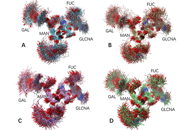
Two important interaction patterns have been observed. The first is the strong but non-specific interactions between two carbohydrate chains in
Conclusions:
N-glycans partially acts as allosteric sensor and respond to antigen and hFcγRI binding.
Aim:
Fragment crystallizable (Fc) glycans modulate
Methods:
Molecular dynamics simulations were used to generate conformation ensembles of
Results:
Two important interaction patterns have been observed. The first is the strong but non-specific interactions between two carbohydrate chains in
Conclusions:
N-glycans partially acts as allosteric sensor and respond to antigen and hFcγRI binding.
DOI: https://doi.org/10.37349/ei.2021.00004


Aim:
To determine temporal changes in the frequency of asthma and mental illness in California emergency department (ED)
Methods:
Public-use, all-payer ED data from non-federal, acute-care hospitals (2005–2014) were obtained for cross-sectional analysis. Due to substantial missing data, we used fully conditional specification multiple imputation with discriminant functions for age group, sex, race, and ethnicity. Multivariable logistic regression was used to examine asthma diagnosis (yes/no) among all ED
Results:
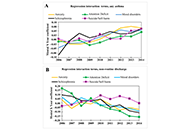
During 2005–2014 there were 96,180,176
Conclusions:
Increased co-occurring mental illness among asthma-related ED
Aim:
To determine temporal changes in the frequency of asthma and mental illness in California emergency department (ED)
Methods:
Public-use, all-payer ED data from non-federal, acute-care hospitals (2005–2014) were obtained for cross-sectional analysis. Due to substantial missing data, we used fully conditional specification multiple imputation with discriminant functions for age group, sex, race, and ethnicity. Multivariable logistic regression was used to examine asthma diagnosis (yes/no) among all ED
Results:
During 2005–2014 there were 96,180,176
Conclusions:
Increased co-occurring mental illness among asthma-related ED
DOI: https://doi.org/10.37349/eaa.2024.00064
This article belongs to the special issue Asthma and its Relationship with Psychological and Psychopathological Factors
Aim:
The present study aims to generate chimeric mouse single-chain variable fragment (scFv) and immunoglobulin G1 (IgG1) crystallizable fragment (Fc) antibody against disialoganglioside (GD2) for the treatment of neuroblastoma (NB). The generated scFv-IgG
Methods:
Vector for scFv-IgG
Results:
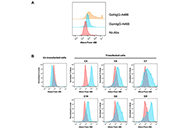
Using plasmid fusion-human IgG1-Fc2 tag vector (pFUSE-hIgG1-Fc2), a plasmid vector encoding chimeric mouse scFv and hIgG1
Conclusions:
The results indicate that chimeric scFv-hIgG
Aim:
The present study aims to generate chimeric mouse single-chain variable fragment (scFv) and immunoglobulin G1 (IgG1) crystallizable fragment (Fc) antibody against disialoganglioside (GD2) for the treatment of neuroblastoma (NB). The generated scFv-IgG
Methods:
Vector for scFv-IgG
Results:
Using plasmid fusion-human IgG1-Fc2 tag vector (pFUSE-hIgG1-Fc2), a plasmid vector encoding chimeric mouse scFv and hIgG1
Conclusions:
The results indicate that chimeric scFv-hIgG
DOI: https://doi.org/10.37349/etat.2023.00188
This article belongs to the special issue Novel Strategies and Targets for Immunotherapy of Cancer
Aim:
As the primary response antibody with increasing use as a therapeutic immunoglobulin (Ig) format, IgM is also the largest antibody structure among the five major human isotypes. Spontaneously formed pentamers and hexamers of IgM have avidity effects that could compensate for weaker interactions in monomeric Igs. However, this advantage is counterbalanced by potential steric clashes when binding to multiple large antigens. Recent findings have challenged the expected canonical independence of
Methods:
Through a panel of 14 recombinant complementarity determining regions (CDRs)-grafted trastuzumab and pertuzumab VH1-7 IgMs subjected to bio-layer interferometry measurements, the interactions with the antigen human epidermal growth factor receptor 2 (Her2), Fc-mu receptor (FcμR), and superantigen Protein L (PpL) were investigated.
Results:
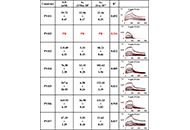
Significant effects from the V-regions to mitigate FcμR binding and the IgM C-region bidirectional effect modulating Her2 antigen engagements at the V-regions were found. Additional modulatory effects from superantigen PpL binding on the V-region of the kappa chain (Vκ) mitigating antigen binding were also found, revealing possible novel mechanisms of antibody superantigens that can be moderated by the antibody VH frameworks.
Conclusions:
These findings show that the oligomerisation of IgMs plays a significant role in FcμR, antigen, and superantigen binding that made IgM distinct from the other antibody isotypes and how these features should be considered during further development and protein engineering of IgM therapeutics.
Aim:
As the primary response antibody with increasing use as a therapeutic immunoglobulin (Ig) format, IgM is also the largest antibody structure among the five major human isotypes. Spontaneously formed pentamers and hexamers of IgM have avidity effects that could compensate for weaker interactions in monomeric Igs. However, this advantage is counterbalanced by potential steric clashes when binding to multiple large antigens. Recent findings have challenged the expected canonical independence of
Methods:
Through a panel of 14 recombinant complementarity determining regions (CDRs)-grafted trastuzumab and pertuzumab VH1-7 IgMs subjected to bio-layer interferometry measurements, the interactions with the antigen human epidermal growth factor receptor 2 (Her2), Fc-mu receptor (FcμR), and superantigen Protein L (PpL) were investigated.
Results:
Significant effects from the V-regions to mitigate FcμR binding and the IgM C-region bidirectional effect modulating Her2 antigen engagements at the V-regions were found. Additional modulatory effects from superantigen PpL binding on the V-region of the kappa chain (Vκ) mitigating antigen binding were also found, revealing possible novel mechanisms of antibody superantigens that can be moderated by the antibody VH frameworks.
Conclusions:
These findings show that the oligomerisation of IgMs plays a significant role in FcμR, antigen, and superantigen binding that made IgM distinct from the other antibody isotypes and how these features should be considered during further development and protein engineering of IgM therapeutics.
DOI: https://doi.org/10.37349/ei.2022.00083
Aim:
This study aimed to assess the relationship between clinician adherence to International League Against Epilepsy (ILAE) management guidelines and seizure
Methods:
This retrospective cross-sectional study analyzed 404 adult outpatients with epilepsy from an institutional database (January–October 2013). Data were collected on demographic characteristics, seizure types, diagnostic workup completeness, treatment regimens, weight-adjusted dosing, self-reported adherence, and seizure
Results:
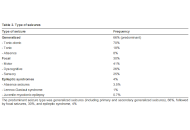
Of 404 patients analyzed (58.7% female, mean age 33 ± 13 years), 49.3% achieved seizure
Conclusions:
Adherence to ILAE management guidelines, particularly regarding monotherapy selection, weight-adjusted dosing, and treatment adherence, was significantly associated with improved seizure
Aim:
This study aimed to assess the relationship between clinician adherence to International League Against Epilepsy (ILAE) management guidelines and seizure
Methods:
This retrospective cross-sectional study analyzed 404 adult outpatients with epilepsy from an institutional database (January–October 2013). Data were collected on demographic characteristics, seizure types, diagnostic workup completeness, treatment regimens, weight-adjusted dosing, self-reported adherence, and seizure
Results:
Of 404 patients analyzed (58.7% female, mean age 33 ± 13 years), 49.3% achieved seizure
Conclusions:
Adherence to ILAE management guidelines, particularly regarding monotherapy selection, weight-adjusted dosing, and treatment adherence, was significantly associated with improved seizure
DOI: https://doi.org/10.37349/en.2025.1006107
This article belongs to the special issue Advances in Epilepsy Research
Aim:
The clinical symptoms of autoantibody (AAb)-mediated autoimmune diseases (AID) usually correlate with the AAb-titer. Immunoglobulins (Igs) of the IgG type are actively recycled by the neonatal crystallizable fragment receptor (FcRn). The most common Ig type of AAb is IgG. This explorative study evaluates the safety and tolerability of a fully human anti-FcRn monoclonal antibody (mAb) in patients with thyroid autoimmunity (TA).
Methods:
Adverse events (AEs) and serious AEs (SAEs) were documented and coded according to the standardized Medical Dictionary for Regulatory Activities (MedDRA). AEs were followed up, and seriousness, as defined by the International Conference on Harmonization of Technical Requirements for Registration of Pharmaceuticals for Human Use (ICH)-guideline E6, was documented. All AEs were analyzed for a possible underlying cause, and if not identified, were graded as side effects (SEs). Additionally, safety-relevant serological parameters (liver function and blood cell counts) were evaluated. Furthermore, laboratory parameters influenced by other anti-FcRn agents in clinical studies were considered.
Results:
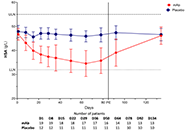
Of 31 patients with TA, 19 were administered the anti-FcRn mAb subcutaneously once weekly for 12 weeks, while 12 were on placebo. Compared to placebo, there was no increased occurrence of AE and/or SE in the mAb group. mAb treatment increased total, low-density lipoprotein (LDL), and high-density lipoprotein (HDL) cholesterol. A mAb treatment-induced transient decrease in serum albumin strongly correlated with an increase in total cholesterol (r = –0.893, P = 0.012). Overall compared to placebo, there were no significant changes in blood cell counts, complement factors, or liver enzymes. Serological changes were transient and spontaneously normalized after treatment completion. Two SAEs were deemed no-drug induced (dysthyroid optic neuropathy and a post-COVID infection associated autoimmune encephalomyelitis).
Conclusions:
The anti-FcRn mAb is a safe and well-tolerated therapy for AAb-mediated AID.
Aim:
The clinical symptoms of autoantibody (AAb)-mediated autoimmune diseases (AID) usually correlate with the AAb-titer. Immunoglobulins (Igs) of the IgG type are actively recycled by the neonatal crystallizable fragment receptor (FcRn). The most common Ig type of AAb is IgG. This explorative study evaluates the safety and tolerability of a fully human anti-FcRn monoclonal antibody (mAb) in patients with thyroid autoimmunity (TA).
Methods:
Adverse events (AEs) and serious AEs (SAEs) were documented and coded according to the standardized Medical Dictionary for Regulatory Activities (MedDRA). AEs were followed up, and seriousness, as defined by the International Conference on Harmonization of Technical Requirements for Registration of Pharmaceuticals for Human Use (ICH)-guideline E6, was documented. All AEs were analyzed for a possible underlying cause, and if not identified, were graded as side effects (SEs). Additionally, safety-relevant serological parameters (liver function and blood cell counts) were evaluated. Furthermore, laboratory parameters influenced by other anti-FcRn agents in clinical studies were considered.
Results:
Of 31 patients with TA, 19 were administered the anti-FcRn mAb subcutaneously once weekly for 12 weeks, while 12 were on placebo. Compared to placebo, there was no increased occurrence of AE and/or SE in the mAb group. mAb treatment increased total, low-density lipoprotein (LDL), and high-density lipoprotein (HDL) cholesterol. A mAb treatment-induced transient decrease in serum albumin strongly correlated with an increase in total cholesterol (r = –0.893, P = 0.012). Overall compared to placebo, there were no significant changes in blood cell counts, complement factors, or liver enzymes. Serological changes were transient and spontaneously normalized after treatment completion. Two SAEs were deemed no-drug induced (dysthyroid optic neuropathy and a post-COVID infection associated autoimmune encephalomyelitis).
Conclusions:
The anti-FcRn mAb is a safe and well-tolerated therapy for AAb-mediated AID.
DOI: https://doi.org/10.37349/ei.2024.00145
Aim:
In 2023, the average woman used 13 different personal care products (PCPs) daily, exposing them to 114 different chemical toxins, including carcinogens, synthetic preservatives, and fragrances. Parabens, commonly used as preservatives and fragrance ingredients, are found in household and PCPs, such as cosmetics and hair products. Exposure to parabens has been associated with an increased risk of breast cancer and endocrine disorders. This study aims to evaluate the effectiveness of the “Paraben-
Methods:
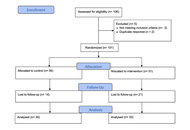
This study consists of a randomized controlled trial to evaluate the effectiveness of the educational toolkit among 101 female students aged 18 to 35 years old following a four-week intervention period. Baseline and follow-up questionnaires were used to assess participants’ knowledge and access to information, risk perception, health beliefs, and paraben-
Results:
The change in the knowledge and access to information score was significantly greater in the intervention group compared to the control group (+3.96, 95% CI [1.95, 5.96]). There were slight differences between groups in relation to health beliefs (+0.63, 95% CI [–1.02, 2.27]), risk perception (+0.96, 95% CI [–0.61, 2.54]), and paraben-
Conclusions:
This study suggests that while the “Paraben-
Aim:
In 2023, the average woman used 13 different personal care products (PCPs) daily, exposing them to 114 different chemical toxins, including carcinogens, synthetic preservatives, and fragrances. Parabens, commonly used as preservatives and fragrance ingredients, are found in household and PCPs, such as cosmetics and hair products. Exposure to parabens has been associated with an increased risk of breast cancer and endocrine disorders. This study aims to evaluate the effectiveness of the “Paraben-
Methods:
This study consists of a randomized controlled trial to evaluate the effectiveness of the educational toolkit among 101 female students aged 18 to 35 years old following a four-week intervention period. Baseline and follow-up questionnaires were used to assess participants’ knowledge and access to information, risk perception, health beliefs, and paraben-
Results:
The change in the knowledge and access to information score was significantly greater in the intervention group compared to the control group (+3.96, 95% CI [1.95, 5.96]). There were slight differences between groups in relation to health beliefs (+0.63, 95% CI [–1.02, 2.27]), risk perception (+0.96, 95% CI [–0.61, 2.54]), and paraben-
Conclusions:
This study suggests that while the “Paraben-
DOI: https://doi.org/10.37349/edht.2025.101163
Aim:
Short-acting β2-agonist (SABA) overuse adversely affects asthma-related outcomes and the environment. The latest Global Initiative for Asthma (GINA) report no longer recommends SABA-only therapy. Since 2020, we have implemented an inhaled corticosteroid (ICS)-containing reliever strategy for our moderately severe asthmatics within our practice population. We only administered budesonide/formoterol (BUD/FORM) via a single device maintenance and reliever therapy (MART) across this cohort and eliminated the use of SABA therapy.
Methods:
Our asthma registry revealed 195 patients in the cohort. All patients were invited for assessment and 101 patients agreed to this new strategy [MART + simultaneous anti-inflammatory reliever (AIR)]. The remaining 94 patients continued with MART and SABA inhalers. Both groups were followed up for 24 months.
Results:
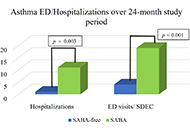
There were no deaths in either group. Asthma-related hospitalizations fell by 91.5% in the SABA-
Conclusions:
This data provides real world evidence that the use of MART/AIR with BUD/FORM simultaneously with the elimination of SABA is safe and effective for moderate asthmatics within primary care.
Aim:
Short-acting β2-agonist (SABA) overuse adversely affects asthma-related outcomes and the environment. The latest Global Initiative for Asthma (GINA) report no longer recommends SABA-only therapy. Since 2020, we have implemented an inhaled corticosteroid (ICS)-containing reliever strategy for our moderately severe asthmatics within our practice population. We only administered budesonide/formoterol (BUD/FORM) via a single device maintenance and reliever therapy (MART) across this cohort and eliminated the use of SABA therapy.
Methods:
Our asthma registry revealed 195 patients in the cohort. All patients were invited for assessment and 101 patients agreed to this new strategy [MART + simultaneous anti-inflammatory reliever (AIR)]. The remaining 94 patients continued with MART and SABA inhalers. Both groups were followed up for 24 months.
Results:
There were no deaths in either group. Asthma-related hospitalizations fell by 91.5% in the SABA-
Conclusions:
This data provides real world evidence that the use of MART/AIR with BUD/FORM simultaneously with the elimination of SABA is safe and effective for moderate asthmatics within primary care.
DOI: https://doi.org/10.37349/eaa.2025.100969
Aim:
Although polytetrafluoroethylene (PTFE) is more hydrophobic than polyvinylidene fluoride (PVDF) in fluorocarbon polymer (FCP) membrane filters, it has been reported that the rate of amyloid fibril formation is faster on PVDF than on PTFE. To clarify whether the effect is due to the membrane’s chemical structure or its hydrophobicity at the membrane interface, studies on amyloid fibril formation were conducted using both hydrophobic and hydrophilic PVDF and PTFE membranes.
Methods:
Heat-treated insulin (INS) was adsorbed onto the FCP membrane filters. Gaussian integrals were employed to determine the amounts of β-sheet and their abundance ratios by curve fitting of attenuated total reflection Fourier transform infrared spectra.
Results:
Adsorbed heat-treated INS onto the FCP membrane filters showed a β-sheet form, with a similar or higher affinity in comparison with that of the β-rich concanavalin A. The adsorption followed a sigmoidal curve with a 2-hour lag time, reaching a plateau after 4–5 hours. The spectral patterns of the adsorbed INS indicated the β-sheet form, demonstrating that INS transformed into β-sheet and then, or simultaneously, adsorbed onto the FCP membrane filters.
Conclusions:
The results regarding the rate and strength of amyloid fibril formation for each FCP membrane filter suggest that, beyond the membrane’s surface hydrophobicity or hydrophilicity, other factors, such as the electron affinity of hydrogen in the PVDF membrane, also influence nucleation. This study provides insight into the role of INS in amyloid fibril formation within FCP membrane filters.
Aim:
Although polytetrafluoroethylene (PTFE) is more hydrophobic than polyvinylidene fluoride (PVDF) in fluorocarbon polymer (FCP) membrane filters, it has been reported that the rate of amyloid fibril formation is faster on PVDF than on PTFE. To clarify whether the effect is due to the membrane’s chemical structure or its hydrophobicity at the membrane interface, studies on amyloid fibril formation were conducted using both hydrophobic and hydrophilic PVDF and PTFE membranes.
Methods:
Heat-treated insulin (INS) was adsorbed onto the FCP membrane filters. Gaussian integrals were employed to determine the amounts of β-sheet and their abundance ratios by curve fitting of attenuated total reflection Fourier transform infrared spectra.
Results:
Adsorbed heat-treated INS onto the FCP membrane filters showed a β-sheet form, with a similar or higher affinity in comparison with that of the β-rich concanavalin A. The adsorption followed a sigmoidal curve with a 2-hour lag time, reaching a plateau after 4–5 hours. The spectral patterns of the adsorbed INS indicated the β-sheet form, demonstrating that INS transformed into β-sheet and then, or simultaneously, adsorbed onto the FCP membrane filters.
Conclusions:
The results regarding the rate and strength of amyloid fibril formation for each FCP membrane filter suggest that, beyond the membrane’s surface hydrophobicity or hydrophilicity, other factors, such as the electron affinity of hydrogen in the PVDF membrane, also influence nucleation. This study provides insight into the role of INS in amyloid fibril formation within FCP membrane filters.
DOI: https://doi.org/10.37349/ebmx.2026.101357
Aim:
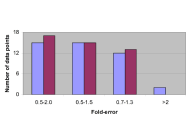
The objective of this study was to develop a simple quantitative model (SQM) to predict maximum plasma concentration (Cmax) and the area under the curve (AUC) of renally excreted drugs (n = 16) in pregnant women from non-pregnant women.
Methods:
The SQM was developed using 6 physiological parameters and the fraction unbound protein in plasma (fup) as the product characteristic. The six physiological parameters used in this study were total body water, blood volume, cardiac output, glomerular filtration rate (GFR), volume of the fetoplacental unit and blood flow of the fetoplacental unit. A factor was derived based on the average values of the physiological parameters and fup for different gestational ages to predict Cmax and AUC values in pregnant women from non-pregnant women. The predicted values from SQM were then compared with the dedicated clinical studies as well as predicted values by a physiologically-based pharmacokinetic (PBPK) model.
Results:
Out of 17 Cmax data
Conclusions:
The results of the study indicate that the SQM in its predictive performance is as robust and accurate as whole body PBPK.
Aim:
The objective of this study was to develop a simple quantitative model (SQM) to predict maximum plasma concentration (Cmax) and the area under the curve (AUC) of renally excreted drugs (n = 16) in pregnant women from non-pregnant women.
Methods:
The SQM was developed using 6 physiological parameters and the fraction unbound protein in plasma (fup) as the product characteristic. The six physiological parameters used in this study were total body water, blood volume, cardiac output, glomerular filtration rate (GFR), volume of the fetoplacental unit and blood flow of the fetoplacental unit. A factor was derived based on the average values of the physiological parameters and fup for different gestational ages to predict Cmax and AUC values in pregnant women from non-pregnant women. The predicted values from SQM were then compared with the dedicated clinical studies as well as predicted values by a physiologically-based pharmacokinetic (PBPK) model.
Results:
Out of 17 Cmax data
Conclusions:
The results of the study indicate that the SQM in its predictive performance is as robust and accurate as whole body PBPK.
DOI: https://doi.org/10.37349/eds.2025.1008115
Aim:
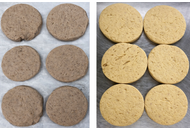
Livestock production plays a significant role in meeting global protein demands but is a major contributor to climate change. With the world population projected to reach 9 billion by 2050, identifying sustainable alternative protein sources has become more critical than ever. Edible insects offer an affordable protein option compared to beef, chicken, and fish, especially in many African and Asian cultures, where these conventional protein sources are considered relatively expensive. This study aimed to investigate the potential of mulberry silkworm pupae and African palm weevil larvae as alternative proteins to conventional protein sources for use in gluten-
Methods:
Five gluten-
Results:
The wraps had protein contents ranging from 23.78% to 35.60%. Breakfast wrap with palm weevil larvae had slightly more fiber (4.01%) and carbohydrate (36.11%) contents and lower fat (10.22%) compared to the other wraps. It also had an impressive vitamin A content (528.96 μg RAE/100 g) and an exceptional amino acid profile. The insect wraps had more vitamin B12 (0.02 mg/g) contents than the conventional wraps. The fish-based version was the most preferred of all the wraps, with an overall acceptability score of 7.80. All developed products were within permissible limits for microbial quality.
Conclusions:
Edible insects, such as palm weevil larvae and silkworm pupae, could serve as an alternative source of protein in the production of gluten-
Aim:
Livestock production plays a significant role in meeting global protein demands but is a major contributor to climate change. With the world population projected to reach 9 billion by 2050, identifying sustainable alternative protein sources has become more critical than ever. Edible insects offer an affordable protein option compared to beef, chicken, and fish, especially in many African and Asian cultures, where these conventional protein sources are considered relatively expensive. This study aimed to investigate the potential of mulberry silkworm pupae and African palm weevil larvae as alternative proteins to conventional protein sources for use in gluten-
Methods:
Five gluten-
Results:
The wraps had protein contents ranging from 23.78% to 35.60%. Breakfast wrap with palm weevil larvae had slightly more fiber (4.01%) and carbohydrate (36.11%) contents and lower fat (10.22%) compared to the other wraps. It also had an impressive vitamin A content (528.96 μg RAE/100 g) and an exceptional amino acid profile. The insect wraps had more vitamin B12 (0.02 mg/g) contents than the conventional wraps. The fish-based version was the most preferred of all the wraps, with an overall acceptability score of 7.80. All developed products were within permissible limits for microbial quality.
Conclusions:
Edible insects, such as palm weevil larvae and silkworm pupae, could serve as an alternative source of protein in the production of gluten-
DOI: https://doi.org/10.37349/eff.2025.101078
This article belongs to the special issue The food (r)evolution towards food quality/security and human nutrition
Aim:
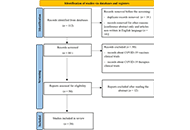
Coronavirus disease 2019 (COVID-19) became pandemic on 11th March 2020 and it deeply stressed the healthcare system. Cancer patients represent a vulnerable population, so many recommendations have been approved to ensure optimal management. Clinical research was notably impacted by COVID too. This review aims to analyze the challenges occurred during a pandemic for the management of enrolled patients (enrollment, use of telemedicine
Methods:
The studies included in the present review were selected from PubMed/Google Scholar/ScienceDirect databases.
Results:
During the first phase of pandemic many clinical trials were suspended in accrual and, as the pandemic progressed, recommendations were established to guarantee the safety and the continuity of care of enrolled patients. In addition, lot of new strategies was found during the pandemic to reduce the negative consequences on clinical trial performance and to guarantee new opportunities of care in the respect of good clinical practice (GCP) in a bad scenario.
Conclusions:
Among all modifiers, investigators would prefer to maintain the positive ones such as pragmatic and simplified trial designs and protocols, reducing in-person
Aim:
Coronavirus disease 2019 (COVID-19) became pandemic on 11th March 2020 and it deeply stressed the healthcare system. Cancer patients represent a vulnerable population, so many recommendations have been approved to ensure optimal management. Clinical research was notably impacted by COVID too. This review aims to analyze the challenges occurred during a pandemic for the management of enrolled patients (enrollment, use of telemedicine
Methods:
The studies included in the present review were selected from PubMed/Google Scholar/ScienceDirect databases.
Results:
During the first phase of pandemic many clinical trials were suspended in accrual and, as the pandemic progressed, recommendations were established to guarantee the safety and the continuity of care of enrolled patients. In addition, lot of new strategies was found during the pandemic to reduce the negative consequences on clinical trial performance and to guarantee new opportunities of care in the respect of good clinical practice (GCP) in a bad scenario.
Conclusions:
Among all modifiers, investigators would prefer to maintain the positive ones such as pragmatic and simplified trial designs and protocols, reducing in-person
DOI: https://doi.org/10.37349/etat.2023.00183
This article belongs to the special issue COVID-19 and Cancer
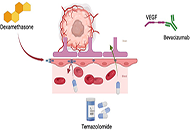
Steroid use is a widely accepted practice for both the treatment and prevention of tumor-induced edema, but there are many unknowns regarding their current clinical utility with modern anti-tumor therapies. This decreases edema and relieves the symptomatic mass effect. There are clearly understood benefits and commonly accepted complications of methylprednisolone (MP) use, but the topic is recently controversial. With immunotherapy advancing, a robust immune response is crucial for full therapeutic efficacy. The immunosuppression of MP may interfere with future and current therapeutics relying on the integrity of the patient’s immune system. This further emphasizes the need for alternative agents to effectively treat tumor-induced cerebral edema. This review highlights the current clinical utility of steroids to treat brain tumor-related edema and the underlying pathophysiology. It also reviews details regarding different steroid formulations and dosing. Research available regarding concurrent steroid use with immunotherapy is detailed next, followed by alternatives to steroids and barriers to their adoption. Finally, this paper discusses pre-clinical findings and emerging treatments aimed to augment or replace steroid use.
Steroid use is a widely accepted practice for both the treatment and prevention of tumor-induced edema, but there are many unknowns regarding their current clinical utility with modern anti-tumor therapies. This decreases edema and relieves the symptomatic mass effect. There are clearly understood benefits and commonly accepted complications of methylprednisolone (MP) use, but the topic is recently controversial. With immunotherapy advancing, a robust immune response is crucial for full therapeutic efficacy. The immunosuppression of MP may interfere with future and current therapeutics relying on the integrity of the patient’s immune system. This further emphasizes the need for alternative agents to effectively treat tumor-induced cerebral edema. This review highlights the current clinical utility of steroids to treat brain tumor-related edema and the underlying pathophysiology. It also reviews details regarding different steroid formulations and dosing. Research available regarding concurrent steroid use with immunotherapy is detailed next, followed by alternatives to steroids and barriers to their adoption. Finally, this paper discusses pre-clinical findings and emerging treatments aimed to augment or replace steroid use.
DOI: https://doi.org/10.37349/etat.2022.00106
Aim:
In patients with cancer, ischemic heart disease, and peripheral vascular disease, the neutrophil-lymphocyte ratio (NLR), a measure of systemic inflammation, has been demonstrated to predict mortality. This study aimed to evaluate the inflammatory status, and also examine the impact of NLR on renal outcomes (mortality and composite end
Methods:
This prospective cohort was conducted at a tertiary care public teaching hospital. The NLR greater than 3.53 was taken as an indication of systemic inflammation. The outcome measures include composite end
Results:
A cohort of 360 patients aged 53.7 years ± 13.9 years had a median follow-up of 14 months ± 4.24 months and was evaluated for inflammatory status and renal outcomes. The proportion of inflammation was found to be 101 (28.7%). Higher NLR levels had shown an increased incidence of mortality (5.3%) and composite end
Conclusions:
NLR is a potential predictor of mortality and composite end
Aim:
In patients with cancer, ischemic heart disease, and peripheral vascular disease, the neutrophil-lymphocyte ratio (NLR), a measure of systemic inflammation, has been demonstrated to predict mortality. This study aimed to evaluate the inflammatory status, and also examine the impact of NLR on renal outcomes (mortality and composite end
Methods:
This prospective cohort was conducted at a tertiary care public teaching hospital. The NLR greater than 3.53 was taken as an indication of systemic inflammation. The outcome measures include composite end
Results:
A cohort of 360 patients aged 53.7 years ± 13.9 years had a median follow-up of 14 months ± 4.24 months and was evaluated for inflammatory status and renal outcomes. The proportion of inflammation was found to be 101 (28.7%). Higher NLR levels had shown an increased incidence of mortality (5.3%) and composite end
Conclusions:
NLR is a potential predictor of mortality and composite end
DOI: https://doi.org/10.37349/emed.2023.00141
This article belongs to the special issue Disease Diagnosis, Molecular Mechanism and Therapeutic Strategies in Kidney Injury and Fibrosis
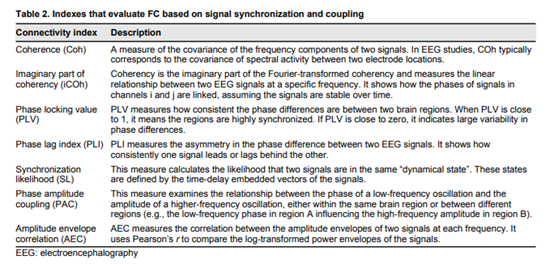
Age-related changes in the brain cause cognitive decline and dementia. In recent year’s researchers’ extensively studied the relationship between age related changes in functional connectivity (FC) in dementia. Those studies explore the alterations in
Age-related changes in the brain cause cognitive decline and dementia. In recent year’s researchers’ extensively studied the relationship between age related changes in functional connectivity (FC) in dementia. Those studies explore the alterations in
DOI: https://doi.org/10.37349/emed.2024.00256
This article belongs to the special issue Neurophysiological Mechanisms of Aging and Dementia
Aim:
To describe the first major epidemic thunderstorm asthma (ETSA) event detected in France in June 2023.
Methods:
Data on local meteorology,
Results:
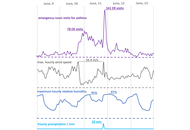
The ETSA was centered on the Paris region. An excess of 1,900 emergency
Conclusions:
Although the data collected did not allow the identification of a single cause for the occurrence of the ETSA, they pointed to multifactorial causes such as the occurrence of an ozone pollution episode, strong winds before the storm, an episode of resuspension of PM10 particles, the presence of broken pollen, and the significant increase in mold spores just after the stormy episode.
Aim:
To describe the first major epidemic thunderstorm asthma (ETSA) event detected in France in June 2023.
Methods:
Data on local meteorology,
Results:
The ETSA was centered on the Paris region. An excess of 1,900 emergency
Conclusions:
Although the data collected did not allow the identification of a single cause for the occurrence of the ETSA, they pointed to multifactorial causes such as the occurrence of an ozone pollution episode, strong winds before the storm, an episode of resuspension of PM10 particles, the presence of broken pollen, and the significant increase in mold spores just after the stormy episode.
DOI: https://doi.org/10.37349/eaa.2026.1009114
This article belongs to the special issue Climate Change, Allergy, and Immunotherapy
Aim:
This study aimed to computationally identify and optimize 4-hydroxy isoleucine (4HILe) derivatives from fenugreek as multitarget antidiabetic agents against α-glucosidase, α-amylase, and aldose reductase [PDB (protein data bank) IDs: 5NN8, 4GQR, 4QX4].
Methods:
A multi-step computational workflow was employed to identify and optimize 4HILe derivatives as antidiabetic agents. Molecular docking using the Schrödinger Suite screened 23 ligands against three enzyme targets to evaluate binding affinities and interactions. Molecular dynamic (MD) simulations conducted with GROMACS (Groningen machine chemical simulations) over 100 ns assessed conformational stability through RMSD (root mean square deviation) and RMSF (root mean square fluctuation) analysis. Binding
Results:
The study identified 4HILe-4, 2R-3S-4R-4HILe, and 4HILe-Amide-2 as potent derivatives with superior binding affinities [ΔG (Gibbs
Conclusions:
The study highlights 4HILe derivatives as promising inhibitors for diabetes-associated enzymes, demonstrating robust binding and dynamic stability. Integrating molecular dynamics,
Aim:
This study aimed to computationally identify and optimize 4-hydroxy isoleucine (4HILe) derivatives from fenugreek as multitarget antidiabetic agents against α-glucosidase, α-amylase, and aldose reductase [PDB (protein data bank) IDs: 5NN8, 4GQR, 4QX4].
Methods:
A multi-step computational workflow was employed to identify and optimize 4HILe derivatives as antidiabetic agents. Molecular docking using the Schrödinger Suite screened 23 ligands against three enzyme targets to evaluate binding affinities and interactions. Molecular dynamic (MD) simulations conducted with GROMACS (Groningen machine chemical simulations) over 100 ns assessed conformational stability through RMSD (root mean square deviation) and RMSF (root mean square fluctuation) analysis. Binding
Results:
The study identified 4HILe-4, 2R-3S-4R-4HILe, and 4HILe-Amide-2 as potent derivatives with superior binding affinities [ΔG (Gibbs
Conclusions:
The study highlights 4HILe derivatives as promising inhibitors for diabetes-associated enzymes, demonstrating robust binding and dynamic stability. Integrating molecular dynamics,
DOI: https://doi.org/10.37349/eds.2025.1008104
Aim:
This study aimed to determine the best formulation of gluten-
Methods:
Five biscuit formulations (F1: 100:0, F2: 75:25, F3: 50:50, F4: 25:75, F5: 0:100; red rice flour:cassava flour) were prepared. Sensory evaluation using a nine-point hedonic scale identified the optimal formulation. The selected biscuit was further analyzed for proximate composition, dietary fiber, total energy, and physical properties (hardness, color, spread ratio, and bulk density). Shelf life was monitored over eight weeks through microbiological counts, water activity, and texture changes. Consumer acceptance was assessed via a market survey.
Results:
F3 (50:50) achieved the highest scores for color, aroma, taste, crispiness, and overall acceptance. It contained lower moisture (2.87%) and protein (5.45%) but higher ash (0.81%), carbohydrate (72.46%), dietary fiber (3.57%), and energy (474.03 kcal/100 g) than the control (p < 0.05). Fat and crude fiber contents did not differ significantly among the formulations (p > 0.05). F3 showed lower hardness, darker color, higher spread ratio, and greater bulk density. Microbial counts remained at < 10 CFU g⁻1 and water activity ≤ 0.65 during storage, while hardness gradually decreased. Over 70% of consumers rated the product as highly acceptable.
Conclusions:
A 50:50 red rice-cassava formulation produced gluten-
Aim:
This study aimed to determine the best formulation of gluten-
Methods:
Five biscuit formulations (F1: 100:0, F2: 75:25, F3: 50:50, F4: 25:75, F5: 0:100; red rice flour:cassava flour) were prepared. Sensory evaluation using a nine-point hedonic scale identified the optimal formulation. The selected biscuit was further analyzed for proximate composition, dietary fiber, total energy, and physical properties (hardness, color, spread ratio, and bulk density). Shelf life was monitored over eight weeks through microbiological counts, water activity, and texture changes. Consumer acceptance was assessed via a market survey.
Results:
F3 (50:50) achieved the highest scores for color, aroma, taste, crispiness, and overall acceptance. It contained lower moisture (2.87%) and protein (5.45%) but higher ash (0.81%), carbohydrate (72.46%), dietary fiber (3.57%), and energy (474.03 kcal/100 g) than the control (p < 0.05). Fat and crude fiber contents did not differ significantly among the formulations (p > 0.05). F3 showed lower hardness, darker color, higher spread ratio, and greater bulk density. Microbial counts remained at < 10 CFU g⁻1 and water activity ≤ 0.65 during storage, while hardness gradually decreased. Over 70% of consumers rated the product as highly acceptable.
Conclusions:
A 50:50 red rice-cassava formulation produced gluten-
DOI: https://doi.org/10.37349/eff.2026.1010136
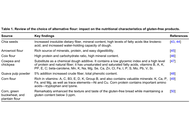
The growing awareness of gluten-related health issues, such as celiac disease, non-celiac gluten sensitivity, and wheat allergies, has led to an increased demand for gluten-
The growing awareness of gluten-related health issues, such as celiac disease, non-celiac gluten sensitivity, and wheat allergies, has led to an increased demand for gluten-
DOI: https://doi.org/10.37349/eff.2026.1010138
Bipolar disorder (BD) is a debilitating psychiatric disorder characterized by recurrent depression, mania, and hypomania episodes. The interaction of psychological, neuropsychological, and neurobiological factors (cognitive, behavioral, and emotional) is implicated in the development and persistence of BD. Accordingly, almost all investigators confirm that BD is the outcome of psychological and genetic interactions. Therefore, researchers should consider various factors in the psychopathology and psychotherapy of BD. This selective review first reviews research on these factors, then
Bipolar disorder (BD) is a debilitating psychiatric disorder characterized by recurrent depression, mania, and hypomania episodes. The interaction of psychological, neuropsychological, and neurobiological factors (cognitive, behavioral, and emotional) is implicated in the development and persistence of BD. Accordingly, almost all investigators confirm that BD is the outcome of psychological and genetic interactions. Therefore, researchers should consider various factors in the psychopathology and psychotherapy of BD. This selective review first reviews research on these factors, then
DOI: https://doi.org/10.37349/en.2023.00032
This article belongs to the special issue Novel Therapeutic Approaches for the Treatment of Depression
