Review


Affiliation:
Department of Food Science and Technology, Federal University of Technology Akure, Akure 340252, Nigeria
ORCID: https://orcid.org/0009-0000-2562-4301

 ,
,
Affiliation:
Department of Food Science and Technology, Federal University of Technology Akure, Akure 340252, Nigeria
ORCID: https://orcid.org/0009-0006-4332-0639
,
Affiliation:
Department of Food Science and Technology, Federal University of Technology Akure, Akure 340252, Nigeria
Affiliation:
Department of Food Science and Technology, Federal University of Technology Akure, Akure 340252, Nigeria
ORCID: https://orcid.org/0009-0002-7505-9405
,
Affiliation:
Department of Food Science and Technology, Federal University of Technology Akure, Akure 340252, Nigeria
Email: vnenujiugha@futa.edu.ng
ORCID: https://orcid.org/0000-0002-0552-8774

Explor Foods Foodomics. 2026;4:1010138 DOI: https://doi.org/10.37349/eff.2026.1010138
Received: March 29, 2025 Accepted: March 26, 2026 Published: April 22, 2026
Academic Editor: Jose Antonio Mendiola, Institute of Food Science Research (CIAL-CSIC), Spain
The growing awareness of gluten-related health issues, such as celiac disease, non-celiac gluten sensitivity, and wheat allergies, has led to an increased demand for gluten-free (GF) bread. Producing GF bread, however, presents significant challenges due to the absence of gluten, which plays a crucial role in the texture and structure of traditional bread. Recent research efforts have been directed towards addressing these challenges through the use of alternative ingredients, the adoption of novel processing techniques, and the implementation of quality improvement strategies. This review critically examines the current state of GF bread production, focusing on the difficulties in replicating the properties of conventional bread and exploring various approaches to enhance product quality, including sourdough technology, alternative polymer networks such as arabinoxylans (AXs), enzyme technology, and high hydrostatic pressure (HHP). Key issues include the use of alternative flours, starches, hydrocolloids, enzyme applications, fermentation processes, non-conventional baking and packaging technologies, with particular attention to their impact on sensory and nutritional attributes. The findings suggest that while progress has been made, ongoing research is essential to meet consumer expectations for high-quality GF bread.
Protein makes up about 10%–12% of the wheat grain, of which gluten accounts for 80%, and the remaining percentage is made up of globules, albumin, and other fractions. Wheat, barley, and rye are the main sources of gluten [1]. Gluten is a complex glycoprotein network that has a significant impact on the ultimate quality of the bread as well as the qualities of the dough during the bread-making process. Gliadin and glutenin are the two primary proteins found in gluten. Glutenin gives dough its elasticity and strength, whereas gliadin adds to its extensibility and viscosity [2]. These proteins connect through hydrogen and disulfide bonds to form a gluten network when they are hydrated. These gluten networks are strengthened during kneading and give the dough its elasticity and gas-trapping capacity [3]. For bread to rise, gluten must be able to hold onto gas. Carbon dioxide gas produced by fermenting yeast becomes trapped in the gluten network. The dough rises and expands due to the trapped gas. The volume and texture of the final bread correlate directly with the extensibility and strength of the gluten network [4]. The regular distribution of gas leads to a desirable volume of bread and a uniform crumb structure, which is ensured by a well-developed gluten network.
The gluten network significantly influences bread quality by stabilizing gas cells during fermentation, thereby enhancing crumb structure and contributing to the bread’s chewiness and softness. Different gluten products can have different textures; bread with a greater gluten level will often be chewier and denser, while bread with a lower gluten content may be softer and crumblier [5]. Hard wheat flours generally contain higher levels of gluten, contributing to their superior strength and suitability for bread production. With a decreased gluten concentration, soft wheat flours produce pastries and cakes that are more tender [6]. Thus, the type of flour used might have an enormous impact on the finished bread.
In order to imitate the functional qualities of gluten for those who are intolerant to gluten, gluten-free (GF) bread uses substitute ingredients such as xanthan gum (polysaccharide produced by fermenting sugar with the bacterium Xanthomonas campestris) and guar gum (natural polysaccharide derived from guar beans). It is nevertheless challenging to have the same quality as bread made with gluten, given that these substitutes might not be able to entirely represent the intricate interactions that gluten provides [7]. Understanding the role of gluten helps in both optimizing bread quality and developing alternatives.
The protein complex known as gluten has drawn attention recently because it has been linked to several illnesses, including non-celiac gluten sensitivity (NCGS), wheat allergy, and celiac disease (CD), collectively referred to as Gluten-related disorders (GRDs) [1, 8]. The medical community, as well as the general public, has become more aware of these ailments, which has increased demand for GF goods. Global wheat consumption has consistently decreased by 9% per person per capita between 2000 and 2018; however, the percentage of consumers who avoid gluten has increased. It is likely due to the population’s preference for GF substitutes such as pseudocereals, some cereal grains, starches, legumes, tubers, and roots over gluten-containing foods [9]. According to another market analysis report, the GF product market is currently valued at 21.61 USD in 2019 and is projected to grow at a compound annual growth rate (CAGR) of 9.2% between 2020 and 2027 [10]. Consequently, a higher incidence of gluten-related illnesses may be a sign of this long-lasting evolution in GF division.
Gluten consumption in genetically susceptible people can result in the autoimmune illness known as CD. Siminiuc and Turcanu [10] describe CD as an autoimmune system reaction caused by the inflammatory process and mucosal injury in the small intestine. It can occur when immunogenic peptides are formed by the incomplete digestion of gluten in the digestive system, leading to an inflammatory cascade that causes villous shrinkage, crypt hyperplasia, and an increase in intraepithelial lymphocytes [11]. Approximately 1% of people worldwide suffer from CD, with people of European ancestry reporting higher prevalence rates [12]. From traditional gastrointestinal symptoms like diarrhea, abdominal discomfort, and malabsorption to extraintestinal symptoms including anemia, osteoporosis, and neurological abnormalities, including gluten ataxia, multiple sclerosis, peripheral neuropathy, seizure, and CD, manifest themselves in a wide range of ways. Furthermore, severely pruritic and blister development, especially on the extensor surfaces of knees, elbows, and buttocks, are well-known cutaneous manifestations of CD, known as dermatitis herpetiformis [13, 14]. Additionally, the illness may manifest asymptomatically, especially in those without symptoms, which causes intestinal damage without outward signs [15]. Other signs and symptoms include autoimmune hepatitis, asplenia, enteropathy-related arthropathy, along with infertility, and fractures in tooth enamel. Histological analysis of small intestine samples and serological testing are used in conjunction to diagnose CD.
The primary means of managing CD is a strict, permanent GF diet (GFD), which, for the majority of patients, results in symptom resolution and mucosal repair [2]. However, since gluten is present in a lot of food products, following a GFD might be difficult. For those with CD, there are also continuous hazards from cross-contamination and hidden sources of gluten.
In the absence of wheat allergy or CD, NCGS should be considered in the differential diagnosis, a disorder marked by gastrointestinal and extraintestinal symptoms associated with gluten ingestion [16, 17]. Epidemiologically, the estimated prevalence of NCGS fluctuates between 0.6% and 6%; this variability may be somewhat due to the lack of certain biomarkers for NCGS diagnosis [18–20]. People with NCGS frequently exhibit extraintestinal symptoms like headache, exhaustion, and joint pain in addition to symptoms that are similar to those of irritable bowel syndrome (IBS), such as bloating, abdominal pain, and abnormal bowel habits [21, 22]. This is a common diagnostic criterion for gluten sensitivity as symptoms usually go away when gluten is eliminated from the diet and return when it is reintroduced [23, 24]. The diagnosis of NCGS is now more difficult because there are no clear biomarkers. It is necessary to follow a GFD for management, though it need not be as strict as it is for CD. In particular, patients with NCGS are advised to consume some contemporary wheat varieties instead of those with CD or wheat allergies. For instance, because of their low gliadin content, the hybrid variety Tritordeum, which is created by hybridizing Triticum durum with barley, is recommended for consumption.
This is a hypersensitivity reaction (either IgE-mediated or non-IgE-mediated) to wheat proteins, including but not limited to gluten [10]. Wheat allergic patients, in contrast to CD and NCGS patients, show an instant immunological reaction when exposed to wheat, resulting in symptoms that can be moderate or severe. The symptoms include swollen throat and mouth membranes, difficulty in swallowing, dyspnea, vomiting, discomfort in the abdomen, asthmatic reactions, and rashes, which are brought on by these antigen-antibody responses. This may also lead to a rapid whole-body reaction, causing a blood pressure decrease that might result in anaphylactic shock, which can be fatal to the patient [25]. Usually, symptoms appear soon after consuming wheat. Clinical history, skin prick testing, and measurement of IgE antibodies specific to wheat are used during the diagnosis. The Allergen Nomenclature Sub-Committee states that wheat contains 28 allergens that cause various forms of hypersensitivity. Certain clinical signs of wheat allergy are linked to certain of these allergens. According to a case study, heat-resistant allergens that are typically recognized by IgE and trigger reactions after inhaling wheat are α-amylase trypsin inhibitors or non-specific lipid transfer proteins, leading to a condition known as Baker’s asthma [26]. The rigorous avoidance of wheat-containing meals and the use of emergency drugs, like epinephrine, in the event of severe responses form a component of management.
GF bread (GFB) is becoming a popular alternative to regular bread for people. This is due to the growing frequency and knowledge of gluten-related illnesses (Figure 1), particularly CD. Panasiti et al. [27] classified GRDs into three hierarchies, namely allergic disorders (wheat allergy, wheat-dependent exercise-induced anaphylaxis), autoimmune disorders (CD), and non-autoimmune disorders (NCGS). Furthermore, a growing number of healthy people are adhering to this routine, most likely due to the “health halo” effect [28]. Bread has been the subject of most GF studies; it is nutritionally characterized by high levels of fat, salt, and accessible carbohydrates along with low levels of vitamins, minerals, and fiber. Numerous GFBs available commercially are more costly and difficult to find, with poor nutritional value, an uneven texture, and a short shelf life [28].
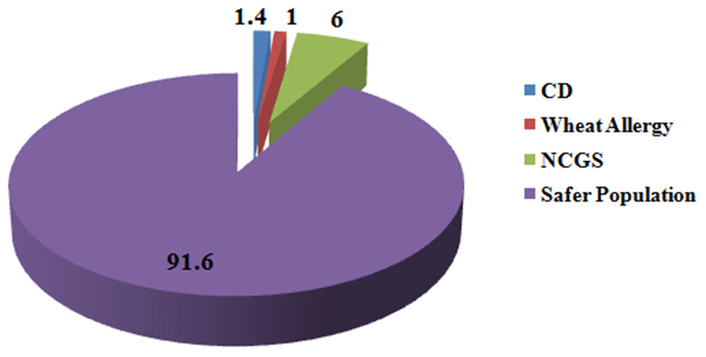
Global estimation of GRDs. Taken from [3] without modification. © 2020 The Authors. Distributed under the terms of the Creative Commons Attribution License (CC BY). CD: celiac disease; GRDs: gluten-related disorders; NCGS: non-celiac gluten-sensitivity.
GFB production requires the use of alternative flours and grains such as rice, corn, millet, and sorghum. However, these flours and grains lack the necessary gluten-forming proteins, which affects bread quality. To improve the quality of GFB, cricket powder has been added to the dough, resulting in improved water dynamics and texture during storage [29]. Furthermore, the inclusion of spirulina in the bread formulation has been shown to have prebiotic potential and improve the volatile organic compounds in GFB [30]. Some of these alternative flours and their peculiarities are extensively discussed in this review.
Supplementary protein sources such as milk, soy, lupine, egg, and pea protein have been commonly incorporated into GFB formulations due to their demonstrated ability to effectively prevent staling, form structures, boost water absorption capacity, and improve the dough’s viscoelastic qualities [31, 32]. It is necessary to add extra water to the GFB dough because of the greater water retention effect. Remarkably, egg protein contributes to the crumb’s increased flexibility and the development of a softer cell texture [32]. Also, the addition of non-gluten proteins to the bread dough plays an important role in GFB production. Studies have shown that rice protein [33] and rapeseed protein [34] can improve the texture and volume of GFB. Furthermore, the addition of transglutaminase enzyme and sodium caseinate to the dough can also improve the quality parameters of GFB, resulting in a semi-volume bread [35].
The use of pseudocereals (such as buckwheat, quinoa, and amaranth) results in a noticeably softer crumb, a larger loaf volume, and an increase in nutritional content [36–38]. Good rheology with up to 40–50% buckwheat flour was obtained from the rice flour-based tests [39, 40]. The recommended amount of amaranth flour is 10%, according to Lemos et al. [41], whereas 10% of quinoa flour increased bread volume by 7.4% and improved appearance without sacrificing flavor [41, 42]. Table 1 reveals some of the nutritional characteristics of different GF products.
Review of the choice of alternative flour: impact on the nutritional characteristics of gluten-free products.
| Source | Key findings | References |
|---|---|---|
| Chia seeds | Increased insoluble dietary fiber, mineral content, high levels of fatty acids like linolenic acid, and increased water-holding capacity of dough. | [43, 44] |
| Arrowroot flour | Rich source of minerals, protein, and easy digestibility. | [45] |
| Coix flour | High protein and carbohydrate ratio, high mineral content. | [46] |
| Cowpea and chickpea | Substitute as a chemical dough additive. It contains a low glycemic index and a high level of protein and natural fiber; it has unsaturated and saturated fatty acids, vitamins B, A, K, PP, E, C; beta-carotene, Mn, K, Na, Mg, Se, Ca, Zn, Cl, Fe, I, P, S, Mo, Pb, V, Si. | [47] |
| Guava pulp powder | 5% addition increased crude fiber, total phenolic content. | [48] |
| Corn flour | Rich in vitamins: A, C, B3, E, D, K, Group B, and also contains valuable minerals: K, Ca, P, Fe, and Mg, as well as trace elements—Ni and Cu. Corn protein contains important amino acids—tryptophan and lysine. | [49] |
| Corn, green buckwheat, and plantain flour | Remarkably enhanced the texture and taste of the gluten-free bread while maintaining a gluten content below 3 ppm. | [50] |
Further, bread crumbs and loaves are significantly impacted by the color and texture of the proteins. Dairy proteins, even in modest amounts, generally work well to increase the color and Maillard’s reaction, which is the reaction between amino group and carboxylic group [51]. Crumb and crust in GFB samples containing soy protein were noticeably darker [52]. It is crucial to stress that proteins from milk, eggs, soy, and lupines remain allergenic, even with their technological advantages. For those with a CD who also have a combined allergy to these proteins, this makes handling allergens during food manufacture more complicated.
Hydrocolloids are commonly used in GFB production to improve the texture and shelf life of the bread. Hydrocolloids such as xanthan gum, guar gum, and psyllium husk are added to the dough to improve its viscosity, elasticity, and water-holding capacity. Culețu et al. [53] reported that the addition of hydrocolloids to GFB increased its specific volume, reduced its staling rate, and improved its glycemic index (GI). Fratelli et al. [54] also reported that the addition of psyllium to GFB improved its overall quality, particularly its texture, and extended its shelf life. According to Fratelli et al. [55], it slows down the rise in postprandial glycaemia, delays gastric emptying, lengthens the mouth-to-cecum transit time, and improves colon function. Also, hydrocolloids are beneficial from the perspective of nutrition. Digestion and absorption are improved by guar gum, psyllium, and cellulose. Collectively, the ingredients used in the production of GFB play a critical role in determining the quality, texture, and nutritional value of the final product [56]. Despite the nutritional and technological benefits of certain grains, however, their strong flavor, scent, and color effects, along with their relatively high cost, limit their use. For example, the addition of buckwheat, teff, quinoa, or amaranth flour in large amounts to bread recipes can bring about sensory qualities that result in a dense, dark crust, strong flavor, aroma, and preference that are not sufficiently pleasant [57]. Further research is needed to investigate the optimal use of these ingredients in GFB production.
Producing high-quality GFB is a challenging task due to the absence of gluten, which is responsible for the viscoelastic properties of bread, despite the increasing demand for GF products worldwide. The absence of gluten, a crucial protein matrix that helps dough expand and hold onto gas, produces weak dough (batter) that is highly susceptible to gas carbon dioxide escaping and has a lot of difficulty retaining its structure, which lowers the amount of baked goods. In comparison to typical wheat breads, this results in a bread with a reduced loaf and specific volume, low moisture, solid structure, crumbly texture, high crumb hardness, and staling quickly [58].
Compared to typical wheat-based bread, GFB may have less nutritional fiber, iron, and B vitamins, also are less satiating and has more calories. This can affect weight control; individuals should consider portion sizes and calorie consumption [59]. One other significant challenge in GFB production is the limited availability of GF flours with suitable physicochemical properties such as water activity, texture, and viscosity. Utarova et al. [50] highlighted that most GF flours are low in protein, resulting in poor bread quality. Thus, there is a need to explore alternative GF flours with improved physicochemical properties, such as green buckwheat flour and other dietary fiber-rich flours. As a result of this, even though the market for GF goods is expanding, a lot of GFBs are nevertheless overpriced since they’re sometimes manufactured with expensive, refined GF starch or flour.
Customer dissatisfaction is also a challenge in GF products. The inclusion of many ingredients and additives to GF products gives the perception of highly processed food. According to the study carried out by Capriles et al. [60], the challenge for food researchers and industry players is to better meet consumer demands by creating high-quality GF products that mimic other gluten-containing counterparts.
Food allergies and malnutrition are related problems that can cause alteration of the microbiota and injury to the gastrointestinal tract, which can lead to a number of health issues. Following a strict GFD is essential for those with CD because it helps avoid autoimmune responses and subsequent architectural destruction, which might lead to malnutrition and even malignancies such as lymphoma. Therefore, production of high-quality GFB is essential to provide safe and healthy food options for individuals with GRDs, especially CD [61, 62].
There’s growing interest in the potential health benefits of a GFD for those with NCGS [63]; however, additional studies are needed to fully assess these benefits. The consumption of GFB may have various impacts on general health, both favorable and unfavorable, based on personal dietary requirements and the composition of the particular product [50].
Consuming GF products is generally considered safe for individuals with CD and also alleviates symptoms of gluten sensitivity in individuals also capable of reducing digestive discomfort. However, higher quantities of rapidly digestible starches (RDS) from rice and/or corn in GFB cause a high GI, which in turn causes blood sugar and insulin levels to rise more quickly [64, 65]. Given that type 1 diabetes mellitus has been linked to CD, the drawbacks are exacerbated [65]. The use of resistant starches (RS) and slowly digested starches (SDS) was investigated. Table 2 shows the summary of the study, which reviewed the various health implications of consuming GFB, modified after several researchers.
Various health implications of GFB consumption.
| Health impact | Brief overview | Mechanism/Notes | Implications for GFB formulation | Reference |
|---|---|---|---|---|
| Nutritional deficiencies/Bone health risk | GFB is often low in fiber, iron, calcium, and Bvitamins | Reliance on refined starches and lack of fortification | Use nutrient-dense flours, seeds, or fortification to balance diet | [66] |
| Weight management | Mixed effects; GFB may increase or decrease weight | Higher caloric density of some GF breads; improved absorption in treated celiac cases | Optimize energy content, fiber, and satiety-promoting ingredients | [67] |
| Gastrointestinal comfort | Can alleviate bloating, pain, and irregular bowel movements | Gluten removal reduces inflammatory response in sensitive individuals | Consider prebiotics, soluble fibers, or hydrocolloids to improve gut tolerance | [68] |
| Glycemic response/Diabetes | GFB can have a higher GI, affecting blood sugar | Rapid starch digestion due to refined flours; low fiber content | Incorporate whole grains, resistant starches, or viscous fibers to reduce GI | [50] |
| Non-celiac gluten sensitivity | May relieve symptoms in some individuals | Symptom reduction may be linked to FODMAP reduction rather than gluten alone | Design GFB with low-FODMAP ingredients; monitor individual tolerance | [69] |
FODMAP: Fermentable Oligo-, Di-, Mono-saccharides, And Polyols; GFB: gluten-free bread; GI: glycemic index.
Numerous techniques to increase and improve nutritional content are presently being explored and studied because of how essential it is while producing GFB [50].
Studies have considered various methods of improving this challenge; among these is the incorporation of ingredients from climate-resilient crops such as tapioca, which have been found to enhance the nutritional quality of GFB [70].
Nutritional and sensory properties of GFB have been a concern for consumers and producers, and several researchers have been committed to this issue [50]. Conducted a study on enhancing the nutritional value of GFB by incorporating a diverse range of components, including additives with beneficial effects on human health, e.g., dietary fibers. Upon reviewing the study, it was discovered that the following methods might be used to enhance the dough’s consistency:
Incorporating a variety of compound flours while making GFB.
Improving nutritional value by incorporating a dietary fiber-rich component.
Utilization of indigenous raw materials rather than imported ones to lower the cost of GFB while also boosting vitamin value and dietary fiber level.
This study has led to the development of a healthy, natural product, GF clean bread, and baked items that have been taste- and consistency-tested in surveys to treat and prevent gastrointestinal and allergy problems, such as CD, and to improve human health in general. Consumption of clean, high-quality foods has also been promoted, and nutritional value has been improved.
Furthermore, Qazi et al. [71] investigated the impact of using different species of microalgae to improve the nutritional, structural, and sensory properties of GFB. Results showed that microalgae could be used as a functional ingredient to enhance the nutritional and sensory profile of GFB. Also, natural flours other than conventional GF flours such as banana flour, cricket flour, and broccoli leaf powder, are increasingly being used in GFB production due to their nutritional value and potential health benefits. Monteiro et al. [72] reported that the use of alternative flours such as maize and rice flour in GFB production increased its specific volume and improved its overall quality. Kowalczewski et al. [29] reported that the addition of cricket powder to GFB increased its protein content, antioxidant activity, and fiber content, while Krupa-Kozak et al. [73] also reported that the addition of broccoli leaf powder to GFB improved its bioactive potential and technological quality.
Additionally, the ingredients used in the production of GFB, as well as bioprocessing, play a critical role in determining the quality, texture, and nutritional value of the final product. More specifically, it has been widely shown that sourdough fermentation is a natural and efficient biotechnology that enhances the nutritional, textural, and sensory qualities of GF baked goods while also extending their shelf life [74]. The use of GF grains such as rice flour, corn flour, psyllium flour, and sorghum flour is also common in GFB production. These grains are milled into flour and used as a replacement for wheat flour in the bread-making process, which contributes to the quality, such as texture profile [72]. Montemurro et al. [75] conducted a systematic review on the development of a clean-label GFB to meet consumers’ demand. According to the study, several approaches were investigated to overcome the challenge of perceiving gluten-free bread production as being highly processed. The formulation of the recipe was based on the selection of different ingredients naturally characterized by: high protein content (protein-rich flours like quinoa, teff, and chickpea flours), structuring properties (structuring agent-containing flours like psyllium flour), and high sucrose concentration (fermentable sugar source for sourdough).
Customer satisfaction with GFB, sweets, and pasta is high, but there is still room for improvement in GFB and cakes to live up to consumer expectations, according to a consumer survey study [76–78]. Inevitably, the GF substitutes are not as good as the gluten-containing products in terms of quality, functionality, and sensory aspects because they do not include gluten. Furthermore, they are not like the typical diet in any way, not even in terms of cost. Take the GFB crumb, which has a poor texture and quickly goes stale and dry.
Low volume, poor quality, and texture faults are caused by the dough’s inability to hold onto air and carbon dioxide from yeast fermentation during raw material mixing and baking, or by the dough’s formation of irregular cells [79]. The bread dough’s viscosity and rheology do not match those of wheat flour dough, the crumb color is pale, there is a strong aftertaste, and the cost of GF ingredients and products is typically higher [80–83]. Due to the absence of gluten, a liquid batter rather than dough is created, which causes the bread to crumble, have a dull color, and have quality issues after baking [84].
Many studies, such as those on raw materials or processing technologies, are being conducted to address problems associated with GFBs. There is currently no long-term solution available for totally replacing gluten. However, a number of substances, additives, and technological advancements, when combined, are showing encouraging outcomes and opening the way to new developments.
No single baking additive has been able to fully mimic gluten despite numerous attempts, although a number of strategies have been used to help with processing and improve the properties of GFB. The majority of these strategies have been based on using complex formulations consisting of a combination of different ingredients and additives in order to mimic the gluten network [85]. Over the years, several strategies and innovations have been employed to improve GFB. Some of these strategies comprise optimized ingredients usage, such as hydrocolloids, fibre, proteins, fats, emulsifiers, and enzymes [86]. The second core strategy reported by Bender and Schönlechner [86] involves the use of technological approaches [high hydrostatic pressure (HHP), sourdough technology, and conventional baking technologies like ohmic heating (OH)].
Ingredient optimization: involves continuously exploring new GF flour blends (combining various GF flours, e.g., rice flour, tapioca flour, sorghum flour, to achieve a balanced texture and flavor), incorporating whole grains like quinoa or buckwheat for added nutrition and better texture, use of binding agents, and nutritional enhancers to improve the overall quality of GFB.
Production technology: Refining mixing, proofing, and baking methods to optimize the structure, texture, and overall characteristics of GFB. Additionally, using vacuum-sealed or modified atmosphere packaging to extend shelf life and exploring natural options like vinegar or rosemary extract to keep bread fresh longer.
Sensory approach: Incorporating regular sensory evaluations to gather consumer feedback and guide product development and quality improvement efforts. Despite the market’s ongoing expansion and potential research breakthroughs, consumer dissatisfaction with currently available GF products plays a critical role in the development of sensory and consumer research, which is essential to the field’s efforts [60].
Numerous studies documenting the use of different substances and their effects have been published. In basic terms, they fall into three main categories. Water-binding and film-forming ingredients, which include hydrocolloids or thickening agents, such as guar gum, pre-gelatinized native or modified starches, xanthan, pentosans, locust bean gum, and cellulose derivatives [86–88], are the first category. The second category is the structure-forming, volume-filling, taste-giving ingredients, such as proteins, fats, and low molecular weight carbohydrates [75, 86], while the last category is the surface-active substances such as emulsifiers [75].
Nevertheless, a lot of ingredients and additives provide the impression that the food is highly processed, which makes customers displeased. In fact, in recent times, consumers’ preferences have been steadily shifting in favor of a certain category of goods known as clean-label products, which are thought to be safer [89]. It has recently been suggested that this problem can be solved by using modern technology and including non-wheat plant ingredients.
Pseudocereals and pulses are excellent for creating films, binding water, and providing protein, fiber, and minerals. As such, their usage in breadmaking has been widely promoted, for both gluten-containing and GF goods [90].
The effect of hydrocolloids on GFB quality has been the subject of numerous investigations. Significant hydrocolloids used in food processing, including agarose, xanthan gum, carboxymethylcellulose (CMC), hydroxypropyl methylcellulose (HPMC), locust bean gum, guar gum, β-glucan, pectin, and carrageenan, have been taken into consideration for this purpose [91, 92].
Hydrocolloids are a crucial ingredient in GF baking, enhancing the cohesive and viscoelastic behavior of the batter by forming gels. They stabilize gas cells, act as water binders, and delay retrogradation. The effect on batter properties depends on the amount and type of hydrocolloid used, their interaction with other food components, and process parameters like temperature, shearing, and pH. The addition of hydrocolloids significantly influences pasting properties, gelatinization, swelling, and staling of starch in GFB [93].
Research has indicated that HPMC is the most effective and is the recommended ingredient in commercial GF products. According to Foschia et al. [87], hydrocolloids were discovered in 27 bread samples from well-known GF firms, with psyllium being the most common at 74.1%. The most popular items were also discovered to be millet and rice bran extract.
The most popular hydrocolloid, HPMC, was also found to be included in 64% of bread compositions [77], followed by xanthan gum (53%), guar gum (37%), and psyllium (34%). A mixture of hydrocolloids was employed in over 80% of GFBs, improving the bread’s characteristics. For the purpose of enhancing crumb texture, HPMC is frequently mixed with other hydrocolloids. Because of its thermo-reversible gel qualities, breads baked exclusively with HPMC have a drier, crumblier texture.
Fiber falls under the water-binding and film-forming ingredients category. Alternatives to hydrocolloids have been investigated as potential food additives, including arabinoxylans (AXs) and oat ß-glucan. Aside from their potential health benefits, especially the prebiotic effect, their application can influence the texture and viscosity of food [94]. This is crucial because a lot of GF goods are processed flour-based and low in nutritional fiber. To achieve correct crumb structure development and thorough gelatinization of starch during baking, fiber addition to GFB should be accompanied by enough water. Because of their gelling, water-holding, and structure-building qualities, fibers increase the viscosity of the batter, improve gas retention, and boost bread volume.
Starches also act as water-binding and film-forming ingredients. Due to their affordability, hypoallergenic qualities, and white hue, GF flours and starches such as rice and maize are frequently utilized in the industry. However, because of how poorly these starches interact with functional proteins, they have certain technical constraints [95]. Rice flour is combined with starches such as GF wheat starch, corn starch, tapioca starch, potato starch, cassava starch, and sorghum starch to get better results.
The morphology, viscosity, and gelatinization behavior of these starches vary greatly, which affects the specific volume, hardness, elasticity, and chewiness of bread crumbs [96–98]. The viscosity parameters, color, homogeneous air cells, delayed starch retrogradation, and overall sensory acceptance are all improved by adding 20–30% potato starch. According to Onyango et al. [99], dough air bubbles are maintained with the aid of cassava starch, which develops better crumb characteristics.
Unlike starches and fibers, whey protein is a structure-forming, volume-filling, taste-giving ingredient. As a functional ingredient, it is added to bread in order to improve its absorption of water and to supply nutrients. It possesses some of the strain-hardening and elastic qualities of gluten when combined with starch, but the increased internal crosslinking that occurs during kneading makes the particles more stable. The quality of the particle network is affected by the capacity to form disulfide bonds, which may lead to stiff dough and subpar bread qualities. According to Storck et al. [100], 6% whey protein powder increases the amount of protein in GFB without affecting the amount of dietary fiber. Additionally, the properties of GFB tissue, like volume, size, and kneading capacity, are enhanced by whey protein.
Pseudocereals have the potential to operate within all the categories; their starches are water-binding and film-forming, and their proteins are structure-forming and volume-filling.
Pseudocereals such as buckwheat, amaranth, quinoa, and teff have been the subject of extensive research, revealing their high fiber, mineral, and vitamin content [101–103]. A study conducted by Kim et al. [104] showed some health benefits of amaranth in diabetic rats, which helped to reduce hyperglycemia by lowering glucose levels and raising insulin levels. Buckwheat protein concentrates and amaranth can also improve cholesterol and triglyceride levels. With a softer crumb and a larger loaf capacity, pseudocereals can add to the nutritional content of food.
Experiments based on rice flour showed good rheology with as much as 40–50% buckwheat fiber. Lemos et al. [41] suggest that a 10% addition of amaranth flour is recommended, while the addition of 10% of quinoa flour can enhance the rheology and appearance by 7.4% without sacrificing flavor. In general, there are several health advantages that are linked to the exploitation of pseudocereals [105].
Although quinoa, amaranth, buckwheat, and teff are good grains for GFB because of their nutritional and technological advantages, their usage is limited because of how much they affect taste, color, aroma, and cost. When these grains are used in large amounts in bread recipes, the sensory qualities such as a thick crust, black crumb, powerful flavor, and taste, are affected. According to studies, adding 10–30% unhusked buckwheat reduces flavor and acceptability of taste, but husked buckwheat delivers higher acceptability, volume, and superior texture. Proteins in buckwheat can lead to allergic reactions and have been linked to 3–3.5% of cases of anaphylaxis in Japan and South Korea [106].
Protein additives from milk, soy, lupine, egg, and pea protein are frequently used in GFB formulations to enhance the dough’s characteristics. These supplements have higher water absorption, viscoelastic qualities, anti-staling, and structure-forming actions. Protein from eggs makes the crumb more elastic and aids in the formation of a finer cell texture [32]. Preparations made from peas and lupines provide more palatable color and scent, improving sensory characteristics, while consumer assessments decline when soy protein is used. Also, adding protein to bread raises the enthalpy of retrograded amylopectin and hardens it during storage [107, 108]. Proteins have a significant impact on the color and textural characteristics of bread crumb and loaf. Even at low dosages, dairy proteins can improve the color and Maillard’s response. Soy protein-containing GFB samples have noticeably darker crust and crumb [52].
It is important to remember that proteins from milk, eggs, soy, and lupines are allergenic, even with their technological advantages. This makes handling allergens during food manufacturing more difficult for those with CD who also have combined allergies to lupine, milk, eggs, or soy products.
Emphasis has been on innovative components and substitute additions to improve the quality of GFB products. The majority of studies use formulation techniques, including hydrocolloids, enzymes, and proteins that mimic or partially replace the gluten network. Less research has been done on technological ways to change the consistency of batter; instead. GF processing techniques, including sourdough fermentation, HHP, and unconventional baking techniques are prioritized recently.
For non-thermal preservation, HHP is a contemporary processing technique. The product’s rheology may be impacted by changes to the functional characteristics of proteins and starch. HHP causes a change in viscoelastic behavior in starch by altering its microstructure without sacrificing granule integrity. Depending on the type of starch, the constituents of the food, and the water content of the sample, full gelatinization happens above a critical pressure. Quaternary and tertiary structures in proteins are altered by HHP, which makes SH groups more reactive. With a few exceptions, most research has been conducted on doughs containing gluten. Using buckwheat, white rice, and teff as ingredients, Vallons et al. [109] discovered that starch gelatinization and protein crosslinking enhanced the viscoelastic qualities of the GFB batters. High pressure was also found to enhance the elasticity, volume, and texture of the batter in oat bread [110].
In order to enhance the qualities of bread, the baking business is progressively utilizing non-traditional heating methods, including microwave, infrared (IR), jet-impingement, or hybrid heating. These methods can affect the development of flavor, color, and crumb and crust formation [111]. While IR baking and microwave baking are time and money-efficient methods, IR has a low penetration power but can enhance sensory experience. A unique kind of forced convection heating called “jet-impinging” causes hot air to impinge on the bread’s surface, increasing heat transfer but also resulting in a thick crust and higher energy consumption. These methods have not yet, however, been thoroughly examined or taken into account for making GFB. In general, the application of these methods in the baking industry holds potential for enhancing the texture and quality of bread.
It has been discovered that hybrid heating, an unconventional baking technique, works best for lowering processing expenses, boosting energy effectiveness, and improving bread quality [111]. Nevertheless, less has been discovered about how these approaches work in conjunction, and their full potential has not yet been realized. The only hybrid technique employed in GF baking is IR-microwave baking (see Table 3). Studies have shown that during baking, the use of GFB results in rapid heat generation and a lack of crust, higher crumb texture, moisture loss, reduced starch granule breakdown, poor gelatinization or digestibility, and increased flavour loss. The necessary bread quality may be achieved by combining microwave baking technology with additional rapid surface heating techniques, such as IR radiation.
Technological approaches for structural optimization of gluten-free bread.
| Technological approach | Mechanism of action in gluten-free systems | Effect on bread quality | Typical ingredients/processing tools | Key references |
|---|---|---|---|---|
| Hydrocolloid incorporation | Mimics gluten viscoelastic network through water binding and viscosity enhancement | Improved gas retention, loaf volume, and crumb softness | Xanthan gum, HPMC, guar gum, CMC | [112, 113] |
| Protein enrichment | Formation of protein-starch interactions improves dough cohesion | Enhanced structure and nutritional quality | Egg protein, dairy protein, legume protein isolates | [114] |
| Sourdough fermentation | Organic acid production modifies starch behavior and improves matrix formation | Better texture, flavor, and shelf stability | Lactic acid bacteria fermentation | [56] |
| Starch modification | Adjusts gelatinization and retrogradation properties | Improved crumb structure and softness | Pregelatinized or modified starches | [115] |
| Flaxseed + IR‑microwave processing | Flaxseed improves moisture retention, gas-cell stability, and dough rheology | Higher loaf volume, softer crumb, better color; quality preserved after frozen storage and IR-microwave baking | Flaxseed (0–5%) with gums; frozen (–20°C), thawed (+4°C), fermented, baked in an IR-microwave oven. | [116] |
| Novel processing technologies | Physical restructuring of dough during baking | Improved porosity and uniform crumb | Extrusion, high-pressure processing | [115] |
CMC: carboxymethylcellulose; HPMC: hydroxypropyl methylcellulose; IR: infrared.
The necessity for alternative methods to manufacture high-quality, additive-free GFBs and customer demand for clean labels have brought sourdough, an age-old method, to the attention of “novel” technology. Studies have indicated that sourdough is both economical and ecologically benign, and it can solve most of the issues associated with the manufacturing of poor-quality GFB [56, 117]. During fermentation, the presence of lactic acid bacteria (LAB) by-products, such as lactic acid, exopolysaccharides (EPS), and volatile and antibacterial chemicals, can be advantageous. The primary source of the dough’s acidification is the lactic and acetic acid produced by LAB, which changes the dough’s structure-building ingredients and increases the solubility of proteins, giving the dough a softer crumb texture. Bread’s texture and aroma are greatly influenced by the lactic to acetic acid ratio. Additionally, by inhibiting starch retrogradation, organic acids prolong the shelf life of bread by preventing staling. However, proteases and amylases are examples of natural enzymes that may be activated by acidification, compromising the bread crumb. Preservation can be aided by additional metabolites.
Research has shown that choosing the right starter cultures is crucial when making GF sourdough since different microorganisms react differently to the same starting material. The availability of carbohydrates, nitrogen sources, lipids, free fatty acid concentration, enzymatic activity, buffer capacity, and growth factors in the substrate can all have an impact on microbial development [118, 119]. The final composition of the sourdough can also be affected by process variables such as temperature, dough yield, fermentation period, and number of refreshment steps. The microorganisms Lactobacillus fermentum, Lactobacillus plantarum, and Lactobacillus paralimentarius are typically isolated from GF sourdoughs prepared from rice, amaranth, teff, and maize. When it comes to GF sourdoughs manufactured from rice, quinoa, teff, buckwheat, and amaranth, Lactobacillus plantarum has been the most frequently reported strain [120]. This strain yields cyclic dipeptides and antifungal organic acids that slow down the rate of spoilage and enhance the crumb texture and staling rate of GFB produced with a composite flour. Similar to pure wheat flour, sourdough can improve the textural qualities of GF recipes [121]. Depending on how much sourdough is used and which LAB strain is utilized for fermentation, it also affects the viscoelastic qualities of amaranth batters. Macheke [122] found that sorghum sourdough fermented with Lactobacillus plantarum, Lactobacillus casei, Lactobacillus fermentum, or Lactobacillus reuteri can increase its nutritional content by causing the breakdown of polyphenols. Some LAB strains produce EPS that enhance bread’s texture, rheology, and shelf life. Due to their potential health advantages in bread, their water-binding capacity has generated attention. EPS that are frequently encountered include fructan, glucan, and dextran.
New developments in the fields of enzyme technology and carbohydrate-based networks will be further discussed.
One of the novel and recent heating techniques being researched for baking is called OH. In OH, a material’s electrical resistance causes heat to be produced when an alternating electrical current is sent across it. Unlike traditional heat transfer techniques, this technology provides a quick and even spread of heat [123]. Applications of OH in food processing are growing at the moment, although they are still minimal in baking. Very few studies have concentrated on GFBs (see Table 4); the majority have characterized wheat bread. OH has few applications in baking, despite its potential, basically due to the high cost of operations [123].
Recent studies investigating gluten‑free products using ohmic heating.
| Research focus | Product | Mechanism/Insights | Result/Findings | Baking/Processing notes | References |
|---|---|---|---|---|---|
| Structure formation and gas cell dynamics | GF bread (starch + egg white) | OH provides rapid, uniform volumetric heating; timing of CO2 release vs crumb setting is key for structure and volume | Bread volume and crumb structure rely on the balance of gas release and crumb fixation; egg white improves gas cell stability | Ohmic (electrical resistance) baking used to study batter viscosity, height and CO2 release dynamics under OH conditions | [124] |
| Comparison of OH vs conventional baking | GF bread | OH gives uniform fast heating that stabilizes the crumb earlier than convection/conduction | OH breads showed higher specific volumes (~2.86–3.44 vs ~2.60 cm3/g), better porosity and relative elasticity; softer crumb compared to conventional baking | Optimized OH profiles (e.g., descending power stages: 2–6 kW; 1 kW; and 0.3 kW) enhanced quality and reduced baking time | [125] |
| Batter rheology and starch/flour effects | GF bread (various starch/flours) | Uniform OH heating interacts with batter rheology; starch:water ratio crucial for dough viscosity and structure | OH-baked bread generally showed higher volume and softer texture than conventional; starch type influenced firmness and pore distribution | OH baking resulted in higher moisture loss during storage; pore count and uniformity improved vs conventional oven | [126] |
| Protein source impact under OH | GF bread with different proteins | Proteins (e.g., egg, potato) affect foam stability and electrical conductivity of batter; OH enhances crumb properties with optimal protein type | OH bread had higher loaf volume, lower crumb firmness, and even pore distribution compared to conventional; protein solubility influenced quality | OH method applied similarly across protein types; the balance between porosity and conductivity affects results | [127] |
| Voltage gradients and enzyme modification | GF soybean bread | Higher voltage gradients increase electrical conductivity and heat transfer; TGase enhances protein network | OH bread showed superior specific volume (up to ~2.93 cm3/g), porosity and texture; TGase improved cohesiveness and resilience | OH reduced baking loss and energy consumption; the voltage level influenced crumb and color | [128] |
GF: gluten-free; OH: ohmic heating; TGase: transglutaminase.
Utilizing OH in hybrid heating to produce bread has not been the subject of any research to this day. As was previously indicated, IR, jet impingement, and microwave baking have already been used in hybrid heating. Similar to OH, heating occurs volumetrically during microwave-assisted baking; however, baking in the microwave causes significant quality flaws in breads that have not been observed in OH. Thus, combining OH with other surface heating methods could prove to be a viable strategy in the future for producing high-quality GFBs.
Natural substitutes like AXs, hemicelluloses present in cereal cell walls, are becoming more and more popular as a result of consumer desire for clean-label products. As baking resources, AXs have drawn attention for enhancing bread qualities like crumb texture, loaf volume, and staling. The majority of research has been done on breads that contain gluten, but not many of them have examined how to utilize such functionality in GF formulations. Bender et al. [129] proposed a novel approach by introducing AXs to artificially induce the formation of a hemicellulose network in GF batters. AXs have functional capabilities that enable them to crosslink, developing a stable hemicellulose network under oxidizing conditions, which is crucial for stabilizing and defining the bread structure. Naturally, during the leavening process of dough, rye-specific enzymes oxidize ferulic acid (FA), creating covalent di or tri FA connections between AXs molecules. By purifying several extracted rye AXs, combining them with oxidative enzymes in the batter, and adding sourdough to the recipe to establish the ideal circumstances for AX crosslinking, Bender et al. [129] separated AXs for use in GF formulations. According to these authors, bread qualities were often enhanced by water-extracted AXs more so than by alkaline-extracted AXs. It was demonstrated that other elements used in bread-making, such as the source of flour, significantly influenced the stability of the AX-AX interactions in the batter, in addition to the structural and chemical characteristics of the AXs.
Additionally, in related studies, it was found that adding excessive AXs significantly increased the GF batter’s stiffness and consistency and had negative impacts. Ayala-Soto et al. [130] highlighted that an overabundance of AX addition results in weakened gas cell wall integrity, decreased bread volume, and a dough that is generally more collapsed. The characteristics of flour and the molecular weight of AXs dictate the ideal addition.
About one-third of all enzymes are employed in baking, making them necessary for food products. In order to stabilize the batter and enhance handling and rheological qualities, crosslinking enzymes are frequently used in GFB because they act as conditioners. A gluten-like protein network is formed by transglutaminases through the catalysis of an acyl transfer reaction between the side chains of glutamine and lysine residues. Bread volume, elasticity, consistency, and crumb softness are just a few of the qualities that can be improved with an ideal protein network [124]. The enhanced ability to gas-hole during batter proofing can be attributed to the protein network that has been constructed.
To enhance rheological characteristics, handling, and bread quality, oxidases such as laccase and glucose oxidase are frequently added to GFB. Dimerizing the FA molecules bonded to the polymer, laccase catalyzes the oxidative gelation of AXs in bread dough. On GFB, though, its impact is not quite evident. According to Ayala-Soto et al. [130], adding laccase with maize fiber AXs improves the volume and crumb structure of GF oat bread but does not influence the GF batter or bread quality. It is still required to determine exactly how well this enzyme works in GF baking. Glucose oxidase increases the density and volume of the crumb by encouraging the creation of disulfide and AX cross-links between proteins. According to studies by Renzetti et al. [131, 132], the creation of protein crosslinks is primarily responsible for the dough’s increased viscoelastic qualities. GFB produced with sorghum and corn showed additional benefits; buckwheat, teff, or oat flour did not significantly improve the recipe.
Pyranose 2-oxidase (POx) has been proven to be more advantageous than glucose oxidase because of its greater specificity for glucose. The rheological qualities of GF batters are greatly improved when POx is added alone [133, 134]. AX type, concentration, and flour characteristics all affect how AXs and POx behave in the batter. For GF baking, less frequently utilized enzymes that hydrolyze starch, slow down retrogradation, and extend shelf life are α-amylase and cyclodextrin glycosyltransferase.
Proteases are frequently employed in baking; in wheat bread, they are primarily utilized to mildly hydrolyze gluten and enhance dough extensibility and machinability. Additionally, they have the ability to partially break down large protein complexes, which improves starch swelling and raises the batter’s viscosity.
The production of GFB presents challenges such as texture, taste, shelf-life, and nutritional value, although there is ongoing research, future directions should focus on improving these parameters.
One direction for improving GFB quality is the use of pseudocereals, such as quinoa, amaranth, and buckwheat, which have shown promising results in improving nutritional value and texture. Additionally, using alternative flour blends like rice flour, white fonio millet flour, potato flour, and corn flour has also shown positive effects on the texture and sensory characteristics of GFB [135].
Sourdough fermentation has been reported to enhance the texture, taste, and shelf-life of GFB, increase mineral bioavailability, and decrease the GI [56]. Further research should explore optimizing the sourdough fermentation process and exploring different starters.
Incorporating novel ingredients like fibers, proteins, and enzymes can improve the texture, taste, and nutritional value of GFB. For example, fiber-rich ingredients like psyllium husk and chia seeds have been shown to improve the texture and shelf life of GFB. More recently, the use of edible insects as underutilized protein sources in food ingredient formulations has been explored [136]. do Nascimento [137] highlighted the perceptions of Brazilian consumers on GFB buns, so a more holistic approach to consumer perspectives could help improve the production of GFB and GF products generally.
Lastly, research on proper storage and packaging techniques is crucial to extend the shelf life of GFB. Future research should explore the effects of different packaging materials and storage conditions on the quality and shelf-life of GFB.
GFB production involves using alternative flours like rice, potato, and corn flour to replace wheat flour. The properties of GFB, including texture, volume, and shelf-life, have been a challenge for manufacturers. However, natural additives like hydrocolloids and modern production techniques like high-pressure processing and vacuum mixing have improved the quality of GFB. The mixing process is critical for determining the final properties of GFB. Additives like xanthan gum, RS, and enzymes can enhance the dough’s viscoelastic properties, resulting in better texture and volume. The quality of GFB also influences consumer preferences and acceptance. The loss of moisture during storage can reduce shelf life. High-pressure processing can enhance texture and moisture retention. The evolution of GFB production has led to improved bread quality and shelf life. Research is focusing on improving the quality of GF by combining ingredients like hydrocolloids, crosslinking enzymes, and AXs. Innovative technologies like HHP and sourdough can also be used. Non-conventional baking, particularly in ohmic or hybrid heating, has shown promise in terms of product quality and energy efficiency. However, more research is needed on its impact on product quality, consumer acceptance, and shelf life.
AXs: arabinoxylans
CD: celiac disease
EPS: exopolysaccharides
FA: ferulic acid
GF: gluten-free
GFB: gluten-free bread
GFD: gluten-free diet
GI: glycemic index
GRD: gluten-related disorder
HHP: high hydrostatic pressure
HPMC: hydroxypropyl methylcellulose
LAB: lactic acid bacteria
NCGS: non-celiac gluten sensitivity
OH: ohmic heating
Pox: pyranose 2-oxidase
RS: resistant starches
AOA: Conceptualization, Writing—original draft. DSA: Visualization, Resources, Writing—review & editing. PJA: Formal analysis, Writing—original draft. OEF: Resources, Writing—review & editing. VNE: Conceptualization, Supervision, Writing—original draft, Writing—review & editing. All authors read and approved the final submitted manuscript.
The authors declare no conflicts of interest.
Not applicable.
Not applicable.
Not applicable.
The author, Victor N. Enujiugha (vnenujiugha@futa.edu.ng), will make the data of this research available to any researcher.
No external funding was received for this study.
© The Author(s) 2026.
Open Exploration maintains a neutral stance on jurisdictional claims in published institutional affiliations and maps. All opinions expressed in this article are the personal views of the author(s) and do not represent the stance of the editorial team or the publisher.
Copyright: © The Author(s) 2026. This is an Open Access article licensed under a Creative Commons Attribution 4.0 International License (https://creativecommons.org/licenses/by/4.0/), which permits unrestricted use, sharing, adaptation, distribution and reproduction in any medium or format, for any purpose, even commercially, as long as you give appropriate credit to the original author(s) and the source, provide a link to the Creative Commons license, and indicate if changes were made.