

Editor's Picks
Open Access
Review
Standardizing infrared thermography for occupational applications: an integrative narrative review of protocol quality, thermal metrics, and multimodal integration in work-related musculoskeletal disorders
Work-related musculoskeletal disorders (WMSDs) are a major occupational health burden, yet early functional alterations are often difficult to capture with symptom-only screening or with predominantly structural imaging. Infrared thermography (IRT) provides a noncontact, nonionizing, physiologically grounded readout of superficial heat exchange that is strongly influenced by microperfusion and autonomic vasomotor control. We conducted an integrative narrative review with traceable study-level compilation to synthesize physiological foundations for thermal-signal interpretation, minimum requirements for acquisition standardization and Quality Control, and occupational applications for screening, risk characterization, and longitudinal monitoring, including multimodal integration. The final included corpus comprised 247 studies spanning diverse designs and contexts, with substantial heterogeneity in devices, regions of interest (ROIs), environmental conditions, thermal metrics, and reporting completeness. Across the evidence, interpretability was consistently dependent on protocol stability and on ROI-based, within-subject metrics [bilateral asymmetry, task-induced temperature difference (ΔT), and recovery dynamics] rather than isolated absolute thresholds. Occupational applications have most often targeted repetitive upper-limb demands, computer-based work, and cold challenge/rewarming paradigms in vibration-exposed populations. We provide an operational checklist aligned with guideline recommendations and propose a pragmatic multimodal workflow integrating IRT with functional measures [surface electromyography (sEMG), strength], structural/perfusion modalities (ultrasonography), and patient-reported outcomes. Future priorities include multicenter harmonization, occupation- and task-specific reference profiles, and prospective validation of decision rules under real-world conditions.
Open Access
Review
Work-related musculoskeletal disorders: prevalence and contributing risk factors—a narrative review
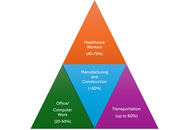
Work-related musculoskeletal disorders (WMSDs) are a major global occupational health concern, causing substantial pain, disability, and economic burden. They affect muscles, tendons, nerves, joints, and related structures, arising from or being aggravated by workplace factors. This narrative mini-review synthesizes evidence from targeted searches of peer-reviewed occupational health and ergonomics literature, focusing on epidemiological studies, systematic reviews, and recent advances in risk assessment. The review summarizes current knowledge on the prevalence and risk factors of WMSDs across sectors such as healthcare, manufacturing, construction, transport, and office work, where the lower back, neck, shoulders, and upper limbs are most frequently affected. Physical risk factors include repetitive motion, forceful exertion, awkward postures, prolonged static positions, and vibration exposure, while psychosocial factors such as high job demands, low control, inadequate support, and job dissatisfaction further increase risk. Individual characteristics, including age, gender, body mass index, and genetics, also influence susceptibility and highlight the need for tailored prevention, for example, interventions that accommodate women’s double work burden and age-sensitive strategies that help older workers maintain functional capacity. Advances in biomechanical modeling, wearable sensors, and multifactorial risk assessment now allow more precise exposure quantification and earlier detection of WMSD risk. Effective prevention requires multidisciplinary strategies that combine ergonomic workplace redesign, worker training, organizational policies addressing psychosocial risks, health promotion, and early clinical intervention. By consolidating epidemiological evidence, key risk factors, and prevention approaches from an occupational health perspective, this review supports evidence-informed prevention and underscores that coordinated occupational health policies and participatory workplace practices are essential to achieve sustainable reductions in the global burden of WMSDs.
Open Access
Meta-Analysis
Work-related musculoskeletal disorder prevalence among African nurses: systematic review and meta-analysis
Background:
Nurses perform many daily care tasks that expose them to work-related musculoskeletal disorders (WMSDs). Many studies have reported a high prevalence worldwide. Analyses by continent have provided a better understanding of the WMSD occurrence, but none have yet been conducted among African nurses. The aim was to conduct a systematic review analysis with meta-analysis of the overall WMSD prevalence and the prevalence by body area among nurses in Africa.
Methods:
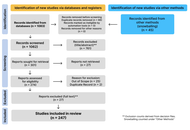
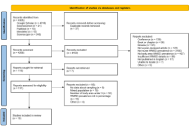
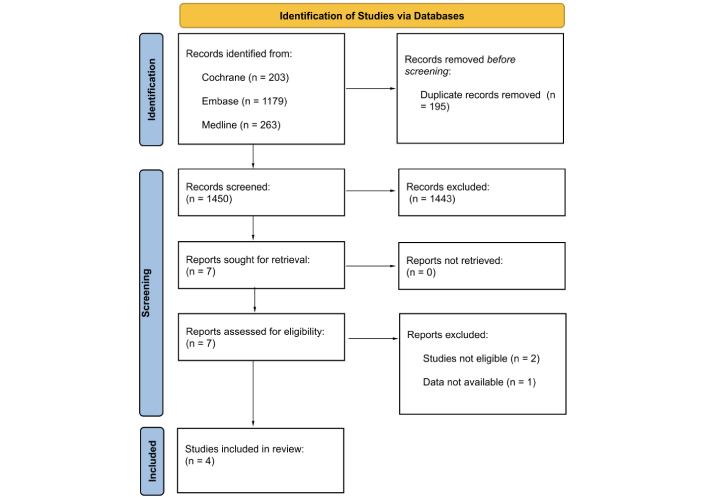
The PRISMA (Preferred Reporting Items for Systematic Reviews and Meta-Analyses) method was used to present the results in the form of a systematic review analysis with meta-analysis. PubMed/Medline, ScienceDirect, Google Scholar, Mendeley, and Science.gov were explored between August 20 and 29, 2025 to identify studies that investigated the overall and body area WMSD prevalence among African nurses of any specialty without a date limit. Studies were included if they were cross sectional survey assessing the WMSD prevalence among nurses of any specialty or department working in Africa. Any study that was not a peer-reviewed cross-sectional survey published in English, that did not involve African nurses, or that did not report, or sufficiently detail data on the prevalence was excluded. The quality of each article included was assessed using the cross-sectional study assessment tool (AXIS). A meta-analysis with quantification of heterogeneity (Cochran’s Q test and I2 statistic) was conducted. Based on these parameters, a fixed or random effects model was selected to estimate the prevalence. Forest plots were used to summarize the overall, neck, upper back, lower back, shoulder, elbow, wrist, hip, knee, and ankle WMSD prevalence.
Results:
Nineteen cross-sectional studies were selected from the 4,305 identified studies, involving 4,670 African nurses from 10 countries. A significant heterogeneity was highlighted between studies (Cochran’s Q test and I2 statistic). Lower back [59.5%, 95% confidence interval (CI): 52.8–66.2%, 4,670 participants], neck (35.4%, 95% CI: 28.0–42.8%, 4,670 participants), and knee (34.4%, 95% CI: 27.2–41.6%, 4,601 participants) were the most exposed areas. The overall WMSD prevalence was pooled at 74.6% (95% CI: 67.0−82.3%, 4,266 nurses).
Discussion:
Comparison of these results with the literature showed that African nurses were less affected than those on other continents. However, the data were highly heterogeneous. Due to the numerous risk factors associated with nursing work, it is necessary to continue research projects and educational activities, as well as the development of health policies aimed at improving quality of life at work, specifically by expanding the investigation using subgroup analysis.
Articles
Latest
Most Viewed
Most Downloaded
Most Cited
Open Access
Original Article
Global research hotspots and trends of osteoporosis and osteoarthritis comorbidity from 2005 to 2025: a bibliometric and visualized analysis
Yue Huang ... Fuqiang Gao
Published: October 18, 2026 Explor Musculoskeletal Dis. 2026;4:1007140
Open Access
Review
The significance of hypermobility syndromes for rheumatology
Jürgen Braun
Published: October 18, 2026 Explor Musculoskeletal Dis. 2026;4:1007139
Open Access
Systematic Review
Nut consumption and musculoskeletal health: a systematic review
Lisa Aschenberg ... Shanil Juma
Published: October 15, 2026 Explor Musculoskeletal Dis. 2026;4:1007138
Open Access
Original Article
Safety and efficacy of non-medical switch from innovator to generic tofacitinib: a 3-month observational study in rheumatoid arthritis patients
Ping Seung Ong ... Avreena Kaur Bhullar
Published: October 09, 2026 Explor Musculoskeletal Dis. 2026;4:1007137
Open Access
Case Report
Granulomatosis with polyangiitis: functional activity of neutrophils and spontaneous NETosis (clinical case)
Tatiana M. Reshetnyak ... Aleksander M. Lila
Published: September 7, 2026 Explor Musculoskeletal Dis. 2026;4:1007136
Open Access
Review
Hypophosphatasia: current concepts in diagnosis and management of a rare metabolic disorder
Maritza Vidal ... Judith Bubbear
Published: August 30, 2026 Explor Musculoskeletal Dis. 2026;4:1007135
Open Access
Review
Safety and efficacy of gout treatments in people with renal impairment
Hamish Farquhar ... Lisa K. Stamp
Published: September 02, 2024 Explor Musculoskeletal Dis. 2024;2:360–374
This article belongs to the special issue Pharmacological and Non-Pharmacological Management of Gout
Open Access
Case Report
Similarities and differences between gouty arthritis and rheumatoid arthritis—an interesting case with a short look into the literature
David Kiefer ... Juergen Braun
Published: February 24, 2023 Explor Musculoskeletal Dis. 2023;1:11–19
Open Access
Review
Soft tissue sarcoma: clinical recognition and approach to the loneliest cancer
Sujan Shakya ... Xiang Zhou
Published: February 06, 2024 Explor Musculoskeletal Dis. 2024;2:56–68
Open Access
Review
How URAT1 inhibitors can shape the future of chronic gout treatment: a narrative review of uricosurics past and present
Robert T. Keenan ... Michael H. Pillinger
Published: December 12, 2024 Explor Musculoskeletal Dis. 2024;2:529–554
This article belongs to the special issue Pharmacological and Non-Pharmacological Management of Gout
Open Access
Case Report
Return-to-play decision-making following ankle injury: a comprehensive case analysis of the functional hop test
Michael Crinion ... Michael Agnone
Published: March 06, 2024 Explor Musculoskeletal Dis. 2024;2:75–81
Open Access
Review
CPPD—differential diagnostics and differential therapeutic challenges
Maria L. Voulgari, Herbert Kellner
Published: September 25, 2024 Explor Musculoskeletal Dis. 2024;2:443–460
This article belongs to the special issue Calcium Pyrophosphate Deposition Disease
Open Access
Review
Work-related musculoskeletal disorders: prevalence and contributing risk factors—a narrative review
Mário Lopes, Marisa Lages
Published: March 13, 2026 Explor Musculoskeletal Dis. 2026;4:1007117
This article belongs to the special issue Prevalence and Risk Factors of Work-related Musculoskeletal Disorders
Open Access
Systematic Review
Role and effectiveness of surface EMG feedback in sports and orthopedic rehabilitation: a systematic review
Thomas Haab ... Paul Burkey
Published: September 12, 2024 Explor Musculoskeletal Dis. 2024;2:391–407
Open Access
Review
Soft tissue sarcoma: clinical recognition and approach to the loneliest cancer
Sujan Shakya ... Xiang Zhou
Published: February 06, 2024 Explor Musculoskeletal Dis. 2024;2:56–68
Open Access
Case Report
Similarities and differences between gouty arthritis and rheumatoid arthritis—an interesting case with a short look into the literature
David Kiefer ... Juergen Braun
Published: February 24, 2023 Explor Musculoskeletal Dis. 2023;1:11–19
Open Access
Review
Safety and efficacy of gout treatments in people with renal impairment
Hamish Farquhar ... Lisa K. Stamp
Published: September 02, 2024 Explor Musculoskeletal Dis. 2024;2:360–374
This article belongs to the special issue Pharmacological and Non-Pharmacological Management of Gout
Open Access
Review
How URAT1 inhibitors can shape the future of chronic gout treatment: a narrative review of uricosurics past and present
Robert T. Keenan ... Michael H. Pillinger
Published: December 12, 2024 Explor Musculoskeletal Dis. 2024;2:529–554
This article belongs to the special issue Pharmacological and Non-Pharmacological Management of Gout
Open Access
Systematic Review
Role and effectiveness of surface EMG feedback in sports and orthopedic rehabilitation: a systematic review
Thomas Haab ... Paul Burkey
Published: September 12, 2024 Explor Musculoskeletal Dis. 2024;2:391–407
Open Access
Perspective
Empowering rheumatology through digital health technologies: contributions and barriers
Diego Benavent ... Antonio Gómez-Centeno
Published: April 9, 2024 Explor Musculoskeletal Dis. 2024;2:92–105
This article belongs to the special issue Digital health technologies in rheumatology: emerging evidence and innovation
Open Access
Review
Targeting innate immune memory: a new paradigm for gout treatment
Orsolya I. Gaal ... Tania O. Crișan
Published: August 28, 2025 Explor Musculoskeletal Dis. 2025;3:1007103
This article belongs to the special issue Pharmacological and Non-Pharmacological Management of Gout
Open Access
Review
How URAT1 inhibitors can shape the future of chronic gout treatment: a narrative review of uricosurics past and present
Robert T. Keenan ... Michael H. Pillinger
Published: December 12, 2024 Explor Musculoskeletal Dis. 2024;2:529–554
This article belongs to the special issue Pharmacological and Non-Pharmacological Management of Gout
Open Access
Review
Work-related musculoskeletal disorders among surgeons: a bibliometric analysis from 1982 to 2024
Philippe Gorce, Julien Jacquier-Bret
Published: July 30, 2024 Explor Musculoskeletal Dis. 2024;2:317–335
This article belongs to the special issue Prevalence and Risk Factors of Work-related Musculoskeletal Disorders
Open Access
Review
New perspectives on the NLRP3 inflammasome—colchicine and the suppression of inflammatory pathways in metabolic syndrome associated diseases
Benjamin Plotz ... Michael H. Pillinger
Published: September 29, 2025 Explor Musculoskeletal Dis. 2025;3:1007104
This article belongs to the special issue Pharmacological and Non-Pharmacological Management of Gout
Special Issues
Ongoing Special lssues
Completed Special lssues
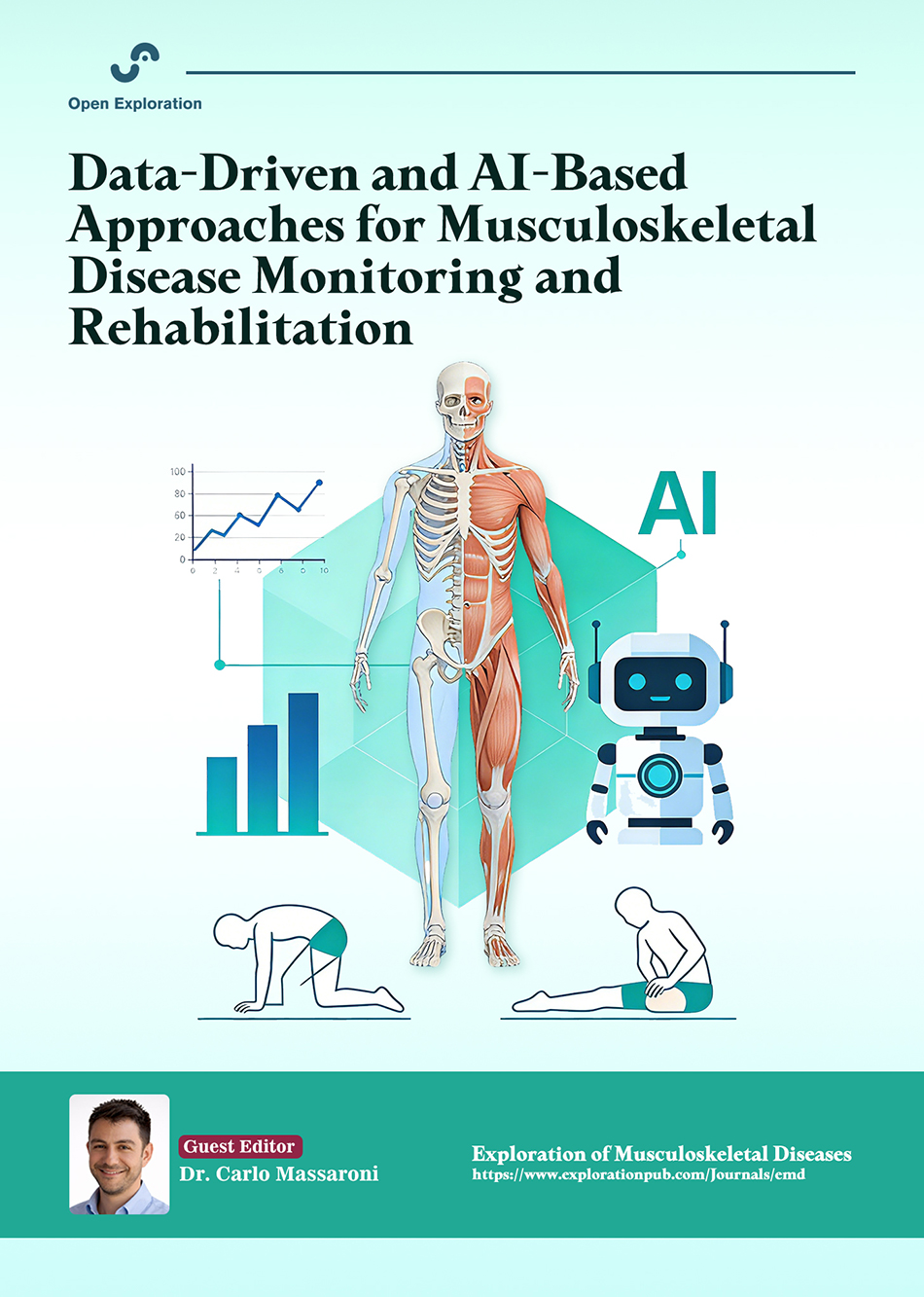
Data-Driven and AI-Based Approaches for Musculoskeletal Disease Monitoring and Rehabilitation
Guest Editor: Dr. Carlo Massaroni
Submission Deadline: August 31, 2026
Published Articles: 1
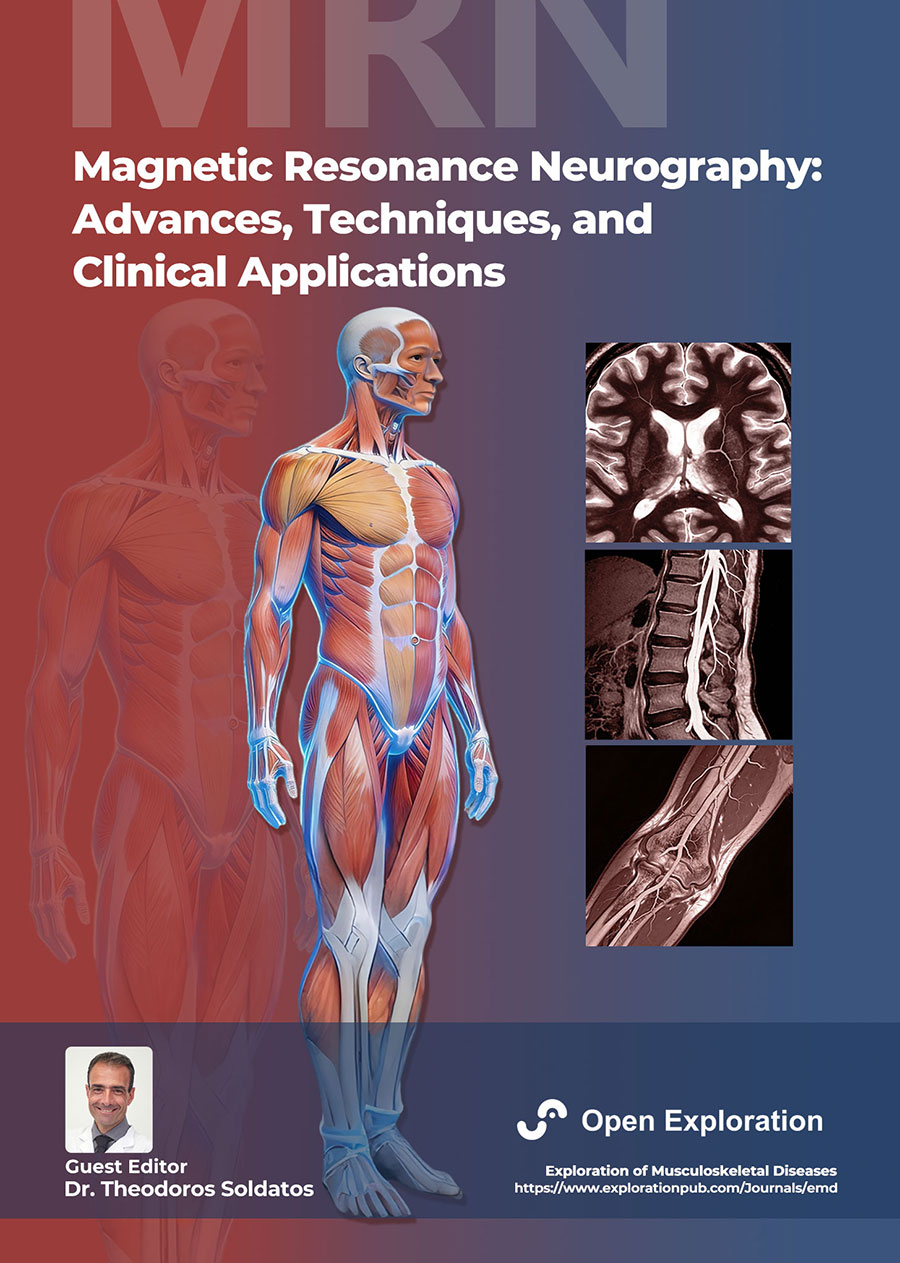
Magnetic Resonance Neurography: Advances, Techniques, and Clinical Applications
Guest Editor: Dr. Theodoros Soldatos
Submission Deadline: June 30, 2026
Published Articles: 1
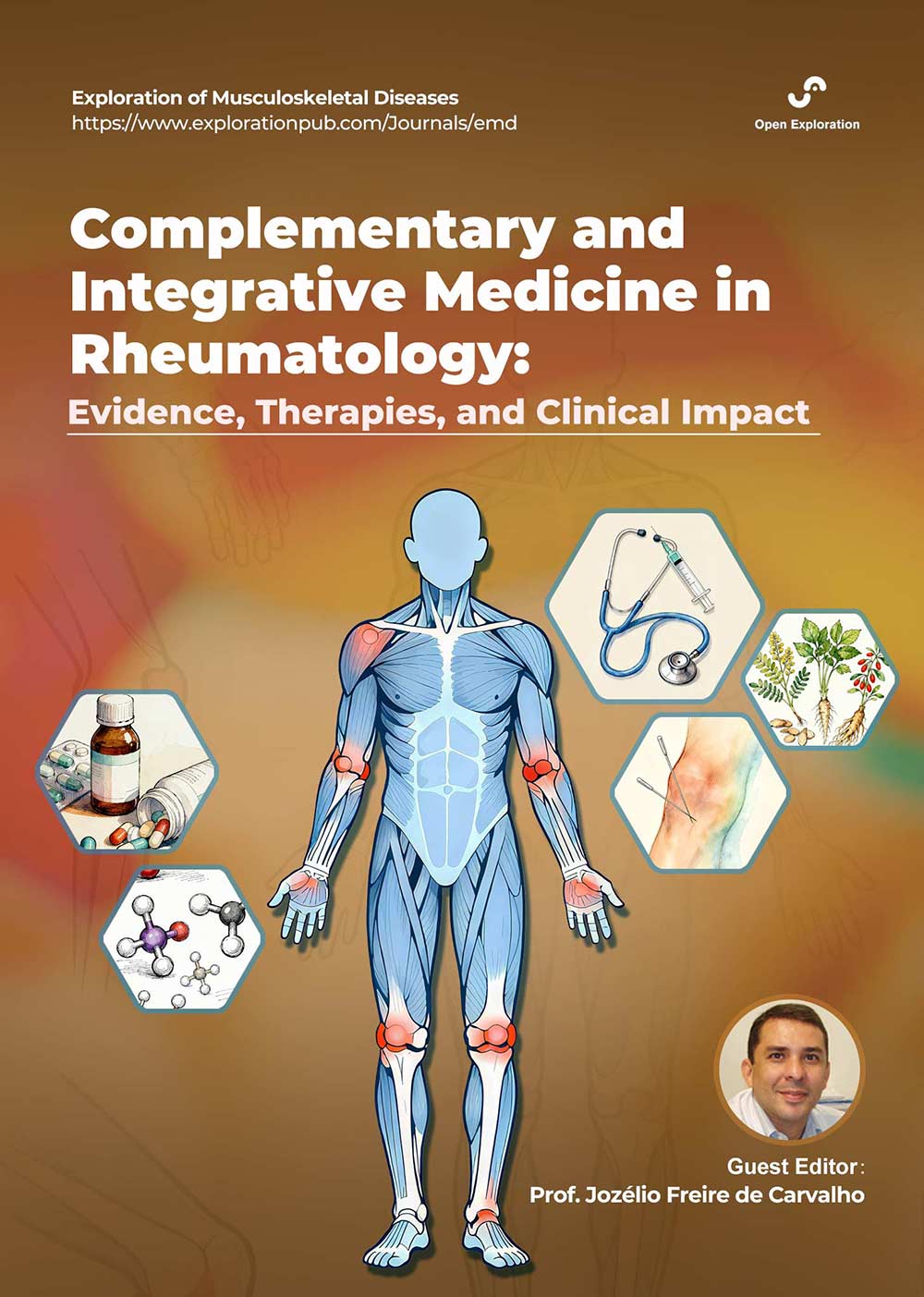
Complementary and Integrative Medicine in Rheumatology: Evidence, Therapies, and Clinical Impact
Guest Editor: Prof. Jozélio Freire de Carvalho
Submission Deadline: April 30, 2026
Published Articles: 2
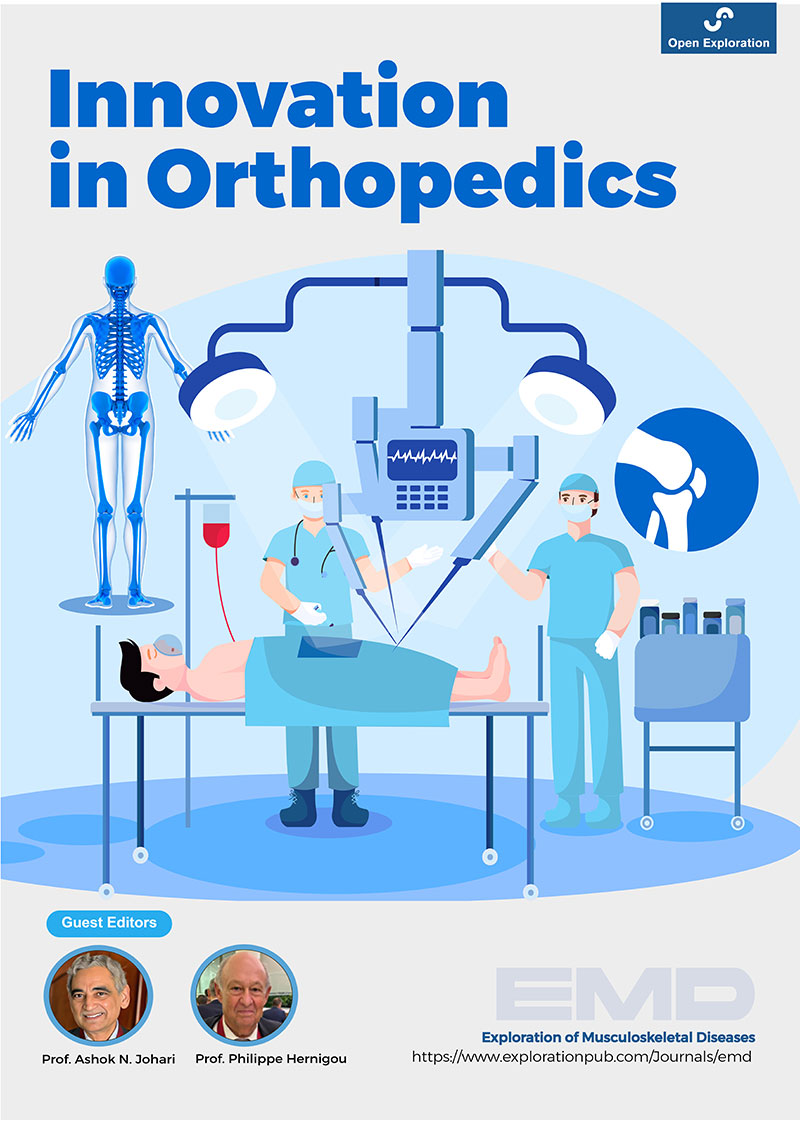
Innovation in Orthopedics
Guest Editors: Prof. Ashok N. Johari; Prof. Philippe Hernigou
Submission Deadline: December 31, 2026
Published Articles: 7
Evaluation and Outcomes in the Management of Gout
Guest Editor: Prof. Fernando Pérez-Ruiz
Submission Deadline: December 31, 2026
Published Articles: 4

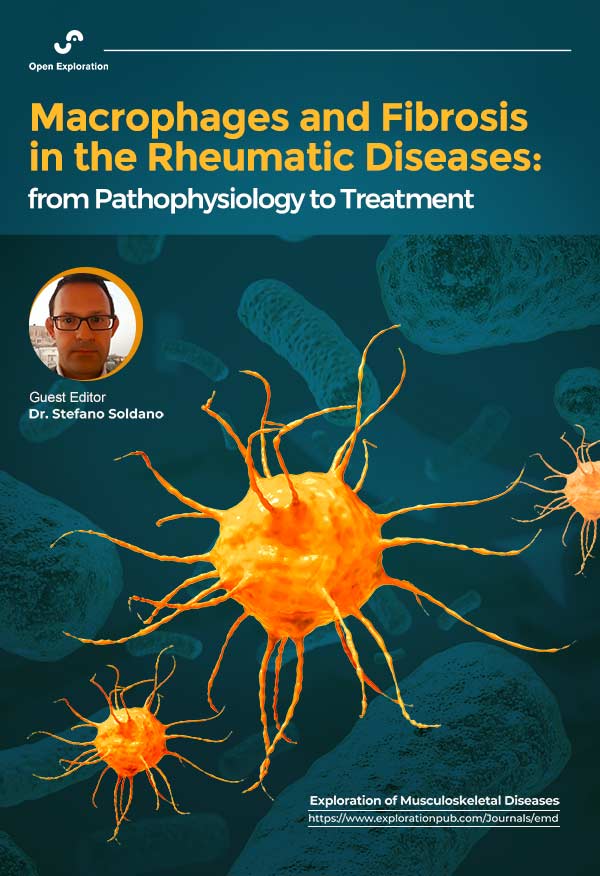
Macrophages and Fibrosis in the Rheumatic Diseases: from Pathophysiology to Treatment
Guest Editor: Dr. Stefano Soldano
Submission Deadline: April 30, 2026
Published Articles: 0
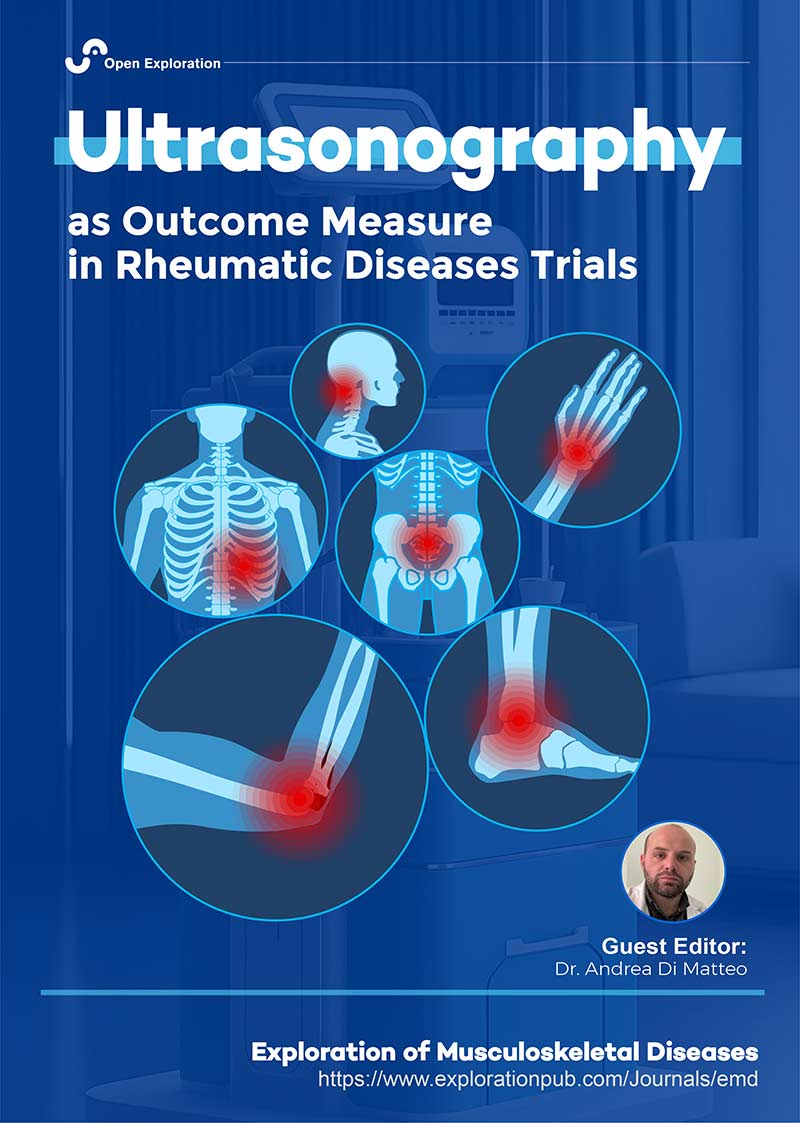
Ultrasound as Outcome Measure in Rheumatic Diseases Trials
Guest Editor: Dr. Andrea Di Matteo
Submission Deadline: August 31, 2025
Published Articles: 1
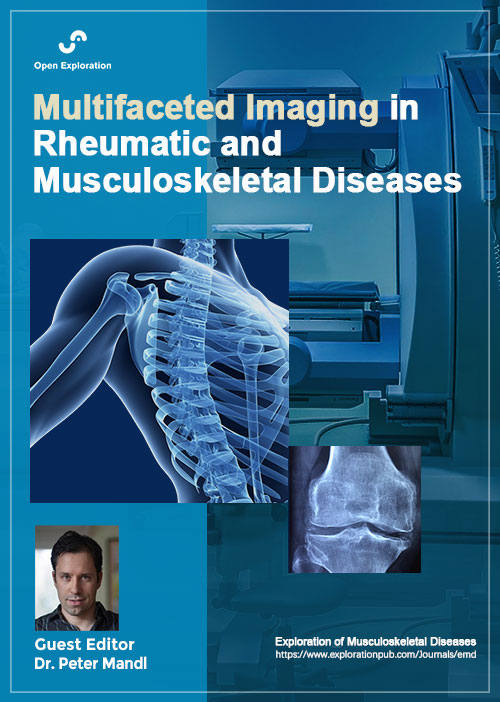
Multifaceted Imaging in Rheumatic and Musculoskeletal Diseases
Guest Editor: Dr. Peter Mandl
Submission Deadline: December 31, 2026
Published Articles: 5
Pharmacological and Non-Pharmacological Management of Gout
Guest Editor: Prof. George Nuki
Submission Deadline: January 31, 2025
Published Articles: 11
Prevalence and Risk Factors of Work-related Musculoskeletal Disorders
Guest Editor: Prof. Philippe Gorce
Submission Deadline: July 31, 2026
Published Articles: 9
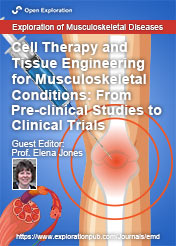
Cell Therapy and Tissue Engineering for Musculoskeletal Conditions: From Pre-clinical Studies to Clinical Trials
Guest Editor: Prof. Elena Jones
Submission Deadline: June 30, 2026
Published Articles: 2

Membership





Journal Information
Journal Indexing
Journal Metrics
Speed


From Submission to First Decision: 8 days
From First Decision to Acceptance: 95 days
From Acceptance to Publication: 31 days
Article Usage (total)
Views: 1,072,490
Downloads: 8,667
Acceptance Rate
46.15%; 2025
35.41%; 2024
43%; 2023
 Title: Unravelling the interplaybetween #Harmattan wind andbaroreflex functions: implicationon environmental health andcardiovascular #pathophys
Follow the Journal