

 Previous
Aim:
Polypharmacy is a major health concern among older adults and is associated with increased vulnerability and adverse health outcomes. However, limited evidence exists regarding its association with sensory, oral, and
Methods:
A total of 10,078 community-dwelling adults aged ≥ 65 years were analyzed. Polypharmacy was defined as the use of five or more medications. Sensory function (vision and hearing), oral function (chewing difficulty, swallowing difficulty, denture use, unmet dental needs), and
Results:
Older adults with polypharmacy showed substantially poorer sensory and oral function than those without polypharmacy. Higher prevalence was observed for vision difficulty (60.5% vs. 40.6%), hearing difficulty (48.7% vs. 20.6%), chewing difficulty (58.9% vs. 30.1%), swallowing difficulty (20.9% vs. 6.7%), and unmet dental care needs (9.6% vs. 3.0%) (all p < 0.001). In the fully adjusted model, polypharmacy remained significantly associated with hearing difficulty, chewing difficulty, swallowing difficulty, denture use, and unmet dental care needs. However, associations between polypharmacy and
Conclusions:
Polypharmacy is significantly associated with hearing and oral functional impairments among older adults, and these associations were attenuated but not fully explained after adjusting for chronic disease burden. These findings highlight the importance of comprehensive geriatric assessment and multidisciplinary care that integrates medication management and oral health. Strategies promoting rational prescribing and monitoring of functional outcomes are essential to mitigate the adverse effects of polypharmacy and support healthy aging.
Aim:
Polypharmacy is a major health concern among older adults and is associated with increased vulnerability and adverse health outcomes. However, limited evidence exists regarding its association with sensory, oral, and
Methods:
A total of 10,078 community-dwelling adults aged ≥ 65 years were analyzed. Polypharmacy was defined as the use of five or more medications. Sensory function (vision and hearing), oral function (chewing difficulty, swallowing difficulty, denture use, unmet dental needs), and
Results:
Older adults with polypharmacy showed substantially poorer sensory and oral function than those without polypharmacy. Higher prevalence was observed for vision difficulty (60.5% vs. 40.6%), hearing difficulty (48.7% vs. 20.6%), chewing difficulty (58.9% vs. 30.1%), swallowing difficulty (20.9% vs. 6.7%), and unmet dental care needs (9.6% vs. 3.0%) (all p < 0.001). In the fully adjusted model, polypharmacy remained significantly associated with hearing difficulty, chewing difficulty, swallowing difficulty, denture use, and unmet dental care needs. However, associations between polypharmacy and
Conclusions:
Polypharmacy is significantly associated with hearing and oral functional impairments among older adults, and these associations were attenuated but not fully explained after adjusting for chronic disease burden. These findings highlight the importance of comprehensive geriatric assessment and multidisciplinary care that integrates medication management and oral health. Strategies promoting rational prescribing and monitoring of functional outcomes are essential to mitigate the adverse effects of polypharmacy and support healthy aging.
DOI: https://doi.org/10.37349/emed.2026.1001380


Biliary tract cancers (BTCs) are aggressive tumors arising from different portions of the biliary tree and classified according to the anatomical location in intrahepatic (i) cholangiocarcinoma (CCA, iCCA), perihilar CCA (pCCA), and distal CCA (dCCA), gallbladder cancer (GBC), and ampulla of Vater cancer (AVC). Due to their silent behavior, BTCs are frequently diagnosed at advanced stages when the prognosis is poor. The available chemotherapeutic options are palliative and unfortunately, most patients will
Biliary tract cancers (BTCs) are aggressive tumors arising from different portions of the biliary tree and classified according to the anatomical location in intrahepatic (i) cholangiocarcinoma (CCA, iCCA), perihilar CCA (pCCA), and distal CCA (dCCA), gallbladder cancer (GBC), and ampulla of Vater cancer (AVC). Due to their silent behavior, BTCs are frequently diagnosed at advanced stages when the prognosis is poor. The available chemotherapeutic options are palliative and unfortunately, most patients will
DOI: https://doi.org/10.37349/etat.2021.00054
This article belongs to the special issue Precision Medicine for Cholangiocarcinoma
Aim:
United Nations calls for actions to meet future challenges, and industries and governments need to look for new solutions. Coffee is one of the largest industries in the world, and spent coffee grounds (SCG) represents 50% of its waste. Sustainable ways to manage this waste are of interest. Research has shown that SCG is rich in
Methods:
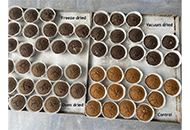
Three methods for drying SCG were used: oven drying, freeze drying, and vacuum drying. Muffins were baked with 10% milled and sieved SCG related to flour weight, and a control with 2.5% espresso powder. C-cell-, texture- and moisture analyses were conducted along with a sensory analysis.
Results:
The laboratory measurements showed that SCG powders were comparable to the control regarding textural parameters, except for the slice area parameter. The sensory analysis showed no clear difference in bitterness but a difference in graininess and coffee flavour. The least grainy was the control which also had the strongest coffee flavour. The vacuum dried was the grainiest and the freeze dried had the least coffee flavour. Ranking data showed the control in top and the vacuum dried bottom.
Conclusions:
SCG has the potential as flavouring coffee muffins but a finetuning in the processing and recipe development is needed to retrieve more coffee flavour without increasing bitterness or graininess.
Aim:
United Nations calls for actions to meet future challenges, and industries and governments need to look for new solutions. Coffee is one of the largest industries in the world, and spent coffee grounds (SCG) represents 50% of its waste. Sustainable ways to manage this waste are of interest. Research has shown that SCG is rich in
Methods:
Three methods for drying SCG were used: oven drying, freeze drying, and vacuum drying. Muffins were baked with 10% milled and sieved SCG related to flour weight, and a control with 2.5% espresso powder. C-cell-, texture- and moisture analyses were conducted along with a sensory analysis.
Results:
The laboratory measurements showed that SCG powders were comparable to the control regarding textural parameters, except for the slice area parameter. The sensory analysis showed no clear difference in bitterness but a difference in graininess and coffee flavour. The least grainy was the control which also had the strongest coffee flavour. The vacuum dried was the grainiest and the freeze dried had the least coffee flavour. Ranking data showed the control in top and the vacuum dried bottom.
Conclusions:
SCG has the potential as flavouring coffee muffins but a finetuning in the processing and recipe development is needed to retrieve more coffee flavour without increasing bitterness or graininess.
DOI: https://doi.org/10.37349/eff.2025.101066
Aim:
This study aimed to identify and analyze the top 100 most cited digital health and mobile health (m-health) publications. It could aid researchers in the identification of promising new research avenues, additionally supporting the establishment of international scientific collaboration between interdisciplinary research groups with demonstrated achievements in the area of interest.
Methods:
On 30th August, 2023, the Web of Science Core Collection (WOSCC) electronic database was queried to identify the top 100 most cited digital health papers with a comprehensive search string. From the initial search, 106 papers were identified. After screening for relevance, six papers were excluded, resulting in the final list of the top 100 papers. The basic bibliographic data was directly extracted from WOSCC using its “Analyze” and “Create Citation Report” functions. The complete records of the top 100 papers were downloaded and imported into a bibliometric software called VOSviewer (version 1.6.19) to generate an author keyword map and author collaboration map.
Results:
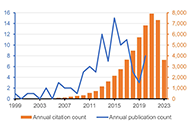
The top 100 papers on digital health received a total of 49,653 citations. Over half of them (n = 55) were published during 2013–2017. Among these 100 papers, 59 were original articles, 36 were reviews, 4 were editorial materials, and 1 was a proceeding paper. All papers were written in English. The University of London and the University of California system were the most represented affiliations. The USA and the UK were the most represented countries. The Journal of Medical Internet Research was the most represented journal. Several diseases and health conditions were identified as a focus of these works, including anxiety, depression, diabetes mellitus, cardiovascular diseases, and coronavirus disease 2019 (COVID-19).
Conclusions:
The findings underscore key areas of focus in the field and prominent contributors, providing a roadmap for future research in digital and m-health.
Aim:
This study aimed to identify and analyze the top 100 most cited digital health and mobile health (m-health) publications. It could aid researchers in the identification of promising new research avenues, additionally supporting the establishment of international scientific collaboration between interdisciplinary research groups with demonstrated achievements in the area of interest.
Methods:
On 30th August, 2023, the Web of Science Core Collection (WOSCC) electronic database was queried to identify the top 100 most cited digital health papers with a comprehensive search string. From the initial search, 106 papers were identified. After screening for relevance, six papers were excluded, resulting in the final list of the top 100 papers. The basic bibliographic data was directly extracted from WOSCC using its “Analyze” and “Create Citation Report” functions. The complete records of the top 100 papers were downloaded and imported into a bibliometric software called VOSviewer (version 1.6.19) to generate an author keyword map and author collaboration map.
Results:
The top 100 papers on digital health received a total of 49,653 citations. Over half of them (n = 55) were published during 2013–2017. Among these 100 papers, 59 were original articles, 36 were reviews, 4 were editorial materials, and 1 was a proceeding paper. All papers were written in English. The University of London and the University of California system were the most represented affiliations. The USA and the UK were the most represented countries. The Journal of Medical Internet Research was the most represented journal. Several diseases and health conditions were identified as a focus of these works, including anxiety, depression, diabetes mellitus, cardiovascular diseases, and coronavirus disease 2019 (COVID-19).
Conclusions:
The findings underscore key areas of focus in the field and prominent contributors, providing a roadmap for future research in digital and m-health.
DOI: https://doi.org/10.37349/edht.2024.00013
Brazil ranks second globally in absolute liver transplants and leads pediatric transplantation in Latin America. This scoping review aims to map the results and perspectives of pediatric liver transplantation in Brazil from 2000 to 2022. A scoping review was conducted following the Preferred Reporting Items for Systematic reviews and Meta-Analyses extension for Scoping Reviews Checklist (PRISMA-ScR) guidelines, using PubMed, Virtual Health Library (VHL), and ScienceDirect. From 293 records, 26 stu
Brazil ranks second globally in absolute liver transplants and leads pediatric transplantation in Latin America. This scoping review aims to map the results and perspectives of pediatric liver transplantation in Brazil from 2000 to 2022. A scoping review was conducted following the Preferred Reporting Items for Systematic reviews and Meta-Analyses extension for Scoping Reviews Checklist (PRISMA-ScR) guidelines, using PubMed, Virtual Health Library (VHL), and ScienceDirect. From 293 records, 26 stu
DOI: https://doi.org/10.37349/edd.2025.100587
Aim:
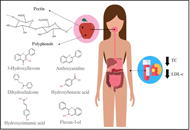
Cardiovascular disease (CVD) are among the main causes of death worldwide and dyslipidemias account for one of the risk factors for these diseases. Habitual apple consumption appears to be inversely associated with reduced cardiovascular risk. Then, this systematic review aims to investigate the effect of chronic apple consumption on the lipid profile of adults with dyslipidemia.
Methods:
A systematic search was performed in electronic databases, including PubMed, Embase, Web of Science and Scopus, without restriction of year of publication. Inclusion criteria were randomized clinical trials in humans that investigated the effect of chronic consumption of whole fresh or dried apple, for a period longer than two weeks of intervention on the lipid profile.
Results:
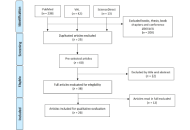
Based on the methodology used and following the pre-established search strategies, 4,468 articles were found. After applying the inclusion and exclusion criteria, five articles were selected for qualitative evaluation, covering 522 adult participants of both sexes. Three randomized controlled trials included in this review demonstrated that there was a decrease in plasma total cholesterol (TC), triglyceride and low-density lipoprotein cholesterol (LDL-c) concentrations, in addition to an increase in high-density lipoprotein cholesterol (HDL-c) concentration. Two other stu
Conclusions:
The analysis of the stu
Aim:
Cardiovascular disease (CVD) are among the main causes of death worldwide and dyslipidemias account for one of the risk factors for these diseases. Habitual apple consumption appears to be inversely associated with reduced cardiovascular risk. Then, this systematic review aims to investigate the effect of chronic apple consumption on the lipid profile of adults with dyslipidemia.
Methods:
A systematic search was performed in electronic databases, including PubMed, Embase, Web of Science and Scopus, without restriction of year of publication. Inclusion criteria were randomized clinical trials in humans that investigated the effect of chronic consumption of whole fresh or dried apple, for a period longer than two weeks of intervention on the lipid profile.
Results:
Based on the methodology used and following the pre-established search strategies, 4,468 articles were found. After applying the inclusion and exclusion criteria, five articles were selected for qualitative evaluation, covering 522 adult participants of both sexes. Three randomized controlled trials included in this review demonstrated that there was a decrease in plasma total cholesterol (TC), triglyceride and low-density lipoprotein cholesterol (LDL-c) concentrations, in addition to an increase in high-density lipoprotein cholesterol (HDL-c) concentration. Two other stu
Conclusions:
The analysis of the stu
DOI: https://doi.org/10.37349/eff.2023.00022
Long noncoding RNAs (lncRNAs) derived from noncoding regions in the human genome were once regarded as junks with no biological significance, but recent stu
Long noncoding RNAs (lncRNAs) derived from noncoding regions in the human genome were once regarded as junks with no biological significance, but recent stu
DOI: https://doi.org/10.37349/etat.2024.00211
Acute ischemic stroke (AIS) is the leading cause of disability and one of the top causes of mortality worldwide. The current standard of care is reperfusion therapy including intravenous thrombolysis (IVT) and thrombectomy. However, these treatments have limitations as they have a limited therapeutic window. Hence, there is a vital need to develop neuroprotective agents to prevent brain injury, extend the reperfusion window, improve mortality, and reduce disability in AIS patients. Neuroprotective agents work by counteracting the detrimental biochemical and molecular events that result in irreversible ischemic damage. Numerous preclinical stu
Acute ischemic stroke (AIS) is the leading cause of disability and one of the top causes of mortality worldwide. The current standard of care is reperfusion therapy including intravenous thrombolysis (IVT) and thrombectomy. However, these treatments have limitations as they have a limited therapeutic window. Hence, there is a vital need to develop neuroprotective agents to prevent brain injury, extend the reperfusion window, improve mortality, and reduce disability in AIS patients. Neuroprotective agents work by counteracting the detrimental biochemical and molecular events that result in irreversible ischemic damage. Numerous preclinical stu
DOI: https://doi.org/10.37349/ent.2023.00037
This article belongs to the special issue The Future of Biomarkers in CNS Diseases
Alzheimer’s disease (AD) is a major type of dementia and neurodegenerative disease, characterized by memory loss and cognitive decline. Over decades, significant efforts have been dedicated to finding its cause, pathogenic mechanisms, biomarkers for early detection, and clinical trials for its treatment. Earlier approved drugs mainly ameliorated the symptoms of AD, until recent years when two drugs targeting amyloid-beta (Aβ) protein were approved to slow down the progression of the disease. This review article encompasses the history of drug development in treating AD and clinical trials that failed and succeeded. Clinicaltrials.org
Alzheimer’s disease (AD) is a major type of dementia and neurodegenerative disease, characterized by memory loss and cognitive decline. Over decades, significant efforts have been dedicated to finding its cause, pathogenic mechanisms, biomarkers for early detection, and clinical trials for its treatment. Earlier approved drugs mainly ameliorated the symptoms of AD, until recent years when two drugs targeting amyloid-beta (Aβ) protein were approved to slow down the progression of the disease. This review article encompasses the history of drug development in treating AD and clinical trials that failed and succeeded. Clinicaltrials.org
DOI: https://doi.org/10.37349/en.2024.00048
This article belongs to the special issue Alzheimer’s Disease
The increasing prevalence of neurodegenerative diseases (NDs), such as Alzheimer’s, Parkinson’s, Huntington’s, multiple sclerosis, and amyotrophic lateral sclerosis, represents a serious global public health issue. Consequently, the search for compounds with neuroprotective potential has intensified. In this context, resveratrol (RSV), a stilbene polyphenol found mainly in red grapes, exhibits important pharmacological properties, such as antioxidant and anti-inflammatory, and has been widely investigated in neuroscience due to its potential in the prevention and treatment of NDs. This narrative review was conducted using the PubMed® database, with the keywords “resveratrol”, “molecular mechanisms”, “mechanisms of action”, “neuroinflammation”, “oxidative stress”, “autophagy”, “gene regulation”, and “clinical stu
The increasing prevalence of neurodegenerative diseases (NDs), such as Alzheimer’s, Parkinson’s, Huntington’s, multiple sclerosis, and amyotrophic lateral sclerosis, represents a serious global public health issue. Consequently, the search for compounds with neuroprotective potential has intensified. In this context, resveratrol (RSV), a stilbene polyphenol found mainly in red grapes, exhibits important pharmacological properties, such as antioxidant and anti-inflammatory, and has been widely investigated in neuroscience due to its potential in the prevention and treatment of NDs. This narrative review was conducted using the PubMed® database, with the keywords “resveratrol”, “molecular mechanisms”, “mechanisms of action”, “neuroinflammation”, “oxidative stress”, “autophagy”, “gene regulation”, and “clinical stu
DOI: https://doi.org/10.37349/ent.2025.1004124
This article belongs to the special issue Neuro-Inflammation as a Target in the Design of Multifunctional Drug Candidates for Neurodegenerative Diseases
Similar to other psychiatric disorders, drug addiction is linked to changes in neuronal activity within the mesolimbic system, which consists of dopamine (DA) neurons of the ventral tegmental area projecting to the ventral part of the striatum, the nucleus accumbens (NAc). All drugs of abuse indeed artificially increase DA concentration in the NAc, which hijacks the reward system and triggers lasting behavioral alterations, including compulsive drug-seeking and drug-taking behavior despite negative consequences and a high rate of relapse after abstinence. DA chiefly signals through DA receptor (DAR) type 1 (D1R) and type 2 (D2R), which are G protein-coupled receptor (GPCR) that are positively and negatively coupled to adenyl cyclase, respectively. Multiple evidence indicates that the potent modulatory roles of DA on other neurotransmitters and neuromodulator systems implicate the direct physical interactions (i.e., heteromerization) of DAR with other receptors. DAR heteromerization, which is increased in several preclinical models of psychiatric disorders, leads to a reciprocal and fine-tuned modulation of DAR and partner receptors, therefore suggesting that targeting DAR heteromerization may contribute to the development of clinically relevant strategies. Herein, we provide an overview of current methodologies used for detecting receptor heteromers both in heterologous systems and in situ in the brain and discuss their respective advantages and limitations. We also argue that D1R and D2R have been shown to form heteromers with multiple partner receptors in heterologous systems but only few stu
Similar to other psychiatric disorders, drug addiction is linked to changes in neuronal activity within the mesolimbic system, which consists of dopamine (DA) neurons of the ventral tegmental area projecting to the ventral part of the striatum, the nucleus accumbens (NAc). All drugs of abuse indeed artificially increase DA concentration in the NAc, which hijacks the reward system and triggers lasting behavioral alterations, including compulsive drug-seeking and drug-taking behavior despite negative consequences and a high rate of relapse after abstinence. DA chiefly signals through DA receptor (DAR) type 1 (D1R) and type 2 (D2R), which are G protein-coupled receptor (GPCR) that are positively and negatively coupled to adenyl cyclase, respectively. Multiple evidence indicates that the potent modulatory roles of DA on other neurotransmitters and neuromodulator systems implicate the direct physical interactions (i.e., heteromerization) of DAR with other receptors. DAR heteromerization, which is increased in several preclinical models of psychiatric disorders, leads to a reciprocal and fine-tuned modulation of DAR and partner receptors, therefore suggesting that targeting DAR heteromerization may contribute to the development of clinically relevant strategies. Herein, we provide an overview of current methodologies used for detecting receptor heteromers both in heterologous systems and in situ in the brain and discuss their respective advantages and limitations. We also argue that D1R and D2R have been shown to form heteromers with multiple partner receptors in heterologous systems but only few stu
DOI: https://doi.org/10.37349/ent.2025.1004100
This article belongs to the special issue GPCR Heteroreceptor Complexes as Key Players in Neuroprotection
In many areas of human life, including food, health, culture, and religion, mushrooms have had a significant impact. Most people eat mushrooms for their flavor and texture. Recently, they have gained popularity as a protein source and a drug research tool. According to the phyla Ascomycota and Basidiomycota, mushrooms are fungi that produce spongy fruiting bo
In many areas of human life, including food, health, culture, and religion, mushrooms have had a significant impact. Most people eat mushrooms for their flavor and texture. Recently, they have gained popularity as a protein source and a drug research tool. According to the phyla Ascomycota and Basidiomycota, mushrooms are fungi that produce spongy fruiting bo
DOI: https://doi.org/10.37349/eff.2024.00033
Aim:
This study aimed to computationally identify and optimize 4-hydroxy isoleucine (4HILe) derivatives from fenugreek as multitarget antidiabetic agents against α-glucosidase, α-amylase, and aldose reductase [PDB (protein data bank) IDs: 5NN8, 4GQR, 4QX4].
Methods:
A multi-step computational workflow was employed to identify and optimize 4HILe derivatives as antidiabetic agents. Molecular docking using the Schrödinger Suite screened 23 ligands against three enzyme targets to evaluate binding affinities and interactions. Molecular dynamic (MD) simulations conducted with GROMACS (Groningen machine chemical simulations) over 100 ns assessed conformational stability through RMSD (root mean square deviation) and RMSF (root mean square fluctuation) analysis. Binding free energy calculations [MM-GBSA (molecular mechanics-generalized Born surface area)] and free energy landscape (FEL) stu
Results:
The study identified 4HILe-4, 2R-3S-4R-4HILe, and 4HILe-Amide-2 as potent derivatives with superior binding affinities [ΔG (Gibbs free energy): −49.3 to −42.3 kcal/mol] compared to co-crystal ligands (−45.3 kcal/mol), as determined by docking and MM-GBSA calculations. MD revealed stable protein-ligand complexes, evidenced by low RMSD values (0.2–0.4 nm) and minimal residue fluctuations (RMSF), confirming their structural integrity. The generative AI approach using LigDream also generated 100 novel 4HILe derivatives, with top candidates exhibiting strong docking scores and key molecular interactions against α-glucosidase, α-amylase, and aldose reductase. Notably, compound 10 (−9.424 kcal/mol), compound 4 (−8.167 kcal/mol), and compound 28 (−13.760 kcal/mol) emerged as promising inhibitors for further investigation.
Conclusions:
The study highlights 4HILe derivatives as promising inhibitors for diabetes-associated enzymes, demonstrating robust binding and dynamic stability. Integrating molecular dynamics, free energy calculations, and AI-driven generative modeling provides a strong framework for accelerating antidiabetic drug discovery. These findings pave the way for experimental validation and the development of next-generation therapeutics targeting insulin resistance and hyperglycemia.
Aim:
This study aimed to computationally identify and optimize 4-hydroxy isoleucine (4HILe) derivatives from fenugreek as multitarget antidiabetic agents against α-glucosidase, α-amylase, and aldose reductase [PDB (protein data bank) IDs: 5NN8, 4GQR, 4QX4].
Methods:
A multi-step computational workflow was employed to identify and optimize 4HILe derivatives as antidiabetic agents. Molecular docking using the Schrödinger Suite screened 23 ligands against three enzyme targets to evaluate binding affinities and interactions. Molecular dynamic (MD) simulations conducted with GROMACS (Groningen machine chemical simulations) over 100 ns assessed conformational stability through RMSD (root mean square deviation) and RMSF (root mean square fluctuation) analysis. Binding free energy calculations [MM-GBSA (molecular mechanics-generalized Born surface area)] and free energy landscape (FEL) stu
Results:
The study identified 4HILe-4, 2R-3S-4R-4HILe, and 4HILe-Amide-2 as potent derivatives with superior binding affinities [ΔG (Gibbs free energy): −49.3 to −42.3 kcal/mol] compared to co-crystal ligands (−45.3 kcal/mol), as determined by docking and MM-GBSA calculations. MD revealed stable protein-ligand complexes, evidenced by low RMSD values (0.2–0.4 nm) and minimal residue fluctuations (RMSF), confirming their structural integrity. The generative AI approach using LigDream also generated 100 novel 4HILe derivatives, with top candidates exhibiting strong docking scores and key molecular interactions against α-glucosidase, α-amylase, and aldose reductase. Notably, compound 10 (−9.424 kcal/mol), compound 4 (−8.167 kcal/mol), and compound 28 (−13.760 kcal/mol) emerged as promising inhibitors for further investigation.
Conclusions:
The study highlights 4HILe derivatives as promising inhibitors for diabetes-associated enzymes, demonstrating robust binding and dynamic stability. Integrating molecular dynamics, free energy calculations, and AI-driven generative modeling provides a strong framework for accelerating antidiabetic drug discovery. These findings pave the way for experimental validation and the development of next-generation therapeutics targeting insulin resistance and hyperglycemia.
DOI: https://doi.org/10.37349/eds.2025.1008104
Aim:
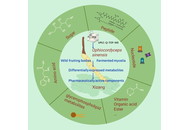
This study aimed to analyze the non-volatile chemical components in wild Ophiocordyceps sinensis (O. sinensis) from four distinct production areas in Xizang, and its fermented mycelia, with the goal of chemically evaluating the feasibility of substituting the wild samples with their mycelial preparation, and providing references for their application in daily life.
Methods:
An untargeted metabolomics approach using ultra-performance liquid chromatography quadrupole time-of-flight mass spectrometry (UPLC-Q-TOF-MS) was employed for comprehensive analysis.
Results:
A total of 89 non-volatile components were identified, mainly covering short peptides, nucleotides/derivatives, glycerophospholipids, glycosides, and amino acids. Multivariate statistical analysis revealed significant regional variation in the content of key metabolites, particularly the short peptide profile. Di- and tri-peptides were confirmed as the dominant bioactive constituents and chemometric markers distinguishing geographical origins. Compared to the wild samples, the fermented mycelia exhibited a statistically significant reduction in both the diversity and relative abundance of these signature short peptides.
Conclusions:
Wild O. sinensis and its fermented mycelia both contain bioactive compounds, with the latter sometimes surpassing the wild samples in specific components. However, the fermented version doesn’t match the natural samples’ synergistic effects. The wild sample’s efficacy is heavily influenced by its environment and growth conditions. This study provides a basis for using wild O. sinensis or its mycelial products in daily
Aim:
This study aimed to analyze the non-volatile chemical components in wild Ophiocordyceps sinensis (O. sinensis) from four distinct production areas in Xizang, and its fermented mycelia, with the goal of chemically evaluating the feasibility of substituting the wild samples with their mycelial preparation, and providing references for their application in daily life.
Methods:
An untargeted metabolomics approach using ultra-performance liquid chromatography quadrupole time-of-flight mass spectrometry (UPLC-Q-TOF-MS) was employed for comprehensive analysis.
Results:
A total of 89 non-volatile components were identified, mainly covering short peptides, nucleotides/derivatives, glycerophospholipids, glycosides, and amino acids. Multivariate statistical analysis revealed significant regional variation in the content of key metabolites, particularly the short peptide profile. Di- and tri-peptides were confirmed as the dominant bioactive constituents and chemometric markers distinguishing geographical origins. Compared to the wild samples, the fermented mycelia exhibited a statistically significant reduction in both the diversity and relative abundance of these signature short peptides.
Conclusions:
Wild O. sinensis and its fermented mycelia both contain bioactive compounds, with the latter sometimes surpassing the wild samples in specific components. However, the fermented version doesn’t match the natural samples’ synergistic effects. The wild sample’s efficacy is heavily influenced by its environment and growth conditions. This study provides a basis for using wild O. sinensis or its mycelial products in daily
DOI: https://doi.org/10.37349/eff.2026.1010124
Aim:
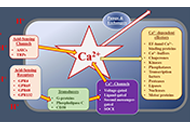
To investigate alterations in transcription of genes, encoding Ca2+ toolkit proteins, in oesophageal adenocarcinoma (OAC) and to assess associations between gene expression, tumor grade, nodal-metastatic stage, and patient survival.
Methods:
The expression of 275 transcripts, encoding components of the Ca2+ toolkit, was analyzed in two OAC datasets: the Cancer Genome Atlas [via the University of Alabama Cancer (UALCAN) portal] and the oesophageal-cancer, clinical, and molecular stratification [Oesophageal Cancer Clinical and Molecular Stratification (OCCAMS)] dataset. Effects of differential expression of these genes on patient survival were determined using Kaplan-Meier log-rank tests. OAC grade- and metastatic-stage status was investigated for a subset of genes. Adjustment for the multiplicity of testing was made throughout.
Results:
Of the 275 Ca2+-toolkit genes analyzed, 75 displayed consistent changes in expression between OAC and normal tissue in both datasets. The channel-encoding genes, N-methyl-D-aspartate receptor 2D (GRIN2D), transient receptor potential (TRP) ion channel classical or canonical 4 (TRPC4), and TRP ion channel melastatin 2 (TRPM2) demonstrated the greatest increase in expression in OAC in both datasets. Nine genes were consistently upregulated in both datasets and were also associated with improved survival outcomes. The 6 top-ranking genes for the weighted significance of altered expression and survival outcomes were selected for further analysis: voltage-gated Ca2+ channel subunit α 1D (CACNA1D), voltage-gated Ca2+ channel auxiliary subunit α2 δ4 (CACNA2D4), junctophilin 1 (JPH1), acid-sensing ion channel 4 (ACCN4), TRPM5, and secretory pathway Ca2+ ATPase 2 (ATP2C2). CACNA1D, JPH1, and ATP2C2 were also upregulated in advanced OAC tumor grades and nodal-metastatic stages in both datasets.
Conclusions:
This study has unveiled alterations of the Ca2+ toolkit in OAC, compared to normal tissue. Such Ca2+ signalling findings are consistent with those from stu
Aim:
To investigate alterations in transcription of genes, encoding Ca2+ toolkit proteins, in oesophageal adenocarcinoma (OAC) and to assess associations between gene expression, tumor grade, nodal-metastatic stage, and patient survival.
Methods:
The expression of 275 transcripts, encoding components of the Ca2+ toolkit, was analyzed in two OAC datasets: the Cancer Genome Atlas [via the University of Alabama Cancer (UALCAN) portal] and the oesophageal-cancer, clinical, and molecular stratification [Oesophageal Cancer Clinical and Molecular Stratification (OCCAMS)] dataset. Effects of differential expression of these genes on patient survival were determined using Kaplan-Meier log-rank tests. OAC grade- and metastatic-stage status was investigated for a subset of genes. Adjustment for the multiplicity of testing was made throughout.
Results:
Of the 275 Ca2+-toolkit genes analyzed, 75 displayed consistent changes in expression between OAC and normal tissue in both datasets. The channel-encoding genes, N-methyl-D-aspartate receptor 2D (GRIN2D), transient receptor potential (TRP) ion channel classical or canonical 4 (TRPC4), and TRP ion channel melastatin 2 (TRPM2) demonstrated the greatest increase in expression in OAC in both datasets. Nine genes were consistently upregulated in both datasets and were also associated with improved survival outcomes. The 6 top-ranking genes for the weighted significance of altered expression and survival outcomes were selected for further analysis: voltage-gated Ca2+ channel subunit α 1D (CACNA1D), voltage-gated Ca2+ channel auxiliary subunit α2 δ4 (CACNA2D4), junctophilin 1 (JPH1), acid-sensing ion channel 4 (ACCN4), TRPM5, and secretory pathway Ca2+ ATPase 2 (ATP2C2). CACNA1D, JPH1, and ATP2C2 were also upregulated in advanced OAC tumor grades and nodal-metastatic stages in both datasets.
Conclusions:
This study has unveiled alterations of the Ca2+ toolkit in OAC, compared to normal tissue. Such Ca2+ signalling findings are consistent with those from stu
DOI: https://doi.org/10.37349/etat.2021.00063
This article belongs to the special issue Calcium Signaling Apparatus in Cancers
The redox status in pathogenesis is critically regulated by careful balance between the generation of reactive oxygen species (ROS) and their elimination. Increased ROS level above the cellular tolerability threshold results in apoptotic or necrotic cell death. ROS belongs to a group of highly reactive compounds that have evolved to play key roles in cellular signaling pathways. It’s widely assumed that a reasonable amount of ROS is essential for a variety of biological processes. Elevated levels of ROS are known to cause various pathologic conditions like neurological disorders, cardiovascular conditions, inflammation, autoimmunity, and cancer. ROS is well known to initiate and assist in progression of tumor by promoting proliferation and survival of cancer cells and thus facilitates pro-tumorigenic signaling in tumor microenvironment. As cancer cells become more resilient to the effects of ROS manipulating drugs, increased antioxidant capacity attenuates their susceptibility to cancer treatment. Excessive environmental stress, on the other hand, can cause cancer cells to
The redox status in pathogenesis is critically regulated by careful balance between the generation of reactive oxygen species (ROS) and their elimination. Increased ROS level above the cellular tolerability threshold results in apoptotic or necrotic cell death. ROS belongs to a group of highly reactive compounds that have evolved to play key roles in cellular signaling pathways. It’s widely assumed that a reasonable amount of ROS is essential for a variety of biological processes. Elevated levels of ROS are known to cause various pathologic conditions like neurological disorders, cardiovascular conditions, inflammation, autoimmunity, and cancer. ROS is well known to initiate and assist in progression of tumor by promoting proliferation and survival of cancer cells and thus facilitates pro-tumorigenic signaling in tumor microenvironment. As cancer cells become more resilient to the effects of ROS manipulating drugs, increased antioxidant capacity attenuates their susceptibility to cancer treatment. Excessive environmental stress, on the other hand, can cause cancer cells to
DOI: https://doi.org/10.37349/emed.2022.00073
This article belongs to the special issue Reactive Oxygen Species (ROS) in Pathophysiological Conditions
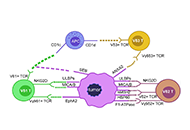
In recent years, immunologists have been working to utilize the functional mechanism of the immune system to research new tumor treatment methods and achieved a major breakthrough in 2013, which was listed as one of the top 10 scientific breakthroughs of 2013 by Science magazine (see “Cancer immunotherapy”. Science. 2013;342:1417. doi: 10.1126/science.1249481). Currently, two main methods are used in clinical tumor immunotherapy: immune checkpoint inhibitors and chimeric antigen receptor (CAR) T cells. Clinical responses to checkpoint inhibitors rely on blockade of the target neoantigens expressed on the surfaces of tumor cells, which can inhibit T cell activity and prevent the T cell immune response; therefore, the therapeutic effect is limited by the tumor antigen expression level. While CAR-T cell therapy can partly enhance neoantigen recognition of T cells, problems remain in the current treatment for solid tumors, such as restricted transport of adoptively transferred cells to the tumor site and off-targets. Immunologists have therefore turned their attention to γδ T cells, which are not restricted by the major histocompatibility complex (MHC) for neoantigen recognition and are able to initiate a rapid immune response at an early stage. However, due to the lack of an understanding of the antigens that γδ T cells recognize, the role of γδ T cells in tumorigenesis and tumor development is not clearly understood. In the past few years, extensive data identifying antigen ligands recognized by γδ T cells have been obtained, mainly focusing on bisphosphonates and small-molecule polypeptides, but few stu
In recent years, immunologists have been working to utilize the functional mechanism of the immune system to research new tumor treatment methods and achieved a major breakthrough in 2013, which was listed as one of the top 10 scientific breakthroughs of 2013 by Science magazine (see “Cancer immunotherapy”. Science. 2013;342:1417. doi: 10.1126/science.1249481). Currently, two main methods are used in clinical tumor immunotherapy: immune checkpoint inhibitors and chimeric antigen receptor (CAR) T cells. Clinical responses to checkpoint inhibitors rely on blockade of the target neoantigens expressed on the surfaces of tumor cells, which can inhibit T cell activity and prevent the T cell immune response; therefore, the therapeutic effect is limited by the tumor antigen expression level. While CAR-T cell therapy can partly enhance neoantigen recognition of T cells, problems remain in the current treatment for solid tumors, such as restricted transport of adoptively transferred cells to the tumor site and off-targets. Immunologists have therefore turned their attention to γδ T cells, which are not restricted by the major histocompatibility complex (MHC) for neoantigen recognition and are able to initiate a rapid immune response at an early stage. However, due to the lack of an understanding of the antigens that γδ T cells recognize, the role of γδ T cells in tumorigenesis and tumor development is not clearly understood. In the past few years, extensive data identifying antigen ligands recognized by γδ T cells have been obtained, mainly focusing on bisphosphonates and small-molecule polypeptides, but few stu
DOI: https://doi.org/10.37349/ei.2022.00037
This article belongs to the special issue Interplay of γδ T cells and Tumor Cells
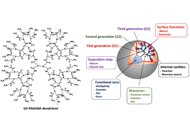
During the past two decades, tremendous progress has been made in the dendrimer-based delivery of therapeutic molecules including, for instance, small molecules, macromolecules, and genes. This review deals with recent successes in the development of promising biocompatible phosphorus dendrimers, a specific type of dendrimer, to deliver genes to treat cancers.
During the past two decades, tremendous progress has been made in the dendrimer-based delivery of therapeutic molecules including, for instance, small molecules, macromolecules, and genes. This review deals with recent successes in the development of promising biocompatible phosphorus dendrimers, a specific type of dendrimer, to deliver genes to treat cancers.
DOI: https://doi.org/10.37349/etat.2022.00071
This article belongs to the special issue Gene Delivery Approach to Fight Cancer
Globally, the incidence of Parkinson’s disease (PD) is increasing faster than other neurodegenerative disorders. Neuropathologically, PD is characterized by the loss of dopaminergic neurons in the substantia nigra pars compacta due to the accumulation of aggregates of misfolded α-synuclein (α-Syn) in the cytoplasm of these neurons, forming Lewy bo
Globally, the incidence of Parkinson’s disease (PD) is increasing faster than other neurodegenerative disorders. Neuropathologically, PD is characterized by the loss of dopaminergic neurons in the substantia nigra pars compacta due to the accumulation of aggregates of misfolded α-synuclein (α-Syn) in the cytoplasm of these neurons, forming Lewy bo
DOI: https://doi.org/10.37349/en.2023.00016
Aim:
As far as is known, the pharmaceutical effects of neem on human B-lymphoblastoid (TK6) cells have not been stu
Methods:
Hexane extract (HE) was obtained in the first step. After that, the residual hexane was removed from the neem. The dried neem sample was used in a new extraction for obtaining the ethyl acetate extract (EAE). Total phenolic compounds (TPC) and total flavonoid contents (TFC) were determined by spectrophotometric methods. Lactate dehydrogenase (LDH) and 3-(4,5-dimethylthiazol-2-yl)-2,5-diphenyltetrazolium bromide (MTT) tests were used to evaluate the cytotoxicity in TK6 cells. The stop at G0/G1 cell cycle and inducing apoptosis in the TK6 cells were analyzed by flow cytometry. For deoxyribonucleic acid (DNA) damage evaluation, the alkaline comet test was used.
Results:
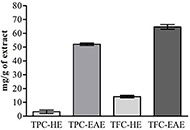
The higher TFC (65.50 mg/g of extract ± 1.17 mg/g of extract) and TPC (52.08 mg of extract ± 0.88 mg of extract) were obtained in EAE compared to HE that was obtained TFC of 14.61 mg/g of extract ± 0.60 mg/g of extract and TPC of 3.20 mg/g of extract ± 1.20 mg/g of extract. EAE was more significantly cytotoxic to TK6 cells than HE. The apoptosis induction was higher after exposure to 15.0 µg/mL of EAE (11.29%) in comparison to 15.0 µg/mL of HE (2.52%). The G0/G1 phase increased from 72% negative control (NC) to 83% after treatment with neem extracts (15 µg/mL). Neem extracts were also able to cause DNA strand breaks in TK6 cells.
Conclusions:
The extraction residue from neem leaf after hexane extraction is a source important of cytotoxic and genotoxic molecules against TK6 cells, the results also can suggest that the toxic effects in TK6 cells can be provided most likely due to the presence of high content of TPC from neem extracts.
Aim:
As far as is known, the pharmaceutical effects of neem on human B-lymphoblastoid (TK6) cells have not been stu
Methods:
Hexane extract (HE) was obtained in the first step. After that, the residual hexane was removed from the neem. The dried neem sample was used in a new extraction for obtaining the ethyl acetate extract (EAE). Total phenolic compounds (TPC) and total flavonoid contents (TFC) were determined by spectrophotometric methods. Lactate dehydrogenase (LDH) and 3-(4,5-dimethylthiazol-2-yl)-2,5-diphenyltetrazolium bromide (MTT) tests were used to evaluate the cytotoxicity in TK6 cells. The stop at G0/G1 cell cycle and inducing apoptosis in the TK6 cells were analyzed by flow cytometry. For deoxyribonucleic acid (DNA) damage evaluation, the alkaline comet test was used.
Results:
The higher TFC (65.50 mg/g of extract ± 1.17 mg/g of extract) and TPC (52.08 mg of extract ± 0.88 mg of extract) were obtained in EAE compared to HE that was obtained TFC of 14.61 mg/g of extract ± 0.60 mg/g of extract and TPC of 3.20 mg/g of extract ± 1.20 mg/g of extract. EAE was more significantly cytotoxic to TK6 cells than HE. The apoptosis induction was higher after exposure to 15.0 µg/mL of EAE (11.29%) in comparison to 15.0 µg/mL of HE (2.52%). The G0/G1 phase increased from 72% negative control (NC) to 83% after treatment with neem extracts (15 µg/mL). Neem extracts were also able to cause DNA strand breaks in TK6 cells.
Conclusions:
The extraction residue from neem leaf after hexane extraction is a source important of cytotoxic and genotoxic molecules against TK6 cells, the results also can suggest that the toxic effects in TK6 cells can be provided most likely due to the presence of high content of TPC from neem extracts.
DOI: https://doi.org/10.37349/eff.2023.00011
