


 Previous
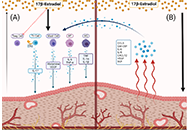
Endometriosis (EMS) is an inflammatory, gynaecologic disease characterized by the growth of endometrial tissues outside the uterus. With no satisfactory therapies or non-invasive diagnostics available, a shift in perspectives on EMS pathophysiology is overdue. The implication of immune dysregulation in EMS pathogenesis and disease progression has been an evolving area of research, with numerous immune and inflammatory pathways identified. Traditional theories regarding the establishment of endometriotic lesions have lacked mechanistic explanations for their proliferation and survival until recent research unearthed the involvement of mesenchymal stem cell (MSC) and myeloid-derived suppressor cells (MDSCs) in a complex network of immune-endocrine signaling. The unique immunology of EMS is likely owing to estrogen dominance, as endocrine imbalance reliably cultivates immune dysregulation. Many of the phenomena observed in EMS parallel immune biology seen in various cancers, including accelerated somatic mutations in endometrial epithelial cells. Here, the high mutational load leads to EMS neoantigen development which potentially contributes to the lesion immune microenvironment. As well, EMS manifests comorbidity with several chronic inflammatory diseases that share common dysregulation of the interleukin-23 (IL-23)/IL-17 pathway (as seen in inflammatory bowel disease, psoriasis, and rheumatoid arthritis). EMS is especially relevant to the study of chronic pelvic pain (CPP) as 60% of EMS patients experience this symptom and chronic inflammation is believed to be central to the process of pain sensitization. Since the onset of the disease usually occurs in adolescence, and diagnosis only occurs years later once moderate to severe symptoms have developed, it is vital to innovate non-invasive diagnostic tools for earlier detection. Several potential biomarkers are being studied, including some cytokines, gene signatures, and extracellular vesicle (EV) signatures. By incorporating the immune perspectives of EMS into our research, approaches to diagnosis, and treatment solutions, the field has more promising avenues to clearly define EMS and offer patients relief.
Endometriosis (EMS) is an inflammatory, gynaecologic disease characterized by the growth of endometrial tissues outside the uterus. With no satisfactory therapies or non-invasive diagnostics available, a shift in perspectives on EMS pathophysiology is overdue. The implication of immune dysregulation in EMS pathogenesis and disease progression has been an evolving area of research, with numerous immune and inflammatory pathways identified. Traditional theories regarding the establishment of endometriotic lesions have lacked mechanistic explanations for their proliferation and survival until recent research unearthed the involvement of mesenchymal stem cell (MSC) and myeloid-derived suppressor cells (MDSCs) in a complex network of immune-endocrine signaling. The unique immunology of EMS is likely owing to estrogen dominance, as endocrine imbalance reliably cultivates immune dysregulation. Many of the phenomena observed in EMS parallel immune biology seen in various cancers, including accelerated somatic mutations in endometrial epithelial cells. Here, the high mutational load leads to EMS neoantigen development which potentially contributes to the lesion immune microenvironment. As well, EMS manifests comorbidity with several chronic inflammatory diseases that share common dysregulation of the interleukin-23 (IL-23)/IL-17 pathway (as seen in inflammatory bowel disease, psoriasis, and rheumatoid arthritis). EMS is especially relevant to the study of chronic pelvic pain (CPP) as 60% of EMS patients experience this symptom and chronic inflammation is believed to be central to the process of pain sensitization. Since the onset of the disease usually occurs in adolescence, and diagnosis only occurs years later once moderate to severe symptoms have developed, it is vital to innovate non-invasive diagnostic tools for earlier detection. Several potential biomarkers are being studied, including some cytokines, gene signatures, and extracellular vesicle (EV) signatures. By incorporating the immune perspectives of EMS into our research, approaches to diagnosis, and treatment solutions, the field has more promising avenues to clearly define EMS and offer patients relief.
DOI: https://doi.org/10.37349/ei.2022.00062
This article belongs to the special issue Human Reproduction: Involvement of the Immune System


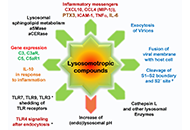
Sepsis and severe acute respiratory syndrome coronavirus 2 (SARS-CoV-2) infection, and its severe form coronavirus disease 2019 (COVID-19), represent the major medical challenges of the modern era. Therapeutic options are limited, mostly symptomatic, partially relying on antibodies and corticosteroids and, in the case of SARS-CoV-2 infection, supplemented by the antiviral drug remdesivir, and more recently by molnupiravir, nirmatrelvir/ritonavir, and the Janus kinase (JAK) inhibitors tofacitinib and baricitinib. Sepsis and severe SARS-CoV-2 infection/COVID-19 share many features at the level of pathophysiology and pro-inflammatory mediators, thus enabling a common disease management strategy. New ideas in successfully targeting the prognostic severity and mortality marker pentraxin 3 (PTX3) in sepsis and severe SARS-CoV-2 infection/COVID-19; the complement (C3/C3a/C3aR and C5/C5a/C5aR axis); tumor necrosis factor (TNF)-α, interleukin (IL)-1β, and IL-6 expression; IL-6-triggered expression of C5aR receptor in vascular endothelial cells; and release of anti-inflammatory IL-10 are still missing. Small molecules with lysosomotropic characteristics such as the approved drugs amitriptyline, desloratadine, fluvoxamine, azelastine, and ambroxol have demonstrated their clinical benefits in rodent models of sepsis or clinical trials in COVID-19; however, their exact mode of action remains to be fully elucidated. Addressing disease-relevant targets such as viral infection of host cells, shedding of toll-like receptors (TLRs), expression of pro-inflammatory mediators such as TNF-α, IL-1β, IL-6, PTX3, and the complement receptor C5aR, highlight the advantages of this multi-target approach in comparison to current standards. Rational drug repurposing of approved drugs or screening for active compounds with virtually exclusively lysosomotropic pharmacologic effects is a major opportunity to improve prophylaxis and treatment of sepsis and/or SARS-CoV-2 infection, and its severe form COVID-19.
Sepsis and severe acute respiratory syndrome coronavirus 2 (SARS-CoV-2) infection, and its severe form coronavirus disease 2019 (COVID-19), represent the major medical challenges of the modern era. Therapeutic options are limited, mostly symptomatic, partially relying on antibodies and corticosteroids and, in the case of SARS-CoV-2 infection, supplemented by the antiviral drug remdesivir, and more recently by molnupiravir, nirmatrelvir/ritonavir, and the Janus kinase (JAK) inhibitors tofacitinib and baricitinib. Sepsis and severe SARS-CoV-2 infection/COVID-19 share many features at the level of pathophysiology and pro-inflammatory mediators, thus enabling a common disease management strategy. New ideas in successfully targeting the prognostic severity and mortality marker pentraxin 3 (PTX3) in sepsis and severe SARS-CoV-2 infection/COVID-19; the complement (C3/C3a/C3aR and C5/C5a/C5aR axis); tumor necrosis factor (TNF)-α, interleukin (IL)-1β, and IL-6 expression; IL-6-triggered expression of C5aR receptor in vascular endothelial cells; and release of anti-inflammatory IL-10 are still missing. Small molecules with lysosomotropic characteristics such as the approved drugs amitriptyline, desloratadine, fluvoxamine, azelastine, and ambroxol have demonstrated their clinical benefits in rodent models of sepsis or clinical trials in COVID-19; however, their exact mode of action remains to be fully elucidated. Addressing disease-relevant targets such as viral infection of host cells, shedding of toll-like receptors (TLRs), expression of pro-inflammatory mediators such as TNF-α, IL-1β, IL-6, PTX3, and the complement receptor C5aR, highlight the advantages of this multi-target approach in comparison to current standards. Rational drug repurposing of approved drugs or screening for active compounds with virtually exclusively lysosomotropic pharmacologic effects is a major opportunity to improve prophylaxis and treatment of sepsis and/or SARS-CoV-2 infection, and its severe form COVID-19.
DOI: https://doi.org/10.37349/ei.2022.00063
This article belongs to the special issue The Sepsis induced Immune Conundrum
Aim:
Psoriasis is a common chronic inflammatory skin disorder, which has adverse effects on patients’ quality of life. Natural products exhibit significant therapeutic capacities with small side effects and might be preferable alternative treatments for patients with psoriasis. This study summarizes the signaling pathways with the potential targets of natural products and their efficacy for psoriasis treatment.
Methods:
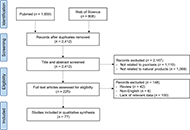
The literature for this article was acquired from PubMed and Web of Science, from January 2010 to December 2020. The keywords for searching included “psoriasis” and “natural product”, “herbal medicine”, “herbal therapy”, “medicinal plant”, “medicinal herb” or “pharmaceutical plant”.
Results:
Herbal extracts, natural compounds, and herbal prescriptions could regulate the signaling pathways to alleviate psoriasis symptoms, such as T helper 17 (Th17) differentiation, Janus kinase (JAK)/signal transducer and activator of transcription (STAT), nuclear factor-kappa B (NF-κB), mitogen-activated protein kinase (MAPK), phosphatidylinositol 3-kinase (PI3K)/Akt/mammalian target of rapamycin (mTOR), and other signaling pathways, which are involved in the inflammatory response and keratinocyte hyperproliferation. The anti-psoriatic effect of natural products in clinical trials was summarized.
Conclusions:
Natural products exerted the anti-psoriatic effect by targeting multiple signaling pathways, providing evidence for the investigation of novel drugs. Further experimental research should be performed to screen and characterize the therapeutic targets of natural products for application in psoriasis treatment.
Aim:
Psoriasis is a common chronic inflammatory skin disorder, which has adverse effects on patients’ quality of life. Natural products exhibit significant therapeutic capacities with small side effects and might be preferable alternative treatments for patients with psoriasis. This study summarizes the signaling pathways with the potential targets of natural products and their efficacy for psoriasis treatment.
Methods:
The literature for this article was acquired from PubMed and Web of Science, from January 2010 to December 2020. The keywords for searching included “psoriasis” and “natural product”, “herbal medicine”, “herbal therapy”, “medicinal plant”, “medicinal herb” or “pharmaceutical plant”.
Results:
Herbal extracts, natural compounds, and herbal prescriptions could regulate the signaling pathways to alleviate psoriasis symptoms, such as T helper 17 (Th17) differentiation, Janus kinase (JAK)/signal transducer and activator of transcription (STAT), nuclear factor-kappa B (NF-κB), mitogen-activated protein kinase (MAPK), phosphatidylinositol 3-kinase (PI3K)/Akt/mammalian target of rapamycin (mTOR), and other signaling pathways, which are involved in the inflammatory response and keratinocyte hyperproliferation. The anti-psoriatic effect of natural products in clinical trials was summarized.
Conclusions:
Natural products exerted the anti-psoriatic effect by targeting multiple signaling pathways, providing evidence for the investigation of novel drugs. Further experimental research should be performed to screen and characterize the therapeutic targets of natural products for application in psoriasis treatment.
DOI: https://doi.org/10.37349/emed.2022.00098
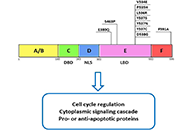
Endocrine resistance is a major hurdle in the treatment of estrogen receptor (ER)-positive breast cancer. When abnormally regulated, molecular signals responsible for cellular proliferation, as well as ER itself, allow for cellular evasion of ER-dependent treatments. Therefore, pharmacological treatments that target these evasion mechanisms are beneficial for the treatment of endocrine-resistant breast cancers. This review summarizes currently understood molecular signals that contribute to endocrine resistance and their crosstalk that stem from mitogen-activated protein kinase (MAPK), phosphoinositol-3 kinase/protein kinase B (PI3K/AKT), mechanistic target of rapamycin (mTOR), cyclin-dependent kinases 4 and 6 (CDK4/6) and aberrant ER function. Recent clinical trials that target these molecular signals as a treatment strategy for endocrine-resistant breast cancer are also highlighted.
Endocrine resistance is a major hurdle in the treatment of estrogen receptor (ER)-positive breast cancer. When abnormally regulated, molecular signals responsible for cellular proliferation, as well as ER itself, allow for cellular evasion of ER-dependent treatments. Therefore, pharmacological treatments that target these evasion mechanisms are beneficial for the treatment of endocrine-resistant breast cancers. This review summarizes currently understood molecular signals that contribute to endocrine resistance and their crosstalk that stem from mitogen-activated protein kinase (MAPK), phosphoinositol-3 kinase/protein kinase B (PI3K/AKT), mechanistic target of rapamycin (mTOR), cyclin-dependent kinases 4 and 6 (CDK4/6) and aberrant ER function. Recent clinical trials that target these molecular signals as a treatment strategy for endocrine-resistant breast cancer are also highlighted.
DOI: https://doi.org/10.37349/etat.2022.00096
This article belongs to the special issue Endocrine Resistant Breast Cancer
Aim:
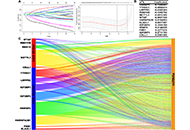
Lower grade gliomas [LGGs; World Health Organization (WHO) grades 2 and 3], owing to the heterogeneity of their clinical behavior, present a therapeutic challenge to neurosurgeons. The aim of this study was to explore the N6-methyladenosine (m6A) modification landscape in the LGGs and to develop an m6A-related microRNA (miRNA) risk model to provide new perspectives for the treatment and prognostic assessment of LGGs.
Methods:
Messenger RNA (mRNA) and miRNA expression data of LGGs were extracted from The Cancer Genome Atlas (TCGA) and Chinese Glioma Genome Atlas (CGGA) databases. An m6A-related miRNA risk model was constructed via least absolute shrinkage and selection operator (LASSO), univariate, and multivariate Cox regression analysis. Next, Kaplan-Meier analysis, principal-component analysis (PCA), functional enrichment analysis, immune infiltrate analysis, dynamic nomogram, and drug sensitivity prediction were used to evaluate this risk model.
Results:
Firstly, six m6A-related miRNAs with independent prognostic value were selected based on clinical information and used to construct a risk model. Subsequently, compared with low-risk group, LGGs in the high-risk group had a higher m6A writer and reader scores, but a lower eraser score. Moreover, LGGs in the high-risk group had a significantly worse clinical prognosis than those in the low-risk group. Simultaneously, this risk model outperformed other clinicopathological variables in the prognosis prediction of LGGs. Immune infiltrate analysis revealed that the proportion of M2 macrophages, regulatory T (Treg) cells, and the expression levels of exhausted immune response markers were significantly higher in the high-risk group than in the low-risk group. Finally, this study constructed an easy-to-use and free dynamic nomogram to help clinicians use this risk model to aid in diagnosis and prognosis assessment.
Conclusions:
This study developed a m6A-related risk model and uncovered two different m6A modification landscapes in LGGs. Moreover, this risk model may provide guidance and help in clinical prognosis assessment and immunotherapy response prediction for LGGs.
Aim:
Lower grade gliomas [LGGs; World Health Organization (WHO) grades 2 and 3], owing to the heterogeneity of their clinical behavior, present a therapeutic challenge to neurosurgeons. The aim of this study was to explore the N6-methyladenosine (m6A) modification landscape in the LGGs and to develop an m6A-related microRNA (miRNA) risk model to provide new perspectives for the treatment and prognostic assessment of LGGs.
Methods:
Messenger RNA (mRNA) and miRNA expression data of LGGs were extracted from The Cancer Genome Atlas (TCGA) and Chinese Glioma Genome Atlas (CGGA) databases. An m6A-related miRNA risk model was constructed via least absolute shrinkage and selection operator (LASSO), univariate, and multivariate Cox regression analysis. Next, Kaplan-Meier analysis, principal-component analysis (PCA), functional enrichment analysis, immune infiltrate analysis, dynamic nomogram, and drug sensitivity prediction were used to evaluate this risk model.
Results:
Firstly, six m6A-related miRNAs with independent prognostic value were selected based on clinical information and used to construct a risk model. Subsequently, compared with low-risk group, LGGs in the high-risk group had a higher m6A writer and reader scores, but a lower eraser score. Moreover, LGGs in the high-risk group had a significantly worse clinical prognosis than those in the low-risk group. Simultaneously, this risk model outperformed other clinicopathological variables in the prognosis prediction of LGGs. Immune infiltrate analysis revealed that the proportion of M2 macrophages, regulatory T (Treg) cells, and the expression levels of exhausted immune response markers were significantly higher in the high-risk group than in the low-risk group. Finally, this study constructed an easy-to-use and free dynamic nomogram to help clinicians use this risk model to aid in diagnosis and prognosis assessment.
Conclusions:
This study developed a m6A-related risk model and uncovered two different m6A modification landscapes in LGGs. Moreover, this risk model may provide guidance and help in clinical prognosis assessment and immunotherapy response prediction for LGGs.
DOI: https://doi.org/10.37349/etat.2022.00100
This article belongs to the special issue Theranostic Frontiers in Neuro-Oncology
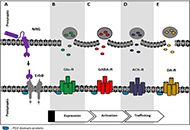
Neuregulins (NRGs) and their cognate ErbB receptors (ErbB2–ErbB4) constitute a vast group of proteins encoded by six different genes (NRG1–6) and many isoforms with critical roles in the development and functioning of the nervous system. NRGs are known to regulate important processes in the nervous system like neural development, neuronal differentiation, neurite outgrowth, and specification. These factors are involved in the regulation of neurotransmission pathways and the modulation of several forms of synaptic plasticity. Due to NRGs’ role in synaptic plasticity, defects in their normal functioning are translated into altered signaling networks, which have been linked to susceptibility to developing psychiatric disorders like schizophrenia (SZ), autism, depression, and bipolar disorders. Additionally, deviation of the NRG normal functioning is involved in neurological diseases like Alzheimer’s and Parkinson’s disease. Contrastingly, NRG/ErbB signaling is also involved in the recovery after traumatic brain injuries (e.g., ischemic stroke). The NRG/ErbB signaling complex is highly unusual because the ligands (mainly NRG1–NRG3, with their multiple isoforms) and receptors (ErbB2–ErbB4) can orchestrate vast signaling complexes, with a wide reach within the processes that govern the development and appropriate function of the nervous system. This may explain why NRGs and ErbB receptor genes have been linked to complex brain disorders, like SZ. This review, are discussed important aspects of NRG and their relevance for nervous system functioning, including 1) subcellular localization, 2) signaling pathways involved in neuronal functions, 3) effect on neurite development and synapse formation, 4) modulation of some mechanisms of synaptic plasticity [long-term potentiation (LTP), depotentiation, long-term depression (LTD)] and 5) roles of NRGs in some neurological diseases. This review intends to present a summary of the main findings about this family of proteins, which might position them as one of the master regulators of brain functioning.
Neuregulins (NRGs) and their cognate ErbB receptors (ErbB2–ErbB4) constitute a vast group of proteins encoded by six different genes (NRG1–6) and many isoforms with critical roles in the development and functioning of the nervous system. NRGs are known to regulate important processes in the nervous system like neural development, neuronal differentiation, neurite outgrowth, and specification. These factors are involved in the regulation of neurotransmission pathways and the modulation of several forms of synaptic plasticity. Due to NRGs’ role in synaptic plasticity, defects in their normal functioning are translated into altered signaling networks, which have been linked to susceptibility to developing psychiatric disorders like schizophrenia (SZ), autism, depression, and bipolar disorders. Additionally, deviation of the NRG normal functioning is involved in neurological diseases like Alzheimer’s and Parkinson’s disease. Contrastingly, NRG/ErbB signaling is also involved in the recovery after traumatic brain injuries (e.g., ischemic stroke). The NRG/ErbB signaling complex is highly unusual because the ligands (mainly NRG1–NRG3, with their multiple isoforms) and receptors (ErbB2–ErbB4) can orchestrate vast signaling complexes, with a wide reach within the processes that govern the development and appropriate function of the nervous system. This may explain why NRGs and ErbB receptor genes have been linked to complex brain disorders, like SZ. This review, are discussed important aspects of NRG and their relevance for nervous system functioning, including 1) subcellular localization, 2) signaling pathways involved in neuronal functions, 3) effect on neurite development and synapse formation, 4) modulation of some mechanisms of synaptic plasticity [long-term potentiation (LTP), depotentiation, long-term depression (LTD)] and 5) roles of NRGs in some neurological diseases. This review intends to present a summary of the main findings about this family of proteins, which might position them as one of the master regulators of brain functioning.
DOI: https://doi.org/10.37349/en.2022.00003
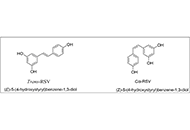
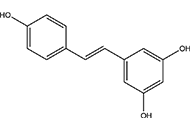
The uncontrolled and metastatic nature of cancer makes it worse and more unpredictable. Hence, many therapy and medication are used to control and treat cancer. However, apart from this, many medications cause various side effects. In America, nearly 8% of patients admitted to the hospital are due to side effects. Cancer is more seen in people residing in developed countries related of their lifestyle. There are various phytoconstituents molecules in which resveratrol (RSV) is the best-fitted molecule for cancer due to its significantly less adverse effect on the body. RSV inhibits the initiation and progression of cell proliferation due to the modulation of various pathways like the phosphoinositol 3 kinase (PI3K)/protein kinase B (AKT)/mammalian target of rapamycin (mTOR) pathway. RSV downgraded cell cycle-regulated proteins like cyclin E, cyclin D1, and proliferating cell nuclear antigen (PCNA) and induced the release of cytochrome c from the mitochondria, causing apoptosis or programmed cell death (PCD). A great benefit comes with some challenges, hence, RSV does suffer from poor solubility in water i.e. 0.05 mg/mL. It suffers from poor bioavailability due to being highly metabolized by the liver and intestine. Surprisingly, RSV metabolites also induce the metabolism of RSV. Hence, significantly less amount of RSV presented in the urine in the unchanged form. Due to some challenges like poor bioavailability, less aqueous solubility, and retention time in the body, researchers concluded to make the nanocarriers for better delivery. Adopting the technique of nano-formulations, increased topical penetration by up to 21%, improved nano-encapsulation and consequently improved bioavailability and permeability by many folds. Hence, the present review describes the complete profile of RSV and its nano-formulations for improving anti-cancer activity along with a patent survey.
The uncontrolled and metastatic nature of cancer makes it worse and more unpredictable. Hence, many therapy and medication are used to control and treat cancer. However, apart from this, many medications cause various side effects. In America, nearly 8% of patients admitted to the hospital are due to side effects. Cancer is more seen in people residing in developed countries related of their lifestyle. There are various phytoconstituents molecules in which resveratrol (RSV) is the best-fitted molecule for cancer due to its significantly less adverse effect on the body. RSV inhibits the initiation and progression of cell proliferation due to the modulation of various pathways like the phosphoinositol 3 kinase (PI3K)/protein kinase B (AKT)/mammalian target of rapamycin (mTOR) pathway. RSV downgraded cell cycle-regulated proteins like cyclin E, cyclin D1, and proliferating cell nuclear antigen (PCNA) and induced the release of cytochrome c from the mitochondria, causing apoptosis or programmed cell death (PCD). A great benefit comes with some challenges, hence, RSV does suffer from poor solubility in water i.e. 0.05 mg/mL. It suffers from poor bioavailability due to being highly metabolized by the liver and intestine. Surprisingly, RSV metabolites also induce the metabolism of RSV. Hence, significantly less amount of RSV presented in the urine in the unchanged form. Due to some challenges like poor bioavailability, less aqueous solubility, and retention time in the body, researchers concluded to make the nanocarriers for better delivery. Adopting the technique of nano-formulations, increased topical penetration by up to 21%, improved nano-encapsulation and consequently improved bioavailability and permeability by many folds. Hence, the present review describes the complete profile of RSV and its nano-formulations for improving anti-cancer activity along with a patent survey.
DOI: https://doi.org/10.37349/etat.2022.00105
This article belongs to the special issue Plant Extracts as an Infinite Resource for New Anticancer Agents
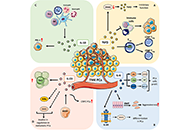
Prostate cancer (PCa) accounts as the most common non-cutaneous disease affecting males, and as the first cancer, for incidence, in male. With the introduction of the concept of immunoscore, PCa has been classified as a cold tumor, thus driving the attention in the development of strategies aimed at blocking the infiltration/activation of immunosuppressive cells, while favoring the infiltration/activation of anti-tumor immune cells. Even if immunotherapy has revolutionized the approaches to cancer therapy, there is still a window failure, due to the immune cell plasticity within PCa, that can acquire pro-tumor features, subsequent to the tumor microenvironment (TME) capability to polarize them. This review discussed selected relevant soluble factors [transforming growth factor-beta (TGFβ), interleukin-6 (IL-6), IL-10, IL-23] and cellular components of the innate immunity, as drivers of tumor progression, immunosuppression, and angiogenesis within the PCa-TME.
Prostate cancer (PCa) accounts as the most common non-cutaneous disease affecting males, and as the first cancer, for incidence, in male. With the introduction of the concept of immunoscore, PCa has been classified as a cold tumor, thus driving the attention in the development of strategies aimed at blocking the infiltration/activation of immunosuppressive cells, while favoring the infiltration/activation of anti-tumor immune cells. Even if immunotherapy has revolutionized the approaches to cancer therapy, there is still a window failure, due to the immune cell plasticity within PCa, that can acquire pro-tumor features, subsequent to the tumor microenvironment (TME) capability to polarize them. This review discussed selected relevant soluble factors [transforming growth factor-beta (TGFβ), interleukin-6 (IL-6), IL-10, IL-23] and cellular components of the innate immunity, as drivers of tumor progression, immunosuppression, and angiogenesis within the PCa-TME.
DOI: https://doi.org/10.37349/etat.2022.00108
This article belongs to the special issue Cancer Immunotherapy and Tumor Microenvironment
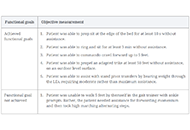
The patient was a 6-year-old child with spastic quadriplegic cerebral palsy (CP) categorized with the gross motor function classification system (GMFCS) as a level IV and a Modified Modified Ashworth Scale (MMAS) of 2 for the bilateral hamstring and hip adductor muscles, and 3 for the bilateral gastrocnemius muscles. This patient’s limited range of motion significantly affected the caregiver’s ability to perform activities of daily living (ADLs). Dry needling (DN) is considered a standard treatment (TX) when treating adults with poor range of motion. This article aims to place intramuscular electrical stimulation (IMES), the delivery of an electrical current through a monofilament needle into targeted trigger points (TrPs) within the context of treating children with spastic CP. Following IMES TXs over 32 months that totaled 12 left hamstring TXs, 13 right hamstring TXs, 13 hip adductor TXs, 21 left gastrocnemius TXs, and 18 right gastrocnemius TXs, the patient demonstrated an increase in passive range of motion (PROM) of the hamstring, hip adductors, and gastrocnemius muscles. These gains equated to ease in ADLs. Both the Pediatric Evaluation of Disability Inventory (PEDI, PEDI-Caregiver Assistance Scale) and the Goal Attainment Scale (GAS) demonstrated decreased caregiver burden. The child’s GMFCS level and the MMAS did not change. Further data collection related to treating children with spasticity using IMES is indicated to validate this type of TX with this patient population.
The patient was a 6-year-old child with spastic quadriplegic cerebral palsy (CP) categorized with the gross motor function classification system (GMFCS) as a level IV and a Modified Modified Ashworth Scale (MMAS) of 2 for the bilateral hamstring and hip adductor muscles, and 3 for the bilateral gastrocnemius muscles. This patient’s limited range of motion significantly affected the caregiver’s ability to perform activities of daily living (ADLs). Dry needling (DN) is considered a standard treatment (TX) when treating adults with poor range of motion. This article aims to place intramuscular electrical stimulation (IMES), the delivery of an electrical current through a monofilament needle into targeted trigger points (TrPs) within the context of treating children with spastic CP. Following IMES TXs over 32 months that totaled 12 left hamstring TXs, 13 right hamstring TXs, 13 hip adductor TXs, 21 left gastrocnemius TXs, and 18 right gastrocnemius TXs, the patient demonstrated an increase in passive range of motion (PROM) of the hamstring, hip adductors, and gastrocnemius muscles. These gains equated to ease in ADLs. Both the Pediatric Evaluation of Disability Inventory (PEDI, PEDI-Caregiver Assistance Scale) and the Goal Attainment Scale (GAS) demonstrated decreased caregiver burden. The child’s GMFCS level and the MMAS did not change. Further data collection related to treating children with spasticity using IMES is indicated to validate this type of TX with this patient population.
DOI: https://doi.org/10.37349/ent.2022.00031
This article belongs to the special issue Dry Needling for Neurological Disorders
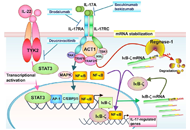
Psoriasis is a skin disease characterized by scaly erythema, parakeratosis, and epidermal hyperplasia. Application of imiquimod (IMQ), a ligand for Toll-like receptor 7, produces a mouse model for psoriasis. IMQ application induces scaling, erythema, and thickness in skin lesions, and the symptoms are milder in interleukin-23 p19 (Il23p19)-deficient and Il17a-deficient mice than in wild-type mice; this suggests that the interleukin-23 (IL-23)/T helper 17 (Th17) axis and Th17 cell-secreting cytokines play essential roles in the IMQ-induced psoriasis model. It is notable that a genome-wide association study identified the human tyrosine kinase 2 (TYK2) gene within the psoriasis susceptibility locus. After IMQ application, mice lacking Tyk2, a mouse homologue of the human TYK2 gene, exhibited significantly lower symptom scores of psoriasis and diminished inflammatory cell infiltration in the skin lesions. Tyk2-deficient mice also failed to increase CD4+IL-17+ or CD4+ interferon-γ+ (IFN-γ+) T cells in the draining lymph nodes or to produce Th17 cell-related cytokines after IMQ application. Furthermore, Tyk2 deficiency led to diminished skin inflammation induced by IL-23 and IL-22 injections. These results indicate that Tyk2-mediated signals in mice contribute to multiple steps of immune and inflammatory responses during the development of psoriasis; therefore, TYK2 targeting may be a promising strategy to treat patients with psoriasis. Recent clinical trials have shown that TYK2 inhibitors have a high overall response rate with good tolerability in the management of psoriasis. This review describes the fundamental mechanisms of Tyk2 inhibition in immune/inflammatory diseases.
Psoriasis is a skin disease characterized by scaly erythema, parakeratosis, and epidermal hyperplasia. Application of imiquimod (IMQ), a ligand for Toll-like receptor 7, produces a mouse model for psoriasis. IMQ application induces scaling, erythema, and thickness in skin lesions, and the symptoms are milder in interleukin-23 p19 (Il23p19)-deficient and Il17a-deficient mice than in wild-type mice; this suggests that the interleukin-23 (IL-23)/T helper 17 (Th17) axis and Th17 cell-secreting cytokines play essential roles in the IMQ-induced psoriasis model. It is notable that a genome-wide association study identified the human tyrosine kinase 2 (TYK2) gene within the psoriasis susceptibility locus. After IMQ application, mice lacking Tyk2, a mouse homologue of the human TYK2 gene, exhibited significantly lower symptom scores of psoriasis and diminished inflammatory cell infiltration in the skin lesions. Tyk2-deficient mice also failed to increase CD4+IL-17+ or CD4+ interferon-γ+ (IFN-γ+) T cells in the draining lymph nodes or to produce Th17 cell-related cytokines after IMQ application. Furthermore, Tyk2 deficiency led to diminished skin inflammation induced by IL-23 and IL-22 injections. These results indicate that Tyk2-mediated signals in mice contribute to multiple steps of immune and inflammatory responses during the development of psoriasis; therefore, TYK2 targeting may be a promising strategy to treat patients with psoriasis. Recent clinical trials have shown that TYK2 inhibitors have a high overall response rate with good tolerability in the management of psoriasis. This review describes the fundamental mechanisms of Tyk2 inhibition in immune/inflammatory diseases.
DOI: https://doi.org/10.37349/ei.2022.00081
This article belongs to the special issue Cytokines and Skin Diseases
Aim:
Recent progress in cancer immunotherapy has shown its promise and prompted researchers to develop novel therapeutic strategies. Dendritic cells (DCs) are professional antigen-presenting cells crucial for initiating adaptive anti-tumor immunity, therefore a promising target for cancer treatment. Here, anti-tumor activities of DC-targeting chemokines were explored in murine colorectal tumor models.
Methods:
The correlation of chemokine messenger RNA (mRNA) expression with DC markers was analyzed using The Cancer Genome Atlas (TCGA) dataset. Murine colorectal tumor cell lines (CT26 and MC38) stably overexpressing mouse C-C motif chemokine ligand 3 (CCL3), CCL19, CCL21, and X-C motif chemokine ligand 1 (XCL1) were established by lentiviral transduction. The effect of chemokines on tumor cell proliferation/survival was evaluated in vitro by cell counting kit-8 (CCK-8) assay and colony formation assay. Syngeneic subcutaneous tumor models were used to study the effects of these chemokines on tumor growth. Ki-67 expression in tumors was examined by immunohistochemistry. Immune cells in the tumor microenvironment (TME) and lymph nodes were analyzed by flow cytometry.
Results:
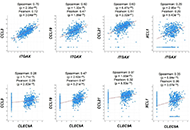
Expression of the four chemokines was positively correlated with the two DC markers [integrin alpha X (ITGAX) and CLEC9A] in human colorectal tumor samples. Tumoral overexpression of DC-targeting chemokines had little or no effect on tumor cell proliferation/survival in vitro while significantly suppressing tumor growth in vivo. Fluorescence-activated cell sorting (FACS) analysis showed that CCL19, CCL21, and XCL1 boosted the ratios of DCs and T cells in CD45+ leukocytes while CCL3 increased the percentage of CD45+ leukocytes in total cells in MC38 tumor. XCL1 had an additional positive effect on antigen uptake by DCs in the TME and antigen transfer to tumor-draining lymph nodes.
Conclusions:
CCL3, CCL19, CCL21, and XCL1 exhibited potent anti-tumor activities in vivo, although they might differentially regulate immune cells in the TME and antigen transfer to lymph nodes.
Aim:
Recent progress in cancer immunotherapy has shown its promise and prompted researchers to develop novel therapeutic strategies. Dendritic cells (DCs) are professional antigen-presenting cells crucial for initiating adaptive anti-tumor immunity, therefore a promising target for cancer treatment. Here, anti-tumor activities of DC-targeting chemokines were explored in murine colorectal tumor models.
Methods:
The correlation of chemokine messenger RNA (mRNA) expression with DC markers was analyzed using The Cancer Genome Atlas (TCGA) dataset. Murine colorectal tumor cell lines (CT26 and MC38) stably overexpressing mouse C-C motif chemokine ligand 3 (CCL3), CCL19, CCL21, and X-C motif chemokine ligand 1 (XCL1) were established by lentiviral transduction. The effect of chemokines on tumor cell proliferation/survival was evaluated in vitro by cell counting kit-8 (CCK-8) assay and colony formation assay. Syngeneic subcutaneous tumor models were used to study the effects of these chemokines on tumor growth. Ki-67 expression in tumors was examined by immunohistochemistry. Immune cells in the tumor microenvironment (TME) and lymph nodes were analyzed by flow cytometry.
Results:
Expression of the four chemokines was positively correlated with the two DC markers [integrin alpha X (ITGAX) and CLEC9A] in human colorectal tumor samples. Tumoral overexpression of DC-targeting chemokines had little or no effect on tumor cell proliferation/survival in vitro while significantly suppressing tumor growth in vivo. Fluorescence-activated cell sorting (FACS) analysis showed that CCL19, CCL21, and XCL1 boosted the ratios of DCs and T cells in CD45+ leukocytes while CCL3 increased the percentage of CD45+ leukocytes in total cells in MC38 tumor. XCL1 had an additional positive effect on antigen uptake by DCs in the TME and antigen transfer to tumor-draining lymph nodes.
Conclusions:
CCL3, CCL19, CCL21, and XCL1 exhibited potent anti-tumor activities in vivo, although they might differentially regulate immune cells in the TME and antigen transfer to lymph nodes.
DOI: https://doi.org/10.37349/etat.2022.00115
This article belongs to the special issue Cancer Immunotherapy and Tumor Microenvironment
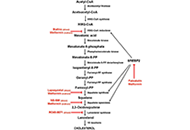
The onset and development of breast cancer in postmenopausal women are associated with closely related individual-dependent factors, including weight gain and high levels of circulating androgens. Adipose tissue is the most peripheral site of aromatase enzyme synthesis; therefore, the excessive accumulation of visceral fat results in increased androgens aromatization and estradiol production that provides the microenvironment favorable to tumorigenesis in mammary epithelial cells expressing estrogen receptors (ERs). Moreover, to meet the increased requirement of cholesterol for cell membrane assembly and the production of steroid hormones to sustain their proliferation, ER-positive cells activate de novo cholesterol biosynthesis and subsequent steroidogenesis. Several approaches have been followed to neutralize the de novo cholesterol synthesis, including specific enzyme inhibitors, statins, and, more recently, metformin. Cumulating evidence indicated that inhibiting cholesterol biosynthesis by statins and metformin may be a promising therapeutic strategy to block breast cancer progression. Unlike antiestrogens and aromatase inhibitors (AIs) which compete for binding to ER and inhibit androgens aromatization, respectively, statins block the production of mevalonic acid by inhibiting the activity of 3-hydroxy-3-methylglutaryl-coenzyme A (HMG-CoA) reductase, and metformin hampers the activation of the sterol regulatory element-binding protein 2 (SREBP2) transcription factor, thus inhibiting the synthesis of several enzymes involved in cholesterol biosynthesis. Noteworthy, statins and metformin not only improve the prognosis of overweight patients with ER-positive cancer but also improve the prognosis of patients with triple-negative breast cancer, the aggressive tumor subtype that lacks, at present, specific therapy.
The onset and development of breast cancer in postmenopausal women are associated with closely related individual-dependent factors, including weight gain and high levels of circulating androgens. Adipose tissue is the most peripheral site of aromatase enzyme synthesis; therefore, the excessive accumulation of visceral fat results in increased androgens aromatization and estradiol production that provides the microenvironment favorable to tumorigenesis in mammary epithelial cells expressing estrogen receptors (ERs). Moreover, to meet the increased requirement of cholesterol for cell membrane assembly and the production of steroid hormones to sustain their proliferation, ER-positive cells activate de novo cholesterol biosynthesis and subsequent steroidogenesis. Several approaches have been followed to neutralize the de novo cholesterol synthesis, including specific enzyme inhibitors, statins, and, more recently, metformin. Cumulating evidence indicated that inhibiting cholesterol biosynthesis by statins and metformin may be a promising therapeutic strategy to block breast cancer progression. Unlike antiestrogens and aromatase inhibitors (AIs) which compete for binding to ER and inhibit androgens aromatization, respectively, statins block the production of mevalonic acid by inhibiting the activity of 3-hydroxy-3-methylglutaryl-coenzyme A (HMG-CoA) reductase, and metformin hampers the activation of the sterol regulatory element-binding protein 2 (SREBP2) transcription factor, thus inhibiting the synthesis of several enzymes involved in cholesterol biosynthesis. Noteworthy, statins and metformin not only improve the prognosis of overweight patients with ER-positive cancer but also improve the prognosis of patients with triple-negative breast cancer, the aggressive tumor subtype that lacks, at present, specific therapy.
DOI: https://doi.org/10.37349/etat.2022.00116
Glioblastoma multiforme (GBM) is known as the most aggressive and prevalent brain tumor with a high mortality rate. It is reported in people who are as young as 10 years old to as old as over 70 years old, exhibiting inter and intra tumor heterogeneity. There are several genomic and proteomic investigations that have been performed to find the unexplored potential targets of the drug against GBM. Therefore, certain effective targets have been taken to further validate the studies embarking on the robustness in the field of medicinal chemistry followed by testing in clinical trials. Also, The Cancer Genome Atlas (TCGA) project has identified certain overexpressed targets involved in the pathogenesis of GBM in three major pathways, i.e., tumor protein 53 (p53), retinoblastoma (RB), and receptor tyrosine kinase (RTK)/rat sarcoma virus (Ras)/phosphoinositide 3-kinase (PI3K) pathways. This review focuses on the compilation of recent developments in the fight against GBM thus, directing future research into the elucidation of pathogenesis and potential cure for GBM. Also, it highlights the potential biomarkers that have undergone extensive research and have promising prognostic and predictive values. Additionally, this manuscript analyses the advent of gene therapy and immunotherapy, unlocking the way to consider treatment approaches other than, or in addition to, conventional chemo-radiation therapies. This review study encompasses all the relevant research studies associated with the pathophysiology, occurrence, diagnostic tools, and therapeutic intervention for GBM. It highlights the evolution of various therapeutic perspectives against GBM from the most conventional form of radiotherapy to the recent advancement of gene/cell/immune therapy. Further, the review focuses on various targeted therapies for GBM including chemotherapy sensitization, radiotherapy, nanoparticles based, immunotherapy, cell therapy, and gene therapy which would offer a comprehensive account for exploring several facets related to GBM prognostics.
Glioblastoma multiforme (GBM) is known as the most aggressive and prevalent brain tumor with a high mortality rate. It is reported in people who are as young as 10 years old to as old as over 70 years old, exhibiting inter and intra tumor heterogeneity. There are several genomic and proteomic investigations that have been performed to find the unexplored potential targets of the drug against GBM. Therefore, certain effective targets have been taken to further validate the studies embarking on the robustness in the field of medicinal chemistry followed by testing in clinical trials. Also, The Cancer Genome Atlas (TCGA) project has identified certain overexpressed targets involved in the pathogenesis of GBM in three major pathways, i.e., tumor protein 53 (p53), retinoblastoma (RB), and receptor tyrosine kinase (RTK)/rat sarcoma virus (Ras)/phosphoinositide 3-kinase (PI3K) pathways. This review focuses on the compilation of recent developments in the fight against GBM thus, directing future research into the elucidation of pathogenesis and potential cure for GBM. Also, it highlights the potential biomarkers that have undergone extensive research and have promising prognostic and predictive values. Additionally, this manuscript analyses the advent of gene therapy and immunotherapy, unlocking the way to consider treatment approaches other than, or in addition to, conventional chemo-radiation therapies. This review study encompasses all the relevant research studies associated with the pathophysiology, occurrence, diagnostic tools, and therapeutic intervention for GBM. It highlights the evolution of various therapeutic perspectives against GBM from the most conventional form of radiotherapy to the recent advancement of gene/cell/immune therapy. Further, the review focuses on various targeted therapies for GBM including chemotherapy sensitization, radiotherapy, nanoparticles based, immunotherapy, cell therapy, and gene therapy which would offer a comprehensive account for exploring several facets related to GBM prognostics.
DOI: https://doi.org/10.37349/etat.2022.00118
This article belongs to the special issue Cancer Immunotherapy and Tumor Microenvironment
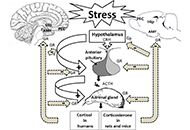
Exposure to stressful conditions plays a critical role in brain processes, including neural plasticity, synaptic transmission, and cognitive functions. Since memory-related brain regions, the hippocampus (Hip), the amygdala, and the prefrontal cortex, express high glucocorticoid receptors (GRs), these areas are the potential targets of stress hormones. Stress affects memory encoding, consolidation, and retrieval, which may depend on many factors such as the type, duration, the intensity of the stressor or the brain region. Here, this review mainly focused on the mechanisms involved in stress-induced memory impairment. Acute/chronic stress induces structural and functional changes in neurons and glial cells. Dendritic arborization, reduction of dendritic spine density, and alteration in glutamatergic-mediated synaptic transmission via N-methyl-D-aspartate (NMDA) and α-amino-3-hydroxy-5-methyl-4-isoxazole propionic acid (AMPA) receptors are mechanisms that stress affect long-term memory formation. Exposure to acute or chronic stress could interplay with multiple neurotransmitter signaling, modulating the neuronal circuits involved in memory impairment or state-dependent learning. Stress hormones also modulate the expression of microRNAs in the specific brain regions responsible for stress-induced behaviors. Because of expressing GRs in astrocytes and microglial cells, stress could affect the morphology, structure, and functions of these glial cells in memory-related brain regions. Astrocytes play a crucial role in stress-induced aversive or fear memory formation. Over-activation of the microglial cells enhances the release of inflammatory cytokines, which results in neuronal injury. Stress has a prominent role in cognitive decline to induces memory problems, particularly in older adults. Due to the issue’s importance, here the provided overview attempted to address the question of how stress alters neuronal epigenetic regulators, synaptic transmissions, and glial activity in the brain.
Exposure to stressful conditions plays a critical role in brain processes, including neural plasticity, synaptic transmission, and cognitive functions. Since memory-related brain regions, the hippocampus (Hip), the amygdala, and the prefrontal cortex, express high glucocorticoid receptors (GRs), these areas are the potential targets of stress hormones. Stress affects memory encoding, consolidation, and retrieval, which may depend on many factors such as the type, duration, the intensity of the stressor or the brain region. Here, this review mainly focused on the mechanisms involved in stress-induced memory impairment. Acute/chronic stress induces structural and functional changes in neurons and glial cells. Dendritic arborization, reduction of dendritic spine density, and alteration in glutamatergic-mediated synaptic transmission via N-methyl-D-aspartate (NMDA) and α-amino-3-hydroxy-5-methyl-4-isoxazole propionic acid (AMPA) receptors are mechanisms that stress affect long-term memory formation. Exposure to acute or chronic stress could interplay with multiple neurotransmitter signaling, modulating the neuronal circuits involved in memory impairment or state-dependent learning. Stress hormones also modulate the expression of microRNAs in the specific brain regions responsible for stress-induced behaviors. Because of expressing GRs in astrocytes and microglial cells, stress could affect the morphology, structure, and functions of these glial cells in memory-related brain regions. Astrocytes play a crucial role in stress-induced aversive or fear memory formation. Over-activation of the microglial cells enhances the release of inflammatory cytokines, which results in neuronal injury. Stress has a prominent role in cognitive decline to induces memory problems, particularly in older adults. Due to the issue’s importance, here the provided overview attempted to address the question of how stress alters neuronal epigenetic regulators, synaptic transmissions, and glial activity in the brain.
DOI: https://doi.org/10.37349/en.2022.00008
Aims:
To study whether the addition of dimethylsulfoxide (DMSO) to synovial fluid (SF) samples could be helpful to store frozen samples to improve the rates of detection and identification of crystals.
Methods:
Cross-sectional study of samples of SF consecutively obtained. Three aliquots were generated: one for immediate observation by a senior observer, and 2 to be frozen, one with 10% DMSO (DMSO+) and one without DMSO (DMSO–). Each aliquot was randomly allocated and blinded for further observation when once the samples were unfrozen 3 months afterward. Variables included for analysis were total leucocyte count, detection of crystals, identification of present crystals as monosodium urate (MSU) or calcium pyrophosphate (CPP), number of fields to the first crystal observation, and number of crystals per field. The vitality of leucocytes was evaluated using a trypan blue stain. All samples were examined using ordinary light and polarized light with a red compensator, and unfrozen samples by both senior and junior observers.
Results:
In the 30 reference samples of SF studied, the mean leucocyte count was 13.1 × 10⁹/L, and 18/30 samples showed crystals (8 MSU, 10 CPP). Once unfrozen, leucocyte counts were 58% lower in DMSO aliquots vs. 22% in DMSO+ aliquots, with vitality (> 50% cells) reduced from 100% in the reference sample to 76.6% in the DMSO+ aliquots to none in the DMSO− aliquots. Agreement in the detection of crystals was much better in DMSO+ aliquots than DMSO− (kappa 1.00 vs. 0.69 and 0.65 vs. 0.11 for the senior and junior observers respectively). Moreover, 4/5 false-negative crystal detection in DMSO− aliquots showed CPP in the reference simple, even though a high density of crystals was observed in the reference sample.
Conclusions:
The addition of 10% DMSO to SF samples allows freezing and storage with a small loss of leucocyte counts and excellent agreement in the detection and identification of crystals. Cellular lysis may account for the false negative results in aliquots without DMSO, especially in the case of CPP, non-refringent crystals.
Aims:
To study whether the addition of dimethylsulfoxide (DMSO) to synovial fluid (SF) samples could be helpful to store frozen samples to improve the rates of detection and identification of crystals.
Methods:
Cross-sectional study of samples of SF consecutively obtained. Three aliquots were generated: one for immediate observation by a senior observer, and 2 to be frozen, one with 10% DMSO (DMSO+) and one without DMSO (DMSO–). Each aliquot was randomly allocated and blinded for further observation when once the samples were unfrozen 3 months afterward. Variables included for analysis were total leucocyte count, detection of crystals, identification of present crystals as monosodium urate (MSU) or calcium pyrophosphate (CPP), number of fields to the first crystal observation, and number of crystals per field. The vitality of leucocytes was evaluated using a trypan blue stain. All samples were examined using ordinary light and polarized light with a red compensator, and unfrozen samples by both senior and junior observers.
Results:
In the 30 reference samples of SF studied, the mean leucocyte count was 13.1 × 10⁹/L, and 18/30 samples showed crystals (8 MSU, 10 CPP). Once unfrozen, leucocyte counts were 58% lower in DMSO aliquots vs. 22% in DMSO+ aliquots, with vitality (> 50% cells) reduced from 100% in the reference sample to 76.6% in the DMSO+ aliquots to none in the DMSO− aliquots. Agreement in the detection of crystals was much better in DMSO+ aliquots than DMSO− (kappa 1.00 vs. 0.69 and 0.65 vs. 0.11 for the senior and junior observers respectively). Moreover, 4/5 false-negative crystal detection in DMSO− aliquots showed CPP in the reference simple, even though a high density of crystals was observed in the reference sample.
Conclusions:
The addition of 10% DMSO to SF samples allows freezing and storage with a small loss of leucocyte counts and excellent agreement in the detection and identification of crystals. Cellular lysis may account for the false negative results in aliquots without DMSO, especially in the case of CPP, non-refringent crystals.
DOI: https://doi.org/10.37349/emd.2023.00002
Aim:
One single nucleotide polymorphism (SNP) rs738409 in the patatin-like phospholipase domain-containing protein 3 (PNPLA3) gene has been considered a major genetic risk factor of nonalcoholic fatty liver disease (NAFLD). Data have indicated that NAFLD is related to insulin resistance and dyslipidemia, but whether rs738409 is associated with circulating lipid and lipoproteins is not fully elucidated. The main aim of this study was to assess the association of rs738409 with lipid and lipoprotein levels in patients with dyslipidemia.
Methods:
This was a post-hoc analysis of a study in patients with dyslipidemia recruited on an outpatient basis. Morning blood samples were collected after a 12-h fast. Genomic DNA was extracted from whole-blood samples.
Results:
One hundred seventy-five patients with dyslipidemia were included (97 women). Lipid levels [total cholesterol (TC), triglycerides (TGs), low-density lipoprotein cholesterol (LDL-C), high-density lipoprotein cholesterol (HDL-C)] or glycosylated hemoglobin (HbA1c) were not associated with the SNP, even after adjustment for gender, body mass index (BMI) and type 2 diabetes mellitus (T2DM), using either the additive (CC vs. CG vs. GG) or the dominant (CC vs. GG + CG) inheritance model. When data were stratified for obesity, significant associations between the variant and TC (P = 0.014) or LDL-C levels (P = 0.046) in the non-obese were observed. Pairwise comparison revealed significant changes only in TC between CC and CG genotypes (P = 0.012).
Conclusions:
No association was shown between rs738409 SNP and lipid/lipoprotein levels in patients with dyslipidemia. In subgroup analysis, TC was higher in non-obese, but not in obese, patients with CC, compared to CG carriers.
Aim:
One single nucleotide polymorphism (SNP) rs738409 in the patatin-like phospholipase domain-containing protein 3 (PNPLA3) gene has been considered a major genetic risk factor of nonalcoholic fatty liver disease (NAFLD). Data have indicated that NAFLD is related to insulin resistance and dyslipidemia, but whether rs738409 is associated with circulating lipid and lipoproteins is not fully elucidated. The main aim of this study was to assess the association of rs738409 with lipid and lipoprotein levels in patients with dyslipidemia.
Methods:
This was a post-hoc analysis of a study in patients with dyslipidemia recruited on an outpatient basis. Morning blood samples were collected after a 12-h fast. Genomic DNA was extracted from whole-blood samples.
Results:
One hundred seventy-five patients with dyslipidemia were included (97 women). Lipid levels [total cholesterol (TC), triglycerides (TGs), low-density lipoprotein cholesterol (LDL-C), high-density lipoprotein cholesterol (HDL-C)] or glycosylated hemoglobin (HbA1c) were not associated with the SNP, even after adjustment for gender, body mass index (BMI) and type 2 diabetes mellitus (T2DM), using either the additive (CC vs. CG vs. GG) or the dominant (CC vs. GG + CG) inheritance model. When data were stratified for obesity, significant associations between the variant and TC (P = 0.014) or LDL-C levels (P = 0.046) in the non-obese were observed. Pairwise comparison revealed significant changes only in TC between CC and CG genotypes (P = 0.012).
Conclusions:
No association was shown between rs738409 SNP and lipid/lipoprotein levels in patients with dyslipidemia. In subgroup analysis, TC was higher in non-obese, but not in obese, patients with CC, compared to CG carriers.
DOI: https://doi.org/10.37349/emed.2023.00121
Aim:
Stroke is one of the leading causes of death and disability worldwide. Plasma biomarkers have long been used to evaluate physiological or pathological processes and to make predictions about the outcome of stroke patients. The current systematic review is focused on genetic plasma biomarkers as a new potential prognostic indicator for post-stroke recovery. The aim of the present systematic review is to assess the potential of genetic plasma biomarkers associated with stroke to predict post-stroke recovery.
Methods:
The search strategy used PubMed and Web of Science databases to identified 166 studies that investigated genetic plasma biomarkers in patients with stroke between 2017 and 2021. However, only 21 of them met the inclusion criteria.
Results:
The identified genetic biomarkers can be divided into: (i) serum/plasma circular RNA (circRNA) associated with stroke onset or recurrence (5; 23.80%), (ii) genetic polymorphisms associated with the atherosclerotic process and stroke recurrence (6; 28.57%), (iii) serum/plasma long non-coding RNA (lncRNA) levels involved in immunity/inflammatory processes (4; 19.04%), (iv) marker of DNA methylation associated with stroke onset and outcome (3; 14.28%), and (v) proteins and pathways of stroke identified by serum/ plasma proteomics/genomics analysis (3; 14.28%).
Conclusions:
Overall, more than 100 potential biomarkers were found and the data suggest that combinations of plasma genetic biomarkers might be used as a better predictor for stroke.
Aim:
Stroke is one of the leading causes of death and disability worldwide. Plasma biomarkers have long been used to evaluate physiological or pathological processes and to make predictions about the outcome of stroke patients. The current systematic review is focused on genetic plasma biomarkers as a new potential prognostic indicator for post-stroke recovery. The aim of the present systematic review is to assess the potential of genetic plasma biomarkers associated with stroke to predict post-stroke recovery.
Methods:
The search strategy used PubMed and Web of Science databases to identified 166 studies that investigated genetic plasma biomarkers in patients with stroke between 2017 and 2021. However, only 21 of them met the inclusion criteria.
Results:
The identified genetic biomarkers can be divided into: (i) serum/plasma circular RNA (circRNA) associated with stroke onset or recurrence (5; 23.80%), (ii) genetic polymorphisms associated with the atherosclerotic process and stroke recurrence (6; 28.57%), (iii) serum/plasma long non-coding RNA (lncRNA) levels involved in immunity/inflammatory processes (4; 19.04%), (iv) marker of DNA methylation associated with stroke onset and outcome (3; 14.28%), and (v) proteins and pathways of stroke identified by serum/ plasma proteomics/genomics analysis (3; 14.28%).
Conclusions:
Overall, more than 100 potential biomarkers were found and the data suggest that combinations of plasma genetic biomarkers might be used as a better predictor for stroke.
DOI: https://doi.org/10.37349/en.2023.00010
This article belongs to the special issue Cerebral Ischemia, Genetics, Comorbidities, Risk Factors and New Therapeutic Options for Neurorestoration
Aim:
Postoperative infection after the anterior cruciate ligament reconstruction (ACLR) can destroy the knee cartilage, necessitate graft removal, and cause arthrofibrosis, instability, limitation of motion, chronic pain, and disability. While being an uncommon complication, the actual number of infected patients might be rather high due to a large number of operations performed. As the operation is usually indicated in young, healthy, and active individuals, failure to achieve the expected improvement, due to complications, is perceived as much graver. The purpose of this study was to analyze the infecting organisms in patients that underwent ACLR at our institution, a tertiary care center, for precise microbiological diagnosis and bacterial susceptibility and resistance to antibiotics.
Methods:
The rate of infection, the infecting organisms, the antibiotic susceptibility, and the resistance were analyzed in 1,395 patients that underwent ACLR using descriptive statistics.
Results:
Three patients (0.93%) were diagnosed with a postoperative infection; all underwent arthroscopic debridement and lavage. All infections were caused by Staphylococci [3 Staphylococcus aureus (S. aureus, all oxacillin sensitive), 6 coagulase-negative Staphylococci (3 oxacillin resistant)]. No gram-negative, gastrointestinal tract bacteria, fungal or polymicrobial infections were detected. Thirty eight and a half percent of patients had returned to previous or near previous levels of activity.
Conclusions:
Preventing infection by controlling risk factors, prophylactic antibiotics, proper surgical preparation, and surgical technique is mandatory. When infection does occur, rapid recognition and prompt treatment are necessary to avoid irreversible damage to the knee joint and the need for graft removal. Despite appropriate treatment, the functional outcomes were inferior to expected after an uncomplicated ACLR.
Aim:
Postoperative infection after the anterior cruciate ligament reconstruction (ACLR) can destroy the knee cartilage, necessitate graft removal, and cause arthrofibrosis, instability, limitation of motion, chronic pain, and disability. While being an uncommon complication, the actual number of infected patients might be rather high due to a large number of operations performed. As the operation is usually indicated in young, healthy, and active individuals, failure to achieve the expected improvement, due to complications, is perceived as much graver. The purpose of this study was to analyze the infecting organisms in patients that underwent ACLR at our institution, a tertiary care center, for precise microbiological diagnosis and bacterial susceptibility and resistance to antibiotics.
Methods:
The rate of infection, the infecting organisms, the antibiotic susceptibility, and the resistance were analyzed in 1,395 patients that underwent ACLR using descriptive statistics.
Results:
Three patients (0.93%) were diagnosed with a postoperative infection; all underwent arthroscopic debridement and lavage. All infections were caused by Staphylococci [3 Staphylococcus aureus (S. aureus, all oxacillin sensitive), 6 coagulase-negative Staphylococci (3 oxacillin resistant)]. No gram-negative, gastrointestinal tract bacteria, fungal or polymicrobial infections were detected. Thirty eight and a half percent of patients had returned to previous or near previous levels of activity.
Conclusions:
Preventing infection by controlling risk factors, prophylactic antibiotics, proper surgical preparation, and surgical technique is mandatory. When infection does occur, rapid recognition and prompt treatment are necessary to avoid irreversible damage to the knee joint and the need for graft removal. Despite appropriate treatment, the functional outcomes were inferior to expected after an uncomplicated ACLR.
DOI: https://doi.org/10.37349/emd.2023.00005
Aim:
Triple negative breast cancer (TNBC) is difficult to treat since it lacks all the three most commonly targeted hormone receptors. Patients afflicted with TNBC are treated with platinum core chemotherapeutics, such as cisplatin. Despite the initial effective anticancer effects of cisplatin, TNBC attenuates its effect and develops resistance eventually, which results in tumor reoccurrence. Hence, there is a critical demand for effective, alternative, and natural ways to treat TNBC. Towards this, a promising technique for inhibiting TNBC cell proliferation involves promoting the production of reactive oxygen species (ROS), which triggers pro-apoptotic caspases 9 and 3. Resveratrol (RESV), an active bio compound found in naturally available fruits, such as grapes, is utilized in this research for that. In addition, electrochemotherapy (ECT), which involves the application of electrical pulses (EP), was utilized to enhance the uptake of RESV.
Methods:
MDA-MB-231, human TNBC cells were treated with/out RESV, and eight 600–1,000 V/cm, 100 μs pulses at 1 Hz. The cells were characterized by using various assays, including viability assay, and ROS assay.
Results:
A TNBC cell viability of as low as 20% was obtained at 24 h (it was 13% at 60 h), demonstrating the potential of this novel treatment. ROS production was the highest in the combination of EP at 1,000 V/cm along with RESV at 100 μmol/L.
Conclusions:
Results indicate that RESV has the potential as an anti-TNBC agent and that EP + RESV can significantly enhance the cell death to reduce MDA-MB-231 cell viability by increasing ROS production and triggering apoptosis.
Aim:
Triple negative breast cancer (TNBC) is difficult to treat since it lacks all the three most commonly targeted hormone receptors. Patients afflicted with TNBC are treated with platinum core chemotherapeutics, such as cisplatin. Despite the initial effective anticancer effects of cisplatin, TNBC attenuates its effect and develops resistance eventually, which results in tumor reoccurrence. Hence, there is a critical demand for effective, alternative, and natural ways to treat TNBC. Towards this, a promising technique for inhibiting TNBC cell proliferation involves promoting the production of reactive oxygen species (ROS), which triggers pro-apoptotic caspases 9 and 3. Resveratrol (RESV), an active bio compound found in naturally available fruits, such as grapes, is utilized in this research for that. In addition, electrochemotherapy (ECT), which involves the application of electrical pulses (EP), was utilized to enhance the uptake of RESV.
Methods:
MDA-MB-231, human TNBC cells were treated with/out RESV, and eight 600–1,000 V/cm, 100 μs pulses at 1 Hz. The cells were characterized by using various assays, including viability assay, and ROS assay.
Results:
A TNBC cell viability of as low as 20% was obtained at 24 h (it was 13% at 60 h), demonstrating the potential of this novel treatment. ROS production was the highest in the combination of EP at 1,000 V/cm along with RESV at 100 μmol/L.
Conclusions:
Results indicate that RESV has the potential as an anti-TNBC agent and that EP + RESV can significantly enhance the cell death to reduce MDA-MB-231 cell viability by increasing ROS production and triggering apoptosis.
DOI: https://doi.org/10.37349/etat.2023.00122
This article belongs to the special issue Plant Extracts as an Infinite Resource for New Anticancer Agents
Coronavirus disease 2019 (COVID-19) emerges as an expeditiously growing pandemic, in the human population caused by the highly transmissible RNA virus severe acute respiratory syndrome of coronavirus 2 (SARS-CoV-2). Prognosis of SARS-CoV-2 infection predominantly occurs at the angiotensin-converting enzyme 2 receptor and transmembrane protease serine type 2 positive (ACE2 + TMPRSS2)+ epithelial cells of the mucosal surface like nasal, oral mucosae, and/or the conjunctival surface of the eye where it has interacted along with the immune system. The primary host response towards the pathogen starts from an immune microenvironment of nasopharynx-associated lymphoid tissue (NALT) and mucosa-associated lymphoid tissue (MALT). The presence of exhausted lymphocytes, lymphopenia, pneumonia and cytokine storm is the hallmark of COVID-19. The multifaceted nature of co-morbidity factors like obesity and type 2 diabetes and its effects on immunity can alter the pathogenesis of SARS-CoV-2 infection. Adipose tissue is a crucial endocrine organ that secretes a plethora of factors like adipokines, cytokines, and chemokines that have a profound impact on metabolism and augments the expression of mucosal pro-inflammatory cytokines, like tumor necrosis factor-alpha (TNF-α), interferon-gamma (IFN-γ), and the interleukin-12 (IL-12)/IL-23. Mucosal immunization could be a superior approach to activate mucosal and systemic immune responses against pathogenic invasion at mucosal surface entry ports. Mucosal vaccines are also able to generate strong systemic humoral immunity—required to neutralize any virus particle that dodges the primary immune response. To develop an efficient vaccine against mucosal pathogens, considering the designing of the delivery route, immunomodulatory features, and adjuvants are very important. In this article, we further provide evidence to understand the significant role of mucosal immunity, along with secretory and circulating immunoglobulin A (IgA) antibodies in generating a novel mucosal vaccine against COVID-19. Moreover, along with mucosal vaccines, we should look for combination treatment strategies with plant bioactive molecules. Glycan-binding lectins against viral proteins for targeted activation of mucosal immune response are one of such examples. This might play a promising role to halt this emerging virus.
Coronavirus disease 2019 (COVID-19) emerges as an expeditiously growing pandemic, in the human population caused by the highly transmissible RNA virus severe acute respiratory syndrome of coronavirus 2 (SARS-CoV-2). Prognosis of SARS-CoV-2 infection predominantly occurs at the angiotensin-converting enzyme 2 receptor and transmembrane protease serine type 2 positive (ACE2 + TMPRSS2)+ epithelial cells of the mucosal surface like nasal, oral mucosae, and/or the conjunctival surface of the eye where it has interacted along with the immune system. The primary host response towards the pathogen starts from an immune microenvironment of nasopharynx-associated lymphoid tissue (NALT) and mucosa-associated lymphoid tissue (MALT). The presence of exhausted lymphocytes, lymphopenia, pneumonia and cytokine storm is the hallmark of COVID-19. The multifaceted nature of co-morbidity factors like obesity and type 2 diabetes and its effects on immunity can alter the pathogenesis of SARS-CoV-2 infection. Adipose tissue is a crucial endocrine organ that secretes a plethora of factors like adipokines, cytokines, and chemokines that have a profound impact on metabolism and augments the expression of mucosal pro-inflammatory cytokines, like tumor necrosis factor-alpha (TNF-α), interferon-gamma (IFN-γ), and the interleukin-12 (IL-12)/IL-23. Mucosal immunization could be a superior approach to activate mucosal and systemic immune responses against pathogenic invasion at mucosal surface entry ports. Mucosal vaccines are also able to generate strong systemic humoral immunity—required to neutralize any virus particle that dodges the primary immune response. To develop an efficient vaccine against mucosal pathogens, considering the designing of the delivery route, immunomodulatory features, and adjuvants are very important. In this article, we further provide evidence to understand the significant role of mucosal immunity, along with secretory and circulating immunoglobulin A (IgA) antibodies in generating a novel mucosal vaccine against COVID-19. Moreover, along with mucosal vaccines, we should look for combination treatment strategies with plant bioactive molecules. Glycan-binding lectins against viral proteins for targeted activation of mucosal immune response are one of such examples. This might play a promising role to halt this emerging virus.
DOI: https://doi.org/10.37349/ei.2021.00025
This article belongs to the special issue Vaccine-induced Immune Responses Against SARS-CoV-2 Infections
