Original Article


Affiliation:
1Nutrition and Dietetics, Colegio de San Juan de Letran Manila, Manila 1002, Philippines
Email: melvin.bernardino@letran.edu.ph
ORCID: https://orcid.org/0000-0002-3625-6775


 ,
,
Affiliation:
1Nutrition and Dietetics, Colegio de San Juan de Letran Manila, Manila 1002, Philippines
Affiliation:
2Food Technology, Colegio de San Juan de Letran Manila, Manila 1002, Philippines
Affiliation:
1Nutrition and Dietetics, Colegio de San Juan de Letran Manila, Manila 1002, Philippines
Affiliation:
1Nutrition and Dietetics, Colegio de San Juan de Letran Manila, Manila 1002, Philippines
Affiliation:
1Nutrition and Dietetics, Colegio de San Juan de Letran Manila, Manila 1002, Philippines
Explor Foods Foodomics. 2026;4:1010184 DOI: https://doi.org/10.37349/eff.2026.1010184
Received: March 01, 2026 Accepted: June 04, 2026 Published: August 19, 2026
Academic Editor: Yutang Wang, Federation University Australia, Australia
The article belongs to the special issue Nutrition in Health and Disease
Aim: This study investigated the habitual intake of ultra-processed foods (UPFs) and their association with blood pressure, anthropometric measures, and metabolic health risks among Filipinos aged 16–30 years residing in an urban area.
Methods: A cross-sectional analytical study was conducted among 360 Filipinos aged 16–30 years residing in Intramuros, Manila. The study assessed UPF intake, systolic and diastolic blood pressure, and anthropometric measures, including body mass index (BMI), body fat percentage, waist-to-height ratio (WHtR), waist-to-hip ratio (WHR), and A Body Shape Index (ABSI). Unadjusted binary logistic regression was used to examine the odds of high UPF intake according to anthropometric and clinical categories. UPF intake status was specified as the dependent variable, with low-moderate intake as the reference category.
Results: More than half (52.22%) of the Filipino youth had moderate UPF intake. In the unadjusted logistic regression analyses, adults classified as obese according to BMI had higher odds of high UPF intake than adults with normal BMI [odds ratio (OR) = 2.65, 95% confidence interval (CI): 1.13–6.20]. Participants classified as obese according to body fat percentage also had higher odds of high UPF intake than those with normal body fat percentage (OR = 2.45, 95% CI: 1.40–4.29), while participants with high ABSI had higher odds of high UPF intake than those with normal ABSI (OR = 1.65, 95% CI: 1.05–2.59). No significant associations were observed for blood pressure, adolescent BMI, or WHtR/WHR.
Conclusions: High UPF intake was cross-sectionally associated with selected adiposity-related characteristics. Because the logistic regression models were unadjusted and the study was cross-sectional, the findings do not establish the direction, independence, or causality of these relationships.
The worldwide rise in obesity has had a significant impact on human health, as it is a major risk factor for non-communicable diseases (NCDs) such as diabetes, cardiovascular diseases, and certain types of cancer [1]. NCDs killed at least 43 million people in 2021, and they became a major global health concern, placing a substantial burden on healthcare systems and economies across the world. According to the World Health Organization (WHO), cardiovascular diseases are the leading cause of death among NCDs, followed by cancers, chronic respiratory diseases, and type 2 diabetes mellitus (T2DM) [2]. In Southeast Asia, NCDs caused nearly two-thirds of all deaths in 2021 [3]. In the Philippines setting, NCDs are the leading causes of death, with ischemic heart diseases, cancers, and cerebrovascular diseases topping the list [4]. Additionally, the Philippines is experiencing a continuous increase in the prevalence of obesity across all age groups. Highlighting the significant two-fold increase in the prevalence of overweight and obesity among adults, 20 years and above, from 16.6% in 1993 to 36.6% reported in the 2018–2019 national survey [5].
NCDs are multifactorial in origin, arising from an interplay of behavioral, metabolic, and environmental risk factors. Unhealthy dietary patterns, along with other modifiable lifestyle behaviors such as physical inactivity, tobacco use, and excessive alcohol consumption, are key contributors to the increasing global burden of NCDs [2, 6]. Unhealthy dietary patterns are characterized by high intake of foods like processed red meat, added sugar, and refined grains, and low intake of fruits, vegetables, whole grains, legumes, nuts, and minimally processed foods [7]. In addition, ultra-processed foods (UPFs) are increasingly acknowledged in nutritional research as a key indicator of unhealthy components within dietary patterns [8–10]. UPFs are often linked to unhealthy dietary patterns due to their high content of unhealthy fats, added sugars, and salt, and their low content of essential nutrients like fiber, vitamins, and minerals. Additionally, UPFs are industrially formulated products made mostly from food-derived substances and additives, using complex processing methods to create convenient, highly palatable, and marketable items that often replace minimally processed foods in the diet [11, 12].
The high presence in the market and the global increase in UPF consumption have become a pressing public health concern due to strong links with overnutrition and NCDs. In high-income countries such as the United States, United Kingdom, and Canada, UPFs have become a prominent component of modern food environments, making their complete avoidance increasingly challenging [10]. While middle- and low-income countries recorded much lower rates, recent trends indicate a steady increase, particularly among urban populations [9]. In the Philippines, a longitudinal cohort study among adolescents in Cebu reported an increase in UPF consumption, indicating a rising dietary shift [13]. Additionally, the United Nations Children’s Fund (UNICEF) report highlights the growing dominance of highly processed products in Filipino pediatric populations’ diets, driven by taste, convenience, and affordability [14]. UPF consumption significantly increases the risk of developing chronic diseases, including cardiovascular conditions, diabetes, and hypertension.
“Habitual consumption of UPFs” refers to the regular intake of highly processed, packaged foods as part of one’s daily diet [15, 16]. Habitual consumption of UPFs has been associated with increased risk of cardiometabolic outcomes, with evidence suggesting stronger effects in younger adults. Studies in children and adolescents also link higher UPFs intake with greater adiposity and unfavorable cardiometabolic profiles, indicating that early dietary patterns can contribute to risk factor development [17]. Examining Filipino youth provides important context, as the Philippines is undergoing a rapid dietary shift characterized by increased reliance on UPFs, alongside a growing prevalence of obesity, hypertension, and other NCDs [18]. Limited research has explored how UPFs affect the nutritional status, adiposity measures, and clinical outcomes, particularly in the Filipino youth population. Moreover, cultural dietary patterns, lifestyle behaviors, and socioeconomic conditions in the Philippines differ from those in many other populations, which may influence obesity risk and health outcomes. Investigating these factors within the Filipino population provides context-specific evidence that may inform national public health policies and targeted interventions.
Understanding the effects of UPFs as part of unhealthy diets and their associated risks on the health of Filipinos is crucial for guiding public health strategies aimed at preventing the rise of NCDs in the country. Therefore, the present study investigated the habitual intake of UPFs and its potential relationship with blood pressure (BP) level, anthropometric measures, and health risks among Filipino youth residing in Manila, Philippines.
The study employed a cross-sectional analytical research design to measure the association between habitual UPF intake, BP level, anthropometric measures, and health risks in Filipino youth residing in Intramuros, Manila City. The study was conducted from June 2025 to December 2025.
The study employed inclusion, exclusion, and withdrawal criteria. Individuals were eligible if they were aged 16–30 years, resided in Intramuros, Manila, and provided informed consent. Individuals were excluded if they had selected chronic conditions, took medications affecting cardiometabolic outcomes, or were pregnant. Those with implanted metal devices or extreme anthropometric values were also excluded to ensure participant safety and data integrity, as well as participants who withdrew voluntarily, were non-compliant, provided false information, or experienced significant discomfort. In the context of the study, Filipino youth are divided into groups, such as those aged 16–19 years old, who are adolescents, and those aged 20–30 years old, who are young adults.
A sample size of 360 was determined using OpenEpi version 3 [19], which was based on a 95% confidence level, 5% margin of error, estimated population proportion or prevalence of 50%, and a population size of 4,127. To account for potential exclusions and dropouts, the researchers recruited 423 respondents, representing a 17.5% buffer above the calculated sample size. A non-probability random sampling method was employed to select respondents who met the inclusion criteria. Respondents were then grouped through selective allocation based on the study’s independent variable—UPFs intake group—in order to assess the association between variables.
Anthropometric measurements were obtained using a portable stadiometer (Model SECA 213, Manufacturer SECA GmbH & Co. KG; Country of origin: Germany, supplied/used in the Philippines), digital body fat (Model Tanita BC-554; Manufacturer Tanita Corporation; Country of origin: Japan, distributed in the Philippines) and non-elastic measuring tape (Model SECA 201 Measuring Tape; Manufacturer SECA GmbH & Co. KG; Country of origin: Germany, supplied/used in the Philippines) to assess height, weight, waist circumference, and hip circumference. All measurements were conducted according to standardized protocols, taken in duplicate, and repeated if predefined variation thresholds were exceeded. Body mass index (BMI), body fat percentage, waist-to-height ratio (WHtR), waist-to-hip ratio (WHR) [20–22] and A Body Shape Index (ABSI) were calculated using standardized formulas, and values were interpreted based on established reference standards appropriate for adolescents and adults [23, 24]. BP was measured using a non-mercurial sphygmomanometer (model: Lotfancy Aneroid Sphygmomanometer 5-in-1 Professional; manufacturer: Lotfancy; country of origin: China, supplied and used in the Philippines) and stethoscope (model: RCSP Acoustic Stethoscope; manufacturer: RCSP; country of origin: India, supplied and used in the Philippines), with systolic BP (SBP) and diastolic BP (DBP) readings taken twice at two-minute intervals following standard auscultatory procedures. The measurements and interpretations adhered to recognized clinical guidelines [25, 26].
Sociodemographic data were collected using a structured questionnaire. Habitual intake of UPFs was assessed using an adapted version of the validated Screening Questionnaire of Highly Processed Food Consumption (sQ-HPF) [27], modified and reviewed by three licensed dietitians and one licensed food scientist to reflect locally relevant foods. The sQ-HPF is a brief screening questionnaire designed to rapidly assess habitual consumption of highly processed foods. It provides a simple summary score suitable for epidemiological, clinical, and public health research. Physical activity was evaluated using the International Physical Activity Questionnaire-Short Form (IPAQ-SF), a validated and widely used instrument for population-level physical activity assessment in Asian populations [28, 29]. Data were collected by trained allied health professionals using standardized protocols and validated, calibrated instruments. Participants with incomplete assessments were requested to return for follow-up sessions.
The study obtained approval from the Region II Trauma and Medical Center to ensure the study met the ethical guidelines (R2TMC-IRB Protocol No 2025:001). Informed consent was collected from all respondents, ensuring they understood the study’s purpose, procedures, risks, and their right to withdraw at any time. For adolescents aged 16–17 years, an assent form was collected prior to data collection. The current study also followed the principles outlined in the Declaration of Helsinki developed by the World Medical Association (WMA) for conducting medical research involving human subjects [30].
Descriptive statistics (mean, frequency, and standard deviation) were used to summarize sociodemographic characteristics, UPF intake, BP, anthropometric measures, and health risks. Normality of continuous variables was assessed using the Shapiro-Wilk test. Categorical variables were compared using the chi-square test or Fisher’s exact test, while continuous variables were compared using independent t-tests or Mann-Whitney U tests, depending on normality. Associations between anthropometric and clinical categories and UPF intake status were examined using separate unadjusted binary logistic regression models. UPF intake status was specified as the dependent variable and coded as high intake versus low-moderate intake, with low-moderate intake as the reference category. For each independent variable, the normal category was used as the reference. Crude odds ratios (ORs) and 95% confidence intervals (CIs) were calculated, and no covariates were included. For adolescents, ORs were estimated for BMI, body fat percentage, WHtR, and ABSI; for young adults, ORs were estimated for BMI, body fat percentage, WHR, and ABSI. Statistical significance was set at p < 0.05, and analyses were performed using STATA version 15.
The distribution of participants’ sociodemographic characteristics is shown in Table 1. The majority of respondents were male (51.67%), young adults aged 20–30 years (51.94%), and single (95.00%). Most lived in nuclear family structures (65.56%), were senior high school students (40.56%), and belonged to the lower-middle-income bracket (28.89%). In terms of education, 42.50% were junior high school graduates. Regarding lifestyle and health, most participants were moderately physically active (43.61%), never smokers (79.17%), and current drinkers (54.44%). Notably, 98.06% were not taking medications that affect BP, appetite, or weight.
Distribution of the sociodemographic data.
| Characteristics | Categories | n | % |
|---|---|---|---|
| Sex | Male | 186 | 51.67 |
| Female | 174 | 48.33 | |
| Age group | Adolescent 16–19 | 173 | 48.06 |
| Young adult 20–30 | 187 | 51.94 | |
| Respondent group | College | 122 | 33.89 |
| Employee | 66 | 18.33 | |
| Senior high school | 146 | 40.56 | |
| Community | 26 | 7.22 | |
| Family structure | Extended | 124 | 34.44 |
| Nuclear | 236 | 65.56 | |
| Marital status | Single | 342 | 95 |
| Married | 13 | 3.61 | |
| Common-law/live-in | 5 | 1.39 | |
| Occupation | Clerical support | 12 | 3.33 |
| Craft and related trades | 1 | 0.28 | |
| Laborers & unskilled workers | 11 | 3.06 | |
| Professional | 40 | 11.11 | |
| Service, sales, and shop and market sales | 14 | 3.89 | |
| Student | 276 | 76.67 | |
| Technicians and associate professionals | 2 | 0.56 | |
| Unemployed | 4 | 1.11 | |
| Income cluster | Poor | 59 | 16.39 |
| Low income | 59 | 16.39 | |
| Lower middle income | 104 | 28.89 | |
| Middle middle income | 75 | 20.83 | |
| Upper middle income | 27 | 7.50 | |
| Upper income | 23 | 6.39 | |
| Rich | 13 | 3.61 | |
| Highest educational attainment | No education | 1 | 0.28 |
| Elementary (kinder to grade 6) | 2 | 0.56 | |
| Junior high (grade 7 to 10) | 153 | 42.50 | |
| Senior high (grade 11 to 12) | 126 | 35 | |
| Technical vocational education and training | 5 | 1.39 | |
| Baccalaureate degree | 61 | 16.94 | |
| Master’s degree (post-baccalaureate) | 11 | 3.06 | |
| Doctoral degree | 1 | 0.28 | |
| Physical activity level | Low | 103 | 28.61 |
| Moderate | 157 | 43.61 | |
| High | 100 | 27.78 | |
| Smoking status | Never smoker | 285 | 79.17 |
| Former smoker | 36 | 10 | |
| Current smoker | 39 | 10.83 | |
| Drinking status | Lifetime abstainer | 86 | 23.89 |
| Former drinker | 78 | 21.67 | |
| Current drinker | 196 | 54.44 | |
| Medication use | Taking medications (antihypertensive, steroids, and antipsychotics) 1 year ago | 7 | 1.94 |
| Not taking medications affecting blood pressure, appetite, or weight | 353 | 98.06 |
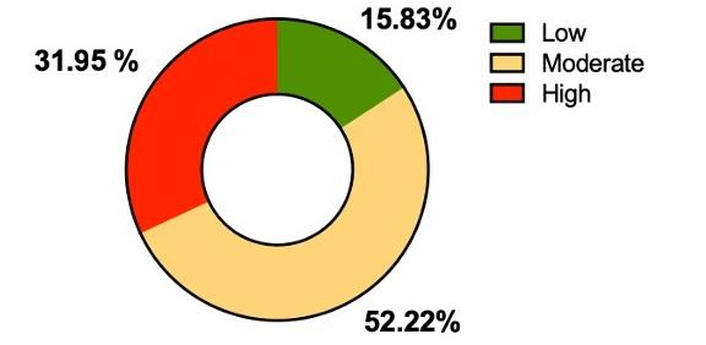
Figure 1 illustrates the distribution of UPF intake among Filipino youth, with detailed age-group disaggregation in Table 2. Overall, 52.22% of participants had a moderate UPF intake, while 31.95% and 15.83% had high and low intakes, respectively. Adolescents (16–19 years) exhibited a higher prevalence of high UPF intake (38.15%) compared to young adults (20–30 years; 26.2%), whereas young adults showed a higher proportion of moderate intake (55.08% vs. 49.13%).
Distribution of the UPF intake by age group.
| Characteristics | Categories | Total | |||||
|---|---|---|---|---|---|---|---|
| Age group | All | Adolescent16–19 | Young adult20–30 | ||||
| n | % | n | % | n | % | ||
| UPFs intake | Low | 57 | 15.83 | 22 | 12.72 | 35 | 18.72 |
| Moderate | 188 | 52.22 | 85 | 49.13 | 103 | 55.08 | |
| High | 115 | 31.95 | 66 | 38.15 | 49 | 26.20 | |
UPF: ultra-processed food.
Table 3 presents the mean values for age, household size, UPF intake score, BP level, anthropometric measures, and health risk indicators. The study population was categorized into adolescents (16–19 years) and young adults (20–30 years) with mean ages of 17.47 ± 0.87 and 23.66 ± 3.23 years, respectively. Adolescents reported a slightly larger mean household size (5.18 ± 2.43) than young adults (4.71 ± 2.87). In terms of dietary patterns, adolescents exhibited a higher mean UPFs intake score (9.43 ± 2.79) than the young adult cohort (8.60 ± 2.91).
Mean age, household size, UPF intake score, blood pressure level, anthropometric measures, and health risks among Filipino youth.
| Characteristics | Mean ± SD | Characteristics | Mean ± SD | ||||
|---|---|---|---|---|---|---|---|
| Age group | Adolescent 16–19 | Age group | Young adult 20–30 | ||||
| Age (years) | 17.47 | ± | 0.87 | Age (years) | 23.66 | ± | 3.23 |
| Household size | 5.18 | ± | 2.43 | Household size | 4.71 | ± | 2.87 |
| UPFs intake score | 9.43 | ± | 2.79 | UPFs intake score | 8.60 | ± | 2.91 |
| SBP (mm Hg) | 104.84 | ± | 10.84 | SBP (mm Hg) | 109.73 | ± | 12.40 |
| DBP (mm Hg) | 70.26 | ± | 9.86 | DBP (mm Hg) | 73.90 | ± | 9.48 |
| Height (cm) | 162.96 | ± | 8.50 | Height (cm) | 163.21 | ± | 8.80 |
| Weight (kg) | 64.62 | ± | 15.57 | Weight (kg) | 66.30 | ± | 17.03 |
| Waist circumference (cm) | 79.84 | ± | 12.89 | Waist circumference (cm) | 83.73 | ± | 14.86 |
| Hip circumference (cm) | 95.79 | ± | 9.83 | Hip circumference (cm) | 96.40 | ± | 11.86 |
| BMI | 24.23 | ± | 4.95 | BMI | 24.75 | ± | 5.45 |
| Body fat (%) | 24.86 | ± | 9.72 | Body fat (%) | 26.37 | ± | 9.29 |
| Waist-to-height ratio | 0.49 | ± | 0.07 | Waist-to-hip ratio | 0.87 | ± | 0.08 |
| ABSI-adolescent | 0.15 | ± | 0.01 | ABSI-adult | 0.08 | ± | 0.01 |
ABSI: A Body Shape Index; BMI: body mass index; DBP: diastolic blood pressure; SBP: systolic blood pressure; UPF: ultra-processed food.
Regarding BP, young adults exhibited higher mean SBP (109.73 ± 12.40 mmHg) and DBP (73.90 ± 9.48 mmHg) compared to adolescents (104.84 ± 10.84 mmHg and 70.26 ± 9.86 mmHg, respectively). Anthropometric measurements showed that young adults had slightly higher body weight (66.30 ± 17.03 kg vs. 64.62 ± 15.57 kg), waist circumference (83.73 ± 14.86 cm vs. 79.84 ± 12.89 cm), and hip circumference (96.40 ± 11.86 cm vs. 95.79 ± 9.83 cm). Similarly, indicators of body composition and health risk were higher among young adults. These included BMI (24.75 ± 5.45 vs. 24.23 ± 4.95), body fat percentage (26.37 ± 9.29 vs. 24.86 ± 9.72). In contrast, adolescents had a higher ABSI (0.15 ± 0.01) compared to young adults (0.08 ± 0.01).
Table 4 presents the distribution of BP, anthropometric measures, and health risk indicators among Filipino adolescents (aged 16–19 years). The majority had normal BP (65.90%), while a considerable proportion exhibited hypertension, with 23.12% classified as Stage 1 and 6.36% as Stage 2. In terms of nutritional status, more than half of the participants had normal BMI (56.65%); however, a substantial proportion were either overweight (24.28%) or obese (15.03%). Assessment of body fat percentage revealed that only 39.88% were within the normal range, whereas 31.79% were overfat and 19.08% were classified as obese. Similarly, WHtR indicated that 45.09% of adolescents had high central adiposity. Notably, based on ABSI, a large majority (73.41%) were categorized as high risk.
Distribution of BP level, anthropometric measures, and health risks among Filipino adolescents (16–19 years old).
| Age group | Adolescents 16–19 years old | ||
|---|---|---|---|
| Characteristics | Categories | n | % |
| BP level | Normal | 114 | 65.90 |
| Elevated | 8 | 4.62 | |
| Hypertension Stage 1 | 40 | 23.12 | |
| Hypertension Stage 2 | 11 | 6.36 | |
| BMI for adolescent | Severe thinness | 2 | 1.16 |
| Thinness | 5 | 2.89 | |
| Normal | 98 | 56.65 | |
| Overweight | 42 | 24.28 | |
| Obese | 26 | 15.03 | |
| Body fat percentage | Underfat | 16 | 9.25 |
| Normal | 69 | 39.88 | |
| Overfat | 55 | 31.79 | |
| Obese | 33 | 19.08 | |
| WHtR | Normal | 95 | 54.91 |
| High | 78 | 45.09 | |
| ABSI | Normal | 46 | 26.59 |
| High | 127 | 73.41 | |
ABSI: A Body Shape Index; BMI: body mass index; BP: blood pressure; WHtR: waist-to-height ratio.
Overall, while most adolescents appeared to have normal BP and BMI, other indicators such as body fat percentage, WHtR, and ABSI suggest a high prevalence of underlying cardiometabolic risk within this population.
The distribution of BP, anthropometric measures, and health risk indicators among Filipino young adults (aged 20–30 years) is presented in Table 5. While the majority of participants had normal BP (58.29%), a significant proportion were classified with Stage 1 (28.88%) or Stage 2 (10.16%) hypertension. Regarding nutritional status, nearly half (49.20%) fell within the normal BMI range; however, 24.60% were overweight, and 17.65% were obese. Body fat percentage assessments revealed that only 30.48% maintained normal levels, whereas a larger proportion were categorized as overfat (26.74%) or obese (32.09%). For WHR, most participants (70.05%) were within the normal range, though 29.95% exhibited high values. Similarly, 73.80% had normal ABSI scores, while 26.20% were categorized as high risk. Collectively, these findings indicate that while normal classifications predominate in some metrics, a substantial segment of this young adult population already exhibits elevated cardiometabolic risk factors.
Distribution of BP level, anthropometric measures, and health risks among Filipino young adults (20–30 years old).
| Age Group | Young adults 20–30 years old | ||
|---|---|---|---|
| Characteristics | Categories | n | % |
| BP level | Normal | 109 | 58.29 |
| Elevated | 5 | 2.67 | |
| Hypertension Stage 1 | 54 | 28.88 | |
| Hypertension Stage 2 | 19 | 10.16 | |
| BMI for adult | Underweight | 16 | 8.56 |
| Normal | 92 | 49.20 | |
| Overweight | 46 | 24.60 | |
| Obese | 33 | 17.65 | |
| Body fat percentage | Underfat | 20 | 10.70 |
| Normal | 57 | 30.48 | |
| Overfat | 50 | 26.74 | |
| Obese | 60 | 32.09 | |
| WHR | Normal | 131 | 70.05 |
| High | 56 | 29.95 | |
| ABSI | Normal | 138 | 73.80 |
| High | 49 | 26.20 | |
ABSI: A Body Shape Index; BMI: body mass index; BP: blood pressure; WHR: waist-to-hip ratio.
Table 6 presents the distribution of BP, anthropometric measures, and health risk indicators among Filipino youth, categorized by UPF intake group. The study included 360 participants, with 245 in the low-moderate UPF intake group and 115 in the high UPF intake group. The sex distribution was nearly equal, with 51.7% males and 48.3% females, showing no significant difference between UPFs’ intake groups (p = 0.559). Most participants had normal BP (61.9%), followed by Stage 1 hypertension (26.1%). Elevated BP (3.6%) and Stage 2 hypertension (8.3%) were less prevalent. No significant differences in BP levels were observed between low-moderate and high UPFs intake groups (p = 0.647). For adolescents, 56.7% had normal BMI, 24.3% were overweight, and 15.0% were obese, with no significant differences across UPFs intake groups (p = 0.782). Among adults, 49.2% had normal BMI, 24.6% were overweight, and 17.7% were obese. Differences between groups were not statistically significant (p = 0.106). In body fat percentage, participants were classified as underfat (10%), normal (35%), overfat (29.2%), and obese (25.8%). A significant difference was observed between UPFs intake groups (p < 0.001), with the high UPFs group showing a higher prevalence of obesity (40.0%) compared to the low-moderate group (19.2%). Overall, 62.8% of participants had normal ratios, while 37.2% had high values. No significant differences were observed between UPFs intake groups (p = 0.224) in WHtR and WHR. High ABSI was present in 48.9% of participants. There was a significant difference between groups (p = 0.027), with higher UPFs intake associated with elevated ABSI (57.4%) compared to the low-moderate group (44.9%). In summary, sex, BMI (adolescents and adults), WHtR, WHR, and BP level showed no significant differences. Significant differences were found between UPFs intake group and body fat percentage and ABSI.
Distribution and comparison of BP level, anthropometric measures, and health risks among the UPFs intake group.
| Characteristics | Categories | Total (n = 360) | Low-moderate (n = 245) | High (n = 115) | p-value | |||
|---|---|---|---|---|---|---|---|---|
| n | % | n | % | n | % | |||
| Sex | Male | 186 | 51.67 | 124 | 50.61 | 62 | 53.91 | 0.559 |
| Female | 174 | 48.33 | 121 | 49.39 | 53 | 46.09 | ||
| BP level | Normal | 223 | 61.94 | 156 | 63.67 | 66 | 57.39 | 0.647 |
| Elevated | 13 | 3.61 | 10 | 4.08 | 4 | 3.48 | ||
| Hypertension Stage 1 | 94 | 26.11 | 60 | 24.49 | 34 | 29.57 | ||
| Hypertension Stage 2 | 30 | 8.33 | 19 | 7.76 | 11 | 9.57 | ||
| BMI for adolescent | Severe thinness | 2 | 1.16 | 1 | 0.93 | 1 | 1.52 | 0.782 |
| Thinness | 5 | 2.89 | 2 | 1.87 | 3 | 4.55 | ||
| Normal | 98 | 56.65 | 62 | 57.94 | 36 | 54.55 | ||
| Overweight | 42 | 24.28 | 27 | 25.23 | 15 | 22.73 | ||
| Obese | 26 | 15.03 | 15 | 14.02 | 11 | 16.67 | ||
| BMI for adults | Underweight | 16 | 8.56 | 11 | 7.97 | 5 | 10.20 | 0.106 |
| Normal | 92 | 49.20 | 72 | 52.17 | 20 | 40.82 | ||
| Overweight | 46 | 24.60 | 36 | 26.09 | 10 | 20.41 | ||
| Obese | 33 | 17.65 | 19 | 13.77 | 14 | 28.57 | ||
| Body fat percentage | Underfat | 36 | 10.00 | 25 | 10.20 | 11 | 9.57 | < 0.001* |
| Normal | 126 | 35.00 | 90 | 36.73 | 36 | 31.30 | ||
| Overfat | 105 | 29.17 | 83 | 33.88 | 22 | 19.13 | ||
| Obese | 93 | 25.83 | 47 | 19.18 | 46 | 40.00 | ||
| WHtR and WHR | Normal | 226 | 62.78 | 159 | 64.90 | 67 | 58.26 | 0.224 |
| High | 134 | 37.22 | 86 | 35.10 | 48 | 41.74 | ||
| ABSI | Normal | 184 | 51.11 | 135 | 55.10 | 49 | 42.61 | 0.027* |
| High | 176 | 48.89 | 110 | 44.90 | 66 | 57.39 | ||
Chi-square test and Fisher exact test; *: significant if p-value < alpha (0.05). ABSI: A Body Shape Index; BMI: body mass index; BP: blood pressure; UPFs: ultra-processed foods; WHR: waist-to-hip ratio; WHtR: waist-to-height ratio.
Mean comparisons between the low-moderate and high UPF intake groups are presented in Table 7. The mean age of participants was 20.69 ± 3.92 years, with no significant difference between the low-moderate (20.84 ± 3.89) and high (20.37 ± 3.99) UPF groups (p = 0.287). Both SBP and DBP were similar across groups, with mean SBP of 107.38 ± 11.91 mm Hg and DBP of 72.15 ± 9.82 mm Hg, showing no significant differences between low-moderate and high UPFs consumers (p = 0.828 and p = 0.932, respectively). Regarding anthropometric measures, participants in the low-moderate UPFs group were slightly taller on average (163.70 ± 9.02 cm) than those in the high UPFs group (161.80 ± 7.67 cm), with this difference reaching statistical significance (p = 0.034). Mean weight, waist circumference, hip circumference, and BMI did not differ significantly between groups (p > 0.05). Body shape indices revealed that the high UPFs group had a significantly higher ABSI (0.12 ± 0.03) compared to the low-moderate group (0.106 ± 0.04, p = 0.008). WHR and WHtR showed no significant differences across UPFs groups. In summary, Filipino youth who had high UPFs intake scores had a significantly lower height (161.80 cm, p = 0.034) and higher ABSI (0.12, p = 0.008), compared to the low-moderate group. Other continuous variables, such as weight, BMI, waist circumference, hip circumference, WHtR, WHR, SBP, and DBP, did not significantly differ between groups.
Mean of blood pressure level, anthropometric measures, and health risks by UPFs group.
| Characteristics | Total(n = 360) | Low-moderate(n = 245) | High(n = 115) | p-value | |||
|---|---|---|---|---|---|---|---|
| Mean | SD | Mean | SD | Mean | SD | ||
| Age (years) | 20.69 | 3.92 | 20.84 | 3.89 | 20.37 | 3.99 | 0.287 |
| SBP (mm Hg) | 107.38 | 11.91 | 107.40 | 11.65 | 107.35 | 12.52 | 0.828 |
| DBP (mm Hg) | 72.15 | 9.82 | 72.12 | 9.55 | 72.22 | 10.41 | 0.932 |
| Height (cm) | 163.09 | 8.65 | 163.70 | 9.02 | 161.80 | 7.67 | 0.034* |
| Weight (kg) | 65.49 | 16.34 | 66.03 | 15.91 | 64.37 | 17.24 | 0.171 |
| Waist circumference (cm) | 81.86 | 14.06 | 81.10 | 13.40 | 83.47 | 15.31 | 0.275 |
| Hip circumference (cm) | 96.11 | 10.92 | 95.73 | 10.92 | 96.90 | 10.93 | 0.426 |
| BMI | 24.50 | 5.21 | 24.51 | 4.88 | 24.49 | 5.88 | 0.485 |
| WHtR and WHR | 0.68 | 0.20 | 0.70 | 0.19 | 0.66 | 0.23 | 0.23 |
| ABSI | 0.11 | 0.04 | 0.11 | 0.04 | 0.12 | 0.03 | 0.008* |
Mann-Whitney U test; *: significant if p-value < alpha (0.05). ABSI: A Body Shape Index; BMI: body mass index; DBP: diastolic blood pressure; SBP: systolic blood pressure; UPFs: ultra-processed foods; WHR: waist-to-hip ratio; WHtR: waist-to-height ratio.
Table 8 presents the unadjusted logistic regression analyses examining associations between anthropometric and clinical categories and the odds of high UPF intake. BP categories were not significantly associated with high UPF intake. Similarly, no significant associations were observed for adolescent BMI or WHtR/WHR. Among young adults, participants classified as obese according to BMI had higher odds of high UPF intake than those with normal BMI (OR = 2.65, 95% CI: 1.13–6.20, p = 0.024). Participants classified as obese according to body fat percentage also had higher odds of high UPF intake than those with normal body fat percentage (OR = 2.45, 95% CI: 1.40–4.29, p = 0.002). In addition, participants with high ABSI had higher odds of high UPF intake than those with normal ABSI (OR = 1.65, 95% CI: 1.05–2.59, p = 0.028). These estimates are crude associations and should not be interpreted as independent effects or as evidence that high UPF intake preceded the anthropometric characteristics.
Unadjusted logistic regression analysis of high UPF intake according to anthropometric, BP, and health-risk categories among Filipino youth.
| Characteristics | Categories | High UPFs intake | ||
|---|---|---|---|---|
| Crude OR | 95% CI | p-value | ||
| BP level | Normal | Reference | ||
| Elevated | 1.06 | 0.31, 3.55 | 0.928 | |
| Hypertension Stage 1 | 1.35 | 0.81, 2.24 | 0.251 | |
| Hypertension Stage 2 | 1.38 | 0.62, 3.05 | 0.431 | |
| BMI for adolescent | Normal | Reference | ||
| Severe thinness | 1.72 | 0.11, 28.37 | 0.704 | |
| Thinness | 2.58 | 0.41, 16.20 | 0.311 | |
| Overweight | 0.96 | 0.45, 2.03 | 0.908 | |
| Obese | 1.26 | 0.52, 3.04 | 0.603 | |
| BMI for adults | Normal | Reference | ||
| Underweight | 1.64 | 0.51, 5.26 | 0.408 | |
| Overweight | 1 | 0.42, 2.36 | 0.900 | |
| Obese | 2.65 | 1.13, 6.20 | 0.024* | |
| Body fat percentage | Normal | Reference | ||
| Under fat | 1.1 | 0.49, 2.46 | 0.817 | |
| Over fat | 0.66 | 0.36, 1.22 | 0.185 | |
| Obese | 2.45 | 1.40, 4.29 | 0.002* | |
| WHtR and WHR | Normal | Reference | ||
| High | 1.32 | 0.84, 2.09 | 0.225 | |
| ABSI | Normal | Reference | ||
| High | 1.65 | 1.05, 2.59 | 0.028* | |
*: significant at p < 0.05. The dependent variable was ultra-processed food (UPF) intake status, coded as high intake versus low-moderate intake, with low-moderate intake as the reference category. Each anthropometric or clinical characteristic was examined in a separate unadjusted model, with the normal category used as the predictor reference. No covariates were included. ABSI: A Body Shape Index; BMI: body mass index; BP: blood pressure; CI: confidence interval; OR: odds ratio; WHR: waist-to-hip ratio; WHtR: waist-to-height ratio.
Understanding the role of UPFs within unhealthy dietary patterns is important given their increasing contribution to diets worldwide and their reported associations with NCDs. The present study examined habitual UPF intake and its cross-sectional associations with BP, anthropometric measures, and metabolic health risks among Filipino youth in Manila. The findings provide context-specific evidence on how high UPF intake co-occurred with selected health indicators; however, the study design does not permit temporal or causal interpretation.
The predominance of “moderate” habitual UPF intake among both adolescents and young adults in the study suggests that these foods have become a routine component of the diet of Filipino youth. This finding aligns with evidence from longitudinal research in the Philippines showing that a large proportion of adolescents already consume UPFs, with prevalence increasing from approximately 74% at age 11 to around 90% by ages 15–21 [13]. Several contextual and environmental factors may explain the widespread consumption of UPFs among Filipino youth. Urban food environments may increase accessibility to highly processed and convenience foods through the proliferation of fast-food outlets, convenience stores, and packaged snack products [31]. Concurrently, time constraints associated with academic responsibilities and social activities may encourage adolescents and young adults to rely on quick, ready-to-eat food options [32]. In addition, sociodemographic and household influences may further shape dietary choices [13, 33]. Consequently, early and sustained exposure to UPFs may predispose Filipino youth to long-term health risks, highlighting the importance of interventions that promote healthier food environments and encourage balanced dietary behaviors during adolescence and early adulthood.
The present findings indicate that UPF intake was not uniformly associated with all cardiometabolic indicators. No statistically significant differences were observed in BP, BMI classifications, or waist-based indices (WHtR and WHR), whereas body fat percentage and ABSI differed across UPF intake groups. These patterns suggest that high UPF intake co-occurred with selected adiposity-related measures, although the cross-sectional design cannot establish which characteristic preceded the other. Traditional measures such as BMI may be less sensitive than body fat percentage or ABSI to differences in body composition, consistent with evidence that diet quality may be related to fat distribution independently of total body mass [34, 35]. The absence of an association with BP may reflect the relatively young age of the cohort, but this explanation remains speculative. A systematic review among children and adolescents similarly reported associations between higher UPF intake and greater body fat levels [8]. UPFs are commonly energy-dense, high in added sugars and unhealthy fats, and low in fiber and micronutrients [12]; these characteristics have been proposed as possible mechanisms linking UPF consumption with adiposity, but they were not tested in the present study. The association with ABSI indicates that high UPF intake and central body shape occurred together in this sample. Because the analyses were unadjusted, residual confounding by demographic, socioeconomic, dietary, and lifestyle factors cannot be excluded. Therefore, these findings should be interpreted as preliminary cross-sectional associations rather than evidence that UPF intake caused changes in body composition or cardiometabolic risk.
The unadjusted logistic regression findings showed that adults classified as obese according to BMI, participants classified as obese according to body fat percentage, and participants with high ABSI had higher odds of high UPF intake. In contrast, BP, adolescent BMI, and WHtR/WHR were not significantly associated with high UPF intake. Because high UPF intake was specified as the dependent variable, the ORs describe the odds of high UPF intake according to anthropometric or clinical category; they do not indicate that high UPF intake increased the odds of obesity or high ABSI. Furthermore, these characteristics should not be described as independent predictors because no covariates were included in the models.
The observed associations may reflect shared behavioral, dietary, socioeconomic, or biological determinants, and reverse directionality cannot be excluded. Previous literature has proposed that the energy density, palatability, nutrient composition, and other characteristics of UPFs may be related to fat accumulation, including central adiposity [36]. These mechanisms provide plausible context but were not examined in this study. Similarly, the association between high ABSI and high UPF intake should be interpreted as co-occurrence rather than evidence that UPFs specifically caused central fat deposition. The absence of significant associations with BP may indicate that vascular differences were not detectable in this relatively young sample, although longer-term effects cannot be evaluated using the present cross-sectional data. Adjusted longitudinal studies are needed to establish temporality and determine whether the associations remain after accounting for potential confounders.
The following mechanisms have been proposed in previous literature but were not assessed in the present study. In the study, among the 360 Filipino youth respondents, 32% had a high score for UPF consumption. BMI and WHR showed no statistically significant differences across UPFs groups. However, a greater proportion of respondents in the high UPFs group were categorized as obese based on BMI—16.67% among adolescents and 28.57% among young adults. Despite the lack of significant differences, the findings remain consistent with current literature, which highlights a limited number of studies investigating the relationship between UPFs consumption and obesity in children and adolescents. Additionally, the literature presents conflicting data regarding the association between UPFs consumption and obesity and adiposity-related parameters among children and adolescents [37]. Numerous explanations are suggested to clarify how UPFs consumption may influence weight-related outcomes and body composition: (a) UPFs are typically energy-dense or high in calories, rich in refined carbohydrates, high in unhealthy fat sources such as saturated fats and trans fats, while being low in fiber and high in added sugars and sodium [11, 12]. (b) UPF products are often high in calories, refined carbohydrates, and added sugars, which can activate the insulin-driven fat storage process. Moreover, their low fiber content may worsen blood sugar spikes and insulin reactions, further contributing to increased fat accumulation or adiposity [38]. (c) Additionally, the fact that UPFs have low fiber content could lead to poor satiety and a high glycemic load, which together lead to increased calorie consumption and fat gain. This combination of reduced fullness and elevated blood sugar response promotes overeating and metabolic changes that support fat storage [39]. (d) Another environmental issue involves endocrine-disrupting compounds, including bisphenol A and phthalates, which are implicated in the development of obesity [40, 41]. (e) Furthermore, UPFs strongly activate the brain’s reward system due to their high sugar, fat, and salt content, which can override natural appetite controls, encouraging overeating and increasing the risk of obesity, especially in children [42]. (f) Importantly, recent studies highlighted the role of UPFs consumption in altering gut microbiota composition and function, which leads to intestinal barrier dysfunction and systemic low-grade inflammation. This inflammation promotes adipose tissue dysfunction and insulin resistance, contributing to increased fat accumulation and metabolic disease risk. The disrupted cross-talk between the gut microbiota and adipose tissue induced by UPFs thus represents a critical pathway linking diet to obesity [43, 44].
These proposed mechanisms may provide context for the observed difference in ABSI across UPF intake groups, but the present study did not test them. ABSI adjusts waist circumference for height and weight and is designed to characterize central adiposity more specifically than BMI alone [23]. Previous studies have linked high UPF intake with visceral adiposity, inflammation, and metabolic dysregulation [11, 45, 46]. Nevertheless, the current cross-sectional association cannot determine whether UPF intake preceded a high ABSI or whether shared participant characteristics influenced both variables.
Age-related biological and behavioral differences may contribute to variation in the relationships between dietary intake and adiposity indicators [37, 42, 47]. However, the significant association observed for adult BMI and the absence of an association for adolescent BMI should not be interpreted as evidence of different causal effects across age groups. Longitudinal, age-stratified analyses are needed to determine whether the relationship between UPF intake and adiposity develops differently during adolescence and young adulthood.
High WHtR in adolescents has been identified as a sensitive indicator of cardiometabolic risk [48], while high WHR in adults is associated with metabolic complications related to abdominal fat distribution [22]. ABSI has also been reported to predict mortality independently of BMI [23]. These indicators therefore provide complementary information about body fat distribution. In the present study, however, age-specific differences in their associations with UPF intake should be interpreted cautiously because the models were unadjusted and temporal relationships could not be established.
Understanding the relationship between UPF consumption and anthropometric and clinical indicators remains relevant for the early identification of diet-related health risks. Although previous literature has linked UPFs with poor diet quality and excessive energy intake, the present study provides cross-sectional evidence only and does not establish the effects of UPF intake on body composition or BP. The findings suggest that body fat percentage and ABSI may provide information that complements BMI when examining dietary patterns and adiposity. They may also contribute to hypothesis generation and to the broader evidence base supporting nutrition education, improved access to nutritious and minimally processed foods, and healthier food environments. Nevertheless, policy recommendations should be informed by the totality of evidence, including longitudinal and intervention studies.
As one of the first studies to examine habitual UPF intake in relation to multiple health indicators among Filipino youth, this research identified cross-sectional associations between high UPF intake and selected adiposity-related measures, including body fat percentage and ABSI. The use of validated instruments, a broad range of health indicators, a sufficiently powered sample, and adherence to ethical standards strengthened the study. Several limitations should nevertheless be considered. The cross-sectional design prevents the establishment of temporality or causality, dietary intake was self-reported, non-probability sampling and recruitment from a single urban area may limit generalizability, and hereditary or family-history factors related to hypertension and obesity were not assessed. In addition, the logistic regression models were unadjusted; therefore, confounding by age, sex, physical activity, socioeconomic status, smoking, alcohol consumption, and other dietary or lifestyle factors cannot be excluded. The reported ORs represent crude associations and should not be interpreted as independent effects. Future research should use longitudinal or intervention designs, multivariable adjustment, more precise dietary assessment methods, and diverse geographic and socioeconomic samples to clarify the direction and independence of the observed relationships.
More than half (52.22%) of the Filipino youth included in this study had moderate UPF intake. Significant group differences were observed for body fat percentage and ABSI, and participants in the high-UPF-intake group had lower mean height and higher mean ABSI than those in the low-moderate group. In the unadjusted logistic regression analyses, adults classified as obese according to BMI, participants classified as obese according to body fat percentage, and participants with high ABSI had higher odds of high UPF intake than their respective normal reference groups. No significant associations were observed for BP, adolescent BMI, or WHtR/WHR. Because high UPF intake was the dependent variable, these results should not be interpreted as showing that high UPF intake predicted obesity or high ABSI. The cross-sectional design and absence of covariate adjustment also prevent conclusions regarding temporality, independence, or causality.
These findings may contribute to the broader evidence base used to develop nutrition education and public health strategies for Filipino youth. Measures that improve access to affordable, nutritious, and minimally processed foods and promote healthy eating and physical activity remain important. However, policy decisions regarding the marketing and accessibility of UPFs should be informed by the totality of evidence, including longitudinal and intervention studies that can better establish causal relationships.
ABSI: A Body Shape Index
BMI: body mass index
BP: blood pressure
CIs: confidence intervals
DBP: diastolic blood pressure
IPAQ-SF: International Physical Activity Questionnaire-Short Form
NCDs: non-communicable diseases
ORs: odds ratios
SBP: systolic blood pressure
sQ-HPF: Screening Questionnaire of Highly Processed Food Consumption
T2DM: type 2 diabetes mellitus
UNICEF: United Nations Children’s Fund
UPFs: ultra-processed foods
WHO: World Health Organization
WHR: waist-to-hip ratio
WHtR: waist-to-height ratio
WMA: World Medical Association
This research paper is made possible through the generous funding of the Research and Publication Department (RPD) of the Colegio de San Juan de Letran-Manila. Moreover, gratitude is due to the College of Business and Administration and Accountancy (CBAA) and Letran Nutrition Clinic for the support and assistance they provided in the conduct of the study.
MB: Conceptualization, Formal analysis, Writing—original draft, Writing—review & editing, Funding acquisition, Supervision, Investigation, Visualization. JCB: Conceptualization, Data curation, Formal analysis, Writing—original draft, Writing—review & editing, Funding acquisition, Resources, Supervision, Investigation. SMN: Funding acquisition, Resources, Supervision, Investigation. BNE: Data curation, Investigation. KAV: Data curation, Investigation. AF: Data curation, Investigation. All authors read and approved the submitted version.
The authors declare that they have no conflicts of interest.
The study obtained approval from the Region II Trauma and Medical Center to ensure the study met the ethical guidelines (R2TMC-IRB Protocol No 2025:001). This study adhered to the ethical principles of the Declaration of Helsinki (World Medical Association) for research involving human subjects. This includes ensuring voluntary participation, obtaining informed consent, minimizing potential risks, maximizing potential benefits, and maintaining the privacy and confidentiality of participant data. The study protocol was reviewed and approved by the appropriate ethics committee.
Informed consent to participate in the study was obtained from all participants. Informed consent to participate in the study was obtained from the legal guardians of the adolescents.
Not applicable.
Data are available upon request to the corresponding author.
The study was funded by the Letran Research and Publication Department (RPD) as part of Research Faculty Grant 2024–2025 of Colegio de San Juan Letran Manila, Philippines. The funders had no role in study design, data collection and analysis, decision to publish, or preparation of the manuscript.
© The Author(s) 2026.
Open Exploration maintains a neutral stance on jurisdictional claims in published institutional affiliations and maps. All opinions expressed in this article are the personal views of the author(s) and do not represent the stance of the editorial team or the publisher.
Copyright: © The Author(s) 2026. This is an Open Access article licensed under a Creative Commons Attribution 4.0 International License (https://creativecommons.org/licenses/by/4.0/), which permits unrestricted use, sharing, adaptation, distribution and reproduction in any medium or format, for any purpose, even commercially, as long as you give appropriate credit to the original author(s) and the source, provide a link to the Creative Commons license, and indicate if changes were made.



View: 1108
Download: 47
Times Cited: 0
Sevara Anvarova ... Gulchekhra Narimova