Exploration of Immunology Journal 2025 Annual Development Report
Founded in 2021, Exploration of Immunology (eISSN: 2768-6655) is an international, open-access, peer-reviewed journal dedicated to publishing high-quality original research across the broad field of immunology. Since its establishment, the journal has pursued a multidisciplinary scope while maintaining rigorous editorial and ethical standards.
Through continuous optimization of its peer review workflow, expansion of international academic collaboration, and improvement of publication efficiency, Exploration of Immunology has steadily enhanced its visibility and influence within the global immunology community.
In 2025, the journal experienced significant growth in both manuscript submissions and readership. Supported by an experienced editorial team and a diverse global reviewer community, Exploration of Immunology published impactful research in immunosenescence, cancer immunology, infectious diseases, vaccine research, and related emerging areas.
Key Achievements in 2025
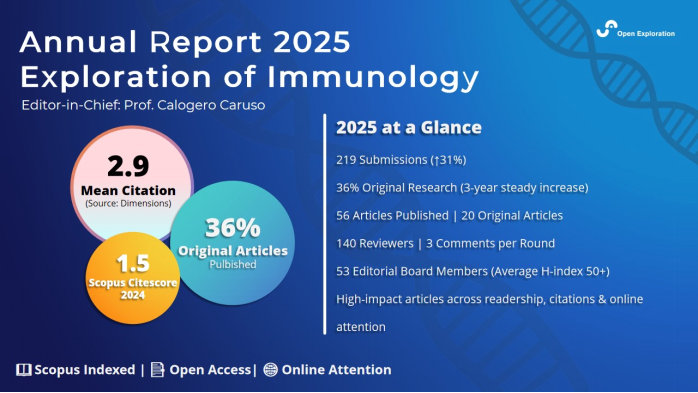
u Submissions: 219 received, including 80 original research articles (37%).
u Publications: 56 articles published, 20 original research articles (36%), a milestone for the journal.
u Special Issues: 4 new issues on microbiome, nanomedicine, cancer neuroimmunology, and cancer immunotherapy; highlighted concluded issues on cancer immunology, autoimmunity, and immunoaging.
u Editorial Board: Strengthened academic network through 4 new appointments and continued engagement.
u Impact & Visibility: As of 2025, EI has garnered 357 citations and the mean citation reached 2.9 (Source: Dimensions). Notable readership, citations, and online engagement; steady increase in original research proportion.
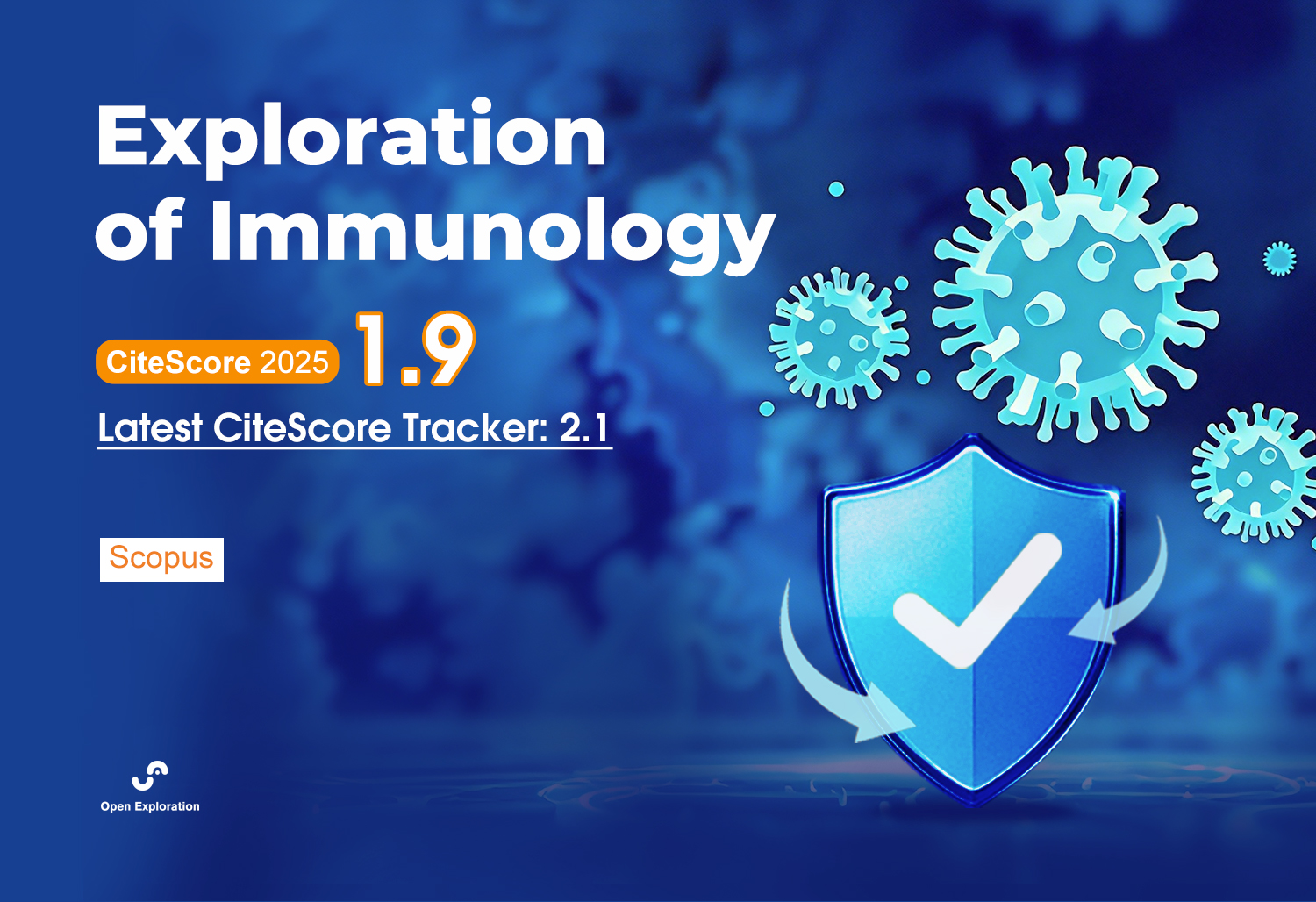
u Indexing: December 2025 Scopus CitescoreTracker rasied to 1.9.
u Promotion & Collaboration: Continued international collaborations and thematic collections to enhance visibility
Editorial Board & Governance
The Editorial Board of Exploration of Immunology (EI) consists of 53 members from 16 countries, representing a wide range of immunological sub-disciplines (Figure 1). This diverse academic composition supports comprehensive editorial assessment and ensures the journal’s commitment to ethical, transparent, and high-quality editorial decision-making.
In 2025, 4 eminent scholars were appointed as new Editorial Board members (Figure 2). These experts are based in the United States, China, the Republic of Korea, and France, with research expertise spanning vaccinology, nanomedicine, allergy, and cancer immunotherapy. Their appointment further strengthens the journal’s academic depth, international representation, and strategic development in emerging research areas.
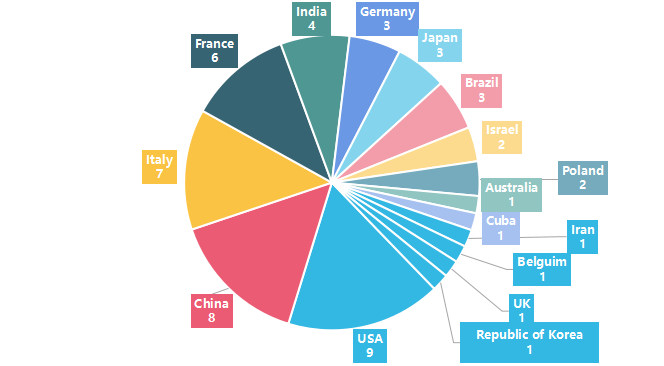

Figure 1. 2025 Editorial board distribution by countries/regions Figure 2. Newly joined editorial board members in 2025
Submissions & Peer Review Statistics
In 2025, EI received a total of 219 new submissions, representing a 31% increase compared with the previous year and reflecting the journal’s steadily growing visibility within the immunology community. The overall acceptance rate for the year was 21%, and the journal continued to operate under a single-blind peer-review model.
Submissions
Since its inception, EI has attracted growing interest from researchers, accompanied by a clear and consistent shift toward original research contributions. The proportion of original articles has increased steadily over recent years, rising from 25.8% in 2023 to 33% in 2024, and further to 37% in 2025 (80 submissions). This sustained upward trend highlights the journal’s strengthening role as a platform for the dissemination of primary immunological research.
The submitted manuscripts spanned a wide range of immunological topics. Based on editorial office records, keyword analysis of submitted manuscripts reflects current research interests and emerging thematic directions within the field, as illustrated by the accompanying word cloud (Figure 3).
Looking ahead, EI will continue to prioritize the publication of high-quality research outputs, while maintaining a balanced distribution across article types. The journal remains committed to further enhancing the visibility and dissemination of high-impact original research.
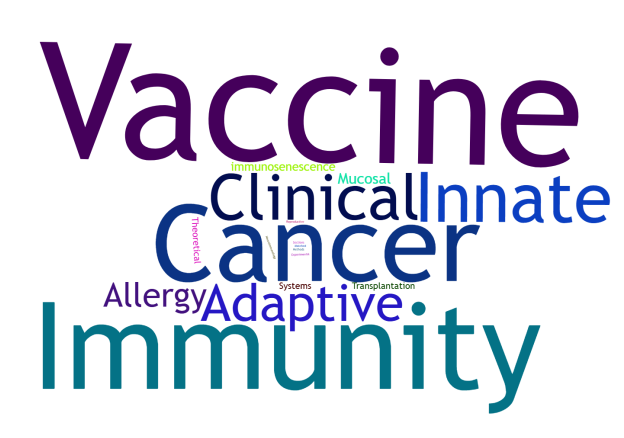
Figure 3. Submissions topic cloud of EI in 2025
Peer Review Statistics
In 2025, a total of 140 reviewers from 39 countries and regions across six continents contributed high-quality and constructive peer review reports to Exploration of Immunology, with an average H-index of 25. Their academic support played a crucial role in maintaining the journal’s publication standards. The average number of valid comments received in the first round of peer review was 3. Reviewers were primarily based in Europe, North America, and East Asia, with China, the United States, and Italy being the top contributing countries.
Their professionalism will certainly help submissions to improve quality, enhancing the journal’s academic reputation.
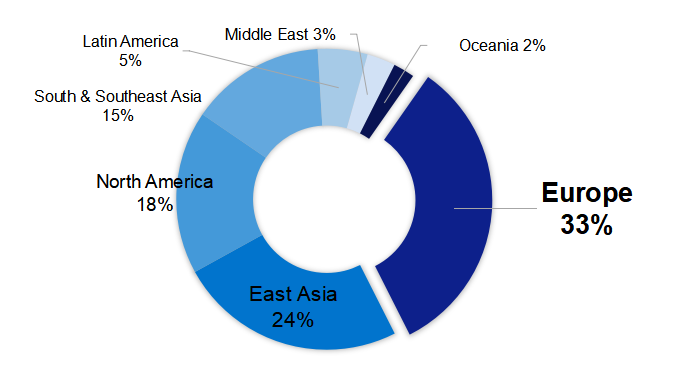
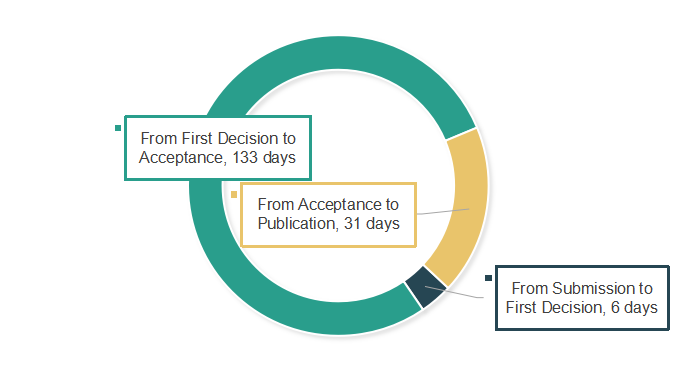
Figure 4. Reviewers distribution of EI in 2025 Figure 5. Distribution of review timeline by stage in 2025
Publications & Content Highlights
In 2025, EI published 56 articles, continuing a steady year-on-year increase in publication output. Authors from worldwide published their manuscrits with EI, which enhance the journal’s internationality (Figure 6). The proportion of original research articles has risen consistently, with 20 original articles published in 2025, representing a milestone in the journal’s development.
EI’s special issues addressed emerging topics in immunology and attracted broad readership. The journal also published contributions from leading scholars and institutions, including a review by Fatima K. Alduraibi (Harvard Teaching Hospital) on cutaneous lupus erythematosus and an article by Professor Daniela Frasca (H-index 52) on skin aging and immunosenescence, further strengthening the scientific quality of the journal.
This report highlights articles that received notable post-publication attention in terms of readership, citations, and online engagement (Table 1). These works demonstrated strong performance across multiple impact dimensions, reflecting EI’s broad and growing influence in the immunology community.
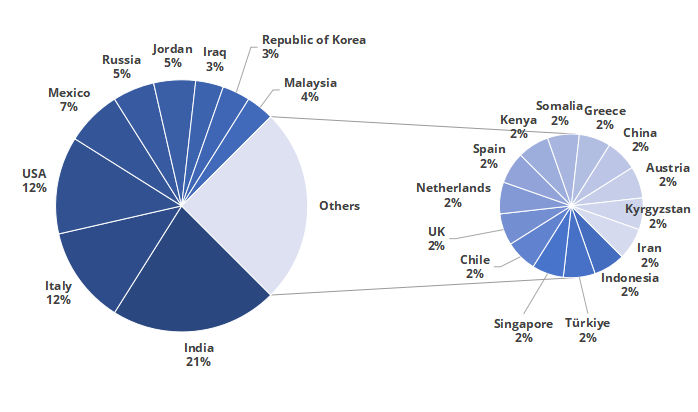
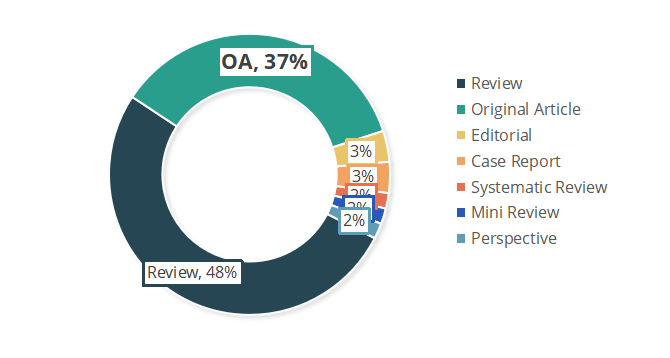
Figure 6. Publications by country/territory in 2025 Figure 7. Publications by type in 2025
Table 1. Publication in 2025 with raising impact
Impact category | Article title | Value |
Highly Cited Paper | The role of cytokines in wound healing: from mechanistic insights to therapeutic applications | Cited 20+ |
High Downloaded Paper | Neoantigen vaccines: advancing personalized cancer immunotherapy | Download 200+ |
Altmetric Trending Paper | Exploring immunotherapeutic strategies for bacterial and viral diseases |
|

Special Issue
In 2025, EI launched 4 new special issues focusing on emerging and high-impact areas of immunological research, including the microbiome, nanomedicine, cancer neuroimmunology, and cancer immunotherapy (Table 2). These topics reflect current scientific trends and address key mechanistic and translational questions at the interface of immunology and related disciplines.
Each special issue was chaired by internationally recognized scholars serving as Guest Editors from diverse global institutions. Their leadership ensured academic rigor, topical relevance, and broad engagement from the research community.
Table 2. Newly released special issues in 2025 (open for submission now)
Special issue title | Guest editor(s) | Affiliation |
Old and New Paradigms in Cancer Immune Response and Immunotherapy | Ángel Miguel García Lora | Hospital Universitario Virgen de las Nieves, Spain |
Immunogenetics in Neurological and Neuropsychiatric Disorders | Franca Rosa Guerini & Elisabetta Bolognesi | IRCCS Fondazione Don Carlo Gnocchi, Italy |
Obesity, Inflammation, and Immuno-Oncology: The Adipose Tissue Perspective | Federico Greco & Bruno Beomonte Zobel | Università Campus Bio-Medico di Roma, Italy |
The Microbiome-Autoimmunity Axis: Mechanisms and Therapeutic Implications | Jixin Zhong (EBM) | Huazhong University of Science and Technology, China |
We also acknowledge the successful completion of several special issues in 2025. These high-quality thematic collections brought together innovative and timely manuscripts addressing trending topics across the immunology community, and provided focused frameworks through which readers could efficiently access research in specific areas.
The concluded special issues covered a broad range of topics, including cancer immunology, autoimmunity, immunoaging, SARS-CoV-2/COVID-19, and skin inflammation. In this report, selected concluded special issues—specifically those focusing on cancer immunology, autoimmunity, and immunoaging—are highlighted as representative examples (Table 3).
The editorial office would also like to express its sincere appreciation to the Guest Editors whose special issues are not presented in detail in this report, including Dr. Masutaka Furue for Cytokines and Skin Diseases and Dr. Nitin Saksena for Immunology, Immunopathology and Genomics of SARS-CoV-2. Their leadership and dedication have made important contributions to the journal’s thematic depth and academic quality.
Table 3. Selected concluded special issues with highlights
Special issue title | Guest editor(s) | Representative high-impact article | Performance |
The Role of Immune Checkpoint Molecules in Cancer and Hematological Malignancies | Yangqiu Li & Cunte Chen | Widely accessed shortly after publication | |
Margherita Sisto | Broad engagement beyond core readership | ||
Roberto Paganelli (EBM) & Tamas Fulop | Demonstrates rapid academic uptake |
Together, these special issues have already demonstrated strong visibility and academic resonance, providing focused thematic entry points for readers across diverse immunology subfields.
Journal Reach & Impact
Exploration of Immunology continues to expand its visibility and scholarly influence. In 2025, website visits exceeded 1,250,000, while total article downloads surpassed 17,000, reflecting sustained reader engagement.
During the same period, citations increased by 116%, highlighting the growing relevance and impact of the research published in the journal. In June 2025, EI received its first 2024 CiteScore of 1.5. As of January 2026, the latest CiteScoreTracker has increased to 1.9 (Figure 9), and the mean citation rate recorded in Dimensions is approaching 3, indicating steady citation momentum.
In parallel, EI actively promotes published content through social media platforms and newsletters to engage the global scientific community and enhance content discoverability.
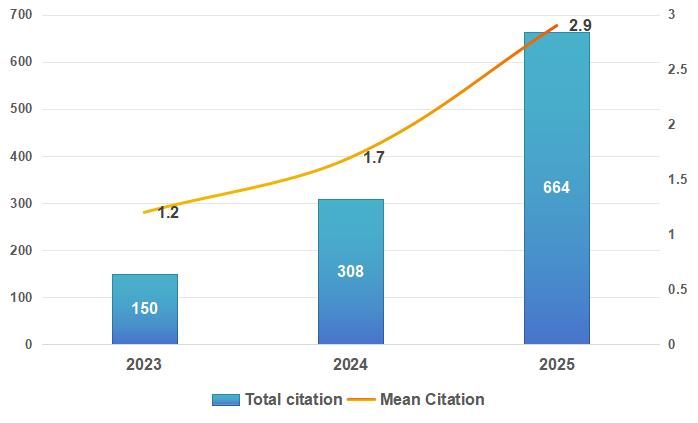
Figure 8. Citation growth trend of Exploration of Immunology (source: Dimentions)
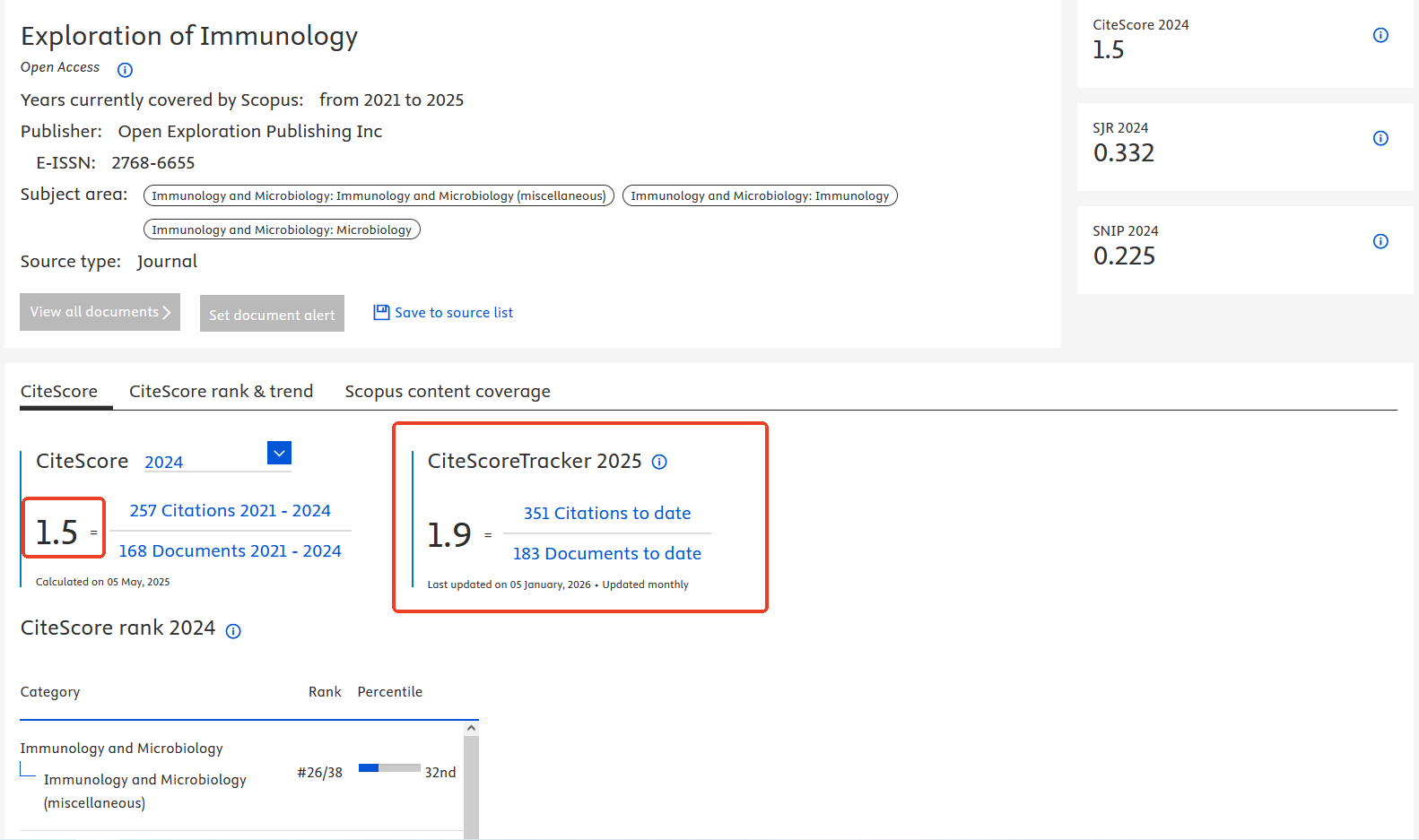
Figure 9. Scopus citescore tracker trend (source: Scopus)
EI has gained 3,095 followers in Linkedin. By sharing news of EI, such as latest publication, new special issue, new editorial board memebrs, we have build an open and friendly channel for all audience and experts.
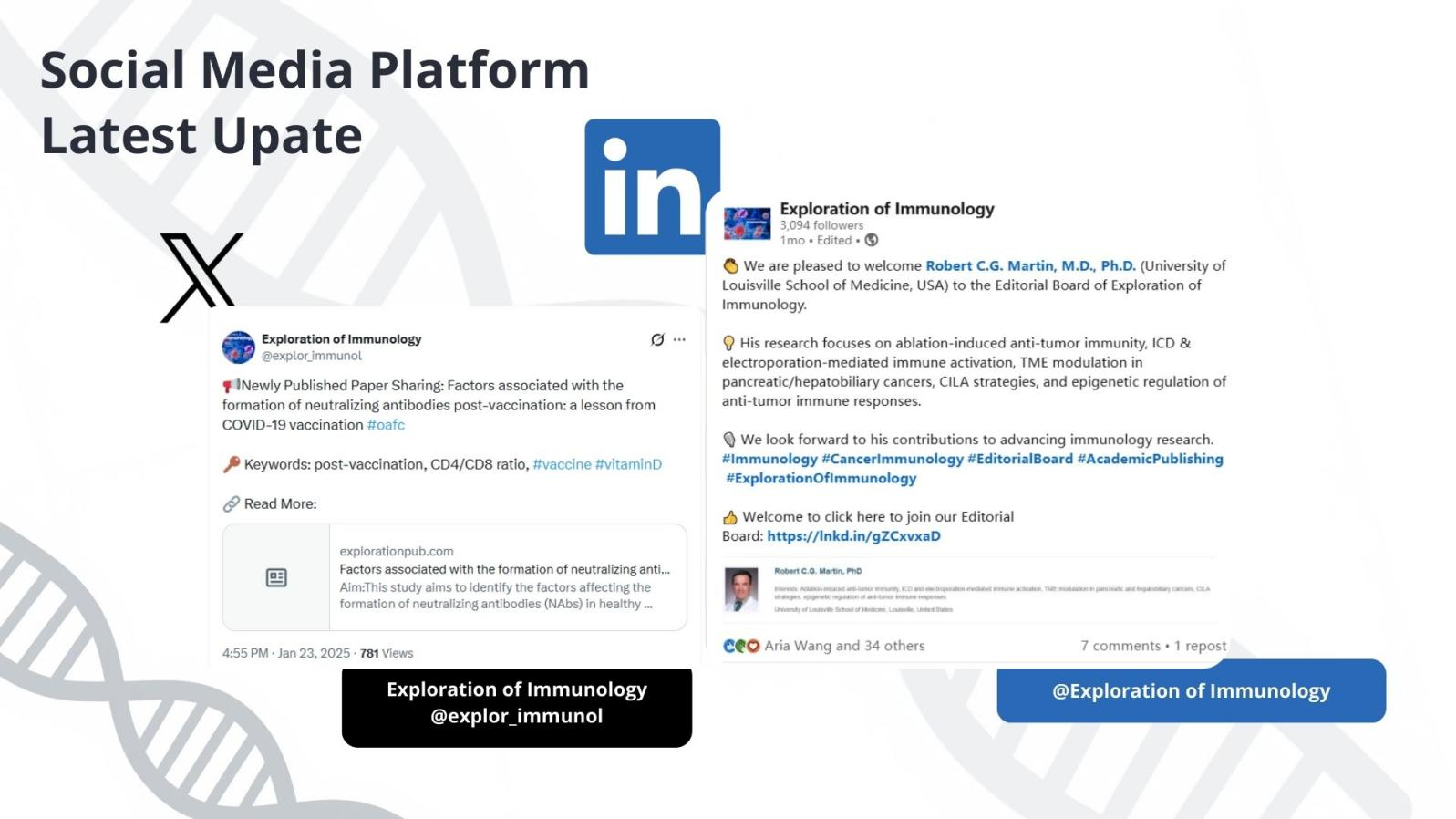
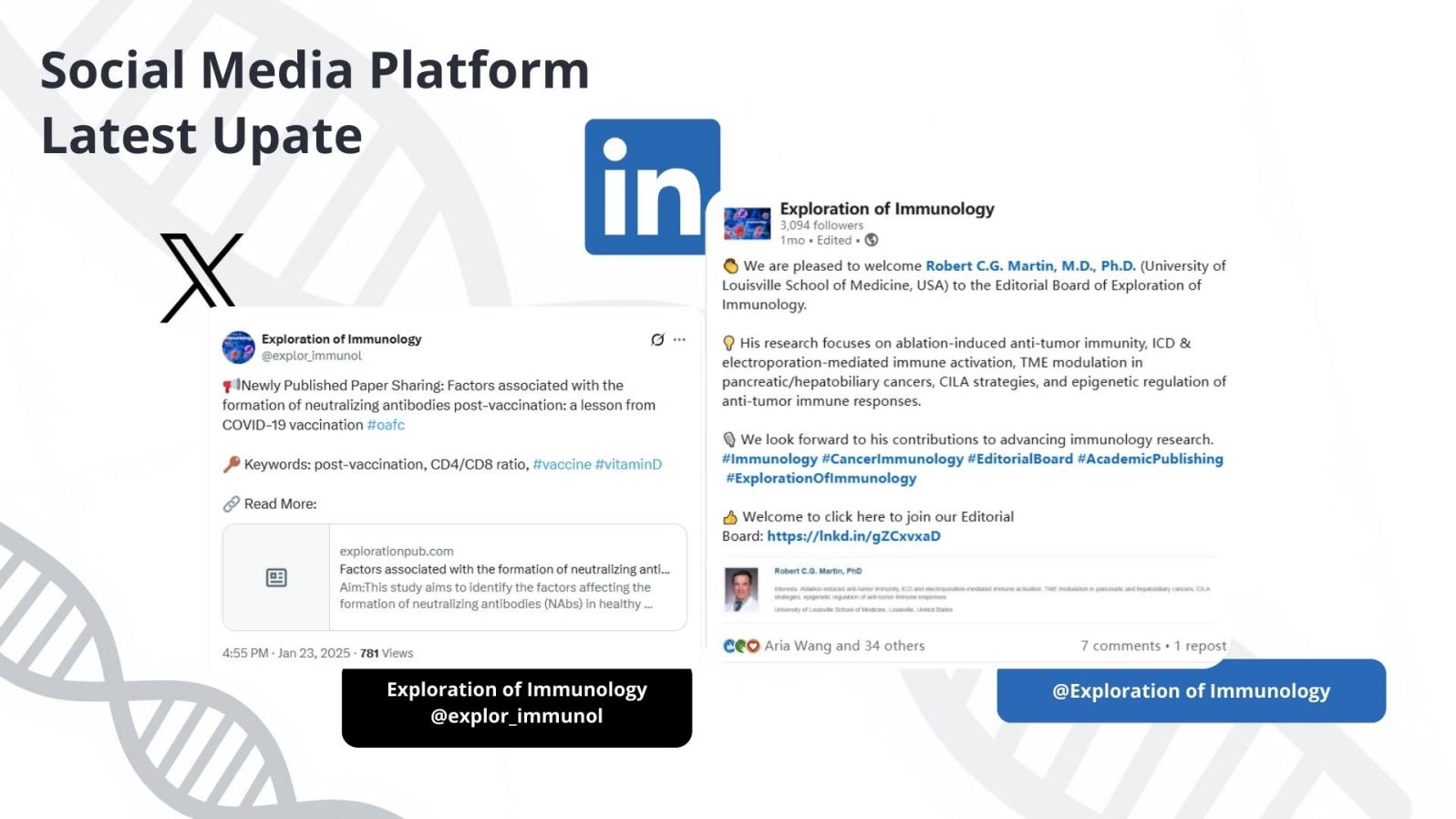
Figure 10. EI social media promotion of our latest news and progress
Conference promotion has been supported by our editorial board member, Dr. Jean Amiral. EI was successfully showcased at the Congrès Annuel de la Société Française de Thrombose et Hémostase (SFTH), held in Lyon, France, from October 2 to 3, 2025.
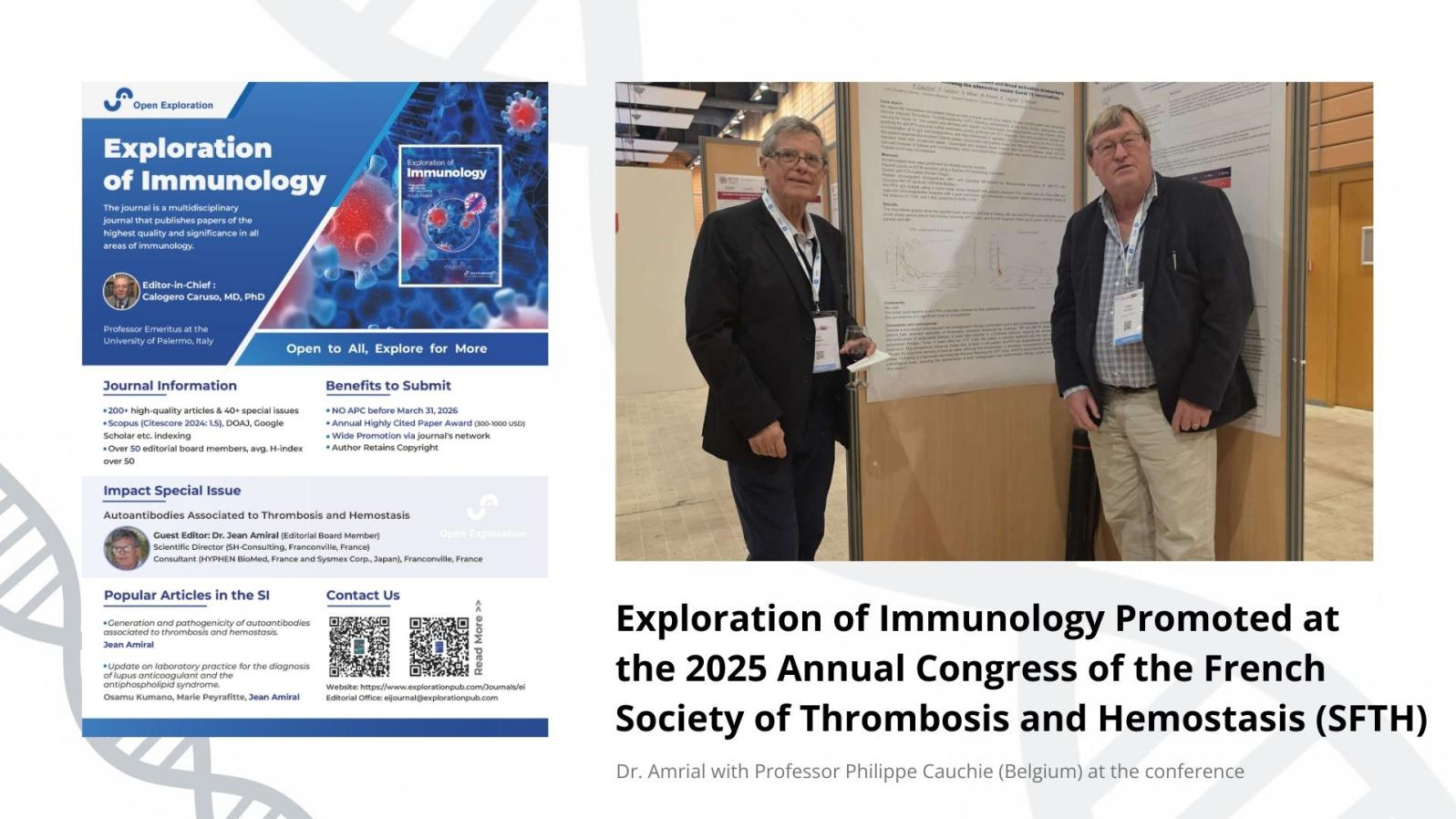
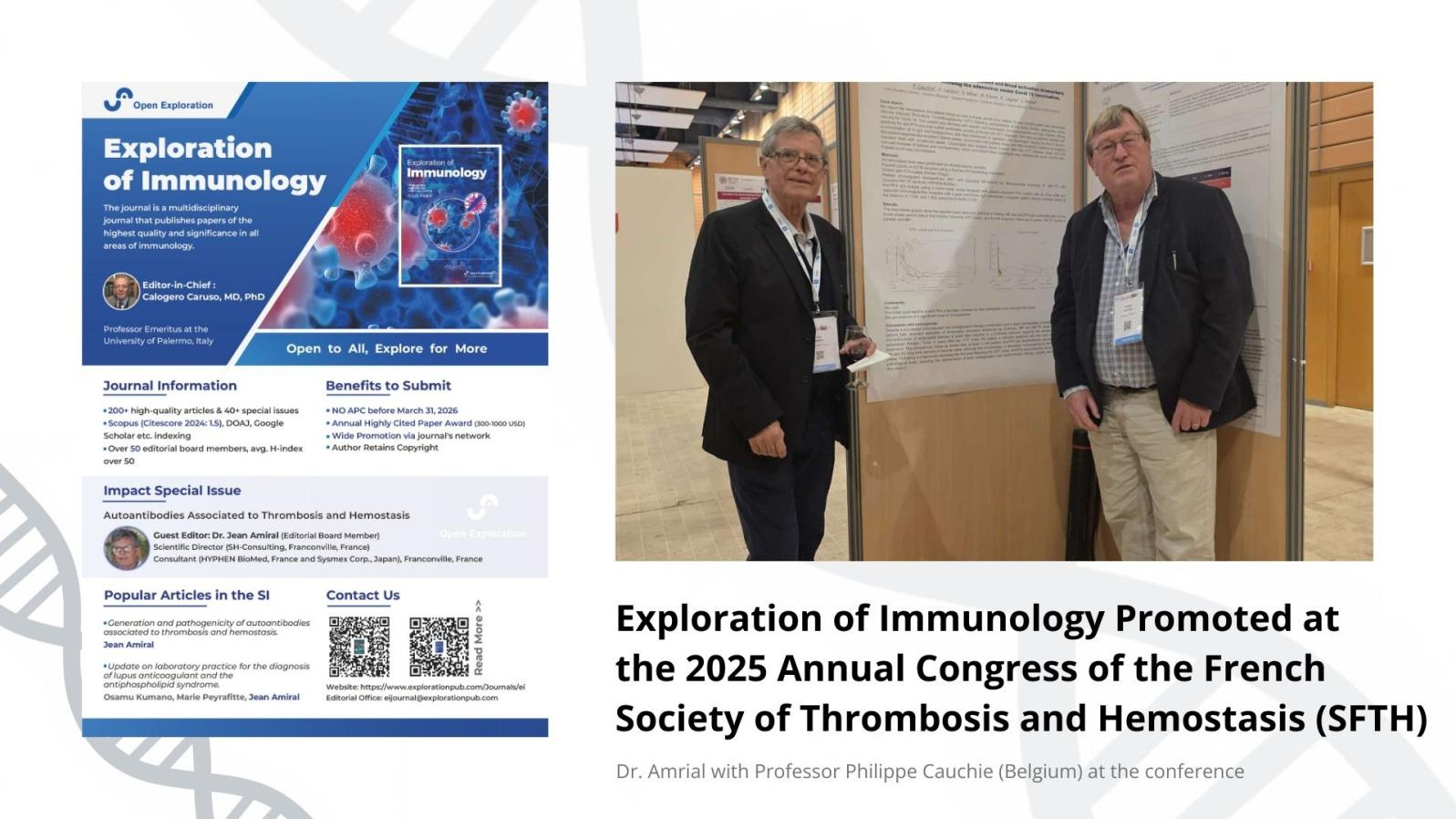
Figure 11. Promotion of Exploration of Immunology at SFTH 2025 supported by Dr. Jean Amiral (EBM)
Looking Ahead: Plans for 2026
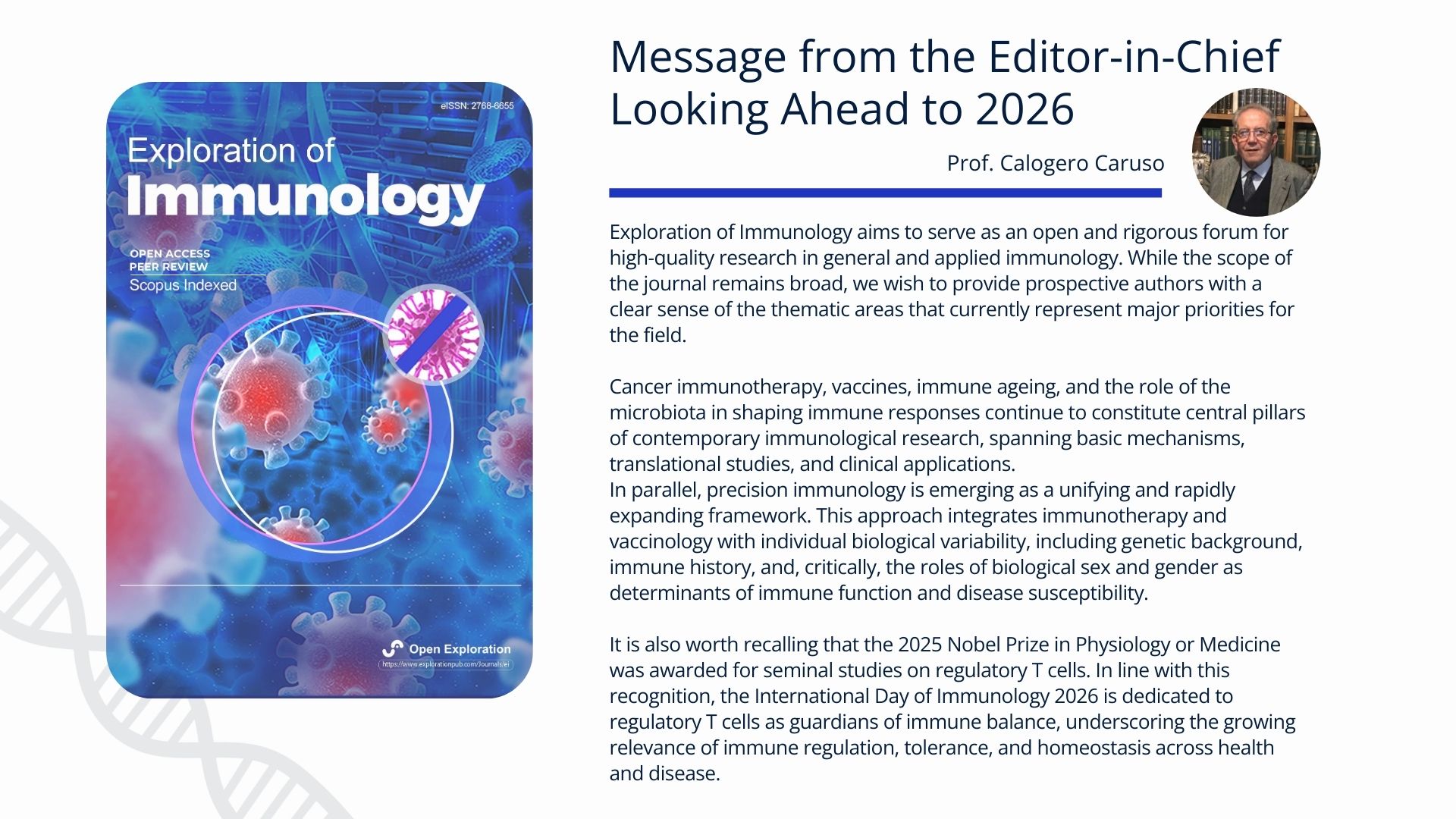
Building on the thematic priorities highlighted in the Editor-in-Chief’s message—cancer immunotherapy, vaccines, immune ageing, the role of the microbiota, and the emerging framework of precision immunology—Exploration of Immunology will continue to serve as an open and rigorous platform for high-quality research that advances both fundamental understanding and translational applications.
In 2026, the journal aims to further strengthen its scholarly impact by enhancing its CiteScore, broadening inclusion in international databases, and promoting collaborations with leading institutions worldwide. Original research and high-impact special issues on emerging topics will remain central, supporting interdisciplinary contributions and fostering a global dialogue in cutting-edge immunology.
Through these efforts, EI seeks to consolidate its role as a hub for impactful research while continuing to reflect and shape the evolving landscape of the field.
We sincerely thank our Editors, Reviewers, Authors, and Publishing Team for their invaluable contributions in 2025. Their dedication is essential to maintaining the quality, credibility, and integrity of the journal.
EI Editorial Office
Contact us: eijournal@explorationpub.com
EI website: https://www.explorationpub.com/Journals/ei
Data Support: The above data is based on statistics compiled by the journal's editorial team as of December 31, 2025.
 Exploration of Immunology Journal 2025 Annual Development Report.pdf
Exploration of Immunology Achieves New Milestone with CiteScore 2025 of 1.9
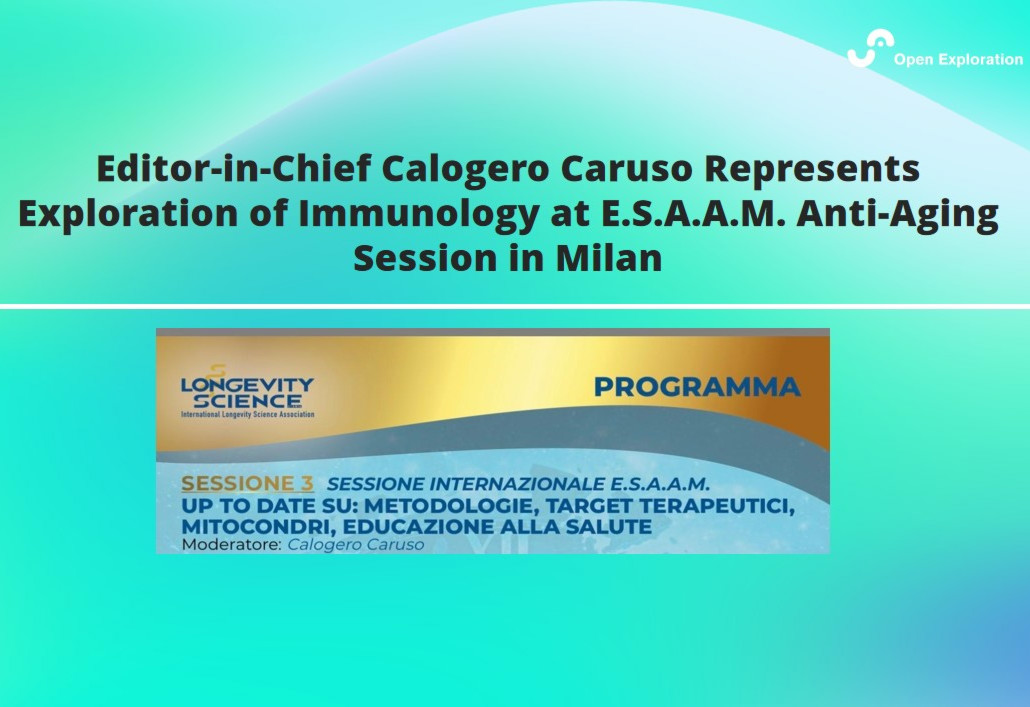
Editor-in-Chief Calogero Caruso Represents Exploration of Immunology at E.S.A.A.M. Anti-Aging Session in Milan
Winner of Highly Cited Paper Award 2025
Exploration of Immunology in 2024: Annual Development Report