 Previous
Aim:
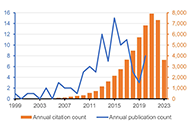
This study aimed to identify and analyze the top 100 most cited digital health and mobile health (m-health) publications. It could aid researchers in the identification of promising new research avenues, additionally supporting the establishment of international scientific collaboration between interdisciplinary research groups with demonstrated achievements in the area of interest.
Methods:
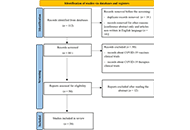
On 30th August, 2023, the Web of Science Core Collection (WOSCC) electronic database was queried to identify the top 100 most cited digital health papers with a comprehensive search string. From the initial search, 106 papers were identified. After screening
Results:
The top 100 papers on digital health received a total of 49,653 citations. Over half of them (n = 55) were published during 2013–2017. Among these 100 papers, 59 were original articles, 36 were reviews, 4 were editorial materials, and 1 was a proceeding paper. All papers were written in English. The University of London and the University of Cali
Conclusions:
The findings underscore key areas of focus in the field and prominent contributors, providing a roadmap
Aim:
This study aimed to identify and analyze the top 100 most cited digital health and mobile health (m-health) publications. It could aid researchers in the identification of promising new research avenues, additionally supporting the establishment of international scientific collaboration between interdisciplinary research groups with demonstrated achievements in the area of interest.
Methods:
On 30th August, 2023, the Web of Science Core Collection (WOSCC) electronic database was queried to identify the top 100 most cited digital health papers with a comprehensive search string. From the initial search, 106 papers were identified. After screening
Results:
The top 100 papers on digital health received a total of 49,653 citations. Over half of them (n = 55) were published during 2013–2017. Among these 100 papers, 59 were original articles, 36 were reviews, 4 were editorial materials, and 1 was a proceeding paper. All papers were written in English. The University of London and the University of Cali
Conclusions:
The findings underscore key areas of focus in the field and prominent contributors, providing a roadmap
DOI: https://doi.org/10.37349/edht.2024.00013


Aim:
From the start of the pandemic, several aspects of healthcare policies changed, not least the clinical trials management from recruiting capabilities to the protocol compliance in terms of schedule of procedures, follow-up
Methods:
Data from February to July of the years 2019, 2020 and 2021 were collected and three practical parameters of the trial unit were investigated: milestones, per
Results:
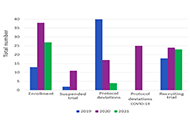
The trials mean numbers were 18, 24, and 23, in 2019, 2020, and 2021 respectively. The pre-Site Initiation
Conclusions:
The growing number of remote Site Initiation
Aim:
From the start of the pandemic, several aspects of healthcare policies changed, not least the clinical trials management from recruiting capabilities to the protocol compliance in terms of schedule of procedures, follow-up
Methods:
Data from February to July of the years 2019, 2020 and 2021 were collected and three practical parameters of the trial unit were investigated: milestones, per
Results:
The trials mean numbers were 18, 24, and 23, in 2019, 2020, and 2021 respectively. The pre-Site Initiation
Conclusions:
The growing number of remote Site Initiation
DOI: https://doi.org/10.37349/etat.2023.00168
This article belongs to the special issue COVID-19 and Cancer
Aim:
The present study aims to generate chimeric mouse single-chain variable fragment (scFv) and immunoglobulin G1 (IgG1) crystallizable fragment (Fc) antibody against disialoganglioside (GD2)
Methods:
Vector
Results:
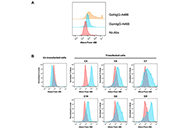
Using plasmid fusion-human IgG1-Fc2 tag vector (pFUSE-hIgG1-Fc2), a plasmid vector encoding chimeric mouse scFv and hIgG1
Conclusions:
The results indicate that chimeric scFv-hIgG
Aim:
The present study aims to generate chimeric mouse single-chain variable fragment (scFv) and immunoglobulin G1 (IgG1) crystallizable fragment (Fc) antibody against disialoganglioside (GD2)
Methods:
Vector
Results:
Using plasmid fusion-human IgG1-Fc2 tag vector (pFUSE-hIgG1-Fc2), a plasmid vector encoding chimeric mouse scFv and hIgG1
Conclusions:
The results indicate that chimeric scFv-hIgG
DOI: https://doi.org/10.37349/etat.2023.00188
This article belongs to the special issue Novel Strategies and Targets for Immunotherapy of Cancer
Aim:
In renal cell carcinoma (RCC), tumor heterogeneity generated challenges to biomarker development and therapeutic management, often becoming responsible
Methods:
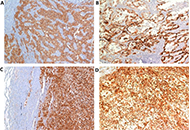
The RIVELATOR study was a monocenter retrospective analysis of biological samples from 25 cases of primary RCC and their paired pulmonary metastases. The biomarkers analyzed included MET, mTOR, PD-1/PD-L1 pathways and the immune context.
Results:
High multi-level heterogeneity was demonstrated. MET was the most reliable biomarker, with the lowest intratumor heterogeneity: the positive mutual correlation between MET expression in primary tumors and their metastases had a significantly proportional intensity (P = 0.038). The intratumor heterogeneity grade was significantly higher
Conclusions:
In mRCC, multiple and multi-level assays of potentially predictive biomarkers are needed
Aim:
In renal cell carcinoma (RCC), tumor heterogeneity generated challenges to biomarker development and therapeutic management, often becoming responsible
Methods:
The RIVELATOR study was a monocenter retrospective analysis of biological samples from 25 cases of primary RCC and their paired pulmonary metastases. The biomarkers analyzed included MET, mTOR, PD-1/PD-L1 pathways and the immune context.
Results:
High multi-level heterogeneity was demonstrated. MET was the most reliable biomarker, with the lowest intratumor heterogeneity: the positive mutual correlation between MET expression in primary tumors and their metastases had a significantly proportional intensity (P = 0.038). The intratumor heterogeneity grade was significantly higher
Conclusions:
In mRCC, multiple and multi-level assays of potentially predictive biomarkers are needed
DOI: https://doi.org/10.37349/etat.2023.00165
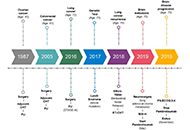
Lynch syndrome is a hereditary cancer predisposition syndrome caused by germline alterations in mismatch repair (MMR) genes leading to increased risk of colon cancer as well as other cancer types. Non-small cell lung cancer (NSCLC) is not among typical Lynch syndrome-associated tumors: pembrolizumab, an immune checkpoint inhibitor, is actually approved
Lynch syndrome is a hereditary cancer predisposition syndrome caused by germline alterations in mismatch repair (MMR) genes leading to increased risk of colon cancer as well as other cancer types. Non-small cell lung cancer (NSCLC) is not among typical Lynch syndrome-associated tumors: pembrolizumab, an immune checkpoint inhibitor, is actually approved
DOI: https://doi.org/10.37349/etat.2021.00044
Aim:
This study aims at assessing dupilumab’s response in severe chronic rhinosinusitis with nasal polyps (CRSwNP) and its impact on concurrent mild to moderate asthma.
Methods:
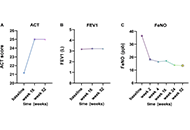
The study involved severe, uncontrolled CRSwNP patients starting dupilumab treatment (300 mg/2 weeks) at the Allergy unit in University General Hospital “Attikon” in Athens, Greece, from May 2020 to July 2022. Assessments were conducted at baseline (week 0) and weeks 2, 4, 16, 24, and 52, covering 22-item Sino-Nasal Outcome Test (SNOT22), blood eosinophil counts, fractional exhaled nitric oxide (FeNO) concentration, Lund-Mackay CT scores (weeks 0, 16, and 52), Asthma Control Test (ACT) scores (weeks 0, 16, and 52), and
Results:
Six patients (50% male, mean age 53.1 years) with severe CRSwNP had severe uncontrolled baseline symptoms: complete anosmia, impaired quality of life (mean SNOT22: 71.6 ± 16.2), and Lund-Mackay CT score of 19.3 ± 2. Within the past year, 83.3% received over three courses of systemic corticosteroids
Conclusions:
Dupilumab effectively targets interleukin 4 (IL4) and IL13, controlling type 2 inflammation spectrum, thus providing significant disease control
Aim:
This study aims at assessing dupilumab’s response in severe chronic rhinosinusitis with nasal polyps (CRSwNP) and its impact on concurrent mild to moderate asthma.
Methods:
The study involved severe, uncontrolled CRSwNP patients starting dupilumab treatment (300 mg/2 weeks) at the Allergy unit in University General Hospital “Attikon” in Athens, Greece, from May 2020 to July 2022. Assessments were conducted at baseline (week 0) and weeks 2, 4, 16, 24, and 52, covering 22-item Sino-Nasal Outcome Test (SNOT22), blood eosinophil counts, fractional exhaled nitric oxide (FeNO) concentration, Lund-Mackay CT scores (weeks 0, 16, and 52), Asthma Control Test (ACT) scores (weeks 0, 16, and 52), and
Results:
Six patients (50% male, mean age 53.1 years) with severe CRSwNP had severe uncontrolled baseline symptoms: complete anosmia, impaired quality of life (mean SNOT22: 71.6 ± 16.2), and Lund-Mackay CT score of 19.3 ± 2. Within the past year, 83.3% received over three courses of systemic corticosteroids
Conclusions:
Dupilumab effectively targets interleukin 4 (IL4) and IL13, controlling type 2 inflammation spectrum, thus providing significant disease control
DOI: https://doi.org/10.37349/eaa.2024.00039
Aim:
To evaluate the impact of prescription, cost, and switching policy on the rate of switching from reference products to biosimilars.
Methods:
Analysis of an administrative database
Results:
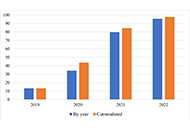
Overall switching from 2019 to 2022 comprised 132/135 (97.8%) of patients. The rate of switching increased from 13.3% to 34%, 79%, and 95.5% of patients on reference products during 2019, 2020, 2021, and 2022, respectively. In 2022, after sharing in
Conclusions:
In
Aim:
To evaluate the impact of prescription, cost, and switching policy on the rate of switching from reference products to biosimilars.
Methods:
Analysis of an administrative database
Results:
Overall switching from 2019 to 2022 comprised 132/135 (97.8%) of patients. The rate of switching increased from 13.3% to 34%, 79%, and 95.5% of patients on reference products during 2019, 2020, 2021, and 2022, respectively. In 2022, after sharing in
Conclusions:
In
DOI: https://doi.org/10.37349/emd.2024.00064
This article belongs to the special issue Biosimilars: State of the Art in the Treatment of Rheumatic Diseases
Aim:
To determine temporal changes in the frequency of asthma and mental illness in Cali
Methods:
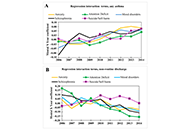
Public-use, all-payer ED data from non-federal, acute-care hospitals (2005–2014) were obtained
Results:
During 2005–2014 there were 96,180,176
Conclusions:
Increased co-occurring mental illness among asthma-related ED
Aim:
To determine temporal changes in the frequency of asthma and mental illness in Cali
Methods:
Public-use, all-payer ED data from non-federal, acute-care hospitals (2005–2014) were obtained
Results:
During 2005–2014 there were 96,180,176
Conclusions:
Increased co-occurring mental illness among asthma-related ED
DOI: https://doi.org/10.37349/eaa.2024.00064
This article belongs to the special issue Asthma and its Relationship with Psychological and Psychopathological Factors
Aim:
To investigate alterations in transcription of genes, encoding Ca2+ toolkit proteins, in oesophageal adenocarcinoma (OAC) and to assess associations between gene expression, tumor grade, nodal-metastatic stage, and patient survival.
Methods:
The expression of 275 transcripts, encoding components of the Ca2+ toolkit, was analyzed in two OAC datasets: the Cancer Genome Atlas [via the University of Alabama Cancer (UALCAN) portal] and the oesophageal-cancer, clinical, and molecular stratification [Oesophageal Cancer Clinical and Molecular Stratification (OCCAMS)] dataset. Effects of differential expression of these genes on patient survival were determined using Kaplan-Meier log-rank tests. OAC grade- and metastatic-stage status was investigated
Results:
Of the 275 Ca2+-toolkit genes analyzed, 75 displayed consistent changes in expression between OAC and normal tissue in both datasets. The channel-encoding genes, N-methyl-D-aspartate receptor 2D (GRIN2D), transient receptor potential (TRP) ion channel classical or canonical 4 (TRPC4), and TRP ion channel melastatin 2 (TRPM2) demonstrated the greatest increase in expression in OAC in both datasets. Nine genes were consistently upregulated in both datasets and were also associated with improved survival outcomes. The 6 top-ranking genes
Conclusions:
This study has unveiled alterations of the Ca2+ toolkit in OAC, compared to normal tissue. Such Ca2+ signalling findings are consistent with those from studies on other cancers. Genes that were consistently upregulated in both datasets might represent useful markers
Aim:
To investigate alterations in transcription of genes, encoding Ca2+ toolkit proteins, in oesophageal adenocarcinoma (OAC) and to assess associations between gene expression, tumor grade, nodal-metastatic stage, and patient survival.
Methods:
The expression of 275 transcripts, encoding components of the Ca2+ toolkit, was analyzed in two OAC datasets: the Cancer Genome Atlas [via the University of Alabama Cancer (UALCAN) portal] and the oesophageal-cancer, clinical, and molecular stratification [Oesophageal Cancer Clinical and Molecular Stratification (OCCAMS)] dataset. Effects of differential expression of these genes on patient survival were determined using Kaplan-Meier log-rank tests. OAC grade- and metastatic-stage status was investigated
Results:
Of the 275 Ca2+-toolkit genes analyzed, 75 displayed consistent changes in expression between OAC and normal tissue in both datasets. The channel-encoding genes, N-methyl-D-aspartate receptor 2D (GRIN2D), transient receptor potential (TRP) ion channel classical or canonical 4 (TRPC4), and TRP ion channel melastatin 2 (TRPM2) demonstrated the greatest increase in expression in OAC in both datasets. Nine genes were consistently upregulated in both datasets and were also associated with improved survival outcomes. The 6 top-ranking genes
Conclusions:
This study has unveiled alterations of the Ca2+ toolkit in OAC, compared to normal tissue. Such Ca2+ signalling findings are consistent with those from studies on other cancers. Genes that were consistently upregulated in both datasets might represent useful markers
DOI: https://doi.org/10.37349/etat.2021.00063
This article belongs to the special issue Calcium Signaling Apparatus in Cancers
Aims:
Reduced pre-operative cognitive functioning in older adults is a risk factor
Methods:
Results:
Above and beyond age, education, ASA physical status classification score, and frailty, only digitally-acquired CDT copy per
Conclusions:
Digital variables from clock copy condition provided predictive value over common demographic and comorbidity variables. We hypothesize this is due to the sensitivity of the copy condition to executive dysfunction, as has been shown in previous studies
Aims:
Reduced pre-operative cognitive functioning in older adults is a risk factor
Methods:
Results:
Above and beyond age, education, ASA physical status classification score, and frailty, only digitally-acquired CDT copy per
Conclusions:
Digital variables from clock copy condition provided predictive value over common demographic and comorbidity variables. We hypothesize this is due to the sensitivity of the copy condition to executive dysfunction, as has been shown in previous studies
DOI: https://doi.org/10.37349/emed.2021.00036
This article belongs to the special issue Digital Biomarkers: The New Frontier for Medicine and Research
The paper aimed to provide a comprehensive overview of the use of digital health technologies in the assessment, treatment, and self-management of psychological and psychopathological factors associated with asthma. A collection of research articles and systematic reviews related to asthma, including topics such as outdoor air pollution, early life wheezing illnesses, atopic dermatitis, digital interventions
The paper aimed to provide a comprehensive overview of the use of digital health technologies in the assessment, treatment, and self-management of psychological and psychopathological factors associated with asthma. A collection of research articles and systematic reviews related to asthma, including topics such as outdoor air pollution, early life wheezing illnesses, atopic dermatitis, digital interventions
DOI: https://doi.org/10.37349/edht.2024.00010
This article belongs to the special issue Telepsychiatry in Low-and Middle-income Countries: an Update
Aim:
The role of tumor burden (TB)
Methods:
Sixty-five consecutive patients with advanced NSCLC treated with immunotherapy as first or second line therapy were retrospectively analyzed between August 2015 and February 2018. TB was recorded at baseline considering sites and number of metastases, thoracic vs. extrathoracic disease, measurable disease (MD) vs. not-MD (NMD) and evaluating dimensional aspects as maximum lesion diameter (cut-off = 6.3 cm), sum of the 5 major lesions diameters (cut-off = 14.3 cm), and number of sites of metastases (cut-off > 4). All cut-offs were calculated by receiver operating characteristic curves. Median overall survival (OS) was estimated using Kaplan-Meier method. A Cox regression model was carried out
Results:
Median age was 70 years and most patients (86.2%) had a good per
Conclusions:
This study underlines the negative prognostic impact of specific metastatic sites, presence of NMD and extrathoracic disease in advanced NSCLC patients treated with immunotherapy. However, TB does not appear to affect the outcome of these patients.
Aim:
The role of tumor burden (TB)
Methods:
Sixty-five consecutive patients with advanced NSCLC treated with immunotherapy as first or second line therapy were retrospectively analyzed between August 2015 and February 2018. TB was recorded at baseline considering sites and number of metastases, thoracic vs. extrathoracic disease, measurable disease (MD) vs. not-MD (NMD) and evaluating dimensional aspects as maximum lesion diameter (cut-off = 6.3 cm), sum of the 5 major lesions diameters (cut-off = 14.3 cm), and number of sites of metastases (cut-off > 4). All cut-offs were calculated by receiver operating characteristic curves. Median overall survival (OS) was estimated using Kaplan-Meier method. A Cox regression model was carried out
Results:
Median age was 70 years and most patients (86.2%) had a good per
Conclusions:
This study underlines the negative prognostic impact of specific metastatic sites, presence of NMD and extrathoracic disease in advanced NSCLC patients treated with immunotherapy. However, TB does not appear to affect the outcome of these patients.
DOI: https://doi.org/10.37349/etat.2021.00043
This article belongs to the special issue Immunotherapy in Cancer Patients
Aim:
To evaluate the local impact of the coronavirus disease 2019 (COVID-19) pandemic on breast cancer (BC) care, with particular attention to the economical and psychological consequences of the possible delay of new diagnoses and treatments.
Methods:
Three years’ activity (from 2019 to 2021) has been compared. The number of BCs diagnosed from the total amount of mammographic and ultrasound (US) examinations per
Results:
A statistically significant difference was found in the number of BC diagnosed between screening and ambulatory care patients in both the 2019–2020 (χ2 = 24.93, P < 0.01) and 2019–2021 (χ2 = 29.93, P < 0.01) comparisons. No statistically significant difference was found in the data recorded between 2020 and 2021 (χ2 = 2.35, P > 0.01). By evaluating the specific age groups
Conclusions:
Results showed a reduction of new diagnoses in the screening range during the pandemic in comparison with the previous period. The high percentage of early BC would seem to have prevented worsening outcomes. Nevertheless, women who have not undergone screening could present a more advanced stage disease in the following years. Consequently, the evaluation of possible solutions to guarantee an essential level of care with the purpose to avoid worsening patients’ outcomes and the increase in healthcare costs is mandatory.
Aim:
To evaluate the local impact of the coronavirus disease 2019 (COVID-19) pandemic on breast cancer (BC) care, with particular attention to the economical and psychological consequences of the possible delay of new diagnoses and treatments.
Methods:
Three years’ activity (from 2019 to 2021) has been compared. The number of BCs diagnosed from the total amount of mammographic and ultrasound (US) examinations per
Results:
A statistically significant difference was found in the number of BC diagnosed between screening and ambulatory care patients in both the 2019–2020 (χ2 = 24.93, P < 0.01) and 2019–2021 (χ2 = 29.93, P < 0.01) comparisons. No statistically significant difference was found in the data recorded between 2020 and 2021 (χ2 = 2.35, P > 0.01). By evaluating the specific age groups
Conclusions:
Results showed a reduction of new diagnoses in the screening range during the pandemic in comparison with the previous period. The high percentage of early BC would seem to have prevented worsening outcomes. Nevertheless, women who have not undergone screening could present a more advanced stage disease in the following years. Consequently, the evaluation of possible solutions to guarantee an essential level of care with the purpose to avoid worsening patients’ outcomes and the increase in healthcare costs is mandatory.
DOI: https://doi.org/10.37349/etat.2022.00091
This article belongs to the special issue Covid-19 and Cancer
Aim:
The study aims to evaluate the incidence of recurrent thromboses in patients with primary antiphospholipid syndrome (PAPS) and its association with the presence of different antiphospholipid antibodies (aPLs) and known thrombogenic risk factors.
Methods:
This retrospective study included 52 patients. The median age of the patients was 38.5 years [31.5; 43.5], and the duration of the disease was 9.0 years [3.1; 13.0]. aPLs, including IgG/IgM/IgA antibodies to cardiolipin (aCLs), IgG/IgM/IgA anti-beta2-glycoprotein I (anti-β2-GPI), IgG anti-domain I-β2-GPI (anti-β2-GPIDI) antibodies, IgG/IgM antibodies to the phosphatidylserine/prothrombin complex (aPS/PT), and other thrombosis risk factors were included
Results:
Recurrent thrombosis was reported in 34 (65%) out of 52 patients and 18 (35%) did not have it. The main reason
Conclusions:
Recurrent thrombosis in antiphospholipid syndrome (APS) is largely associated with IgG aCL, IgG anti-β2-GPI, IgG anti-β2-GPIDI, IgG aPS/PT, and IgA aCL positivity. AH was a significant risk factor
Aim:
The study aims to evaluate the incidence of recurrent thromboses in patients with primary antiphospholipid syndrome (PAPS) and its association with the presence of different antiphospholipid antibodies (aPLs) and known thrombogenic risk factors.
Methods:
This retrospective study included 52 patients. The median age of the patients was 38.5 years [31.5; 43.5], and the duration of the disease was 9.0 years [3.1; 13.0]. aPLs, including IgG/IgM/IgA antibodies to cardiolipin (aCLs), IgG/IgM/IgA anti-beta2-glycoprotein I (anti-β2-GPI), IgG anti-domain I-β2-GPI (anti-β2-GPIDI) antibodies, IgG/IgM antibodies to the phosphatidylserine/prothrombin complex (aPS/PT), and other thrombosis risk factors were included
Results:
Recurrent thrombosis was reported in 34 (65%) out of 52 patients and 18 (35%) did not have it. The main reason
Conclusions:
Recurrent thrombosis in antiphospholipid syndrome (APS) is largely associated with IgG aCL, IgG anti-β2-GPI, IgG anti-β2-GPIDI, IgG aPS/PT, and IgA aCL positivity. AH was a significant risk factor
DOI: https://doi.org/10.37349/ei.2023.00114
This article belongs to the special issue Autoantibodies Associated to Thrombosis and Hemostasis
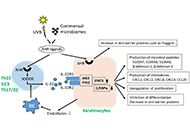
Interleukin (IL)-22 is produced from immune cells such as T helper (Th)22 cells, Th17/22 cells, and group 3 innate lymphoid cells. IL-22 signals via the IL-22 receptor 1 (IL-22R1) and the IL-10 receptor 2 (IL-10R2). As the IL-22R1/IL-10R2 heterodimer is preferentially expressed on border tissue between the host and the environment, IL-22 is believed to be involved in border defense. Epidermal keratinocytes are the first-line skin barrier and express IL-22R1/IL-10R2. IL-22 increases keratinocyte proliferation but inhibits differentiation. Aryl hydrocarbon receptor (AHR) is a chemical sensor and an essential transcription factor
Interleukin (IL)-22 is produced from immune cells such as T helper (Th)22 cells, Th17/22 cells, and group 3 innate lymphoid cells. IL-22 signals via the IL-22 receptor 1 (IL-22R1) and the IL-10 receptor 2 (IL-10R2). As the IL-22R1/IL-10R2 heterodimer is preferentially expressed on border tissue between the host and the environment, IL-22 is believed to be involved in border defense. Epidermal keratinocytes are the first-line skin barrier and express IL-22R1/IL-10R2. IL-22 increases keratinocyte proliferation but inhibits differentiation. Aryl hydrocarbon receptor (AHR) is a chemical sensor and an essential transcription factor
DOI: https://doi.org/10.37349/ei.2021.00005
This article belongs to the special issue Cross Talk Among Skin Cells and Immune Cells
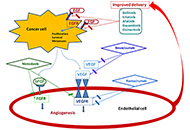
Several preclinical studies suggested a potential benefit from combined treatment with inhibitors of epidermal growth factor receptor (EGFR) and angiogenesis, both effective in patients with advanced non-small-cell lung cancer (NSCLC). In pretreated patients with advanced EGFR wild type NSCLC, bevacizumab plus erlotinib improved progression-free survival as second-line therapy in the BeTa study and as maintenance therapy in the ATLAS trial, although the benefit was modest and did not translate into an advantage in overall survival. Disappointing results were reported with oral VEGF inhibitors plus erlotinib in pretreated patients with EGFR wild type NSCLC. On the contrary, erlotinib plus bevacizumab or ramucirumab showed a clinically relevant improvement of progression-free survival in naïve patients with EGFR mutations, leading to the approval of these two regimens as first-line treatment of NSCLC patients with EGFR mutant tumors. Several clinical studies are evaluating the feasibility and activity of osimertinib plus bevacizumab or ramucirumab. However, limits that could affect its use in clinical practice are the need of an intravenous infusion
Several preclinical studies suggested a potential benefit from combined treatment with inhibitors of epidermal growth factor receptor (EGFR) and angiogenesis, both effective in patients with advanced non-small-cell lung cancer (NSCLC). In pretreated patients with advanced EGFR wild type NSCLC, bevacizumab plus erlotinib improved progression-free survival as second-line therapy in the BeTa study and as maintenance therapy in the ATLAS trial, although the benefit was modest and did not translate into an advantage in overall survival. Disappointing results were reported with oral VEGF inhibitors plus erlotinib in pretreated patients with EGFR wild type NSCLC. On the contrary, erlotinib plus bevacizumab or ramucirumab showed a clinically relevant improvement of progression-free survival in naïve patients with EGFR mutations, leading to the approval of these two regimens as first-line treatment of NSCLC patients with EGFR mutant tumors. Several clinical studies are evaluating the feasibility and activity of osimertinib plus bevacizumab or ramucirumab. However, limits that could affect its use in clinical practice are the need of an intravenous infusion
DOI: https://doi.org/10.37349/etat.2020.00008
Aim:
The impact of complete bilateral nasal obstruction [nasal polyp score (NPS) = 8/8] on treatment outcomes in chronic rhinosinusitis with nasal polyps (CRSwNP) is unclear. This post hoc analysis assessed disease burden and dupilumab efficacy in patients with severe CRSwNP and baseline NPS = 8 in SINUS-24/-52 (NCT02912468/NCT02898454).
Methods:
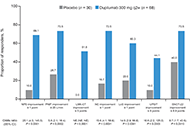
Efficacy outcomes assessed: NPS, peak nasal inspiratory flow (PNIF), Lund-Mackay computed tomography (LMK-CT), nasal congestion/obstruction (NC), loss of smell (LoS), rhinosinusitis visual analog scale (rhino-VAS), University of Pennsylvania Smell Identification Test (UPSIT), 22-item Sinonasal Outcome Test (SNOT-22) in patients receiving dupilumab 300 mg or placebo every 2 weeks. Responder analyses evaluated clinically meaningful improvements [≥ 1 (NPS, NC, LoS); ≥ 5 (LMK-CT); ≥ 8 (UPSIT); ≥ 8.9 (SNOT-22); ≥ 20 L/min (PNIF)].
Results:
Ninety-eight patients were included [59% prior NP surgery, 84% systemic corticosteroids (SCS) use in the previous 2 years, 60% coexisting asthma, 91% anosmic, 97% impaired nasal airflow]. Least squares (LS) mean differences [dupilumab vs. placebo (95% CI)] in change from baseline at week (W) 24: NPS, −2.04 (−2.67, −1.40); PNIF, 65.9 (39.4, 92.4) L/min; LMK-CT, −4.97 (−6.50, −3.44); NC, −1.30 (−1.72, −0.89); LoS, −0.96 (−1.39, −0.54); Rhino-VAS, −3.37 (−4.67, −2.07); UPSIT, 8.55 (4.91, 12.20); SNOT-22, −25.3 (−34.1, −16.4) (all P < 0.0001).
Conclusions:
In patients with CRSwNP with complete bilateral nasal obstruction, dupilumab treatment resulted in clinically significant improvements in NPS, LMK-CT, PNIF, symptoms, and health-related quality of life.
Aim:
The impact of complete bilateral nasal obstruction [nasal polyp score (NPS) = 8/8] on treatment outcomes in chronic rhinosinusitis with nasal polyps (CRSwNP) is unclear. This post hoc analysis assessed disease burden and dupilumab efficacy in patients with severe CRSwNP and baseline NPS = 8 in SINUS-24/-52 (NCT02912468/NCT02898454).
Methods:
Efficacy outcomes assessed: NPS, peak nasal inspiratory flow (PNIF), Lund-Mackay computed tomography (LMK-CT), nasal congestion/obstruction (NC), loss of smell (LoS), rhinosinusitis visual analog scale (rhino-VAS), University of Pennsylvania Smell Identification Test (UPSIT), 22-item Sinonasal Outcome Test (SNOT-22) in patients receiving dupilumab 300 mg or placebo every 2 weeks. Responder analyses evaluated clinically meaningful improvements [≥ 1 (NPS, NC, LoS); ≥ 5 (LMK-CT); ≥ 8 (UPSIT); ≥ 8.9 (SNOT-22); ≥ 20 L/min (PNIF)].
Results:
Ninety-eight patients were included [59% prior NP surgery, 84% systemic corticosteroids (SCS) use in the previous 2 years, 60% coexisting asthma, 91% anosmic, 97% impaired nasal airflow]. Least squares (LS) mean differences [dupilumab vs. placebo (95% CI)] in change from baseline at week (W) 24: NPS, −2.04 (−2.67, −1.40); PNIF, 65.9 (39.4, 92.4) L/min; LMK-CT, −4.97 (−6.50, −3.44); NC, −1.30 (−1.72, −0.89); LoS, −0.96 (−1.39, −0.54); Rhino-VAS, −3.37 (−4.67, −2.07); UPSIT, 8.55 (4.91, 12.20); SNOT-22, −25.3 (−34.1, −16.4) (all P < 0.0001).
Conclusions:
In patients with CRSwNP with complete bilateral nasal obstruction, dupilumab treatment resulted in clinically significant improvements in NPS, LMK-CT, PNIF, symptoms, and health-related quality of life.
DOI: https://doi.org/10.37349/eaa.2024.00051
This article belongs to the special issue Update on Chronic RhinoSinusitis
Aim:
Monitoring the prevalence of severe acute respiratory syndrome coronavirus 2 (SARS-CoV2) immunization in patients with autoimmune diseases is of particular concern to understand their response to the infection and to the vaccine. In fact, the immunological disorder and the immunosuppressive therapies could affect the serological response. SARS-CoV2 serological tests potentially provide this in
Methods:
From May to December 2020, a cohort of patients affected by primary biliary cholangitis (PBC), autoimmune hepatitis (AIH) and PBC/AIH overlap syndrome were screened with reverse transcription-polymerase chain reaction (RT-PCR) of nasopharyngeal swabs, rapid antigenic test and chemiluminescent serological test during routine follow-up.
Results:
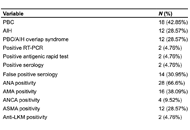
The analysis of 42 patients was carried out: 18 (42.85%) PBC, 12 (28.57%) AIH and 12 (28.57%) PBC/AIH overlap syndromes. Only 2 patients (4.76%) resulted positive to the RNA, antigen and antibody detection tests, hence affected by SARS-CoV2 infection. 14 subjects out of 40 negative cases presented a positive serology
Conclusions:
Patients with liver autoimmune diseases present a high rate of false positive SARS-CoV2 serology. There
Aim:
Monitoring the prevalence of severe acute respiratory syndrome coronavirus 2 (SARS-CoV2) immunization in patients with autoimmune diseases is of particular concern to understand their response to the infection and to the vaccine. In fact, the immunological disorder and the immunosuppressive therapies could affect the serological response. SARS-CoV2 serological tests potentially provide this in
Methods:
From May to December 2020, a cohort of patients affected by primary biliary cholangitis (PBC), autoimmune hepatitis (AIH) and PBC/AIH overlap syndrome were screened with reverse transcription-polymerase chain reaction (RT-PCR) of nasopharyngeal swabs, rapid antigenic test and chemiluminescent serological test during routine follow-up.
Results:
The analysis of 42 patients was carried out: 18 (42.85%) PBC, 12 (28.57%) AIH and 12 (28.57%) PBC/AIH overlap syndromes. Only 2 patients (4.76%) resulted positive to the RNA, antigen and antibody detection tests, hence affected by SARS-CoV2 infection. 14 subjects out of 40 negative cases presented a positive serology
Conclusions:
Patients with liver autoimmune diseases present a high rate of false positive SARS-CoV2 serology. There
DOI: https://doi.org/10.37349/emed.2021.00055
This article belongs to the special issue Exploring Chronic Liver Disease
Aim:
Coronavirus disease 2019 (COVID-19) became pandemic on 11th March 2020 and it deeply stressed the healthcare system. Cancer patients represent a vulnerable population, so many recommendations have been approved to ensure optimal management. Clinical research was notably impacted by COVID too. This review aims to analyze the challenges occurred during a pandemic
Methods:
The studies included in the present review were selected from PubMed/Google Scholar/ScienceDirect databases.
Results:
During the first phase of pandemic many clinical trials were suspended in accrual and, as the pandemic progressed, recommendations were established to guarantee the safety and the continuity of care of enrolled patients. In addition, lot of new strategies was found during the pandemic to reduce the negative consequences on clinical trial per
Conclusions:
Among all modifiers, investigators would prefer to maintain the positive ones such as pragmatic and simplified trial designs and protocols, reducing in-person
Aim:
Coronavirus disease 2019 (COVID-19) became pandemic on 11th March 2020 and it deeply stressed the healthcare system. Cancer patients represent a vulnerable population, so many recommendations have been approved to ensure optimal management. Clinical research was notably impacted by COVID too. This review aims to analyze the challenges occurred during a pandemic
Methods:
The studies included in the present review were selected from PubMed/Google Scholar/ScienceDirect databases.
Results:
During the first phase of pandemic many clinical trials were suspended in accrual and, as the pandemic progressed, recommendations were established to guarantee the safety and the continuity of care of enrolled patients. In addition, lot of new strategies was found during the pandemic to reduce the negative consequences on clinical trial per
Conclusions:
Among all modifiers, investigators would prefer to maintain the positive ones such as pragmatic and simplified trial designs and protocols, reducing in-person
DOI: https://doi.org/10.37349/etat.2023.00183
This article belongs to the special issue COVID-19 and Cancer
The coronavirus disease 2019 (COVID-19) results from the infection of severe acute respiratory syndrome coronavirus-2 (SARS-CoV-2) and primarily affects the respiratory tissue. Since first reported from Wuhan, China in December 2019, the virus has resulted in an unprecedented pandemic. Vaccination against SARS-CoV-2 can control the further spread of the ongoing pandemic by making people immunised to SARS-CoV-2. Several vaccines have been approved
The coronavirus disease 2019 (COVID-19) results from the infection of severe acute respiratory syndrome coronavirus-2 (SARS-CoV-2) and primarily affects the respiratory tissue. Since first reported from Wuhan, China in December 2019, the virus has resulted in an unprecedented pandemic. Vaccination against SARS-CoV-2 can control the further spread of the ongoing pandemic by making people immunised to SARS-CoV-2. Several vaccines have been approved
DOI: https://doi.org/10.37349/ei.2021.00030
This article belongs to the special issue Vaccine-induced Immune Responses Against SARS-CoV-2 Infections
