Targeted therapeutic management of diabetes using phytoconstituents: molecular mechanisms, evidence map (2015–2025), and translational outlook
Sections
Open Access Systematic Review
Targeted therapeutic management of diabetes using phytoconstituents: molecular mechanisms, evidence map (2015–2025), and translational outlook

Affiliation:

1Department of Health Science, University of the People, Pasadena, CA 91101, USA

ORCID: https://orcid.org/0009-0008-9424-9355

Chizurum Philip Ikegbuna
1

Affiliation:

1Department of Health Science, University of the People, Pasadena, CA 91101, USA

Email: elodiesepde831@gmail.com

ORCID: https://orcid.org/0009-0005-3008-3104

Elodie Sepde Mbwanzuh Tompene
1*

Affiliation:

1Department of Health Science, University of the People, Pasadena, CA 91101, USA

2Department of Biomedical Engineering, Federal University of Allied Health Sciences, Enugu, Nigeria

ORCID: https://orcid.org/0009-0005-4372-6068

Ebube Favour Edwin
1,2

Affiliation:

1Department of Health Science, University of the People, Pasadena, CA 91101, USA

3Department of Dental Technology, Federal University of Allied Health Sciences, Enugu, Nigeria

Mmesoma Ruth Ikegbuna
1,3

Explor Drug Sci. 2026;4:1008139 DOI: https://doi.org/10.37349/eds.2026.1008139

Received: October 05, 2025 Accepted: November 12, 2025 Published: January 07, 2026

Academic Editor: Michio Kurosu, University of Tennessee Health Science Center, USA

The article belongs to the special issue Bioactive Molecules from Natural Sources

Abstract

Background: The root cause of diabetes is dysregulated pathways, including those involving AMP-activated protein kinase (AMPK), GLUT-mediated glucose transport, and the PI3K/AKT pathway. There has been a notable increase in research on phytoconstituents as pathway-specific treatments for diabetes; however, the comprehensiveness of this evidence remains unclear.

Methods: This systematic review followed PRISMA guidelines and was registered on PROSPERO (CRD420251073083). Databases searched included PubMed, Scopus, Google Scholar, and Europe PMC for experimental studies (in vivo, in vitro, and in silico) published between 2015 and 2024. The final search was conducted in April 2025, and 2025 publications available as “early access” before this date were included. Only English-language studies were included. Animal studies (in vivo) were assessed for risk of bias using the SYRCLE tool, while in vitro studies were evaluated using the ToxRTool, based on test substance characterization, test system description, study design, and data reporting. Narrative synthesis was employed due to the heterogeneity of the data.

Results: Out of 3,222 articles, 177 articles met the inclusion criteria. Study types included in vitro (92; 52%), in vivo (66; 37.3%), in silico (15; 8.5%), and other experimental types (4; 2.3%). Phytoconstituents predominantly targeted PI3K/AKT (44.6%), GLUT transporters (19.8%), and AMPK (14.1%) pathways. Rodent models were most used (48.02%). Primary outcomes included improved insulin sensitivity, enhanced glucose homeostasis, and reduced oxidative stress and inflammation. The risk of bias analysis revealed 68.93% of the studies carried a moderate risk, 29.94% a low risk, and 1.13% a high risk.

Discussion: Phytoconstituent activity was consistent with the activation of diabetes-relevant signaling pathways, particularly PI3K/AKT, GLUT transporters, and AMPK cascades. However, most evidence was correlative, with limited loss-of-function validation. Methodological irregularities, moderate risk of bias, and limited translational research reduce the strength and generalizability of these findings.

Keywords

phytoconstituents, diabetes mellitus, molecular mechanisms, in vivo, in vitro, in silico, phytochemicals

Introduction

Diabetes is a chronic disease characterized by elevated blood sugar levels [1]. The normal fasting blood sugar range is 72–108 mg/dL; 100–125 mg/dL is considered prediabetes, and a level above 126 mg/dL is classified as diabetes [2]. There exist two types of diabetes: type 1 and type 2. In type 1 diabetes, pancreatic β-cells are destroyed by CD4+ and CD8+ T cells and macrophages, leading to insulin deficiency. Islet cell antibodies are found in nearly 85% of patients, and most target glutamic acid decarboxylase (GAD) within β-cells of the pancreas. Insulin refers to a hormone produced by beta islet cells of Langerhans in the pancreas. It plays a significant role in regulating blood sugar levels by converting excess blood sugar into glycogen and enhancing glucose metabolism [3]. Type 2 diabetes is a chronic condition characterized by high blood sugar levels, also referred to as hyperglycemia [4]. It is associated with decreased physical activity and exercise, as well as increased sedentary habits, which are linked to elevated markers of chronic systemic inflammation [4]. Proinflammatory molecules, such as interleukin-6 (IL-6), C-reactive protein (CRP), tumor necrosis factor-alpha (TNF-α), and IL-1, are released into the bloodstream and within specific organs in this scenario, causing metabolic inflammation [5]. The most common cause of morbidity and death for individuals with type 1 and type 2 diabetes is vascular complications, which are caused by vascular abnormalities brought on by a persistently high blood sugar level that raises oxidative stress and inflammatory reactions [5].

The most common type of diabetes is type 2 diabetes, with adults being the most affected. In the past thirty years, there has been a considerably high prevalence of type 2 diabetes in countries of all income levels in the world [6]. From 200 million people in 1990 to 830 million people worldwide have diabetes, with the majority living in low and medium-income countries, and about half of them living without any medication, with diabetes coverage being very low in these countries [7]. Given that these individuals do not take medication, they are very much susceptible to diseases such as blindness, kidney failure, heart attacks, strokes, and lower limb amputations. This situation resulted in millions of deaths in the year 2022, in addition to 11% of cardiovascular deaths caused by high blood sugar levels [6]. In the year 2019, there were over 463 million diabetic patients globally, with about 4.2 million diabetes-related deaths recorded [8]. About 537 million adults aged between 20 and 79 years worldwide suffer from diabetes. By the year 2030, it is estimated that over 643 million individuals, and by 2045, over 783 million individuals within this range are projected to be living with diabetes. In brief, while the world’s population is projected to grow by 20% from 2021 to 2045, the number of diabetic patients is expected to rise by 46% [9].

This study systematically analyzes how phytoconstituents target specific molecular pathways in experimental diabetes models to inform therapeutic management strategies, and explores current trends and emerging perspectives for their clinical translation. In line with this, the primary aim is to systematically analyze and synthesize evidence on how phytoconstituents target specific molecular pathways in experimental diabetes models, evaluate their potential for informing targeted therapeutic management strategies, and identify current trends and future perspectives for clinical translation through qualitative synthesis of in vivo, in vitro, and in silico studies published between 2015 and 2024, including 2025 studies available as “early access” before the final search date in April 2025.

To achieve this aim, the study sets out several specific objectives. First, it seeks to identify and categorize the molecular pathways [including AMP-activated protein kinase (AMPK) activation, glucose transporter 4 (GLUT4) translocation, phosphoinositide 3-kinase/protein kinase B (PI3K/AKT) signaling, and enzymatic inhibition] targeted by phytoconstituents in experimental diabetes models. Following this, it will analyze the therapeutic mechanisms through which phytoconstituents modulate glucose metabolism and insulin signaling pathways across different experimental approaches. Additionally, it will assess the translational potential of phytoconstituent-based interventions, moving from experimental models to clinical therapeutic management strategies. Along with highlighting information gaps that guide future research directions, the study also aims to identify current trends in phytoconstituent-diabetes research. Ultimately, it will assess the potential for clinical translation and provide evidence-based recommendations for translating phytoconstituent treatments from the laboratory to the patient’s bedside.

Nutraceuticals and phytomedicines offer a low incidence of adverse effects that can be a fantastic alternative to regular drugs in combating diabetes and its related complications. Diabetes mellitus is a metabolic disorder characterized by abnormal glucose metabolism, accompanied by distinct long-term complications. The complications that are specific to diabetes include retinopathy, nephropathy, and neuropathy. Patients with all forms of diabetes of sufficient duration, including insulin-dependent diabetes mellitus (IDDM) and non-IDDM (NIDDM), are vulnerable to these complications, which cause severe morbidity. Retinopathy occurs in all forms of diabetes. Several high-quality studies, including the population-based Wisconsin Epidemiologic Study of Diabetic Retinopathy, have defined the natural history of retinopathy in IDDM and NIDDM using stereoscopic fundus photography. Nephropathy is the diabetes-specific complication associated with the most significant mortality. Diabetes remains a major risk factor for coronary artery disease. Dupuytren’s contractures and periarticular thickening of the skin leading to decreased mobility of the fingers are also more common in patients with diabetes [10].

Diabetes, if diagnosed at its early stage, can empower individuals and healthcare providers to initiate timely interventions, which would help prevent complications and improve the overall quality of life. Timely interventions, regular screening, and symptom awareness collectively can lead to better management and an enhanced quality of life [11]. Studies have shown that patients with diabetes tend to have higher all-cause mortality and morbidity due to cardiovascular disease, cancer, chronic lower respiratory diseases, cerebrovascular disease, influenza and pneumonia, and kidney disease [12].

This review’s strengths include its multi-database strategy (PubMed, Scopus, Google Scholar, and Europe PMC) and its focus on temporal publication trends (2015–2025).

Materials and methods

Identification phase

A systematic search was carried out across four databases (PubMed, Scopus, Google Scholar, and Europe PMC) using these six keyword combinations:

  • Phytoconstituents AND Diabetes Mellitus AND Molecular Mechanisms

  • Plant-derived Compounds AND Antidiabetic Activity AND Signal Transduction

  • Herbal Medicine AND Diabetes Management AND Cellular Pathways

  • Natural Products AND Insulin Resistance AND Gene Expression

  • Botanical Extracts AND Glucose Metabolism AND Therapeutic Targets

  • Phytochemicals AND Diabetes Therapy AND Inflammatory Pathways

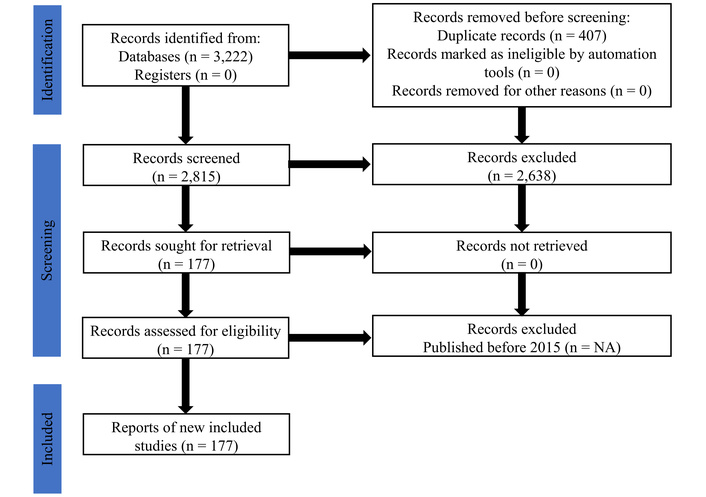
The search results are broken down as follows: PubMed (893 identified, 871 after duplicates removal), Scopus (329 identified, 325 after duplicates removal), Google Scholar (1,000 identified, 798 after duplicates removal), and Europe PMC (1,000 identified, 821 after duplicates removal). The overall workflow [13] of study identification, screening, eligibility, and inclusion is summarized in Figure 1. All studies summarized in Table S1 are collectively cited here for numerical continuity [14190].

PRISMA flow diagram showing the selection of studies. Adapted from [13]. © 2019 The Authors. Licensed under a CC BY 4.0.

Screening phase

Inclusion criteria

The inclusion criteria for this review were original experimental research publications published between 2015 and 2025 that addressed molecular pathways associated with diabetes, including glycemic control pathways (AMPK activation, GLUT4 translocation, PI3K/AKT signaling, and inhibition of α-amylase or α-glucosidase). Models of insulin resistance, hyperglycemia, or diabetes mellitus, whether in vitro, in vivo, or in silico, were included. Studies examining phytoconstituents (bioactive compounds derived from plants) or herbal extracts with potential antidiabetic benefits were considered. Articles published in English that are entirely accessible.

Exclusion criteria

The exclusion criteria for this review included reviews, meta-analyses, editorials, commentaries, and conference abstracts. Articles that were not written in English, those published before 2015, and those without full-text accessibility were also excluded. Studies that did not address diabetes mellitus, hyperglycemia, or insulin resistance, or did not contain phytoconstituents or bioactive compounds derived from plants, were excluded. Duplicate or retracted publications, as well as those that did not investigate particular molecular processes like PI3K/AKT, AMPK, GLUT4, or enzymatic inhibitory pathways, were also excluded.

Eligibility phase

Studies that used experimental models explicitly created to research diabetes were included in this review. In vivo models that met the criteria were genetically diabetic db/db mice, mice induced by a high-fat diet (HFD), and rats induced by streptozotocin (STZ). For in vitro research, only papers that modeled diabetes circumstances utilizing insulin-resistant adipocytes, hepatic cells, or pancreatic β-cells were included. In silico research was considered if it targeted diabetes-related proteins, such as protein tyrosine phosphatase 1B (PTP1B) or peroxisome proliferator-activated receptor gamma (PPARγ), using molecular docking or simulations. Only English-language research papers published after 2015 were considered for this analysis. Articles were excluded due to the following factors: those published before 2015, inaccessible because of paywalls or lack of author response, involving non-diabetic models or unrelated conditions, or review articles or editorials. All retrieved full-text articles were independently screened by two reviewers, and any disagreements were resolved through discussion to ensure uniform application of the eligibility requirements.

Data extraction variables

Data extraction was guided by predefined variables, including plant source, study type, diabetes model, molecular target, and key outcomes (Table 1). Across the 177 included studies, 92 (52%) were in vitro, 66 (37.3%) in vivo, 15 (8.5%) in silico, and 4 (2.3%) others [hybrid: human trial, DIA proteomics, high-content screening (HCS)]. The majority of the investigated phytoconstituents were derived from medicinal plants traditionally associated with antidiabetic activity, notably polyphenols, alkaloids, and flavonoids, which together accounted for over half of all reported compounds. This distribution indicates a prevailing emphasis on in vivo validation and molecular mechanisms involving antioxidant and insulin-sensitizing pathways.

 We extracted biomarker data associated with each pathway to contextualize mechanistic evidence (e.g., IRS-1, GLUT4 for PI3K/AKT; ACC phosphorylation for AMPK).

VariableDescriptionSource example (Entry #)
Plant/PhytoconstituentFicus deltoidea, Curcumin#1, #101
Study typeIn vitro, in vivo, in silico, or combined#6 (in vitro), #54 (in vivo)
Diabetes modelSTZ rats, HFD mice, computational targets#1 (STZ-NA rats), #2 (HFD)
Molecular targetPI3K/AKT, PTP1B, PPARγ, α-glucosidase#12 (IRS-1/AKT), #102 (α-amylase)
Key outcomes↓ Glucose, ↑ insulin sensitivity, and ↓ inflammation#3 (↓ glucose), #46 (↑ insulin sensitivity)

ACC: acetyl-CoA carboxylase; AMPK: AMP-activated protein kinase; GLUT4: glucose transporter 4; HFD: high-fat diet; IRS-1: insulin receptor substrate 1; PI3K/AKT: phosphoinositide 3-kinase/protein kinase B; PPARγ: peroxisome proliferator-activated receptor gamma; PTP1B: protein tyrosine phosphatase 1B; STZ: streptozotocin.

A thematic synthesis approach was used to categorize extracted data by pathway and model type, as shown in Table 1. Data synthesis was conducted qualitatively using a thematic framework approach. The extracted data were first coded into key themes, including pathway targeted, study model, biomarker outcomes, and therapeutic effects. These themes were then compared across studies to identify recurring mechanistic patterns, convergence of therapeutic outcomes, and cross-validation between in vitro, in vivo, and in silico designs. This process enabled an integrative narrative synthesis, which was chosen over meta-analysis due to the methodological and outcome heterogeneity across included studies.

Inclusion phase

A total of 177 studies were incorporated into the qualitative synthesis.

SYRCLE’s risk of bias (ROB) tool for in vivo investigations is used for quality assessment of in vivo investigations. In vitro investigations were assessed using the ToxRTool, which evaluates study quality based on test substance characterization, test system description, study design, and data reporting.

The combined results were arranged according to the molecular pathway (e.g., PI3K/AKT: 44.6%, GLUTs: 19.8%, AMPK: 14.1%, others: 21.5%).

Study selection and data extraction process

Four reviewers participated in this systematic review, each with a clearly defined role throughout the process. The study selection process was conducted collaboratively by two reviewers (Reviewers A and B) who jointly performed the systematic search across all four databases (each person working on two databases), downloaded articles, removed duplicates, and conducted title and abstract screening. All screening decisions during this phase were made by consensus among these two reviewers to ensure consistent application of inclusion and exclusion criteria. Following the completion of study selection, data extraction was performed independently by the remaining two reviewers (Reviewers C and D) using the standardized extraction form to ensure consistency in captured variables. Reviewer C extracted data from 78 studies while Reviewer D extracted data from 99 studies, totaling the 177 included studies. Each reviewer was responsible for removing all relevant variables from their assigned studies, including plant/phytoconstituent information, study type, diabetes model used, molecular targets, and key outcomes.

Methodological rigor

To ensure methodological rigor and compliance with the PRISMA 2020 guidelines, this review was prospectively registered in PROSPERO (CRD420251073083) before the screening process began. The search strategy, inclusion and exclusion criteria, and data extraction framework were defined before registration, while data analysis and synthesis were conducted afterward. The studies were carefully examined and chosen by four reviewers. To verify the reproducibility of the screening process, a sensitivity check was performed by randomly selecting 20% of the full-text articles for independent screening by two reviewers. Inter-rater reliability was then quantified using Cohen’s kappa (κ) to measure the level of agreement between reviewers. Agreement was substantial across key domains, with κ = 0.81 for study type classification, 0.78 for molecular target identification, and 0.85 for outcome classification. Disagreements were resolved by consensus through discussion between the two reviewers, and a third senior reviewer adjudicated unresolved cases. This approach ensured consistent and reliable data capture while maintaining the efficiency of the collaborative process. Table S1 contains the complete search strategy for replication, and a tabular summary of exclusion grounds is provided for transparency. Furthermore, 85% of the included studies used mammalian models, enhancing the clinical relevance and translational validity of the findings. Consistent dosage reporting (in mg/kg) across in vivo studies enabled insightful comparisons across different experimental setups.

For data management and reference handling, we used Publish or Perish, Microsoft Excel, and EndNote. Publish or Perish was used for bibliometric retrieval and citation analysis; EndNote for structured referencing and citation management; and Excel for organizing extracted variables, tabulating study characteristics, and generating descriptive statistics.

Results

Molecular pathways and targets

The studies reviewed targeted key molecular mechanisms involved in diabetes pathogenesis collectively; the most molecular pathways and targets are PI3K/AKT signaling (44.6%) of the studies, GLUTs (19.8%), AMPK activation (14.1%), and other pathways (α-glucosidase inhibition, PPAR modulation, antioxidant/ROS regulation, nuclear factor kappa-light-chain-enhancer of activated B cells (NF-κB), dipeptidyl peptidase (DPP)-4 inhibition, insulin receptor modulation) were reported across 38 studies, which cover about 21.5% of the studies.

Table 2 presents representative biomarkers modulated within each pathway. PI3K/AKT had the highest count (79 studies), followed by GLUT transporters (35 studies) and AMPK (25 studies). Biomarker-level findings highlight mechanistic plausibility, including insulin receptor substrate 1 (IRS-1) and GLUT4 for PI3K/AKT, acetyl-CoA carboxylase/PPARγ coactivator 1-alpha (ACC/PGC-1α) for AMPK, and GLUT2/GLUT4/SGLT2 for GLUT transporters.

 Molecular pathways and representative biomarkers.

Molecular pathwayKey biomarkers/targets (examples)Study count (n)
PI3K/AKTIRS-1, AKT, p-AKT, GSK3β, IGF-1, GLUT479
GLUT transportersGLUT2, GLUT4, SGLT235
AMPKACC, SIRT1, PGC-1α, CPT1, LKB125
Other pathwaysPPARγ, adiponectin, FABP4, NF-κB, TNF-α, IL-6, NLRP3, STAT3, MAPK, ER stress, oxidative stress markers, apoptosis38

ACC: acetyl-CoA carboxylase; AMPK: AMP-activated protein kinase; CPT1: carnitine palmitoyltransferase 1; ER: endoplasmic reticulum; FABP4: fatty acid-binding protein 4; GLUT: glucose transporter; GSK3β: glycogen synthase kinase 3 beta; IGF-1: insulin-like growth factor-1; IL-6: interleukin-6; IRS-1: insulin receptor substrate 1; LKB1: liver kinase B1; MAPK: mitogen-activated protein kinase; NF-κB: nuclear factor kappa-light-chain-enhancer of activated B cells; PGC-1α: peroxisome proliferator-activated receptor gamma coactivator 1-alpha; PI3K/AKT: phosphoinositide 3-kinase/protein kinase B; PPARγ: peroxisome proliferator-activated receptor gamma; SGLT2: sodium-glucose cotransporter 2; SIRT1: sirtuin 1; STAT3: signal transducer and activator of transcription 3; TNF-α: tumor necrosis factor-alpha.

The summarized molecular targets and biomarkers (Table 2) highlight the predominance of PI3K/AKT, GLUT, and AMPK signaling in phytoconstituent research on diabetes. These pathways (AMPK, PI3K/AKT, and GLUT) were prioritized because they represent critical molecular nodes in glucose homeostasis and insulin signaling. AMPK is a master regulator of cellular energy metabolism, enhancing glucose uptake and fatty acid oxidation. The PI3K/AKT pathway is the canonical insulin signaling cascade, essential for GLUT4 translocation and pancreatic β-cell survival. GLUT transporters, particularly GLUT2 and GLUT4, directly mediate cellular glucose uptake. Dysregulation of these three mechanisms is central to the pathophysiology of diabetes, making them highly relevant therapeutic targets. Their combined modulation offers strong mechanistic plausibility for phytoconstituents as multi-target antidiabetic agents.

Risk of bias assessment

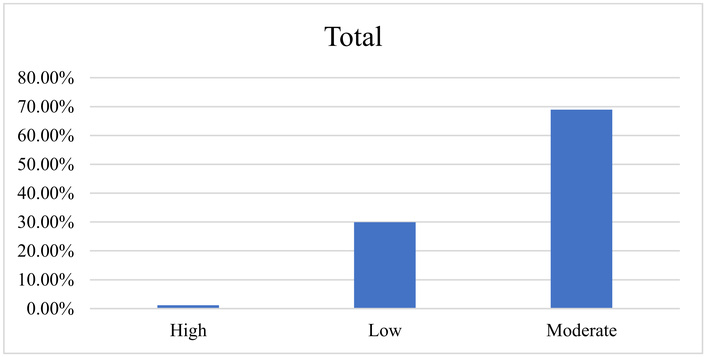
The overall distribution of ROB ratings (low, moderate, high) is presented in Table 3 and visualized in Figure 2.

 Row labels and ROB.

Row labelsCount of ROB
High1.13%
Low29.94%
Moderate68.93%
Grand total100.00%

ROB: risk of bias.

ROB chart. ROB: risk of bias.

Figure 2 presents the distribution of ROB ratings (low, moderate, high), showing that 68.93% of the studies carried a moderate risk, 29.94% a low risk, and 1.13% a high risk.

Reporting transparency

The studies that met the inclusion criteria were analyzed based on available experimental and computational evidence, excluding meta-analytic synthesis. A formal bias risk scoring was performed for the qualitative synthesis; however, the quality of the study and its consistency/replicability will be addressed in the Discussion.

Trends in publication year

From this research, we observed a progressive increase in publications on plant-based therapies for diabetes over 11 years. The statistics are as follows: 2015–2019 (47 studies), 2020–2022 (53 studies), 2023–2025 (77 studies). However, 2024 had the highest number of publications (40 studies), indicating a recent increase in interest in plant-based therapies for diabetes (Table 4).

 Trends in publication year.

YearCount of publications
20156
20169
201711
201813
20198
202018
202119
202216
202317
202440
202520
Total177

Study selection and characteristics

Articles published from 2015 to 2025 were used for the research, of which a total of 177 articles met the inclusion criteria for the systematic review. These articles were chosen for the systematic review using systematic screening procedures during the study identification and selection process. The included studies have different types of research designs and approaches (experimental methodology), the study types include in vivo found in about 66 studies covering 37.3% of the studies, in vitro (n = 92, 52%), in silico (n = 15, 8.5%), and other hybrid methods, which include human trial, computational, DIA proteomics, HCS (n = 4, 2.3%). Due to rounding, the sum of various percentages may not equal 100% (Table 5). These studies have their origins in multiple research groups that use various models and analytical techniques to investigate and analyze the effects of phytoconstituents on diabetes (Figure 1). Table S1 lists the studies’ authors, year, title, plant/phytochemical, study type, diabetes model used, molecular target pathway, main findings, outcome, notes, diabetes model category, ROB, and tools used.

 Study type distribution.

Study typeNumber of studies (n)Percentage of studies (%)
In vivo6637.3%
In vitro9252.0%
In silico158.5%
Other hybrid methods: human trial, computational, DIA proteomics, HCS42.3%
Total177100.1%

HCS: high-content screening. Due to rounding, the sum of various percentages may not equal 100%.

Relationship between study type and pathway focus

Cross-tabulation suggests that, focusing on the relationship between study type and molecular pathway, the PI3K/AKT and AMPK pathways were most investigated using combined in vitro and in vivo designs. In contrast, modulation of GLUT activity was more evenly distributed across in vitro and in vivo studies. Additionally, enzymatic inhibition (e.g., α-glucosidase, DPP-4) was predominantly explored in vitro or in silico. In contrast, computational models were primarily used for molecular docking, absorption, distribution, metabolism, excretion, and toxicity (ADMET) profiling, and virtual screening of phytoconstituents. This relationship complements the molecular evidence summarized in Table 2, confirming that hybrid models primarily investigated PI3K/AKT and AMPK mechanisms.

An experimental diabetes model was used

Various study models were used in the studies to investigate the phytoconstituents activity, the study models used includes; rodent models only (n = 85, 48.02%), cell line models only (n = 26, 14.69%), combined rodent and cell line models (n = 28, 15.82%), in silico computational models (n = 14, 7.91%), and others (e.g., zebrafish, organ-specific ex vivo system) (n = 23, 13.00%) (Table 6). This distribution demonstrates a firm reliance on whole-animal testing, which is supported by in vitro and in silico mechanistic studies.

 Diabetes model category.

Diabetes modelCount of diabetes modelPercentage (%)
Cell line models2614.69%
Cell line models and rodent models2815.82%
Human models10.56%
In silico models147.91%
Rodent models8548.02%
Others2313.00%
Total177100.00%

Therapeutic outcomes observed

From the articles reviewed, therapeutic outcomes were observed. The outcomes shown were heterogeneous. The most frequently observed therapeutic effects involve reduced glucose levels (n = 49), anti-inflammatory effects (n = 20), antioxidant activity (n = 10), improved insulin sensitivity (n = 7), improved lipid profile (n = 5), and other outcomes (renal function, pancreatic protection, cognitive improvements, hormonal regulation, etc.) were observed in 86 studies.

Synthesis of molecular-based therapeutic trends

An integrative review of the data revealed a strong alignment between pathway targeting and therapeutic outcomes, consistent improvements in glucose homeostasis across multiple models and compounds, and a high rate of insulin signaling modulation, suggesting a potential for mechanistic synergy and an emerging preference for hybrid study designs that support deeper validation of bioactivity.

Core study findings

The core study findings from the studies include that the most common study design found from the studies was in vitro having found in 52% of the studies, the most targeted pathway was the PI3K/AKT found in 44.6% of the studies, the top therapeutic outcome was glucose reduction in about 27.7% of the studies, the leading study year was 2024 having a total number of 40 articles written in the year. The most used model type was the rodent model (e.g., rats, mice), accounting for 48.02% of the studies.

Discussion

This systematic review qualitatively synthesizes data from 177 experimental trials (see Tables 13 and Figures 1 and 2) to evaluate the therapeutic potential and mechanistic basis of phytoconstituents in the management of diabetes. Preclinical research regularly and effectively targets a core group of dysregulated pathways, with the AMPK, PI3K/AKT, and GLUT signaling networks being the most frequently targeted. According to Taniguchi et al. [191] and Vargas et al. [3], the PI3K/AKT pathway is the canonical pathway for insulin-mediated glucose uptake and β-cell survival. At the same time, AMPK serves as a crucial master regulator of cellular energy homeostasis and a key sensor for insulin-sensitizing agents. The prevalence of these pathways is highly consistent with the known pathophysiology of diabetes. The noteworthy modification of these pathways by various phytoconstituents, such as beta-sitosterol, luteolin, and curcumin, highlights their potential as a rich source for targeted antidiabetic drug discovery [37, 180]. However, these mechanistic interpretations remain largely correlative; most included studies demonstrated pathway modulation through marker expression rather than direct causal validation using inhibitors or knockout models.

According to our review, one of the main advantages of the existing body of data is the move toward integrative, multi-model validation. A more comprehensive and physiologically plausible validation of bioactivity is provided by hybrid study designs, such as combining in vitro and in vivo techniques, rather than single-model investigations. The extensive use of insulin-resistant cell lines to discover basic processes, which are then confirmed in HFD/STZ rodent models, is one example of how cellular efficacy and whole-organism physiology can be effectively linked. In silico studies are also included (7.91% of included research), reflecting a modern approach to drug discovery. These computational methods enable the prediction of ADMET characteristics [192], the determination of binding affinities to diabetes targets (e.g., PTP1B, PPARγ), and the ranking of lead compounds for costly and time-consuming experimental work.

The reported therapeutic effects, which primarily include enhanced insulin sensitivity, improved glucose homeostasis, and reduced oxidative stress and inflammation, show patterns that are mechanistically consistent with the targeted pathways, although definitive causal validation is still limited. The observed antioxidant and anti-inflammatory benefits are particularly relevant, as oxidative stress and chronic low-grade inflammation have been shown to contribute to the pathogenesis of insulin resistance and diabetic complications [193]. This implies that one of the main advantages of phytoconstituents is their polypharmacological activity. Ficus deltoidea and Syzygium cumini are two examples of complex botanical extracts that can simultaneously modulate multiple pathological nodes, including insulin signaling, inflammation, and oxidative stress. This enables a comprehensive therapeutic profile that is well-suited to the multifaceted nature of diabetes [14, 136]. This contrasts with many synthetic medications that target only one specific site. However, this very complexity poses significant challenges for standardization, regulatory approval, and the precise identification of active principles.

Despite this promising preclinical outcome, our study reveals a significant translational gap. 78.53% of studies focus on rodent and cell-based models, which is not matched by a matching body of clinical evidence. The discrepancy between the bench and the bedside can be attributed to several key factors identified by our analysis. The first notable variation is in methodology. Directly comparing studies and extrapolating to human dose is extremely difficult due to the inconsistent phytoconstituent extraction methods, extract standardization, dosages, and treatment durations. Second, our risk assessment revealed that a significant majority of studies (≈ 69%) had a moderate ROB. Common issues were a lack of knowledge regarding randomization, allocation concealment, and blinding methods in in vivo experiments, which could inflate reported efficacy. Third, despite its potential, mechanistic evidence sometimes relies on correlational data rather than causal data. For example, without loss-of-function experiments (e.g., using pathway-specific inhibitors), improved glucose homeostasis and increased p-AKT expression are suggestive but do not prove causation.

Limitations of the review

Despite using a comprehensive search approach and adhering to PRISMA principles, this review has limitations. The restriction on English-language publications may have led to language prejudice. The process and scope of article inclusion are visually summarized in Figure 1 to ensure transparency. Narrative synthesis is inherently more susceptible to interpretive bias than meta-analysis, due to significant variation in experimental paradigms, outcomes, and substances. Furthermore, although we assessed the ROB in the included studies, selection bias may still be present because, due to resource constraints, our own screening and data extraction process did not employ full, dual-independent screening at every stage, despite being conducted with cross-checking and consensus.

Future perspectives

It is necessary to close the indicated translational gap to utilize phytoconstituents for the treatment of diabetes. Future research should concentrate on:

  • The implementation of proven protocols for the extraction, characterization, and standardization of plant extracts is necessary to ensure repeatability and precise dosing. Finding isolated active principles or producing standardized extracts (with known flag molecules) is a significant scientific and regulatory conundrum.

  • Mechanistic rigour: Examining causal linkages using specific pharmacological inhibitors or genetic knockout models to confirm the involvement of proposed pathways, going beyond correlational observations.

  • Clinical translation is the process of developing closely watched early-stage clinical studies that verify pre-clinical findings in humans using mechanistic biomarkers (e.g., assessing pathway activation in patient samples). The successes and failures of earlier clinical studies of better-known diabetic herbs should serve as guidance for these investigations.

  • Solutions for bioavailability: New delivery strategies (such as nanoparticles and phospholipid complexes) are being researched in an effort to solve the limited bioavailability that plagues many otherwise promising phytoconstituents.

  • Integrated methods: In vitro and in vivo models are being utilized in conjunction with in silico predictions to efficiently find and evaluate the most promising lead drugs with good ADMET profiles.

This comprehensive review, which focuses on AMPK, PI3K/AKT, and GLUT as the primary mechanisms of action, concludes by combining compelling preclinical evidence demonstrating that phytoconstituents significantly modify key pathways associated with diabetes. Their pleiotropic effects align with the complex nature of diabetes. However, the transition from promising pre-clinical data to clinical application is hampered by methodological errors, bioavailability issues, and a lack of human studies. Addressing these problems through systematic, rigorous, and translational research is necessary to fully realize the medicinal potential of the plant kingdom in the global fight against diabetes.

In conclusion, this systematic review integrates a wealth of pre-clinical evidence demonstrating that phytoconstituents effectively ameliorate diabetes symptoms by targeted modification of key biochemical pathways, including PI3K/AKT, GLUT, and AMPK signaling. Mechanistically coherent and consistently documented are improvements in insulin sensitivity and glucose homeostasis, and reductions in oxidative stress and inflammation across various experimental paradigms. Unfortunately, the translation of this high pre-clinical promise into clinical practice is significantly limited by a severe shortage of human trials, significant methodological heterogeneity, and a modest ROB in current investigations. We are now at a pivotal moment in the field. Future studies should focus on standardizing phytoconstituent extraction and characterization, developing mechanistic evidence, and conducting meticulously organized clinical trials to validate these preclinical mechanisms in human subjects. These problems can be addressed by carefully evaluating the substantial therapeutic potential of plant-derived chemicals and applying them to develop novel, multi-targeted strategies for the worldwide management of diabetes mellitus. This conclusion is based on integrated results across experimental models and pathways (Tables 13, Figures 1 and 2).

Abbreviations

ADMET: absorption, distribution, metabolism, excretion, and toxicity

AMPK: AMP-activated protein kinase

DPP: dipeptidyl peptidase

GLUT4: glucose transporter 4

HCS: high-content screening

HFD: high-fat diet

IDDM: insulin-dependent diabetes mellitus

IRS-1: insulin receptor substrate 1

NIDDM: non-insulin-dependent diabetes mellitus

PI3K/AKT: phosphoinositide 3-kinase/protein kinase B

PPARγ: peroxisome proliferator-activated receptor gamma

PTP1B: protein tyrosine phosphatase 1B

ROB: risk of bias

STZ: streptozotocin

Supplementary materials

The supplementary table for this article is available at: https://www.explorationpub.com/uploads/Article/file/1008139_sup_1.xlsx.

Declarations

Acknowledgments

This review benefited from insightful feedback provided by Dr. Kusum Dua, Prof. Asma Wasim, and Timothy G. Leaks (MSc), at the Department of Health Science at the University of the People, whose critical comments helped improve the clarity and depth of our analysis.

Author contributions

CPI: Conceptualization, Data curation, Formal analysis, Investigation, Methodology, Project administration, Resources, Software, Supervision, Validation, Visualization, Writing—original draft, Writing—review & editing. ESMT: Conceptualization, Investigation, Methodology, Project administration, Resources, Software, Supervision, Validation, Visualization, Writing—original draft, Writing—review & editing. EFE: Conceptualization, Investigation, Validation, Resources, Software, Writing—original draft. MRI: Conceptualization, Investigation, Resources, Software, Validation, Writing—original draft. All authors read and approved the submitted version.

Conflicts of interest

The authors declare that they have no conflicts of interest.

Ethical approval

Not applicable.

Consent to participate

Not applicable.

Consent to publication

Not applicable.

Availability of data and materials

The primary data for this review were sourced online from databases listed in the methods. Referenced articles are accessible on PubMed, Scopus, Google Scholar, and Europe PMC. Additional supporting data are available from the corresponding author upon request.

Funding

Not applicable.

Copyright

© The Author(s) 2026.

Publisher’s note

Open Exploration maintains a neutral stance on jurisdictional claims in published institutional affiliations and maps. All opinions expressed in this article are the personal views of the author(s) and do not represent the stance of the editorial team or the publisher.

References

What is Diabetes? [Internet]. NIDDK; [cited 2023 Apr 1]. Available from: https://www.niddk.nih.gov/health-information/diabetes/overview/what-is-diabetes
Mathew TK, Zubair M, Tadi P. Blood Glucose Monitoring. In: StatPearls [Internet]. Treasure Island (FL): StatPearls Publishing; 2025. [PubMed]
Vargas E, Joy NV, Carrillo Sepulveda MA. Biochemistry, Insulin Metabolic Effects. In: StatPearls [Internet]. Treasure Island (FL): StatPearls Publishing; 2025. [PubMed]
Goyal R, Singhal M, Jialal I. Type 2 Diabetes. In: StatPearls [Internet]. Treasure Island (FL): StatPearls Publishing; 2025. [PubMed]
Nedosugova LV, Markina YV, Bochkareva LA, Kuzina IA, Petunina NA, Yudina IY, et al. Inflammatory Mechanisms of Diabetes and Its Vascular Complications. Biomedicines. 2022;10:1168. [DOI] [PubMed] [PMC]
Diabetes [Internet]. WHO; c2025 [cited 2024 Nov 14]. Available from: https://www.who.int/news-room/fact-sheets/detail/diabetes
Urgent action needed as global diabetes cases increase four-fold over past decades [Internet]. WHO; c2025 [cited 2024 Nov 13]. Available from: https://www.who.int/news/item/13-11-2024-urgent-action-needed-as-global-diabetes-cases-increase-four-fold-over-past-decades
Wei J, Tian J, Tang C, Fang X, Miao R, Wu H, et al. The Influence of Different Types of Diabetes on Vascular Complications. J Diabetes Res. 2022;2022:3448618. [DOI] [PubMed] [PMC]
Magliano DJ, Boyko EJ; IDF Diabetes Atlas 10th edition scientific committee. IDF DIABETES ATLAS [Internet]. 10th edition. Brussels: International Diabetes Federation; 2021. Chapter 3, Global picture. Available from: https://www.ncbi.nlm.nih.gov/books/NBK581940/
Nathan DM. Long-term complications of diabetes mellitus. N Engl J Med. 1993;328:167685. [DOI] [PubMed]
Deepa R, Sivasamy A. Advancements in early detection of diabetes and diabetic retinopathy screening using artificial intelligence. AIP Adv. 2023;13:115307. [DOI]
Yang JJ, Yu D, Wen W, Saito E, Rahman S, Shu XO, et al. Association of Diabetes With All-Cause and Cause-Specific Mortality in Asia: A Pooled Analysis of More Than 1 Million Participants. JAMA Netw Open. 2019;2:e192696. [DOI] [PubMed] [PMC]
Page MJ, McKenzie JE, Bossuyt PM, Boutron I, Hoffmann TC, Mulrow CD, et al. The PRISMA 2020 statement: an updated guideline for reporting systematic reviews. BMJ. 2021;372:n71. [DOI] [PubMed] [PMC]
Abdel-Rahman RF, Ezzat SM, Ogaly HA, Abd-Elsalam RM, Hessin AF, Fekry MI, et al. Ficus deltoidea extract down-regulates protein tyrosine phosphatase 1B expression in a rat model of type 2 diabetes mellitus: a new insight into its antidiabetic mechanism. J Nutr Sci. 2020;9:e2. [DOI] [PubMed] [PMC]
Abdulmalek SA, Fessal M, El-Sayed M. Effective amelioration of hepatic inflammation and insulin response in high fat diet-fed rats via regulating AKT/mTOR signaling: Role of Lepidium sativum seed extracts. J Ethnopharmacol. 2021;266:113439. [DOI] [PubMed]
Abo-Saif MA, Ragab AE, Ibrahim AO, Abdelzaher OF, Mehanyd ABM, Saber-Ayad M, et al. Pomegranate peel extract protects against the development of diabetic cardiomyopathy in rats by inhibiting pyroptosis and downregulating LncRNA-MALAT1. Front Pharmacol. 2023;14:1166653. [DOI] [PubMed] [PMC]
Adianingsih OR, Khasanah U, Anandhy KD, Yurina V. In silico ADME-T and molecular docking study of phytoconstituents from Tithonia diversifolia (Hemsl.) A. Gray on various targets of diabetic nephropathy. J Pharm Pharmacogn R. 2022;14:572. [DOI]
Ajiboye BO, Shonibare MT, Oyinloye BE. Antidiabetic activity of watermelon (Citrullus lanatus) juice in alloxan-induced diabetic rats. J Diabetes Metab Disord. 2020;19:34352. [DOI] [PubMed] [PMC]
Akomolafe SF, Ajayi OO, Agboola OE, Adewale OO. Comparative evaluation of the antidiabetic potential of three varieties of Ipomoea batatas L. Toxicol Rep. 2025;14:102015. [DOI] [PubMed] [PMC]
Akoonjee A, Lanrewaju AA, Balogun FO, Makunga NP, Sabiu S. Waste to Medicine: Evidence from Computational Studies on the Modulatory Role of Corn Silk on the Therapeutic Targets Implicated in Type 2 Diabetes Mellitus. Biology (Basel). 2023;12:1509. [DOI] [PubMed] [PMC]
Alawlaqi MM, Al-Rajhi AMH, Abdelghany TM, Ganash M, Moawad H. Evaluation of Biomedical Applications for Linseed Extract: Antimicrobial, Antioxidant, Anti-Diabetic, and Anti-Inflammatory Activities In Vitro. J Funct Biomater. 2023;14:300. [DOI] [PubMed] [PMC]
El Allaoui H, Haboubi K, El Ahmadi K, Bouhrim M, ElAbdouni A, Eto B, et al. Comprehensive assessment of antioxidant, antidiabetic, and anti-glycation properties of aqueous and methanolic extracts from Pistacia lentiscus L. leaves: a potential natural source for managing oxidative stress and diabetes-related complications. Front Pharmacol. 2025;16:1551841. [DOI] [PubMed] [PMC]
Almomen SM, Guan Q, Liang P, Yang K, Sidiqi AM, Levin A, et al. Daily Intake of Grape Powder Prevents the Progression of Kidney Disease in Obese Type 2 Diabetic ZSF1 Rats. Nutrients. 2017;9:345. [DOI] [PubMed] [PMC]
Ansari P, Flatt PR, Harriott P, Abdel-Wahab YHA. Insulinotropic and antidiabetic properties of Eucalyptus citriodora leaves and isolation of bioactive phytomolecules. J Pharm Pharmacol. 2021;73:104961. [DOI] [PubMed]
Ansari P, Islam SS, Akther S, Khan JT, Shihab JA, Abdel-Wahab YHA. Insulin secretory actions of ethanolic extract of Acacia arabica bark in high fat-fed diet-induced obese Type 2 diabetic rats. Biosci Rep. 2023;43:BSR20230329. [DOI] [PubMed] [PMC]
Antu KA, Riya MP, Nair A, Mishra A, Srivastava AK, Raghu KG. Symplocos cochinchinensis enhances insulin sensitivity via the down regulation of lipogenesis and insulin resistance in high energy diet rat model. J Ethnopharmacol. 2016;193:5009. [DOI] [PubMed]
Apte MM, Khattar E, Tupe RS. Mechanistic role of Syzygium cumini (L.) Skeels in glycation induced diabetic nephropathy via RAGE-NF-κB pathway and extracellular proteins modifications: A molecular approach. J Ethnopharmacol. 2024;322:117573. [DOI] [PubMed]
Assaggaf H, El Hachlafi N, Elbouzidi A, Taibi M, Alnasser SM, Bendaif H, et al. Exploring the antidiabetic and anti-inflammatory potential of Lavandula officinalis essential oil: In vitro and in silico insights. Heliyon. 2024;10:e34135. [DOI] [PubMed] [PMC]
Ayeleso TB, Ramachela K, Mukwevho E. Aqueous-Methanol Extracts of Orange-Fleshed Sweet Potato (Ipomoeabatatas) Ameliorate Oxidative Stress and Modulate Type 2 Diabetes Associated Genes in Insulin Resistant C2C12 Cells. Molecules. 2018;23:2058. [DOI] [PubMed] [PMC]
Ayoola MD, Ogundeko YB, Obanleowo TD, Omole DO, Chukwu BN, Faloye KO. Evaluation of the Antidiabetic Activities of the Fruit of Parquetina nigrescens (Afzel.) Bullock and In Silico Identification of Its Antidiabetic Agent. Bioinform Biol Insights. 2024;18:11779322231223857. [DOI] [PubMed] [PMC]
Babu S, Krishnan M, Rajagopal P, Periyasamy V, Veeraraghavan V, Govindan R, et al. Beta-sitosterol attenuates insulin resistance in adipose tissue via IRS-1/Akt mediated insulin signaling in high fat diet and sucrose induced type-2 diabetic rats. Eur J Pharmacol. 2020;873:173004. [DOI] [PubMed]
Bharadwaja S, Issac PK, Cleta J, Jeganathan R, Chandrakumar SS, Sundaresan S. An in vitro mechanistic approach towards understanding the distinct pathways regulating insulin resistance and adipogenesis by apocynin. J Biosci. 2021;46:8. [PubMed]
Buabeid MA, Arafa EA, Hassan W, Murtaza G. In Silico Prediction of the Mode of Action of Viola odorata in Diabetes. Biomed Res Int. 2020;2020:2768403. [DOI] [PubMed] [PMC]
Cho KH, Lee SH, Lee Y, Bahuguna A, Kim JE. Synergistic Efficacy of Policosanol (Raydel®) and Banaba Leaf Extract to Treat Hyperglycemia and Dyslipidemia in Streptozotocin-Induced Diabetic and Hyperlipidemic Zebrafish (Danio rerio): Protection of Liver and Kidney with Enhanced Tissue Regeneration. Pharmaceuticals (Basel). 2025;18:362. [DOI] [PubMed] [PMC]
Chukwuma IF, Nworah FN, Apeh VO, Omeje KO, Nweze EJ, Asogwa CD, et al. Phytochemical Characterization, Functional Nutrition, and Anti-Diabetic Potentials of Leptadenia hastata (pers) Decne Leaves: In Silico and In Vitro Studies. Bioinform Biol Insights. 2022;16:11779322221115436. [DOI] [PubMed] [PMC]
Cossiga V, Lembo V, Nigro C, Mirra P, Miele C, D’Argenio V, et al. The Combination of Berberine, Tocotrienols and Coffee Extracts Improves Metabolic Profile and Liver Steatosis by the Modulation of Gut Microbiota and Hepatic miR-122 and miR-34a Expression in Mice. Nutrients. 2021;13:1281. [DOI] [PubMed] [PMC]
Das AK, Hossain U, Ghosh S, Biswas S, Mandal M, Mandal B, et al. Amelioration of oxidative stress mediated inflammation and apoptosis in pancreatic islets by Lupeol in STZ-induced hyperglycaemic mice. Life Sci. 2022;305:120769. [DOI] [PubMed]
de Souza Mesquita LM, Caria CREP, Santos PS, Ruy CC, da Silva Lima N, Moreira DKT, et al. Modulatory Effect of Polyphenolic Compounds from the Mangrove Tree Rhizophora mangle L. on Non-Alcoholic Fatty Liver Disease and Insulin Resistance in High-Fat Diet Obese Mice. Molecules. 2018;23:2114. [DOI] [PubMed] [PMC]
Ziyanok-Demirtas S. A Holistic In Silico and In Vivo Approach to Exploring the Antidiabetic, Antioxidant, and Hepatoprotective Properties of Rose of Sharon. Life (Basel). 2024;14:686. [DOI] [PubMed] [PMC]
Derici GE, Özdaş S, Canatar İ, Koç M. Antidiabetic activities of Bolanthus spergulifolius (Caryophyllaceae) extracts on insulin-resistant 3T3-L1 adipocytes. PLoS One. 2021;16:e0252707. [DOI] [PubMed] [PMC]
Ding X, Li S, Huang H, Shen J, Ding Y, Chen T, et al. Bioactive triterpenoid compounds of Poria cocos (Schw.) Wolf in the treatment of diabetic ulcers via regulating the PI3K-AKT signaling pathway. J Ethnopharmacol. 2024;325:117812. [DOI] [PubMed]
Dulala RK, Balraj M, Chandrashekar S, Muninathan N, Rajapandiyan N, Badrachalam R, et al. Phytochemical cocktail of Asanadi gana extract in the management of diabetes. Bioinformation. 2023;19:299306. [DOI] [PubMed] [PMC]
Dutta B, Loo S, Kam A, Tam JP. Plant-derived cell-penetrating microprotein α-astratide aM1 targets Akt signaling and alleviates insulin resistance. Cell Mol Life Sci. 2023;80:293. [DOI] [PubMed] [PMC]
El Azab EF, Alakilli SYM, Saleh AM, Alhassan HH, Alanazi HH, Ghanem HB, et al. Actinidia deliciosa Extract as a Promising Supplemental Agent for Hepatic and Renal Complication-Associated Type 2 Diabetes (In Vivo and In Silico-Based Studies). Int J Mol Sci. 2023;24:13759. [DOI] [PubMed] [PMC]
Elsayed RH, Kamel EM, Mahmoud AM, El-Bassuony AA, Bin-Jumah M, Lamsabhi AM, et al. Rumex dentatus L. phenolics ameliorate hyperglycemia by modulating hepatic key enzymes of carbohydrate metabolism, oxidative stress and PPARγ in diabetic rats. Food Chem Toxicol. 2020;138:111202. [DOI] [PubMed]
Erukainure OL, Oyebode OA, Chuturgoon AA, Ghazi T, Muhammad A, Aljoundi A, et al. Potential molecular mechanisms underlying the ameliorative effect of Cola nitida (Vent.) Schott & Endl. on insulin resistance in rat skeletal muscles. J Ethnopharmacol. 2024;319:117249. [DOI] [PubMed]
Fatimawali, Tallei TE, Kepel BJ, Bodhi W, Manampiring AE, Nainu F. Molecular Insight into the Pharmacological Potential of Clerodendrum minahassae Leaf Extract for Type-2 Diabetes Management Using the Network Pharmacology Approach. Medicina (Kaunas). 2023;59:1899. [DOI] [PubMed] [PMC]
Gadewar MM, Prashanth GK, Mishra PC, Ashraf GM, Almashjary MN, Harakeh S, et al. Evaluation of Antidiabetic, Antioxidant and Anti-Hyperlipidemic Effects of Solanum indicum Fruit Extract in Streptozotocin-Induced Diabetic Rats. Curr Issues Mol Biol. 2023;45:90317. [DOI] [PubMed] [PMC]
Gautam V, Ranjan A, Bajpai KG, Baqri SSR, Saxena AM. Exploring the Therapeutic Potential of Three Cucurbit Plants Involving In Vivo Diabetes Screening. Cureus. 2025;17:e78861. [DOI] [PubMed] [PMC]
Ghaffar S, Waraich RS, Orfali R, Al-Taweel A, Aati HY, Kamran S, et al. New Glycotoxin Inhibitor from Sesuvium sesuvioides Mitigates Symptoms of Insulin Resistance and Diabetes by Suppressing AGE-RAGE Axis in Skeletal Muscle. Molecules. 2024;29:3649. [DOI] [PubMed] [PMC]
Giannotti L, Stanca E, Di Chiara Stanca B, Spedicato F, Massaro M, Quarta S, et al. Coffee Bioactive N-Methylpyridinium: Unveiling Its Antilipogenic Effects by Targeting De Novo Lipogenesis in Human Hepatocytes. Mol Nutr Food Res. 2024;68:e2400338. [DOI] [PubMed]
Ho KL, Yong PH, Wang CW, Lim SH, Kuppusamy UR, Arumugam B, et al. In vitro anti-inflammatory activity and molecular docking of Peperomia pellucida (L.) Kunth extract via the NF-κB and PPAR-γ signalling in human retinal pigment epithelial cells. Bioorg Chem. 2024;153:107969. [DOI] [PubMed]
Holvoet P, Rull A, García-Heredia A, López-Sanromà S, Geeraert B, Joven J, et al. Stevia-derived compounds attenuate the toxic effects of ectopic lipid accumulation in the liver of obese mice: a transcriptomic and metabolomic study. Food Chem Toxicol. 2015;77:2233. [DOI] [PubMed]
Hong JY, Chung KS, Shin JS, Park G, Jang YP, Lee KT. Anti-Colitic Effects of Ethanol Extract of Persea americana Mill. through Suppression of Pro-Inflammatory Mediators via NF-κB/STAT3 Inactivation in Dextran Sulfate Sodium-Induced Colitis Mice. Int J Mol Sci. 2019;20:177. [DOI] [PubMed] [PMC]
Hussain A, Yadav MK, Bose S, Wang JH, Lim D, Song YK, et al. Daesiho-Tang Is an Effective Herbal Formulation in Attenuation of Obesity in Mice through Alteration of Gene Expression and Modulation of Intestinal Microbiota. PLoS One. 2016;11:e0165483. [DOI] [PubMed] [PMC]
Iheagwam FN, Iheagwam OT, Onuoha MK, Ogunlana OO, Chinedu SN. Terminalia catappa aqueous leaf extract reverses insulin resistance, improves glucose transport and activates PI3K/AKT signalling in high fat/streptozotocin-induced diabetic rats. Sci Rep. 2022;12:10711. [DOI] [PubMed] [PMC]
Filfilan WM. Effect of Barley (Hordeum vulgare) on Renal Function in a Diabetic Animal Model: A Study in Experimental Rats. Pakis J Biol Sci. 2024;27:298311. [DOI]
Ismail Y, Fahmy DM, Ghattas MH, Ahmed MM, Zehry W, Saleh SM, et al. Integrating experimental model, LC-MS/MS chemical analysis, and systems biology approach to investigate the possible antidiabetic effect and mechanisms of Matricaria aurea (Golden Chamomile) in type 2 diabetes mellitus. Front Pharmacol. 2022;13:924478. [DOI] [PubMed] [PMC]
Ismawati, Saryono, Mukhyarjon, Romus I, Putri VD, Yanti S, et al. Effect of inulin from dahlia tubers (Dahlia variabilis) extract on insulitis severity and insulin expression in diabetic rats. Biomedicine (Taipei). 2024;14:319. [DOI] [PubMed] [PMC]
Jeon S, Lee H, Kim SY, Lee CH, Lim Y. Effects of Metabolites Derived from Guava (Psidium guajava L.) Leaf Extract Fermented by Limosilactobacillus fermentum on Hepatic Energy Metabolism via SIRT1-PGC1α Signaling in Diabetic Mice. Nutrients. 2024;17:7. [DOI] [PubMed] [PMC]
Ji J, Yang X, Flavel M, Shields ZP, Kitchen B. Antioxidant and Anti-Diabetic Functions of a Polyphenol-Rich Sugarcane Extract. J Am Coll Nutr. 2019;38:67080. [DOI] [PubMed]
Johnson R, Dludla PV, Muller CJ, Huisamen B, Essop MF, Louw J. The Transcription Profile Unveils the Cardioprotective Effect of Aspalathin against Lipid Toxicity in an In Vitro H9c2 Model. Molecules. 2017;22:219. [DOI] [PubMed] [PMC]
Kakouri E, Agalou A, Kanakis C, Beis D, Tarantilis PA. Crocins from Crocus sativus L. in the Management of Hyperglycemia. In Vivo Evidence from Zebrafish. Molecules. 2020;25:5223. [DOI] [PubMed] [PMC]
Kamga-Simo FY 3rd, Kamatou GP, Kgopa AH, Mokgotho MP, Shai LJ. Evaluation of the Potential Hypoglycaemic Properties of Mimusops zeyheri Sond. and Aloe marlothii A.Berger, Two Plants Used by Traditional Healers in South Africa. Plants (Basel). 2024;13:3323. [DOI] [PubMed] [PMC]
Kang SY, Kim E, Kang I, Lee M, Lee Y. Anti-Diabetic Effects and Anti-Inflammatory Effects of Laminaria japonica and Hizikia fusiforme in Skeletal Muscle: In Vitro and In Vivo Model. Nutrients. 2018;10:491. [DOI] [PubMed] [PMC]
Katsa ME, Gil APR, Makri EM, Papadogiannis S, Ioannidis A, Kalliostra M, et al. Effect of oleocanthal-rich olive oil on postprandial oxidative stress markers of patients with type 2 diabetes mellitus. Food Nutr Res. 2024;68. [DOI] [PubMed] [PMC]
Kaur T, Kaur G. Withania somnifera as a potential candidate to ameliorate high fat diet-induced anxiety and neuroinflammation. J Neuroinflammation. 2017;14:201. [DOI] [PubMed] [PMC]
Kausar MA, Anwar S, Elagib HM, Parveen K, Hussain MA, Najm MZ, et al. GC-MS Profiling of Ethanol-Extracted Polyherbal Compounds from Medicinal Plant (Citrullus colocynthis, Curcuma longa, and Myristica fragrans): In Silico and Analytical Insights into Diabetic Neuropathy Therapy via Targeting the Aldose Reductase. Curr Issues Mol Biol. 2025;47:75. [DOI] [PubMed] [PMC]
Trichur Khabeer S, Prashant A, Haravey Krishnan M. Dietary fatty acids from pomegranate seeds (Punica granatum) inhibit adipogenesis and impact the expression of the obesity-associated mRNA transcripts in human adipose-derived mesenchymal stem cells. J Food Biochem. 2019;43:e12739. [DOI] [PubMed]
Khound P, Deb PK, Bhattacharjee S, Medina KD, Sarma PP, Sarkar B, et al. Phenolic enriched fraction of Clerodendrum glandulosum Lindl. leaf extract ameliorates hyperglycemia and oxidative stress in streptozotocin-nicotinamide induced diabetic rats. J Ayurveda Integr Med. 2024;15:100906. [DOI] [PubMed] [PMC]
Kim M, Song K, Kim YS. Alantolactone improves palmitate-induced glucose intolerance and inflammation in both lean and obese states in vitro: Adipocyte and adipocyte-macrophage co-culture system. Int Immunopharmacol. 2017;49:18794. [DOI] [PubMed]
Kim YJ, Choi JY, Ryu R, Lee J, Cho SJ, Kwon EY, et al. Platycodon grandiflorus Root Extract Attenuates Body Fat Mass, Hepatic Steatosis and Insulin Resistance through the Interplay between the Liver and Adipose Tissue. Nutrients. 2016;8:532. [DOI] [PubMed] [PMC]
Kong ZL, Johnson A, Ko FC, He JL, Cheng SC. Effect of Cistanche Tubulosa Extracts on Male Reproductive Function in Streptozotocin—Nicotinamide-Induced Diabetic Rats. Nutrients. 2018;10:1562. [DOI] [PubMed] [PMC]
Krstić S, Milanović I, Stilinović N, Vukmirović S, Pavlović N, Berežni S, et al. Health Benefits of Traditional Sage and Peppermint Juices: Simple Solutions for Antioxidant and Antidiabetic Support. Foods. 2025;14:1182. [DOI] [PubMed] [PMC]
Kumar V, Sharma K, Ahmed B, Al-Abbasi FA, Anwar F, Verma A. Deconvoluting the dual hypoglycemic effect of wedelolactone isolated from Wedelia calendulacea: investigation via experimental validation and molecular docking. RSC Adv. 2018;8:1818096. [DOI] [PubMed] [PMC]
Lambert C, Cubedo J, Padró T, Vilahur G, López-Bernal S, Rocha M, et al. Effects of a Carob-Pod-Derived Sweetener on Glucose Metabolism. Nutrients. 2018;10:271. [DOI] [PubMed] [PMC]
Lee SY, Lai FY, Shi LS, Chou YC, Yen IC, Chang TC. Rhodiola crenulata extract suppresses hepatic gluconeogenesis via activation of the AMPK pathway. Phytomedicine. 2015;22:47786. [DOI] [PubMed]
Lee YG, Lee SR, Baek HJ, Kwon JE, Baek NI, Kang TH, et al. The Effects of Body Fat Reduction through the Metabolic Control of Steam-Processed Ginger Extract in High-Fat-Diet-Fed Mice. Int J Mol Sci. 2024;25:2982. [DOI] [PubMed] [PMC]
Leem KH, Kim MG, Hahm YT, Kim HK. Hypoglycemic Effect of Opuntia ficus-indica var. saboten Is Due to Enhanced Peripheral Glucose Uptake through Activation of AMPK/p38 MAPK Pathway. Nutrients. 2016;8:800. [DOI] [PubMed] [PMC]
Lei S, Zhao S, Huang X, Feng Y, Li Z, Chen L, et al. Chaihu Shugan powder alleviates liver inflammation and hepatic steatosis in NAFLD mice: A network pharmacology study and in vivo experimental validation. Front Pharmacol. 2022;13:967623. [DOI] [PubMed] [PMC]
Li H, Park HM, Ji HS, Han J, Kim SK, Park HY, et al. Phenolic-enriched blueberry-leaf extract attenuates glucose homeostasis, pancreatic β-cell function, and insulin sensitivity in high-fat diet-induced diabetic mice. Nutr Res. 2020;73:8396. [DOI] [PubMed]
Li R, Xia Y, Gao Z, Song Y, Guo Z, Yang Y. Transcriptome analysis to reveal the mechanism of the effect of Echinops latifolius polysaccharide B on palmitate-induced insulin-resistant. Biomed Pharmacother. 2021;143:112203. [DOI] [PubMed]
Li W, Sargsyan D, Wu R, Li S, Wang L, Cheng D, et al. DNA Methylome and Transcriptome Alterations in High Glucose-Induced Diabetic Nephropathy Cellular Model and Identification of Novel Targets for Treatment by Tanshinone IIA. Chem Res Toxicol. 2019;32:197788. [DOI] [PubMed] [PMC]
Li Y, Goto T, Ikutani R, Lin S, Takahashi N, Takahashi H, et al. Xanthoangelol and 4-hydroxyderrcin suppress obesity-induced inflammatory responses. Obesity (Silver Spring). 2016;24:235160. [DOI] [PubMed]
Lin CH, Shih CC. The Ethyl Acetate Extract of Phyllanthus emblica L. Alleviates Diabetic Nephropathy in a Murine Model of Diabetes. Int J Mol Sci. 2024;25:6686. [DOI] [PubMed] [PMC]
Li H, Gao Y, Li M, Dong Y, Chen J, Zhang B, et al. Cai’s herbal tea enhances mitochondrial autophagy of type 1 diabetic mellitus β cells through the AMPK/mTOR pathway and alleviates inflammatory response. Acta Diabetol. 2024;61:155367. [DOI] [PubMed] [PMC]
Lin Y, Qiu L, Zhang M, Zhang C, Qin Y, Yu H, et al. Comprehensive evaluation on nutritional characteristics and anti-hyperglycemic active ingredients of different varieties of Yam. Sci Rep. 2025;15:12609. [DOI] [PubMed] [PMC]
Lin ZX, Wang CJ, Tu HW, Tsai MT, Yu MH, Huang HP. The Neuroprotective Effects of Primary Functional Components Mulberry Leaf Extract in Diabetes-Induced Oxidative Stress and Inflammation. J Agric Food Chem. 2025;73:368091. [DOI] [PubMed] [PMC]
Liu Y, Sun D, Xing D, Rui Y, Jin Y, Wang P, et al. Mechanism of the Traditional Chinese Medicine Simiao Biejia Decoction Improves the Diabetes Mellitus-Induced Erectile Dysfunction in Rats. Drug Des Devel Ther. 2025;19:260928. [DOI] [PubMed] [PMC]
Lu J, Wang H, Chen X, Zhang K, Zhao X, Xiao Y, et al. Exploration of potential antidiabetic and antioxidant components from the branches of Mitragyna diversifolia and possible mechanism. Biomed Pharmacother. 2024;180:117450. [DOI] [PubMed]
Lv Y, Zhao P, Pang K, Ma Y, Huang H, Zhou T, et al. Antidiabetic effect of a flavonoid-rich extract from Sophora alopecuroides L. in HFD- and STZ- induced diabetic mice through PKC/GLUT4 pathway and regulating PPARα and PPARγ expression. J Ethnopharmacol. 2021;268:113654. [DOI] [PubMed]
Ma C, Yu H, Xiao Y, Wang H. Momordica charantia extracts ameliorate insulin resistance by regulating the expression of SOCS-3 and JNK in type 2 diabetes mellitus rats. Pharm Biol. 2017;55:21707. [DOI] [PubMed] [PMC]
Okokon JE, Nyong ME. Antidiabetic and hypolipidemic activities of Zea mays husk extract and fractions. J Herbs Spices Med P. 2018;24:13450. [DOI]
Mayasankaravalli C, Deepika K, Esther Lydia D, Agada R, Thagriki D, Govindasamy C, et al. Profiling the phyto-constituents of Punica granatum fruits peel extract and accessing its in-vitro antioxidant, anti-diabetic, anti-obesity, and angiotensin-converting enzyme inhibitory properties. Saudi J Biol Sci. 2020;27:322834. [DOI] [PubMed] [PMC]
Mazibuko-Mbeje SE, Mthembu SXH, Tshiitamune A, Muvhulawa N, Mthiyane FT, Ziqubu K, et al. Orientin Improves Substrate Utilization and the Expression of Major Genes Involved in Insulin Signaling and Energy Regulation in Cultured Insulin-Resistant Liver Cells. Molecules. 2021;26:6154. [DOI] [PubMed] [PMC]
Mihailović M, Arambašić Јovanović J, Uskoković A, Grdović N, Dinić S, Vidović S, et al. Protective Effects of the Mushroom Lactarius deterrimus Extract on Systemic Oxidative Stress and Pancreatic Islets in Streptozotocin-Induced Diabetic Rats. J Diabetes Res. 2015;2015:576726. [DOI] [PubMed] [PMC]
Modi S, Yaluri N, Kokkola T, Laakso M. Plant-derived compounds strigolactone GR24 and pinosylvin activate SIRT1 and enhance glucose uptake in rat skeletal muscle cells. Sci Rep. 2017;7:17606. [DOI] [PubMed] [PMC]
Mokashi P, Khanna A, Pandita N. Flavonoids from Enicostema littorale blume enhances glucose uptake of cells in insulin resistant human liver cancer (HepG2) cell line via IRS-1/PI3K/Akt pathway. Biomed Pharmacother. 2017;90:26877. [DOI] [PubMed]
Mouhid L, Gómez de Cedrón M, Quijada-Freire A, Fernández-Marcos PJ, Reglero G, Fornari T, et al. Yarrow Supercritical Extract Ameliorates the Metabolic Stress in a Model of Obesity Induced by High-Fat Diet. Nutrients. 2019;12:72. [DOI] [PubMed] [PMC]
Mu J, Xin G, Zhang B, Wang Y, Ning C, Meng X. Beneficial effects of Aronia melanocarpa berry extract on hepatic insulin resistance in type 2 diabetes mellitus rats. J Food Sci. 2020;85:130718. [DOI] [PubMed]
Nag S, Stany B, Mishra S, Kumar S, Mohanto S, Ahmed MG, et al. Multireceptor Analysis for Evaluating the Antidiabetic Efficacy of Karanjin: A Computational Approach. Endocrinol Diabetes Metab. 2024;7:e509. [DOI] [PubMed] [PMC]
Nahar N, Nazmul Hasan Zilani M, Biswas P, Morsaline Billah M, Bibi S, Albekairi NA, et al. Profiling of secondary metabolite and evaluation of anti-diabetic potency of Crotalaria quinquefolia (L): In-vitro, in-vivo, and in-silico approaches. Saudi Pharm J. 2024;32:101887. [DOI] [PubMed] [PMC]
Naowaboot J, Wannasiri S, Pannangpetch P. Vernonia cinerea water extract improves insulin resistance in high-fat diet-induced obese mice. Nutr Res. 2018;56:5160. [DOI] [PubMed]
Nethengwe M, Kerebba N, Okaiyeto K, Opuwari CS, Oguntibeju OO. Antioxidant, Anti-Diabetic, and Anti-Inflammation Activity of Garcinia livingstonei Aqueous Leaf Extract: A Preliminary Study. Int J Mol Sci. 2024;25:3184. [DOI] [PubMed] [PMC]
Noor F, Rehman A, Ashfaq UA, Saleem MH, Okla MK, Al-Hashimi A, et al. Integrating Network Pharmacology and Molecular Docking Approaches to Decipher the Multi-Target Pharmacological Mechanism of Abrus precatorius L. Acting on Diabetes. Pharmaceuticals (Basel). 2022;15:414. [DOI] [PubMed] [PMC]
Oh KK, Adnan M, Cho DH. Network pharmacology of bioactives from Sorghum bicolor with targets related to diabetes mellitus. PLoS One. 2020;15:e0240873. [DOI] [PubMed] [PMC]
Ojo OA, Amanze JC, Oni AI, Grant S, Iyobhebhe M, Elebiyo TC, et al. Antidiabetic activity of avocado seeds (Persea americana Mill.) in diabetic rats via activation of PI3K/AKT signaling pathway. Sci Rep. 2022;12:2919. [DOI] [PubMed] [PMC]
Ooi DJ, Adamu HA, Imam MU, Ithnin H, Ismail M. Polyphenol-rich ethyl acetate fraction isolated from Molineria latifolia ameliorates insulin resistance in experimental diabetic rats via IRS1/AKT activation. Biomed Pharmacother. 2018;98:12533. [DOI] [PubMed]
Oyedemi SO, Eze K, Aiyegoro OA, Ibeh RC, Ikechukwu GC, Swain SS, et al. Computational, chemical profiling and biochemical evaluation of antidiabetic potential of Parkia biglobosa stem bark extract in type 2 model of rats. J Biomol Struct Dyn. 2022;40:994861. [DOI] [PubMed]
Patibandla C, Khan ZI, MacGregor L, Campbell MJ, Patterson S. Costus pictus D. Don leaf extract stimulates GLP-1 secretion from GLUTag L-cells and has cytoprotective effects in BRIN-BD11 β-cells. J Ethnopharmacol. 2020;260:112970. [DOI] [PubMed]
Peng CY, Xie QY, Xie X, Tang LY, Ma TX, Ke DW, et al. Extraction, phytochemicals characterization, in vivo and in vitro anti-diabetic ability of non-extractable polyphenols from Undaria pinnatifida. Food Res Int. 2024;196:115021. [DOI] [PubMed]
Ponnulakshmi R, Shyamaladevi B, Vijayalakshmi P, Selvaraj J. In silico and in vivo analysis to identify the antidiabetic activity of beta sitosterol in adipose tissue of high fat diet and sucrose induced type-2 diabetic experimental rats. Toxicol Mech Methods. 2019;29:27690. [DOI] [PubMed]
Pringle NA, van de Venter M, Koekemoer TC. Comprehensive in vitro antidiabetic screening of Aspalathus linearis using a target-directed screening platform and cellomics. Food Funct. 2021;12:102038. [DOI] [PubMed]
Puopolo T, Li H, Ma H, Schrader JM, Liu C, Seeram NP. Uncovering the anti-inflammatory mechanisms of phenolic-enriched maple syrup extract in lipopolysaccharide-induced peritonitis in mice: insights from data-independent acquisition proteomics analysis. Food Funct. 2023;14:6690706. [DOI] [PubMed] [PMC]
Puppala ER, Yalamarthi SS, Aochenlar SL, Prasad N, Syamprasad NP, Singh M, et al. Mesua assamica (King&Prain) kosterm. Bark ethanolic extract attenuates chronic restraint stress aggravated DSS-induced ulcerative colitis in mice via inhibition of NF-κB/STAT3 and activation of HO-1/Nrf2/SIRT1 signaling pathways. J Ethnopharmacol. 2023;301:115765. [DOI] [PubMed]
Qin T, He Z, Hassan HM, Wang Q, Shi L, Yu Y, et al. Taohe Chengqi decoction improves diabetic cognitive dysfunction by alleviating neural stem cell senescence through HIF1α-driven metabolic signaling. Phytomedicine. 2024;135:156219. [DOI] [PubMed]
Qiu D, Hu J, Zhang S, Cai W, Miao J, Li P, et al. Fenugreek extract improves diabetes-induced endothelial dysfunction via the arginase 1 pathway. Food Funct. 2024;15:344662. [DOI] [PubMed]
Malarvizhi R, Mani S, Sali VK, Bhardwaj M, Vasanthi HR. Macrotyloma uniflorum a plant food alleviates the metabolic syndrome through modulation of adipokines and PPARs. J Food Biochem. 2021;45:e13595. [DOI] [PubMed]
Rahman SS, Klamrak A, Mahat NC, Rahat RH, Nopkuesuk N, Kamruzzaman M, et al. Thyroid Stimulatory Activity of Houttuynia cordata Thunb. Ethanolic Extract in 6-Propyl-Thiouracil-Induced Hypothyroid and STZ Induced Diabetes Rats: In Vivo and In Silico Studies. Nutrients. 2025;17:594. [DOI] [PubMed] [PMC]
Rahman SS, Klamrak A, Nopkuesuk N, Nabnueangsap J, Janpan P, Choowongkomon K, et al. Impacts of Plu kaow (Houttuynia cordata Thunb.) Ethanolic Extract on Diabetes and Dyslipidemia in STZ Induced Diabetic Rats: Phytochemical Profiling, Cheminformatics Analyses, and Molecular Docking Studies. Antioxidants (Basel). 2024;13:1064. [DOI] [PubMed] [PMC]
Rahman MA, Uddin MN, Babteen NA, Alnajeebi AM, Zakaria ZA, Aboelenin SM. Natural Compounds from Hatikana Extract Potentiate Antidiabetic Actions as Displayed by In Vivo Assays and Verified by Network Pharmacological Tools. Biomed Res Int. 2021;2021:6978450. [DOI] [PubMed] [PMC]
Rakotondrabe TF, Fan M, Guo M. Exploring potential antidiabetic and anti-inflammatory flavonoids from Euphorbia humifusa with an integrated strategy. Front Pharmacol. 2022;13:980945. [DOI] [PubMed] [PMC]
Rashid K, Sil PC. Curcumin enhances recovery of pancreatic islets from cellular stress induced inflammation and apoptosis in diabetic rats. Toxicol Appl Pharmacol. 2015;282:297310. [DOI] [PubMed]
Rather IA, Khan N, Kushwah AS, Surampalli G, Kumar M. Nephroprotective effects of honokiol in a high-fat diet-streptozotocin rat model of diabetic nephropathy. Life Sci. 2023;320:121543. [DOI] [PubMed]
Roy JR, Janaki CS, Jayaraman S, Periyasamy V, Balaji T, Vijayamalathi M, et al. Effect of Carica papaya on IRS-1/Akt Signaling Mechanisms in High-Fat-Diet-Streptozotocin-Induced Type 2 Diabetic Experimental Rats: A Mechanistic Approach. Nutrients. 2022;14:4181. [DOI] [PubMed] [PMC]
Roy JR, Janaki CS, Jayaraman S, Periyasamy V, Balaji T, Vijayamalathi M, et al. Carica papaya Reduces Muscle Insulin Resistance via IR/GLUT4 Mediated Signaling Mechanisms in High Fat Diet and Streptozotocin-Induced Type-2 Diabetic Rats. Antioxidants (Basel). 2022;11:2081. [DOI] [PubMed] [PMC]
Rozenberg K, Rosenzweig T. Sarcopoterium spinosum extract improved insulin sensitivity in mice models of glucose intolerance and diabetes. PLoS One. 2018;13:e0196736. [DOI] [PubMed] [PMC]
Sajal H, Patil SM, Raj R, Shbeer AM, Ageel M, Ramu R. Computer-Aided Screening of Phytoconstituents from Ocimum tenuiflorum against Diabetes Mellitus Targeting DPP4 Inhibition: A Combination of Molecular Docking, Molecular Dynamics, and Pharmacokinetics Approaches. Molecules. 2022;27:5133. [DOI] [PubMed] [PMC]
Saleem M, Mazhar Fareed M, Salman Akbar Saani M, Shityakov S. Network pharmacology and multitarget analysis of Nigella sativa in the management of diabetes and obesity: a computational study. J Biomol Struct Dyn. 2024;42:480016. [DOI] [PubMed]
Scott NJA, Ellmers LJ, Pilbrow AP, Thomsen L, Richards AM, Frampton CM, et al. Metabolic and Blood Pressure Effects of Walnut Supplementation in a Mouse Model of the Metabolic Syndrome. Nutrients. 2017;9:722. [DOI] [PubMed] [PMC]
Shah MS, Talukder MSH, Uddin AMK, Hasan MN, Sayem SAJ, Mostafa-Hedeab G, et al. Comparative Assessment of Three Medicinal Plants against Diabetes and Oxidative Stress Using Experimental and Computational Approaches. Evid Based Complement Alternat Med. 2023;2023:6359818. [DOI] [PubMed] [PMC]
Shahzad A, Liu W, Hussain S, Ni Y, Cui K, Sun Y, et al. Integrated in vitro, in silico, and in vivo approaches to elucidate the antidiabetic mechanisms of Cicer arietinum and Hordeum vulgare extract and secondary metabolites. Sci Rep. 2025;15:6620. [DOI] [PubMed] [PMC]
Shang N, Saleem A, Musallam L, Walshe-Roussel B, Badawi A, Cuerrier A, et al. Novel Approach to Identify Potential Bioactive Plant Metabolites: Pharmacological and Metabolomics Analyses of Ethanol and Hot Water Extracts of Several Canadian Medicinal Plants of the Cree of Eeyou Istchee. PLoS One. 2015;10:e0135721. [DOI] [PubMed] [PMC]
Sharma P, Joshi T, Joshi T, Chandra S, Tamta S. In silico screening of potential antidiabetic phytochemicals from Phyllanthus emblica against therapeutic targets of type 2 diabetes. J Ethnopharmacol. 2020;248:112268. [DOI] [PubMed]
Sharma S, Choudhary M, Sharma O, Injeti E, Mittal A. Mechanistic insights into antidiabetic potential of Ficus viren against multi organ specific diabetic targets: molecular docking, MDS, MM-GBSA analysis. Comput Biol Chem. 2024;113:108185. [DOI] [PubMed]
Sharma S, Pathak S, Gupta G, Sharma SK, Singh L, Sharma RK, et al. Pharmacological evaluation of aqueous extract of syzigium cumini for its antihyperglycemic and antidyslipidemic properties in diabetic rats fed a high cholesterol diet-Role of PPARγ and PPARα. Biomed Pharmacother. 2017;89:44753. [DOI] [PubMed]
Shen CL, Wankhade UD, Shankar K, Najjar RS, Feresin RG, Elmassry MM, et al. Effects of Statin and Annatto-extracted Tocotrienol Supplementation on Glucose Homeostasis, Bone Microstructure, and Gut Microbiota Composition in Obese Mice. In Vivo. 2024;38:155770. [DOI] [PubMed] [PMC]
Shi Y, Sheng P, Guo M, Chen K, Zhao Y, Wang X, et al. Banxia Xiexin Decoction Prevents HT22 Cells from High Glucose-induced Neurotoxicity via JNK/SIRT1/Foxo3a Signaling Pathway. Curr Comput Aided Drug Des. 2024;20:91127. [DOI] [PubMed]
Shinohara S, Gu Y, Yang Y, Furuta Y, Tanaka M, Yue X, et al. Ethanol extracts of chickpeas alter the total lipid content and expression levels of genes related to fatty acid metabolism in mouse 3T3-L1 adipocytes. Int J Mol Med. 2016;38:57484. [DOI] [PubMed] [PMC]
Singh G. Insilico screening and pharmacokinetic properties of phytoconstituents from Ferula asafoetida H.Karst. (Heeng) as potential inhibitors of α-amylase and α-glucosidase for Type 2 Diabetes Mellitus. J Diabetes Metab Disord. 2022;21:133947. [DOI] [PubMed] [PMC]
Sorrenti V, Consoli V, Grosso S, Raffaele M, Amenta M, Ballistreri G, et al. Bioactive Compounds from Lemon (Citrus limon) Extract Overcome TNF-α-Induced Insulin Resistance in Cultured Adipocytes. Molecules. 2021;26:4411. [DOI] [PubMed] [PMC]
Srivastava S, Shree P, Pandey H, Tripathi YB. Incretin hormones receptor signaling plays the key role in antidiabetic potential of PTY-2 against STZ-induced pancreatitis. Biomed Pharmacother. 2018;97:3308. [DOI] [PubMed]
Stojković D, Gašić U, Uba AI, Zengin G, Rajaković M, Stevanović M, et al. Chemical profiling of Anthriscus cerefolium (L.) Hoffm., biological potential of the herbal extract, molecular modeling and KEGG pathway analysis. Fitoterapia. 2024;177:106115. [DOI] [PubMed]
Subramaniam S, Sabaratnam V, Heng CK, Kuppusamy UR. The Medicinal Mushroom Ganoderma neo-japonicum (Agaricomycetes) from Malaysia: Nutritional Composition and Potentiation of Insulin-Like Activity in 3T3-L1 Cells. Int J Med Mushrooms. 2020;22:6578. [DOI] [PubMed]
Sun S, Yang S, Cheng Y, Fang T, Qu J, Tian L, et al. Jinlida granules alleviate podocyte apoptosis and mitochondrial dysfunction via the AMPK/PGC1α pathway in diabetic nephropathy. Int J Mol Med. 2025;55:26. [DOI] [PubMed] [PMC]
Sunil V, Shree N, Venkataranganna MV, Bhonde RR, Majumdar M. The anti diabetic and anti obesity effect of Memecylon umbellatum extract in high fat diet induced obese mice. Biomed Pharmacother. 2017;89:8806. [DOI] [PubMed]
Takahashi H, Hara H, Goto T, Kamakari K, Wataru N, Mohri S, et al. 13-Oxo-9(Z),11(E),15(Z)-octadecatrienoic Acid Activates Peroxisome Proliferator-Activated Receptor γ in Adipocytes. Lipids. 2015;50:312. [DOI] [PubMed]
Tang S, Wei K, Xu Y, Xu R, Wan W, Sun Y, et al. Network pharmacology combines cellular experiments to investigate the anti-inflammatory phytochemicals of vine of Pueraria montana var. lobata and their mechanism. J Ethnopharmacol. 2025;345:119592. [DOI] [PubMed]
Teng Y, Li D, Guruvaiah P, Xu N, Xie Z. Dietary Supplement of Large Yellow Tea Ameliorates Metabolic Syndrome and Attenuates Hepatic Steatosis in db/db Mice. Nutrients. 2018;10:75. [DOI] [PubMed] [PMC]
Tijani RO, Molina-Tijeras JA, Vezza T, Ruiz-Malagón AJ, Cádiz-Gurrea ML, Segura-Carretero A, et al. Myrianthus arboreus P. Beauv improves insulin sensitivity in high fat diet-induced obese mice by reducing inflammatory pathways activation. J Ethnopharmacol. 2022;282:114651. [DOI] [PubMed]
Tomar R, Mishra SS, Sahoo J, Rath SK. Computational and in-vitro Investigation of Phytochemicals from Allamanda cathartica as a Potential Candidate for the Treatment of Type 2 Diabetes mellitus. J Comput Biophys Chem. 2024;23:90123. [DOI]
Vandanmagsar B, Yu Y, Simmler C, Dang TN, Kuhn P, Poulev A, et al. Bioactive compounds from Artemisia dracunculus L. activate AMPK signaling in skeletal muscle. Biomed Pharmacother. 2021;143:112188. [DOI] [PubMed] [PMC]
Variya BC, Bakrania AK, Patel SS. Antidiabetic potential of gallic acid from Emblica officinalis: Improved glucose transporters and insulin sensitivity through PPAR-γ and Akt signaling. Phytomedicine. 2020;73:152906. [DOI] [PubMed]
Veeramani C, Alsaif MA, Al-Numair KS. Lavatera critica controls systemic insulin resistance by ameliorating adipose tissue inflammation and oxidative stress using bioactive compounds identified by GC-MS. Biomed Pharmacother. 2018;106:18391. [DOI] [PubMed]
Venkatesan S, Rajagopal A, Muthuswamy B, Mohan V, Manickam N. Phytochemical Analysis and Evaluation of Antioxidant, Antidiabetic, and Anti-inflammatory Properties of Aegle marmelos and Its Validation in an In-Vitro Cell Model. Cureus. 2024;16:e70491. [DOI] [PubMed] [PMC]
Vijh D, Gupta P. GC-MS analysis, molecular docking, and pharmacokinetic studies on Dalbergia sissoo barks extracts for compounds with anti-diabetic potential. Sci Rep. 2024;14:24936. [DOI] [PubMed] [PMC]
Vujicic M, Nikolic I, Kontogianni VG, Saksida T, Charisiadis P, Orescanin-Dusic Z, et al. Methanolic extract of Origanum vulgare ameliorates type 1 diabetes through antioxidant, anti-inflammatory and anti-apoptotic activity. Br J Nutr. 2015;113:77082. [DOI] [PubMed]
Wang Y, Cai S, Wen W, Tan Y, Wang W, Xu J, et al. A Network Pharmacology Study and In Vitro Evaluation of the Bioactive Compounds of Kadsura coccinea Leaf Extract for the Treatment of Type 2 Diabetes Mellitus. Molecules. 2025;30:1157. [DOI] [PubMed] [PMC]
Wang Z, Wang X, Fu L, Xu S, Wang X, Liao Q, et al. Shengmai San formula alleviates high-fat diet-induced obesity in mice through gut microbiota-derived bile acid promotion of M2 macrophage polarization and thermogenesis. Phytomedicine. 2024;133:155938. [DOI] [PubMed]
Wang Z, Li R, Chen X, Ren H, Wang C, Min R, et al. Network pharmacology, molecular docking and experimental validation to elucidate the anti-T2DM mechanism of Lanxangia tsaoko. Fitoterapia. 2024;178:106117. [DOI] [PubMed]
Guo Y, Yu XR, Gu HD, Wang YJ, Yang ZG, Chi JF, et al. Farrerol ameliorates diabetic cardiomyopathy by inhibiting ferroptosis via miR-29b-3p/SIRT1 signaling pathway in endothelial cells. World J Diabetes. 2025;16:109553. [DOI] [PubMed] [PMC]
Wang N, Zhang C, Xu Y, Li S, Tan HY, Xia W, et al. OMICs approaches-assisted identification of macrophages-derived MIP-1γ as the therapeutic target of botanical products TNTL in diabetic retinopathy. Cell Commun Signal. 2019;17:81. [DOI] [PubMed] [PMC]
Wang H, Tan H, Zhan W, Song L, Zhang D, Chen X, et al. Molecular mechanism of Fufang Zhenzhu Tiaozhi capsule in the treatment of type 2 diabetes mellitus with nonalcoholic fatty liver disease based on network pharmacology and validation in minipigs. J Ethnopharmacol. 2021;274:114056. [DOI] [PubMed]
Wang G, Xu J, Ma H, Mu Y, Xu W, Yan N, et al. Phenolipid JE improves metabolic profile and inhibits gluconeogenesis via modulating AKT-mediated insulin signaling in STZ-induced diabetic mice. Pharmacol Res. 2023;187:106569. [DOI] [PubMed]
Wei W, Wang L, Zhou K, Xie H, Zhang M, Zhang C. Rhapontin ameliorates colonic epithelial dysfunction in experimental colitis through SIRT1 signaling. Int Immunopharmacol. 2017;42:18594. [DOI] [PubMed]
Wei S, Li J, Han DW, Fu Q, Hao F. Mechanism of Astragali Radix-Puerariae Lobatae Radix combination in regulating type 2 diabetes mellitus through AMPK signaling pathway: based on network pharmacology and experimental verification. Zhongguo Zhong Yao Za Zhi. 2022;47:273849. Chinese. [DOI] [PubMed]
Wu R, Jian T, Ding X, Lv H, Meng X, Ren B, et al. Total Sesquiterpene Glycosides from Loquat Leaves Ameliorate HFD-Induced Insulin Resistance by Modulating IRS-1/GLUT4, TRPV1, and SIRT6/Nrf2 Signaling Pathways. Oxid Med Cell Longev. 2021;2021:4706410. [DOI] [PubMed] [PMC]
Wu F, Shao Q, Xia Q, Hu M, Zhao Y, Wang D, et al. A bioinformatics and transcriptomics based investigation reveals an inhibitory role of Huanglian-Renshen-Decoction on hepatic glucose production of T2DM mice via PI3K/Akt/FoxO1 signaling pathway. Phytomedicine. 2021;83:153487. [DOI] [PubMed]
Xu W, Lu Z, Wang X, Cheung MH, Lin M, Li C, et al. Gynura divaricata exerts hypoglycemic effects by regulating the PI3K/AKT signaling pathway and fatty acid metabolism signaling pathway. Nutr Diabetes. 2020;10:31. [DOI] [PubMed] [PMC]
Yan F, Dai G, Zheng X. Mulberry anthocyanin extract ameliorates insulin resistance by regulating PI3K/AKT pathway in HepG2 cells and db/db mice. J Nutr Biochem. 2016;36:6880. [DOI] [PubMed]
Yang Z, Wu F, He Y, Zhang Q, Zhang Y, Zhou G, et al. A novel PTP1B inhibitor extracted from Ganoderma lucidum ameliorates insulin resistance by regulating IRS1-GLUT4 cascades in the insulin signaling pathway. Food Funct. 2018;9:397406. [DOI] [PubMed]
Yang J, Bi Y, Liang S, Gu Z, Cheng L, Li C, et al. The in vivo digestibility study of banana flour with high content of resistant starch at different ripening stages. Food Funct. 2020;11:1094553. [DOI] [PubMed]
Ye C, Li Y, Shi J, He L, Shi X, Yang W, et al. Network pharmacology analysis revealed the mechanism and active compounds of jiao tai wan in the treatment of type 2 diabetes mellitus via SRC/PI3K/AKT signaling. J Ethnopharmacol. 2025;337:118898. [DOI] [PubMed]
Yin Y, Nie W, Tang ZQ, Zhu SJ. Flavonoid-Rich Extracts from Chuju (Asteraceae Chrysanthemum L.) Alleviate the Disturbance of Glycolipid Metabolism on Type 2 Diabetic Mice via Modulating the Gut Microbiota. Foods. 2025;14:765. [DOI] [PubMed] [PMC]
Yu Y, Simmler C, Kuhn P, Poulev A, Raskin I, Ribnicky D, et al. The DESIGNER Approach Helps Decipher the Hypoglycemic Bioactive Principles of Artemisia dracunculus (Russian Tarragon). J Nat Prod. 2019;82:33219. [DOI] [PubMed] [PMC]
Yu W, Fan L, Wang M, Cao B, Hu X. Pterostilbene Improves Insulin Resistance Caused by Advanced Glycation End Products (AGEs) in Hepatocytes and Mice. Mol Nutr Food Res. 2021;65:e2100321. [DOI] [PubMed]
Zhang YY, Tan RZ, Zhang XQ, Yu Y, Yu C. Calycosin Ameliorates Diabetes-Induced Renal Inflammation via the NF-κB Pathway In Vitro and In Vivo. Med Sci Monit. 2019;25:16718. [DOI] [PubMed] [PMC]
Zhang Y, Li L, Chai T, Xu H, Du H, Jiang Y. Mulberry leaf multi-components exert hypoglycemic effects through regulation of the PI-3K/Akt insulin signaling pathway in type 2 diabetic rats. J Ethnopharmacol. 2024;319:117307. [DOI] [PubMed]
Zhang X, Sun Z, Sun W, Li Y, Gao F, Teng F, et al. Bioinformatics Analysis and Experimental Findings Reveal the Therapeutic Actions and Targets of Cyathulae Radix Against Type 2 Diabetes Mellitus. J Diabetes Res. 2024;2024:5521114. [DOI] [PubMed] [PMC]
Zhang X, Lv Q, Jia S, Chen Y, Sun C, Li X, et al. Effects of flavonoid-rich Chinese bayberry (Morella rubra Sieb. et Zucc.) fruit extract on regulating glucose and lipid metabolism in diabetic KK-A(y) mice. Food Funct. 2016;7:313040. [DOI] [PubMed]
Zhang S, Shao Y, Jin R, Ma B. Combining Network Pharmacology, Molecular Docking, Molecular Dynamics Simulation, and Experimental Validation to Uncover the Efficacy and Mechanisms of Si-Miao-Yong-An Decoction in Diabetic Wound Healing. J Inflamm Res. 2025;18:4087101. [DOI] [PubMed] [PMC]
Zhong Y, Xiao Y, Gao J, Zheng Z, Zhang Z, Yao L, et al. Curcumin improves insulin sensitivity in high-fat diet-fed mice through gut microbiota. Nutr Metab (Lond). 2022;19:76. [DOI] [PubMed] [PMC]
Zhang Z, Deng X, Chen R, Li Q, Sun L, Cao J, et al. Effect of Black Tea Polysaccharides on Alleviating Type 2 Diabetes Mellitus by Regulating PI3K/Akt/GLUT2 Pathway. Foods. 2024;13:1908. [DOI] [PubMed] [PMC]
Zhao C, Zhao H, Zhang CC, Yang XH, Chen K, Xue Y, et al. Impact of Lycium barbarum polysaccharide on the expression of glucagon-like peptide 1 in vitro and in vivo. Int J Biol Macromol. 2023;224:90818. [DOI] [PubMed]
Zhao P, Zhong S, Liao J, Tao J, Yao Y, Song P, et al. Caragana jubata ethanol extract ameliorates the symptoms of STZ-HFD-induced T2DM mice by PKC/GLUT4 pathway. J Ethnopharmacol. 2025;339:119171. [DOI] [PubMed]
Zheng M, Wang L, Sun Y, Pi X, Zhang W, Gao P, et al. Hypoglycemic effect of the Phellinus baumii extract with α-glucosidase-inhibited activity and its modulation to gut microbiota in diabetic patients. Biomed Pharmacother. 2023;158:114130. [DOI] [PubMed]
Zhu J, Yu C, Zhou H, Wei X, Wang Y. Comparative evaluation for phytochemical composition and regulation of blood glucose, hepatic oxidative stress and insulin resistance in mice and HepG2 models of four typical Chinese dark teas. J Sci Food Agric. 2021;101:656377. [DOI] [PubMed]
Zhu D, Du Y, Zhu L, Alahmadi TA, Hussein-Al-Ali SH, Wang Q. Testosterone with Silymarin Improves Diabetes-obesity Comorbidity Complications by Modulating Inflammatory Responses and CYP7A1/ACC Gene Expressions in Rats. Comb Chem High Throughput Screen. 2024;27:19992012. [DOI] [PubMed]
Zhuang P, Zhang J, Wang Y, Zhang M, Song L, Lu Z, et al. Reversal of muscle atrophy by Zhimu and Huangbai herb pair via activation of IGF-1/Akt and autophagy signal in cancer cachexia. Support Care Cancer. 2016;24:118998. [DOI] [PubMed]
Zuhri UM, Purwaningsih EH, Fadilah F, Yuliana ND. Network pharmacology integrated molecular dynamics reveals the bioactive compounds and potential targets of Tinospora crispa Linn. as insulin sensitizer. PLoS One. 2022;17:e0251837. [DOI] [PubMed] [PMC]
Taniguchi CM, Emanuelli B, Kahn CR. Critical nodes in signalling pathways: insights into insulin action. Nat Rev Mol Cell Biol. 2006;7:8596. [DOI] [PubMed]
Lipinski CA, Lombardo F, Dominy BW, Feeney PJ. Experimental and computational approaches to estimate solubility and permeability in drug discovery and development settings. Adv Drug Deliv Rev. 2001;46:326. [DOI] [PubMed]
Domingueti CP, Dusse LMS, Carvalho MdG, de Sousa LP, Gomes KB, Fernandes AP. Diabetes mellitus: The linkage between oxidative stress, inflammation, hypercoagulability and vascular complications. J Diabetes Complications. 2016;30:73845. [DOI] [PubMed]
Cite this Article
Export Citation
Ikegbuna CP, Tompene ESM, Edwin EF, Ikegbuna MR. Targeted therapeutic management of diabetes using phytoconstituents: molecular mechanisms, evidence map (2015–2025), and translational outlook. Explor Drug Sci. 2026;4:1008139. https://doi.org/10.37349/eds.2026.1008139
Article Metrics

View: 76

Download: 11

Times Cited: 0