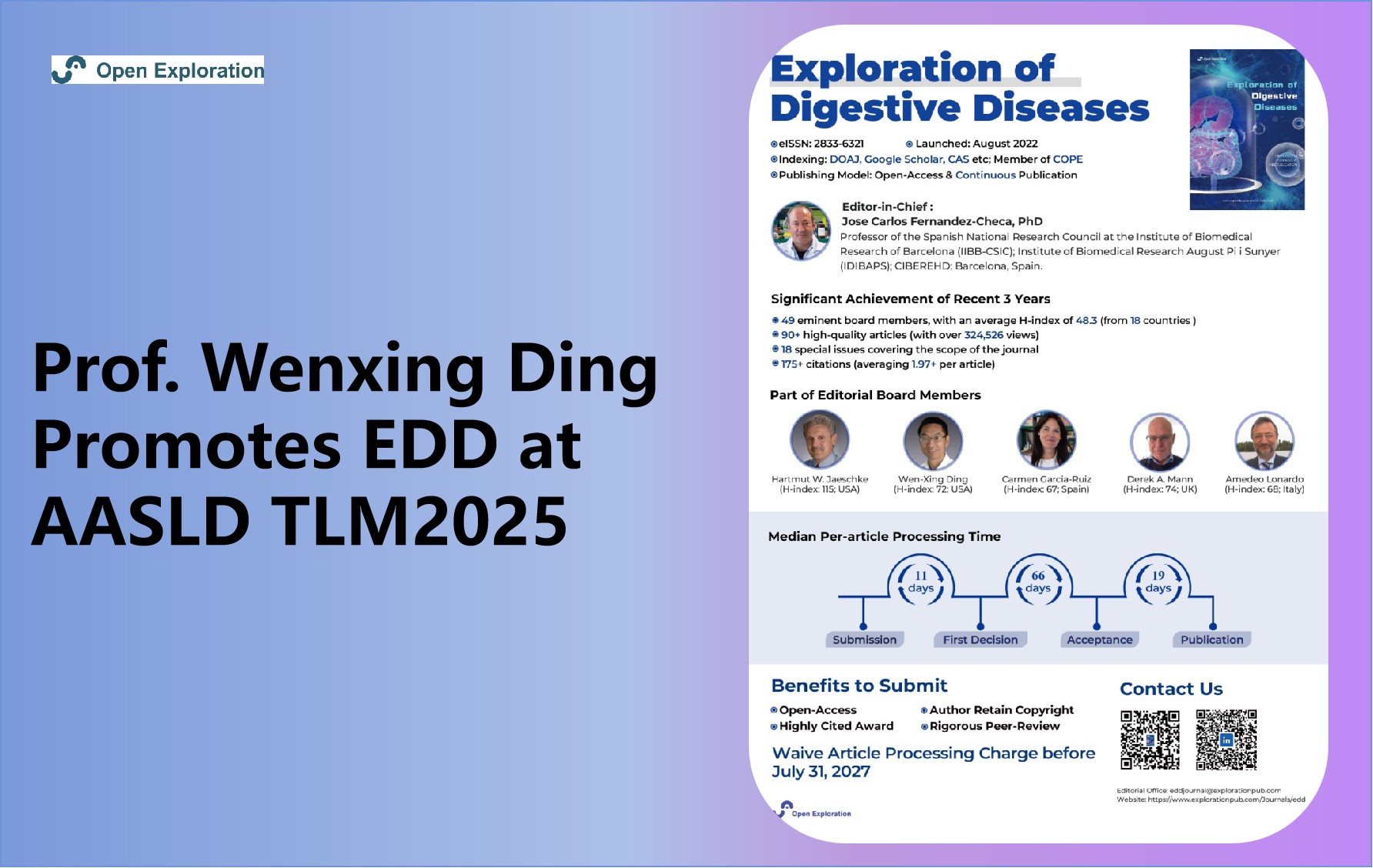
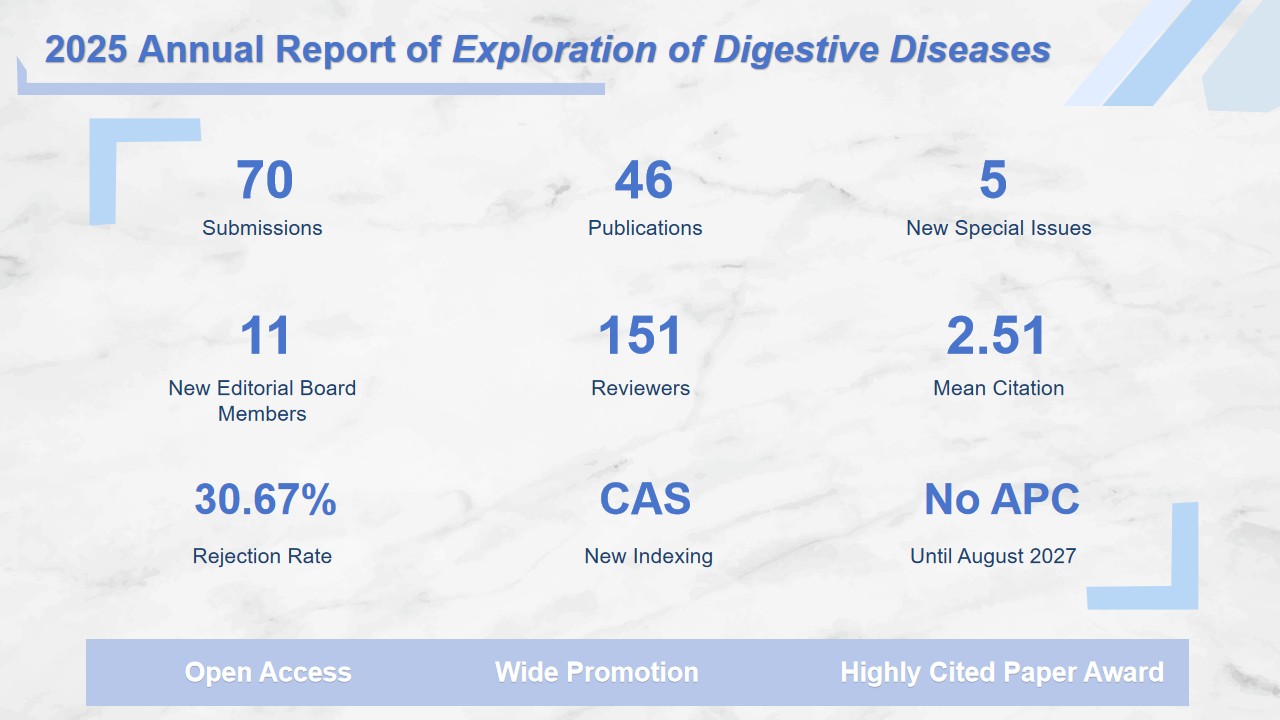
Figure 1. 2025 Annual Report of EDD
Exploration of Digestive Diseases (EDD, eISSN 2833-6321), launched in August 2022, is a peer-reviewed, open-access, continuous online publication journal, dedicated to high-quality, impactful research across the field of digestive diseases, including liver, biliary tract, gastrointestinal, and pancreatic diseases.
Guided by Editor-in-Chief Prof. Jose Carlos Fernandez-Checa, EDD has developed into a recognized platform for academic exchange. The journal is indexed in major databases such as Google Scholar, DOAJ, Dimensions, and CAS, etc.
In 2025, EDD continued to grow steadily, marked by increased submissions, published articles, and citations. The journal also participated in several international academic conferences, further expanding its global reach. These achievements reflect the dedication of our editorial board, authors, reviewers, and readers, and have laid a strong foundation for the journal's continued advancement.
Key Achievements in 2025
The Editorial Office is pleased to present the following key highlights for the year 2025:
Submissions & Publications: Received 70 submissions and published 46 articles, resulting in an acceptance rate of approximately 69.24% (rejection rate: 30.76%).
Citations: In 2025, EDD received 199 new citations, with mean citation of 2.51 per article (Source: Dimensions).
Special Issues: Five new Special Issues were launched, bringing the total to 17. These are led by distinguished Guest Editors.
Editorial Board: We welcomed 11 new members from 5 countries to the Editorial Board, which now comprises 52 members with an average H-index of 52.23.
Conference Promotion: EDD was promoted at six international academic conferences, significantly enhancing its global visibility.
Indexing Status: Achieved indexing in the prestigious Chemical Abstracts Service (CAS) database.
Submission and Publication Status
Volume and Types
In 2025, EDD received 70 manuscripts from 23 countries, with major contributions from India, the United States, Italy, China, and Mexico. Original Articles and Review Articles were the most frequently submitted types, comprising 21.4% and 52.9% of submissions, respectively. Submissions also included eight other article types, such as Case Reports and Perspectives.The distribution of article types is shown in Figure 2.
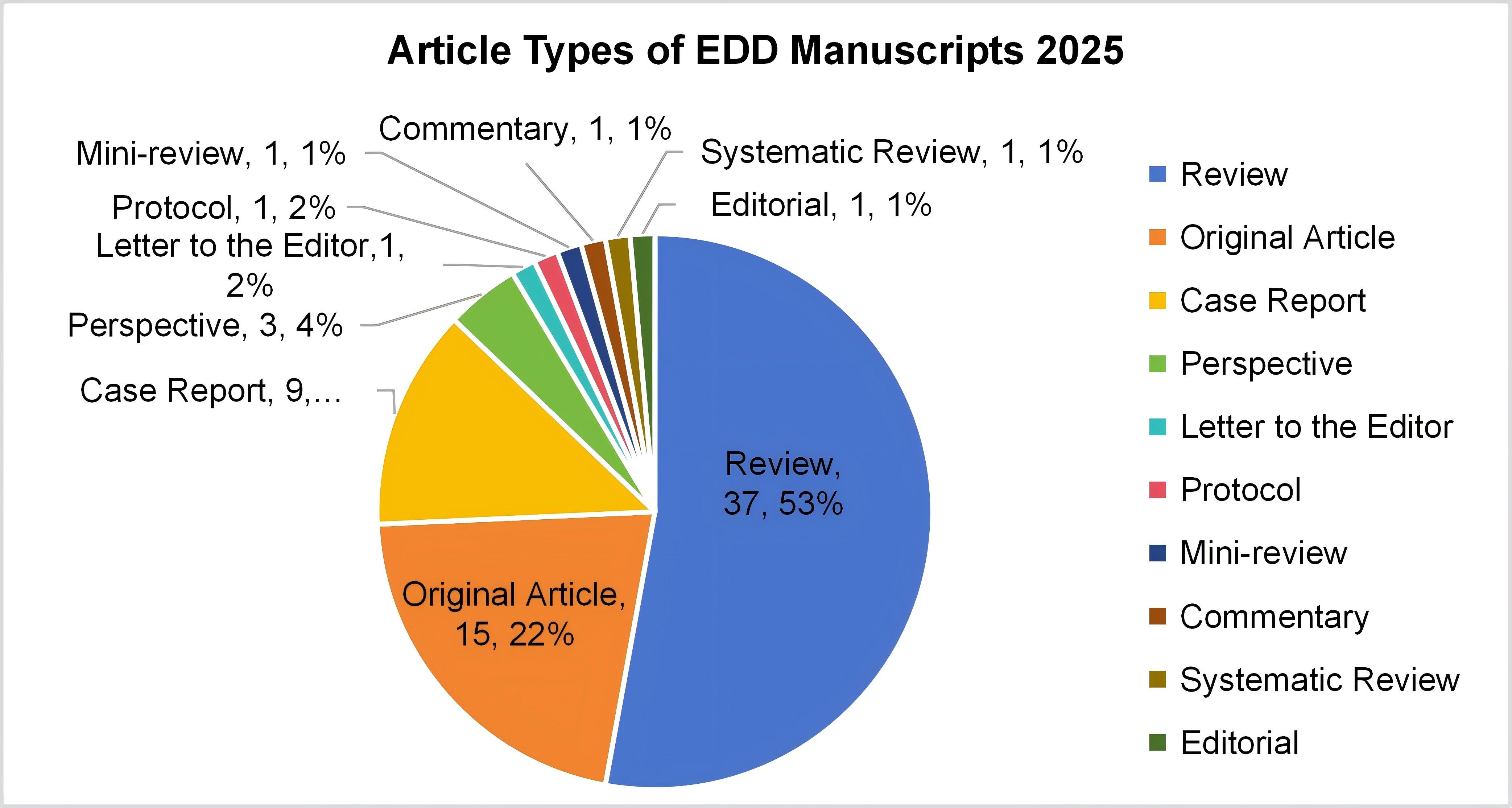
Figure 2. Types of Articles Submitted in 2025
In 2025, EDD published 46 articles, reflecting a clear growth trend compared to 2024 and 2023 (Figure 3). These publications spanned nine article types, led by Reviews (63.0%), Original Articles (17.4%), and Perspectives (6.5%), as detailed in Figure 4. The corresponding authors represented 20 countries, with the largest contributions from India, Italy, the United States, China, and Mexico, etc. (Figure 5).
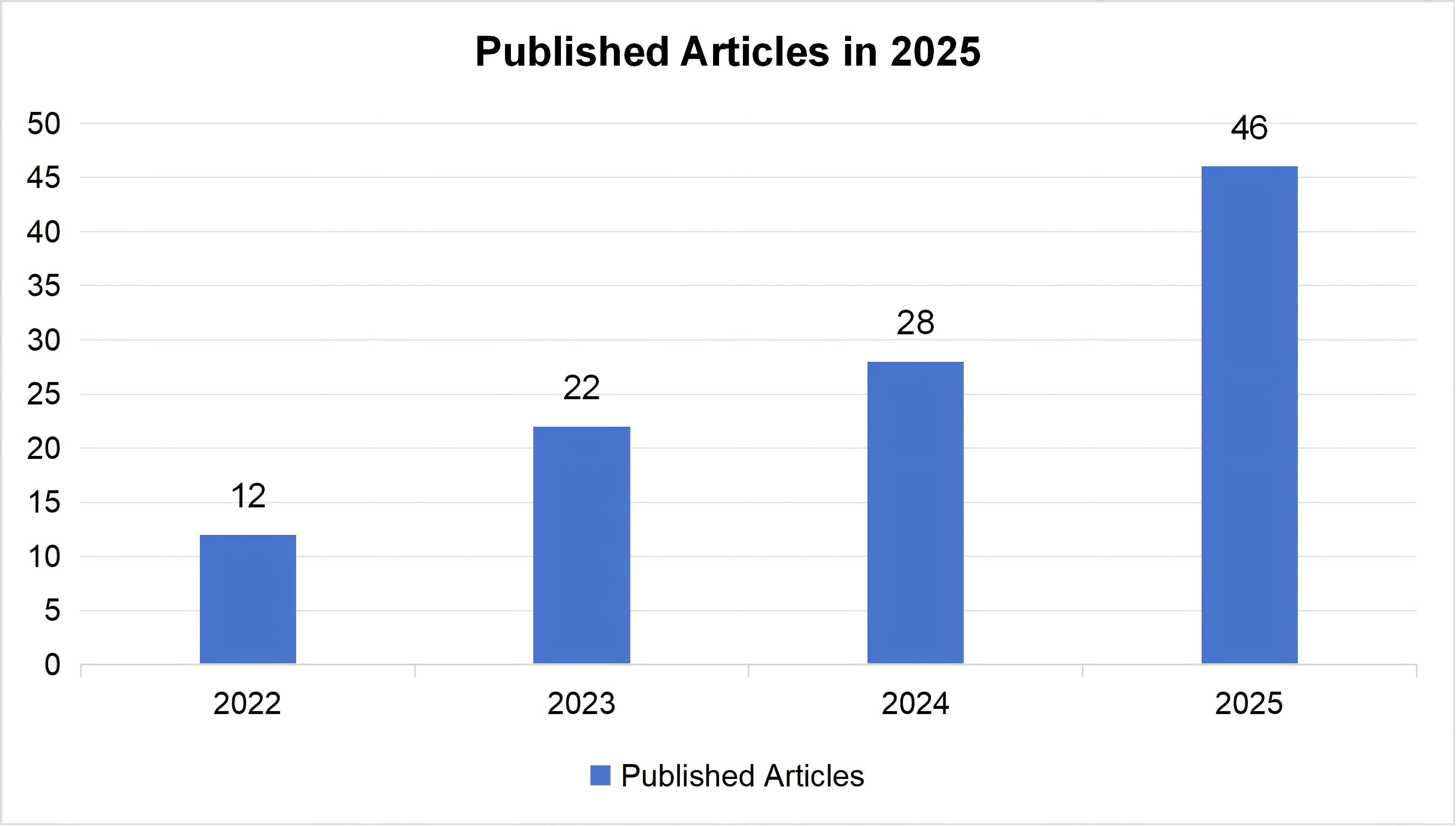
Figure 3. Published Articles in Recent Years
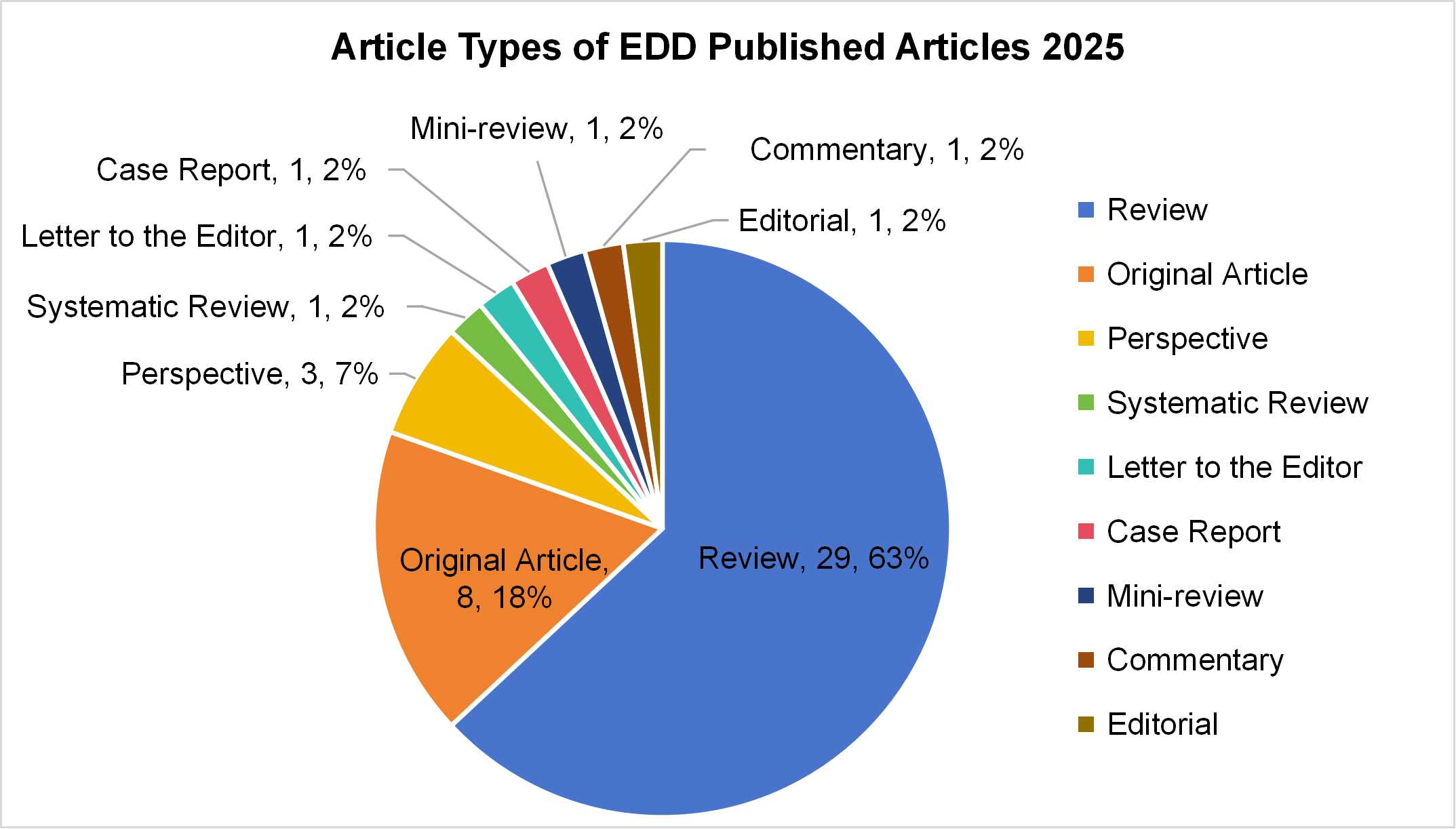
Figure 4. Article Types of EDD Published Articles in 2025
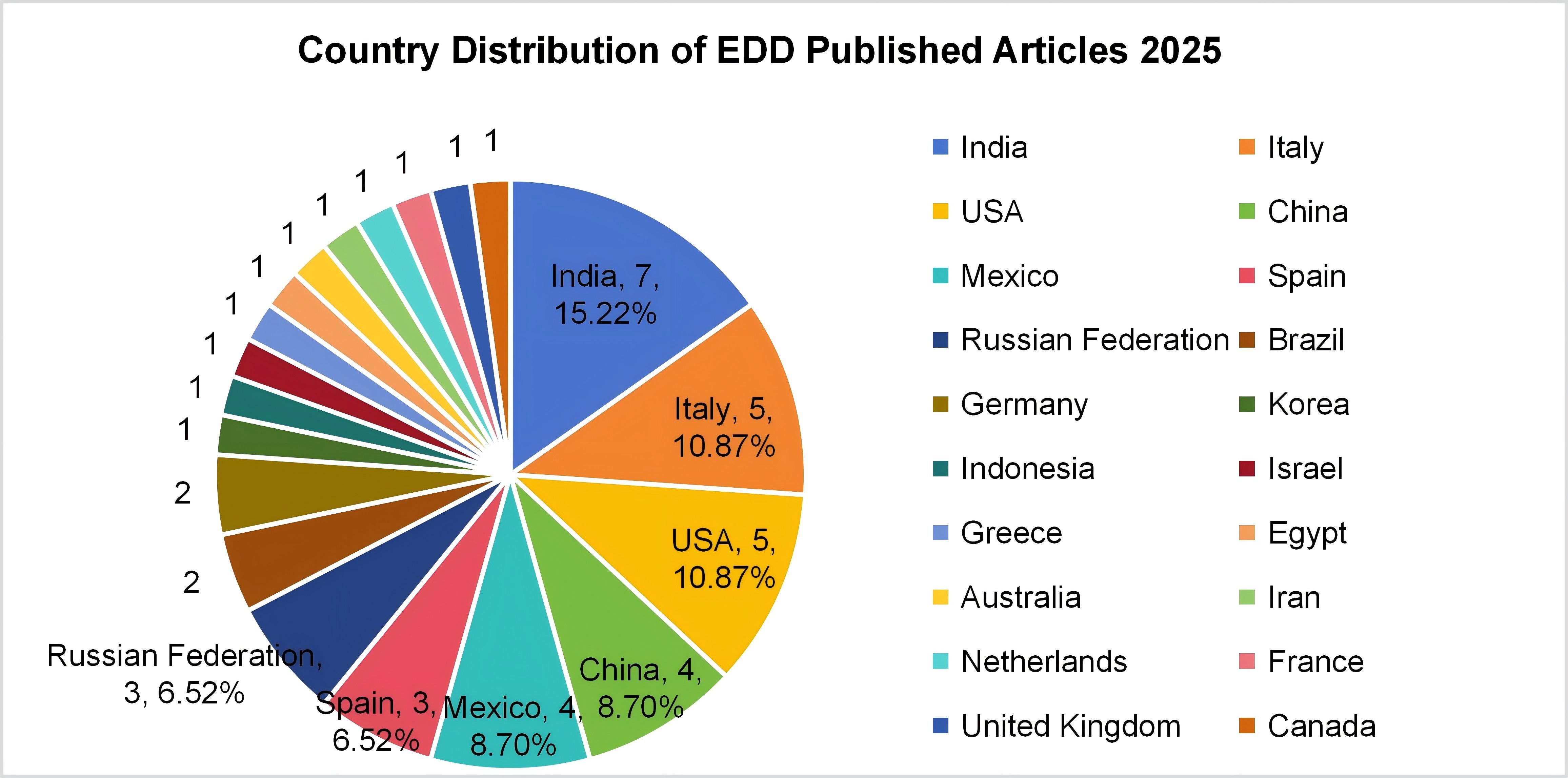
Figure 5. Country Distribution of EDD Published Articles in 2025
Overall, these data underscore the journal's strong international reach and diverse academic impact, confirming EDD as an effective platform for scholarly exchange among researchers worldwide. Looking ahead to 2026, EDD remains committed to publishing high-quality research. While maintaining a balanced portfolio of article types, the journal will increase its focus on soliciting and publishing Original Articles, with the goal of raising their proportion to over 25%.
Article Metrics
Among the 46 articles published in 2025, 39 garnered over 1,000 views, and 20 articles had more than 30 downloads. The average number of views and downloads per article reached 3,103 and 34.5, respectively, indicating a substantial increase compared to 2024. Representative high-view articles are listed in Table 1.
Furthermore, the citation rate for articles published in 2025 reached 23.91%, rising from 14.5% in 2024, which underscores the growing visibility and academic impact of EDD's published content.
Table 1. Top 6 most viewed articles published in 2025
No. | Article title | Corresponding author (s) | Views |
1 | Marta Cascante & Joan Maurel | 6570 | |
2 | Hepatic fibrosis in morbidly obese patients: fibroscan accuracy | Maged Tharwat Elghannam | 6927 |
3 | Hepatitis B virus induced cirrhosis and hepatocarcinoma: pathogenesis and therapeutics | Youhua Xie | 7069 |
4 | Amedeo Lonardo | 7410 | |
5 | George Sarin Zacharia | 7931 | |
6 | The multiple mechanisms and modes of cell death after acetaminophen overdose | Hartmut Jaeschke | 10622 |
Manuscript Processing
Rejection Rate
In 2025, the increased number of submissions from Editorial Board members and Guest Editors significantly improved the quality of manuscripts, leading to an initial review pass rate of approximately 81%. This represents a substantial increase from 55.38% in 2024. Consequently, the rejection rate dropped to 30.76%, down from 65.22% in the previous year.
Peer Review
The number of manuscripts entering the peer-review stage continued to grow in 2025. Facilitated by the ongoing optimization of the reviewer incentive system, EDD successfully engaged a large number of expert reviewers in active participation.
In total, 151 reviewers served in the review process, boasting an average H-index of 21.3. Primarily from 34 countries and led by China, the United States, and Italy (Figure 6), this group underscores the international diversity of EDD's reviewer pool, a reflection of the journal's broad scope within digestive diseases. This high-caliber, geographically diverse system ensures rigorous peer review and supports the continuous advancement of the journal's academic quality.
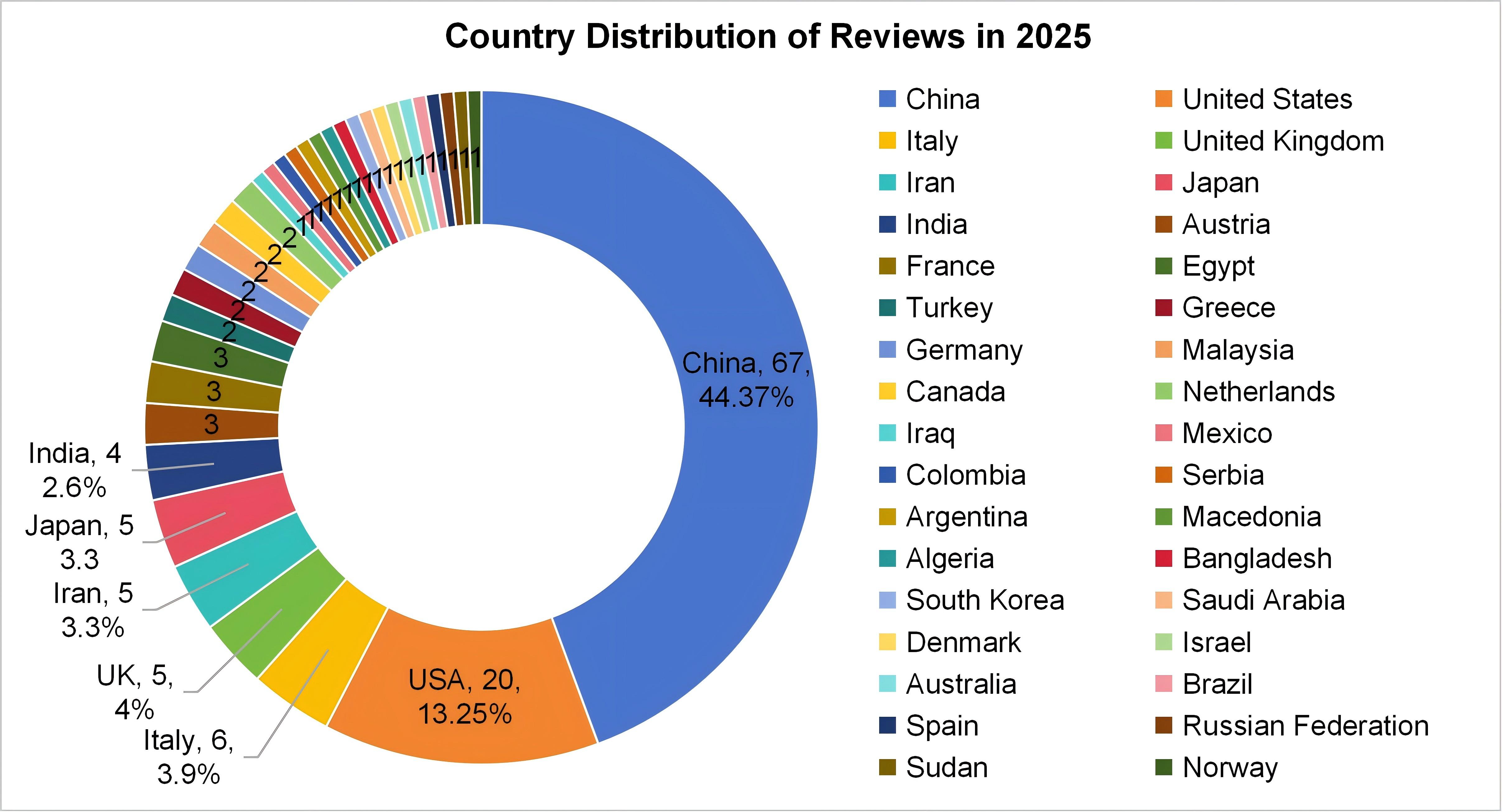
Figure 6. Country Distribution of EDD Reviewers in 2025
Manuscript Processing Time
Based on manuscripts accepted during 2025, the average time from submission to first decision was 37 days, while the average time from acceptance to publication was 23 days. Compared with the 2024 averages of 38 days and 65 days, respectively, the overall manuscript processing efficiency improved markedly. A detailed breakdown of the manuscript processing stages is presented in Figure 7.
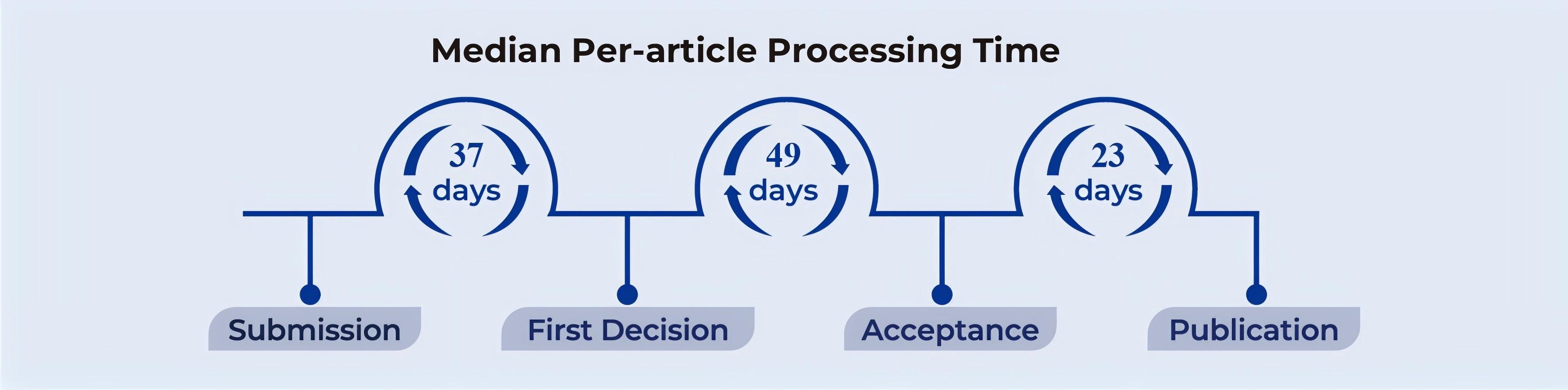
Figure 7. Median processing time per article in 2025
Notably, beyond the overall reduction in processing timelines, a number of manuscripts benefited from accelerated review and production workflows, progressing from submission to publication within 40–60 days. These cases further illustrate the operational efficiency of EDD’s editorial process, as shown in the following examples:
1) PPARs in molecular pathogenesis and drug treatment of type 2 diabetes-related MASLD (submission to publication: 42 days)
2) Microbiota and iron metabolism (submission to publication: 36 days)
3) How the gut-liver axis shapes hepatic encephalopathy: mechanistic and therapeutic perspectives (submission to publication: 57 days)
This efficient and standardized manuscript handling system not only shortens the publication timeline but also facilitates the timely dissemination of research findings. Looking ahead, EDD will continue to refine its review and production processes to further improve efficiency and the author experience.
Editorial Board
In 2025, EDD expanded its Editorial Board with 11 new members from five countries, including Italy, Germany, and Mexico, who have an average H-index of 51.18. This brings the total board membership to 52 distinguished scholars spanning 18 countries, such as Italy, Spain, China, and Germany, with an overall average H-index above 52.23 (see Figures 8 and 9). The new members have already made tangible contributions to the journal's growth.
Notably, Prof. Nahum Méndez-Sánchez and Prof. Ralf Weiskirchen have initiated and led Special Issues, submitted manuscripts, and promoted EDD at major international conferences. Additionally, Prof. Hartmut Jaeschke, Prof. Vincenzo Giorgio Mirante, Prof. Giampiero Francica, and Prof. Abdo Romanos Jurjus have contributed high-quality scholarly articles, further strengthening the journal’s content.
Beyond these specific efforts, the entire Editorial Board provides ongoing support through academic editing and rigorous peer review. On behalf of the Editor-in-Chief, Prof. Jose Carlos Fernandez-Checa, and the editorial office, we extend our sincere gratitude to all board members for their dedication, which continues to reinforce EDD’s academic foundation and international presence.
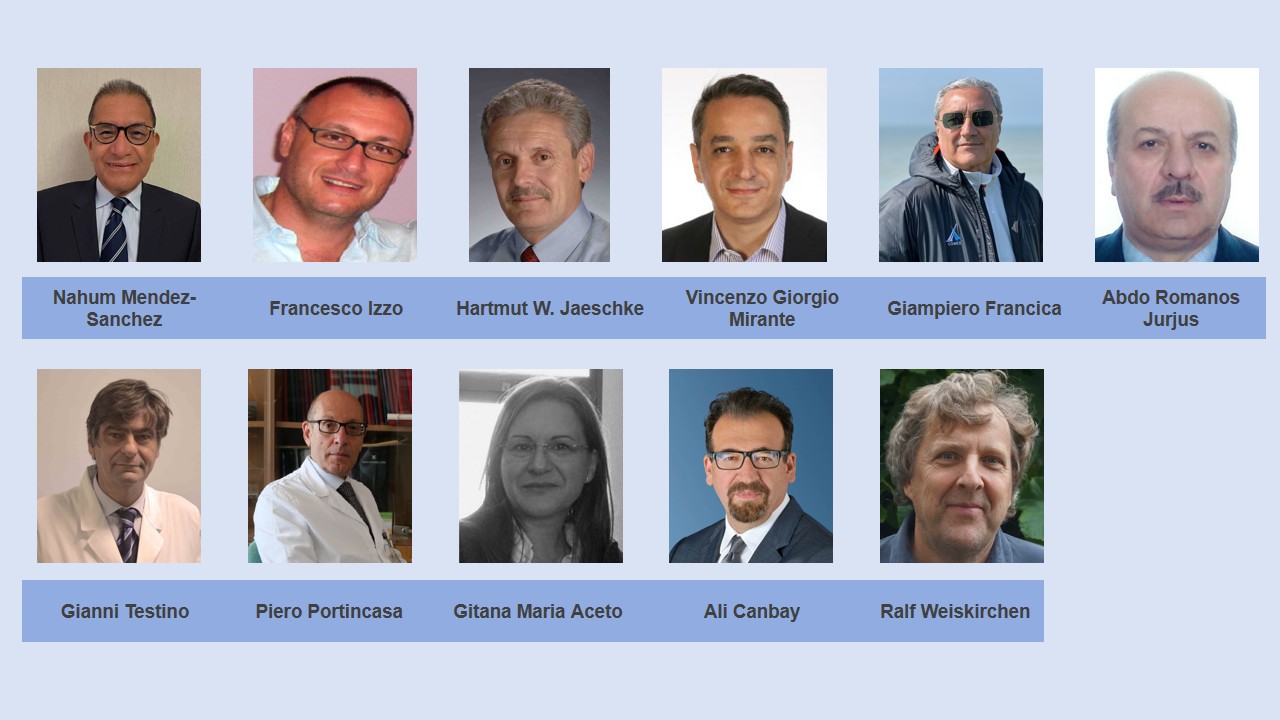
Figure 8. Newly Added Editorial Board Members in 2025
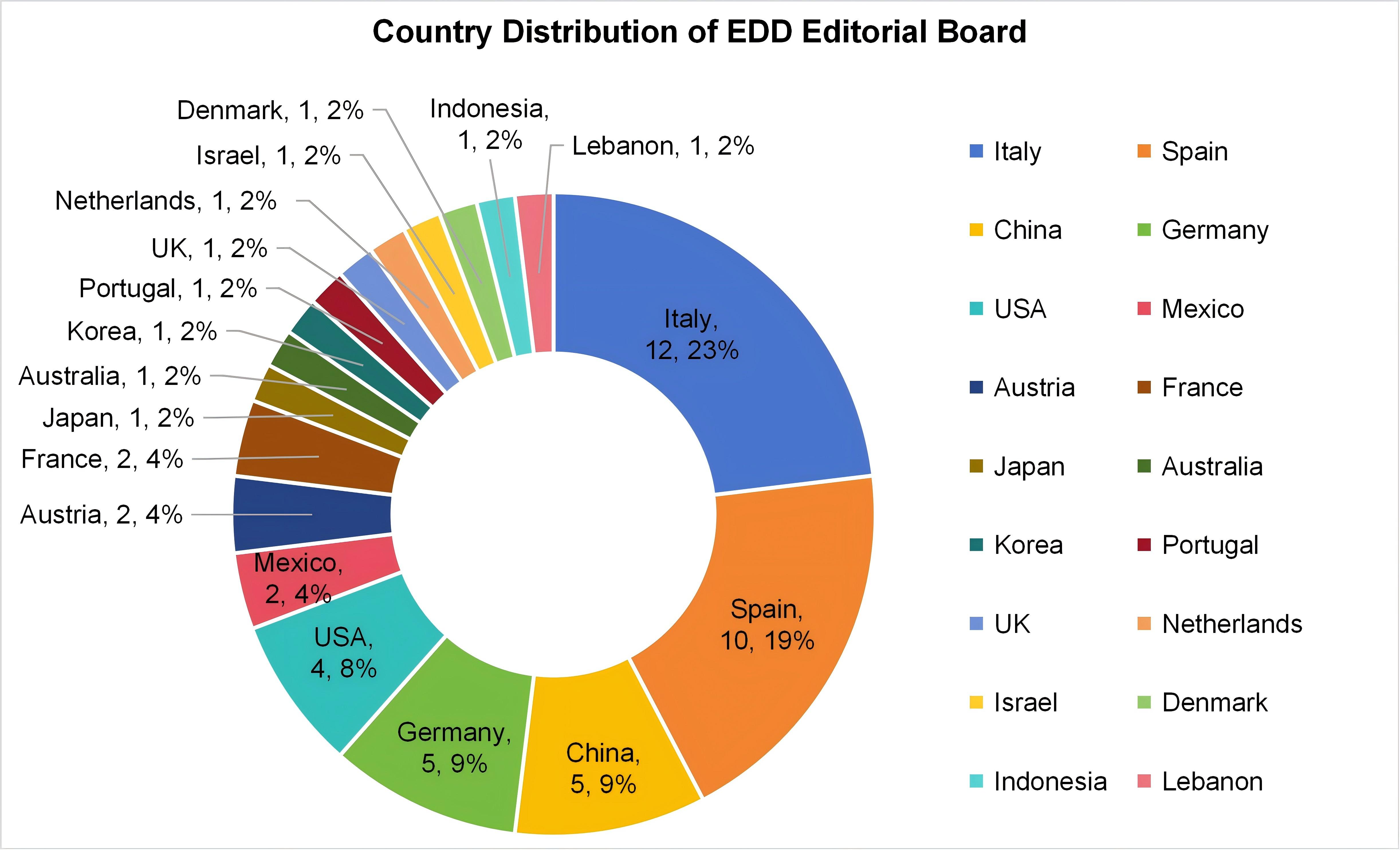
Figure 9. Country Distribution of EDD Editorial Board
Special Issues
New Special Issues
In 2025, EDD launched five new Special Issues. Four of these were led by members of our Editorial Board, and one by an invited external expert, Professor Simona Gurzu. The topics focused on cutting-edge research in digestive diseases, thereby enhancing the journal's content depth and diversity (Table 2).
Table 2. New Special Issues Launched by EDD in 2025
No. | Topic | Guest Editors |
1 | Prevention, Screening and Diagnosis for Primary Liver Cancer | Prof. Jian-Guo Chen |
2 | Prof. Nahum Mendez-Sanchez | |
3 | Nuclear Receptors and the Digestive Tract: from Molecular Physiology to Clinics via Pharmacology | Prof. Amedeo Lonardo |
4 | Prof. Cosmas Rinaldi A Lesmana | |
5 | Prof. Simona Gurzu |
Completed Special Issue in 2025
EDD successfully completed the Special Issue titled "Mitochondria and Lipid Signalling in Liver Diseases," led by Prof. Carmen Garcia-Ruiz. This issue published six high-quality articles, which had garnered 34 citations by the end of 2025, reflecting strong academic engagement in this critical research area.
By the end of 2025, EDD maintained 17 ongoing Special Issues. Among them, three had each published six articles and received multiple citations. The remaining issues are actively soliciting submissions and, once completed, will be moved to a dedicated "Completed Special Issues" section for consolidated access.
Journal Impact
Driven by improving citations and manuscript quality, EDD was successfully indexed by the CAS in February 2025.
According to 2025 data from Dimensions, articles published in EDD received 199 new citations, a nearly threefold increase from the 65 new citations recorded in 2024. The journal's total citations grew from 73 to 272, with an average of 2.51 citations per article. Furthermore, based on citation data from Crossref and the Web of Science (WOS), the average citations per article have shown a steady upward trend, rising from 0.235 in 2023 to 0.79 in 2024, and reaching 1.81 in 2025 (Figure 10).
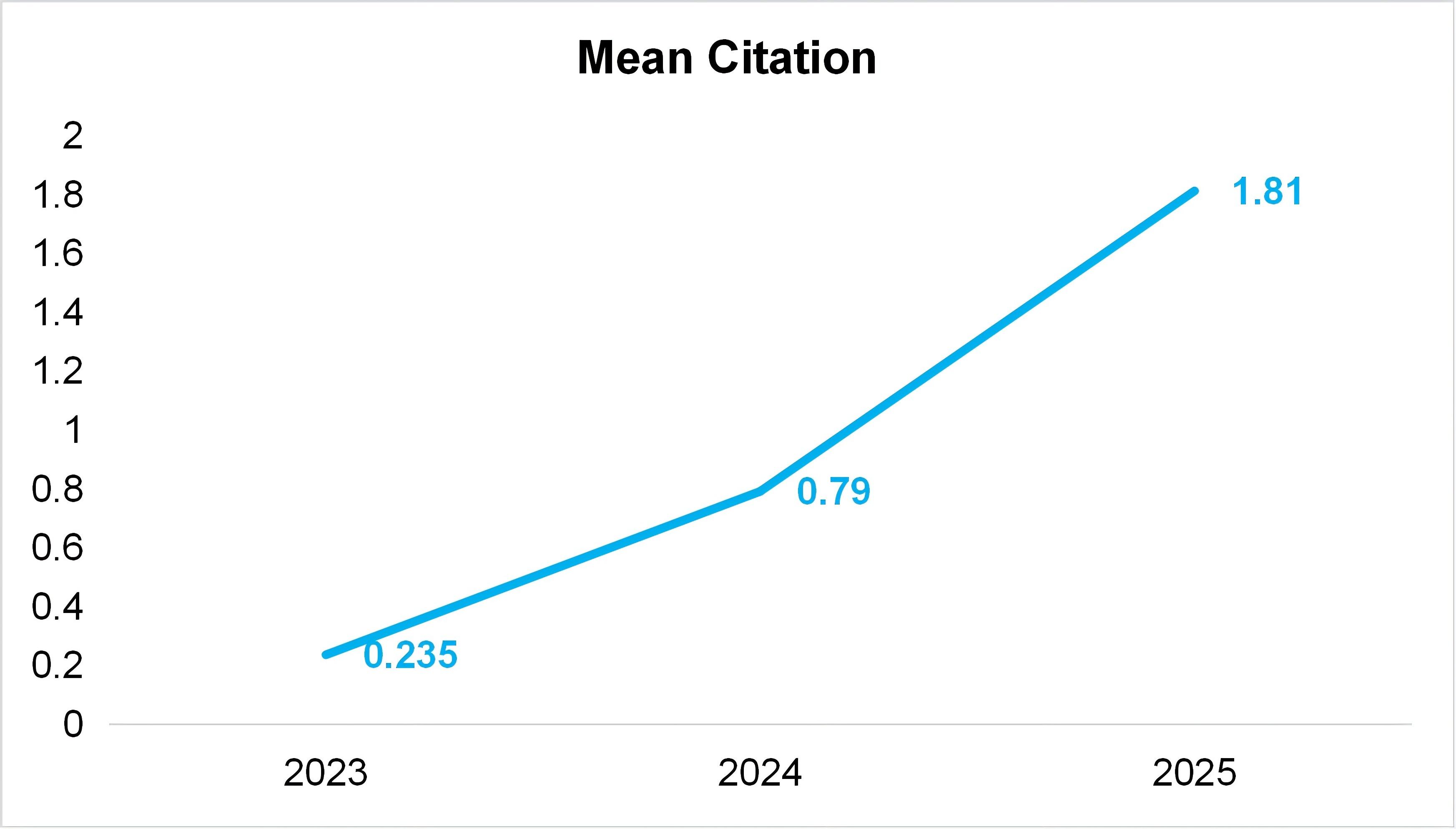
Figure 10. Mean Citation Comparison Recent Years
Journal Promotion and Collaboration
Social Media Engagement
By the end of 2025, EDD had grown its LinkedIn presence to 3,035 connections and 2,974 followers. By consistently sharing updates on newly published articles, new editorial board members, and Special Issue highlights, the journal has effectively broadened its academic reach and enhanced engagement on the platform.
Additionally, to better serve the Chinese academic community, an official WeChat account was launched for the timely promotion of content, further expanding EDD's visibility within China.
Conference Collaborations
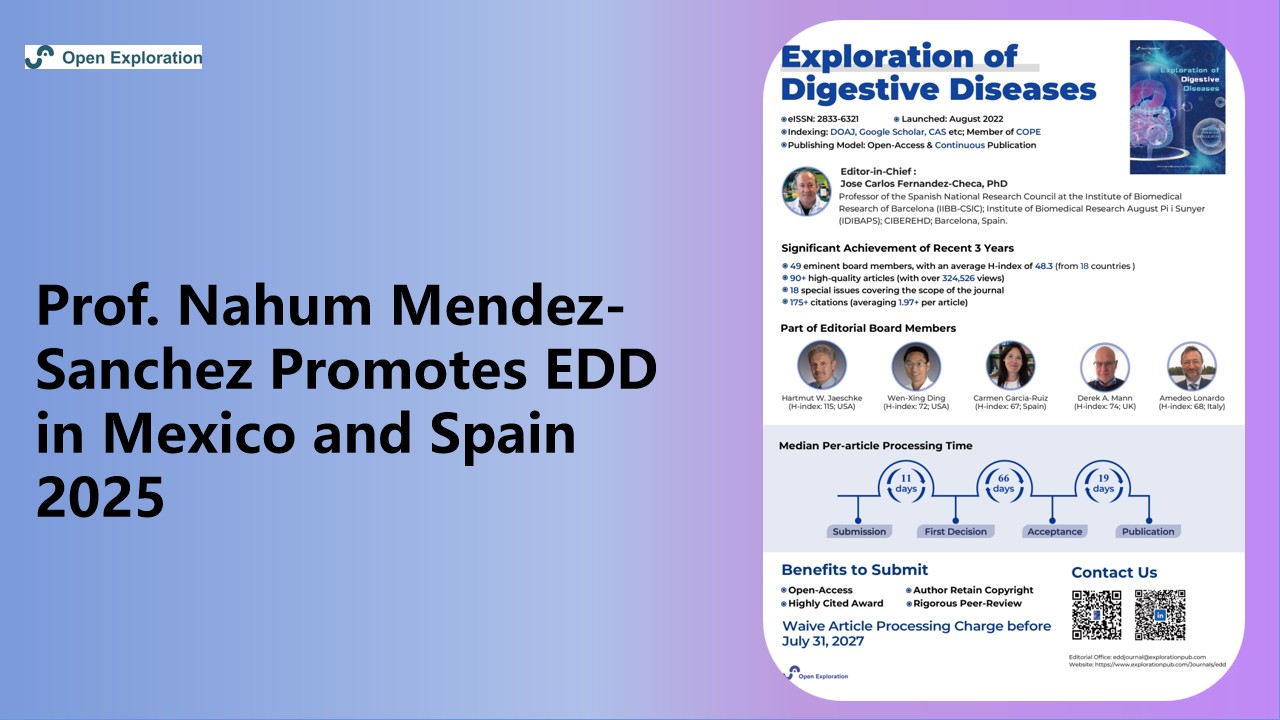
In 2025, EDD successfully promoted the journal at several international academic conferences. Editorial Board members including Professors Wenxing Ding, Carmen Garcia-Ruiz, Nahum Mendez-Sanchez, and Ralf Weiskirchen represented EDD at six major events. They introduced the journal to a global audience through distributing promotional materials and delivering academic presentations (Figure 11).
These conferences covered high-level forums in the fields of hepatology, obesity, and metabolic syndrome, such as AASLD The 76th Liver Meeting (USA), ECLCB-9 (Netherlands), and the Annual Meeting of the Asociación Mexicana de Gastroenterología (Mexico), etc.
Through direct engagement and targeted outreach, the board members effectively communicated EDD's academic mission. This proactive approach has not only attracted high-quality submissions but also significantly elevated the journal's international profile within the field of digestive diseases.
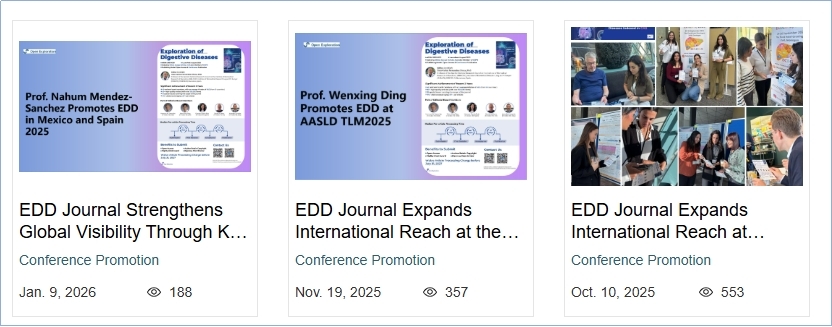
Figure 11. EDD Promoted in Academic Conferences
Future Prospects
Building on its steady growth in academic quality, citations, and international visibility, EDD remains committed to its global development strategy. Our core objectives for the coming years include securing indexing in Scopus, PMC, and SCI databases. To accelerate progress toward these goals and encourage broad participation, EDD will continue to waive all Article Processing Charges (APCs) until August 2027.
We firmly believe that the active and diverse participation of the global academic community is the core driver of the journal's growth. Therefore, we warmly invite researchers worldwide to join us as Editorial Board Members, Guest Editors, reviewers, readers, or authors.
Through rigorous editorial standards, proactive international engagement, and community-focused development, EDD is dedicated to advancing scholarly impact. We look forward to collaborating with you to build a leading, high-impact international platform in the field of digestive diseases!
Best regards,
EDD Editorial Office
Contact Us: eddjournal@explorationpub.com
Website: https://www.explorationpub.com/Journals/edd
Submission Link: https://edd.aressystem.com/

Winner of Highly Cited Paper Award 2025
EDD Annual Development Report 2024
EDD Journal Strengthens Global Visibility Through Key International Presentations in Mexico and Spain
EDD Journal Expands International Reach at the 76th AASLD TLM2025