Review


Affiliation:
1Faculty of Medicine and Surgery, Saint Camillus International University of Health Sciences, 00131 Rome, Italy

Affiliation:
1Faculty of Medicine and Surgery, Saint Camillus International University of Health Sciences, 00131 Rome, Italy
ORCID: https://orcid.org/0000-0002-5070-7771
 ,
,
Affiliation:
2Department of Experimental Medicine, University of Campania “Luigi Vanvitelli”, 80138 Naples, Italy
ORCID: https://orcid.org/0009-0004-7247-0682
,
Affiliation:
2Department of Experimental Medicine, University of Campania “Luigi Vanvitelli”, 80138 Naples, Italy
Affiliation:
3Department of Biomedicine and Prevention, University of Rome “Tor Vergata”, 00133 Rome, Italy
ORCID: https://orcid.org/0000-0001-6524-4493
,
Affiliation:
1Faculty of Medicine and Surgery, Saint Camillus International University of Health Sciences, 00131 Rome, Italy
4Research Institute on Terrestrial Ecosystems (IRET)-CNR, 80131 Naples, Italy
5National Biodiversity Future Center (NBFC), 90133 Palermo, Italy
Email: raffaele.conte@unicamillus.org; raffaele-conte@cnr.it
ORCID: https://orcid.org/0000-0002-6266-4991
 ,
,
Affiliation:
1Faculty of Medicine and Surgery, Saint Camillus International University of Health Sciences, 00131 Rome, Italy
4Research Institute on Terrestrial Ecosystems (IRET)-CNR, 80131 Naples, Italy
ORCID: https://orcid.org/0000-0003-4352-9484
Explor Foods Foodomics. 2026;4:1010157 DOI: https://doi.org/10.37349/eff.2026.1010157
Received: December 09, 2025 Accepted: April 21, 2026 Published: June 01, 2026
Academic Editor: Miguel Herrero, Institute of Food Science Research (CIAL-CSIC), Spain
The global rise in metabolic and non-communicable diseases (NCDs) has prompted an urgent search for preventive and complementary therapeutic approaches beyond conventional pharmacotherapy. Functional foods and nutraceuticals—dietary components and bioactive compounds with proven physiological benefits—represent a growing field of research within foodomics and nutritional sciences. These substances modulate oxidative stress, inflammation, lipid metabolism, glucose metabolism, and gut microbiota composition, offering potential in preventing and managing diseases such as obesity, type 2 diabetes, cardiovascular disorders, non-alcoholic fatty liver disease, and cancer. This review explores the mechanisms of action, and clinical implications of functional foods and nutraceuticals, providing a comprehensive overview of their bioactive constituents, molecular pathways, and translational potential. Challenges related to bioavailability, standardization, and regulatory recognition are also discussed, alongside perspectives for future development in foodomics-driven precision nutrition.
Non-communicable diseases (NCDs), including cardiovascular disorders, diabetes mellitus, obesity, cancer, and chronic respiratory diseases, represent one of the most significant public health challenges of the 21st century, accounting for approximately 70% of all global deaths. According to the World Health Organization, more than 41 million people die annually from NCDs, with nearly 15 million of these deaths occurring prematurely between the ages of 30 and 69 [1]. The growing prevalence of these diseases exerts immense pressure on global healthcare systems, compromises economic productivity, and reflects profound shifts in human behavior, environment, and lifestyle [1]. The rapid pace of urbanization, sedentary habits, population aging, and poor dietary patterns are recognized as primary contributors to this global epidemic. The transition from traditional diets—rich in whole grains, fruits, vegetables, and natural sources of fiber—to energy-dense, nutrient-poor foods high in refined sugars, trans fats, and sodium has dramatically increased the risk of metabolic dysfunction, oxidative stress, and inflammation, creating the biological basis for chronic disease development [2, 3]. Coupled with physical inactivity, tobacco use, and excessive alcohol consumption, this nutritional transition has driven an alarming rise in obesity, hypertension, dyslipidemia, and type 2 diabetes, conditions that now emerge as interconnected manifestations of the same metabolic disorder rather than isolated clinical entities [3]. Beyond the role of diet as a provider of essential nutrients, modern research increasingly recognizes food as a complex matrix of bioactive compounds capable of modulating cellular and molecular pathways involved in disease prevention and health promotion. These bioactive molecules—including polyphenols, carotenoids, phytosterols, omega-3 fatty acids, peptides, and probiotics—exert regulatory effects on oxidative stress, inflammation, gene expression, and lipid or glucose metabolism [4]. The recognition that specific foods can actively modulate human physiology gave rise to the concept of functional foods, which originated in Japan in the 1980s under the “Food for Specified Health Uses” (FOSHU) program [5]. This initiative identify and promote foods that could improve health or prevent disease beyond their basic nutritional value [5]. Since then, the notion of functional foods has expanded globally, supported by scientific evidence and regulatory frameworks in Europe, North America, and Asia. In the European Union, the European Food Safety Authority (EFSA) evaluates health claims associated with functional foods under Regulation (EC) No. 1924/2006. Claims must be supported by robust scientific evidence demonstrating a cause-and-effect relationship between the food component and the claimed health benefit. In the United States, the Food and Drug Administration (FDA) regulates nutraceuticals primarily as dietary supplements under the Dietary Supplement Health and Education Act (DSHEA).
Closely related to functional foods are nutraceuticals—bioactive compounds derived from food sources but isolated, purified, and administered in pharmaceutical-like formulations [6]. While functional foods are consumed as part of the normal diet, nutraceuticals are typically presented as capsules, powders, or tablets intended to deliver targeted physiological benefits. Although the distinction between the two categories lies primarily in their mode of consumption and concentration, both represent a convergence of nutrition and pharmacology aimed at harnessing the therapeutic potential of natural substances [7]. In recent years, the emergence of omics sciences—genomics, proteomics, metabolomics, and transcriptomics—has transformed the study of diet and health, giving rise to the integrative discipline of foodomics [8]. This multidisciplinary approach enables a deep understanding of how food components interact with biological systems at the molecular level [8]. By identifying the metabolic signatures associated with the consumption of specific bioactive compounds, foodomics allows researchers to elucidate the mechanisms by which diet influences gene expression, signaling pathways, and cellular metabolism [9]. Moreover, nutrigenomics and metabolomics gave new perspectives in personalized nutrition, allowing dietary interventions to be tailored according to an individual’s genetic makeup, metabolic profile, and gut microbiota composition [10, 11]. The evolution from traditional nutrition to molecular nutrition has expanded the preventive and therapeutic potential of food. Indeed, due to the limited efficacy and adverse effects associated with many conventional pharmacological treatments for chronic diseases, functional foods and nutraceuticals are gaining increasing attention as safe, accessible, and sustainable strategies for prevention and health maintenance [12]. Their multifaceted mechanisms of action that include antioxidant activity, anti-inflammatory modulation, mitochondrial protection, and microbiota regulation—make them valuable tools in addressing the multifactorial etiology of NCDs [12]. Evidence from experimental, epidemiological, and clinical studies supports the protective role of various food-derived bioactives: polyphenols such as resveratrol, curcumin, and quercetin exhibit anti-inflammatory and antioxidant properties [13, 14]; omega-3 fatty acids modulate lipid metabolism and reduce cardiovascular risk [15]; probiotics and prebiotics restore gut microbiota balance and enhance immune function [16]; bioactive peptides derived from milk, soy, or fish display antihypertensive and antidiabetic effects [17]. In this context, the review aims to provide an integrative and comprehensive analysis of the role of functional foods and nutraceuticals in the prevention and management of metabolic and NCDs. It examines the current scientific understanding of their molecular mechanisms and explores evidence from preclinical and clinical studies. Moreover, it addresses key challenges related to formulation, bioavailability, and regulatory frameworks that influence their clinical translation. The goal of this work is to highlight the transformative potential of functional foods and nutraceuticals as essential components of therapeutic strategies for chronic disease prevention, healthy aging, and the promotion of long-term wellbeing through diet-based interventions.
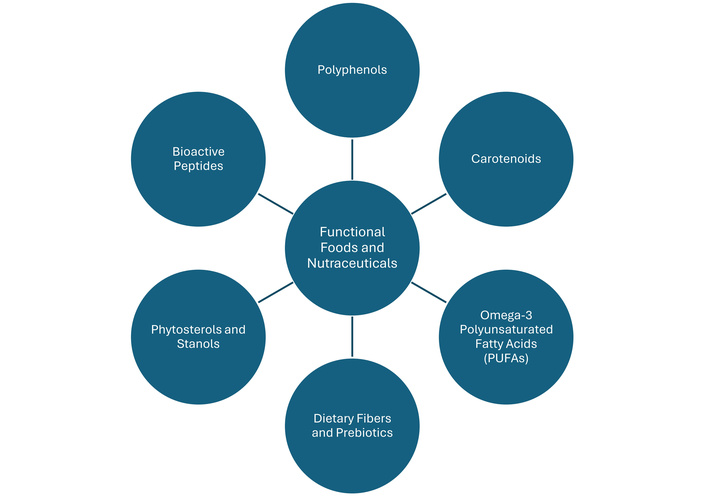
Functional foods and nutraceuticals encompass a diverse range of natural products derived from plants, animals, marine organisms, and microorganisms that exert specific physiological effects beyond their nutritional value (Figure 1) [18]. Their classification can be based on several criteria, including origin, chemical composition, mechanism of action, or physiological function. In particular, functional foods include naturally occurring products rich in bioactive compounds such as polyphenols, carotenoids, fatty acids, dietary fibers, phytosterols, and bioactive peptides, as well as foods that have been fortified, enriched, or reformulated to enhance their health-promoting properties [19]. Nutraceuticals, on the other hand, represent purified or concentrated forms of these compounds, typically administered as supplements or functional ingredients incorporated into pharmaceutical or nutraceutical formulations [20]. Among the most widely investigated classes of bioactive compounds are polyphenols, a large and heterogeneous group of secondary metabolites produced by plants as defense molecules against oxidative stress and pathogens [21]. Polyphenols are subdivided into flavonoids, phenolic acids, stilbenes, and lignans, each demonstrating unique structural and functional characteristics. Phenolic acids include compounds such as caffeic acid, ferulic acid, gallic acid, and chlorogenic acid, which are abundant in coffee, berries, whole grains, and several fruits. These molecules exhibit strong antioxidant and anti-inflammatory activities and have been shown to improve glucose metabolism and reduce oxidative damage associated with metabolic disorders. Lignans, including secoisolariciresinol, matairesinol, and pinoresinol—commonly found in flaxseeds, sesame seeds, and whole grains—are metabolized by gut microbiota into enterolignans such as enterodiol and enterolactone. These metabolites demonstrate estrogen-like activity and have been associated with cardioprotective, anti-inflammatory, and anticancer properties.
Flavonoids, such as quercetin, catechins, and anthocyanins, have been extensively studied for their antioxidant, anti-inflammatory, and cardioprotective properties [22]. They act as free radical scavengers, metal chelators, and modulators of key signaling pathways such as NF-κB, MAPK, and Nrf2, thereby reducing oxidative stress and inflammation at the molecular level. Similarly, stilbenes like resveratrol have gained prominence for their ability to activate sirtuin-1 (SIRT1) and AMP-activated protein kinase (AMPK), enhancing mitochondrial function and promoting metabolic homeostasis [23, 24]. Through these mechanisms, polyphenols contribute to the prevention of metabolic syndrome, type 2 diabetes, cardiovascular diseases (CVDs), and neurodegenerative disorders.
Another critical class of bioactives includes carotenoids, lipid-soluble pigments synthesized by plants, algae, and certain microorganisms. Carotenoids such as β-carotene, lycopene, lutein, and zeaxanthin exhibit potent antioxidant activity and play essential roles in visual health, immune regulation, and cardiovascular protection [25]. Lycopene, abundant in tomatoes and red fruits, has been linked to a reduced risk of prostate cancer and atherosclerosis, primarily through its capacity to quench singlet oxygen and modulate gene expression related to lipid metabolism and cell proliferation [26]. Similarly, lutein and zeaxanthin are selectively accumulated in the macula, where they protect the retina from oxidative damage and light-induced degeneration [27]. Omega-3 polyunsaturated fatty acids (PUFAs), particularly eicosapentaenoic acid (EPA) and docosahexaenoic acid (DHA), constitute another cornerstone of functional nutrition. Derived mainly from marine sources such as fish oils and microalgae, omega-3 fatty acids exert multiple cardiometabolic benefits by modulating lipid metabolism, reducing plasma triglycerides, and exerting anti-inflammatory effects through the inhibition of pro-inflammatory eicosanoid synthesis. Their incorporation into cellular membranes enhances fluidity and influences receptor signaling and gene expression, particularly via peroxisome proliferator-activated receptors (PPARs) and the nuclear factor NF-κB pathway [28]. Moreover, EPA and DHA give rise to specialized pro-resolving mediators (SPMs), including resolvins and protectins, which actively terminate inflammation and promote tissue repair [29]. Consistent evidence from epidemiological and interventional studies demonstrates that diets rich in omega-3 fatty acids are associated with decreased incidence of coronary heart disease, metabolic syndrome, and cognitive decline [30]. Dietary fibers and prebiotics represent a distinct category of functional ingredients that contribute to metabolic health by modulating the gut microbiota and improving glycemic and lipid control. Non-digestible carbohydrates such as inulin, β-glucans, and resistant starch are fermented by colonic bacteria, producing short-chain fatty acids (SCFAs) such as acetate, propionate, and butyrate, which serve as signaling molecules regulating energy metabolism, inflammation, and intestinal integrity [31]. Butyrate, in particular, has been shown to enhance gut barrier function, promote regulatory T-cell differentiation, and suppress colonic inflammation through histone deacetylase inhibition [32]. The gut microbiota, a central regulator of host metabolism and immunity, acts as a critical mediator of the health effects of dietary components. Prebiotics and probiotics work synergistically to maintain eubiosis and counteract dysbiosis, a condition strongly linked to obesity, insulin resistance, and inflammatory bowel diseases [33]. In parallel, phytosterols and stanols, structurally similar to cholesterol, reduce intestinal cholesterol absorption by competing for incorporation into micelles, leading to a significant reduction in plasma LDL cholesterol levels. Regular intake of 1.5 to 3 grams per day of plant sterols or stanols can lower LDL cholesterol by up to 10%, providing effective non-pharmacological intervention for hypercholesterolemia [34]. Furthermore, bioactive peptides, derived from the enzymatic hydrolysis of proteins from milk, soy, fish, or cereals, exhibit antihypertensive, antioxidant, and antidiabetic effects. Their mechanisms involve the inhibition of angiotensin-converting enzyme (ACE), stimulation of insulin secretion, and modulation of glucose transporters [35]. These peptides are increasingly incorporated into functional formulations targeting cardiovascular and metabolic health. Classification and mechanisms of action of functional foods and nutraceuticals are summarized in Table 1.
Classification and mechanisms of action of functional foods and nutraceuticals.
| Bioactive compound | Typology/examples | Main mechanisms of action | References |
|---|---|---|---|
| Polyphenols | Flavonoids (quercetin, catechins, anthocyanins); stilbenes (resveratrol); phenolic acids; lignans | Antioxidant and anti-inflammatory effects via free radical scavenging and metal chelation; modulation of NF-κB, MAPK, and Nrf2 signaling pathways; activation of SIRT1 and AMPK; improvement of mitochondrial function and metabolic homeostasis | [21–24] |
| Carotenoids | β-Carotene; lycopene; lutein; zeaxanthin | Antioxidant activity through singlet oxygen quenching; regulation of gene expression related to lipid metabolism and cell proliferation; protection of retina and macula from oxidative and phototoxic damage | [25–27] |
| Omega-3 polyunsaturated fatty acids (PUFAs) | Eicosapentaenoic acid (EPA); docosahexaenoic acid (DHA) | Regulation of lipid metabolism and reduction of plasma triglycerides; anti-inflammatory activity via inhibition of pro-inflammatory eicosanoids; activation of PPARs and modulation of NF-κB; formation of pro-resolving mediators (resolvins, protectins) | [28–30] |
| Dietary fibers and prebiotics | Inulin; β-glucans; resistant starch | Fermentation to short-chain fatty acids (acetate, propionate, butyrate); modulation of gut microbiota composition; enhancement of gut barrier integrity; regulation of energy metabolism and inflammation via HDAC inhibition and Treg activation | [31–33] |
| Phytosterols and stanols | β-Sitosterol; campesterol; stigmasterol | Competition with cholesterol for micellar incorporation, reducing intestinal absorption; lowering plasma LDL cholesterol levels (up to 10%) | [34] |
| Bioactive peptides | Derived from milk, soy, fish, or cereals | Inhibition of angiotensin-converting enzyme (ACE); stimulation of insulin secretion; modulation of glucose transporters; antioxidant and antihypertensive effects | [35] |
At the mechanistic level, the health benefits of functional foods and nutraceuticals derive from their ability to modulate oxidative stress, inflammation, and metabolic signaling. Chronic inflammation and oxidative stress are central to the pathogenesis of most NCDs, creating a vicious cycle of mitochondrial dysfunction, cytokine release, and tissue damage [36, 37]. Functional food and nutraceuticals act through several converging pathways: by neutralizing reactive oxygen species (ROS) and reactive nitrogen species (RNS); by upregulating endogenous antioxidant defenses such as superoxide dismutase (SOD), catalase, and glutathione peroxidase via activation of the Nrf2–ARE pathway; and by suppressing the transcription of pro-inflammatory mediators such as TNF-α, IL-6, and COX-2 through inhibition of the NF-κB cascade. Moreover, these compounds can influence lipid and glucose metabolism through activation of AMPK, PPARα/γ, and SIRT1, promoting fatty acid oxidation, improving insulin sensitivity, and reducing hepatic lipogenesis [38, 39].
Metabolic diseases, encompassing obesity, insulin resistance, type 2 diabetes mellitus, dyslipidemia, and metabolic syndrome, are among the most prevalent and preventable non-communicable disorders worldwide. These conditions are characterized by significant alterations in glucose and lipid metabolism, chronic low-grade inflammation, and oxidative stress, all of which contribute to endothelial dysfunction, CVDs, and premature mortality [40]. The growing incidence of these disorders correlates strongly with sedentary lifestyles and unbalanced diets rich in refined carbohydrates, saturated fats, and processed foods [41]. However, increasing evidence demonstrates that certain dietary components can counteract the metabolic dysregulation associated with these conditions, offering both preventive and therapeutic benefits. Functional foods and nutraceuticals rich in bioactive compounds—such as polyphenols, omega-3 fatty acids, dietary fibers, phytosterols, and specific peptides—exert regulatory effects on key molecular pathways controlling insulin sensitivity, lipid metabolism, mitochondrial activity, and inflammation [42].
Among these, polyphenols have emerged as powerful modulators of metabolic homeostasis. Compounds such as resveratrol, curcumin, epigallocatechin gallate (EGCG), and quercetin have been shown to influence multiple targets related to energy metabolism, glucose uptake, and lipid oxidation. Resveratrol, a stilbene found in grapes and red wine, activates AMPK and SIRT1, enhancing mitochondrial biogenesis, increasing fatty acid oxidation, and improving insulin sensitivity in adipose and skeletal tissues [43]. Experimental studies have demonstrated that resveratrol supplementation decreases hepatic fat accumulation, reduces plasma glucose, and ameliorates systemic inflammation in models of diet-induced obesity [44, 45]. Similarly, curcumin, the principal polyphenolic compound of turmeric (Curcuma longa), exhibits potent anti-inflammatory and antioxidant properties through inhibition of NF-κB and activation of the Nrf2–ARE pathway [46]. Curcumin reduces insulin resistance by suppressing inflammatory cytokines such as TNF-α and IL-6, modulating adipokine secretion, and improving endothelial function. Clinical studies have confirmed that curcumin supplementation can significantly lower fasting glucose, HbA1c, and lipid peroxidation markers in patients with metabolic syndrome or type 2 diabetes [47, 48].
Flavonoids, including quercetin and catechins, further contribute to metabolic health by enhancing glucose uptake through upregulation of GLUT4 expression in skeletal muscle and adipocytes, and by improving pancreatic β-cell function. Green tea catechins, particularly EGCG, have demonstrated hypoglycemic and hypolipidemic effects in both animal models and human trials. These actions are mediated by inhibition of digestive enzymes such as α-amylase and α-glucosidase, thereby delaying carbohydrate absorption and attenuating postprandial glucose excursions [49]. Additionally, EGCG enhances AMPK activation and increases lipid oxidation, leading to improved energy expenditure and reduced adiposity [50]. The cumulative evidence supports the inclusion of polyphenol-rich foods—such as berries, green tea, olive oil, and cocoa—in dietary strategies for the prevention of metabolic disorders. Anthocyanins have also demonstrated beneficial effects in metabolic diseases. Clinical and experimental studies indicate that anthocyanin-rich foods such as berries improve insulin sensitivity, reduce oxidative stress, and enhance lipid metabolism. For instance, supplementation with blueberry or blackcurrant anthocyanins has been associated with reductions in fasting glucose (approximately 5–10%) and improvements in insulin resistance markers in individuals with metabolic syndrome. These effects are mediated through AMPK activation, enhanced GLUT4 expression, and modulation of inflammatory pathways [51]. Hydroxytyrosol, a phenolic compound found in olive oil, exhibits strong antioxidant properties that play a key role in metabolic health. It effectively reduces low-density lipoprotein (LDL) oxidation, thereby limiting atherogenic processes, and contributes to the improvement of endothelial function. Additionally, hydroxytyrosol exerts significant anti-inflammatory effects by downregulating pro-inflammatory cytokines and inhibiting NF-κB signaling pathways. It also modulates lipid metabolism, supporting overall cardiometabolic protection [52].
PUFAs, particularly EPA and DHA, play a crucial role in the regulation of lipid metabolism, inflammation, and insulin sensitivity [53]. These long-chain fatty acids, abundant in marine fish oils and certain microalgae, are incorporated into cell membranes where they alter fluidity and modulate the activity of membrane-bound receptors and enzymes [54]. Omega-3 PUFAs compete with arachidonic acid for cyclooxygenase and lipoxygenase enzymes, leading to the synthesis of less inflammatory eicosanoids and the generation of SPMs such as resolvins, protectins, and maresins, which actively terminate inflammation [55]. Clinical evidence indicates that omega-3 supplementation lowers plasma triglycerides, reduces hepatic steatosis, and improves endothelial function in patients with metabolic syndrome [56]. Moreover, EPA and DHA activate PPARα and PPARγ, transcription factors involved in fatty acid oxidation and adipogenesis, thereby improving lipid handling and reducing adipocyte hypertrophy [57]. These effects contribute to decreased systemic inflammation, improved insulin action, and reduced cardiovascular risk.
Dietary fibers and prebiotics exert beneficial effects on glucose and lipid metabolism primarily through modulation of the gut microbiota and production of SCFAs during fermentation in the colon [58]. Soluble fibers such as β-glucans, pectins, and inulin slow gastric emptying, reduce postprandial glucose peaks, and enhance satiety, contributing to better glycemic control and weight management [59]. The SCFAs generated during fermentation—particularly butyrate, propionate, and acetate—serve as key signaling molecules that regulate host metabolism via activation of G-protein–coupled receptors (GPR41, GPR43) and inhibition of histone deacetylases, leading to anti-inflammatory gene expression and improved insulin sensitivity [60]. Butyrate supports gut barrier integrity by promoting tight junction formation and inhibiting endotoxin translocation, thereby reducing systemic inflammation associated with obesity and insulin resistance [61]. Similar beneficial action was obtained with synbiotics, defined as formulations combining probiotics and prebiotics, represent an emerging strategy to enhance probiotic survival and functionality in food systems. Recent studies have explored the microencapsulation of synbiotic formulations to improve microbial viability during food processing and gastrointestinal transit [62, 63]. For example, prebiotic supplementation has been shown to increase the abundance of beneficial bacterial genera such as Bifidobacterium and Akkermansia muciniphila, both associated with improved metabolic health and reduced adiposity [64].
In addition to fibres, probiotics—live microorganisms that confer health benefits when administered in adequate amounts—also contribute to the management of metabolic disorders. Probiotic strains such as Lactobacillus plantarum, Lactobacillus rhamnosus, and Bifidobacterium breve modulate gut microbiota composition, improve lipid profiles, and reduce inflammation [65]. Mechanistically, probiotics enhance the production of SCFAs, upregulate intestinal expression of GLP-1, and decrease circulating endotoxin levels [66, 67]. Clinical trials have demonstrated that probiotic supplementation reduces total cholesterol and LDL levels, while increasing high-density lipoprotein (HDL) concentrations in hyperlipidemic patients [68]. The synergistic use of prebiotics and probiotics (synbiotics) has been proposed as an effective nutritional strategy for restoring microbial balance and improving metabolic outcomes [69].
Phytosterols and stanols represent another well-established group of nutraceuticals effective in managing dyslipidemia and metabolic syndrome. Due to their structural similarity to cholesterol, they competitively inhibit intestinal cholesterol absorption, leading to decreased plasma LDL levels without affecting HDL cholesterol [70]. Regular intake of 2–3 grams of plant sterols per day can reduce LDL cholesterol by 10–20%, an effect comparable to moderate-dose statin therapy but with superior tolerability [71]. Functional foods fortified with phytosterols—such as enriched margarines and dairy products—have demonstrated consistent lipid-lowering effects in both healthy and hypercholesterolemic populations [72]. Emerging studies also suggest that phytosterols exert anti-inflammatory effects by reducing macrophage cholesterol accumulation and downregulating pro-inflammatory cytokines, further enhancing their cardioprotective potential [72].
Another group of bioactives relevant to metabolic regulation are the peptides, small amino acid sequences derived from enzymatic hydrolysis of food proteins. These peptides, obtained from milk casein, soy, fish, or cereals, exhibit diverse biological activities including antihypertensive, antioxidant, and antidiabetic effects [73]. Peptides such as Val-Pro-Pro (VPP) and Ile-Pro-Pro (IPP) act as natural inhibitors of the ACE, contributing to blood pressure reduction and improved endothelial function [74]. Additionally, bovine milk-derived peptides enhance glucose uptake in muscle cells via PI3K–Akt signaling and promote insulin secretion from pancreatic β-cells [75]. The inclusion of bioactive peptide–rich foods or supplements in the diet may therefore serve as an adjunctive therapy for hypertension, insulin resistance, and metabolic syndrome. Table 2 recaps the described examples.
Functional foods and nutraceuticals in metabolic diseases.
| Bioactive compound | Typology/examples | Main mechanisms of action | Reference |
|---|---|---|---|
| Functional foods & nutraceuticals (general) | Polyphenols, omega-3 fatty acids, fibers, phytosterols, peptides | Regulation of insulin sensitivity, lipid metabolism, mitochondrial function and inflammation | [42] |
| Resveratrol | Grapes, red wine (stilbene) | Activation of AMPK and SIRT1; increased mitochondrial biogenesis; enhanced fatty acid oxidation; improved insulin sensitivity | [43] |
| Resveratrol | Experimental obesity models | Reduction of hepatic fat accumulation (~20–30% in animal models); decreased plasma glucose (~10–15%); attenuation of systemic inflammation | [44] |
| Resveratrol | Diet-induced obesity models | Improvement of metabolic and inflammatory parameters | [45] |
| Curcumin | Curcuma longa (turmeric polyphenol) | Inhibition of NF-κB; activation of Nrf2–ARE antioxidant pathway | [46] |
| Curcumin | Clinical supplementation studies | Reduction of fasting glucose, HbA1c and lipid peroxidation markers | [47] |
| Curcumin | Type 2 diabetes/metabolic syndrome patients | Improvement of glycemic and oxidative stress parameters | [48] |
| Green tea catechins (EGCG) | Green tea polyphenols | Inhibition of α-amylase and α-glucosidase; reduced carbohydrate absorption | [49] |
| Green tea catechins (EGCG) | Epigallocatechin gallate | Activation of AMPK; increased lipid oxidation; increased energy expenditure | [50] |
| Anthocyanins | Cyanidin-3-glucoside, delphinidin (berries: blueberry, blackcurrant) | Activation of AMPK; increased GLUT4 expression; improved insulin sensitivity; antioxidant activity; modulation of inflammatory pathways | [51] |
| Hydroxytyrosol | Olive oil phenolic compound | Potent antioxidant; reduction of LDL oxidation; improvement of endothelial function; anti-inflammatory effects; modulation of lipid metabolism | [52] |
| Omega-3 PUFAs | EPA and DHA (marine oils) | Regulation of lipid metabolism, inflammation and insulin sensitivity | [53] |
| Omega-3 PUFAs | Fish oil and microalgae | Incorporation into cell membranes; modulation of receptor and enzyme activity | [54] |
| Omega-3 PUFAs | EPA/DHA metabolites | Production of resolvins, protectins and maresins; active resolution of inflammation | [55] |
| Omega-3 PUFAs | Clinical supplementation studies | Reduction of plasma triglycerides; decreased hepatic steatosis; improved endothelial function | [56] |
| Omega-3 PUFAs | EPA and DHA | Activation of PPARα and PPARγ; improved fatty acid oxidation and lipid handling | [57] |
| Dietary fibers & prebiotics | β-glucans, pectins, inulin | Modulation of gut microbiota and production of SCFAs | [58] |
| Soluble fibers | Oats, fruits, chicory root | Slowed gastric emptying; improved satiety; reduced postprandial glucose | [59] |
| Short-chain fatty acids (SCFAs) | Butyrate, propionate, acetate | Activation of GPR41/GPR43; HDAC inhibition; improved insulin sensitivity | [60] |
| Butyrate | Colonic fermentation product | Enhanced gut barrier; reduced endotoxin translocation; reduced systemic inflammation | [61] |
| Synbiotics | Microencapsulation of synbiotic formulations | Improve microbial viability during food processing and gastrointestinal transit | [62, 63] |
| Prebiotics | Inulin-type fructans | Increased Bifidobacterium and Akkermansia muciniphila abundance | [64] |
| Probiotics | Lactobacillus plantarum, Lactobacillus rhamnosus, Bifidobacterium breve | Modulation of microbiota; improved lipid metabolism; reduced inflammation | [65] |
| Probiotics | Clinical and mechanistic studies | Increased SCFAs; upregulation of GLP-1; reduced circulating endotoxins | [66] |
| Probiotics | Clinical intervention trials | Improvement of inflammatory and metabolic biomarkers | [67] |
| Probiotics | Hyperlipidemic patients | Reduction of total cholesterol and LDL; increased HDL | [68] |
| Synbiotics | Combined prebiotics and probiotics | Restoration of microbial balance; improved metabolic outcomes | [69] |
| Phytosterols & stanols | Plant sterols (β-sitosterol, campesterol, stigmasterol) | Competitive inhibition of intestinal cholesterol absorption | [70] |
| Phytosterols | Fortified functional foods | Reduction of LDL cholesterol by 10–20% | [71] |
| Phytosterols | Experimental and clinical studies | Anti-inflammatory effects; reduced macrophage cholesterol accumulation | [72] |
| Bioactive peptides | Milk, soy, fish and cereal-derived peptides | Antihypertensive, antioxidant and antidiabetic activities | [73] |
| Bioactive peptides | VPP and IPP | ACE inhibition; blood pressure reduction; improved endothelial function | [74] |
| Milk-derived peptides | Bovine casein peptides | Activation of PI3K–Akt; increased glucose uptake; enhanced insulin secretion | [75] |
The integration of nutrigenomics and metabolomics has further expanded understanding of how these bioactive compounds influence metabolic pathways at the individual level [76]. Omics-based studies reveal that polyphenol-rich diets modulate gene expression associated with lipid oxidation, glucose homeostasis, and inflammation, while specific metabolites such as hydroxytyrosol (from olive oil) or catechin conjugates (from green tea) serve as biomarkers of dietary adherence and metabolic response [76].
Beyond individual bioactive compounds, several healthy dietary patterns rich in functional foods have demonstrated significant benefits for metabolic health. Dietary models such as the Mediterranean diet, the Dietary Approaches to Stop Hypertension (DASH) diet, and plant-based dietary patterns emphasize the consumption of fruits, vegetables, whole grains, legumes, nuts, olive oil, and fish while limiting refined sugars and processed foods [77].
Clinical studies indicate that adherence to the Mediterranean diet can reduce the risk of type 2 diabetes by approximately 30% and significantly improve lipid profiles and inflammatory markers. Similarly, the DASH diet has demonstrated reductions in systolic blood pressure of 8–14 mmHg in hypertensive individuals. These dietary patterns represent practical applications of functional nutrition principles [77]. One of the most important components of such dietary pattern is olive oil, particularly extra-virgin olive oil, that is a key source of bioactive phenolic compounds including hydroxytyrosol, tyrosol, and oleuropein. Hydroxytyrosol exhibits strong antioxidant and anti-inflammatory activity and has been shown to improve endothelial function and lipid metabolism. Clinical studies indicate that daily consumption of olive oil polyphenols can significantly reduce LDL oxidation and inflammatory biomarkers.
CVDs, encompassing coronary artery disease, hypertension, heart failure, and stroke, remain the leading cause of morbidity and mortality worldwide, accounting for nearly 32% of global deaths [78]. Chronic low-grade inflammation, endothelial dysfunction, dyslipidemia, and oxidative stress are recognized as central contributors to the pathophysiology of these disorders [79]. The development of atherosclerotic plaques, arterial stiffness, and impaired vascular tone is closely linked to lifestyle factors, including poor dietary habits, physical inactivity, and exposure to environmental stressors [80]. Given the complex interplay between metabolic, inflammatory, and oxidative pathways in CVD, functional foods and nutraceuticals have emerged as promising adjunctive strategies for prevention, risk reduction, and complementary therapy.
Polyphenols exert multiple cardioprotective effects through their antioxidant and anti-inflammatory properties [81]. These compounds directly scavenge ROS and RNS, thereby preventing lipid peroxidation and oxidative modification of LDL particles—a key step in atherogenesis [81]. Beyond their direct antioxidant activity, polyphenols modulate endothelial function by increasing nitric oxide bioavailability via activation of endothelial nitric oxide synthase (eNOS), enhancing vasodilation, and improving blood flow [82]. Flavonoids such as quercetin and catechins inhibit platelet aggregation and reduce vascular adhesion molecule expression, thereby preventing thrombosis and leukocyte infiltration into the vascular wall [83]. Stilbenes, particularly resveratrol, further contribute to cardiovascular health by activating SIRT1 and AMPK, reducing oxidative stress, enhancing mitochondrial biogenesis, and suppressing inflammatory signaling pathways including NF-κB and MAPKs [84]. Similarly, anthocyanins contribute to cardiovascular protection by improving endothelial function and reducing oxidative stress. Meta-analyses of clinical trials indicate that anthocyanin supplementation may reduce LDL cholesterol by approximately 8–12% and improve vascular reactivity through increased nitric oxide bioavailability [85].
PUFAs play a pivotal role in cardiovascular protection through modulation of lipid metabolism, anti-inflammatory activity, and vascular homeostasis. Incorporation of EPA and DHA into membrane phospholipids alters the composition of lipid rafts, modulating the function of membrane-bound receptors and signaling proteins. Omega-3 fatty acids competitively inhibit arachidonic acid metabolism, reducing the synthesis of pro-inflammatory eicosanoids while promoting the generation of SPMs such as resolvins, protectins, and maresins, which actively resolve inflammation and restore tissue homeostasis [86]. Clinical evidence demonstrates that omega-3 supplementation lowers plasma triglyceride concentrations, attenuates systemic inflammation, reduces blood pressure, and decreases the incidence of major adverse cardiovascular events, particularly in patients with elevated cardiovascular risk [87].
Dietary fibers, particularly soluble fibers such as β-glucans, pectins, and psyllium, contribute to cardiovascular health primarily by improving lipid profiles and modulating glycemic response. Soluble fibers form viscous gels in the gastrointestinal tract, reducing intestinal cholesterol absorption and increasing fecal excretion of bile acids, which lowers circulating LDL cholesterol concentrations [88]. The SCFAs, including acetate, propionate, and butyrate, interact with G-protein–coupled receptors (GPR41 and GPR43) on immune and vascular cells, suppressing pro-inflammatory cytokine production and promoting vascular homeostasis [89]. Epidemiological studies consistently show an inverse relationship between dietary fiber intake and the incidence of coronary heart disease, stroke, and hypertension [89].
Phytosterols and stanols reduce intestinal absorption of cholesterol and consequently lower plasma LDL cholesterol. Additionally, emerging evidence suggests that phytosterols exert anti-inflammatory effects by decreasing macrophage foam cell formation and modulating the expression of inflammatory mediators such as interleukin-1β (IL-1β) and TNF-α, further contributing to atherosclerosis prevention [90].
Bioactive peptides derived from dietary proteins—including milk, soy, fish, and legumes—exhibit antihypertensive and cardioprotective properties by inhibiting ACE, thereby reducing vasoconstriction and improving endothelial function. Peptides such as VPP and IPP have been shown to lower systolic and diastolic blood pressure in hypertensive individuals, while also demonstrating antioxidant and anti-inflammatory activities [91].
Probiotics, particularly strains of Lactobacillus and Bifidobacterium, have demonstrated beneficial effects on cardiovascular and inflammatory parameters through modulation of gut microbiota composition and metabolic function [92]. Probiotic-mediated enhancement of SCFA production, reduction of systemic endotoxemia, and regulation of lipid metabolism contribute to improved endothelial function, decreased inflammation, and better glycemic control [92]. Table 3 recaps the described examples.
Functional foods and nutraceuticals in cardiovascular and inflammatory diseases.
| Bioactive compound | Typology/examples | Main mechanisms of action | Reference |
|---|---|---|---|
| Polyphenols | Flavonoids, stilbenes, phenolic acids | Scavenging of ROS/RNS; inhibition of LDL oxidation; antioxidant effects | [81] |
| Polyphenols | Plant-derived phenolics | Increased NO bioavailability via eNOS activation; improved vasodilation | [82] |
| Flavonoids | Quercetin, catechins | Inhibition of platelet aggregation; reduced adhesion molecule expression | [83] |
| Stilbenes | Resveratrol | Activation of SIRT1 and AMPK; inhibition of NF-κB and MAPKs; improved mitochondrial function | [84] |
| Anthocyanins | Cyanidin-3-glucoside, delphinidin; sources: berries (blueberry, blackcurrant, strawberry) | Improvement of endothelial function; reduction of oxidative stress; increased nitric oxide bioavailability; reduction of LDL cholesterol (~8–12%); enhanced vascular reactivity | [85] |
| Omega-3 PUFAs | EPA and DHA | Inhibition of arachidonic acid–derived eicosanoids; production of resolvins, protectins and maresins | [86] |
| Omega-3 PUFAs | Fish oil and marine sources | Reduction of triglycerides; lowered blood pressure; decreased cardiovascular events | [87] |
| Dietary fibers | β-glucans, pectins, psyllium | Reduced intestinal cholesterol absorption; increased bile acid excretion; lowering of LDL cholesterol | [88] |
| Short-chain fatty acids (SCFAs) | Acetate, propionate, butyrate | Activation of GPR41/GPR43; suppression of pro-inflammatory cytokine production | [89] |
| Dietary fiber intake | High-fiber diets | Inverse association with coronary heart disease, stroke and hypertension | [89] |
| Phytosterols & stanols | Plant sterols and stanols | Decreased macrophage foam cell formation; reduced IL-1β and TNF-α expression | [90] |
| Bioactive peptides | Milk, soy, fish, legume-derived peptides | ACE inhibition; improved endothelial function; antioxidant and anti-inflammatory effects | [91] |
| Probiotics | Lactobacillus spp., Bifidobacterium spp. | Modulation of gut microbiota; increased SCFA production; reduced endotoxemia; improved lipid and glucose metabolism | [92] |
Then, also for cardiovascular and inflammatory diseases, the integration of foodomics and nutrigenomic approaches continues to uncover individual variability in response to these bioactive compounds, paving the way for personalized nutrition strategies that optimize cardiovascular and inflammatory outcomes.
Cancer and neurodegenerative diseases are complex, multifactorial disorders characterized by aberrant cellular signaling, chronic oxidative stress, inflammation, and progressive tissue dysfunction [93]. Cancer arises from the accumulation of genetic and epigenetic alterations that disrupt cell cycle regulation, apoptosis, and DNA repair mechanisms, ultimately resulting in uncontrolled proliferation and metastatic spread [94]. Neurodegenerative diseases, including Alzheimer’s disease, Parkinson’s disease, Huntington’s disease, and amyotrophic lateral sclerosis, are primarily driven by the progressive loss of neuronal structure and function, often associated with protein misfolding, mitochondrial dysfunction, and neuroinflammation [95]. The increasing global prevalence of these disorders, coupled with the limitations of conventional pharmacological therapies, underscores the urgent need for preventive and complementary strategies. Functional foods and nutraceuticals, rich in bioactive compounds such as polyphenols, carotenoids, omega-3 fatty acids, and bioactive peptides, have emerged as promising modulators of molecular pathways involved in carcinogenesis and neurodegeneration.
Flavonoids such as quercetin, EGCG and kaempferol inhibit tumor cell proliferation by inducing cell cycle arrest, promoting apoptosis via mitochondrial and death receptor pathways, and suppressing angiogenesis through downregulation of vascular endothelial growth factor (VEGF) signaling [96]. EGCG has demonstrated the capacity to inhibit DNA methyltransferases and histone deacetylases, thereby modulating epigenetic regulation in cancer cells [97]. Stilbenes, particularly resveratrol, modulate multiple oncogenic signaling cascades including PI3K/Akt/mTOR, MAPK, and NF-κB, leading to reduced proliferation, enhanced apoptosis, and suppression of metastasis in preclinical models [98]. Anthocyanins have also been investigated for their anticancer properties. These compounds inhibit tumor cell proliferation, induce apoptosis, and suppress angiogenesis through modulation of signaling pathways such as PI3K/Akt and MAPK. Experimental studies suggest that anthocyanin-rich extracts from berries reduce tumor growth in several preclinical cancer models. These compounds also exhibit synergistic effects when combined with conventional chemotherapeutic agents, enhancing efficacy and reducing toxicity.
Carotenoids, including β-carotene, lycopene, lutein, and astaxanthin—also derived from microalgae such as Haematococcus pluvialis and marine organisms including seaweed—provide additional anticancer and neuroprotective benefits by quenching singlet oxygen, scavenging free radicals, and modulating gene expression associated with oxidative stress and inflammation [99]. Lycopene, found in tomatoes and red fruits, has been associated with reduced risk of prostate, lung, and gastric cancers, primarily through inhibition of cell proliferation, induction of apoptosis, and suppression of insulin-like growth factor-1 signaling [100]. In neurodegenerative contexts, carotenoids such as lutein and zeaxanthin accumulate in retinal and neural tissues, protecting neurons from oxidative damage, mitigating excitotoxicity, and preserving cognitive function [101]. Carotenoids also modulate neuroinflammatory pathways, reducing microglial activation and the production of pro-inflammatory cytokines such as interleukin-1β and TNF-α [102].
PUFAs, particularly EPA and DHA, play crucial roles in neuroprotection and cancer modulation through anti-inflammatory, membrane-stabilizing, and cell signaling effects. DHA is highly enriched in neuronal membranes, where it enhances synaptic plasticity, supports membrane fluidity, and facilitates neurotransmission. Both DHA and EPA attenuate neuroinflammation by inhibiting microglial activation and reducing the production of inflammatory mediators such as prostaglandins and leukotrienes [103]. Epidemiological studies indicate that higher dietary intake of omega-3 fatty acids is associated with decreased risk of Alzheimer’s disease, Parkinson’s disease, and cognitive decline. In cancer models, omega-3 fatty acids reduce tumor growth by modulating eicosanoid synthesis, inducing apoptosis, inhibiting angiogenesis, and enhancing the susceptibility of tumor cells to chemotherapeutic agents [104].
Dietary fibers, prebiotics, and probiotics also contribute to the prevention and management of cancer and neurodegenerative diseases, primarily through modulation of the gut–brain axis and systemic inflammatory status. Butyrate, propionate, and acetate, regulate epigenetic mechanisms, inhibit histone deacetylases, and induce apoptosis in colon cancer cells [105]. Butyrate, in particular, enhances intestinal barrier integrity, reduces systemic endotoxemia, and modulates immune responses, thereby reducing chronic inflammation implicated in carcinogenesis and neurodegeneration [106]. Probiotic strains such as Lactobacillus and Bifidobacterium have been shown to modulate gut microbiota composition, reduce inflammatory cytokine levels, and improve cognitive performance in animal models of neurodegenerative disease [107].
Bioactive peptides derived from dietary proteins, including milk casein, soy, fish, and cereal proteins, exhibit antioxidant, anti-inflammatory, and anticancer properties. These peptides can induce apoptosis in cancer cells via caspase-dependent pathways, inhibit ACE to reduce hypertension and vascular inflammation, and modulate insulin-like growth factor signaling, which is implicated in both cancer and neurodegenerative pathologies [108]. Several peptides also demonstrate neuroprotective activity by scavenging ROS, enhancing neuronal survival, and modulating synaptic plasticity [109]. Table 4 recaps the described examples.
Functional foods and nutraceuticals in cancer and neurodegenerative diseases.
| Bioactive compound | Typology/examples | Main mechanisms of action | Reference |
|---|---|---|---|
| Flavonoids | Quercetin, EGCG, kaempferol | Cell cycle arrest; mitochondrial and death receptor–mediated apoptosis; inhibition of angiogenesis via VEGF downregulation | [96] |
| Flavonoids (EGCG) | Epigallocatechin gallate | Inhibition of DNA methyltransferases and histone deacetylases; epigenetic modulation in cancer cells | [97] |
| Stilbenes | Resveratrol | Modulation of PI3K/Akt/mTOR, MAPK and NF-κB pathways; reduced proliferation; increased apoptosis; inhibition of metastasis | [98] |
| Carotenoids | β-Carotene, lycopene, lutein, astaxanthin | Quenching of singlet oxygen; scavenging of free radicals; modulation of oxidative stress and inflammatory gene expression | [99] |
| Lycopene | Tomato-derived carotenoid | Inhibition of cell proliferation; induction of apoptosis; suppression of IGF-1 signaling; reduced cancer risk | [100] |
| Carotenoids (neuroprotection) | Lutein, zeaxanthin | Protection of retinal and neural tissues; reduction of oxidative damage; mitigation of excitotoxicity; preservation of cognitive function | [101] |
| Carotenoids (anti-neuroinflammatory) | Lutein, astaxanthin | Reduction of microglial activation; decreased production of IL-1β and TNF-α | [102] |
| Omega-3 PUFAs | EPA and DHA | Inhibition of microglial activation; reduced prostaglandin and leukotriene synthesis; attenuation of neuroinflammation | [103] |
| Omega-3 PUFAs | EPA and DHA | Modulation of eicosanoid synthesis; induction of apoptosis; inhibition of angiogenesis; increased chemosensitivity of tumor cells | [104] |
| Dietary fibers/SCFAs | Butyrate, propionate, acetate | HDAC inhibition; epigenetic regulation; induction of apoptosis in colon cancer cells | [105] |
| SCFAs | Butyrate | Enhanced intestinal barrier integrity; reduced endotoxemia; immunomodulation; decreased chronic inflammation | [106] |
| Probiotics | Lactobacillus spp., Bifidobacterium spp. | Modulation of gut microbiota; reduction of inflammatory cytokines; improvement of cognitive performance | [107] |
| Bioactive peptides | Milk, soy, fish and cereal-derived peptides | Caspase-dependent apoptosis in cancer cells; ACE inhibition; modulation of IGF signaling | [108] |
| Bioactive peptides (neuroprotection) | Food-derived peptides | Scavenging of ROS; enhanced neuronal survival; modulation of synaptic plasticity | [109] |
The clinical application and widespread adoption of functional foods and nutraceuticals depend not only on their demonstrated efficacy but also on their safety, bioavailability, and regulatory compliance. Although most bioactive compounds derived from foods are generally recognized as safe, adverse effects can arise from excessive consumption, interactions with pharmaceutical drugs, or the presence of contaminants such as heavy metals, mycotoxins, or pesticide residues [110]. Polyphenols, while widely studied for their antioxidant and anti-inflammatory properties, may interfere with drug-metabolizing enzymes such as cytochrome P450, affecting the pharmacokinetics of co-administered medications [111]. Similarly, high doses of omega-3 fatty acids can increase bleeding risk in susceptible individuals [112], and certain carotenoids may exert pro-oxidant effects under specific conditions [113]. These considerations underscore the importance of establishing safe consumption ranges, particularly for concentrated nutraceutical formulations. Importantly, although nutraceuticals are frequently marketed in pharmaceutical-like forms (e.g., capsules, tablets, or concentrated extracts), their conceptual and biological foundation remains firmly rooted in diet-based interventions. Unlike conventional drugs, which are designed to target specific pathological pathways with defined pharmacodynamics, nutraceuticals derive from naturally occurring food constituents and exert their effects through the modulation of physiological and metabolic processes. Thus, their role should be interpreted as an extension of dietary patterns rather than a replacement for whole foods. The perception of nutraceuticals as “drug-like” is largely driven by commercial presentation and marketing strategies, rather than their intrinsic mode of action. From a clinical and nutritional standpoint, a food-first approach remains essential, with supplementation considered a complementary strategy when adequate intake cannot be achieved through diet alone. The bioavailability of functional compounds is another critical determinant of efficacy, as their absorption, metabolism, and systemic distribution are often limited by poor solubility, instability in the gastrointestinal environment, rapid metabolism, or first-pass hepatic clearance. Appropriate dosage is essential to ensure the efficacy and safety of nutraceuticals. For example: omega-3 fatty acids must be used at 1–4 g/day for triglyceride reduction. Similarly, plant sterols act at a concentration of 2–3 g/day for LDL lowering. Polyphenols have a general intake through diet of 500–1,000 mg/day. Excessive consumption may lead to adverse effects such as gastrointestinal discomfort, bleeding risk (high omega-3 intake), or interference with drug metabolism. Advances in formulation technologies, including nanoencapsulation, co-administration and structural modification of active molecules, provide practical solutions to enhance the bioefficacy of nutraceuticals and functional compounds [114, 115]. Regulatory frameworks vary globally, reflecting differences in the classification of functional foods, nutraceuticals, and dietary supplements, as well as divergent requirements for safety, efficacy, and labeling. In the European Union, foods with health claims must comply with the EFSA regulations [116], whereas in the United States, the FDA distinguishes between dietary supplements and conventional foods, requiring specific evidence for structure/function claims but not necessarily for disease treatment claims [117]. These regulatory distinctions influence product development, marketing strategies, and consumer trust, emphasizing the need for rigorous scientific validation and standardized quality control procedures that include standardization of bioactive compounds, verification of purity and absence of contaminants, Good Manufacturing Practices (GMP), stability testing and bioavailability assessment. Functional foods and nutraceuticals thus provide an evidence-based strategy to target multiple etiological aspects of NCDs simultaneously, complementing conventional pharmacological therapies while offering preventive potential at the population level. Indeed, several functional foods and nutraceutical products are currently marketed worldwide. Examples include: Benecol® (Raisio Group, Finland), a plant stanol-fortified margarine designed to reduce LDL cholesterol; Flora ProActiv® (Unilever), phytosterol-enriched spreads for cholesterol management; VSL#3®, a probiotic formulation produced by Alfasigma, and Lovaza®, omega-3 ethyl esters commercialized by GlaxoSmithKline. Moreover, the global market for functional foods and nutraceuticals has expanded rapidly in recent decades. Recent market analyses estimate that the global nutraceutical market exceeded USD 450 billion in 2023 and is projected to surpass USD 900 billion by 2030, driven by increasing consumer awareness of preventive healthcare and aging populations [118].
In future development, the integration of foodomics-driven precision nutrition will offer a transformative approach to overcoming current challenges in functional food and nutraceutical research and application. By leveraging genomics, transcriptomics, proteomics, metabolomics, and microbiomics, researchers can delineate the complex interactions between bioactive compounds, individual genetic makeup, metabolic phenotype, and gut microbiota composition [119]. This systems-level understanding enables the identification of biomarkers for responsiveness, the prediction of potential adverse effects, and the optimization of personalized dietary interventions. Advanced computational tools, machine learning, and artificial intelligence can further facilitate the analysis of multidimensional omics datasets, guiding the design of targeted functional formulations and evidence-based dietary guidelines [120]. Moreover, the integration of longitudinal monitoring through wearable sensors and digital health technologies could allow real-time assessment of dietary impact, adherence, and metabolic outcomes, paving the way for individualized nutrition strategies that maximize health benefits while minimizing risks [120].
This review was conducted following a structured narrative review methodology aimed at identifying and synthesizing current evidence regarding the role of functional foods and nutraceuticals in metabolic and NCDs.
Scientific literature was retrieved from major databases including PubMed, Scopus, Web of Science, and Google Scholar. The search strategy combined keywords such as “functional foods”, “nutraceuticals”, “bioactive compounds”, “polyphenols”, “omega-3 fatty acids”, “probiotics”, “metabolic diseases”, “cardiovascular diseases”, “cancer”, “neurodegenerative diseases”, and “foodomics”.
Functional foods and nutraceuticals represent a promising frontier in the prevention and management of metabolic, cardiovascular, inflammatory, cancer, and neurodegenerative diseases. While pharmacological treatments such as metformin for diabetes, statins for hyperlipidemia, ACE inhibitors for hypertension, and anti-inflammatory drugs remain essential therapies, functional foods and nutraceuticals may serve as complementary approaches by targeting similar metabolic pathways with fewer adverse effects. Extensive evidence demonstrates that bioactive compounds such as polyphenols, carotenoids, omega-3 fatty acids, dietary fibers, phytosterols, and bioactive peptides exert multifaceted biological effects, including antioxidant, anti-inflammatory, anti-apoptotic, lipid- and glucose-modulating, and microbiota-regulating activities. These compounds act on key molecular pathways—such as AMPK, SIRT1, NF-κB, MAPK, PPARs, and Nrf2—that govern oxidative stress, chronic inflammation, metabolic homeostasis, endothelial function, and neuronal health. Moreover, emerging research in foodomics, nutrigenomics, and microbiome science will enable precision nutrition strategies tailored to individual genetic, metabolic, and microbiota profiles. Integration of these omics approaches with computational modeling, longitudinal monitoring, and artificial intelligence-driven analytics increases the capacity to predict responsiveness, mitigate adverse effects, and design personalized dietary plans that maximize health benefits while minimizing risks.
Continued interdisciplinary research, clinical validation, and regulatory harmonization will be essential to translate these scientific insights into practical, effective, and safe dietary interventions capable of promoting health, longevity, and disease prevention across diverse populations.
ACE: angiotensin-converting enzyme
AMPK: AMP-activated protein kinase
CVDs: cardiovascular diseases
DASH: Dietary Approaches to Stop Hypertension
DHA: docosahexaenoic acid
EFSA: European Food Safety Authority
EGCG: epigallocatechin gallate
EPA: eicosapentaenoic acid
FDA: Food and Drug Administration
HDL: high-density lipoprotein
IPP: Ile-Pro-Pro
LDL: low-density lipoprotein
NCDs: non-communicable diseases
PPARs: peroxisome proliferator-activated receptors
PUFAs: omega-3 polyunsaturated fatty acids
RNS: reactive nitrogen species
ROS: reactive oxygen species
SCFAs: short-chain fatty acids
SIRT1: sirtuin-1
SPMs: specialized pro-resolving mediators
VPP: Val-Pro-Pro
RPD: Conceptualization, Writing—original draft. RMP: Methodology, Data curation, Supervision. SY: Investigation, Writing—original draft. FP: Data curation, Validation. ADL: Supervision, Project administration. RC: Writing—original draft, Writing—review & editing, Supervision. GP: Supervision, Project administration, Funding acquisition. All authors read and approved the submitted version.
The authors declare that they have no conflicts of interest.
Not applicable.
Not applicable.
Not applicable.
Not applicable.
Not applicable.
© The Author(s) 2026.
Open Exploration maintains a neutral stance on jurisdictional claims in published institutional affiliations and maps. All opinions expressed in this article are the personal views of the author(s) and do not represent the stance of the editorial team or the publisher.
Copyright: © The Author(s) 2026. This is an Open Access article licensed under a Creative Commons Attribution 4.0 International License (https://creativecommons.org/licenses/by/4.0/), which permits unrestricted use, sharing, adaptation, distribution and reproduction in any medium or format, for any purpose, even commercially, as long as you give appropriate credit to the original author(s) and the source, provide a link to the Creative Commons license, and indicate if changes were made.


View: 2669
Download: 82
Times Cited: 0