Review


Affiliation:
Functional Foods and Nutraceuticals Unit, Department of Biochemistry, Federal University of Technology, Akure 340001, Nigeria
Email: aoademosun@futa.edu.ng; ayoademosun@yahoo.com
ORCID: https://orcid.org/0000-0001-9767-1844


Explor Foods Foodomics. 2026;4:1010190 DOI: https://doi.org/10.37349/eff.2026.1010190
Received: March 21, 2026 Accepted: August 09, 2026 Published: September 14, 2026
Academic Editor: Andrea Gomez-Zavaglia, Center for Research and Development in Food Cryotechnology (CIDCA CONICET), Argentina
The global rise in diet-related non-communicable diseases has been strongly linked to the widespread consumption of highly processed, high-glycemic foods rich in refined carbohydrates and added sugars. These foods induce rapid postprandial glucose excursions that contribute to oxidative stress, insulin resistance, inflammation, and the development of metabolic disorders such as type 2 diabetes and cardiovascular disease. This review introduces deglycaemation as an integrative, systems-level framework rather than a single nutritional or technological intervention. Deglycaemation is aimed at reducing the glycemic impact of commonly consumed foods while preserving sensory quality and nutritional value. The review synthesizes evidence on key determinants of postprandial glycemia, including starch structure, food matrix properties, dietary fiber, polyphenols, fermentation, and natural sweeteners. Emerging deglycaemation strategies such as resistant starch formation, bioactive enrichment, and ingredient substitution using plant-based raw materials are highlighted for their potential to create metabolically optimized functional foods. Beyond metabolic health, the review also discusses the sustainability implications of deglycaemation through circular economy approaches and agro-industrial waste valorization. Collectively, these insights position deglycaemation as a promising multidisciplinary framework for developing healthier, sustainable food systems.
A contemporary and effective approach to managing postprandial hyperglycemia and related metabolic disorders involves intentionally reducing the glycemic impact of foods through reformulation and functional enrichment [1, 2]. In this review, this strategy is referred to as deglycaemation. The importance of creating food systems that encourage steady glycemic responses rather than abrupt glucose excursions is highlighted by the prevalence of diet-related non-communicable diseases (NCDs), such as obesity, cardiovascular disease (CVD), and type 2 diabetes mellitus (T2DM). By causing frequent glycemic spikes and the production of advanced glycation end-products (AGEs), high-glycemic foods (especially those high in refined starches and added sugars) promote oxidative stress, insulin resistance, and chronic inflammation [3]. The World Health Organization [4] reports that millions of premature deaths are caused each year by suboptimal diets that are characterized by a high intake of refined carbohydrates and a low fiber content. High consumption of refined carbohydrates and high-glycemic foods is increasingly recognized as a key contributor to metabolic dysfunction, particularly in low- and middle-income countries where the burden of NCDs is rapidly rising [5]. These dietary patterns are closely associated with obesity, type 2 diabetes, and metabolic dysfunction-associated steatotic liver disease (MASLD), which are now emerging at younger ages, including during adolescence [6]. The interplay between excess glycemic load (GL), insulin resistance, and hepatic lipid accumulation underpins the progression of these conditions and contributes to substantial morbidity and mortality [7]. Addressing glycemic quality through targeted food reformulation therefore represents a potentially impactful strategy within broader efforts to mitigate diet-related metabolic diseases.
Beyond just reducing refined sugar, deglycaemation also modifies the biochemical and structural characteristics of food to optimize metabolism by regulating glucose transport, starch digestibility, and hormone response [1]. Deglycaemation combines state-of-the-art food science with conventional dietary knowledge and functional food biochemistry by incorporating low-glycemic ingredients, bioactive plant components, and functional fibers. The method highlights how postprandial glycemia is influenced by food structure rather than just composition. This review presents a comprehensive understanding of deglycaemation mechanisms and applications by combining data from plant-based metabolomics, functional food technology, and nutritional biochemistry. To address the growing complexity of diet-related metabolic disorders, the concept of deglycaemation was introduced as an integrative, systems-level framework rather than a single nutritional or technological intervention. While existing approaches [such as glycemic index (GI) reduction, sugar substitution, fiber enrichment, modulation of starch digestibility, and incorporation of polyphenols] have traditionally been studied and applied in isolation, deglycaemation could provide a unifying conceptual model that explicitly links these strategies through their shared objective: the structural and functional redesign of foods to modulate postprandial glycemic response within real-world dietary patterns. The need for a new term arises from a clear gap in the literature, where no single framework currently captures the multi-dimensional integration of ingredient selection, food matrix architecture, processing techniques, metabolic effects, and sustainability considerations. Importantly, deglycaemation is not synonymous with “low glycemic index” or “sugar reduction”, which are outcome-based or nutrient-specific descriptors; instead, it is a design-oriented paradigm that encompasses upstream formulation decisions and downstream physiological impacts.
The boundaries of the concept therefore include coordinated modifications to carbohydrate quality, food structure, and bioactive composition, but exclude approaches that focus solely on single-nutrient reduction without consideration of matrix interactions or metabolic functionality. By articulating these elements within a single framework, deglycaemation aims to advance food science beyond fragmented strategies toward a coherent, mechanistically informed, and scalable approach to improving metabolic health and food system sustainability. Building on the foregoing, the conceptual contribution of deglycaemation is not merely terminological but structural, addressing a critical gap in how glycemia-modulating strategies are currently framed and applied. While established approaches such as low-GI design, carbohydrate quality improvement, and functional food development have yielded important advances, they remain largely reductionist, focusing on singular attributes or endpoints without adequately capturing the dynamic interplay between food matrix, processing, and metabolic response. In contrast, deglycaemation could advance the field by positioning glycemic modulation as an emergent property of an integrated system design rather than a sum of isolated interventions. It explicitly incorporates the mechanistic links between starch structure, bioactive interactions, digestive enzyme kinetics, and post-absorptive metabolic signaling, thereby enabling a more predictive and translational approach to food innovation. Moreover, unlike conventional reformulation strategies that are often product-specific and context-limited, deglycaemation has the potential to provide a scalable and adaptable framework applicable across diverse food systems and dietary patterns. Its emphasis on coordinated, multi-dimensional modification distinguishes it from existing paradigms and justifies its introduction as a unifying scientific construct. By consolidating fragmented strategies into a coherent, mechanistically grounded framework, deglycaemation offers a clearer pathway for advancing both research and practical interventions aimed at mitigating glycemia-driven metabolic disorders.
The prevalence of highly processed, high-carbohydrate convenience foods has caused a significant shift in the global dietary landscape [8]. In both developed and developing economies, the consumption of high-glycemic foods has increased at an unprecedented rate due to factors like industrialization, urban migration, and aggressive marketing of refined sugar-sweetened products [9]. Traditional meals made of whole grains, legumes, and tubers have been supplanted by refined flours and starch-based snacks in many low- and middle-income nations [10]. High dietary GL is positively correlated with the risk of insulin resistance, dyslipidemia, and type 2 diabetes, according to epidemiological research [2]. Fast spikes in blood glucose are caused by foods like white bread, instant noodles, pastries, and sweetened beverages. This leads to compensatory hyperinsulinemia and encourages the accumulation of fat [11].
On the other hand, populations that follow diets low in GI, like traditional Asian or Mediterranean diets, show a lower incidence of metabolic disorders [12]. Because of behavioral and sensory issues, public health initiatives that emphasize consuming less sugar have had only modest success. Following a low-sugar diet is made more difficult by consumers’ natural preference for sweetness [13]. Deglycaemation techniques that maintain palatability while reducing glycemic response are therefore becoming more popular as long-term fixes. Growing consumer awareness and regulatory support are reflected in the food industry's adoption of glycemic labeling and low-GI certifications in a number of nations [14].
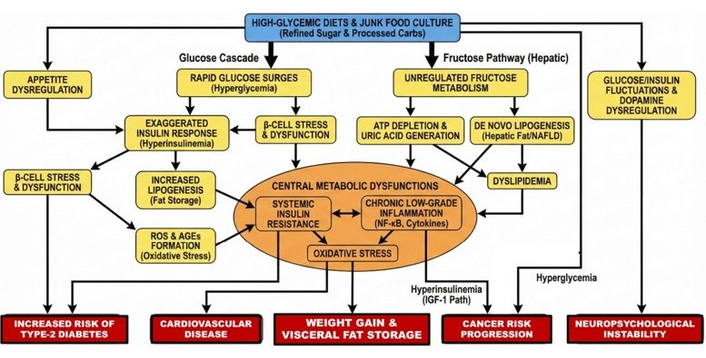
High-glycemic diets are central features of modern junk-food culture. Junk foods are characterized by a high amount of refined sugar, which is used to enhance sweetness, texture, and consumer appeal, yet their metabolic consequences are profound and far-reaching. Foods rich in refined sugar and processed carbohydrates cause sharp rises in blood glucose and trigger complex biochemical disturbances that could increase the risk of type 2 diabetes, CVD, insulin resistance, obesity, systemic inflammation, cancer, and neuropsychological instability [15, 16] (Figure 1). Global data consistently show strong correlations between increased dietary sugar, high glycemic indices, and rising rates of metabolic diseases across countries [17, 18]. Understanding the mechanisms behind these associations is key to addressing the growing burden of diet-induced chronic illness.
High-glycemic diets have been linked to an increased risk of T2DM [19]. High-glycemic foods cause rapid digestion and absorption of blood glucose, resulting in frequent postprandial glucose surges that trigger exaggerated insulin responses from pancreatic β-cells to maintain glucose homeostasis [20]. Repeated hyperglycemia spikes and compensatory hyperinsulinemia cause metabolic stress on β-cells, resulting in depletion, malfunction, and apoptosis [21]. Sweeteners with a high fructose content, such as sucrose and high fructose corn syrup (HFCS), play an important role in this process. Fructose metabolism takes place largely in the liver via fructokinase, a pathway that bypasses glycolysis’ main regulatory enzyme, phosphofructokinase [22]. The unregulated entry of fructose into hepatic metabolism causes rapid ATP depletion, increased uric acid production, and enhanced oxidative stress [23]. These metabolic changes disrupt insulin signaling, enhance hepatic fat buildup, and eventually contribute to insulin resistance. Epidemiological research shows a dose-dependent link between national sugar intake and diabetes prevalence worldwide [18], indicating that high-glycemic diets are key drivers of the global diabetes epidemic.
High-glycemic diets could increase the risk of CVD, mostly due to insulin resistance, dyslipidemia, endothelial dysfunction, and oxidative stress [24]. Chronic hyperglycemia promotes the formation of advanced glycation end products (AGEs), which stiffen arterial walls by crosslinking vascular collagen. The binding of AGEs to the receptor for AGEs (RAGE) activates inflammatory and oxidative pathways that induce atherosclerosis [25]. Fructose-containing sweeteners are key culprits because fructose metabolism has a specific and damaging function in cardiovascular pathology. In the liver, fructose is transformed into triglycerides by de novo lipogenesis, which increases the secretion of very-low-density lipoprotein (VLDL) particles. This causes hypertriglyceridemia, increased tiny dense LDL particles, and decreased HDL cholesterol [26]. Furthermore, fructose-induced uric acid synthesis reduces nitric oxide availability, limiting vasodilation and leading to hypertension [27]. These metabolic and circulatory alterations make high-glycemic diets significant factors in CVD progression.
Insulin resistance, defined as tissues’ reduced ability to respond to insulin, is a critical metabolic defect that could relate high-glycemic diets to diabetes, obesity, and CVD [24]. Frequent consumption of high-refined-sugar meals results in chronically elevated insulin levels, which leads to insulin receptor downregulation and decreased activity of key signaling proteins such as IRS-1 and Akt. This lowers glucose absorption in muscle and adipose tissue, contributing to persistent hyperglycemia [28, 29]. Sucrose’s fructose component increases insulin resistance in a unique way. Fructose is rapidly and selectively processed hepatically, causing fat accumulation in liver cells and increasing nonalcoholic fatty liver disease (NAFLD) [30]. Hepatic steatosis alters insulin signaling pathways, leading the liver to release glucose even when fed, hence exacerbating systemic insulin resistance [31]. Furthermore, increased free fatty acid release from fructose-induced hepatic lipogenesis reduces insulin action in peripheral tissues, further reducing glucose uptake and utilization [32].
High-glycemic diets induce significant weight gain, particularly visceral fat storage. Mechanistically, high-GI foods generate abrupt increases in blood glucose, which trigger big insulin surges. Insulin is a primary anabolic hormone that stimulates lipogenesis (fat production) while inhibiting lipolysis. As a result, frequent insulin spikes cause the metabolic balance to shift towards fat storage rather than fat burning [23]. High GI diets worsen weight gain due to their distinct effects on hunger regulation. These diets cause chronic appetite and increased calorie intake [33]. Junk foods, which frequently combine high sugar content with low dietary fiber, exacerbate these effects by quickly emptying the stomach and failing to activate satiety signals, leading to overeating and sustained positive energy balance [34].
Systemic low-grade inflammation is a distinguishing feature of high-glycemic diets and a key mechanism by which sugar promotes chronic disease. Chronic hyperglycemia generates mitochondrial ROS, activating NF-κB, a critical regulator of inflammation. NF-κB activation triggers the production of pro-inflammatory cytokines such as TNF-α, IL-6, and C-reactive protein [35]. The combination of oxidative stress, ROS buildup, and cytokine release results in a chronic inflammatory milieu that contributes to metabolic syndrome, diabetes, and CVD [36].
An increasing body of research suggests that high-glycemic diets raise the risk of numerous malignancies, including colorectal, breast, and pancreatic cancer. Chronic hyperinsulinemia activates the insulin-like growth factor-1 (IGF-1) pathway, which promotes cellular proliferation and inhibits apoptosis. This combination generates the optimal environment for tumor genesis and growth [37]. High glucose levels give ample fuel for rapidly dividing cancer cells, which rely largely on glycolysis for energy (the Warburg effect). Chronic inflammation and oxidative stress from high sugar consumption exacerbate DNA damage and mutagenesis [36]. High-glycemic diets could promote cancer formation by boosting growth signals, increasing oxidative stress, and feeding tumor metabolism [38].
High-glycemic diets can impair mood, cognitive function, and energy balance. Rapid rises in blood glucose caused by high-sugar diets result in transitory gains in energy and sensations of reward via dopaminergic activation. However, they are followed by insulin-induced reactive hypoglycemia, which causes weariness, irritability, anxiety, and difficulty concentrating [39]. Chronic consumption of high-GI foods decreases brain-derived neurotrophic factor (BDNF), a molecule essential for neuronal health and mood regulation [40]. High-GI diets also dysregulate dopamine signaling, contributing to addictive eating behaviors and reduced sensitivity to natural rewards [41]. These neurobiological effects explain the cycles of craving, energy crashes, and emotional instability common in individuals consuming high-sugar diets.
Although modulation of postprandial glycemic response is an important nutritional objective, it is essential to recognize that chronic NCDs such as obesity, type 2 diabetes, CVD, and certain cancers are multifactorial in origin [42]. Dietary glycemic impact represents only one component within a complex network of interacting determinants that include total dietary patterns, energy balance, lipid quality, protein intake, genetic predisposition, physical activity, and broader environmental and lifestyle factors. Accordingly, high-GI foods should not be interpreted as the sole or dominant cause of these conditions [43]. Rather, they constitute one modifiable dietary factor that has been consistently associated with adverse metabolic outcomes, particularly through their influence on postprandial glucose excursions, insulin dynamics, and downstream metabolic signaling pathways [44]. This review therefore does not seek to attribute causality in a linear or reductionist manner but instead focuses specifically on high-glycemic foods as a relevant and actionable target within the broader context of diet-related disease risk. By situating glycemic modulation within this multifactorial framework, the concept of deglycaemation is presented as a complementary strategy that operates alongside, rather than in place of, other nutritional and lifestyle interventions.
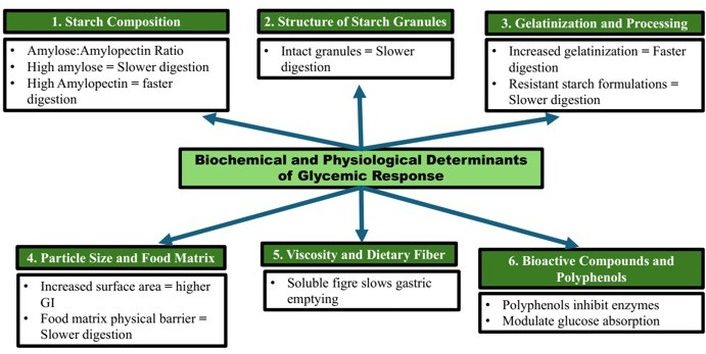
Food composition, matrix structure, and digestive enzyme (Figure 2) activity all work together to regulate the glycemic response to carbohydrate consumption [45]. While the GL considers both the quality and quantity of carbohydrates taken, the GI compares the relative postprandial blood glucose increase to a reference food [46]. Understanding GI factors provides the biological underpinning for tailored deglycaemation.
The molecular structure of starch has a substantial influence on its digestion. Amylose, a linear polymer with α-1,4-linked glucose units, forms tight helices that resist enzymatic hydrolysis. Amylopectin’s branching α-1,6 links facilitate enzyme access, increasing GI and digestibility [47]. High-amylose starches form amylose-lipid complexes during digestion, slowing glucose release and decreasing enzyme accessibility. Deglycaemation can thus be accomplished by replacing high-amylopectin flours with high-amylose flours derived from legumes, unripe plantains, or acha (Digitaria exilis) [48].
The botanical origin of starch critically influences granule morphology, crystalline structure, and subsequent functional behavior during processing and digestion [49]. Starches derived from cereals typically possess loosely packed granules with A-type crystallinity, facilitating rapid water penetration, swelling, and gelatinization. Consequently, they are more readily hydrolyzed by digestive enzymes, resulting in faster glucose release. In contrast, legume starches often exhibit denser granules and higher proportions of B-type or C-type crystallinity, which confer greater resistance to gelatinization and enzymatic degradation [49]. These structural and physicochemical differences highlight the importance of ingredient selection in modulating starch digestibility. Strategic substitution of cereal starches with legume-based alternatives therefore represents a viable approach to attenuate postprandial glycemic response and support the development of lower-glycemic food formulations [50].
Thermal processing changes the crystallinity of starch. Cooking promotes gelatinization, which dissolves the starch’s crystalline layers and enhances its enzymatic sensitivity. However, after cooling, resistant starch type 3 (RS3) is formed by retrogradation, thereby avoiding digestion and lowering postprandial glycemia [48, 51]. As a result, food processing technologies that encourage the development of resistant starch (RS), such as regulated heating and cooling cycles, are effective deglycaemation tools.
Enzyme mobility and efficiency are determined by the structure of the meal. Enzymes have a harder time reaching and breaking down starch in foods containing whole grains, fibrous components, or intact cell walls than in finely ground or extruded goods [52]. Proteins and fats can further impair enzyme performance by altering how the body processes carbohydrates, hence lowering the GI [53].
Dietary fibers, especially soluble types such as guar gum, pectin, and β-glucan, create viscous gels in the gastrointestinal tract, slowing stomach emptying and glucose absorption [51]. Insoluble fibers dilute the starch matrix, preventing enzymatic hydrolysis. In addition to their mechanical effects, certain fibers are digested by the gut microbiota to create short-chain fatty acids (SCFAs), specifically butyrate, propionate, and acetate, which increase insulin sensitivity [54, 55].
Polyphenols contribute to deglycemization by directly interacting with intestinal glucose transporters (GLUTs) and carbohydrate-degrading enzymes. Plant-derived flavonoids, phenolic acids, and tannins block α-amylase and α-glucosidase, slowing starch hydrolysis [56, 57]. Furthermore, these drugs reduce intestinal glucose absorption by inhibiting GLUT2 and sodium-glucose cotransporter 1 (SGLT1). These two actions (transporter modulation and enzyme inhibition) are critical biochemical levers for lowering the impact of blood sugar [57].
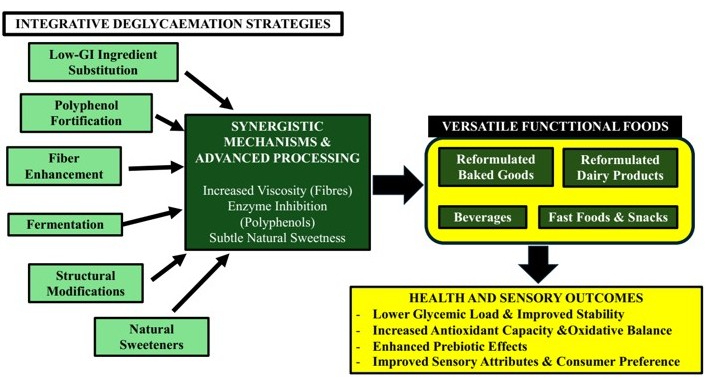
Deglycaemation refers to a variety of measures (such as bioactive enrichment, process modification, and ingredient reformulation) that aim to reduce the glycemic impact of foods while maintaining sensory and nutritional quality (Figure 3). These methods have been rigorously validated in laboratory studies and are now rapidly being adopted in both industrial and pilot-scale production to create breads, snacks, beverages, and dairy alternatives with superior metabolic benefits.
Reformulating fast foods by replacing refined flours and sugars with naturally low-glycemic ingredients derived from fruits, vegetables, and legumes is a potential strategy for reducing the glycemic impact of regularly eaten items. Flours made from unripe plantains, tiger nuts, almonds, legumes, and other similar sources are higher in intrinsic fiber, RS, and amylose than traditional refined wheat flour, all of which contribute to slower enzymatic digestion and reduced glucose release into the bloodstream. Noodles are made from a blend of 55% wheat flour, 35% unripe plantain (Musa sapientum Linn. Var. paradisiaca) flour, and 10% orange Citrus sinensis peel powder had a much lower GI of 35 than commercial noodles [58]. This lower GI is primarily due to the designed noodles’ greater amylose-to-amylopectin ratio; amylose molecules form complexes with lipids, making starch more resistant to enzymatic breakdown and so delaying glucose absorption [20]. Similarly, sucrose-free ice creams enhanced with Moringa oleifera leaves or made with soursop fruit pulp had much lower glycemic indices than commercial, sucrose-sweetened ice creams. These products also showed increased antioxidant capabilities while retaining acceptable sensory attributes. Polyphenolic chemicals in Moringa leaves and soursop fruit hinder carbohydrate-digesting enzymes including α-amylase and α-glucosidase, resulting in slower starch catabolism to glucose [58, 59]. Furthermore, partial replacement of dairy cream with soursop fruit lowers the calorie content of the ice cream, solving the issue of high energy density often associated with traditional ice creams high in sugar and fat [59].
The use of fruit and vegetable powders (e.g., orange peel, plantain flour) in biscuits and other baked snacks, which are frequently sweetened with low-caloric sweeteners such as stevia, has resulted in functional meals with lower glycemic indices and higher antioxidant profiles [60]. These compounds boost the products’ overall phenolic and flavonoid content, improving their radical scavenging and ferric reduction antioxidant properties, which add to metabolic health advantages beyond glucose management. Importantly, research shows that such reformulations can retain, or even improve, food sensory appeal, which is crucial for consumer acceptance [1]. The shift toward using fruit and vegetable byproducts, such as citrus peels, provides an environmentally sustainable and economically appealing raw material source for the development of low-glycemic functional foods. These natural substances not only lower postprandial blood glucose levels, but they also provide antioxidant enrichment, which may alleviate the oxidative stress associated with metabolic disorders. Overall, embracing these healthy raw materials has the potential to significantly transform the fast-food industry, allowing for the production of lower-calorie, nutrient-dense products that promote metabolic stability and consumer satisfaction without sacrificing textural quality or flavor [51].
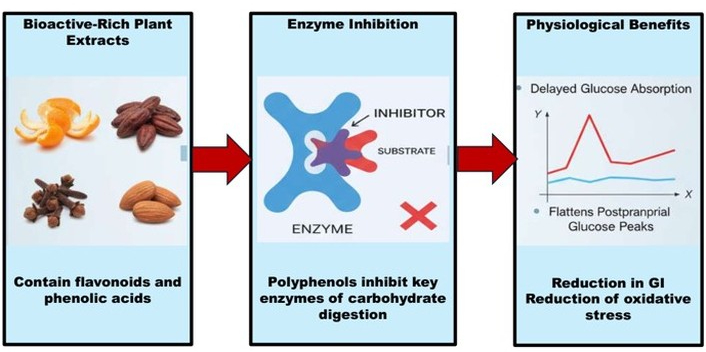
Polyphenolic enrichment is a key technique for developing functional foods for glycemic control and oxidative stress reduction. Fruits, vegetables, and their byproducts are high in polyphenols, particularly flavonoids and phenolic acids, which have strong antioxidant characteristics and can be found in both free and bound forms in plant matrices. Free phenolics are released in the gastrointestinal tract during digestion, while bound forms are liberated by colonic fermentation, resulting in systemic antioxidant effects [61, 62]. These antioxidants scavenge damaging reactive oxygen species, which are linked to type 2 diabetes, inflammation, neurological illnesses, and cardiovascular disorders [63, 64]. Polyphenols’ ability to scavenge radicals is enhanced by structural properties such as hydroxyl and catechol groups, which contribute to their health advantages [65, 66]. Polyphenols block digestion enzymes α-amylase and α-glucosidase, slowing glucose release and reducing postprandial blood sugar rises (Figure 4). For example, incorporating Moringa oleifera leaf powder and soursop fruit into ice cream recipes dramatically boosted total phenolics while increasing antioxidant capacity and lowering glycemic indices [59]. Similarly, noodles fortified with orange peel and unripe plantain flours had higher phenolic content and antioxidant activity while lowering glycemic response [67]. These substances are high in flavonoids, which help with antioxidant defense and enzyme inhibition [68].
Furthermore, incorporating phenolic-rich powders from fruits, vegetables, and nuts into bakery products such as cookies, cakes, and shortbreads not only boosts antioxidant levels but also has therapeutic potential by modulating enzymes linked to hypertension and erectile dysfunction. This dual functionality of antioxidant enrichment and enzyme inhibition provides a viable strategy for transforming traditionally high-glycemic junk foods into health-promoting functional foods while maintaining sensory quality and consumer acceptance [60]. Thus, polyphenolic enrichment is an effective method for developing meals that regulate postprandial hyperglycemia and related oxidative stress using natural bioactive chemicals.
Processing technologies can be developed to alter starch structure and promote RS synthesis. Controlled extrusion, retrogradation, and repeated heating-cooling cycles enhance the crystalline ordering of starch polymers [69]. Structural manipulation relies heavily on controlled thermal processing. Depending on the botanical origin, starch gelatinization usually takes place at 60–80°C. Retrogradation is then induced by cooling at 4–10°C for several hours to 24 hours, which increases the formation of RS [70]. RS hinders α-amylase digestion in the small intestine, creating a fermentable substrate for gut microorganisms in the colon. This fermentation generates SCFAs, which improve insulin sensitivity and glucose metabolism [71]. Industrially, using such structure optimization approaches to popular staples enables the production of naturally low-glycemic meals with improved functional and metabolic benefits [1].
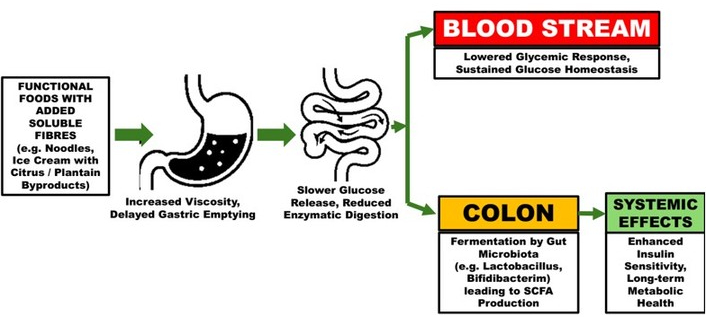
Incorporating soluble fibers from fruit peels and agro-industrial byproducts, such as citrus and plantain residues, effectively modifies glycemic responses by increasing digesta viscosity, slowing stomach emptying and glucose penetration into the bloodstream. These fibers form protective complexes with starch and lipids, limiting enzymatic access and lowering the GI of reformulated products such as noodles and ice creams. Unripe plantain flour and orange peel powder have shown superior amylose-lipid interactions [58]. Fibers, when paired with the polyphenols found in these plant components, synergistically alter gut microbiota composition, favoring good bacteria such as Lactobacillus and Bifidobacterium, which convert undigested residues into SCFAs.
SCFAs improve insulin sensitivity and glucose homeostasis, giving metabolic benefits that extend beyond immediate postprandial control [60]. This method not only repurposes copious waste streams for sustainability, but it also aligns with functional food development, as illustrated by fruit pulp-enriched cookies that improve potassium while lowering salt without sacrificing sensory quality [72]. Overall, fiber modulation converts high-glycemic fast foods into nutrient-dense choices that promote digestive health and long-term glycemic control (Figure 5).
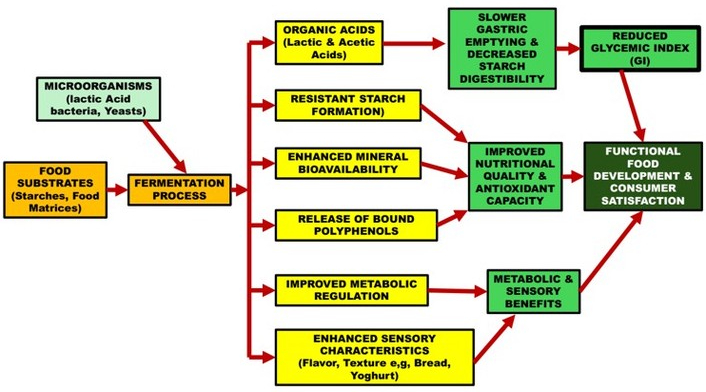
Fermentation is a highly effective natural method for decreasing the GI of meals. It creates organic acids including lactic and acetic acids, which impede stomach emptying and decrease starch digestibility, resulting in a lower GI [73]. Fermentation also improves the production of RS and increases mineral bioavailability, improving the nutritional value of fermented goods [74]. Microorganisms such as lactic acid bacteria and yeasts have an important role in improving metabolic regulation while also boosting sensory features, resulting in bread and yogurt with better flavor, texture, and glycemic response.
Fermentation also helps to liberate bound polyphenols from food matrices, which increases antioxidant capacity and overall nutritional value [75]. This multidimensional technique seamlessly incorporates metabolic advantages and customer satisfaction, making it a valuable tool in functional food production (Figure 6).
Replacing refined sugars with natural sweeteners is another option for glycemic control. Steviol glycosides, mogrosides, glycyrrhizic acid, and dihydrochalcones offer high sweetness with low caloric content [76, 77]. These molecules not only substitute for sucrose, but they also have physiological effects such as increasing insulin release and blocking carbohydrate-hydrolyzing enzymes. The global market for natural sweeteners is expected to reach USD 49 billion by 2034, indicating rising consumer demand for such versatile ingredients [78]. However, obstacles remain in dealing with aftertaste and large-scale extraction efficiency.
While structural modification of starch and incorporation of polyphenols offer clear benefits for modulating postprandial glycemia, these approaches often introduce notable sensory trade-offs that require careful consideration. The use of high-amylose starches and high-fiber alternatives such as tiger nut or almond flours can lead to increased firmness, dryness, or grittiness, as well as alterations in flavor profiles, including nutty or slightly bitter notes [79]. These changes arise from differences in water absorption, particle size, and interactions within the food matrix [80]. Addressing these challenges requires optimization of processing conditions, ingredient blending, and formulation strategies to balance glycemic functionality with consumer-acceptable texture and taste (Table 1). Despite promising findings, the evidence base for deglycaemation remains constrained by notable limitations. Much of the research is derived from controlled laboratory or pilot-scale studies, which may not reflect real-world dietary complexity or long-term outcomes. Although reductions in glycemic response through low-glycemic ingredients and polyphenolic enrichment are widely reported, outcomes are not always consistent and are influenced by food matrix interactions, processing conditions, and individual metabolic variability. In addition, the translation of enzyme inhibition observed in vitro into clinically meaningful effects in humans remains uncertain. Methodological weaknesses, including small sample sizes, short study durations, and limited standardization of glycemic assessment protocols, further restrict comparability across studies (Table 1). Sensory acceptability and scalability also remain insufficiently explored, particularly at higher levels of functional ingredient incorporation. These limitations underscore the need for robust long-term clinical studies and standardized evaluation frameworks to support effective and practical application.
Deglycaemation strategies: mechanisms, evidence level, foodomics contributions, and application considerations.
| Strategy | Mechanism of action | Functional ingredients/processes | Level of evidence | Foodomics contribution | Application potential | Metabolic impact | Limitations/Sensory trade-offs | Key references |
|---|---|---|---|---|---|---|---|---|
| Low-glycemic raw material reformulation | High amylose content; resistant starch formation; slower enzymatic digestion and glucose absorption | Unripe plantain flour, tiger nut flour, almond flour, citrus peel powder, Moringa leaves, soursop pulp | Strong (clinical & epidemiological) | Metabolomics (glycemic response profiling) | Widely applicable (noodles, ice cream, biscuits, baked snacks) | Reduced glycemic index; enhanced antioxidant capacity | Denser texture; mild flavor variation; may not reflect mixed-meal effects | [1, 20, 58, 59] |
| Polyphenol incorporation/enzyme inhibition | Inhibition of α-amylase and α-glucosidase; antioxidant activity; matrix interactions | Polyphenols (flavonoids, phenolic acids), citrus peel, Moringa | Moderate (mechanistic + limited human data) | Metabolomics; interaction mapping | Functional foods, beverages, bakery, noodles, ice cream | Slower glucose release; reduced oxidative stress | Bitterness/Astringency; stability and bioavailability variability | [59, 67] |
| Starch structural modification (resistant starch formation) | Retrogradation; crystalline restructuring; reduced enzymatic accessibility and digestibility | Controlled heating-cooling cycles; extrusion; high-amylose starch | Strong (in vitro + in vivo) | Glycomics; digestion kinetics modeling | Staples (rice, pasta, bread), cereals, bakery | Increased resistant starch; improved insulin sensitivity (via SCFAs) | Firmer texture; processing complexity | [1, 69, 70] |
| Fiber enrichment and viscosity modulation | Increased digesta viscosity; delayed gastric emptying; reduced glucose diffusion and enzyme interaction | Citrus fiber, plantain residues, soluble fibers from byproducts | Strong (clinical studies) | Microbiome-metabolome (SCFA production) | Bread, beverages, noodles, cookies, functional foods | Lower postprandial glucose; improved gut microbiota | Altered mouthfeel; increased thickness; gastrointestinal tolerance issues | [20, 67, 72] |
| Fermentation and enzymatic processing | Organic acid production; structural carbohydrate transformation; release of bound polyphenols | Lactic acid bacteria; yeast fermentation | Emerging to moderate | Proteomics; metabolomics | Bread, yogurt, fermented cereals, dairy alternatives | Reduced glycemic response; improved mineral bioavailability | Process variability; scalability constraints; high sensory acceptance | [73–75] |
| Sugar replacement (natural sweeteners) | Reduced glycemic load; modulation of insulin response; enzyme inhibition | Steviol glycosides, mogrosides, glycyrrhizic acid, dihydrochalcones | Strong (short-term clinical evidence) | Metabolomics (substitution effects) | Beverages, confectionery, desserts, baked goods | Reduced glycemic load; potential metabolic benefits | Aftertaste; formulation complexity; regulatory considerations | [76–78] |
| By-product incorporation (e.g., pomace, peels) | Fiber and bioactive enrichment; synergistic viscosity and polyphenol effects | Agro-industrial byproducts (fruit peels, pomace, plant residues) | Emerging | Metabolomics; compositional profiling | Bakery, snacks, functional foods | Improved glycemic response; antioxidant enhancement | Variability in composition; safety and acceptance concerns | [1, 67, 75, 113] |
| Food matrix engineering | Modification of digestion kinetics and nutrient release; altered enzyme accessibility | Advanced structuring and formulation techniques | Emerging but growing | Systems biology; digestion modeling | Complex foods; ready meals | Controlled glycemic response via structural design | Requires advanced expertise; formulation complexity | — |
Integrative deglycaemation strategies combine low-GI ingredient substitution, polyphenol fortification, fiber enhancement, fermentation, structural modifications, and natural sweeteners to produce versatile functional foods in a variety of categories, such as baked goods, cereals, dairy alternatives, and beverages. These methods reduce GL while increasing antioxidant capacity, prebiotic effects, and sensory qualities, transforming traditional foods into metabolic health promoters [45, 81]. Reformulated noodles made from unripe plantain and citrus peels, as well as fermented ice creams enhanced with moringa, demonstrate how fruit and vegetable by-products lower starch digestibility and increase phenolic content without sacrificing sensory quality.
This paradigm carries over to functional beverages, where Moringa-infused smoothies and herbal beers use plant extracts to improve glucose tolerance and antioxidant status in vivo [82, 83]. Such beverages provide glycemic control by synergistic viscosity from fibers, enzyme-inhibiting polyphenols, and subtle natural sweetness, while preserving bioactive integrity through advanced processing techniques such as microfiltration and cold extraction [84]. Overall, deglycaemation connects food enjoyment and health optimization, allowing for scalable innovations (from nutrient-dense snacks to enticing drinks) that promote prolonged glycemic stability, oxidative balance, and consumer choice in ordinary diets.
While the above strategies demonstrate the breadth of deglycaemation approaches, a more critical synthesis reveals important distinctions in evidence strength, mechanistic clarity, and translational feasibility (Table 1). Reformulation with low-glycemic raw materials and fiber enrichment are among the most robustly supported strategies, with consistent evidence from both mechanistic and human studies demonstrating reductions in postprandial glycemia and improved metabolic markers [1]. Structural manipulation techniques, particularly RS formation through controlled processing, also show strong mechanistic grounding, although variability across food matrices and processing conditions limits direct industrial standardization [85]. In contrast, polyphenolic enrichment presents compelling biochemical mechanisms, particularly enzyme inhibition and antioxidant activity, yet its translational impact remains less consistent due to variability in bioavailability, food matrix interactions, and dose-response effects in vivo [1]. Similarly, fermentation offers promising multifunctional benefits, including glycemic modulation and improved nutrient bioaccessibility, but outcomes can vary significantly depending on microbial strains and processing parameters [86, 87]. The use of natural sweeteners is well established for reducing GL, although sensory challenges and metabolic effects beyond glycemia require further clarification [88–90]. Across these strategies, inconsistencies in study design, particularly the reliance on in vitro models and limited long-term clinical data, highlight the need for cautious interpretation. Therefore, distinguishing well-validated interventions from emerging or context-dependent approaches is essential for advancing deglycaemation from a conceptual framework to a reliably applicable strategy in functional food development.
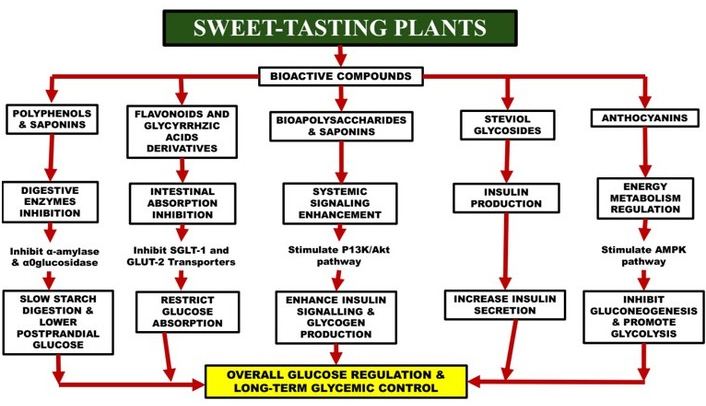
Natural sweetness and metabolic management are combined by sweet-tasting plants to provide a variety of advantages for managing blood sugar levels (Figure 7). Packed with glycosides, polysaccharides, saponins, and flavonoids, they influence energy metabolism, insulin signaling, glucose transport, and carbohydrate digestion [88–90]. Sweet-tasting plants such as Gogi berry (Lycium barbarum), common bean (Phaseolus vulgaris), and white mulberry (Morus alba) contain polyphenols and saponins that slow down starch digestion and lower postprandial glucose by inhibiting α-amylase and α-glucosidase [91, 92]. Intestinal absorption is restricted by flavonoids and derivatives of glycyrrhizic acid, which inhibit the GLUTs, SGLT1 and GLUT2 [90, 93].
Polysaccharides from Polygonatum sibiricum and Ganoderma lucidum and saponins from Siberian ginseng (Acanthopanax senticosus) stimulate the PI3K/Akt pathway systemically, enhancing insulin signaling and glycogen production [94, 95]. While steviol glycosides from Stevia rebaudiana increase insulin production [96]. Vaccinium and Pachyrhizus erosus anthocyanins stimulate AMPK, which inhibits gluconeogenesis and promotes glycolysis [90, 97]. Plants like Mongolian milkvetch (Astragalus membranaceus) and white mulberry, which were once prized as “sweet and neutral” herbs, are now important functional food ingredients that combine sweetness with long-term glycemic control [98, 99].
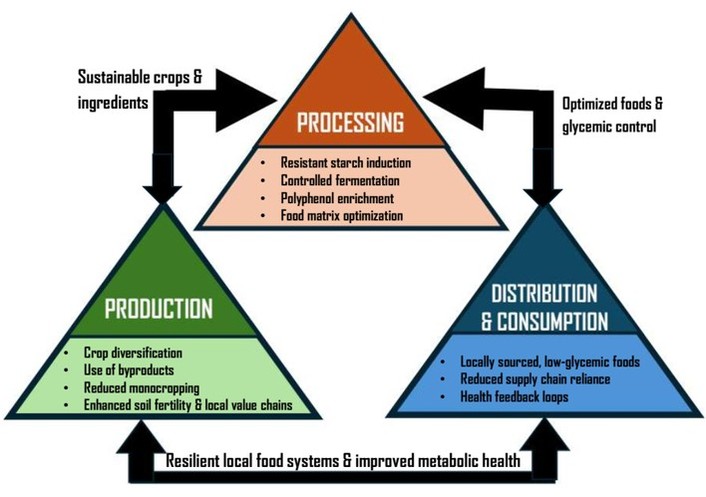
Deglycaemation should be understood not simply as a biochemical or product-level intervention but as a transformative strategy capable of reshaping modern food systems (Figure 8). Nowadays, ultra-processed meals, monocropping, refined cereals, and lengthy supply chains dominate global food systems. Rising incidence of NCDs is linked to diet, environmental deterioration due to biodiversity loss and soil depletion, and economic inefficiencies such as reliance on imports and minimal local value addition are all caused by these structural characteristics [100–102]. In this regard, deglycaemation goes beyond its immediate metabolic effects to become a tool for building robust, just, and health-promoting food systems. Deglycaemation promotes strategic crop diversification at the production level by including nutrient-rich fruit and vegetable byproducts, legumes, high-amylose grains like Acha (Fonio), and unripe plantain flour into staple diets [1]. By lessening the dangers of relying solely on one crop and the environmental impact of traditional monocultures, this diversification increases the resilience of agroecosystems [103]. Using these locally accessible ingredients also strengthens local value chains and promotes rural economic empowerment by lowering dependency on imported refined wheat, especially in low- and middle-income nations [104]. By partially substituting resistant-starch or fiber-rich components for 30 to 50 percent of refined wheat flour, two goals are accomplished: enhancing metabolic health and integrating sustainability principles into agricultural production [105]. Beyond glycemic modulation, these substitutions reinforce the relationship between crop production, nutrient retention, and community-level food sovereignty [50].
Deglycaemation prioritizes structural optimization over basic nutrient removal during processing. Glycemic management is made possible without raising the overall caloric content by methods such as controlled fermentation, enzymatic modulation, polyphenol stabilization, and RS induction through retrogradation. These methods reduce the need for highly processed ingredients while maintaining or improving the food matrix’s functional qualities, such as fiber integrity, bioactive stability, and sensory quality. As a result, processing turns into a tool for creating value by emphasizing the interactions between food ingredients above extensive refinement [106–108]. Deglycaemation is in line with sustainable consumption principles that limit ultra-processing, minimize energy-intensive alterations, and preserve nutritional richness by optimizing the food matrix. Deglycemation has effects on both distribution and consumption. Lower-glycemic, structurally enhanced foods made from locally sourced ingredients improve price and accessibility while reducing reliance on lengthy, carbon-intensive supply chains [105, 109]. These dishes can be included in both conventional and contemporary cooking techniques, guaranteeing cultural acceptability. Regular use of deglycaemated products will reduce the risk of non-communicable illnesses, recalibrate glycemic exposure, and encourage eating habits that support long-term metabolic health. Repeated consumption creates reinforcing feedback loops when implemented systemically, enhancing sustainable food choices and health outcomes [1].
To strengthen the sustainability dimension of deglycaemation, it is important to explicitly connect metabolic health benefits with measurable environmental and economic outcomes. Low-glycemic ingredients such as legumes, RS, and polyphenol-rich by-products not only support improved postprandial glycemic responses but also differ in their environmental impacts. For instance, legume-based starches are typically associated with lower greenhouse gas emissions, reduced reliance on synthetic fertilizers, and enhanced soil quality through biological nitrogen fixation when compared to conventional cereal starches [110, 111]. In parallel, the use of agro-industrial by-products, including fruit peels, bran, and pomace, for fiber and polyphenol enrichment contributes to both glycemic modulation and waste reduction by improving resource efficiency [112]. From an economic perspective, these approaches may offer particular advantages in low- and middle-income countries, where legumes are often locally available, cost-effective, and already integrated into traditional diets, and where by-product valorization can reduce production costs and support circular economies [113, 114]. However, challenges related to processing infrastructure, scalability, and market acceptance remain important considerations. Incorporating sustainability metrics such as life-cycle assessment, water use, land use, and cost-effectiveness into deglycaemation research will enable a more comprehensive evaluation [115]. This integrated perspective positions deglycaemation as both a nutritional and economically relevant strategy for sustainable food systems.
Deglycaemation develops as an evidence-based mechanism to integrate human health objectives with sustainable production, optimal processing, and informed consumption by framing it as a structural strategy rather than a limited technological intervention. It is a paradigm shift in food system design rather than just a glycemic control technique. When fully implemented, deglycaemation can promote a food system that is socially just, ecologically conscious, and nutritionally intelligent, offering a clear route toward the twin objectives of human and planetary health. The promise of deglycaemation as a sustainable strategy ultimately hinges on its practicality beyond controlled settings. Real impact will depend on whether these approaches can be produced at scale, remain affordable, and fit seamlessly into existing food cultures. Cost pressures from specialized ingredients, the complexity of adapting processing techniques to industrial systems, and the absence of clear regulatory frameworks all present tangible barriers. At the same time, even the most scientifically effective reformulations will fall short if they do not meet consumer expectations for taste, texture, and familiarity. Long-term success therefore requires more than technical validation; it demands alignment with economic realities, supply chain capabilities, and everyday eating habits. Embedding these considerations early in research and product development will be essential to ensure that deglycaemation evolves from a promising concept into a practical, widely adopted solution for healthier and more sustainable food systems.
The valuation of agro-industrial by-products, which are typically underutilized and frequently wasted, adding to the environmental load, is essential to deglycaemation. Deglycaemation substitutes the conventional linear take-process-discard paradigm with a circular, resource-efficient strategy by transforming such residues into high-value functional constituents.
Deglycaemation’s ability to promote industrial symbiosis (whereby by-products from one industry, such as juice or fruit processing, become inputs for another, such as cereal, baking, or snack manufacturing) is one of its most significant features [116]. By improving resource efficiency, bolstering the robustness of the supply chain, and easing the strain on primary agricultural extraction, this cross-sector integration fosters positive relationships throughout the food system [117]. Practical applications of this approach include orange peel powder, a rich source of dietary fiber and polyphenols that enhances both functional and nutraceutical properties of foods [75]; plantain peel flour, which provides RS and supports glycemic regulation; and fruit pomace incorporation into bakery and cereal products, improving fiber content while delivering antioxidant and bioactive compounds. Despite their potential, these materials are often underexploited. Prior analyses have indicated that redirecting 30 to 40 percent of citrus processing waste into food-grade applications could substantially reduce organic waste accumulation, lower methane emissions, and generate secondary economic value [118]. This strategy demonstrates that nutritional innovation, waste valorization, and cross-sector industrial collaboration can be mutually reinforcing objectives. Ultimately, deglycaemation represents a scalable, integrative pathway toward resilient, health-oriented, and environmentally sustainable food systems.
Deglycaemation is a strategic intervention that offers an integrated approach to human health, environmental sustainability, and socioeconomic resilience. It is closely aligned with several SDGs of the United Nations. Deglycaemation improves the nutritional density and metabolic quality of basic foods without sacrificing price in the context of SDG 2 (Zero Hunger). This strategy enhances the nutritional profile of frequently consumed foods while preserving access for vulnerable populations by partially replacing refined ingredients with locally accessible, fiber- and resistant-starch-rich substitutes like unripe plantain flour, legumes, and high-amylose grains [119]. Deglycaemation immediately addresses the main dietary risk factors for non-communicable illnesses in SDG 3 (Good Health and Well-Being). It supports preventive dietary measures and fosters long-term metabolic health by lowering postprandial GL, a contributing cause of obesity, type 2 diabetes, and CVD [120, 121]. The intervention guarantees that processed and basic foods have a positive impact on public health outcomes. By promoting ingredient replacement and the value-adding of underutilized agricultural byproducts, deglycaemation also advances SDG 12 (Responsible Consumption and Production). This promotes more sustainable food processing methods, improves resource efficiency, and lessens dependency on highly refined goods.
The strategy promotes local ingredient sourcing, shortens supply chains, and reduces waste in relation to SDG 13 (Climate Action), all of which help lower greenhouse gas emissions related to food production and delivery [122, 123]. Lastly, by encouraging innovation in functional food technologies and supporting sustainable processing systems that strike a balance between efficiency, nutritional quality, and ecological responsibility, deglycaemation supports SDG 9 (Industry, Innovation, and Infrastructure). When taken as a whole, deglycaemation is a multifaceted approach where economic, environmental, and health goals come together. Its application shows how specific biochemical and structural changes can improve metabolic outcomes, fortify regional food systems, and promote global sustainability objectives all at once [124].
Future research in food deglycaemation should concentrate on developing a solid scientific foundation for producing functional foods, influencing legislation, and promoting sustainability. Integrating biological insights with food technology is crucial for addressing structural and metabolic aspects that influence glycemic response in addition to sugar reduction. Mechanistic experiments with spectroscopy and molecular modeling can reveal how polyphenols, starches, and digestive enzymes interact to influence carbohydrate digestibility and glucose release [125, 126]. These findings will help guide ingredient selection and processing to improve both health outcomes and sensory attributes. Understanding the gut microbiota’s role is similarly crucial. Deglycaemized meals promote positive microbiota changes by improving fiber and RS ferentation, which increases SCFA production and improves insulin sensitivity while decreasing hepatic gluconeogenesis [75, 127]. Polyphenols have prebiotic-like effects by promoting bacteria like Bifidobacterium and Akkermansia muciniphila, which are essential for glucose management [128]. Integrating omics approaches such as metabolomics and microbiomics will reveal these intricate host-microbe-nutrient relationships [129].
Sustainability must be a key consideration. Using by-products such as citrus and plantain peels increases nutritional value while reducing waste, hence boosting circular economy models [130]. Sustainable sourcing also reduces the carbon footprint associated with refined flour production, which helps to achieve environmental goals [106]. These advantages should be quantified through life cycle assessments. The regulatory and consumer challenges remain severe. The absence of a uniform standard for “low glycemic impact” foods impedes regulation and adoption [8]. Standardized testing, safety assessments, and clear labeling are required. Furthermore, sensory research to blend sweetness with health functions is required to further increase customer acceptance [131]. Finally, predictive computational models integrating biochemical data and individual metabolic variability can enable personalized low-glycemic food formulations and precision nutrition [132]. Through this integrative research, deglycaemation can evolve into an evidence-based strategy that advances metabolic health, sustainability, and personalized nutrition.
Foodomics, defined as the integration of advanced omics technologies such as genomics, proteomics, metabolomics, and glycomics with food science and nutrition [133], offers a powerful framework for advancing the concept of deglycaemation beyond conventional reformulation strategies. Rather than focusing solely on macronutrient composition or GI values, foodomics enables a deeper systems level understanding of how foods behave at the molecular level and interact dynamically within biological systems [134]. Within this perspective, deglycaemation can be reframed as a mechanism driven approach, where modifications in carbohydrate quality, food matrix structure, and bioactive compounds are evaluated in terms of their influence on metabolic pathways governing postprandial glycemic responses. At the molecular scale, metabolomics plays a central role by capturing the biochemical consequences of consuming reformulated foods and identifying metabolic signatures linked to improved glycemic control [135]. This is complemented by glycomic and structural analyses, which provide insight into starch architecture and digestibility, and proteomics, which helps elucidate enzyme substrate interactions that regulate carbohydrate breakdown [136, 137]. In addition, foodomics tools enable detailed exploration of interactions such as starch polyphenol and fiber nutrient binding, both of which influence enzymatic accessibility and glucose release kinetics [1]. Together, these approaches allow deglycaemation strategies to be assessed not only by their nutritional composition but also by their underlying biochemical mechanisms (Figure 9).
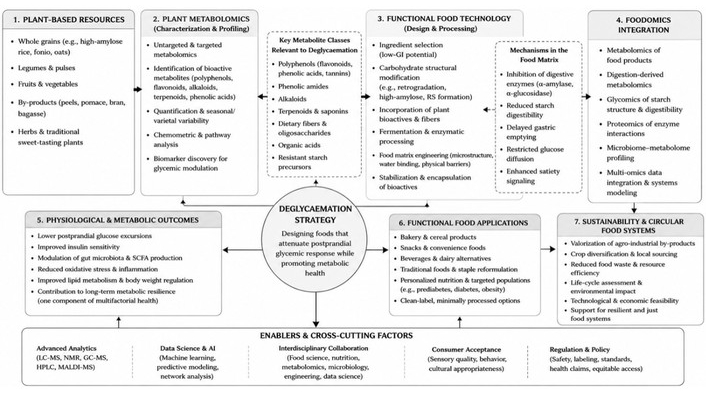
Integration of plant-based metabolomics and functional food technology within a foodomics framework to enable deglycaemation.
Beyond isolated molecular insights, foodomics supports the integration of host and food interactions at the systems level, particularly through microbiome metabolome analyses. These approaches reveal how reformulated foods shape gut microbial metabolism and downstream physiological responses, enabling the identification of biomarkers of glycemic response and the exploration of inter individual variability [138]. In this way, deglycaemation evolves from a descriptive concept into a predictive and evidence-based paradigm. However, its full potential emerges only when situated at the intersection of metabolic nutrition, foodomics, and sustainable food system design. While reducing postprandial glycemic impact is a clear objective, meaningful implementation requires balancing molecular functionality with environmental and technological considerations. Strategies that optimize glycemic response may increase processing complexity, while sustainability driven ingredients may introduce variability in performance [139]. Therefore, future progress depends on interdisciplinary approaches that integrate systems biology, advanced analytics, and life cycle thinking. Ultimately, deglycaemation should be viewed as an evolving paradigm that aligns precision nutrition with sustainability, supporting both human health and environmental resilience.
This review has examined the concept of deglycaemation as an emerging framework for the design of foods that aim to modulate postprandial glycemic response through coordinated changes in ingredient selection, food matrix structure, and processing strategies. Current evidence supports the importance of postprandial glycemic control as one relevant component of metabolic health, and a range of established approaches (including fiber enrichment, modulation of starch digestibility, polyphenol incorporation, and reduction of rapidly available carbohydrates) have demonstrated the capacity to attenuate glycemic excursions under controlled conditions. These findings provide a scientific basis for considering integrated reformulation strategies; however, the extent to which such approaches translate into consistent long-term health benefits at the population level remains incompletely understood. At the same time, the broader physiological implications of glycemic modulation should be interpreted with caution. Chronic NCDs such as type 2 diabetes, CVD, and obesity are multifactorial in origin, and glycemic response represents only one of several interacting determinants. While high-glycemic dietary patterns have been associated with adverse metabolic outcomes, the strength, consistency, and causality of these relationships vary across study designs and populations. In this context, deglycaemation should not be viewed as a standalone solution to chronic disease prevention, but rather as a complementary strategy within a wider framework of dietary quality, lifestyle factors, and public health interventions.
Important knowledge gaps remain that limit the current maturity of the concept. There is a need for more robust mechanistic studies linking food structure and composition to metabolic responses, as well as well-designed human intervention trials assessing the long-term health effects of deglycaemated foods in realistic dietary settings. In addition, further work is required to integrate foodomics approaches for molecular-level characterization, to evaluate environmental and technological trade-offs through life-cycle and techno-economic assessments, and to better understand consumer acceptance and behavioral responses to reformulated products. Addressing these gaps will be critical for translating the concept from a largely conceptual and experimental framework into a validated, evidence-based strategy. Future research should therefore prioritize interdisciplinary approaches that combine nutritional science, food technology, foodomics, and sustainability assessment. This includes the identification of biomarkers of glycemic response, investigation of microbiome-mediated effects, optimization of food matrix design, and evaluation of scalability within diverse food systems. Within this broader context, deglycaemation can be considered a useful organizing concept for guiding research and innovation, provided that its development remains grounded in rigorous evidence and critical evaluation. Such an approach will support more realistic and scientifically robust contributions to improving dietary quality, metabolic health, and the sustainability of food systems.
AGEs: advanced glycation end-products
CVD: cardiovascular disease
GI: glycemic index
GL: glycemic load
GLUTs: glucose transporters
NCDs: non-communicable diseases
RS: resistant starch
SCFAs: short-chain fatty acids
SDGs: Sustainable Development Goals
SGLT1: sodium-glucose cotransporter 1
T2DM: type 2 diabetes mellitus
AOA: Conceptualization, Writing—original draft, Writing—review & editing, Supervision. The author read and approved the submitted version.
The author does not have any conflicts of interest.
Not applicable.
Not applicable.
Not applicable.
Not applicable.
Not applicable.
© The Author(s) 2026.
Open Exploration maintains a neutral stance on jurisdictional claims in published institutional affiliations and maps. All opinions expressed in this article are the personal views of the author(s) and do not represent the stance of the editorial team or the publisher.
Copyright: © The Author(s) 2026. This is an Open Access article licensed under a Creative Commons Attribution 4.0 International License (https://creativecommons.org/licenses/by/4.0/), which permits unrestricted use, sharing, adaptation, distribution and reproduction in any medium or format, for any purpose, even commercially, as long as you give appropriate credit to the original author(s) and the source, provide a link to the Creative Commons license, and indicate if changes were made.



View: 362
Download: 13
Times Cited: 0