Annual Development Report of EN 2025
Introduction
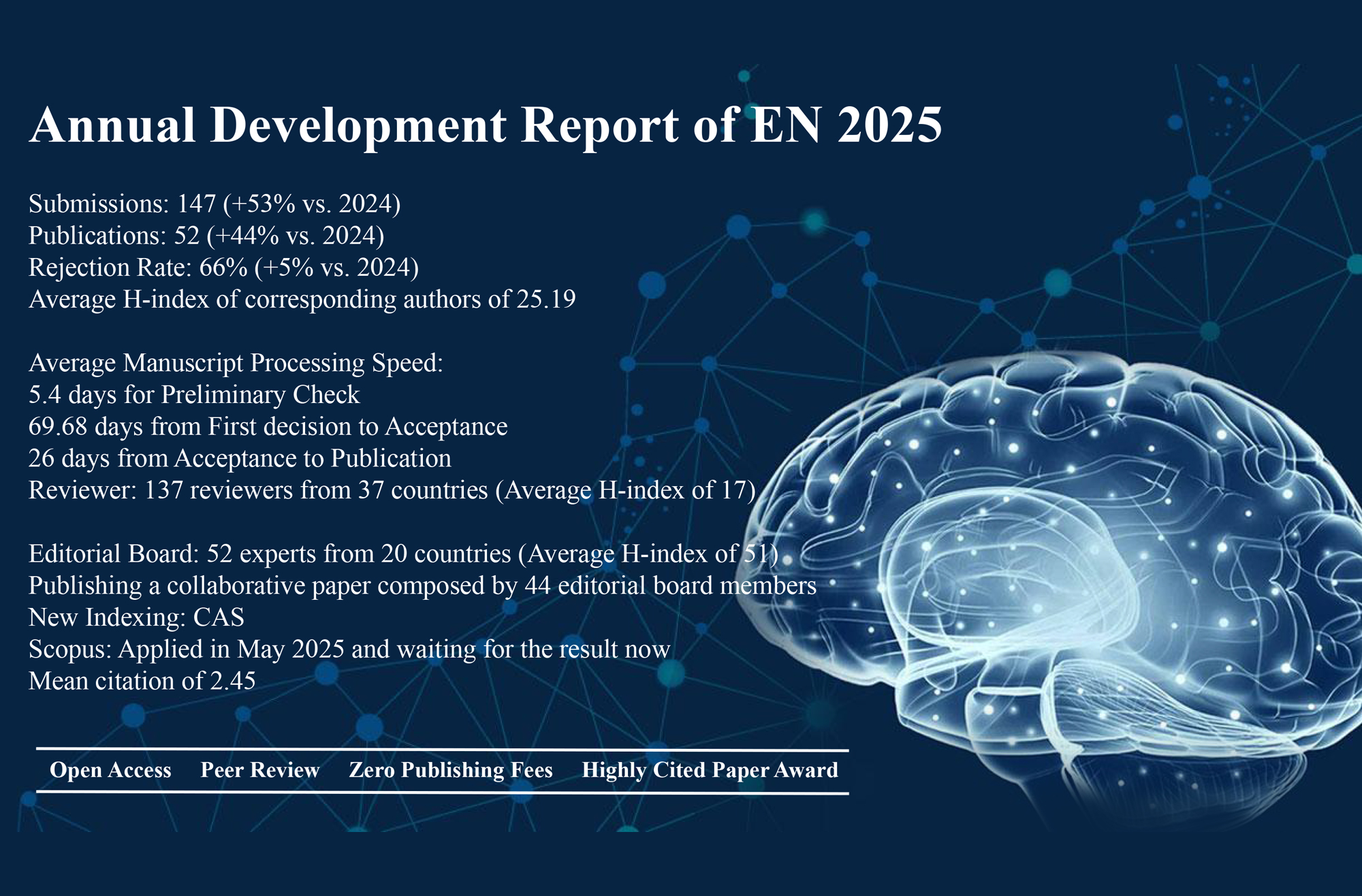
Exploration of Neuroscience (EN), launched in 2022, is an open-access, peer-reviewed online journal dedicated to publishing high-quality research without article processing fees before September 30, 2027. Since its inception, EN has prioritized novel insights into the nervous system, including its function, disease mechanisms, molecular biomarkers, therapeutic targets, and treatments. Building on the strong momentum of 2024, EN achieved new successes in 2025 in many aspects such as submissions, publications, citations, and international visibility.
Key Achievements in 2025
Submissions and Publications
Growth Trends and Global Reach
In 2025, EN received 147 submissions and published 52 articles. Since the journal's establishment, both submissions and publications have increased year by year (Figure 1).
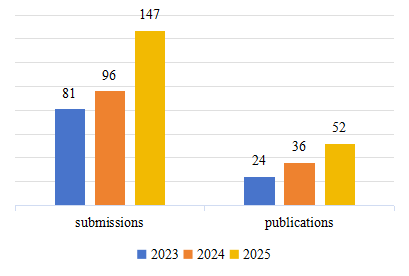
Figure 1. Annual Submissions and Publications
Among the submissions in 2025, the proportion of unsolicited submissions increased from 6% to 22%, and the proportion of regular submissions increased from 18% to 50%, compared with 2024. The 147 submissions came from 41 countries globally (Figure 2), indicating a significant increase in the journal's international influence.
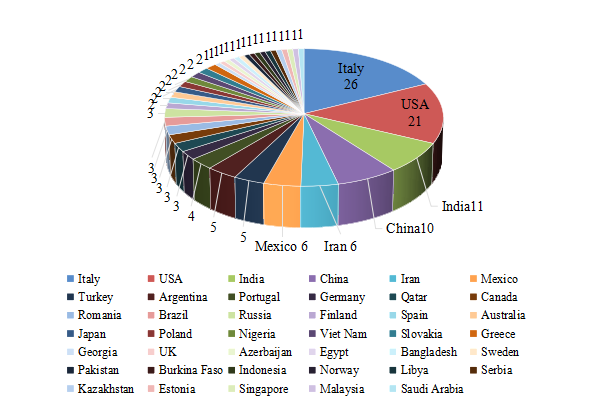
Figure 2. Country Distribution of EN Submissions 2025
The articles published in 2025 were mainly original articles and reviews, specifically including 11 original articles, 24 reviews, 5 editorials, 1 systematic review, 5 case reports, 3 perspectives, 2 mini reviews, and 1 commentary (Figure 3). Taking the corresponding authors' information as unified statistical standard, the 52 published articles came from 24 countries (Figure 4). The corresponding authors had an average H-index of 25.19, and the first authors had an average H-index of 12.44. The published articles included contributions from distinguished authors such as Russel J. Reiter (UT Health San Antonio, H-index 189), Atsushi Miyawaki (RIKEN Center for Brain Science, H-index 106), and Tatjana Rundek (University of Miami Miller School of Medicine, H-index 87). Their contributions signify their recognition of the journal and further enhance its influence.
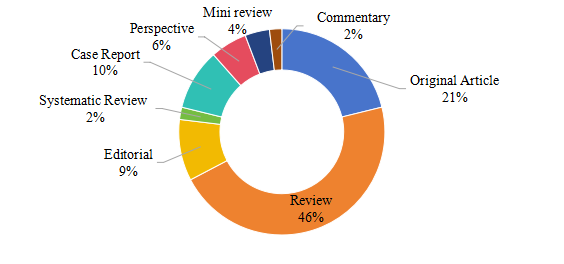
Figure 3. Type of Publications in 2025
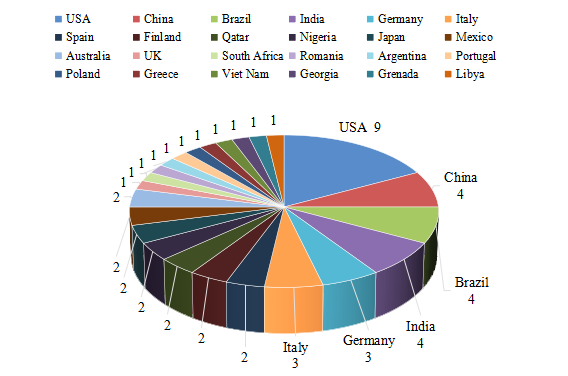
Figure 4. Country Distribution of EN Publications 2025
Article Metrics
For the articles published in 2025, the total views has exceeded 167,000, with an average of 3,213 views per article, significantly higher than the 2024 average of 1,726; the total downloads reached 2,103, and citations increased by 323; the author self-citation rate decreased from 22.9% of 2024 to 14.8% now. The mean citation increased year by year, and rose to 2.45 in 2025 (Figure 5) .
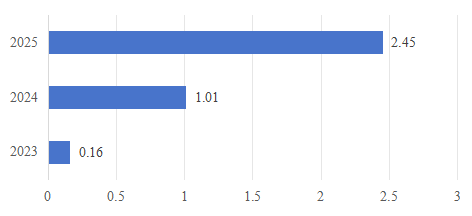
Figure 5. Annual Mean Citation of EN
This year, EN firstly identified its candidate articles for the High Citation Award (Table 1), which means each received no less than 5 citations in 2025. Among them, the article "Current therapeutics for Alzheimer's disease and clinical trials" received 9 citations, with a total of 13,355 views and 188 downloads. The final awarded article(s) will be decided soon and welcome to follow our journal's website.
Table 1. Candidate Articles for High Citation Award
Article | Belonged Special Issue | Author(s) | Web of Science Citations |
Current therapeutics for Alzheimer’s disease and clinical trials | Alzheimer’s Disease | Danqing Xiao, Chen Zhang | 9 |
Medicinal Plants and Bioactive Phytochemicals in Neuroprotection | Apoorva A. Bankar, Vaishali P. Nagulwar, Nandkishor R. Kotagale, Nazma N. Inamdar | 7 | |
Neuroprotective insights into epigallocatechin gallate (EGCG) for neurodegenerative disorders | Medicinal Plants and Bioactive Phytochemicals in Neuroprotection | Neha Kamboj, Sanya Sharma, Rahul Kumar | 6 |
Alzheimer's Disease | Julius Mulumba, Rui Duan, Bo Luo, Jiang Wu, Muhammad Sulaiman, Feng Wang, Yong Yang | 5 |
EN was indexed by CAS in April 2025. In the same year, EN applied for Scopus. As of December 31, 2025, the result was pending.
Manuscript Processing
Rejection Rate
In 2025, a total of 41 manuscripts were accepted and 79 manuscripts were rejected, with a rejection rate of 66%. The rejection rate has remained between 62% and 66% since 2023.
Speed
With the increase in submissions this year, the manuscript processing time slightly increased compared to 2024. In 2025, the average time for Preliminary Check (from submission to first decision) was 5.4 days; the time from first decision to acceptance was 69.68 days; the time from acceptance to publication was 26 days, which was strictly controlled within last year's plan (publishing within one month after acceptance). In 2026, we will further focus on advancing manuscript processing to provide faster service to authors.
Reviewer
In 2025, 137 reviewers from 37 countries participated in the review work, with an average H-index of 17. The average number of review reports per manuscript is 2.7 (2.4 in 2024) to make the review suggestions more comprehensive and objective. The reviewer pool is further expanded than 2024, which will shorten the future peer-review time.
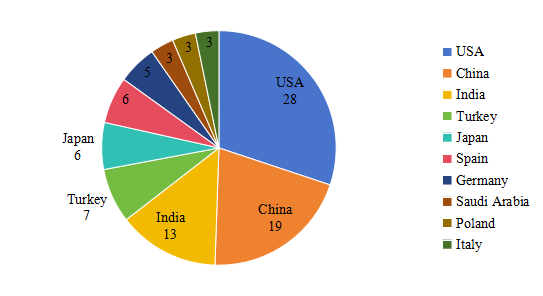
Figure 6. Top 10 Countries of Reviewers 2025
Editorial Board
In 2025, 10 editorial board members were reappointed, and 3 new members joined the editorial board (Figure 7). Among them, Prof. Bassotti and Dr. Sak had led special issues for us. We welcome their joining.

Figure 7. Editorial Board Members Newly Jointed in 2025
Currently, the editorial board consists of 52 members (16 Associate Editors and 36 Editorial Board Members) from 20 countries (Figure 8), with an average H-index of 51. In 2025, 47 members participated in journal activities, including organizing special issues, submitting articles, handling manuscripts serving as academic editors, reviewing manuscripts, and conference promotion, achieving a very high participation rate of 90%.
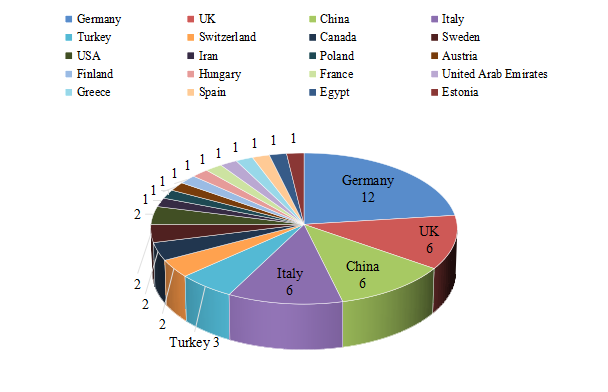
Figure 8. Country Distribution of EN EBMs 2025
In 2025, EN published a collaborative article co-authored by 44 editorial board members (including the Editor-in-Chief) and 3 external experts, titled "Most prominent challenges in translational neuroscience and strategic solutions to bridge the gaps: Perspectives from an editorial board interrogation" (Figure 9), which has already received 4 citations since its publication in August 2025.
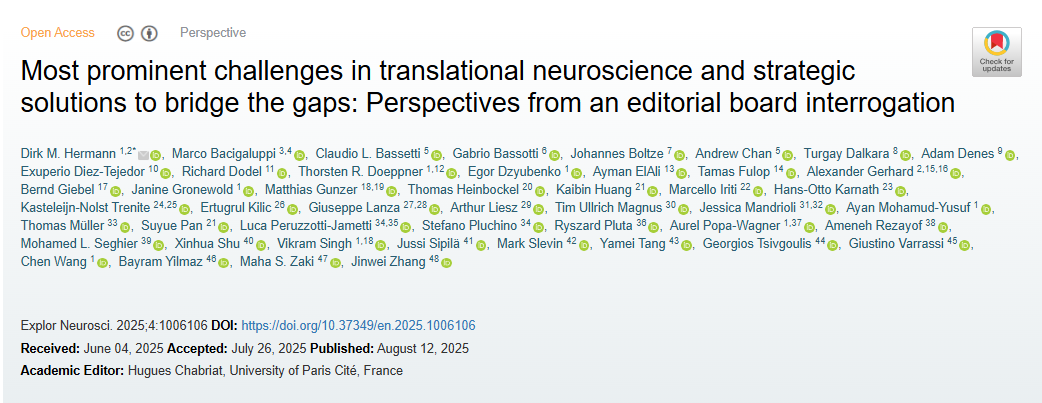
Figure 9. Collaborative Paper Co-authored by Editorial Board Members
Special Issue
In 2025, 5 new special issues were launched (Table 2), and 8 were concluded (Figure 10). Currently, 7 special issues are actively soliciting submissions, covering topics including Epilepsy, Alzheimer's Disease, Parkinson's Disease, Stroke, Depression, Phytotherapeutics, Malignant Tumors. Among them, the special issue on Epilepsy organized by Prof. Jinwei Zhang, the special issue on Alzheimer's Disease organized by Prof. Ryszard Pluta, the special issue on Depression organized by Prof. Hermann (Editor-in-Chief) and Dr. Ayan Mohamud Yusuf, and the special issue on Phytotherapeutics organized by Prof. Marcello Iriti have all successfully completed Volume I. The progress of their second volumes is also very smooth. Notably, the first two special issues concluded Volume I with over 10 articles each, and their second volumes have already published 5 and 3 articles respectively after about a year of operation, demonstrating strong momentum.
Table 2. Special Issues Newly Launched in 2025
No. | Topic | Guest Editor(s) | H-index | Country |
S20 | Ryszard Pluta | 55 | Poland | |
S21 | Ludmilla A. Morozova-Roche | 38 | Sweden | |
S22 | Sheng-Tao Hou | 34 | China | |
S23 | Dirk M. Hermann; | 69 & 10 | Germany | |
S24 | Medicinal Plants and Bioactive Phytochemicals in Neuroprotection (Vol II) | Marcello Iriti | 66 | Italy |
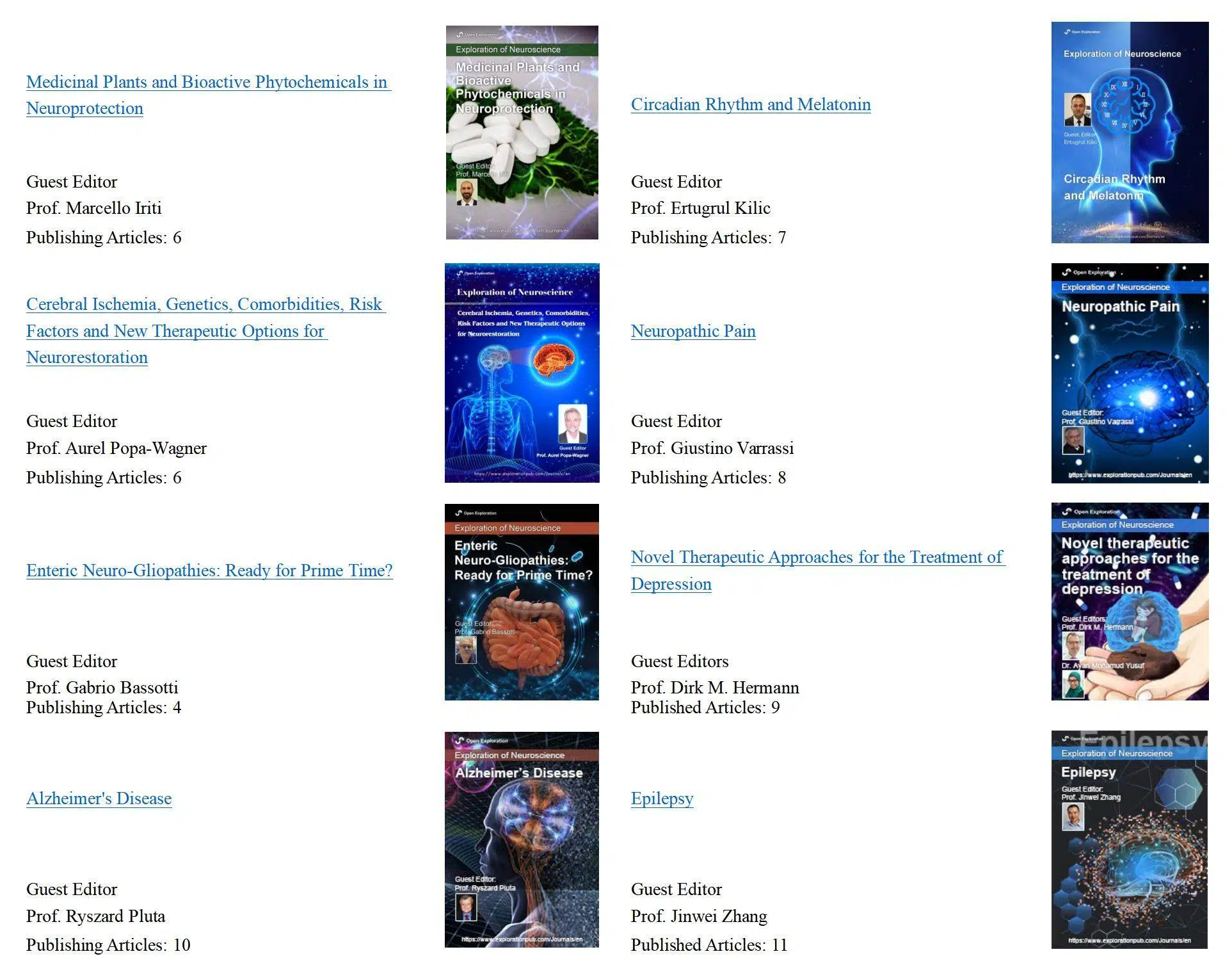
Figure 10. Special Issues Concluded in 2025
Conclusion
In 2025, EN consolidated its growth trajectory and strengthened its international standing. The journal witnessed a substantial increase in submissions and a broadening global reach. Key metrics such as article views, downloads, and citations showed marked improvement, reflecting enhanced research impact and visibility. The success of special issues, the active engagement of the distinguished editorial board, and the efficient management of the peer-review process were pivotal to this year's achievements. Looking ahead to 2026, EN remains committed to accelerating publication timelines, expanding the reviewer network, pursuing inclusion in major indexing databases like Scopus, and continuing to publish cutting-edge research that advances the field of neuroscience, especially to publish more high-quality original articles. The journal aims to build on its current momentum to serve the global scientific community more effectively.