Systematic Review


Affiliation:
1Department of Interdisciplinary Medicine, University of Bari Aldo Moro, 70121 Bari, Italy
2Department of Biomedical, Surgical and Dental Science, Milan University, 20122 Milan, Italy
†These authors share the first authorship.
ORCID: https://orcid.org/0000-0003-0104-6337

 ,
,
Affiliation:
1Department of Interdisciplinary Medicine, University of Bari Aldo Moro, 70121 Bari, Italy
†These authors share the first authorship.
ORCID: https://orcid.org/0000-0001-9163-2350
,
Affiliation:
1Department of Interdisciplinary Medicine, University of Bari Aldo Moro, 70121 Bari, Italy
ORCID: https://orcid.org/0009-0008-6686-3104
,
Affiliation:
1Department of Interdisciplinary Medicine, University of Bari Aldo Moro, 70121 Bari, Italy
ORCID: https://orcid.org/0009-0009-6745-5441
,
Affiliation:
1Department of Interdisciplinary Medicine, University of Bari Aldo Moro, 70121 Bari, Italy
ORCID: https://orcid.org/0000-0003-3797-5883
,
Affiliation:
1Department of Interdisciplinary Medicine, University of Bari Aldo Moro, 70121 Bari, Italy
ORCID: https://orcid.org/0000-0002-6916-0075
,
Affiliation:
3Department of General Surgery and Medical-Surgical Specialties, School of Dentistry, University of Catania, 95124 Catania, Italy
Email: gaetano.isola@unict.it
ORCID: https://orcid.org/0000-0003-4267-6992
 ,
,
Affiliation:
4Department of Experiment Medicine, University of Salento, 73100 Lecce, Italy
ORCID: https://orcid.org/0000-0002-3288-490X
,
Affiliation:
1Department of Interdisciplinary Medicine, University of Bari Aldo Moro, 70121 Bari, Italy
#These authors share the last authorship.
ORCID: https://orcid.org/0000-0002-5947-8987
,
Affiliation:
1Department of Interdisciplinary Medicine, University of Bari Aldo Moro, 70121 Bari, Italy
#These authors share the last authorship.
ORCID: https://orcid.org/0000-0002-6366-1039
Explor Med. 2026;7:1001425 DOI: https://doi.org/10.37349/emed.2026.1001425
Received: January 14, 2026 Accepted: May 25, 2026 Published: August 24, 2026
Academic Editor: Marco Cascella, University of Salerno, Italy
Background: Ankyloglossia is a congenital condition characterized by restricted tongue mobility, which may influence oral functions such as speech, swallowing, and oral motor coordination. This systematic review aimed to evaluate oral functional outcomes following surgical and/or myofunctional interventions in individuals with lingual hypomobility. A secondary aim was to assess variability and consistency of functional improvements across different therapeutic approaches.
Methods: This systematic review was conducted in accordance with PRISMA guidelines. PubMed, Scopus, and Web of Science were searched between 15 June 2025 and 10 August 2025. Eligible clinical studies (randomized controlled trials, cohort studies, and case series/reports) evaluated lingual frenotomy, frenulectomy, or frenuloplasty, alone or combined with orofacial myofunctional therapy, and reported oral functional outcomes, including tongue mobility, oral posture, swallowing-related tasks, neuromuscular measures, and patient-reported function. Risk of bias was assessed using validated tools (ROBINS-I and RoB 2). Due to heterogeneity in study design and outcome measures, a narrative synthesis was performed.
Results: Ten studies involving more than 1,300 participants across pediatric, adolescent, and adult populations were included. The evidence comprised randomized controlled trials, observational studies, and case series. Surgical intervention alone was primarily associated with immediate anatomical and mobility-related improvements. In contrast, combined surgical and myofunctional approaches were more consistently associated with improvements in functional outcomes, including tongue mobility, resting posture, and swallowing-related functions. However, the consistency of these improvements varied across age groups, intervention protocols, and outcome assessment methods. Risk of bias was variable and frequently influenced by heterogeneous diagnostic criteria, nonstandardized interventions, and nonuniform outcome measures.
Discussion: Combined surgical and myofunctional interventions appear to be associated with improvements in oral functional outcomes compared with stand-alone approaches. However, due to substantial methodological heterogeneity and limited high-quality evidence, these findings should be interpreted with caution and are primarily applicable to the specific functional domains evaluated.
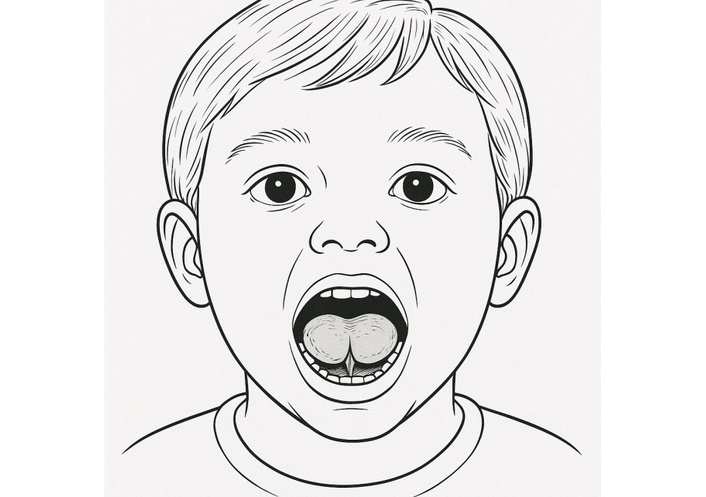
Ankyloglossia is a congenital condition characterized by a structural restriction of the lingual frenulum, which may limit tongue mobility to varying degrees (Figure 1). In clinical practice, reduced lingual mobility is frequently discussed in relation to oral motor functions, including tongue posture at rest, swallowing-related tasks, and other oral functional behaviors [1–5]. However, the topic remains controversial due to heterogeneous symptom presentations and because the association between reduced lingual mobility and functional complaints does not, by itself, establish causation [6–8].
A key source of inconsistency in the literature is that “lingual hypomobility” is often used as an umbrella term encompassing distinct etiologies. Ankyloglossia represents a structural restriction, whereas reduced mobility may also arise from neuromotor impairment (e.g., hypotonia or neurological conditions), pain-related guarding, adaptive movement patterns, or learned compensations [9–13]. Conflating these mechanisms may lead to misleading conclusions, particularly when diagnostic criteria are not standardized and functional outcomes are assessed using noncomparable methods [14–18].
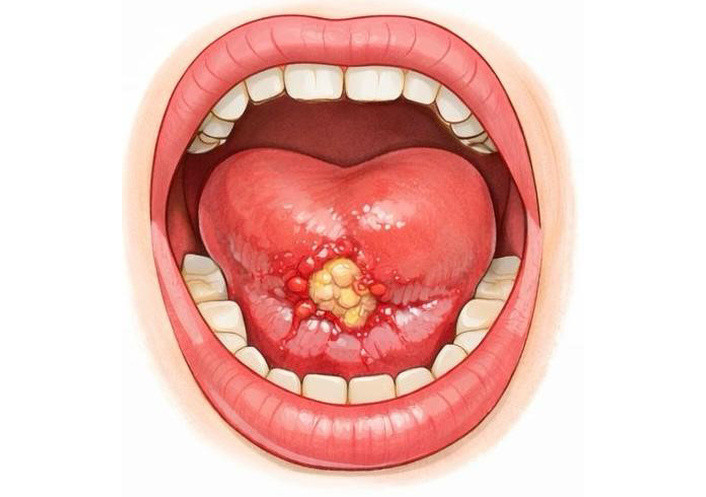
The two most frequently proposed clinical approaches are surgical release of the lingual frenulum (frenotomy, frenulectomy/frenectomy, or frenuloplasty) (Figure 2) and myofunctional rehabilitation, often labeled as orofacial myofunctional therapy (OMT) [19–21]. The terms frenotomy, frenectomy, and frenuloplasty are used according to the terminology adopted in the original studies.
Surgical procedures aim to reduce mechanical restriction and potentially enable a greater range of tongue movement, while myofunctional interventions generally target oral motor control and functional integration (e.g., tongue posture, coordinated swallowing tasks, and breathing-related oral behaviors). Importantly, terminology varies among studies; where appropriate, this manuscript prioritizes the term “oral motor” to reflect the primary functional domain evaluated, while retaining “OMT” when it corresponds to the intervention label used in the original studies [22–26].
Although a wide range of clinical effects have been attributed to tongue-tie in some narratives, the strength of evidence supporting broad claims, such as direct effects on complex craniofacial growth patterns, temporomandibular disorders, posture, or sleep-disordered breathing, is inconsistent [27–31]. For this reason, it is essential to distinguish between reported functional changes after intervention and etiologic claims about what ankyloglossia “causes.” The present review focuses on reported oral functional outcomes rather than causal relationships between ankyloglossia and broader systemic conditions [32–36].
OMT is frequently discussed in relation to tongue posture and swallowing patterns; however, it should not be conflated with articulation-based speech therapy delivered by speech-language pathologists [37–39]. Speech outcomes reported after frenulum release are mixed across studies and can be confounded by concurrent speech therapy, developmental maturation, and nonstandard outcome measures [40–44]. Therefore, when speech-related outcomes are reported, they should be interpreted as reported associations within specific study contexts rather than predictable consequences of surgical release or OMT [45–49].
Across published clinical studies, substantial heterogeneity exists in diagnostic criteria, intervention protocols, outcome measures, and followup duration [50–54]. These limitations reduce comparability and often preclude quantitative pooling, while emphasizing the need for careful narrative synthesis and transparent risk-of-bias assessment by study design [55–59].
Existing reviews have sometimes addressed specific domains (e.g., infant feeding or selected speech outcomes) or have blended functional and structural endpoints without a consistent operational definition of “reduced mobility” [60–65]. A focused synthesis on reported oral functional outcomes after lingual frenulum release, with explicit consideration of adjunctive myofunctional therapy and study-level limitations, is therefore warranted [66–70]. Clarifying what outcomes are reported under what circumstances may help clinicians counsel patients more accurately, refine intervention pathways, and identify priorities for future controlled research [71, 72].
This systematic review aims to synthesize the available clinical evidence on reported oral functional outcomes following lingual frenectomy, with or without adjunctive myofunctional therapy, in individuals with ankyloglossia or reduced lingual mobility. It also aims to evaluate the variability and consistency of functional outcomes across different therapeutic approaches.
This systematic review was performed in accordance with the Preferred Reporting Items for Systematic reviews and Meta-Analyses (PRISMA) guidelines. The protocol was prospectively registered in the International Prospective Register of Systematic Reviews (PROSPERO) under the CRD420251107552. The study design included predefined inclusion criteria, systematic data extraction, and risk-of-bias assessment to enhance transparency and reproducibility.
A comprehensive literature search was conducted in PubMed, Scopus, and Web of Science to identify clinical studies evaluating lingual frenectomy, with or without myofunctional therapy, in individuals diagnosed with ankyloglossia or reduced lingual mobility.
The time restriction (years 2015–2025) was applied to capture the most recent and methodologically consistent evidence, reflecting advancements in diagnostic criteria, surgical techniques, and the increasing use of standardized and validated outcome assessment tools in clinical research.
Only English-language studies were included to ensure methodological consistency and accurate interpretation of outcome measures, particularly in studies involving functional and patient-reported assessments, where translation variability may introduce bias.
The following Boolean search terms and keywords were used in various combinations to capture relevant literature: (“ankyloglossia” OR “lingual frenulum” OR “tongue-tie”) AND (“frenotomy” OR “frenectomy” OR “frenuloplasty”) AND (“myofunctional therapy” OR “orofacial myofunctional therapy” OR “oral motor therapy”). Search strategies were adapted to the indexing terms of each database. Reference lists of selected papers were also screened manually to identify additional relevant studies. A meta-analysis was not performed due to substantial heterogeneity in study design, intervention protocols, and outcome measures, which precluded meaningful quantitative synthesis.
To ensure relevance, clinical applicability, and scientific quality, predefined inclusion and exclusion criteria were established (Table 1). Eligible studies were randomized controlled trials (RCTs), controlled clinical trials (CCTs), and high-quality observational studies that investigated either: the effects of lingual frenectomy (laser or traditional techniques), the outcomes of OMT, or the combined approach of both treatments in individuals with ankyloglossia or reduced lingual mobility presenting with oral functional alterations (e.g., impaired tongue mobility, altered posture, or swallowing dysfunction).
Inclusion and exclusion criteria.
| Inclusion criteria | Exclusion criteria |
|---|---|
| Studies published in peer-reviewed journals between years 2015 and 2025 | Articles not published in English |
| RCTs, CCTs, cohort studies, case series, and case reports | Narrative reviews, editorials, letters, conference abstracts |
| Studies involving children, adolescents, or adults diagnosed with ankyloglossia or reduced lingual mobility | Studies involving syndromic patients, craniofacial syndromes, or cleft lip/palate |
| Evaluation of lingual frenotomy/frenuloplasty, oral or OMT, or combined interventions | Studies not involving surgical or myofunctional interventions |
| Reported oral functional outcomes, including tongue mobility, tongue strength, resting tongue posture, swallowing-related tasks, oral motor coordination, or muscle activity (e.g., sEMG) | Animal studies, in vitro studies, or purely biomechanical modeling |
RCTs: randomized controlled trials; CCTs: controlled clinical trials; OMT: orofacial myofunctional therapy; sEMG: surface electromyography.
Case series and case reports were included due to the limited availability of high-quality RCTs in this field, and were clearly identified as lower-level evidence in the qualitative synthesis.
The review was conducted using the population, intervention, comparison, outcome (PICO) criteria to synthesize reported oral functional outcomes and does not aim to establish causal relationships between ankyloglossia or reduced lingual mobility and broader respiratory, skeletal, or postural disorders (Table 2).
PICO framework.
| PICO element | Description |
|---|---|
| Population (P) | Children, adolescents, and adults diagnosed with ankyloglossia or reduced lingual mobility, with or without associated oral functional complaints (e.g., altered tongue posture, swallowing difficulties, and oral motor dysfunction). |
| Intervention (I) | Lingual frenectomy (performed with scalpel, laser, or plasma devices), or orofacial/OMT, alone or in combination. |
| Comparison (C) | Pre- and postintervention assessments within the same participants; comparisons between surgical intervention alone versus combined surgical and myofunctional approaches when available. |
| Outcome (O) | Reported oral functional outcomes, including tongue mobility, tongue strength, resting tongue posture, swallowing-related tasks, oral motor coordination, muscle activity (sEMG), and patient- or caregiver-reported functional measures. |
PICO: population, intervention, comparison, outcome; OMT: orofacial myofunctional therapy; sEMG: surface electromyography.
A total of 10 studies were included in the qualitative synthesis, encompassing heterogeneous study designs, populations, and intervention protocols. Overall, improvements in tongue mobility and oral function were frequently reported, although outcome measures were heterogeneous. Outcome reporting varied substantially across studies, particularly in terms of assessment tools, followup duration, and intervention protocols, limiting direct comparability and precluding quantitative synthesis.
Three main databases (PubMed, Scopus, and Web of Science) were consulted, yielding a total of 389 articles: PubMed (104), Web of Science (256), and Scopus (29). After removing 81 duplicates, 308 articles remained for screening. Following title and abstract evaluation, 27 articles were excluded due to lack of relevance to the inclusion criteria. Of the 281 articles selected for full-text review, 271 were excluded because they did not meet at least one of the predefined criteria (e.g., lack of followup, inappropriate study population, and absence of relevant clinical outcomes). Ultimately, 10 studies met the inclusion criteria and were included in the qualitative synthesis (Table 3). The selection process is illustrated in the PRISMA flow diagram (Figure 3).
Analysis of the included studies in the discussion section.
| Authors | Type of study | Aim | Materials and methods | Outcomes |
|---|---|---|---|---|
| Zaghi et al. (2019) [73] | Clinical study | To evaluate the safety and efficacy of lingual frenuloplasty combined with myofunctional therapy in a large sample. | Retrospective study on 348 patients (mean age 24.5 years) treated with lingual frenuloplasty and OMT. Evaluations included sleep quality (PSQI), postural assessments, pain (VAS scale), and speech function at 1, 3, and 6 months postoperation. | 96% reported improved breathing; 87% improved resting tongue posture; 68% improved sleep quality. AHI improved > 30% in mild OSAS cases. No major complications were recorded. |
| Lichnowska et al. (2024) [74] | Prospective RCT | To assess the effectiveness of lingual frenuloplasty combined with myofunctional therapy in patients with maxillofacial deformities. | Prospective RCT on 155 patients aged 7 to 50 years with ankyloglossia and class II/III malocclusions. Participants were randomly assigned to receive either myofunctional therapy alone or in combination with lingual frenuloplasty. Clinical evaluations were performed at 6 and 12 months postoperation. | Patients who received both frenuloplasty and myofunctional therapy showed significantly greater improvements in tongue mobility, swallowing function, nasal breathing, and resting tongue posture compared to controls. |
| Carminatti et al. (2022) [75] | RCT | To compare frenectomy with and without myofunctional therapy in children. | The study included 40 children aged 6 to 12 years with ankyloglossia, all of whom underwent a lingual frenectomy. After 15 days, participants were randomized into two groups: one group performed isotonic tongue exercises for 15 days, while the control group received no additional therapy. | Children who received myofunctional exercises showed significantly better results in tongue mobility and mouth opening compared to the control group. |
| Ferrés-Amat et al. (2016) [76] | Descriptive cohort study | To describe a multidisciplinary treatment protocol for children with ankyloglossia and evaluate its clinical effectiveness. | 101 children aged 4 to 14 years were treated with a combined approach that included one week of preoperative myofunctional therapy, surgical frenectomy with lingual plasty, and postoperative rehabilitation. Followups were conducted at 3, 15, and 45 days postoperatively. | Surgery alone led to improvement in 28% of cases, while the full protocol, including myofunctional therapy, resulted in complete resolution in 96% of patients. |
| Zhao et al. (2024) [77] | RCT | To determine the optimal timing and effectiveness of frenotomy (infant tongue-tie release) on speech articulation and intelligibility in young children with ankyloglossia. | The study involved 341 children aged 2 to 5 years with speech difficulties due to tongue-tie. They were randomly assigned to either undergo frenotomy or receive no surgical treatment. Children were further grouped by age (2 to 3, 3 to 4, and 4 to 5 years) and assessed at 2, 6, and 12 months postintervention using clinical and speech-language evaluation tools. | In the youngest group (under 3 years), no significant difference in speech articulation or tongue mobility was observed between those treated and untreated. However, in children aged 3 to 5 years, those who underwent frenotomy showed clear improvements in speech production and intelligibility compared to controls. |
| Fioravanti et al. (2021) [78] | Randomized, double-blind, CCT | To determine if performing a diode laser lingual frenectomy in children with a short tongue-tie can help reduce the severity of OSAS. | The study involved 32 children aged 4 to 13 years, all diagnosed with OSAS and restricted tongue mobility. Participants were randomly assigned to two groups: one received a lingual frenectomy using a diode laser along with myofunctional and speech therapy, while the control group received only the therapy without surgery. Sleep quality was assessed with polysomnography before and three months after treatment. Pain perception was also recorded. | At 3-month followup: in the laser group, 93.8% had mild OSAS and 6.2% moderate; in the control group, only 18.8% had mild OSAS, 62.5% moderate, and 18.8% remained severe. |
| Gouvêa et al. (2025) [79] | RCT | To examine the immediate effect of photobiomodulation on tongue strength. | 30 randomized patients (mean age 16.2 years). Laser group received 810 nm, 100 mW, 60 s photobiomodulation; control group received placebo. Tongue pressure assessed using IOPI before and 10 minutes after intervention. | Laser group had a 21.4% increase in tongue pressure (28.5–34.6 kPa; p = 0.03). No adverse effects. Placebo group showed no significant change. |
| Scarano et al. (2023) [80] | Prospective cohort study | To evaluate the effects of postural myofunctional therapy (Mézières method with postural bench) after lingual frenectomy in children with tongue-tie. | 130 children with severe ankyloglossia underwent frenectomy followed by a structured postural and myofunctional program. Outcomes were assessed at 1 week and 2 months using parent-reported scales. | Tongue mobility improved in 96% at 2 months; speech: 58%→72%; feeding: 58%→75%; sleep: 61% → 74%. PSS score increased from 8.0 to 8.5 (p < 0.0001). Combined therapy led to significant functional improvements over 2 months. |
| Tecco et al. (2015) [81] | Prospective cohort study | To evaluate the effect of lingual frenulectomy and myofunctional exercises on the sEMG activity of masticatory and perioral muscles in children. | 24 children (~7 years old) were enrolled: 13 underwent frenulectomy with rehabilitation, 11 were untreated controls. sEMG recordings were taken at baseline, 1 month, and 6 months during tasks like clenching, swallowing, and protrusion. | After 6 months, treated children showed increased masseter (+ 13.5 µV) and submental (+ 14.2 µV) activity (p < 0.01), with normalized muscle patterns during function. No changes were observed in controls. |
| Scarano et al. (2023) [82] | Case series | To evaluate the effectiveness of atmospheric plasma frenectomy followed by tongue exercises in children with Kotlow class III/IV ankyloglossia. | 30 children (6 to 11 years) with Kotlow class III or IV ankyloglossia underwent frenectomy using atmospheric plasma. Tongue mobility was measured using Kotlow’s free-tongue length, MIO, and MOTTIP at five time points: preoperation, immediately postoperation, and at 1 week, 1 month, and 2 months. | All three measures (Kotlow, MIO, MOTTIP) showed statistically significant improvement immediately after surgery and maintained stable values at followup (p < 0.05). No bleeding, edema, fibrosis, or recurrence was observed during the study period. |
OMT: orofacial myofunctional therapy; PSQI: Pittsburgh Sleep Quality Index; VAS: Visual Analog Scale; AHI: apnea-hypopnea index; OSAS: obstructive sleep apnea syndrome; RCT: randomized controlled trial; CCT: controlled clinical trial; IOPI: Iowa Oral Performance Instrument; PSS: Perceived Stress Scale; sEMG: surface electromyography; MIO: maximal intercisal mouth opening; MOTTIP: mouth opening with tongue tip to incisive papilla.
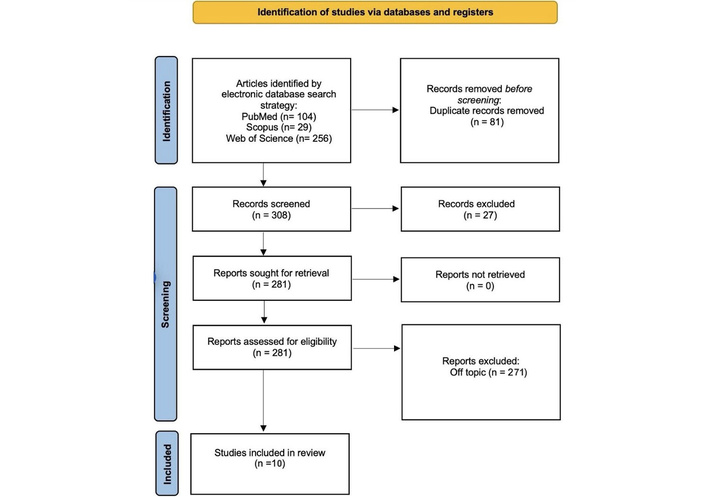
Preferred Reporting Items for Systematic reviews and Meta-Analyses (PRISMA) flow diagram—article selection process. Adapted from “PRISMA” (http://www.prisma-statement.org/). Accessed January 14, 2026. © 2024–2026 the PRISMA Executive. Distributed under a Creative Commons CC BY 4.0 license.
The main characteristics and outcomes of the included studies are summarized in Table 3 and described in the following sections.
Four independent reviewers (SS, AP, LPZ, ADI) conducted the screening of articles and assessed their methodological quality using Zotero software version 6.0.15. Discrepancies were resolved through discussion and mediation by a senior reviewer (FI). Extracted data included: year of publication, study design, sample size, type of intervention (laser or conventional frenulotomy, OMT, or combined approach), followup duration, and clinical outcomes (tongue mobility, muscle strength, occlusal improvement, cephalometric changes, respiratory parameters, masticatory and articulatory function).
Non-randomized clinical studies were evaluated using the ROBINS-I tool (Table 4). Randomized controlled trials (RCTs) were assessed using the revised Cochrane Risk of Bias tool (RoB 2) (Table 5). Due to their descriptive nature, case series and case reports were not subjected to formal risk-of-bias assessment and were included for descriptive purposes only.
Bias assessment by ROBINS-I tool.
| Authors | D1 | D2 | D3 | D4 | D5 | D6 | D7 | Overall |
|---|---|---|---|---|---|---|---|---|
| Zaghi et al. (2019) [73] |  |  |  |  |  |  |  |  |
| Ferrés-Amat et al. (2016) [76] |  |  |  |  |  |  |  |  |
| Scarano et al. (2023) [80] |  |  |  |  |  |  |  |  |
| Tecco et al. (2015) [81] |  |  |  |  |  |  |  |  |
| Scarano et al. (2023) [82] |  |  |  |  |  |  |  |  |
Domains: D1: Bias due to confounding; D2: Bias arising from measurement of the exposure; D3: Bias in selection of participants into the study (or into the analysis); D4: Bias due to post-exposure intervention; D5: Bias due to missing data; D6: Bias arising from measurement of the outcome; D7: Bias in selection of the reported result. ×: high; -: some concerns; +: low.
Cochrane risk of bias tool (RoB 2).
| Authors | D1 | D2 | D3 | D4 | D5 | Overall |
|---|---|---|---|---|---|---|
| Lichnowska et al. (2024) [74] |  |  |  |  |  |  |
| Carminatti et al. (2022) [75] |  |  |  |  |  |  |
| Zhao et al. (2024) [77] |  |  |  |  |  |  |
| Fioravanti et al. (2021) [78] |  |  |  |  |  |  |
| Gouvêa et al. (2025) [79] |  |  |  |  |  |  |
Domains: D1: Bias arising from the randomization process; D2: Bias due to the deviations from intended interventions; D3: Bias due to missing outcome data; D4: Bias arising from measurement of the outcome; D5: Bias in selection of the reported result. -: some concerns; +: low.
These findings should be interpreted with caution, particularly when considering outcomes influenced by multiple factors beyond oral function.
This systematic review synthesizes the available clinical evidence on oral functional outcomes following lingual frenectomy, myofunctional therapy, or combined approaches in individuals with ankyloglossia or reduced lingual mobility. Overall, the included studies suggest that surgical release alone is primarily associated with anatomical or immediate mobility-related changes, whereas combined surgical and myofunctional approaches appear to be more frequently associated with reported improvements in oral functional domains, such as tongue mobility, resting posture, swallowing-related tasks, and oral motor coordination.
From a methodological perspective, the overall quality of the included studies was variable. RCTs provided higher levels of evidence but were limited by small sample sizes and heterogeneous outcome measures. Observational studies and case series contributed descriptive insights but presented an increased risk of bias, particularly in terms of patient selection, lack of control groups, and reliance on subjective outcome reporting. These methodological limitations reduce the strength and generalizability of the reported findings.
Several studies suggested that combining surgical intervention with myofunctional therapy may enhance functional outcomes compared with stand-alone approaches. RCTs and prospective studies reported improvements in tongue mobility, swallowing function, and oral motor coordination when structured rehabilitation protocols were implemented alongside surgical release. These findings suggest a potential interaction between anatomical release and functional reeducation, although this relationship remains inconsistent across studies.
In pediatric populations, the integration of myofunctional therapy appears particularly relevant. Studies involving children reported that post-operative exercises and structured rehabilitation programs were associated with greater improvements in tongue mobility and oral function compared with surgery alone. These findings may reflect the role of neuromotor development and functional adaptability during growth, as well as patient engagement in therapy.
Age-related differences were also observed. Some studies reported limited effects of surgical intervention on speech outcomes in very young children, whereas older children showed more consistent improvements. This suggests that functional maturation and neuromuscular coordination may influence treatment outcomes rather than supporting a uniform benefit of early surgical intervention.
Some investigations explored functional domains beyond oral motor performance, including sleep-related parameters and breathing patterns. While improvements were reported in certain studies, these outcomes should be interpreted cautiously due to the multifactorial nature of such conditions and the frequent use of subjective or non-standardized assessment tools. Therefore, these findings should not be interpreted as evidence of direct causal relationships between ankyloglossia and broader systemic conditions.
Emerging adjunctive approaches, such as photobiomodulation and postural rehabilitation protocols, have shown potential short-term benefits in improving tongue strength and functional integration. However, these findings are based on limited data and require further validation through well-designed controlled studies with standardized methodologies and long-term followup.
Overall, the evidence included in this review is characterized by substantial heterogeneity in study design, diagnostic criteria, intervention protocols, outcome measures, and followup duration. This heterogeneity substantially limited direct comparability between studies and precluded meaningful quantitative synthesis. Moreover, many studies relied on subjective or nonvalidated outcome measures, and long-term functional stability remains insufficiently investigated.
Within these limitations, the available data suggest that combined surgical and myofunctional interventions are more frequently associated with reported improvements in oral functional outcomes than stand-alone approaches, particularly in cooperative children and adolescents. Importantly, this apparent advantage should not be interpreted as definitive evidence of efficacy but rather as a recurring trend observed across heterogeneous study designs. These findings do not support causal claims regarding broader systemic or structural outcomes, including craniofacial development, airway disorders, or orthodontic correction.
A key strength of this review lies in its focused evaluation of clearly defined oral functional outcomes, with explicit separation between functional findings and broader systemic interpretations, thereby improving the clinical interpretability of the results. In addition, the application of a structured methodological framework and risk-of-bias assessment contributes to the transparency and reproducibility of the analysis.
However, several limitations must be acknowledged. The included studies were highly heterogeneous and often affected by methodological constraints, including small sample sizes, lack of standardized outcome measures, and variable followup periods. Furthermore, the frequent reliance on subjective assessments reduces the robustness of the conclusions. These limitations highlight the need for well-designed studies using standardized diagnostic criteria, validated outcome measures, and adequately powered controlled designs.
This systematic review suggests that interventions targeting lingual hypomobility are associated with reported improvements in oral functional outcomes, particularly when surgical release is combined with myofunctional therapy.
However, due to methodological heterogeneity and variability in outcome assessment, these findings are primarily applicable to the specific functional domains evaluated and should not be interpreted as evidence of consistent or generalizable effects across populations and study designs.
CCTs: controlled clinical trials
OMT: orofacial myofunctional therapy
OSAS: obstructive sleep apnea syndrome
PICO: population, intervention, comparison, outcome
RCTs: randomized controlled trials
sEMG: surface electromyography
During the preparation of this work, the authors used AI-assisted technologies for language editing and improvement of text clarity. After using these tools, the authors carefully reviewed and edited the content as needed and take full responsibility for the accuracy, originality, and integrity of the final manuscript.
AMI: Conceptualization, Methodology, Validation, Formal analysis, Resources, Data curation, Writing—original draft, Writing—review & editing, Visualization, Project administration. GM: Methodology, Formal analysis, Visualization, Supervision, Project administration. LPZ: Conceptualization, Validation, Formal analysis, Data curation, Writing—original draft, Supervision. SS: Conceptualization, Methodology, Validation, Formal analysis, Resources, Writing—original draft, Writing—review & editing, Visualization, Supervision. FI: Conceptualization, Methodology, Validation, Formal analysis, Data curation, Writing—original draft, Writing—review & editing, Visualization, Supervision, Project administration. DVD: Methodology, Validation, Visualization, Supervision. GI: Methodology, Formal analysis, Supervision, Project administration. AP: Conceptualization, Methodology, Validation, Resources, Data curation, Writing—original draft, Writing—review & editing, Visualization, Supervision. GD: Conceptualization, Methodology, Software, Validation, Formal analysis, Resources, Data curation, Writing—original draft, Writing—review & editing, Visualization, Project administration. ADI: Conceptualization, Methodology, Software, Formal analysis, Writing—original draft, Writing—review & editing. All authors have read and agreed to the published version of the manuscript.
Gaetano Isola, who is the Associate Editor of Exploration of Medicine, had no involvement in the decision-making or the review process of this manuscript. The other authors declare no conflicts of interest.
Not applicable.
Not applicable.
Not applicable.
The primary data for this systematic review were sourced online from databases listed in the methods. Referenced articles are accessible on PubMed, Scopus, and Web of Science. Additional supporting data are available from the corresponding author upon request.
Not applicable.
© The Author(s) 2026.
Open Exploration maintains a neutral stance on jurisdictional claims in published institutional affiliations and maps. All opinions expressed in this article are the personal views of the author(s) and do not represent the stance of the editorial team or the publisher.
Copyright: © The Author(s) 2026. This is an Open Access article licensed under a Creative Commons Attribution 4.0 International License (https://creativecommons.org/licenses/by/4.0/), which permits unrestricted use, sharing, adaptation, distribution and reproduction in any medium or format, for any purpose, even commercially, as long as you give appropriate credit to the original author(s) and the source, provide a link to the Creative Commons license, and indicate if changes were made.



View: 773
Download: 30
Times Cited: 0