Review


Affiliation:
1Faculty of Medicine, University of Prishtina, 10000 Prishtina, Kosovo
Email: lorentsijarina87@gmail.com
ORCID: https://orcid.org/0009-0000-9309-9959


 ,
,
Affiliation:
2Faculty of Nursing, Al-Zaytoonah University of Jordan, Amman 11733, Jordan
ORCID: https://orcid.org/0009-0006-9760-651X
,
Affiliation:
1Faculty of Medicine, University of Prishtina, 10000 Prishtina, Kosovo
ORCID: https://orcid.org/0009-0002-0885-0897
,
Affiliation:
1Faculty of Medicine, University of Prishtina, 10000 Prishtina, Kosovo
ORCID: https://orcid.org/0009-0009-9511-6033
,
Affiliation:
3Faculty of Medicine, UNAN-Recinto Universitario Carlos Fonseca Amador, León 21000, Nicaragua
ORCID: https://orcid.org/0009-0007-6402-1715
,
Affiliation:
4Department of Medicine, Faculty of Medicine and Health Sciences, An-Najah National University, Nablus P400, Palestine
ORCID: https://orcid.org/0009-0000-7324-264X
,
Affiliation:
5Department of Biochemistry/Medical Biochemistry, Veritas College of Medicine, Veritas University Abuja, Bwari 901101, Nigeria
ORCID: https://orcid.org/0000-0002-1460-8098
,
Affiliation:
6Department Radiation Oncology, Centre Hospitalier Public du Cotentin, 50100 Cherbourg-en-Cotentin, France
ORCID: https://orcid.org/0000-0002-6403-6120
,
Affiliation:
7Department of Oncology, University of Saskatchewan, Saskatoon, SK S7N 5A2, Canada
ORCID: https://orcid.org/0000-0001-7700-776X
,
Affiliation:
8Department of Medical Oncology, Cork University Hospital, T12 DC4A Cork, Ireland
ORCID: https://orcid.org/0000-0002-6029-9265
,
Affiliation:
9Department of Oncology, Western University, London, ON N6A 3K7, Canada
ORCID: https://orcid.org/0000-0002-2900-115X
,
Affiliation:
7Department of Oncology, University of Saskatchewan, Saskatoon, SK S7N 5A2, Canada
ORCID: https://orcid.org/0000-0001-5730-0088
,
Affiliation:
2Faculty of Nursing, Al-Zaytoonah University of Jordan, Amman 11733, Jordan
ORCID: https://orcid.org/0000-0002-8345-0140
Explor Med. 2026;7:1001423 DOI: https://doi.org/10.37349/emed.2026.1001423
Received: January 21, 2026 Accepted: June 21, 2026 Published: August 13, 2026
Academic Editor: Lindsay A. Farrer, Boston University School of Medicine, USA
Breast cancer survival is shaped by a complex interaction of tumor-specific, biological, and patient-related factors. Stage at diagnosis remains the strongest predictor of outcome. Tumor size, nodal involvement, and histologic grade further aid in prognostic prediction by reflecting the biological aggressiveness of the disease. Since the early 2000s, molecular characteristics gained importance in risk stratification. Hormone receptor-positive cancers generally respond well to endocrine therapy, while HER2-positive tumors, once associated with poor outcomes, now benefit from targeted therapy. Newer agents and combinations such as CDK4/6 and PI3K/AKT/mTOR inhibitors are being investigated recently. Patient factors, including age, comorbidities, and overall health, also influence outcome and treatment tolerance. Cardiovascular toxicity from chemotherapy and radiotherapy has become an important consideration, particularly in the elderly. Although modern radiotherapy techniques have reduced cardiac risks, long-term cardiovascular mortality remains a competing cause of death in many survivors. Studies comparing breast-conserving therapy with mastectomy suggest improved overall survival with the former, partly due to reduced treatment morbidity. Early detection through mammography, ultrasound, and awareness campaigns greatly improves survival, yet access remains unequal in low-resource settings. Strengthening healthcare systems, tailoring treatments, expanding multidisciplinary care and improving public education are essential. Affordable personalized therapies, better infrastructure, and international collaboration can reduce disparities and enhance global breast cancer outcomes. Our international team researched literature information as well as summarizing up-to-date opinions from global experts, including those with limited resources and war-torn regions.
Breast cancer progression reflects a continuum from localized disease to regional and metastatic spread, with prognosis largely determined by stage at diagnosis and tumor biology [1]. Over recent decades, treatment paradigms have evolved from surgery alone to multimodal strategies incorporating radiotherapy, systemic chemotherapy, endocrine therapy, targeted agents and immunotherapy [2, 3]. These advances have improved outcomes in biologically defined subgroups, particularly hormone receptor-positive and human epidermal growth factor receptor 2 (HER2)-positive disease, although their impact at the population level remains heterogeneous [2]. This therapeutic evolution has been extensively described in the oncology literature, outlining the past, present, and future landscape of cancer treatment [3].
Interpretation of survival trends in breast cancer requires careful consideration of how survival metrics are defined. Relative survival compares observed survival in cancer patients with that expected in the general population and does not directly measure treatment efficacy since it may be related to screening, treatment or other factors [4]. Screening programs can introduce lead-time bias, whereby earlier diagnosis artificially increases survival time without changing mortality, as well as stage migration, where increased detection of indolent tumors shifts survival statistics without true therapeutic benefit [5, 6]. Consequently, population-level survival improvements must be interpreted in the context of both detection practices and underlying disease biology.
Breast cancer is the most common cancer among women worldwide, with an estimated 2.3 million new cases and 670,000 deaths in 2022, and it ranked as the leading cancer in women in 157 of 185 countries [7, 8]. A comprehensive global analysis of cancer incidence, mortality, and disparities across continents underscores the profound societal and epidemiological dimensions of this burden, highlighting striking inequities between high-income and low-income nations that extend beyond breast cancer to the broader oncological landscape [9]. Estimated new cases in 2025 would be 316,950 (15.5% of all new cancer cases), with 42,170 estimated deaths in 2025 (6.8% of all cancer deaths). Future burden estimates for 2050 are projected based on current trends [10]. Here is remarkable statement from World Health Organization (WHO) [7]: “Global estimates reveal striking inequities in the breast cancer burden according to human development. For instance, in countries with a very high Human Development Index (HDI), 1 in 12 women will be diagnosed with breast cancer in their lifetime and 1 in 71 women dies of it. In contrast, in countries with a low HDI, while only 1 in 27 women is diagnosed with breast cancer in their lifetime, 1 in 48 women will die from it.”
Since 2000, more than 25 new drugs for breast cancer have been approved, many targeting specific molecular pathways and improving outcomes in selected patient groups [11]. There has been an increase in the detection of earlier or localized cancers, and more hormone receptor (HR)-positive tumors are being diagnosed. However, Surveillance, Epidemiology, and End Results (SEER) Program data show only a modest improvement of approximately 1% in 5-year relative survival rate [8]. Within this conceptual framework, a key question emerges: to what extent are observed survival improvements attributable to therapeutic advances versus earlier detection and changes in tumor biology?
At the population level, SEER aggregate data show only a modest improvement of approximately 1% in 5-year relative survival rates from year 2000–2002 (90%) to 2014–2020 (91%) across all stages combined [8]. This aggregate figure, however, should not be interpreted as evidence that therapeutic innovation has failed. Subtype- and stage-specific analyses consistently demonstrate that meaningful survival gains have been achieved in defined molecular subgroups, most notably in HER2-positive disease following the introduction of trastuzumab and in HR-positive metastatic disease with cyclin-dependent kinases 4 and 6 (CDK4/6) inhibitors. These subgroup-level improvements are diluted when averaged across the entire heterogeneous population, which includes early-stage HR-positive cancers where outcomes were already favorable and late-stage presentations where treatment access remains limited. The modest aggregate trend, therefore, reflects the statistical consequence of population averaging rather than the absence of therapeutic progress. A more accurate interpretation is that population-level survival is primarily shaped by the distribution of stage at diagnosis and access to care, while molecular-subgroup survival continues to improve incrementally with each therapeutic advance (Table 1). The identification of novel immune targets and emerging therapeutic strategies further illustrates that survival gains in selected molecular subpopulations may not yet be captured in current SEER aggregate data, given the time lag between drug approval and their population-level impact on survival [12]. This reinforces the interpretation that modest aggregate trends reflect structural and epidemiological averaging rather than a ceiling on achievable outcomes.
Effects of different factors on 5-year relative survival of breast cancer.
| Factor | Effect on 5-year relative survival |
|---|---|
| Early detection | Screening is a major contributor (~0.5–1%) |
| HR-positive tumor predominance | Moderate contribution |
| New drugs (HER2-positive, CDK4/6) | Mainly benefit metastatic disease; limited impact on population-level 5-year survival |
| Lead-time bias | Stage migration inflates survival without changing mortality |
Created based on synthesized published evidence. HR: hormone receptor; HER2: human epidermal growth factor receptor 2; CDK4/6: cyclin-dependent kinases 4 and 6.
What do we know about treatments for breast cancer? Between 2009 and 2013, a study across nine European countries found that mastectomy patients were generally older and had more comorbidities than those undergoing breast-conserving surgery [13]. Breast reconstruction and early treatment were more common among younger, healthier women, while older patients were less likely to receive conventional therapies, revealing clear disparities in care. In women aged over 66 years with early-stage breast cancer, cardiovascular mortality becomes a major competing risk with ischemic heart disease the leading cause of hospitalization after treatment. Comorbidities such as prior cancer, lung disease, and diabetes further raise breast cancer-specific mortality. During the first five years after a cardiovascular event, mortality risk is similar between survivors and heart-disease patients, though heart disease becomes more dominant over time [14]. Clinicians must balance treatment benefits with potential cardiac harm to optimize long-term outcomes.
Beyond tumor biology and treatment effectiveness, it is also important to consider the long-term consequences of therapy, which can significantly influence overall survival outcomes. Cardiovascular disease risk increases with age in nearly all cancer survivors, especially those receiving chemotherapy [15]. Older patients receiving chemotherapy have a fivefold higher one-year mortality ratio compared with those not treated with chemo- or radiotherapy. Even after ten years, combined chemo-radiation still doubles cardiovascular mortality risk relative to radiation alone. Despite improvements in screening and treatment, cardiotoxicity remains a major concern for older women, and breast cancer mortality rates may no longer be declining [16, 17].
We must also recognize that not all patients can be cured and that some may be harmed by aggressive treatments due to toxicity. Despite early optimism around genetic discoveries like breast cancer gene 1 (BRCA1), more than 35 years later the main treatments remain surgery, radiotherapy, and a limited set of drugs that often extend survival only modestly. Even tools such as the 21-gene and 70-gene assays offer predictive value that largely overlaps with traditional factors like tumor stage, grade, and hormone-receptor status [18, 19]. All the above factors affect breast cancer survival. This analysis aims to provide a timely contribution of the global situation by our international research team for all breast cancer researchers and patients. The following analysis draws on this conceptual framework to examine how interactions among biological determinants, healthcare infrastructure, and treatment access shape survival outcomes across high-income, middle-income, and low-resource settings. Country-specific findings are presented as illustrative cases of these broader structural patterns rather than as independent observations. This concise original research undertaken by our team provides insights to guide future research. This work is a narrative review synthesizing published evidence on the multifactorial determinants of breast cancer survival across diverse global healthcare settings, with particular emphasis on the role of screening programs, diagnostic capacity, and treatment accessibility. Given the integrative and interpretive nature of the research questions, a formal systematic review methodology such as the Preferred Reporting Items for Systematic Reviews and Meta-Analyses (PRISMA) framework was not applied; instead, a structured narrative approach was adopted, consistent with established guidance for narrative reviews in oncology [20].
A qualitative literature search was conducted in the PubMed/MEDLINE database using the following search terms: “breast cancer” AND “survival” combined with country-specific terms (e.g., “India,” “Palestine,” “France,” “Canada,” “Jordan,” “Kosovo,” “Nigeria,” “China,” and “Nicaragua”). The search was restricted to articles published between January 2010 and December 2025, with priority given to population-based studies, registry-derived data, systematic reviews, meta-analyses, and national cancer control reports addressing relative survival, early detection, healthcare access, and treatment advances.
Inclusion criteria encompassed: (1) peer-reviewed publications reporting breast cancer survival outcomes at the population or clinical level; (2) studies addressing healthcare system determinants of survival in any country; and (3) policy documents, WHO reports, and national cancer registry data relevant to the review’s thematic scope. Studies were excluded if they focused exclusively on laboratory or preclinical research or if full-text access could not be obtained. In addition to the peer-reviewed literature, coauthors from multiple countries contributed clinically grounded experiential insights, including from settings with limited resources or ongoing conflict. These contributions, derived from direct clinical practice, professional communication, and engagement with local health reports, were qualitatively integrated to complement the published evidence and reflect real-world challenges that are often underrepresented in the indexed literature. It must be acknowledged that such experiential contributions carry an inherent risk of subjective bias and limited generalizability across healthcare systems. They are therefore presented as contextual illustrations rather than as systematically gathered primary data.
The extracted information was synthesized descriptively and thematically, with particular attention to contextual variability in healthcare infrastructure, resource allocation, and sociocultural factors that influence diagnosis, treatment, and survivorship care.
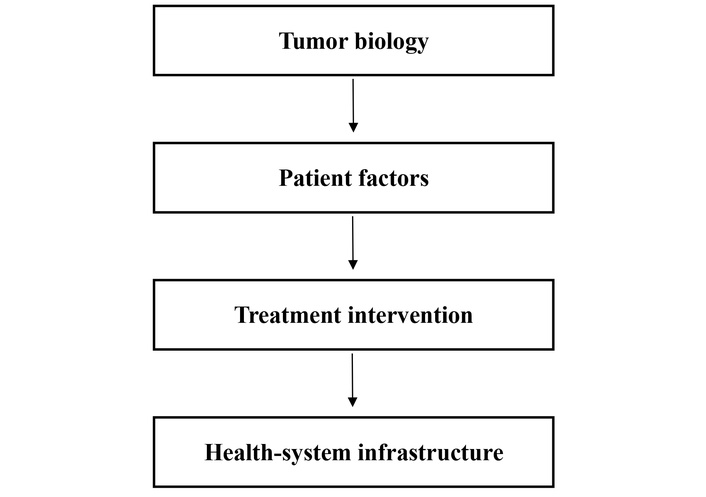
Figure 1 shows the interplay between tumor biology, patient factors, treatment interventions, and health-system infrastructure as determinants of breast cancer survival.
Breast cancer survival is influenced by a combination of tumor-specific, biological, and patient-related factors [3]. Tumor stage (T) at diagnosis remains one of the strongest predictors of survival, with early-stage disease associated with significantly better outcomes than regional (N for node) or distant spread (M for metastases). Tumor size and lymph node involvement also play major roles, as larger tumors and involved nodes correlate with higher risk of recurrence or relapse. Histologic grade, under the microscope, also predicts cancer aggressiveness [21].
Molecular characteristics started to become important prognostic factors in the beginning of 2000s [8]. Hormone receptor status [estrogen receptor (ER)/progesterone receptor (PR)] is associated with more favorable outcomes and responsiveness to endocrine therapy, whereas HER2-positive cancers historically carried a poorer prognosis but now benefit from targeted therapies [22]. The complexity of HER2-directed therapy is further underscored by diagnostic challenges, including cases with complete CEP17 deletion on fluorescence in situ hybridization, which may confound HER2 status interpretation and affect treatment selection [23]. Beyond breast cancer, studies profiling HER2, KRAS, and PIK3CA mutations in other tumor types illustrate how oncogenic driver mutations broadly influence therapeutic targeting strategies [24]. Breast cancer subtype, defined by receptor status and proliferation markers, strongly predicts survival, with triple-negative breast cancer (TNBC) showing the most aggressive course [25, 26]. Germline mutational profiling in TNBC has provided additional insight into the genetic architecture underlying subtype classification, demonstrating that heritable variants contribute to clinicopathological heterogeneity and may refine prognostic stratification beyond immunohistochemical subtyping alone [27]. While receptor-defined subtypes provide clinically useful stratification, they capture only part of tumor biology. Multi-omics studies demonstrate that survival heterogeneity is driven by the broader genomic architecture, including interacting oncogenic pathways, clonal evolution, and the composition of the tumor microenvironment. Emerging translational biomarkers identified through multi-omics integration offer new opportunities to stratify patients beyond classical receptor status and shift clinical decision-making from static classification toward dynamic systems-level precision oncology [28].
Comprehensive pan-cancer multi-omics analyses further reveal shared oncogenic determinants across tumor types, underscoring the value of integrative molecular frameworks for understanding outcome variability [28].
This broader genomic architecture encompasses not only somatic alterations in signaling pathways but also germline variants that shape intrinsic tumor aggressiveness, treatment response, and recurrence risk, as demonstrated in germline mutational profiling studies of TNBC [27]. Patient-related factors such as age, overall health, and comorbidities also influence prognosis and treatment tolerances [29]. Large meta-analyses confirm that integrating clinical, pathological, and molecular factors provides the most accurate survival predictions, supporting personalized treatment strategies [30]. Recent research underscores the importance of considering comorbidities and treatment interactions when managing breast cancer, as these factors significantly influence cardiovascular outcomes and overall survival [31]. Critically, subtype classification alone does not explain mechanistic differences in survival outcomes. Driver mutations in genes such as PIK3CA and HER2 activate downstream signaling cascades, including the phosphoinositide 3-kinase (PI3K)/protein kinase B (AKT)/mechanistic target of rapamycin (mTOR) and mitogen-activated protein kinase (MAPK) pathways that not only confer biological aggressiveness but also determine therapeutic vulnerabilities and resistance mechanisms. Integrative AI-driven frameworks that combine multi-omics and multimodal clinical data have been proposed as tools to bridge this gap between molecular classification and functional outcome prediction, offering a more complete mechanistic picture of why patients with similar receptor status may experience divergent survival trajectories [32, 33].
A recent hot topic is the effects of treatment on breast cancer survival due to morbidity and mortality of the treatment itself. The likelihood of cardiovascular death in breast cancer patients receiving chemotherapy or radiotherapy was linked to tumor size and stage, perhaps related to more intensive treatments for more advanced disease stage and hence morbidity and mortality of the treatment [34, 35]. A meta-analysis of over 1.5 million patients found that breast-conserving treatment with radiotherapy improves overall survival compared to mastectomy [36]. Although radiation was historically linked to cardiac toxicity, recent evidence shows it may reduce heart-related mortality when used in breast-conserving approaches [37]. Smaller tumors (T1–T2) typically require less systemic therapy, and the cardiovascular risks associated with breast-conserving treatment may be overstated [37].
Radiation exposure to the heart during breast cancer radiotherapy is associated with an increased risk of ischemic heart disease, primarily due to dose-dependent injury to coronary arteries and microvascular structures [38]. Even relatively low doses of radiation can induce endothelial damage, accelerate atherosclerosis, and impair myocardial perfusion over time [38, 39]. This biological relationship explains the observed increase in cardiovascular events following radiotherapy. Darby et al. [38] have demonstrated that the risk of major coronary events increases linearly with the mean radiation dose to the heart, with an estimated increase of approximately 7.4% for each Gray. These findings highlight the importance of minimizing cardiac exposure during radiotherapy and carefully balancing oncologic benefit against long-term cardiovascular risk.
Screening and early detection play a critical role in improving breast cancer outcomes. Mammography, often combined with clinical breast examination and, in selected cases, breast ultrasound, is widely used for early detection. The effectiveness of screening programs depends on accessibility and public awareness, which have significantly improved outcomes in high-income countries. According to the WHO’s Global Breast Cancer Initiative, 5-year survival exceeds 90% in high-income regions but remains substantially lower in low-resource settings. Emerging approaches, including mobile mammography units, telemedicine, and artificial intelligence-assisted image analysis, aim to expand access and improve early diagnosis in underserved populations [40].
The current therapeutic strategies focus on a combination of endocrine treatments, such as selective ER modulators or aromatase inhibitors, with HER2-targeted therapies like trastuzumab, pertuzumab, or tyrosine kinase inhibitors, to concurrent inhibitors of both hormone and HER2-receptors. Despite initial response, treatment resistance often develops by mutations in the PIK3CA gene, ER and HER2 signaling, and by alternative pathways. Therefore, new combination therapies such as CDK4/6 inhibitors, and PI3K/AKT/mTOR inhibitors are being developed to overcome resistance [41].
As mentioned above, since year 2000, new types of drugs have come into use. HER2-targeted treatments like trastuzumab, pertuzumab, and trastuzumab emtansine (T-DM1) have significantly improved survival outcomes for people with HER2-positive cancer [42]. CDK4/6 inhibitors such as palbociclib, ribociclib, and abemaciclib have also been shown to improve survival for those with HR-positive and HER2-negative metastatic cancer [43]. Poly(ADP-ribose) polymerase (PARP) inhibitors have demonstrated clinical benefit in patients with cancers that have BRCA mutations. Immunotherapies include programmed cell death protein 1 (PD-1) and programmed death ligand 1 (PD-L1) inhibitors, which are useful for triple-negative cancers. In addition to targeted therapies, individualized immunotherapeutic strategies such as personalized cancer vaccines are emerging as a novel treatment paradigm. These approaches leverage tumor-specific neoantigens to stimulate adaptive immune responses and are currently being evaluated in early-phase clinical trials, with potential implications for durable disease control and long-term survival. This evolving field highlights a shift toward fully personalized immunotherapy beyond conventional targeted agents [44]. Most of these drugs work better in advanced or metastatic cancer rather than in early-stage localized cancer [45, 46]. SEER survival estimates include all disease stages; therefore, improvements observed in metastatic settings may be less apparent at the population level [8]. HR-positive cancers generally have a better outlook and grow more slowly. Earlier detection can slightly improve the 5-year survival rate [47]. Most new treatments focus on more advanced or HER2-positive cancers, which leads to only a small overall improvement in survival for the whole population.
Understanding global breast cancer survival, therefore, requires integrating three interdependent layers of determinants: tumor biology, therapeutic capacity, and healthcare infrastructure. Tumor biology determines the disease’s intrinsic aggressiveness, defining the biological ceiling of achievable outcomes for a given patient. Therapeutic capacity, encompassing access to surgery, radiotherapy, systemic therapy, and, increasingly, molecular diagnostics, determines whether that biological ceiling can be approached in clinical practice. Healthcare infrastructure, including screening programs, diagnostic services, referral systems, and workforce availability, determines whether patients reach the point of treatment at a stage where therapy can be effective. Survival disparities observed across countries and income settings are therefore not simply a reflection of differential access to new drugs; they emerge from the compounding effect of these three layers operating simultaneously. In high-income settings, shortfalls in screening uptake or system coordination limit gains even when effective therapies exist. In low- and middle-income settings, late-stage presentation and fragmented care pathways negate the potential benefit of even basic treatments. This framework organizes the country-specific observations that follow and provides an analytical lens for understanding and addressing global survival inequities. Mechanistically, late-stage presentation amplifies the prognostic impact of unfavorable tumor biology, while treatment gaps prevent even biologically favorable tumors from reaching their survival ceiling [48].
Key strategies to improve global breast cancer survival are summarized in Table 2.
Key strategies to improve global breast cancer survival.
| Strategy | Practical steps |
|---|---|
| Early detection/screening | Increase funding for screening programs, improve access to primary care, and promote mammography awareness campaigns |
| Equitable access to care | Ensure availability of surgery, radiotherapy, and systemic therapy, and expand survivorship support services |
| Personalized treatment | Use genomic profiling and biomarkers to guide therapy, supported by funding and patient education |
| Multidisciplinary care | Integrate oncology with cardiology, psychology, and rehabilitation services to improve outcomes |
| Survivorship programs | Monitor long-term side effects and recurrence, and improve follow-up care especially in underserved areas |
| Health system improvement | Strengthen healthcare infrastructure, workforce training, and referral systems |
| Public education | Reduce stigma, promote early detection, and encourage healthy lifestyle behaviors |
| Research collaboration | Facilitate data sharing and improve coordination of clinical trials globally |
| Financial support | Reduce out-of-pocket costs and improve access through insurance and administrative support |
Created based on synthesized literature.
It is well known that socially disadvantaged groups have lower cancer survival, which can be explained by unequal access to healthcare, e.g., African Americans in the United States. Cancers are detected late and these groups cannot afford expensive curative treatment. In low- and middle-income countries (LMICs), inadequate workforce and defects in the healthcare infrastructure, poor administration and improper use of the limited available financial resources are present. Instead of borrowing from experience of the Western countries or direct implementation of clinical trial recommendations from studies performed in those countries, tailoring treatment according to local context is emphasized by the Union for International Cancer Control (UICC) [49].
Decentralized care models, availability of healthcare resources to marginalized population, strengthening supply chains for essential medications, and purchase of used radiotherapy equipment from developed countries are some ideas that may help. Delegation of traditional duties usually performed by specialists in developed countries to nurses and family doctors in these LMIC may increase access to routine cancer care which may reach a higher proportion of the rural population.
Breast cancers nowadays are divided into HR-positive (for ERs and PRs), HER2-positive and triple-negative (TNBC, i.e. not estrogen/progesterone/HER2-positive). Biomarker discovery provides the critical translational link between molecular tumor characteristics and clinical decision-making. Validated biomarkers enable patient stratification, guiding targeted therapy selection and improving survival outcomes by aligning treatment with underlying tumor biology [50, 51]. Trials such as monarchE and NATALEE have showed that CDK4/6 inhibitors (e.g., Verzenio, and Kisqali) significantly improve invasive disease-free survival in high-risk HR-positive patients [52, 53]. Similarly, antibody-drug conjugates (ADCs) like trastuzumab deruxtecan are useful for HER2-positive early-stage breast cancer [22, 54]. However, not every country and its citizens can afford genomic testing for medical decision-making and prescribing targeted therapies.
Breast cancer management requires multidisciplinary approach involving surgical oncology, radiation oncology, and medical oncology [55]. More emphasis is placed on cardio-oncology since cardiac complications are preventable and potentially treatable [56]. With all specialists available in a multidisciplinary clinic improving communication among team members, waiting list is reduced and patient satisfaction is improved with greater efficiency [57]. For the elderly patients coming from afar, caregivers do not have to take much time off work to care for their loved ones. Many breast cancer survivors need support in mental health, physiotherapy to improve arm function or decrease shoulder stiffness, marital counselling, rebuilding of body image (a new norm for mastectomy patients), family planning to optimize timing for pregnancy, and palliative and spiritual care for those with advanced diseases.
Breast cancer is increasingly recognized as a chronic condition, and both patients and caregivers may experience significant psychological and practical challenges, including fear of recurrence and difficulties in daily functioning. Cardiovascular disease is a leading cause of death among breast cancer survivors, particularly in older patients [39]. Cognitive impairment, partly related to treatment (‘chemo brain’), is also increasingly recognized [58]. Long-term survivorship, especially in patients with advanced disease, may place additional burdens on caregivers. Supportive care, including lifestyle counseling, rehabilitation, and digital health tools such as telemedicine and wearable monitoring devices, may help improve patient outcomes and quality of life.
No country has a perfect health system, e.g., the Americans with no health insurance tend to have poorer outcome. The practical steps include:
Training and retaining healthcare providers instead of losing to other places with better opportunities;
Expanding/redesigning/upgrading current facilities to suit multidisciplinary clinics;
Improving referral systems, e.g., patients got seen by the first available vacancy in a pooled referral system;
Improving the accuracy, timeliness, and completeness of national cancer registries to have better data on cancer treatment outcomes in terms of morbidities and mortalities;
Administrative policy and clinic/hospital protocols to improve quality of care to patients, and to increase healthcare funding by prioritizing it over other needs. Universal health coverage may not be the best answer as no single healthcare system is perfect as the research team sees it. Public–private partnerships (PPPs) can bring together resources and expertise to improve efficiency.
To avoid delay in diagnosis, community outreach, school programs, and advertisement in television or newspaper may help to increase attendance for breast cancer screening. There are hard to reach population like sex workers, rural patients, aboriginal or marginalized population that more efforts should be spent on, to avoid delay in breast cancer diagnosis. The message has to be culturally sensitive as discussed in conservative societies below.
Importantly, lifestyle changes on smoking, alcohol, and exercise are fundamental message for the public. Obesity increases risk for breast cancer. The fear and stigma prevent ladies to go for breast screening. Public education should minimize these negative emotions.
Increased collaboration among different countries to provide funding for breast cancer research could be organized by WHO or UICC. Generally, well-educated patients are more likely to enroll in clinical trials, thus affecting generalizability to the less privileged patient groups. Strict eligibility criteria also affect generalizability to those with comorbidities.
Survival outcomes emerge from the interaction between biological aggressiveness, therapeutic capacity, and healthcare infrastructure which will be described in detail in the next section. More research on biomarker platforms to integrate multi-omics information is needed [59]. However, the availability of modern advances varies globally.
Across the countries reviewed, breast cancer survival is shaped less by biology alone than by the interaction between stage at diagnosis, continuity of care, and availability of multimodal treatment. Three broad patterns emerge. First, in high-income settings such as Canada and France, survival is generally favorable, but gains are constrained by screening uptake gaps, waiting times, and inequities affecting rural and marginalized populations. Second, in middle-income settings such as China, India, Jordan, and Kosovo, outcomes are strongly influenced by regional variation in infrastructure, diagnostic delays, and unequal access to pathology, radiotherapy, and targeted therapy. Third, in low-resource and conflict-affected settings, particularly parts of Africa and Palestine, late-stage presentation, treatment interruption, and weak system capacity remain the dominant drivers of poor survival. These comparisons suggest that the principal determinants of survival differ by context, but repeatedly cluster around early detection, timely diagnosis, treatment access, and health-system coordination.
In high-income countries, poor survival is less often driven by complete absence of treatment and more often by delays, uneven participation in screening, and disparities affecting remote or marginalized populations. Canada and France illustrate that even well-resourced systems may fail to translate national capacity into uniformly timely diagnosis and care.
Canada has a publicly funded healthcare system, but the resources are getting thinner, resulting in long waiting lists and insufficient family doctors for primary prevention of breast cancer. About ¼ of British Columbians (i.e. 700,000 patients) have no family doctor, and have to line up for walk-in clinic or the emergency rooms which notoriously lack in continuity of care, especially monitoring of patients or follow-up on tests results. The emotional bond with a regular family doctor is at great risk since many Canadian family doctors are close to retirement age, and younger doctors seek more leisure time to have a better quality of life or build a family. It is commonplace to wait for 6 to 12 hours in the emergency room and family members are nervous about what is going to happen to their loved ones. In the news, an Aboriginal man died in the emergency room in a Winnipeg hospital after waiting for 12 hours [60, 61]. Another Aboriginal young man in Regina General Hospital was sent away with depression and his dead body was found in the river soon after [62].
The shortage of family doctor is eased by nurse practitioners. Recruitment and retention of doctors are challenging in remote areas because of long hours, frequent on-call duties and a lack of opportunity to rest. It is so much difficult to find locums to cover for leave that emergency rooms have to be closed if the only doctor is sick himself or herself. The British Columbia province has introduced new compensation models of Longitudinal Family Physician (LFP) payment system, helping over 750,000 residents to be hooked up to family doctors as to date.
Mammogram screen is available but the policy varies across provinces. A dense breast can be advised for annual mammogram in one province but only allowed to have it every two years as a standard policy in another province. Mammogram or other health records are not accessible if patients change their healthcare provider or move to another province.
France has had a national organized breast cancer screening program (Le programme de dépistage organisé des cancers du sein) in place since 2004, targeting women aged 50–74 years with biennial mammography and clinical breast examination. The program guarantees systematic invitations, quality assurance, and double reading of mammograms, consistent with European Council screening recommendations [63]. Despite longstanding organization, uptake remains moderate. Recent estimates show overall biennial screening coverage of around 60% among women aged 50–74 years, including both organized and opportunistic mammography. However, participation in the formal organized program alone is lower, with rates often reported near 45–50% nationally and substantial regional variations [64].
Early detection through screening and improvements in multidisciplinary care have contributed to favorable outcomes. Net survival estimates for breast cancer in France are high, with ~97% at 1 year and ~88% at 5 years across all age groups [65].
Despite overall strong performance, challenges remain. Participation in organized screening lags behind several other European countries and regional disparities persist, indicating inequities in access. By equal access to care and transportation, the French Polynesia, a territory of 100 islands covering an area as large as the whole of Europe, only has bus services on one island, all the others would remain unreachable. Participation thresholds below the European guideline target of 70% suggest opportunities for enhanced outreach, education, and system strengthening to improve equity and early diagnosis [66].
In middle-income settings, survival gains are increasingly achievable through expanding screening, pathology services, and access to modern therapies; however, these gains are often uneven across regions and socioeconomic groups. China, India, Jordan, Kosovo, and parts of Central America show that partial system strengthening improves outcomes, but fragmentation, late presentation, and affordability continue to limit population-level benefits.
In Nicaragua, 87,149 mammograms were performed for early breast cancer detection in 2023, compared with only 50 in 2006 [67]. The country has implemented an effective screening program within the public health system; however, challenges remain to reach remote areas of the country which can be affected by hurricanes constantly. Actions taken to solve these have been to open new primary care centers, but these centers have some limitations like reduced access to molecular tests [68]. The government is trying to increase allocated resources to strengthen these centers.
In Panama, incidence of breast cancer is 28.5 per each 100,000 with race and age distributions very similar to those observed in Western countries, with no statistically significant differences in survival times reported between regions of the country. Diagnoses tend to be made at later stages, with patients often presenting with more advanced disease [69]. More than 50% of their population is covered by social security insurance, however disparities persist according to race, especially for Hispanics [70].
As a whole, Caribbean countries have higher mortality ratios compared to North America and Western Europe. Barbados not only has the highest incidence and mortality rates in the Caribbean region but also among the highest in the world. Older patients with breast cancer were registered in the Bahamas: the mean age of patients with breast cancer was 56 (±10) years, and 80–95% of patients across Caribbean countries were of African descent [71].
Despite difficulties and the strain on sources caused by COVID-19, progress had been made. Many Latin-American countries not only those in Central America have implemented programs of early detection and screening. However, they need to be strengthened. Some countries like Costa Rica allocate a higher percentage (10.9%) of their gross domestic product (GDP) to health to solve this in comparison with others (around 5%) in the region [72, 73].
In China, breast cancer screening and treatment have improved in early detection and survival rates, although significant regional and socioeconomic disparities remain [74]. For de novo metastatic breast cancer, surprisingly, National Cancer Center Oncology Information Database (NCCOID) achieved superior overall survival rates (1-, 3-, 5-year: 91.5%, 77.4%, 67.9%, respectively) versus SEER (87.7%, 62.8%, 46.4%) [74].
China lacks universal health coverage. Population-based screening identifies 80–85% of cancers at stage 0–I, compared with only 21–23% in opportunistic clinical settings [75].
Regular mammography and ultrasound screenings reduce breast cancer mortality by 20–30%, consistent with global evidence. As most Chinese women have small, dense breasts, ultrasound is a logical adjunct to improve mammographic sensitivity and specificity. Localized workplace-based programs have increased mammography uptake from about 10% to over 72% [76].
Free screening programs have expanded from rural populations to include urban women. According to recent surveillance data, 30.9% of women aged 35–64 years have undergone at least one lifetime breast cancer screening since 2022 in China [77]. National initiatives such as the “Two Cancer Screening Program” (for cervical and breast cancers), launched in 2009, have significantly strengthened public awareness and participation in preventive health services [78].
Advances in clinical care have markedly improved prognosis for diagnosed patients. The overall 5-year survival rate for breast cancer in Chinese women reached approximately 82% in the mid-2010s, with more recent trends suggesting continued improvement as clinical research capacity and drug approvals expand [79].
China has accelerated the introduction of new antitumor agents, including anti-HER2 therapies and CDK4/6 inhibitors, bringing domestic treatment standards closer to international guidelines [80]. She also participates in international studies, e.g., EMBER-3 and DESTINY-Breast05 trials [81]. Although hospitalizations have increased with rising incidence, average length of stay fell from 17 to 10.7 days, and in-hospital mortality declined from 1.70% to 1.07% [82].
China’s growing wealth now enables advanced research, such as deep learning-based imaging nomograms combining clinical and magnetic resonance imaging (MRI)/ultrasound data to predict outcomes in TNBC patients receiving neoadjuvant chemotherapy [83]. As research from the Western world may not be generalizable to Asian cultures, more local studies are necessary [84, 85]. Skin/tissue radiation tolerances of Chinese are different [86]. Similarly, the smaller breast size may require more expertise for minimal access (endoscopic or robotic-assisted) nipple-sparing mastectomy [87].
Despite these advances, screening rates vary widely by region: developed eastern coastal provinces such as Beijing and Shanghai report participation rates of 40–60%, whereas regions such as Tibet and Hebei remain below 10% [88]. Low socioeconomic status remains a major barrier due to limited public education and restricted access to advanced therapies from low income and pensions [88]. In many under-resourced areas, patients are still diagnosed at later stages compared with Western countries, contributing to a higher national disease burden and highlighting the need for more equitable access to screening and treatment [89].
This country requires strengthening early detection, standardizing treatment pathways, and expanding access to comprehensive care for breast cancer management. Late presentation remains a major barrier due to expensive healthcare and breast cancer survival varying sharply by stage. Recent Indian data show 10-year survival of 93.3% for stage I but only 24.5% for stage III disease [90, 91]. To address these disparities and improve breast cancer outcomes in India, several strategies should be considered, including strengthening early detection, improving patient navigation, standardizing treatment pathways, and expanding equitable access to comprehensive and multidisciplinary care:
Enhancing breast cancer awareness programs and organized screening: clinical breast examination in low-resource settings may particularly be able to increase earlier presentations.
Navigation through the health system: a survivor-led patient navigation model piloted in India demonstrated improved continuity of care and reduced delays, highlighting its potential scalability [92, 93].
Standardizing evidence-based treatment across centers: the National Association of Medical Specialists (NAMS) task force recommends uniform protocols, multidisciplinary tumor boards, and improved access to different treatment options across public hospitals [94, 95].
Centralized and coordinated programs: reducing geographic disparities especially in tier-2 and tier-3 cities.
Implementation research on integrated care models: with a goal that 80% of India patients receive evidence-based treatment, which is a target projected to significantly improve national survival rates [83].
Equitable access to multidisciplinary treatment: to obtain the best timely care nowadays requires much out-of-pocket expenses for which most poor ladies in India cannot afford.
In the country of Jordan, breast cancer remains the most frequent type of cancer affecting women and also the predominant cause of death from cancer in women. It has a well-organized health infrastructure compared with other countries, and the rate of improvement in terms of relative survival from breast cancer has not been impressive in the last two decades [96, 97]. The Jordan Cancer Registry reveals that breast cancer contributes to a third of cancers diagnosed in women and has a lower median age of diagnosis than in high-income nations [98, 99]. Sociocultural issues also remain important in the outcome of breast cancer cases in Jordan. Fear of losing a breast, associated stigma, and concerns about roles within the family and marriage can hamper early reporting and compliance with treatment. Community-based educational programs and support groups for patients have proved effective in enhancing acceptance of screening and treatment procedures, even by using culturally appropriate messages [100]. Late-stage presentation remains a key determinant of breast cancer outcomes in Jordan. Despite the establishment of the Jordan Breast Cancer Program (JBCP) and national efforts to promote mammography, a substantial proportion of women continue to present with stage II or III disease, limiting the survival benefit of treatment. Population-based screening coverage remains suboptimal, particularly outside Amman and other large cities, and opportunistic screening predominates [101]. Barriers to early detection include limited awareness of breast cancer symptoms, fear of diagnosis, cultural modesty and misconceptions regarding screening and treatment. Studies from Jordan and neighboring countries show that women often delay seeking care until symptoms interfere with daily life, even when services are theoretically available [100]. Early-stage diagnosis is strongly associated with improved survival, underscoring the need to strengthen awareness campaigns and expand organized screening efforts beyond urban populations.
Jordan has comparatively better diagnostic and pathology capacity than many low- and lower–middle-income countries, with access to imaging, histopathology, and receptor status testing in tertiary centers. However, diagnostic delays still occur due to referral bottlenecks, uneven geographic distribution of services, and delays in biopsy and pathology reporting, particularly for patients referred from peripheral facilities. Variabilities in access to timely immunohistochemistry and molecular testing may affect optimal treatment selection, especially in public-sector facilities. Strengthening referral pathways, improving coordination between primary care and oncology centers, and decentralizing diagnostic services are critical to reducing delays.
Jordan provides surgical oncology, chemotherapy, radiotherapy, and targeted therapies through both public and private sectors, with major cancer centers offering multidisciplinary care. Nevertheless, access to comprehensive treatment is not uniform. Financial barriers, insurance coverage limitations, and out-of-pocket costs can lead to treatment delays or interruptions, particularly for vulnerable populations and refugees. Radiotherapy capacity, while present, is concentrated in a limited number of centers, contributing to waiting times. Evidence from Jordan and the wider Middle East suggests that timely completion of multimodal therapy is associated with significantly improved survival, highlighting the importance of treatment coordination and patient navigation systems [93].
Jordan has demonstrated political commitment to cancer control through national strategies, cancer registries and PPPs. However, gaps remain in translating policy into equitable outcomes. Disparities in survival persist between urban and rural populations. Strengthening the national cancer control framework through improved data quality, expanded registry coverage, and routine survival analysis is essential for monitoring progress. Investment in oncology workforce development, particularly oncology nursing and allied health professionals, is also critical to sustaining high-quality care. Survivorship care is still an area that is developing, with very little structured care for the psychological aspects and consequences for the quality of life and effects of treatments for the survivors [102].
In summary, Jordan demonstrated limited improvements in relative survival. Even though access to early detection and treatment is significantly improved compared with some African nations, there are still some challenges that act as a barrier in improving survival.
Breast cancer is the most commonly diagnosed malignancy among women in Kosovo. According to national oncology service reports, in 2024, there were approximately 640 newly diagnosed breast cancer cases (633 females and 7 males) accounting for about 17.6% of all registered cancers in the country [103]. Data from the Oncology Clinic of the University Clinical Center of Kosovo indicate that during the first nine months of 2025, approximately 320–330 new breast cancer cases were diagnosed, including three male patients, showing a similar incidence to the previous year [104]. Overall cancer incidence in the country has demonstrated a continuous annual increase of approximately 5%, which includes breast cancer cases [105]. This upward trend may reflect both improved reporting systems and a real increase in the cancer burden. Although precise mortality rate from breast cancer in Kosovo is not yet reported in public national datasets, late-stage presentation and limited screening contribute substantially to poor outcomes, underscoring the disease’s severity.
Kostovska et al. [106] have identified population-specific hereditary patterns among Kosovar women with breast cancer. Screening for BRCA1/2 mutations showed that BRCA1 c.3700_3704del is a frequent founder mutation, present in roughly 6% of breast cancer patients from Kosovo, and accounting for the majority (93%) of BRCA1 mutation carriers identified. These findings support the need for broader access to genetic counseling and testing as part of breast cancer management. Further published clinicopathological studies from Kosovo report the distribution of molecular subtypes of breast cancer, including luminal A, luminal B, HER2-positive and triple-negative disease, reflecting patterns comparable to other European populations [107].
In summary, breast cancer in Kosovo shows high incidence, increasing case numbers, limited but improving early detection, and a distinct BRCA1 founder mutation frequency. Strengthening screening programs, registry systems, and genetic testing infrastructure remains critical to improving breast cancer outcomes in Kosovo.
In low-resource and conflict-affected settings, breast cancer survival is dominated by structural barriers: late presentation, delayed diagnostic confirmation, scarce or absent radiotherapy service and frequently interrupted treatment. In these contexts, survival depends first on restoring basic continuity of oncology care before more advanced personalization strategies can have substantial effect.
In Africa, breast cancer is the most prevalent diagnosed cancer among women and a leading cause of cancer-related mortality. Despite lower incidence rates compared with high-income regions, African countries experience disproportionately high mortality, largely driven by late-stage presentation, low diagnostic capacity, and limited access to comprehensive treatment services [108, 109]. Late-stage diagnosis remains one of the most crucial determinants of poor breast cancer survival in Africa. More than half of patients present with stage III or IV disease, compared with less than 20% in high-income countries [108, 109]. Studies consistently showed that women diagnosed at early stages have markedly better survival, even with limited resources [110].
Inadequate awareness of breast cancer symptoms, fear of diagnosis, stigma, and sociocultural beliefs contribute substantially to delays in presentation. Qualitative and observational studies from Nigeria, Rwanda, and other sub-Saharan African countries show that many women initially attribute breast symptoms to benign conditions or seek alternative care before presenting to health facilities [111, 112]. These delays are further compounded by misconceptions regarding mastectomy and concerns about social consequences of a cancer diagnosis.
Population-based mammography screening remains impractical in most African settings due to cost and infrastructure limitations. Instead, down-staging strategies focused on breast health education, prompt evaluation of symptoms, and clinical breast examination are recommended as feasible and effective approaches in improving early detection [113, 114].
Fast and accurate diagnosis is very important for effective breast cancer management; however, diagnostic services remain inadequate in many African countries. Limited access to pathology laboratories, imaging, and receptor testing contributes to diagnostic delays and inappropriate treatment selection [108, 115]. In some places, treatment is started without histological confirmation, further compromising the results. Empowerment of pathology services through infrastructure investment, workforce training, orientation and decentralization of diagnostic facilities is crucial [116]. Task-sharing approaches that empower primary healthcare providers to recognize suspicious breast lesions and initiate referrals have showed potential to reduce system-level delays. Improved referral pathways and integration of diagnostic services within cancer care networks are also very important.
The lack of access to breast cancer treatment significantly contributes to poor survival in Africa. Surgical oncology, systemic therapy, and radiotherapy services are unevenly distributed, with many unable to complete recommended treatment due to high cost, distance, or limited availability [108, 115]. Radiotherapy facilities, in particular, remain scarce, resulting in prolonged waiting times or lack of access altogether [115]. Financial constraints are a major driver of treatment interruption, as most patients rely on out-of-pocket payments for care. Expansion of universal health coverage and inclusion of cancer services within national insurance schemes are essential to improve treatment adherence and outcomes [117]. Multidisciplinary care models improve coordination of surgery, chemotherapy, radiotherapy, and supportive care, leading to better results. While specialist capacity is limited, regional cancer centers, standardized treatment protocols, and partnerships with international oncology programs can enhance quality of care [113]. The WHO recommends comprehensive National Cancer Control Plans integrating prevention, early detection, diagnosis, treatment, palliative care, and survivorship [105]. Countries with coordinated cancer strategies demonstrate improved service delivery and more efficient use of limited resources [105].
In summary, community-level interventions are important for solving social and cultural barriers of breast cancer care. Fear of mastectomy, stigma, and misinformation often contribute to delayed presentation and treatment abandonment [118]. Patient navigation, survivor support, and community engagement improve treatment completion and acceptance of care, especially in rural and underserved areas [111]. Improving breast cancer survival in Africa requires context-specific strategies emphasizing early detection, equitable treatment access, and strengthening of the health registries and information systems, supported by political commitment and community involvement [108, 113, 115].
The country is in an indescribable ordeal and breast cancer management is disorganized [119]. In a brief instant, just as a natural disaster such as hurricane Katrina, the recent war wipe decades of efforts to improve the care of patients. In addition to key points of Table 1, the situation in Palestine will require a hundredfold involvement to restore support. Breast cancer is the most commonly diagnosed malignancy among Palestinian women in both the West Bank and the Gaza Strip, and it also represents the leading cause of cancer death in this population [120]. Although the crude breast cancer incidence in Gaza is relatively low (around 27 per 100,000 women) compared with some neighboring countries, yet outcomes are poor because a high proportion of women present with advanced disease, with around half or more diagnosed at stage III or IV [121]. In the West Bank, 31% of registered breast cancer cases were diagnosed at a localized stage, whereas 16% were identified at a distant stage. In contrast, the situation in Gaza is markedly more concerning: over 60% of breast cancer cases are detected at stage III or later, a proportion that is approximately twice the rate reported in the United States [122]. Overall, the five-year survival rate for Palestinian women with breast cancer in the West Bank and Gaza has been estimated at around 40%, in stark contrast to the nearly 90% reported in high‑income countries with well-established screening and treatment programs [120, 121].
Mammography was first introduced in the West Bank around year 2008–2009 across 12 governorates. Subsequently, in 2010, a structured screening program was implemented in the Gaza Strip: women aged 40–50 years were offered mammogram screening every other year, while women over the age of 50 years were screened annually [123]. Studies indicate that over 60% of women aged 50 years and older in the West Bank have never undergone mammography, hampered by barriers such as remoteness of facilities, checkpoint delays, cultural stigma, and limited public awareness [123]. A large cross-sectional national survey by Elshami and colleagues [124] involving 2,024 participants found that only about 38% demonstrated good awareness of breast cancer risk factors, underlining the need for structured health education programs and systematic awareness campaigns delivered by health care providers.
Access to treatment remains severely limited: Gaza lacks radiotherapy services, leading to high rates of radical mastectomy (up to 80%), frequent chemotherapy interruptions from drug shortages, and dependence on referrals to East Jerusalem or Israeli hospitals, where travel delays or denials often postpone or block care [122]. These longstanding challenges intensified dramatically after October 7, 2023, with the destruction and closure of Gaza’s only dedicated cancer center, leading to a near-total collapse of oncology services, halting treatments for thousands, and exacerbating delays in diagnosis and care amid ongoing conflict [125].
In summary, Palestinian women with breast cancer in the West Bank and Gaza endure huge challenges, including embarrassment from male clinicians, misdiagnosis as cysts, privacy shortages, and permit delays blocking radiotherapy abroad, described by many as “torture” [126]. To overcome these barriers, urgent needs include expanded integration of national screening, reliable local radiotherapy and chemotherapy availability, more female oncology specialists, and post-2023 conflict rebuilding of destroyed centers.
The research team has gathered perspectives from coauthors across multiple regions of the world, providing a broad view of breast cancer care in diverse healthcare settings. Consistent with the past literature, improvements in screening programs, earlier detection, and refinements in treatment strategies have contributed to reductions in morbidity and treatment-related mortality. Advances such as more sensitive imaging, targeted therapies, personalized therapies and better supportive care have undeniably enhanced the quality of life for many patients.
A key insight emerging from the country comparisons is that the relative importance of screening, diagnosis, and treatment differs markedly across health-system contexts. In high-income settings, such as Canada and France, breast cancer survival is generally favorable, and further gains are often limited by system inefficiencies, unequal screening participation, and delays in access to care. In upper-middle-income settings such as China, outcomes reflect a dual pattern, with near high-income performance in urban regions but persistent late-stage presentation and limited access to advanced therapies in less developed areas. In lower-resource settings, including parts of Africa and conflict-affected regions such as Palestine, survival is predominantly determined by late diagnosis, restricted diagnostic capacity, and interruptions in treatment delivery. These findings suggest that improvements in survival are driven less by individual therapeutic advances alone and more by the ability of health systems to ensure early detection, timely diagnosis, and continuity of multimodal care. Together, these findings support the central argument that improvements in breast cancer survival at the population level depend more on strengthening health systems and ensuring early diagnosis and treatment access than on the introduction of new therapies alone.
However, despite these developments, improvements in long-term survival at the population level have remained modest over the past three decades. The comparative analysis across countries suggests that this slow progress is largely driven by persistent structural barriers rather than a lack of therapeutic innovation. In many low- and middle-income settings, late-stage presentation continues to be the dominant limitation, reflecting inadequate screening, low awareness, and delays in diagnosis. In higher-resource settings, where early detection is more common, gains are constrained by system inefficiencies, unequal access to care, and disparities affecting rural and marginalized populations. Across all contexts, shortages in trained healthcare professionals, fragmented care pathways, and the growing burden of comorbidities further limit the full impact of modern treatments.
Our international contributors highlight that while technological and therapeutic innovations are essential, they are not sufficient on their own. Meaningful gains in global breast cancer survival will require stronger health systems, equitable access to care, culturally sensitive public education, and sustained political commitment. Without addressing these structural barriers, improvements in survival will continue to lag behind scientific progress.
One important discussion point is the effect of new medicines. HER2-positive or triple-negative cancers, have seen big improvements from new medicines, while others are already being cured. These gains are not uniform across all breast cancer subtypes and reflect differences in tumor biology and treatment response. Emerging immune targets such as mucin domain-containing protein 3 (TIM-3), lymphocyte activation gene 3 (LAG-3), and T cell immunoreceptor with Ig and ITIM domains (TIGIT), together with signaling pathways involved in immune regulation and resistance, may further improve outcomes in selected patient populations [12]. It takes time for new drugs to show their full benefit, often years after they are introduced. New treatments can also improve quality of life and delay cancer coming back, which offers advantages beyond just 5-year survival.
Even though survival rates have stayed flat, treatment costs have gone up a lot [15]. As for why costs keep rising, drug prices are influenced by factors like market exclusivity, patent protection, pricing models that aim to recover research and development costs, incremental improvements in treatments like targeted therapies and ADCs, and smaller patient populations due to precision medicine. From a societal point of view, this can create a mismatch between what we pay and the actual benefits we get, meaning we end up paying more for less [35].
Randomly assigning patients to old versus new drugs could help show which treatments are more effective. However, there are major challenges. It would be unethical to take people away from a new drug that has already been proven better in a single trial. Also, companies rarely run trials to show that their new drugs offer little benefit. Moreover, differences in tumor type, biomarkers, and prior treatment can make comparisons between old and new drugs very difficult due to the variety of factors involved. These observations consistently indicate that technological and pharmacological advances, while important, cannot fully translate into survival gains without parallel improvements in early detection, diagnostic capacity, and equitable access to care.
In summary, flat relative SEER population-level survival rates should not obscure subtype- or stage-specific improvements due to dilution. Effective systems with better value are needed to match drug prices with their actual benefits. Change the way rewards are given so that new medicines are developed based on real improvements in public health.
This review has several methodological limitations that should be acknowledged. First, the literature search was not exhaustive; it was conducted in a single database (PubMed/MEDLINE) and restricted to publications from 2010 to 2025, which may have resulted in the omission of relevant earlier studies or grey literature. Second, the qualitative synthesis did not employ formal risk-of-bias assessment or data extraction protocols, which limits reproducibility. Third, the integration of experiential insights from clinical coauthors, while valuable for capturing real-world context, introduces the risk of subjective interpretation and may not generalize across all healthcare systems or cultural contexts. Fourth, country-level analyses are largely dependent on the availability and quality of national cancer registry data, which vary considerably across the regions reviewed.
Future research for breast cancer survival:
The obesity paradox of breast cancer: reduced incidence and decreased likelihood of lymph node metastasis [127].
Imaging: MRI [128].
Selection of more personalized treatment strategies, e.g., maximum standardized uptake value (SUVmax) threshold of 1.8 may help stratify patients unlikely to benefit from endocrine therapy using ER-targeted positron emission tomography (PET)/computerized tomography (CT) [129].
Improving surgical techniques, e.g., robotic-assisted axillary lymph node dissection using the da Vinci system, following a systematic “bottom-up, back-to-front” sequence for axillary dissection, with emphasis on preserving the intercostobrachial nerve and blood vessels [130].
Newer systemic treatment, as single agent or combination therapy, e.g., datopotamab deruxtecan [131], and taxane combination [132]. A novel CDK2/4/6 inhibitor, culmerciclib plus fulvestrant significantly increased progression-free survival (PFS) for pretreated HR-positive HER2-negative advanced breast cancer patients [133].
This review demonstrates that global disparities in breast cancer survival are primarily driven by differences in health system performance rather than by biological factors or availability of new drugs alone.
Breast cancer survival is shaped by tumor biology, stage, molecular subtype, and patient health. Early detection provides the greatest benefit, while targeted and personalized therapies improve outcomes in selected patients. Cardiovascular toxicity and treatment tolerance remain important concerns. Reducing global disparities requires stronger health systems, multidisciplinary care, equitable access, and collaboration, particularly in resource-limited and conflict-affected regions.
Canada’s public healthcare system faces long waiting times and physician shortages, limiting continuity of care, especially in rural areas. In Nicaragua, breast cancer mortality has declined with expanded screening, although remote regions still face resource constraints.
China shows major regional and socioeconomic gaps in screening and late-stage diagnosis. France demonstrates declining mortality with possible stage migration effects. India continues to struggle with late presentation and uneven care despite promising navigation and standardization efforts, while Kosovo’s rising burden highlights the need for earlier detection.
In Africa, stigma, fear, and limited resources delay care, making community engagement and navigation programs essential. Palestine faces the most severe challenges, with most women presenting at advanced stages and five-year survival around 40%, underscoring the urgent need for organized care and system rebuilding.
ADCs: antibody-drug conjugates
AKT: protein kinase B
BRCA1: breast cancer gene 1
CDK4/6: cyclin-dependent kinases 4 and 6
ER: estrogen receptor
HDI: Human Development Index
HER2: human epidermal growth factor receptor 2
HR: hormone receptor
LMICs: low- and middle-income countries
MRI: magnetic resonance imaging
mTOR: mechanistic target of rapamycin
PI3K: phosphoinositide 3-kinase
PPPs: public–private partnerships
SEER: Surveillance, Epidemiology, and End Results
TNBC: triple-negative breast cancer
UICC: Union for International Cancer Control
WHO: World Health Organization
LS: Conceptualization, Methodology, Investigation, Writing—original draft, Writing—review & editing. OA: Data curation, Writing—review & editing. DB: Data curation, Writing—review & editing. MH: Investigation, Writing—review & editing. LF: Investigation, Writing—review & editing. MD: Investigation, Writing—review & editing. DA: Investigation, Writing—review & editing. VVH: Supervision, Writing—review & editing. PT: Supervision, Data curation, Writing—original draft, Writing—review & editing. AJT: Writing—review & editing. EY: Supervision, Writing—review & editing. OS: Supervision, Writing—review & editing. SAG: Supervision, Writing—review & editing. All authors read and approved the submitted version.
Patricia Tai, who is the Editorial Board Member of Exploration of Medicine, had no involvement in the decision-making or the review process of this manuscript. The other authors declare no conflicts of interest.
Not applicable.
Not applicable.
Not applicable.
Not applicable.
Not applicable.
© The Author(s) 2026.
Open Exploration maintains a neutral stance on jurisdictional claims in published institutional affiliations and maps. All opinions expressed in this article are the personal views of the author(s) and do not represent the stance of the editorial team or the publisher.
Copyright: © The Author(s) 2026. This is an Open Access article licensed under a Creative Commons Attribution 4.0 International License (https://creativecommons.org/licenses/by/4.0/), which permits unrestricted use, sharing, adaptation, distribution and reproduction in any medium or format, for any purpose, even commercially, as long as you give appropriate credit to the original author(s) and the source, provide a link to the Creative Commons license, and indicate if changes were made.



View: 945
Download: 32
Times Cited: 0