Review


Affiliation:
1Department of Food Science & Technology, Graphic Era (Deemed to be University), Dehradun 248002, Uttarakhand, India
Email: shweta29joshi@gmail.com
ORCID: https://orcid.org/0000-0002-7222-5351


 ,
,
Affiliation:
2Department of Horticulture, School of Agriculture, ITM University, Gwalior 474001, Madhya Pradesh, India
ORCID: https://orcid.org/0000-0002-6870-6240
,
Affiliation:
1Department of Food Science & Technology, Graphic Era (Deemed to be University), Dehradun 248002, Uttarakhand, India
ORCID: https://orcid.org/0000-0002-6063-0405
,
Affiliation:
1Department of Food Science & Technology, Graphic Era (Deemed to be University), Dehradun 248002, Uttarakhand, India
ORCID: https://orcid.org/0000-0003-1143-8457
,
Affiliation:
1Department of Food Science & Technology, Graphic Era (Deemed to be University), Dehradun 248002, Uttarakhand, India
Affiliation:
1Department of Food Science & Technology, Graphic Era (Deemed to be University), Dehradun 248002, Uttarakhand, India
ORCID: https://orcid.org/0000-0001-6128-2783
Explor Foods Foodomics. 2026;4:1010193 DOI: https://doi.org/10.37349/eff.2026.1010193
Received: May 12, 2026 Accepted: August 24, 2026 Published: October 15, 2026
Academic Editor: Vincenzo De Feo, University of Salerno, Institute of Food Sciences, Italy
Type 2 diabetes mellitus (T2DM) is a complex metabolic disorder characterized by insulin resistance, impaired glucose regulation, and chronic low-grade inflammation. Over the past decade, the gut microbiota (GM) has emerged as an important determinant of metabolic health, with increasing evidence showing that gut microbial dysbiosis and its associated metabolites influence intestinal barrier function, immune regulation, insulin sensitivity, and glucose homeostasis. Although previous studies have examined either GM, dietary interventions, or probiotic supplementation in T2DM, a comprehensive study linking microbial metabolites with personalized nutrition (PN) and emerging microbiota-based therapeutic strategies remains lacking. This review addresses this gap by discussing the mechanistic roles of important gut microbial metabolites, such as short-chain fatty acids (SCFAs), lipopolysaccharides (LPS), trimethylamine-N-oxide, indolepropionic acid (IPA), and bile acids (BAs), in the development and progression of T2DM. It further describes how dietary strategies, including high-fiber and prebiotic-rich diets, probiotics, synbiotics, polyphenol-rich foods, and PN, improve glycemic control and metabolic health. Recent advances in microbiota-targeted interventions, including postbiotics, next-generation probiotics, engineered probiotics, and fecal microbiota, are also discussed along with their therapeutic potential and existing clinical limitations. By combining mechanistic insights with nutritional and therapeutic perspectives, this review provides a single framework for understanding the diet-GM-host metabolic axis and offers future directions for developing microbiome-informed precision nutrition strategies for the prevention and management of T2DM.
Type 2 diabetes mellitus (T2DM) is the most prevalent form of diabetes and one of the leading non-communicable diseases worldwide [1]. It is characterized by insulin resistance, progressive β-cell dysfunction, chronic low-grade inflammation, and impaired glucose homeostasis. Rapid urbanization, aging populations, sedentary lifestyle, obesity, and poor dietary habits are increasing the global prevalence of T2DM, posing a major clinical and socioeconomic burden [2]. Currently, more than 460 million people are estimated to have T2DM, and this number is projected to increase to over 700 million by 2045 [3]. Although there have been major advances in pharmacological management, the incidence of disease and diabetes-related complications continues to rise, emphasizing the need for preventive and complementary therapeutic strategies that address underlying metabolic disturbances rather than glycemic control alone.
The human gastrointestinal (GI) tract contains a diverse microbial community that is essential for nutrient metabolism, intestinal barrier integrity, immune regulation, and host metabolic homeostasis [4]. Growing evidence suggests that the pathophysiology of insulin resistance and type 2 diabetes (T2D) is influenced by alterations in the diversity and function of gut microorganisms, or gut dysbiosis [5]. Observational studies have consistently linked changes in gut microbiota (GM) with T2D. Individuals with T2D, impaired glucose tolerance, or elevated fasting glucose often exhibit reduced microbial diversity. A decline in butyrate-producing bacteria is another commonly reported feature of this altered microbial profile [6]. Such microbial changes are associated with reduced intestinal barrier function, metabolic endotoxemia, chronic inflammation, and disturbances in glucose and lipid metabolism [7]. As dietary habits are among the most important determinants of gut microbial composition, nutritional interventions are promising strategies to restore microbial homeostasis and improve metabolic health.
Most of the biological effects of GM are mediated by bioactive metabolites including short-chain fatty acids (SCFAs), bile acids (BAs), trimethylamine-N-oxide (TMAO), indole derivatives, and lipopolysaccharides (LPS) [8]. These metabolites are involved in the regulation of several metabolic pathways associated with glucose homeostasis, insulin signaling, appetite regulation, inflammatory response, and energy metabolism [9]. Dietary factors directly influence the GM composition and the production of these metabolites, resulting in a complex interaction between diet, microbial metabolism, and host physiology [10]. Therefore, dietary approaches targeting the gut microbiome have gained increasing attention as complementary approaches for the prevention and management of metabolic disorders.
The recognition of heterogeneous metabolic and microbiological responses of individuals to the same dietary interventions has initiated a rapid development of personalized nutrition (PN). PN focuses on an individual’s characteristics, such as their GM composition, metabolic phenotype, lifestyle, and other biological factors, rather than making general dietary recommendations, in order to optimize dietary interventions [11]. At the same time, microbiota-directed interventions (probiotics, prebiotics, synbiotics, postbiotics, engineered probiotics, fecal microbiota transplantation (FMT), and functional foods) are being explored as adjuncts to conventional diabetes management [12, 13]. Although many of these interventions have shown promising metabolic benefits, their clinical translation remains hampered by large inter-individual variability, incomplete mechanistic understanding, lack of standardized microbiome biomarkers, and limited long-term clinical evidence [14].
Several recent reviews have independently reviewed the role of the GM in T2DM, the therapeutic potential of probiotics and prebiotics, and the effect of dietary interventions on metabolic health. Relatively few have integrated the mechanistic roles of metabolites from the GM with microbiome-guided PN and evaluated emerging microbiota-targeted therapeutic strategies within a translational framework. This review addresses that by providing a critical synthesis of the current evidence on the interactions between gut microbial dysbiosis, microbial metabolites, dietary modulation, and host metabolic regulation in T2DM. Particular attention is given to the mechanisms through which GM contribute to metabolic dysfunction, the evidence supporting personalized nutritional interventions, recent advances in microbiota-based therapeutics, and the major challenges that must be overcome before microbiome-informed precision nutrition can be translated into routine clinical practice for the prevention and management of T2DM.
To find relevant research on the function of GM in T2DM, customized diets, and new treatment approaches, a thorough literature search was carried out. The Scopus, Web of Science, PubMed, and Google Scholar databases were used for the literature search, which covered papers from 2013 to 2025. The keywords were “gut microbiota,” “gut microbiome,” “intestinal microbiota,” “type 2 diabetes,” “T2DM,” “personalized nutrition,” “precision nutrition,” “dietary interventions,” “probiotics,” “prebiotics,” “synbiotics,” “postbiotics,” “fecal microbiota transplantation,” “microbial metabolites,” “short-chain fatty acids,” “insulin resistance,” “glycemic control.” Peer-reviewed original research studies, systematic reviews, meta-analyses, and high-quality review articles published in English that addressed T2DM, GM, customized diet, or microbiome-based therapy approaches were among the inclusion criteria.
The human GI tract harbors one of the most complex microbial ecosystems known, comprising more than 1014 microorganisms that collectively encode a metabolic capacity far exceeding that of the human genome [15]. The GM is a complex ecosystem comprising bacteria, archaea, fungi, viruses, and other microorganisms that coexist in a symbiotic relationship with the host. In addition to aiding in nutrient digestion, the GM is a metabolically active organ that produces a variety of bioactive compounds that control immune maturation, intestinal barrier integrity, host metabolism, and endocrine signaling [16].
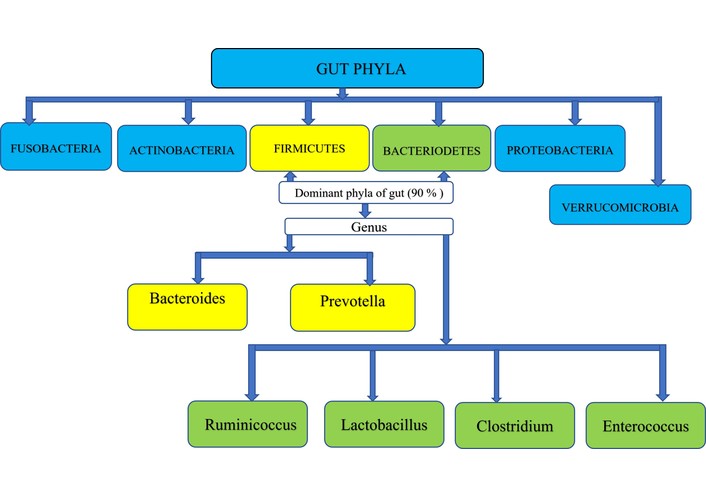
The composition of the GM, as depicted in Figure 1, varies along the GI tract in response to local environmental factors, including oxygen availability, pH, nutrient availability, and intestinal transit time. The bacterial phyla Firmicutes and Bacteroidetes make up over 90% of the total microbial population in healthy individuals, while Actinobacteria, Proteobacteria, Verrucomicrobia, and Fusobacteria are less common [17, 18]. Microbial function appears to be relatively conserved despite individual differences in taxonomic composition, with many taxa taking part in common metabolic pathways such as fermentation of indigestible carbohydrates, BA biotransformation, vitamin synthesis, amino acid metabolism, and xenobiotic degradation [16].
GM influences metabolic health and insulin sensitivity. Dysbiosis alters SCFAs, BAs, indole derivatives, and TMAO. These metabolites affect inflammation, gut integrity, and glucose regulation. Dietary fiber and probiotics may help restore microbial balance [19].
The focus of current research is shifting from taxonomic composition to microbial function as a more useful measure of metabolic health. Butyrate-producing bacteria such as Faecalibacterium prausnitzii, Roseburia spp., and Akkermansia muciniphila are often less common in people with T2DM, but opportunistic Gram-negative bacteria are more common [5, 20]. By altering the synthesis of important microbial metabolites such as SCFAs, BAs, TMAO, indole derivatives, and LPS, these changes have an impact on host physiology. The GM controls immunological signaling, intestinal barrier function, glucose homeostasis, and insulin sensitivity through these metabolites, making microbial metabolic activity a promising target for T2DM prevention and management techniques.
The GM, immunological responses, and metabolic regulation in T2DM are all connected by a number of signaling pathways. Among these, bacterial LPS and other inflammatory stimuli activate the Toll-like receptor 4 (TLR4)/NF-κB pathway, causing the release of pro-inflammatory cytokines that hinder insulin signaling and exacerbate insulin resistance [21]. On the other hand, glucagon-like peptide-1 (GLP-1) secretion is stimulated, insulin sensitivity is improved, and energy balance is supported by SCFAs generated by the fermentation of dietary fiber, which activate free fatty acid receptor 2 (FFAR2) and FFAR3. FXR (farnesoid X receptor) and TGR5 (Takeda G-protein-coupled receptor 5) are two examples of BA receptors that are crucial for preserving lipid and glucose balance. While FXR controls BA production, lipid metabolism, and insulin sensitivity, TGR5 activation increases GLP-1 release and has anti-inflammatory effects. Together, these interrelated pathways show how gut microbial metabolites affect host metabolism and emphasize the therapeutic promise of dietary approaches that target the microbiota for the management of T2DM [22].
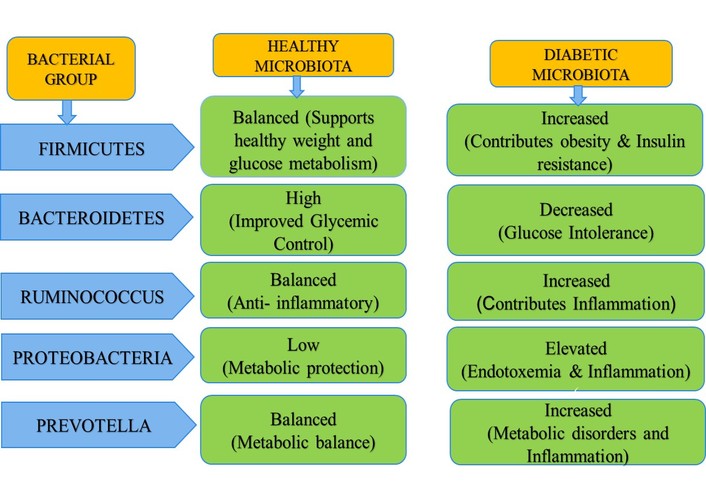
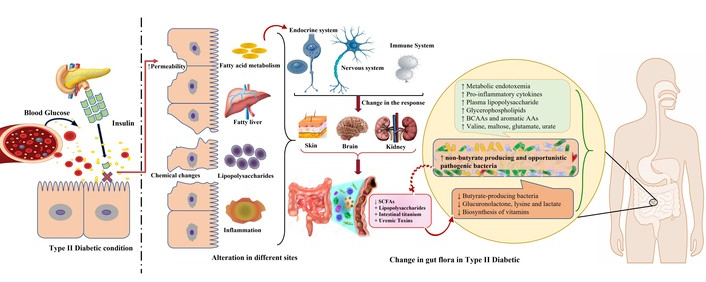
The association between GM dysbiosis and T2DM has been widely reported (Figure 2). Compared to healthy controls, individuals with T2DM have reduced abundance of some beneficial genera such as Faecalibacterium, Dialister, Fusobacterium, and Elusimicrobium [23–25]. Increased blood glucose has also been linked with a higher Bacteroidetes/Firmicutes ratio and an increased Bacteroides–Prevotella/C. coccoides–E. rectale ratio [24]. In patients taking antidiabetic medication, particularly metformin, partial restoration of microbial diversity and enrichment of beneficial taxa have been observed, suggesting that modulation of the GM may contribute to therapeutic responses [25].
The GM affects glucose homeostasis by controlling carbohydrate metabolism, gut hormone secretion, and insulin sensitivity in the liver, skeletal muscle, and adipose tissue [5].
It also interacts with endocrine, immune, and neural signaling pathways, thereby affecting metabolic homeostasis or balance [26]. Dysbiosis can impair intestinal barrier function, allowing LPS to enter the circulation and trigger the release of pro-inflammatory mediators, such as tumour necrosis factor-α (TNF-α), interleukin-6 (IL-6), and C-reactive protein (CRP). Persistent inflammation leads to β-cell dysfunction, insulin resistance, and disruption of insulin signaling [27].
Low-grade inflammation is common not only in T2DM but also during prediabetes and other metabolic disorders, including obesity, metabolic syndrome, metabolic dysfunction-associated steatotic liver disease (MASLD), and cardiovascular disease [28–32]. These findings support the close association between GM, inflammation, and metabolic health, pointing towards microbiota-targeted approaches such as dietary modification, prebiotics, and probiotics as potential supplements for T2DM management. However, further longitudinal and intervention studies are needed to establish their long-term clinical advantages.
In line with these observations, Li et al. [33] reported reduced levels of the butyrate-producing genus Roseburia together with increased Clostridium and Bacteroides in Chinese patients with T2DM. Although microbial changes have been consistently documented across studies [24, 34], it remains unclear whether these changes are causal or secondary to the disease and its associated metabolic disorders [16].
Gut microbial metabolites are bioactive compounds produced during microbial fermentation of dietary components and play an important role in the pathogenesis of T2DM. Major metabolites include SCFAs, tryptophan derivatives, TMAO, LPS, and BAs [35]. These metabolites act through host receptors, like G-protein-coupled receptors (GPCRs) and nuclear receptors, to control glucose and lipid metabolism, immunological responses, energy balance, intestinal barrier function, and inflammation [36, 37].
Several microbial metabolites have documented metabolic effects (Table 1). Gut microbes break down choline to form TMA, which is converted into TMAO in the liver. TMAO can circulate through the body and influence inflammation, cellular stress, and mitochondrial function. Changes in TMAO levels have been linked with the development and progression of several diseases. Therefore, TMAO may serve as a useful biomarker for disease risk and progression. This review highlights TMAO metabolism, its health effects, current evidence, and future therapeutic possibilities [38]. On the other hand, IPA, a microbial metabolite positively correlated with dietary fibre intake, has been linked to improved metabolic health [39]. GM also modulates inflammatory responses, intestinal barrier integrity, glucose and lipid metabolism, thereby contributing to overall metabolic balance [5].
The pathophysiology of T2DM is significantly influenced by gut dysbiosis through a number of interrelated processes [40]. A decrease in butyrate-producing bacteria with an increase in opportunistic microorganisms compromises intestinal barrier integrity, which makes it easier for LPS to enter the bloodstream. The resulting chronic low-grade inflammation impairs insulin signaling and interferes with glucose and BA metabolism, thereby promoting insulin resistance.
LPS is a structural component of the outer membrane of Gram-negative bacteria and is one of the microbial compounds most strongly linked to T2DM [41]. Elevated circulating LPS levels have been repeatedly found in individuals with T2DM, although it is unclear how much gut dysbiosis directly contributes to LPS buildup [42, 43].
Because gut dysbiosis disrupts tight junctions, increases intestinal permeability, and facilitates the translocation of LPS into the circulation, it can compromise the integrity of the intestinal barrier [44]. Circulating LPS activates TLR4 on immune cells and metabolically active tissues, which sets off inflammatory signaling that increases insulin resistance and metabolic dysfunction [45]. Higher circulating LPS concentrations have been linked with impaired glucose tolerance and insulin resistance in T2DM [46].
Experimental studies have shown that exposure to LPS decreases the expression of glucose transporter type 4 (GLUT-4) in adipose tissue and increases the release of pro-inflammatory cytokines by macrophages, which further impairs insulin sensitivity [47, 48]. One of the major locations of LPS-induced inflammation is adipose tissue, especially visceral fat. Elevated LPS concentrations have also been reported in gestational diabetes mellitus, supporting its wider function in metabolic disorders [41, 49]. In addition, BA metabolism may be altered by gut dysbiosis, thus contributing to impaired glucose regulation [50].
SCFAs are the major byproducts of bacterial fermentation of dietary fiber, which are crucial for maintaining intestinal and metabolic health. The three main SCFAs are acetate, propionate, and butyrate. While propionate controls hepatic gluconeogenesis and appetite and acetate contributes to cholesterol metabolism and microbial growth, butyrate is the main energy source for colonocytes, preserves intestinal oxygen balance, strengthens gut barrier integrity, and has anti-inflammatory properties [9, 51]. Increased production of SCFA has been linked to better insulin sensitivity as well as defense against metabolic dysfunction and obesity [52].
By triggering the release of GLP-1 and peptide YY (PYY), which increase insulin secretion, promote satiety, and improve glucose homeostasis, SCFAs also serve as signaling molecules by activating FFARs (FFAR2/GPR43 and FFAR3/GPR41) on enteroendocrine L-cells [53, 54]. Butyrate also controls gene expression, inhibits histone deacetylases (HDACs), and encourages the development of regulatory T cells, all of which support immunological control and metabolic equilibrium [53, 55]. SCFAs increase intestinal gluconeogenesis, lower inflammation, enhance pancreatic β-cell activity, and support intestinal barrier integrity [55, 56].
People with T2DM have been shown to have lower levels of SCFA-producing bacteria, such as F. prausnitzii, E. rectale, Roseburia, and Lachnospira, and higher levels of Gram-negative bacteria, such as Proteobacteria, Escherichia, Enterobacter, and Bacteroides [57, 58]. Therefore, decreased SCFA synthesis is thought to be a significant aspect of gut dysbiosis linked to obesity and diabetes [59]. Metagenomic studies have shown that individuals with T2DM often have fewer SCFA-producing bacteria and lower SCFA levels, which may be associated with gut microbial imbalance, impaired intestinal barrier function, and elevated circulating LPS [60].
Red meat and other nutrients originating from animals are rich in choline, L-carnitine, betaine, phosphatidylcholine, and similar chemicals that gut microorganisms use to create TMA [61, 62]. Flavin-containing monooxygenase-3 (FMO3) absorbs TMA and transforms it into TMAO in the liver. Dietary practices have a significant impact on TMAO production, with higher levels reported in individuals consuming diets rich in red meat, eggs, dairy, and fish, whereas vegetarian and vegan diets often produce lower levels [63].
Cardiovascular and metabolic diseases have been linked to elevated circulating TMAO. It accelerates atherosclerosis by promoting platelet activation, inflammation, foam cell development, and impairing BA synthesis and reverse cholesterol transfer [41, 64]. Additionally, TMAO increases oxidative stress by activating NADPH oxidase, which causes vascular stiffness, fibrosis, and arterial remodeling [26, 65, 66]. Furthermore, increased tissue factor activity in endothelial cells showcases the role of TMAO in thrombosis and cardiovascular disease progression [67].
Tryptophan, an essential dietary amino acid, is metabolized by gut bacteria to produce IPA, a microbial metabolite that is being linked with metabolic health. Higher circulating IPA levels have been linked to a lower risk of T2DM, non-alcoholic fatty liver disease (NAFLD), cardiovascular disease, and obesity [39, 68]. Elevated IPA concentrations are also associated with a decreased risk of developing T2DM in individuals with impaired glucose tolerance [69]. IPA enhances intestinal barrier integrity, has anti-inflammatory and antioxidant properties, and activates the aryl hydrocarbon receptor (AhR), which controls lipid metabolism and immunological responses [70, 71].
Additionally, IPA increases insulin release, improves glucose homeostasis, and promotes satiety by stimulating the secretion of GLP-1 [39, 72]. Insulin maintains glucose homeostasis by stimulating the insulin receptor and its downstream phosphoinositide 3-kinase (PI3K)/Akt signaling pathway, which encourages GLUT-4 translocation to the cell membrane, boosts glucose uptake in skeletal muscle and adipose tissue, and increases glycogen synthesis. One of the hallmarks of insulin resistance in T2DM is impairment of this pathway. According to several experimental studies, IPA promotes glucose metabolism by enhancing insulin sensitivity and lowering inflammation and oxidative stress, which helps to maintain regular insulin signaling [73–75].
Furthermore, IPA has been shown to reduce pro-inflammatory pathways and lipid formation, control immunological responses, and preserve intestinal barrier function [76, 77]. According to Tuomainen et al. [70], circulating IPA has also been suggested as a possible biomarker for T2DM risk and disease development. Fiber-rich diets that support beneficial bacteria like Firmicutes increase its synthesis, which is mostly dependent on gut microbial activity rather than dietary tryptophan consumption [69, 78]. These results imply that GM and metabolic health may be mechanistically connected through IPA.
BAs are synthesized from cholesterol in the liver, stored in the gallbladder and released into the small intestine after food intake, where they facilitate the digestion and absorption of lipids, cholesterol, fat-soluble vitamins, and other hydrophobic compounds [79, 80].
Key GM-derived metabolites and their impact on metabolic regulation.
| Metabolite | Primary source | Key chemical forms | Main physiological/metabolic roles | Metabolic health implications | References |
|---|---|---|---|---|---|
| Lipopolysaccharides (LPS) | Outer membrane of Gram-negative bacteria | LPS | Activates innate immunity and stimulates the release of pro-inflammatory cytokines (e.g., TNF-α, IL-6, IL-1β) used for intercellular communication. | Chronic low-grade inflammation, metabolic endotoxemia, insulin resistance, T2DM, obesity | [46] |
| Short-chain fatty acids (SCFAs) | Fermentation of dietary fiber | Acetate, propionate, butyrate | Maintain gut barrier integrity, modulate immune function, regulate appetite, improve glucose homeostasis. | Protective against obesity, T2DM; imbalance linked to dysmetabolism | [52, 59] |
| Trimethylamine-N-oxide (TMAO) | Dietary choline, carnitine, phosphatidylcholine | TMAO | Modulates cholesterol and bile acid metabolism that regulate fat digestion as well as glucose, lipid, and energy homeostasis. | Elevated levels associated with CVD, atherosclerosis, insulin resistance | [63, 81] |
| Indolepropionic acid (IPA) | Tryptophan metabolism by GM | IPA | Antioxidant, anti-inflammatory; protects pancreatic β-cells. | Higher circulating IPA linked to reduced T2DM risk | [69, 71] |
| Bile acids | Liver synthesis from cholesterol | Cholic acid (CA), chenodeoxycholic acid (CDCA) | Bile acids act as digestive and important signaling molecules. Receptors such as FXR and GPBAR1/TGR5 regulate glucose and lipid metabolism, cholesterol homeostasis, immune responses, and energy balance. | Too much CA can raise blood lipids and worsen insulin resistance | [82, 83] |
Beyond their digestive function, BAs are metabolic signaling chemicals that control lipid and glucose homeostasis via the TGR5 and FXR. While FXR controls BA production and enhances insulin sensitivity via fibroblast growth factor 19 (FGF19), TGR5 activation increases GLP-1 secretion. Dysbiosis can interfere with BA signaling and lead to metabolic dysfunction in T2DM because the GM changes the composition of BAs [36, 84].
The liver produces the primary BAs, cholic acid (CA) and chenodeoxycholic acid (CDCA), which are then transformed into the secondary BAs deoxycholic acid (DCA) and lithocholic acid (LCA) by gut microbial bile salt hydrolase and 7α-dehydroxylase [82]. In people with T2DM, altered BA composition has been linked to insulin resistance, poor glucose metabolism, dyslipidemia, chronic inflammation, and cardiovascular disease [85].
Increased CYP8B1 activity in obesity and T2DM increases the synthesis of CA and DCA, improving fat absorption while exacerbating dyslipidemia and glycaemic control. Reducing CA production enhances glucose homeostasis and protects against obesity and diet-induced atherosclerosis, according to experimental research [86, 87].
According to recent research, glycemic control in people with T2DM may be significantly improved by PN, which tailors dietary recommendations based on an individual’s metabolic phenotype, dietary habits, lifestyle traits, and gut microbial composition. Microbiota-informed nutritional interventions, as opposed to broad dietary advice, seek to maximize dietary responses by taking advantage of individual variations in microbial metabolic ability. Glycated hemoglobin (HbA1c), postprandial glucose levels, insulin sensitivity, and systemic inflammatory indicators have all improved after individualized dietary treatments, according to a number of randomized controlled trials. Microbial diversity and the presence of beneficial SCFA-producing bacteria have often coincided with these metabolic benefits. However, the response to dietary interventions differs among individuals due to variations in baseline GM composition, medication use, genetic background, obesity, and other lifestyle factors. Although PN has emerged as a promising approach for improving diabetes management, its routine clinical application will require validation through large, well-designed longitudinal and interventional studies before microbiome-informed dietary recommendations can be widely adopted [88].
Further evidence from randomized controlled studies indicates that some probiotic or prebiotic formulations, microbiome-directed nutritional strategies, and dietary interventions can positively alter gut microbial composition and improve metabolic outcomes in people with T2DM. The enrichment of SCFA-producing taxa like Faecalibacterium, Roseburia, and Bifidobacterium, which are linked to better intestinal barrier integrity and decreased systemic inflammation, is consistently promoted by dietary patterns such as Mediterranean, high-fiber whole-grain, and plant-predominant diets. However, due to variations in probiotic formulations, concomitant glucose-lowering drugs, intervention length, microbial baseline composition, and dietary adherence, clinical results are still inconsistent. Therefore, rather than taking the role of conventional diabetic therapy, recent research supports individualized nutrition as a supplementary approach [89, 90].
The foundation of PN is the idea that rather than depending solely on broad dietary standards, the best nutritional advice should take individual biological variability into consideration. Genetics, epigenetic regulation, metabolic phenotype, GM composition, lifestyle, environmental exposures, and underlying health conditions all have an impact on inter-individual variations in nutrient metabolism [91, 92]. PN combines these factors to find nutritional approaches that optimize metabolic benefits and reduce the risk of disease. As a result, this method has shown promise in the management and prevention of metabolic diseases, such as T2DM [93]. While the terms “precision nutrition,” “personalized nutrition,” “individualized nutrition,” and “nutritional genomics” are sometimes used synonymously, each focuses on a distinct aspect of dietary customization, from thorough phenotypic evaluation to genetic variance [94]. In clinical practice, integrated data on dietary intake, anthropometric measurements, metabolic biomarkers, disease status, genetic traits, GM, physical activity, lifestyle behaviors, food preferences, and psychosocial factors are frequently used to develop tailored nutritional recommendations.
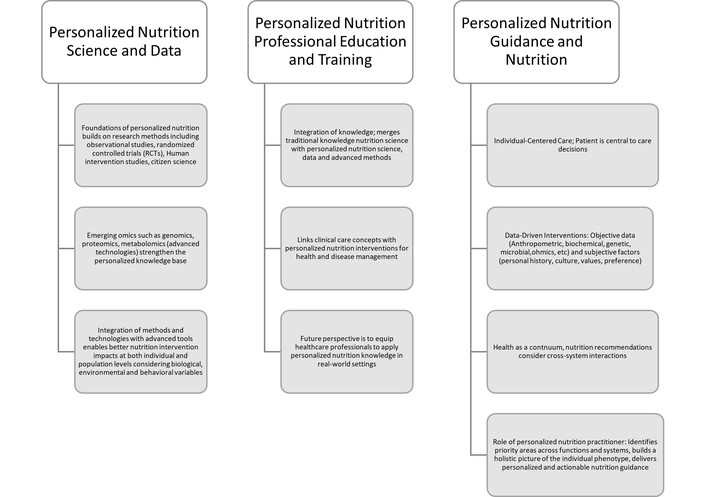
Three interrelated pillars, viz., nutrition research and data collection, professional education and training, and specialized nutritional guidance, support PN, as shown in Figure 3. Our knowledge of the complex relationships between diet, host metabolism, and GM has significantly increased due to developments in systems biology, high-throughput sequencing technology, and nutritional sciences. Healthcare practitioners can translate these scientific discoveries into evidence-based dietary advice due to advancements in interdisciplinary science. Individualized dietary therapies aimed at improving metabolic health while taking into account each patient’s distinct physiological characteristics are made easier by the integration of biological, clinical, environmental, and behavioral data.
Table 2 provides an overview of new technologies that are speeding up the application of precision nutrition. Genomics, epigenomics, transcriptomics, proteomics, metabolomics, metagenomics, and metatranscriptomics are examples of omics-based techniques that provide thorough biological information about host physiology and microbial behavior that affect dietary responses. In addition to these technologies, wearable technology and digital sensors make it possible to continuously monitor physiological factors including heart rate, physical activity, sleep quality, and continuous glucose levels. This provides data for customized nutritional planning. The prediction of individual metabolic reactions to dietary changes has been made easier by advances in machine learning, which have further enhanced the incorporation of multidimensional datasets. Clinical decision-support systems combine patient data with evidence-based guidelines to support PN planning, while digital health platforms enable dietary tracking, nutrient analysis, and individualized dietary recommendations. The availability of customized dietary options, such as low-fat, low-sodium, lactose-free, gluten-free, vegan, and disease-specific functional foods, has increased recently due to advancements in food product development. This has improved adherence to customized nutrition regimens [95].
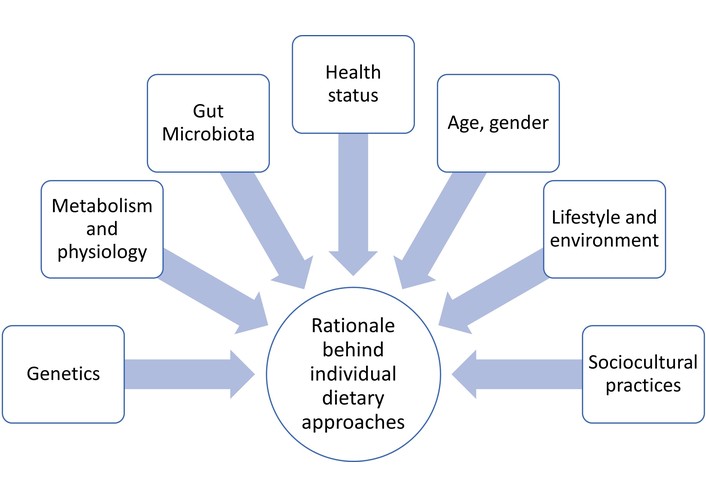
Numerous interrelated factors, such as GM, age, sex, genetics, metabolic state, medication use, physical activity, dietary habits, and socioeconomic and cultural influences, affect individualized nutrition (Figure 4). The composition of the GM, genetics, age, sex, metabolic status, medication use, lifestyle, and environmental exposures are some of the variables that affect how successful tailored nutrition is. Dietary choices and adherence are also influenced by sociocultural factors, including food preferences, cultural customs, and socioeconomic status. According to Ordovas et al. [96], these factors underscore the limitations of broad dietary guidelines and the necessity of personalized strategies for managing T2DM by contributing to the variation in individual responses to the same dietary intervention. However, reliable predictive models that can combine microbial, nutritional, metabolic, and clinical data will be necessary for the regular clinical use of microbiome-guided nutrition.
Emerging tools and technologies for GM modulation in personalized nutrition and type 2 diabetes management.
| Tool/Technology | Description | Purpose/Application | Examples | References |
|---|---|---|---|---|
| Omics technology | Omics is characterized as the study of biological systems’ massive data sets, including transcriptomics, proteomics, and metabolomics, and offering fresh perspectives on cell control. It is essential to employ omics to assess small intraindividual variability in order to use the data to develop precision nutrition. | Utilize biological diversity to tailor diets according to individual characteristics. | Epigenomics (DNA methylation, histone modifications, long non-coding RNA, telomere length), genomics (polymorphisms and other structural genetic variants), proteomics (protein signatures), metabolomics (metabolite profiles), transcriptomics (RNA expression patterns), and metagenomics (GM makeup and enterotypes). | [97–99] |
| Wearable and mobile sensors | Real-time information about a person’s behavior and health, including heart rate, activity level, sleep habits, and more, is gathered by wearable technology with sensors built in. Customers can use the information gathered by these devices directly to get real-time health information. | Continuously monitor behavior and physiological cues to guide in-the-moment dietary modifications. | For customized dietary feedback, mobile apps are connected with electrochemical, motion, and CGM sensors. The Apple Watch, Fitbit, Garmin, Polar, Amazon Fit, and the Samsung Galaxy Watch are all well-known wearable technologies. | [100, 101] |
| Machine learning and artificial intelligence (AI) models, advanced AI-enabled monitoring systems | To create customized diet regimens, AI models, such as machine learning, statistical, and mathematical models use information like weight, age, sex, and physical activity levels. The following are the principal uses of AI in digital nutrition: Food identification, customized diet regimens, and weight prediction. | To forecast dietary reactions and produce suggestions, analyze intricate, multifaceted data. Integrate sensor data from many models to estimate intake with high accuracy. | To predict macronutrient consumption based on physiological data, ML models connecting CGM, microbiota, genetic algorithm, Forbes model, and anthropometry to glucose reactions, Meal meter uses sensors in conjunction with machine learning. | [101–103] |
| Digital applications and platforms | Apps that measure food consumption, track calorie and nutrient intake, and even provide individualized suggestions based on dietary needs and goals are digital, most commonly mobile. Diet monitoring software is the primary digital tool for nutrition, diet planning, and tracking. | Facilitate scalable individualized interventions, personalized planning, and self-monitoring. | Web tools that combine AI advice, diet, logging, and professional help, as well as applications like Nutrium, Practice Better, Yazio, MyFitnessPal, Calorie Counter, MyNetDiary, Healthie, Genopalate, nutrigenomix, and DNALife. | [101, 103] |
| Decision support systems | An electronic tool to assist professionals in providing evidence-based, individualized nutrition treatment. These systems use rules, ontologies, guideline-based logic, or AI algorithms, gather and evaluate patient-specific data, and produce customized nutrition advice or alarms. The ultimate objective is to improve nutritional evaluation, optimize care processes, and raise the standard and level of customization of dietary interventions. | Integrate professional expertise and data to support clinical nutrition decisions. | AI chatbots such as Chat Diet; ontology-based diabetes nutrition therapy systems. | [104] |
| Vision-based dietary assessment tools | Allows users to snap photos of their meals, with food identification aiding in the completion of a diet journal. These models examine the photos and extract properties like color, shape, and texture to identify the food items and estimate their nutritional content using sophisticated computer vision and deep learning techniques. | Automate food consumption measurement and identification from photos. | Food detection and nutrition and content estimation using deep learning systems from meal images; applications include Wellnavi, FoodLog, GoCARB, and the MealLogger platform. | [101, 105] |
Zeevi et al. [106] conducted one of the first studies on microbiome-guided PN. They created a predictive model to predict individual postprandial glycemic responses by combining dietary intake, anthropometric measurements, biochemical markers, physical activity, and GM profiles. The study highlighted the limitations of generic dietary advice by showing significant inter-individual heterogeneity in reactions to identical meals. The high expense of microbiome analysis, the absence of standardized procedures, and the requirement for validation in larger and more diverse populations continue to impede normal clinical application, despite the fact that additional investigations have confirmed these findings.
Diet is one of the major environmental factors shaping GM composition and function [107]. Dietary patterns affect immunological regulation, energy metabolism, and glucose homeostasis through modifications in microbial diversity and metabolite synthesis as depicted in Table 3. The relationship is reciprocal, though, as the GM is also changed by T2DM, obesity, drugs, and long-term eating habits. Therefore, rather than being a stand-alone cause of illness, microbial dysbiosis should be seen as a component of a complex host-microbiome relationship.
Obesity, insulin resistance, metabolic syndrome, and T2DM have all been repeatedly linked to gut dysbiosis [108]. Diets high in refined carbohydrates and saturated fats increase intestinal permeability, decrease microbial diversity, and increase inflammation caused by LPS. Pro-inflammatory cytokines such as TNF-α, IL-6, and IL-1β are released when the TLR4/NF-κB pathway is activated. These cytokines disrupt insulin signaling and lead to insulin resistance [109]. These inflammatory pathways are also common to obesity, metabolic syndrome, MASLD, and other cardiometabolic disorders.
On the other hand, diets rich in whole grains, legumes, fruits, vegetables, resistant starch, and polyphenols promote SCFA-producing bacteria. SCFAs activate FFAR2 (GPR43) and FFAR3 (GPR41), stimulating GLP-1 and PYY secretion, improving insulin sensitivity, promoting satiety, and strengthening intestinal barrier function. Butyrate inhibits NF-κB-mediated inflammation and supports regulatory T-cell differentiation [22]. Glycaemic responses are also influenced by meal sequencing, with foods high in protein and fiber eaten before carbohydrates lowering postprandial glucose excursions and increasing GLP-1 release [110].
Improved glycemic control, insulin sensitivity, HbA1c, and inflammatory markers have been linked to dietary patterns like the Mediterranean, dietary approaches to stop hypertension (DASH), vegetarian, and well-designed low-carb diets. These patterns are frequently accompanied by increased microbial diversity and abundance of SCFA-producing bacteria [108]. However, considerable variability among studies reflects differences in diet, medication use, baseline microbiome, and individual characteristics. Therefore, whereas GM regulation seems to play a role in the metabolic advantages of dietary treatments, it is unlikely to be the only mechanism. To develop standardized microbiome-guided nutritional regimens for T2DM, further long-term research combining microbiome, metabolomic, dietary, and clinical data are required.
Influence of different dietary patterns on insulin sensitivity and gut microbiome.
| Dietary pattern | Features | Influence on insulin sensitivity and gut microbiome | References |
|---|---|---|---|
| Vegetarian | Emphasizes plant-based foods rich in fiber, vitamins, minerals, and polyphenols | Increases beneficial taxa such as Lactobacillus, Bifidobacterium, and butyrate-producing bacteria while reducing pro-inflammatory or pathogenic species associated with metabolic dysfunction. Higher fiber intake enhances fermentation and short-chain fatty acid (SCFA) production, particularly butyrate, which lowers systemic inflammation, improves insulin signaling, and strengthens gut barrier integrity. It also reduces trimethylamine-N-oxide (TMAO) synthesis. | [111, 112] |
| Mediterranean | Rich in fruits, legumes, nuts, olive oil, and wine, but low in red meat, refined sugars, and processed foods | Promotes SCFA production that enhances gut barrier integrity, reduces inflammation, and supports metabolic homeostasis. Increases beneficial bacteria such as Bifidobacterium, Faecalibacterium prausnitzii, and Roseburia. Also elevates neuroprotective metabolites like indole-3-propionic acid, demonstrating rapid dietary modulation of microbiota and associated metabolites. | [113–115] |
| Dietary approaches to stop hypertension (DASH) | Limits sodium (1,500–2,300 mg/day) and promotes whole grains, low-fat dairy, nuts, fish, poultry, fruits, and vegetables | Improves the Firmicutes/Bacteroidetes ratio and significantly reduces TMAO and LPS, both markers of microbial dysbiosis. Its high flavonoid and plant-fiber content support gut barrier integrity and reduces inflammation. Long-term adherence independently lowers fasting insulin, while combined interventions (e.g., exercise, caloric restriction) further enhance insulin sensitivity, as shown in ENCORE and PREMIER trials. | [116–118] |
| Ketogenic | Low-carbohydrate, high-fat diet designed to induce ketosis | Improves HDL and reduces LDL, triglycerides, HbA1c, and fasting glucose in individuals with T2DM. However, it decreases fecal SCFAs, Bifidobacterium, and butyrate-producing Firmicutes. Prolonged reductions in Bifidobacterium may carry risks, including susceptibility to obesity, T2DM, and mood disturbances. | [112, 119, 120] |
| Western | Characterized by high-fat, high-sugar, heavily processed foods | Reduces SCFA production, increases TMAO levels, and promotes pro-inflammatory microbial groups including LPS-producing bacteria. Leads to dysbiosis, systemic inflammation, and elevated T2DM risk. | [121, 122] |
| Animal-based | High intake of animal fats, dairy, eggs, and meat (while low in fruits, vegetables, legumes, and whole grains) | Increases Bacteroides, Alistipes, and Bilophila, while reducing beneficial taxa such as Lactobacillus, Roseburia, and Eubacterium rectale. Reduced SCFA production and increased LPS and inflammatory cytokines contribute to impaired metabolic function. | [123, 124] |
One useful method for modifying the GM and its metabolic activity is dietary intervention. Through receptors like FFAR2/FFAR3, FXR, TGR5, AhR, and TLR4, gut microbes transform dietary components into bioactive metabolites, such as SCFAs, secondary BAs, branched-chain amino acids (BCAAs), TMAO, LPS, and tryptophan-derived indoles, which control immune responses, intestinal barrier function, and glucose metabolism [125].
Prebiotics, probiotics, fermented foods, high-fiber diets, and foods high in polyphenols all support beneficial microbial activity, increase the production of SCFA, and improve insulin sensitivity and glycaemic control [126]. On the other hand, increased formation of TMAO, BCAA metabolites, and LPS is linked to insulin resistance, inflammation, and metabolic dysfunction. Despite the potential of microbiome-targeted dietary regimens, individual differences in microbiota composition, genetics, diet, medication usage, and metabolic status affect the effectiveness of these techniques. Before microbiome-guided dietary advice may be regularly applied, larger multicenter clinical trials are needed. The effects of the main dietary approaches on GM and metabolic health are outlined in the following sections.
High-fiber dietary patterns are consistently linked with favourable alterations in gut microbial composition and function, although the magnitude of these effects varies depending on the type of fiber, baseline microbiota composition, and host metabolism. Fermentable fibers, particularly fructans, inulin, galacto-oligosaccharides (GOS), and fructooligosaccharides (FOS), selectively stimulate beneficial taxa such as Bifidobacterium and Lactobacillus. However, changes in overall microbial α-diversity are less consistent across intervention studies [127, 128].
The metabolic benefits of dietary fiber are largely mediated through microbial fermentation, which generates SCFAs, mainly acetate, propionate, and butyrate. These metabolites regulate host metabolism through multiple complementary mechanisms and collectively reduce metabolic endotoxemia and chronic low-grade inflammation associated with insulin resistance [129, 130].
T2DM individuals are often found to have lower fecal SCFA concentrations and a lower abundance of SCFA-producing bacteria, indicating that decreased microbial fermentation may contribute to metabolic dysfunction. However, these correlations should not be taken as proof of a direct causative relationship because they are influenced by dietary practices, pharmaceutical use, obesity, and other host characteristics [130].
Prebiotics are substrates that are specifically used to support the growth and metabolic activity of good bacteria. In certain clinical investigations, supplementing with inulin, FOS, and GOS has been demonstrated to improve gut barrier integrity, increase SCFA synthesis, and positively modify inflammatory and metabolic indicators [114, 127, 131]. However, there is significant variation across intervention trials concerning the type of prebiotic, dosage, length of therapy, participant characteristics, and baseline microbiota composition. As a result, clinical responses are still inconsistent, highlighting the necessity for individualized and microbiome-informed dietary solutions rather than general guidelines.
Probiotics are live microorganisms, primarily bacteria and certain yeasts, that provide health benefits when administered in adequate amounts. Naturally present in fermented foods such as yogurt, kefir, and sauerkraut, or consumed as dietary supplements, probiotics help maintain intestinal homeostasis by enhancing microbial diversity, competitively excluding pathogenic microorganisms, producing antimicrobial compounds, and strengthening mucosal barrier function. They also interact with the host immune system by promoting antimicrobial peptide production and regulatory T-cell responses, thereby contributing to immune homeostasis [132].
Synbiotics, which combine probiotics with prebiotic substrates, may further improve the survival and metabolic activity of beneficial microorganisms. Clinical studies have reported improvements in glycemic control, insulin resistance, and inflammatory biomarkers following synbiotic supplementation; however, considerable variations in probiotic strains, formulations, dosage, intervention duration, and baseline microbiota composition have resulted in inconsistent findings across studies. Therefore, probiotics and synbiotics should currently be regarded as adjunctive dietary strategies rather than established therapies for T2DM, warranting larger, standardized clinical trials [114].
Polyphenols, naturally occurring plant compounds, have shown potential in T2D management. Phenolic acids, flavonoids, proanthocyanidins, and tannins may improve insulin sensitivity and secretion, reduce oxidative stress and inflammation, inhibit carbohydrate-digesting enzymes, regulate glucose transport, and support a balanced GM [133]. Flavonoids (flavonols, flavan-3-ols, flavones, flavanones, isoflavones, and anthocyanins) and non-flavonoids (phenolic acids, lignans, stilbenes, and tannins) make up polyphenols. Due to the low absorption of many polyphenols by the small intestine, their significant amounts end up in the colon, where they are microbially biotransformed into bioactive metabolites that have higher biological activity and bioavailability than their parent molecules [134].
Polyphenols and the gut microbiome interact in both directions. While polyphenols selectively enrich beneficial bacteria like Bifidobacterium and Lactobacillus and suppress potentially pathogenic taxa like Escherichia coli, Clostridium perfringens, Clostridium histolyticum, and Helicobacter pylori, gut microorganisms convert polyphenols into metabolites like equol and dihydroresveratrol [135]. These microbial alterations have been linked to increased synthesis of SCFAs, better intestinal barrier integrity, and reduction of inflammatory signaling and oxidative stress, all of which benefit insulin sensitivity and glucose homeostasis.
Dietary fiber and polyphenols work synergistically by promoting microbial diversity and increasing SCFA production. While polyphenol-derived metabolites affect antioxidant, metabolic, and immunological pathways, SCFAs regulate inflammatory responses, intestinal barrier function, and glucose metabolism by activating GPCRs [134].
However, significant inter-individual variation in gut microbial composition leads to variations in biological responses and polyphenol metabolism. The metabolic advantages of polyphenol-rich diets are supported by epidemiological and intervention research, but the clinical efficacy of individual polyphenols is still inconsistent, underscoring the need for personalized dietary plans and well-designed long-term clinical trials.
FMT, next-generation probiotics (NGPs), postbiotics, bacterial membrane vesicles (BMVs), and microbiome-informed therapeutics are examples of emerging microbiota-targeted interventions that seek to improve intestinal barrier function, promote beneficial microbial metabolism, restore microbial homeostasis, and reduce chronic low-grade inflammation linked to T2DM.
However, mechanistic studies, animal models, and small-scale clinical trials continue to provide the majority of the existing evidence. Significant inter-individual variation in host genetics, food, medicine, and GM composition leads to variable treatment responses, which restricts clinical translation. Therefore, even though GM is a promising therapeutic target, scientific randomized controlled trials are still needed to determine its causative involvement and long-term clinical success in T2DM [136].
Standardized intervention methods, validated microbial biomarkers, patient stratification techniques, and the integration of multi-omics methodologies to identify those most likely to benefit from microbiota-directed therapy are all necessary for future deployment [137]. These developments may make it easier to use precision microbiome-based therapies as a supplemental strategy to the well-established dietary and pharmaceutical treatment of T2DM.
FMT has emerged as a microbiota-directed strategy for restoring gut microbial diversity and function in metabolic disorders, including T2DM. The relationship between GM and T2DM is complex, with metabolic dysfunction impacting microbial composition while dysbiosis may further aggravate host metabolic disorders through changes in microbial metabolism, immune regulation, and intestinal barrier function. Due to differences in food, ethnicity, lifestyle, and environmental exposures, gut microbial composition also varies among groups; these characteristics may impact therapeutic responses to FMT [138]. Microbiota-based therapies are further justified by the fact that obesity, a significant risk factor for T2DM, is linked to significant changes in gut microbial ecology [139, 140].
In a study involving 31 newly diagnosed T2DM patients, it was found that FMT alone and FMT combined with metformin improved insulin resistance (HOMA-IR) and BMI. Both interventions promoted colonization of donor-derived microbiota and increased gut microbial diversity. Metformin additionally improved fasting and postprandial glucose levels and HbA1c. Several microbial species were associated with better metabolic outcomes, highlighting the potential of FMT-based microbiota modulation in T2DM management [141]. Similar to this, oral encapsulated FMT was successful in establishing donor microbial colonization in individuals with insulin resistance, although notable improvements in insulin sensitivity were not observed, underscoring variability in clinical response [142].
The metabolic advantages of FMT are believed to arise from the restoration of microbial diversity and functional capacity rather than simple taxonomic replacement. Improved BA metabolism, increased abundance of bacteria that produce SCFAs, intestinal barrier integrity restoration, attenuation of metabolic endotoxemia, and decreased systemic inflammation are among the mechanisms that have been reported to improve glucose homeostasis and β-cell function [9, 143, 144]. These mechanistic discoveries, however, are mostly based on experimental models, and it is yet unclear how much of an impact they have on clinical results.
The clinical use of FMT in T2DM is currently restricted by a number of issues, despite its therapeutic potential. Treatment efficacy varies greatly between studies due to factors such as donor selection, recipient microbiota composition, dietary habits, medication use, transplantation techniques, and route of delivery. Furthermore, other issues include pathogen transmission, long-term safety, regulatory supervision, and the durability of microbial engraftment. As a result, FMT should now be considered an experimental supplement rather than a proven treatment approach for T2DM, highlighting the necessity of standardized procedures and sufficiently powered randomized controlled studies with extended follow-up.
Postbiotics are preparations of inanimate microorganisms and/or their bioactive components, such as SCFAs, proteins, exopolysaccharides, membrane vesicles, cell wall fragments, and other microbial metabolites, that have positive physiological effects without the need for viable microorganisms [145, 146]. Alongside NGPs, these microbial-derived treatments have emerged as potential methods for modulating GM and host metabolism. As shown in Figure 5, both probiotics and postbiotics affect glucose homeostasis through complementary mechanisms, including restoration of beneficial microbial populations, modulation of inflammatory cytokines, reinforcement of intestinal barrier function, and production of bioactive metabolites that regulate host metabolic pathways.
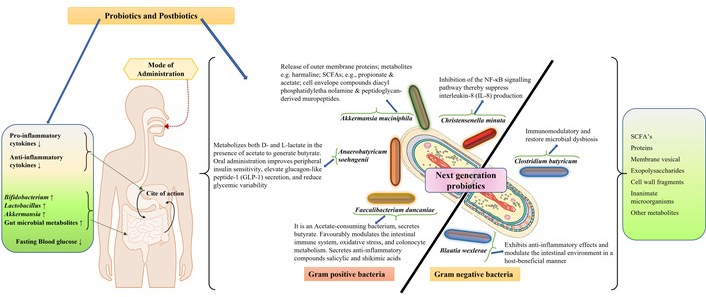
Role of probiotics and postbiotics as an emerging therapeutic approach targeting the gut microbiota.
Because of its positive effects on intestinal barrier integrity and metabolic regulation, A. muciniphila has drawn a lot of attention among NGPs. Experimental studies showed that A. muciniphila reduces intestinal permeability, modulates immune responses, and improves lipid metabolism, with pasteurized preparations having greater metabolic benefits than live bacteria [147]. Additionally, clinical data show that people with higher baseline A. muciniphila abundance typically have better triglyceride levels, lower fasting glucose concentrations, and more improvements in insulin sensitivity during calorie restriction [148].
Other promising options include Faecalibacterium duncaniae (formerly F. prausnitzii), Anaerobutyricum soehngenii, Christensenella minuta, and Clostridium butyricum [146].
F. duncaniae (formerly known as F. prausnitzii) is a butyrate-producing bacterium that has gained attention for its potential health benefits [149]. Owing to its beneficial effects on gut health and metabolic function, F. duncaniae is being explored as a promising NGP for managing conditions such as intestinal disorders and diabetes [150]. Another study examined the potential of different F. prausnitzii (FPZ) formulations to improve glucose metabolism in prediabetic and diabetic mice. Treatment with live FPZ or its extracts lowered fasting blood glucose and improved glucose tolerance compared with the control group. Longer treatment also led to a reduction in HbA1c, without causing hypoglycemia in non-diabetic mice. Overall, the findings suggest that FPZ may have potential as a probiotic or postbiotic approach for managing prediabetes and T2Ds [151].
A. soehngenii improves peripheral insulin sensitivity, partly through increased butyrate production and secondary BA metabolism [152]. Similarly, C. minuta improves intestinal barrier integrity and glucose metabolism by reducing LPS-mediated inflammation and modulating intestinal FXR signaling through the production of 3-O-acyl-CAs [153, 154]. In T2Ds, multi-strain probiotic formulations containing C. butyricum improved postprandial glucose control and reduced systemic inflammation in the study [155]. C. butyricum strains show potential benefits in metabolic and systemic diseases, particularly in modulating GM, metabolic parameters, and systemic inflammation. Evidence is strongest for T2Ds, while effects in early-stage cirrhosis are more modest [156].
Despite these promising results, present evidence remains largely derived from preclinical research and small clinical trials. Variations in microbial strains, formulation, colonization efficiency, host microbiota composition, and study design contribute to inconsistent results. Therefore, NGPs and postbiotics should currently be considered as promising adjunct therapies rather than established treatments for T2DM, underscoring the need for larger, standardized, long-term clinical trials [146].
Microbiome-informed therapeutics aim to improve T2DM management by incorporating gut microbial composition into treatment selection and optimization. Changes in the GM can influence drug metabolism, efficacy, and adverse effects, supporting the development of more individualized therapeutic strategies [91].
The most well-studied example of a microbiome-dependent treatment is still metformin. Metformin’s therapeutic success may be attributed to its alteration in the number of beneficial gut microorganisms involved in glucose metabolism and SCFA synthesis, in addition to its direct glucose-lowering impact. On the other hand, GM can also affect GI tolerance and metformin metabolism, demonstrating a reciprocal relationship between the host microbiome and antidiabetic treatment [157, 158]. These results imply that microbiome profiling could assist in optimizing drug selection, dosage, and treatment response.
To improve metabolic results, microbiome-informed approaches may further combine traditional antidiabetic medications with dietary modifications, prebiotics, probiotics, or other microbiota-targeted therapeutics [35, 159]. Simultaneously, the integration of microbiome, clinical, dietary, and metabolic data is made easier by systems biology, artificial intelligence (AI), and computational modeling. This allows for the prediction of individual therapeutic responses and supports precision medicine approaches [160, 161].
Microbiome-guided therapies are still in the early phases of clinical translation, despite their potential. Before these strategies can be regularly applied to the therapy of diabetes, standardized microbiome profiling techniques, prospective validation studies, and randomized clinical trials are necessary [91].
Precision nutrition based on microbiomes is quickly developing as a possible approach to managing and preventing T2DM. However, before these strategies can be regularly applied in clinical practice, a number of methodological, scientific, and translational issues need to be resolved.
A major unsolved question is whether gut microbial changes indicate causal drivers of T2DM or biomarkers reflecting metabolic dysfunction. Microbiota-mediated regulation of host metabolism is supported by experimental and mechanistic research, but evidence from human intervention trials is still inconsistent, and the interpretation of causality is complicated by confounding variables such as obesity, medicine, nutrition, and lifestyle [162]. To increase reproducibility across research, standardization of microbiome sampling, sequencing, bioinformatics pipelines, and analytical techniques is also necessary [163].
PN is further restricted by inter-individual variability. Individual responses to dietary and microbiota-targeted therapies are influenced by genetic background, dietary practices, environmental exposures, medication usage, and baseline microbial composition [164]. Furthermore, strong computational tools and interdisciplinary knowledge are needed to integrate large-scale datasets produced by genomes, metagenomics, metabolomics, dietary evaluation, and lifestyle monitoring [163]. Before microbiome-based therapies are widely used in clinical settings, ethical issues such as data protection, fair access, and changing regulatory frameworks must be carefully considered [165].
There is growing evidence that the GM may be a therapeutic target for T2Ds; however, the majority of this information comes from observational research, animal models, or rather small clinical trials [41, 166]. Microbial composition is strongly affected by diet, physical activity, circadian rhythm, antibiotic exposure, obesity, ethnicity, and pharmacotherapy, making it difficult to differentiate causative microbial signatures from secondary disease-associated changes [167, 168].
Large, longitudinal, multi-centre clinical trials are therefore required to validate microbiome-based biomarkers, establish causal relationships, assess long-term safety and efficacy, and identify patients most likely to benefit from PN or microbiota-targeted interventions [169].
The pathogenesis of T2DM is influenced by complex interactions between host genetics, gene expression, metabolism, GM, diet, and environmental factors. As a result, combining genomics with transcriptomics, metabolomics, metagenomics, and microbiome profiling provides a more comprehensive understanding of disease heterogeneity than any one omics platform alone [170, 171].
In order to predict postprandial glycaemic reactions and enable individualized dietary recommendations, machine-learning models that incorporate dietary intake, anthropometric measures, lifestyle factors, and gut flora have shown significant promise [106]. However, challenges remain in harmonizing heterogeneous datasets and differentiating host-, diet-, and microbiota-derived metabolites [172]. Future progress will require standardized analytical pipelines, large longitudinal datasets, and close collaboration among clinicians, microbiologists, nutrition scientists, and bioinformaticians [142, 173].
PN is becoming more popular, but its clinical application is constrained by a number of ethical and legal issues. Concerns about privacy, informed consent, data ownership, and fair access to these technologies are raised by the fact that personalized dietary recommendations rely on sensitive genetic, metabolic, and microbiome data [174].
The integration of multi-omics datasets and the prediction of therapeutic responses, including metformin efficacy, have been enhanced by AI and machine-learning techniques [175]. However, there are still unanswered questions about algorithm transparency, clinical validation, regulatory approval, and potential bias. Translating microbiome-based precision nutrition into normal diabetic care will require overcoming these obstacles through standardized regulatory frameworks, thorough clinical validation, and interdisciplinary collaboration [176].
Precision nutrition aims to optimize dietary recommendations by taking into account individual characteristics, such as GM composition, metabolic status, and dietary habits or patterns [177]. Improved characterization of gut microbial communities at the genus, species, and strain levels may help in identification of microbial signatures linked with metabolic health and disease.
Microbial taxa linked to better glucose metabolism and decreased inflammation may be selectively modulated through the customized use of prebiotics, probiotics, postbiotics, and dietary treatments [178, 179]. However, no single microbial biomarker or intervention is likely to be universally successful due to the significant variability of T2DM and the functional redundancy within the GM. Prior to widespread clinical application, future research should focus on mechanistic validation, the identification of predictive biomarkers, and externally validated precision nutrition models [5, 180, 181].
Growing evidence supports an important link between GM and the metabolic abnormalities in T2DM. Changes in microbial composition and microbial-derived metabolites, including SCFAs, BAs, and other signaling molecules, influence glucose homeostasis, insulin sensitivity, intestinal barrier integrity, and inflammatory pathways. Instead of identifying a straightforward causal pathway, recent research points to a complicated and reciprocal interaction in which diabetes, obesity, nutrition, drugs, and gut dysbiosis all affect the course of the disease.
According to the reviewed research, PN and microbiota-targeted strategies, including dietary fibre, prebiotics, probiotics, postbiotics, NGPs, and faecal microbiota transplantation, may improve metabolic outcomes by modifying host–microbiome interactions. However, significant heterogeneity across studies, variation in microbial composition among individuals, and the limited availability of long-term randomized clinical trials currently limit its routine clinical application.
Future developments will rely on carefully planned long-term clinical trials, standardized microbiome techniques, the incorporation of multi-omics technology, and the creation of reliable predictive models that can convert microbiome science into customized dietary plans. Microbiome-informed precision nutrition is a promising complementary strategy for enhancing T2DM prevention and control, despite a number of unresolved issues.
A. muciniphila: Akkermansia muciniphila
A. soehngenii: Anaerobutyricum soehngenii
AhR: aryl hydrocarbon receptor
AI: artificial intelligence
BAs: bile acids
BCAAs: branched-chain amino acids
BMVs: bacterial membrane vesicles
C. butyricum: Clostridium butyricum
C. minuta: Christensenella minuta
CA: cholic acid
CDCA: chenodeoxycholic acid
CRP: C-reactive protein
DASH: dietary approaches to stop hypertension
DCA: deoxycholic acid
F. duncaniae: Faecalibacterium duncaniae
F. prausnitzii: Faecalibacterium prausnitzii
FFAR2: free fatty acid receptor 2
FGF19: fibroblast growth factor 19
FMO3: flavin-containing monooxygenase-3
FMT: fecal microbiota transplantation
FXR: farnesoid X receptor
GI: gastrointestinal
GLP-1: glucagon-like peptide-1
GLUT-4: glucose transporter type 4
GM: gut microbiota
GPCRs: G-protein-coupled receptors
HbA1c: glycated hemoglobin
HDACs: histone deacetylases
IL-6: interleukin-6
IPA: indolepropionic acid
LCA: lithocholic acid
LPS: lipopolysaccharides
MASLD: metabolic dysfunction-associated steatotic liver disease
NAFLD: non-alcoholic fatty liver disease
NGPs: next-generation probiotics
PI3K: phosphoinositide 3-kinase
PN: personalized nutrition
PYY: peptide YY
SCFAs: short-chain fatty acids
T2D: type 2 diabetes
T2DM: type 2 diabetes mellitus
TGR5: Takeda G-protein-coupled receptor 5
TLR4: Toll-like receptor 4
TMAO: trimethylamine-N-oxide
TNF-α: tumour necrosis factor-α
The authors extend their sincere gratitude to the Department of Food Science & Technology at Graphic Era (Deemed to be University), Dehradun, Uttarakhand, India, for offering the essential facilities required for the preparation of this review paper.
SJ: Conceptualization, Investigation, Data curation, Writing—original draft. DB: Conceptualization, Writing—review & editing. AD: Conceptualization, Writing—review & editing. RK: Conceptualization, Writing—review & editing. RM: Conceptualization, Writing—review & editing. SK: Writing—review & editing. All authors read and approved the submitted version.
The authors declare that they have no conflicts of interest.
Not applicable.
Not applicable.
Not applicable.
Not applicable.
Not applicable.
© The Author(s) 2026.
Open Exploration maintains a neutral stance on jurisdictional claims in published institutional affiliations and maps. All opinions expressed in this article are the personal views of the author(s) and do not represent the stance of the editorial team or the publisher.
Copyright: © The Author(s) 2026. This is an Open Access article licensed under a Creative Commons Attribution 4.0 International License (https://creativecommons.org/licenses/by/4.0/), which permits unrestricted use, sharing, adaptation, distribution and reproduction in any medium or format, for any purpose, even commercially, as long as you give appropriate credit to the original author(s) and the source, provide a link to the Creative Commons license, and indicate if changes were made.



View: 20
Download: 5
Times Cited: 0