Exploration of Asthma & Allergy in 2025: Annual Development Report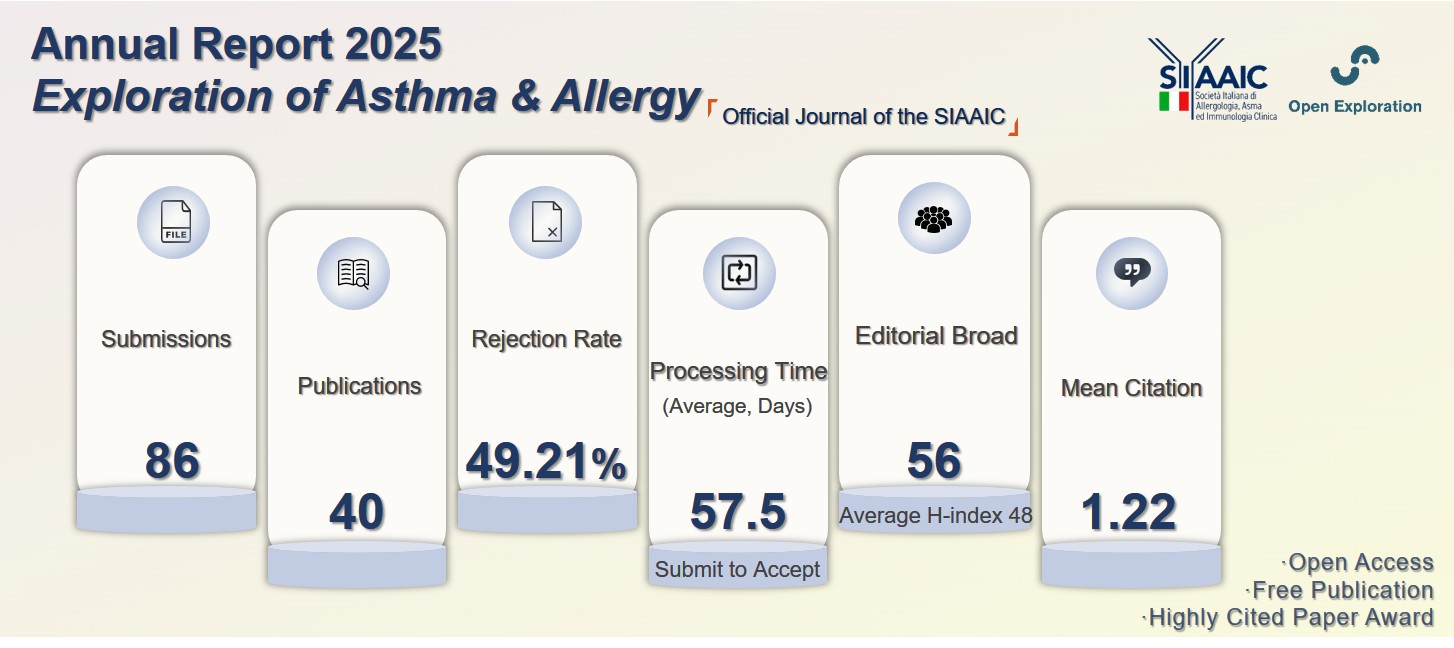
Exploration of Asthma & Allergy (EAA, eISSN 2837-5076) is a peer-reviewed, open-access online journal dedicated to publishing high-quality, impactful, scientifically significant, and innovative research in the field of asthma and allergy. Embracing a multidisciplinary perspective, the journal focuses on recent advances in the molecular and immunological mechanisms of asthma and related allergic diseases, as well as functional and clinical diagnostics, disease management, and therapeutic strategies. As the official journal of the Italian Society of Allergy, Asthma, and Clinical Immunology (SIAAIC), EAA also aperiodically publishes expert consensus statements developed by SIAAIC, providing authoritative guidance for clinical practice and research.
In 2025, under the leadership of Editors-in-Chief Prof. Giorgio Walter Canonica and Prof. Mario Di Gioacchino, EAA made significant progress in journal development and academic impact. Manuscript submissions increased steadily throughout the year, citation rates continued to rise, and manuscript processing times were substantially shortened. In addition, the journal was successfully indexed in the CAS and DOAJ databases, further expanding its international visibility and influence. These achievements reflect continuous improvements in editorial quality and workflow efficiency, as well as growing recognition of EAA within the global academic community.
This annual report highlights the journal’s key accomplishments in 2025, including submission and publication performance, editorial processing, and citation impact. It also outlines EAA’s strategic initiatives and development goals for 2026, reaffirming the journal’s commitment to building a high-quality academic publishing platform. Looking ahead, EAA will continue to strengthen its international presence, enhance scholarly standards, expand its global author and readership base, and remain dedicated to supporting research in the field of asthma and allergic diseases.
Key Achievements
Submission and Publication
Articles
2025 marked the third year of publication for EAA. During the year, the journal received a total of 86 submissions and published 40 articles. Compared with the previous two years, overall submissions increased substantially, rising by 24.64% with 2023 and by 68.63% with 2024. The number of published articles remained largely consistent with 2024, while representing an overall increase of approximately 73.91% compared with 2023 (Figure 1). These trends indicate a steady strengthening of the journal’s academic visibility and attractiveness.
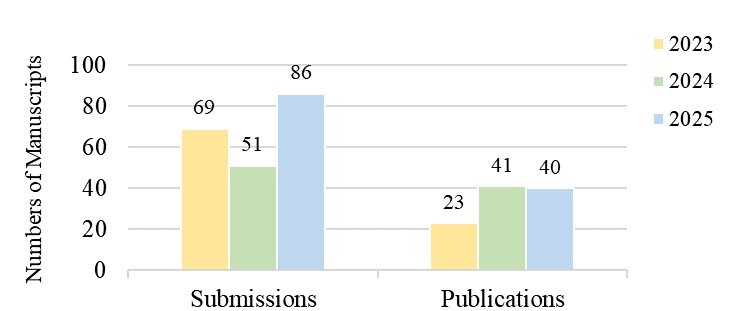
Figure 1. Annual Submissions and Publications Volume
Submissions in 2025 included 11 article types, reflecting greater diversification of scholarly contributions compared with previous years. While Original Articles and Reviews continued to constitute the core of submissions and publications, the most notable development was the substantial growth in original research, with Original Articles increasing by 85.71% year-on-year compared with 2024. This increase signifies not merely a quantitative change but also reflects the journal’s increasing attractiveness to authors presenting novel findings and growing author confidence in EAA as an important venue for primary scientific outcomes.
At the same time, the relative distribution of article types became more balanced than in previous years, reducing over-reliance on any single format. In 2025, the journal formally adopted a continuous publication model to shorten dissemination timelines. Aligned with this diversification of submissions, the full publication portfolio in 2025 encompassed the same 11 article types, with content primarily consisting of Reviews, Original Articles, and Case Reports (Figure 2). Looking ahead, while maintaining high publication standards, EAA will further strengthen the publication and dissemination of Original Articles.
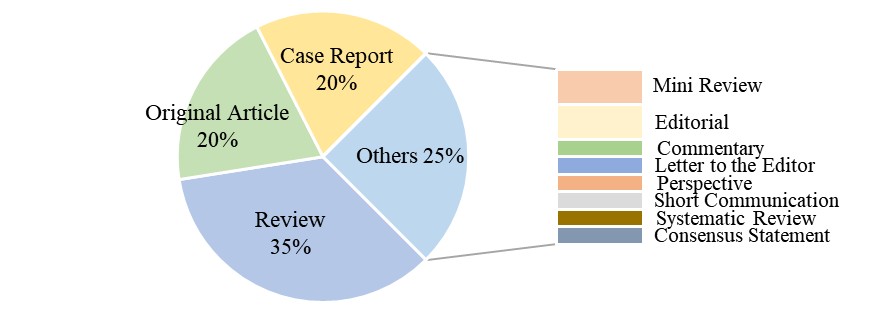
Figure 2. Types of Publications in 2025
Authors
Based on the geographic distribution of corresponding authors, the 40 articles published by EAA in 2025 originated from 21 countries worldwide, with a substantial proportion contributed by countries with well-established research activity in the field. Italy, France, the United States, and the United Kingdom were the leading contributors, contributing with the highest numbers of published articles (Figure 3). The corresponding authors had a maximum H-index of 58 and an average H-index of 13.98.
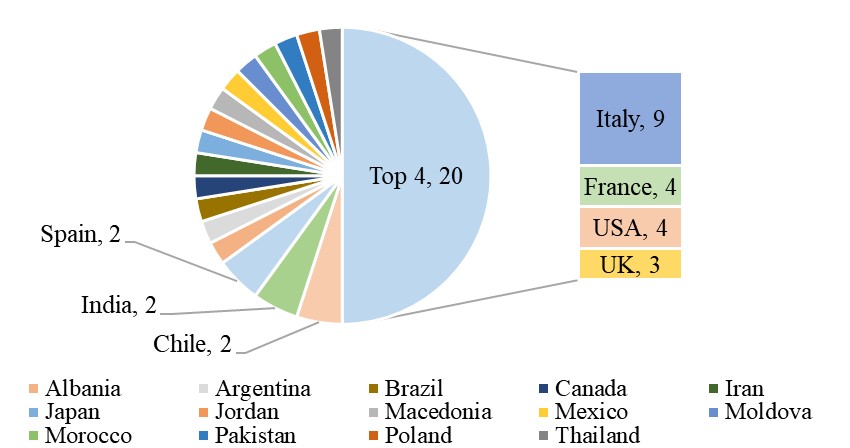
Figure 3. Country Distribution of Corresponding Authors
We are honored that researchers from around the world have chosen EAA as a platform to share their work. This reflects not only strong support for the journal’s development but also growing recognition of its academic impact. Looking ahead, EAA will continue to maintain close engagement with these distinguished scholars while actively expanding manuscript invitations, with the goal of providing readers with a broader range of high-quality research and perspectives.
Article Metrics
In 2025, the 40 articles published by EAA collectively generated a total of 133,527 views. The highest number of views for a single article was 14,916, with an average of 3,338 views per article. Importantly, reader engagement was not limited to only a small number of publications, and 33 articles (82.5%) received more than 1,000 views, indicating a broad-based increase in content visibility. Moreover, total downloads reached 1,731, with a maximum of 194 downloads for a single article and an average of 43 downloads per article.
Compared with the previous two years, both views and downloads showed pronounced growth. Average views surged by 248.43% compared with 2024, while average downloads increased by 48.28% (Figure 4). Notably, three articles simultaneously exceeded 1,000 views and 100 downloads (Table 1). Collectively, these metrics indicate that EAA’s dissemination and outreach efforts in 2025 were highly effective. The journal’s content is attracting substantial attention, and its visibility and academic impact are expected to continue to grow.
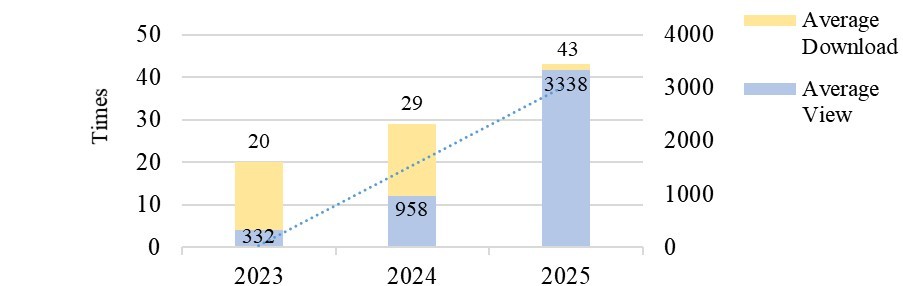
Figure 4. Annual Average View/Download of Publications
Table 1. Top 3 Downloads Articles
No. | Article | Views | Downloads | Citation |
100973 | 13682 | 194 | 2 | |
100965 | Update on the diagnosis of severe asthma in children and adolescents | 6450 | 144 | 1 |
100966 | 6194 | 107 | 1 |
Manuscript Processing
Processing Efficiency
In 2025, EAA maintained a rejection rate of 49.21%, consistent with the previous year, indicating stable, rigorous selectivity despite rising submission volume. More strikingly, substantial gains have been achieved in publication speed across the entire pipeline. The average time from submission to initial decision was 7.5 days. The average time from submission to acceptance was reduced to 57.5 days, representing a 55.60% acceleration compared with 2024, while the average time from acceptance to publication was also further shortened to 26 days, a decrease of 63.53%. These substantial gains across all stages reflects the effectiveness of workflow optimization, increased use of automated systems, and closer coordination with reviewers. Looking ahead, EAA will continue to refine and enhance these processes to provide authors with an improved submission experience, increase author satisfaction, and attract more high-quality manuscripts.
Reviewers
A total of 123 reviewers participated in the peer review process for EAA in 2025. They represented 35 countries worldwide and had an average H-index of approximately 18. Each manuscript received 3.2 substantive review reports. This reviewer pool combined broad international diversity with strong academic background, effectively ensuring the rigor of the peer review process and upholding the journal’s scholarly standards (Figure 5).
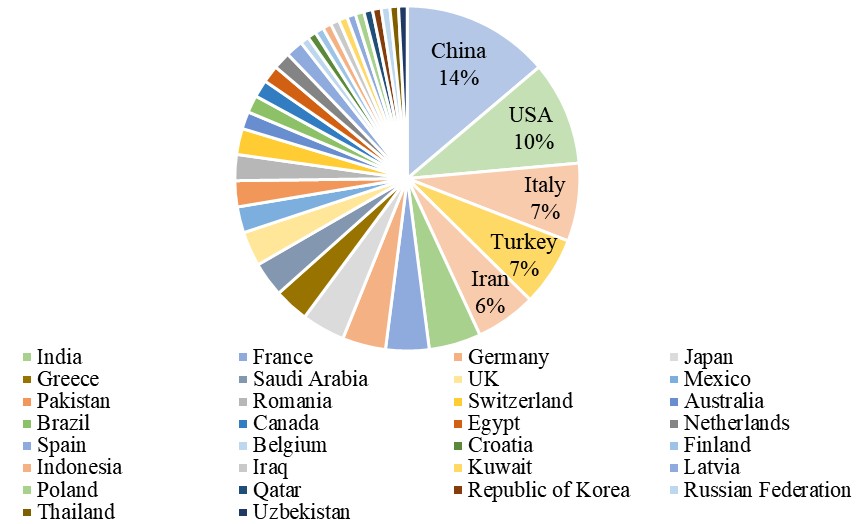
Figure 5. Country Distribution of EAA Reviewers 2025
Editorial Board
In 2025, we were delighted to welcome three new Editorial Board Members from Turkey, Croatia, and France (Figure 6). The EAA Editorial Board now comprises 56 members, including 21 Associate Editors, and 35 Editorial Board Members. Among them, 11 are female, representing 18.97% of the board. The Editorial Board Members come from 22 countries, including Italy, Germany, China, Japan, and Portugal, and have an average H-index of 48.09 (Figure 7).

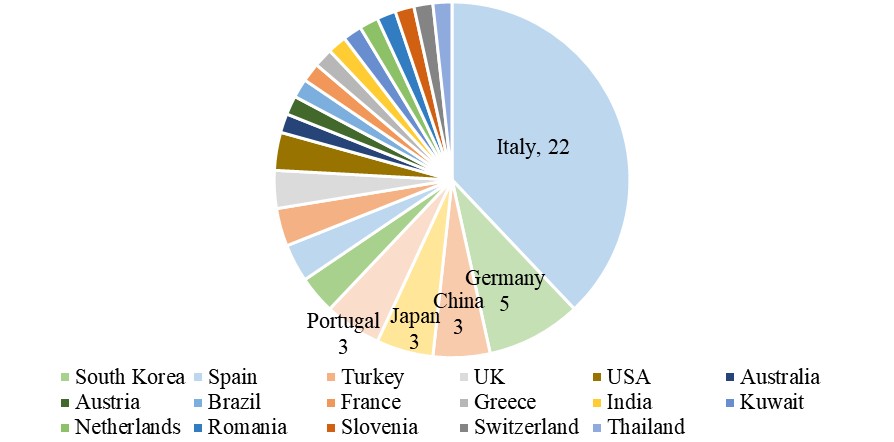
Figure 6. Newly Joined Editorial Board Members in 2025 Figure 7. Country Distribution of EAA Editorial Board 2025
The EAA Editorial Board demonstrates strong international representation and continues to attract distinguished scholars. We sincerely thank all Editorial Board Members for their valuable contributions and continued support. Their academic expertise, rigorous editorial standards, and diverse global perspectives collectively underpin the journal’s academic credibility and international influence. We look forward to continued collaboration to support the journal’s sustained and rapid development.
Special Issues
In 2025, EAA launched five new special issues addressing timely and high-impact topics, including climate change and allergy, lifestyles and asthma, allergic asthma, mobile health, and allergology. These thematic issues were curated by experienced and outstanding scientists as guest editors, with an impressive average H-index of 43.56. In addition, EAA successfully completed two issues, which have already demonstrated measurable scientific influence, with more than 30% of the included articles already receiving citations.
Table 2. New Special Issues in 2025
Topics | Guest Editor(s) | Country |
Laurent Mascarell | France | |
Torsten Zuberbier | Germany | |
Katarina Stevanovic | Germany | |
Juan Carlos Ivancevich | Argentina | |
Ivan Cherrez-Ojeda | Ecuador | |
Manlio Milanese | Italy | |
Bernard Ryffel | France | |
Peter Cook | UK | |
Dieudonnée Togbe | France |
Citation
By the end of 2025, EAA had published a total of 104 articles, with 109 new citations recorded during the year, bringing the total citations to 127. In parallel, the average citations reached 1.22 per article, surpassing the symbolic benchmark of 1.0 for the first time (Figure 8).
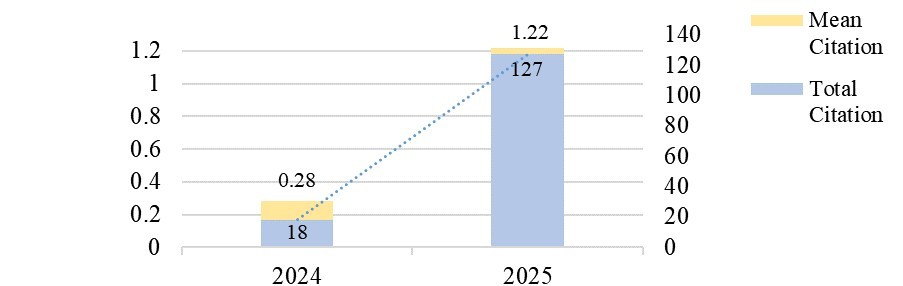
Figure 8. Annual Total Citation and Mean Citation
At the same time, the year-on-year comparative data is exceptionally telling. Compared with 2024, total citations increased by 353.57% while the average citation experienced an explosive growth of 335.71%. These significant improvements are the combined outcome of the journal’s multi-faceted strategic initiatives: enhanced promotional efforts, significantly reduced time to publication that increases research visibility, and growing recognition of the quality of its published content. This progress signals that the journal has entered a phase of sustained growth in academic impact.
Database Indexing
EAA marked a significant milestone in the international recognition and discoverability of the journal with its successful inclusion in two major databases: Chemical Abstract Services (CAS) and Directory of Open Access Journals (DOAJ) in 2025. This important achievement reflects the journal’s growing international recognition for its transparency, rigorous peer review standards, and strong commitment to open-access publishing.
EAA is currently indexed in several databases, including DOAJ, CAS, Google Scholar, Dimensions, and Portico, which collectively extend the journal’s impact, facilitate wider dissemination, increase citation potential, and enhance attractiveness to authors. Building on this foundation, EAA will continue to consistently publish high-quality research and enhance promotional efforts through multiple channels to boost citation metrics, with the strategic objective of preparing the journal for evaluation by more important indexing databases such as Scopus, PubMed Central (PMC), and Web of Science (WOS), as part of its long-term development pathway.
Promotion
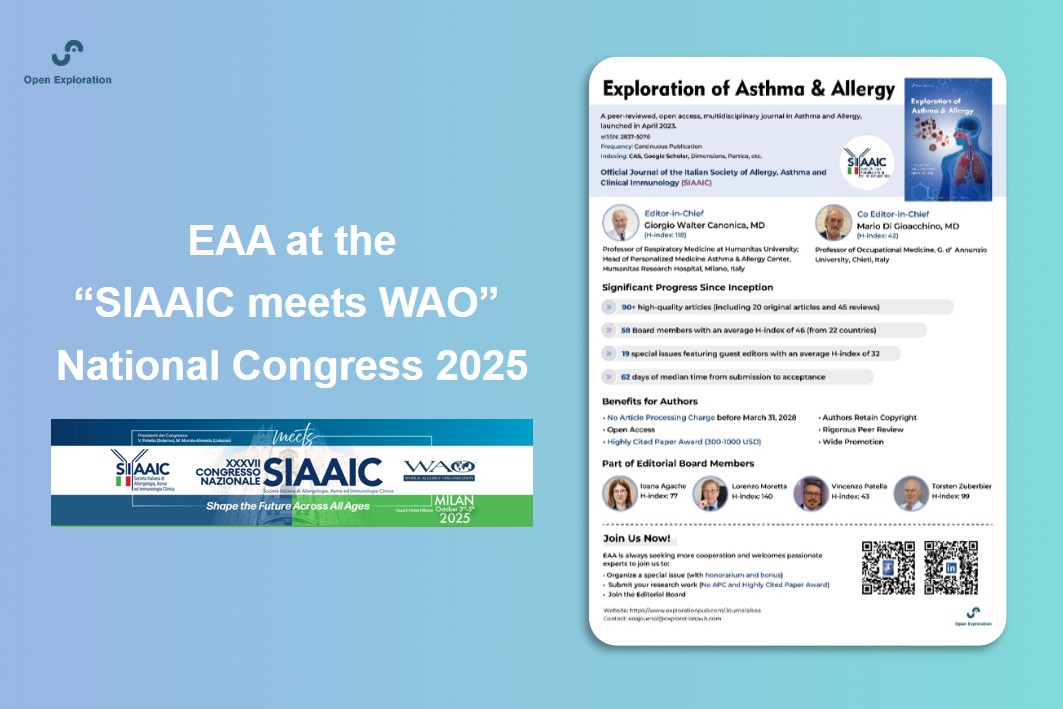
In 2025, EAA was actively promoted at the “SIAAIC meets WAO – Shape the Future Across All Ages” meeting, with the support of the Editors-in-Chief and the SIAAIC society. This congress, organized in collaboration with the World Allergy Organization, brought together a distinguished community of clinicians, researchers, and international experts. EAA was introduced through informational flyers highlighting the journal’s scope and mission, and Special Issues launched in 2025 were showcased via roll-up banner, significantly increasing the journal’s exposure across multiple academic communities (Figure 9). We extend our sincere appreciation to the Editors-in-Chief, the organizing committee, and all colleagues who expressed interest in EAA. Their enthusiasm and support are essential to the journal’s continued progress.
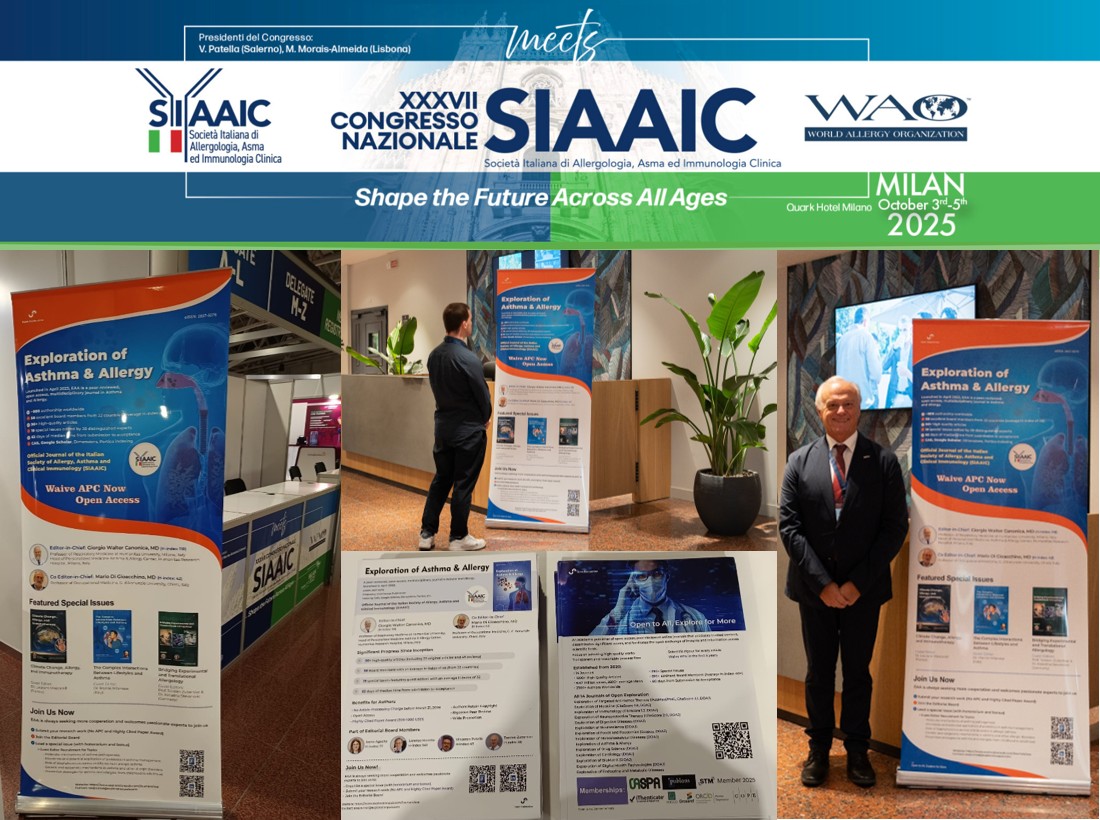
Figure 9. EAA at the “SIAAIC meets WAO” National Congress 2025
At the same time, EAA continued to promote published articles and journal updates through LinkedIn, generating growing engagement on social media. Currently, EAA Journal has 9,764 connections and 3,626 page followers, serving as an effective interactive platform for disseminating research content and academic developments.
Future Outlook
In 2025, EAA achieved substantial progress across multiple dimensions: a steady increase in submissions, further optimization of editorial workflows, a marked reduction in processing timelines, and a more balanced distribution of article types. Moreover, EAA demonstrated pronounced gains in readership engagement and citation performance, with broad-based growth in article views, downloads, and total citations. The successful inclusion in CAS and DOAJ further validated the journal’s editorial standards and open-access practices, enhancing its international visibility and global reach. These accomplishments were made possible by the strategic guidance of the Editors-in-Chief, the sustained efforts of the Editorial Board, the rigorous contributions of peer reviewers, and the trust and support of authors and readers. We extend our sincere appreciation to all colleagues who have supported the development of EAA.
Looking ahead to 2026, EAA will continue to uphold a strong commitment to academic publishing. Based on adhering to rigorous editorial standards and relevant internationally recognized publishing ethics and guidelines, the journal will further refine its peer review and editorial processes, enhance publication efficiency, and improve the overall experience for authors and reviewers. EAA will also actively expand high-quality manuscript sources, proactively develop special issues on emerging and hot topics, and strengthen international collaboration to attract original, innovative, and high-quality research. Furthermore, EAA will make effort to enhance global engagement by further diversifying our author, reviewer, and readership base, particularly from emerging research regions and research-intensive regions. In advancing internationalization and scholarly dissemination, EAA will also actively work towards meeting the criteria for and submitting applications to major databases such as Scopus and Web of Science, benchmarking against international journal standards to systematically enhance editorial rigor, academic influence, and global visibility. With the continued support of the Editorial Board, reviewers, and authors, we look forward to guiding EAA toward sustained growth with greater quality and international impact in the year ahead.
Best regards,
EAA Editorial Office
Contact us: eaajournal@explorationpub.com
EAA Website: https://www.explorationpub.com/Journals/eaa
Submission Link:https://eaa.aressystem.com/

Prof. Ting-Fan Leung Promoted EAA at the EAACI Congress 2026 and Cross-Strait Allergy Conference
Annual Development Report of EAA
Exploration of Asthma & Allergy Now Indexed in DOAJ
EAA at the “SIAAIC meets WAO” National Congress 2025