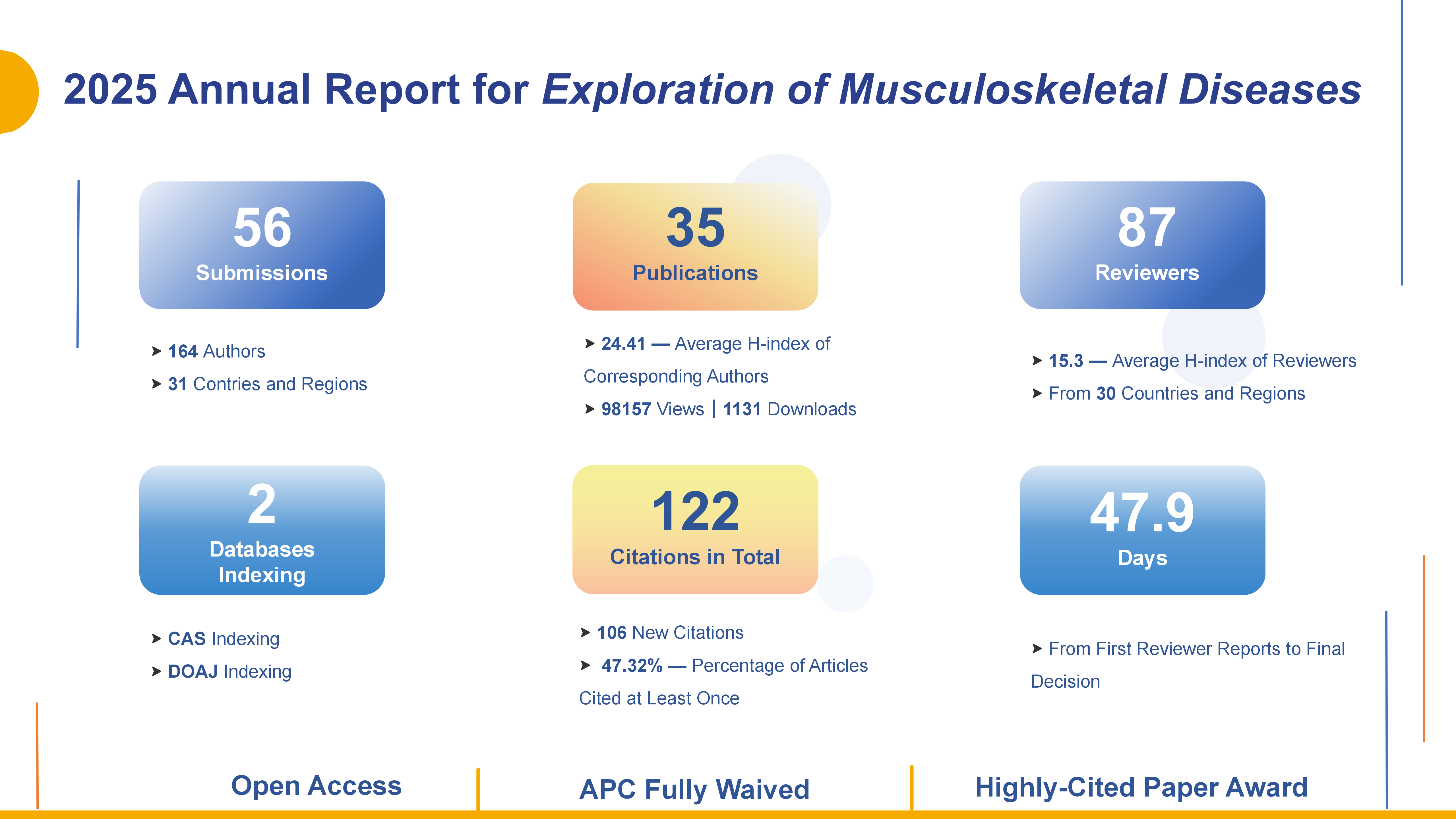
Figure 1. Key Progress in 2025
Letter from the Editor-in-Chief
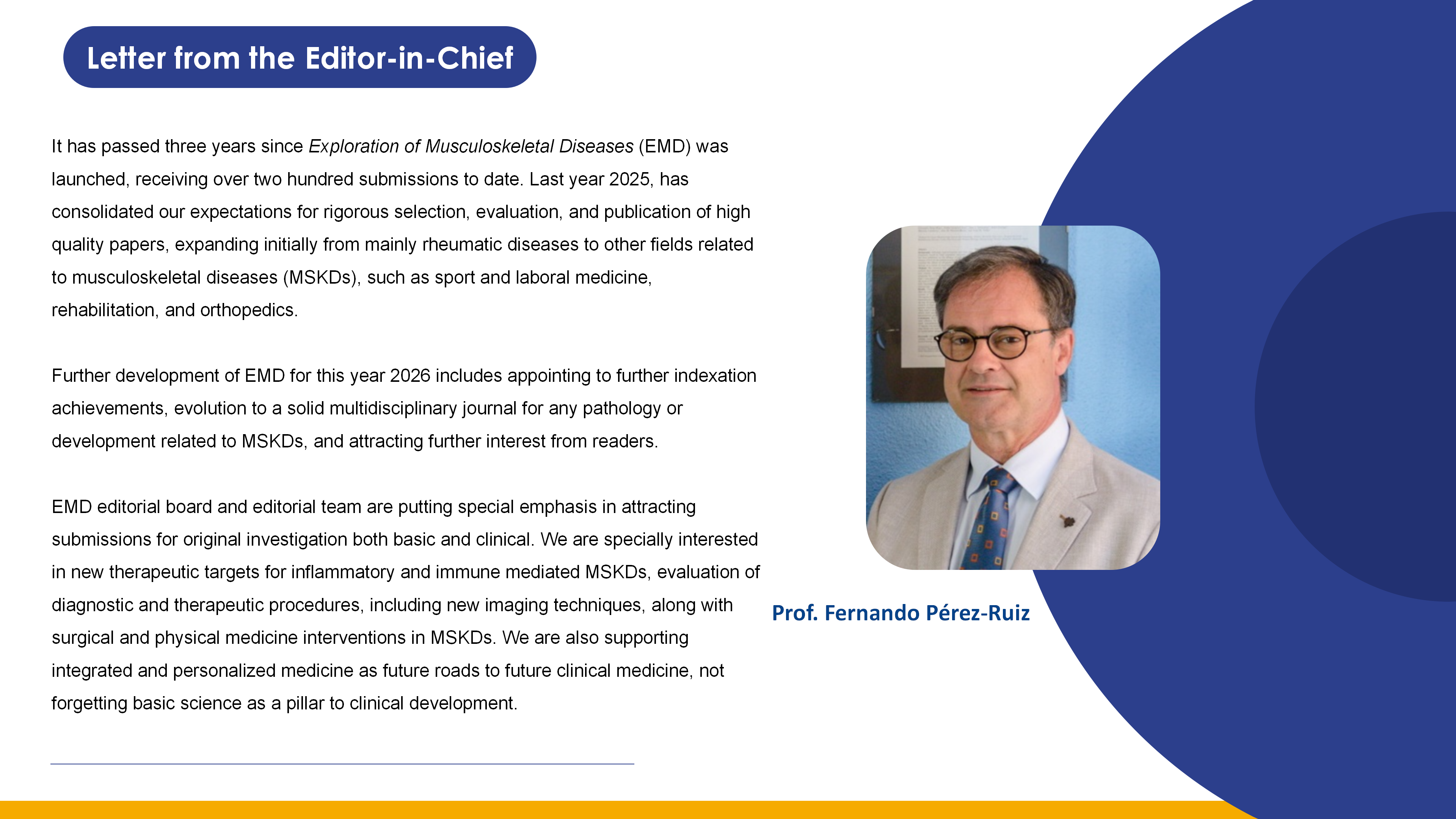
Figure 2. Letter from the Editor-in-Chief
The year 2025 marked an important phase of consolidation and capacity building for the journal. During this year, a key milestone achieved was the journal’s inclusion in the Directory of Open Access Journals (DOAJ), reflecting its commitment to transparent, high-quality open-access publishing and providing a stronger foundation for future development.
In 2025, the journal received contributions from authors around the world. A total of 56 manuscripts were submitted during the year, and 35 articles were published. Over the same period, the journal experienced substantial growth in both article views and downloads, reflecting increasing visibility and readership. In addition, the journal’s citations increased by 106 in 2025, with a total citation of 122. On the editorial side, 6 new members joined the Editorial Board during the year. The Editorial Board achieved more comprehensive disciplinary coverage, supporting the journal’s broad academic scope.
Looking ahead, we see this as an important stage for the journal to strengthen its academic identity and build momentum for long-term objectives. With continued support from all the contributors, we are confident the journal will progress steadily and achieve further recognition within the community.
Key Progress in 2025
l 56 submissions including 24 reviews and 15 original articles
l 35 published articles with an average H-index of corresponding authors of 24.41
l CAS Indexing and DOAJ Indexing
l 6 new editorial board members
l 106 new citations; 122 total citations
l 98157 views and 1131 downloads
Submissions
In 2025, the journal received a total of 56 submissions, contributed by authors from 31 countries and regions worldwide (Figure 3). Among these submissions, 24 were review articles and 15 were original articles, with additional contributions including case reports, perspectives, etc. The details of manuscript types are shown in Figure 4. In addition, the rejection rate in 2025 was 53.84%.
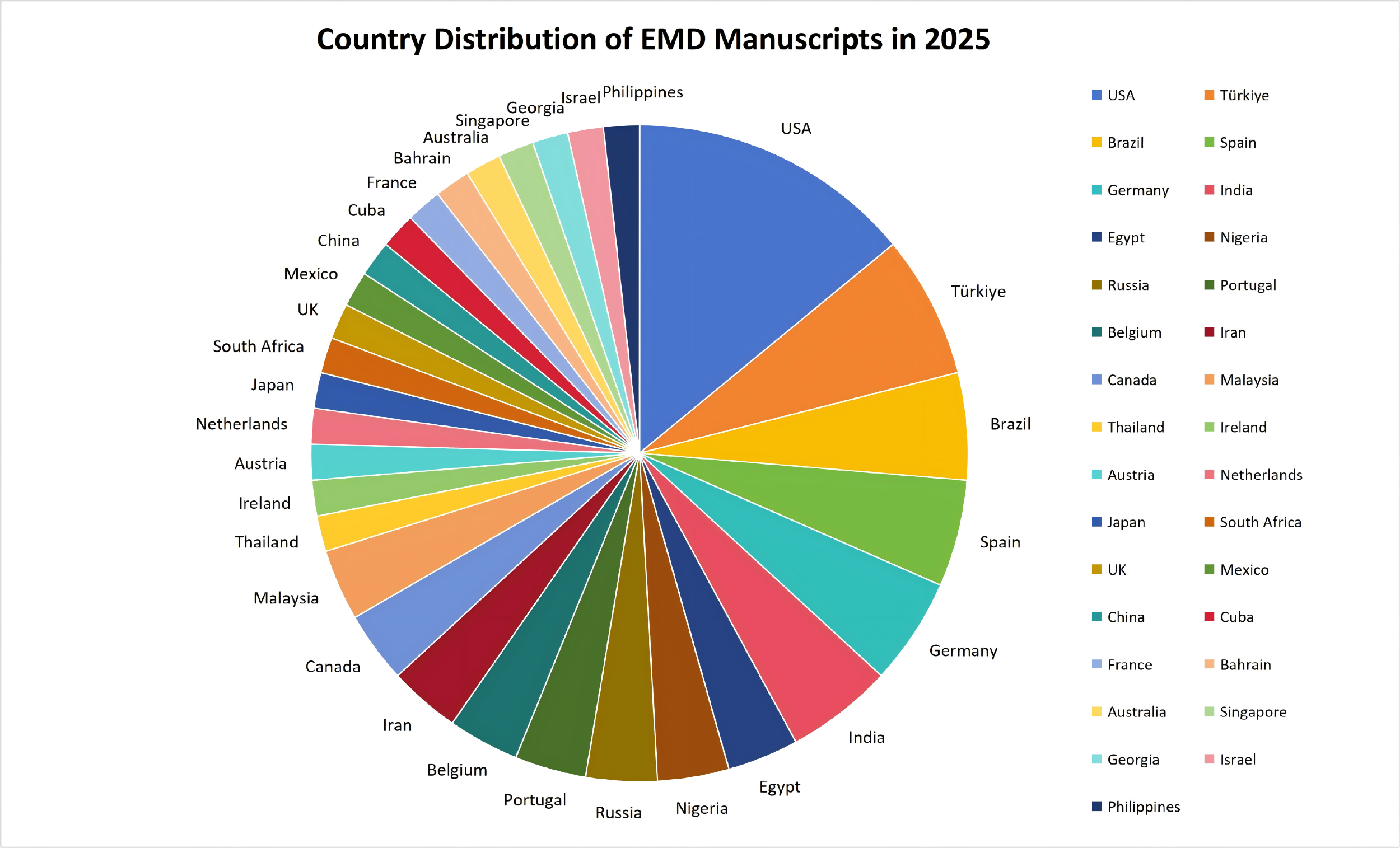
Figure 3. Country Distribution of EMD Manuscripts in 2025
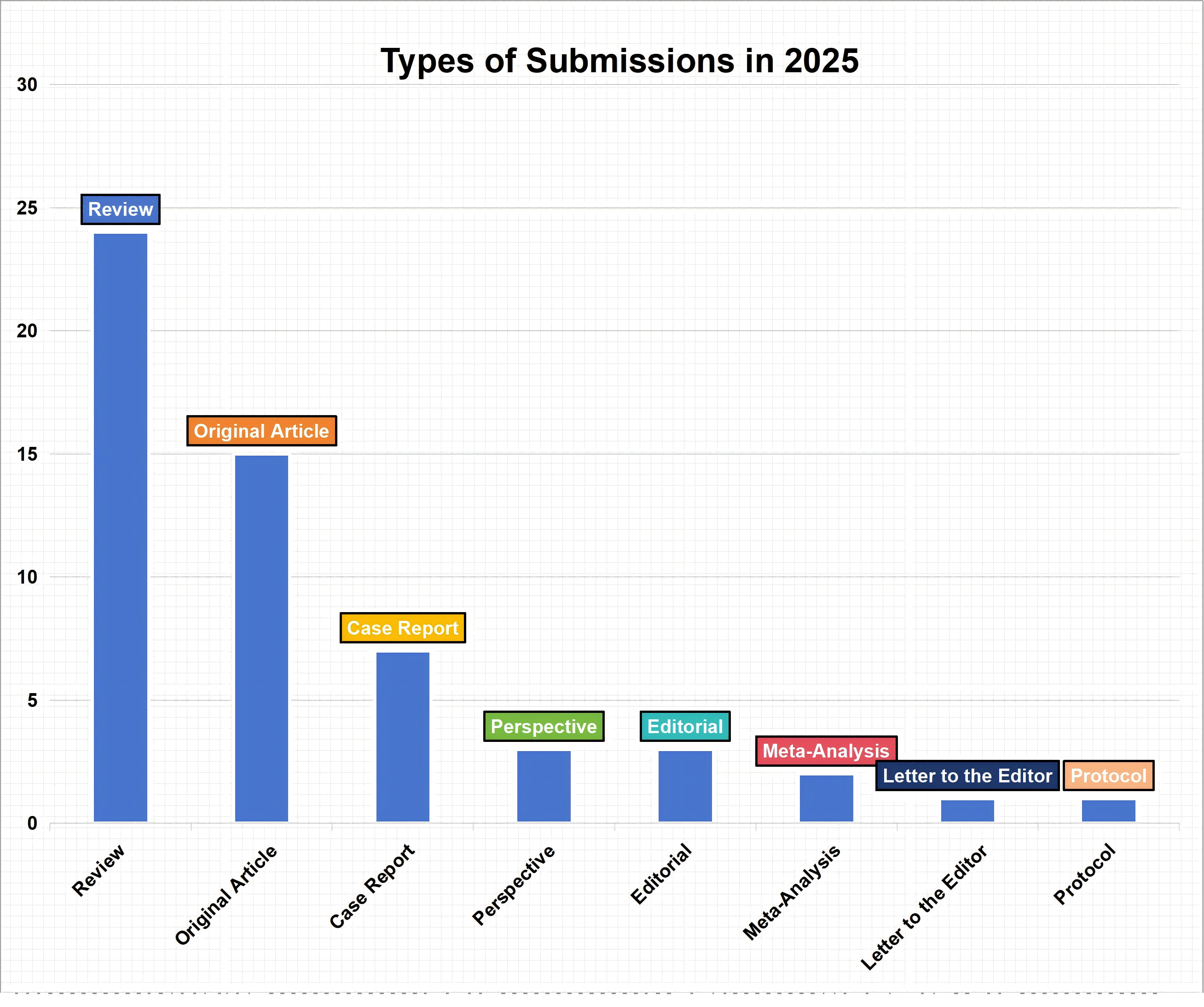
Figure 4. Manuscript Types in 2025
The journal gratefully acknowledges the authors who contributed their manuscripts in 2025. Their submissions, originating from diverse countries and research backgrounds, have provided important scholarly support for the journal’s continued development. The journal looks forward to their continued support in the future.
Publications
Supported by the collective efforts of authors, reviewers, and the Editorial Board, the journal published 35 articles in 2025. The published content encompassed review, original research, case reports, commentaries, and other article types. The details of manuscript types are shown in Figure 5.
The major research themes included gout and hyperuricemia, inflammatory arthritis, and systemic rheumatic and autoimmune conditions, addressing topics such as disease mechanisms, clinical manifestations, comorbidities, and therapeutic strategies. Several articles explored diagnostic and monitoring approaches, particularly the application of musculoskeletal imaging techniques (e.g., ultrasound) in disease assessment and management.
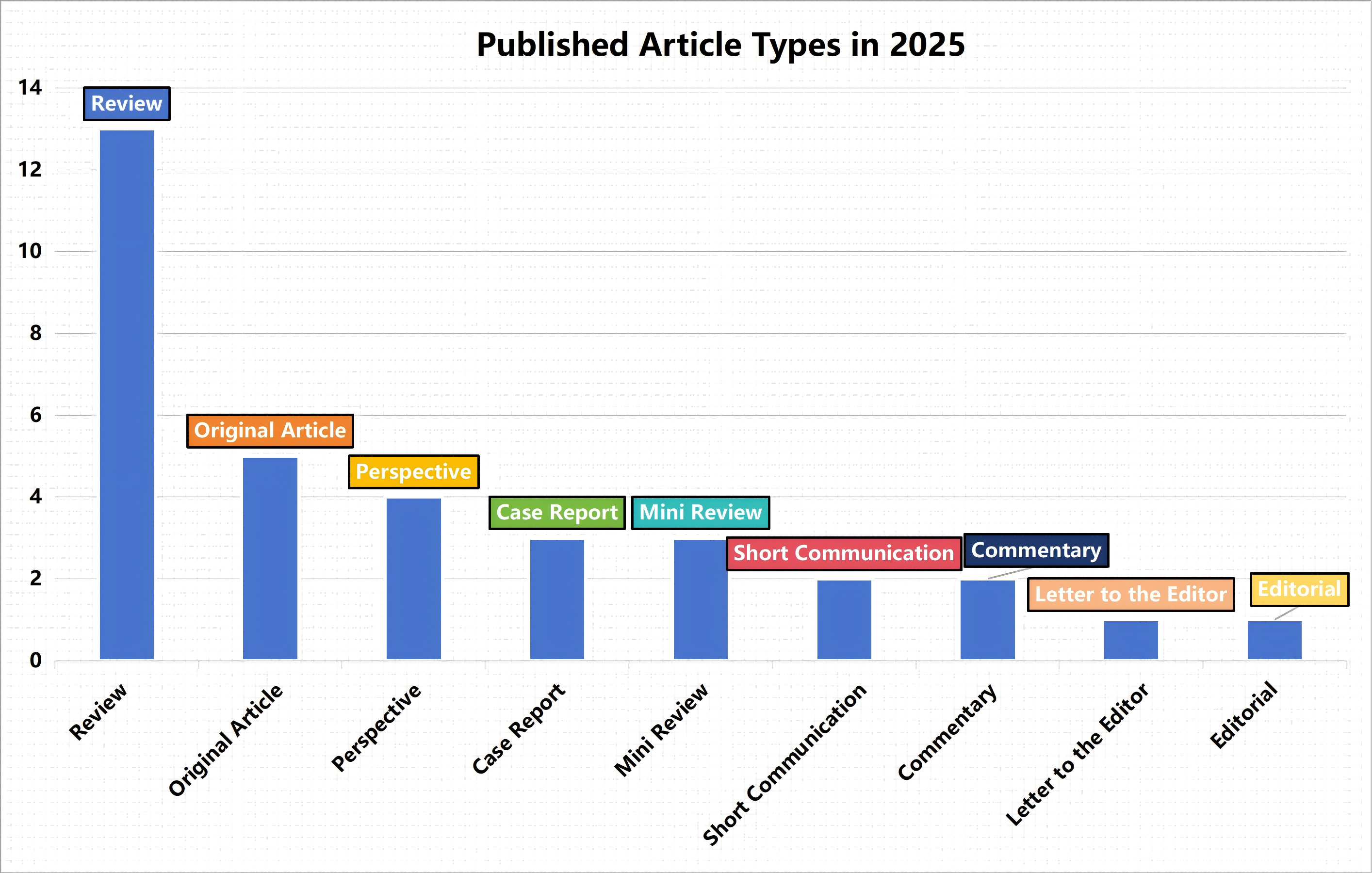
Figure 5. Published Article Types in 2025
Article Metrics
Views and Downloads
2025 witnessed significant increases in both article views and downloads. The average number of article views increased from 1,259.8 in 2024 to 4,393.5 in 2025, while the average number of downloads rose from 26.8 in 2024 to 46.7 in 2025 (Figure 6). Notably, several articles simultaneously exceeded 10,000 views and 100 downloads in 2025.
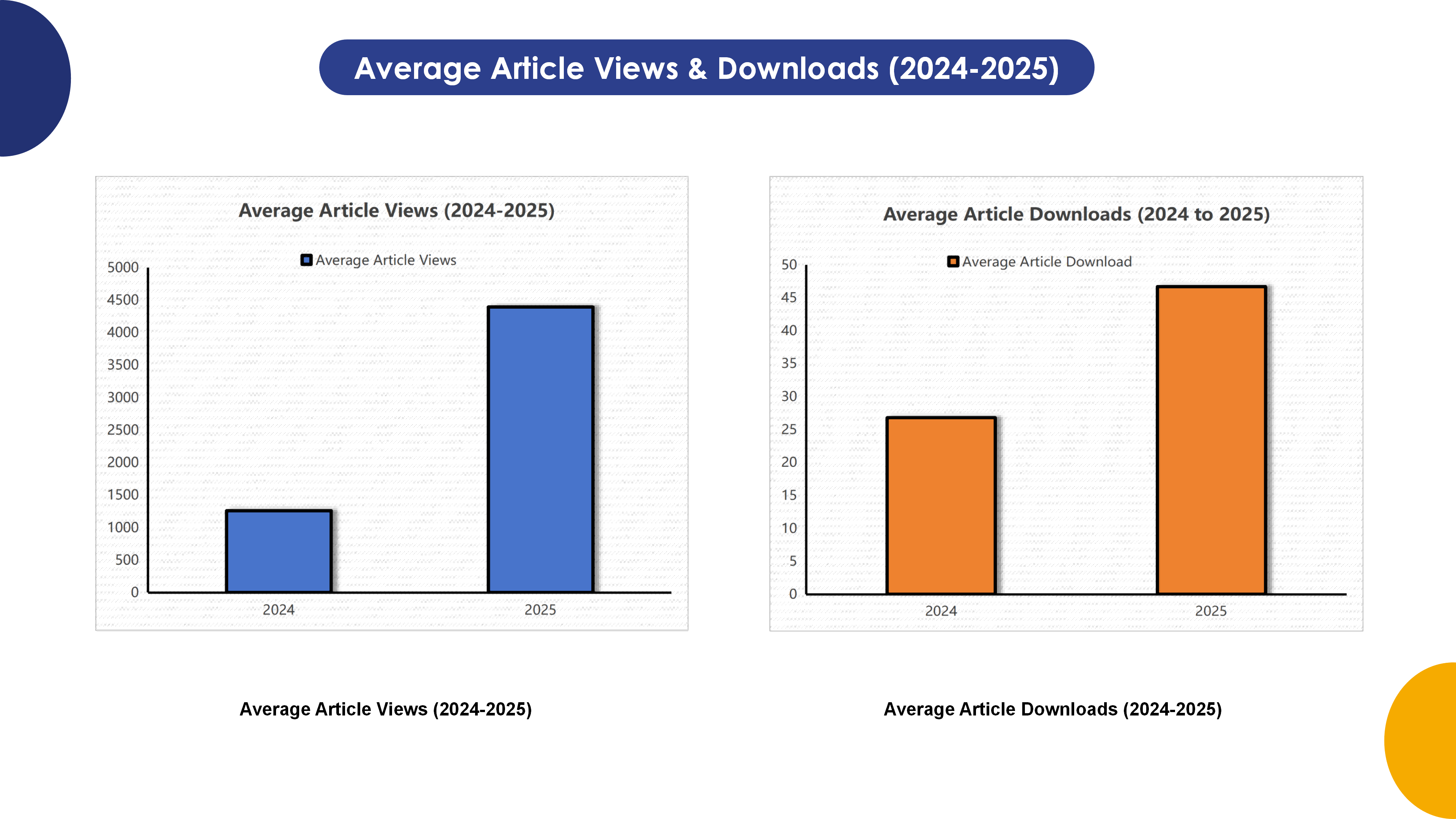
Figure 6. Average Article Views & Downloads (2024-2025)
Popular Articles
Based on download statistics in 2025, 8 articles published during the year demonstrated strong reader engagement. These articles reflect topics of strong interest to the journal’s readership and highlight areas of active research engagement. The most downloaded articles published in 2025 are listed below (Table 1).
Table 1. Most downloaded articles published in 2025
Article Title | Publication Date | Views and Downloads |
December 08, 2025 | 948 Views; 83 Downloads | |
Optimizing development of anti-TNFα biosimilars based on 10 years’ experience | February 08, 2025 | 5928 Views; 83 Downloads |
June 16, 2025 | 5798 Views; 64 Downloads | |
January 19, 2025 | 5053 Views; 63 Downloads | |
May 07, 2025 | 6728 Views; 56 Downloads | |
May 22, 2025 | 2565 Views; 51 Downloads | |
Calcium pyrophosphate deposition (CPPD) disease: a review of pathophysiology, clinic and diagnosis | August 11, 2025 | 5072 Views; 47 Downloads |
January 22, 2025 | 5796 Views; 47 Downloads |
Citations
2025 also marked a year of rapid growth in citations for the journal. By the end of 2024, the journal’s articles had received a total of 16 citations, whereas by the end of 2025, citations had increased by 106, bringing the cumulative total to 122 citations (Figure 7).
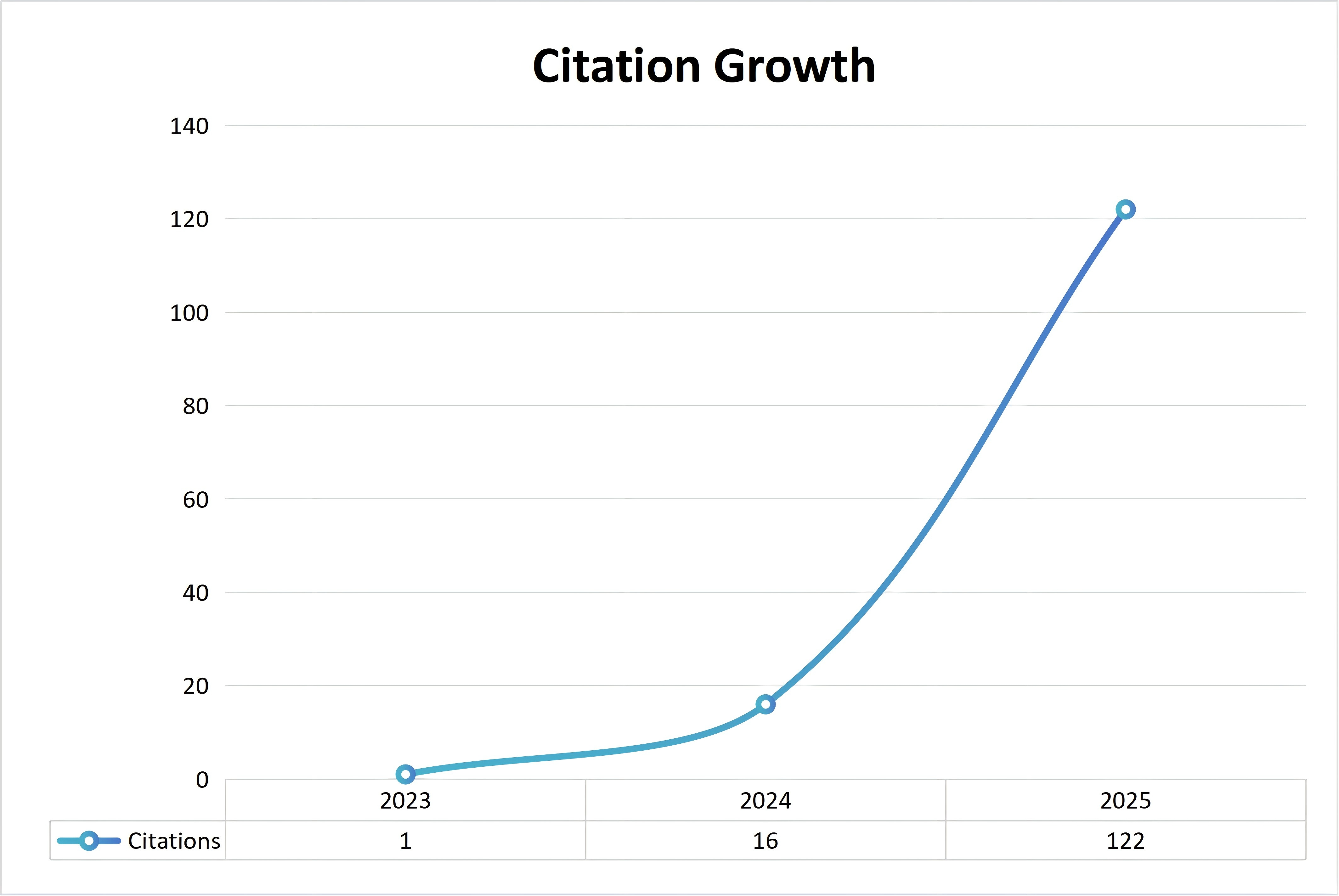
Figure 7. Citation Growth (2023-2025)
Manuscript Processing
Manuscript Processing Time
In 2025, the journal continued to maintain a stable and efficient editorial process. The average manuscript processing time remained at a reasonable level, supporting the timely publication of accepted articles. The editorial processing timelines were as follows (Figure 8):
l The average time from submission to initial review was 14.8 days.
l The average time from submission to first decision was 35.9 days.
l The average submission-to-acceptance time was 93.5 days.
l The average acceptance-to-publication time was 24 days.
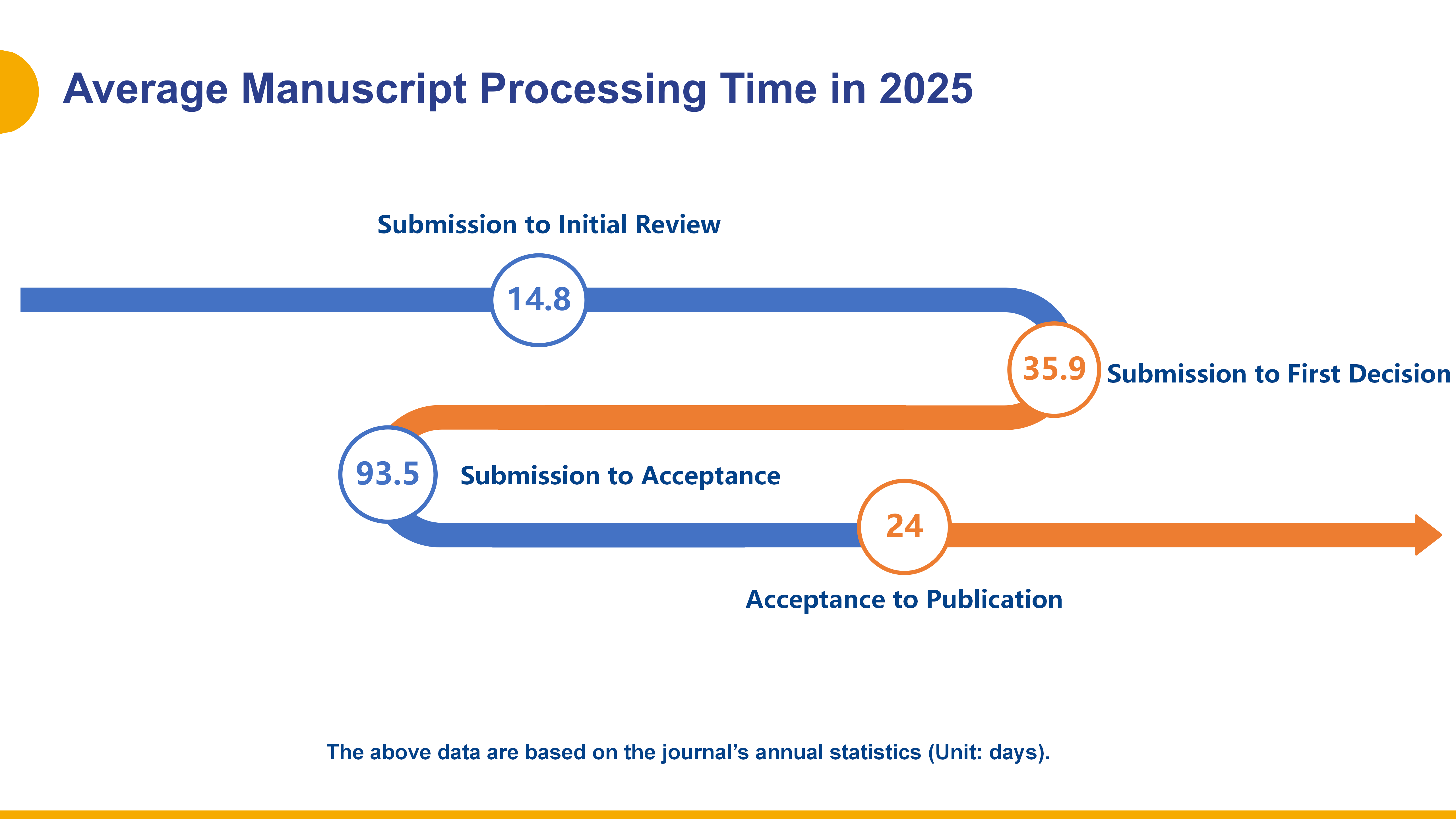
Figure 8. Average Manuscript Processing Time in 2025
Reviewers
In 2025, the journal received valuable support from 87 reviewers representing 30 countries and regions (Figure 9), who contributed to the peer review of submitted manuscripts. The average H-index of the reviewers was 15.3. Their timely and constructive evaluations contributed significantly to the efficient handling of manuscripts and the overall quality of published articles.
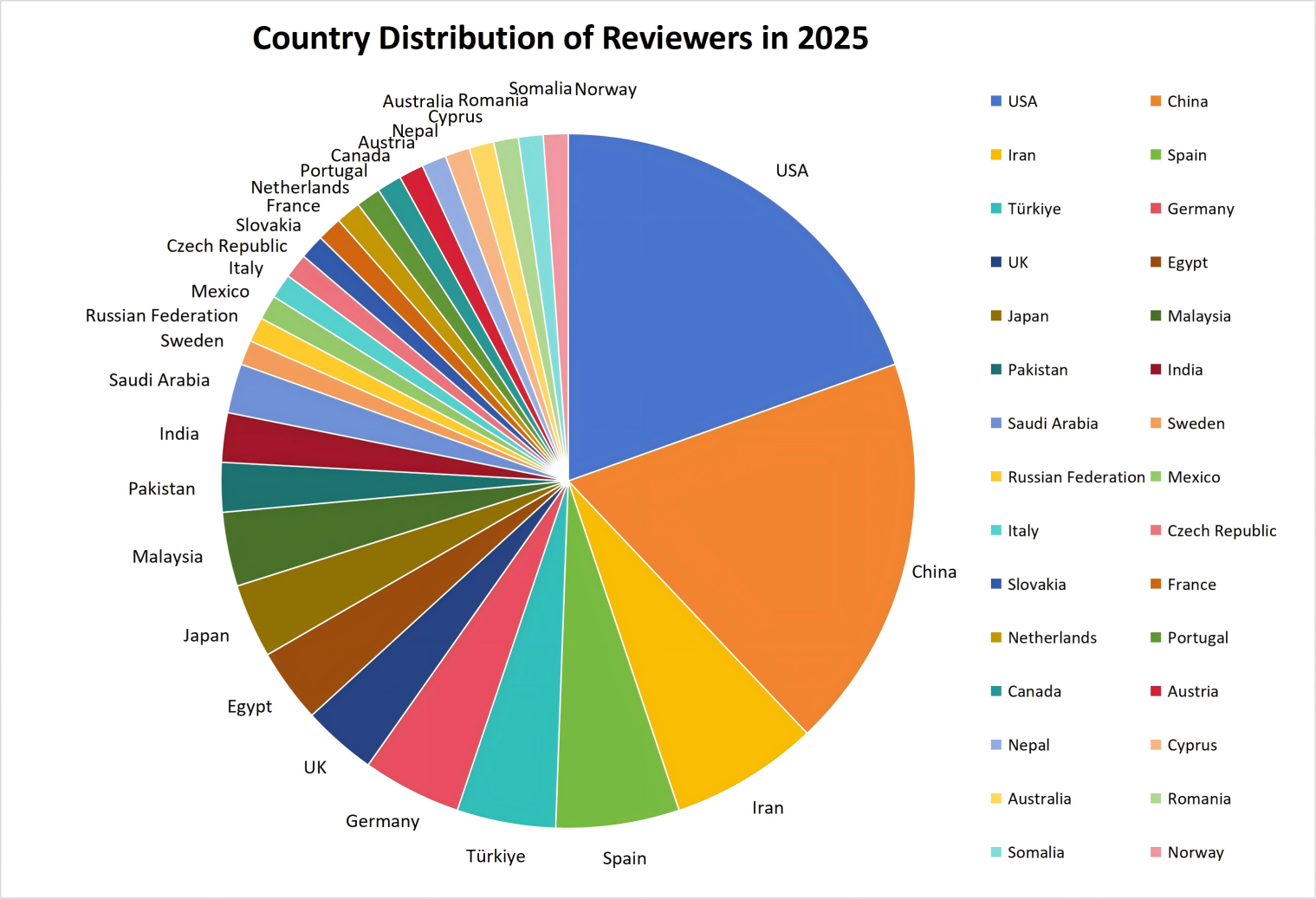
Figure 9. Country Distribution of Reviewers in 2025
Database Indexing
In 2025, the journal achieved an important milestone by being indexed in two major databases (Figure 10). On March 27, 2025, EMD was accepted for indexing in the Chemical Abstracts Service (CAS) database, a globally recognized resource for scientific literature. On July 28, 2025, EMD was accepted for indexing in the Directory of Open Access Journals (DOAJ), one of the most respected and comprehensive databases for open access journals worldwide. These achievements have marked a major step forward for the journal’s international visibility, academic credibility, and commitment to high-quality open access publishing.
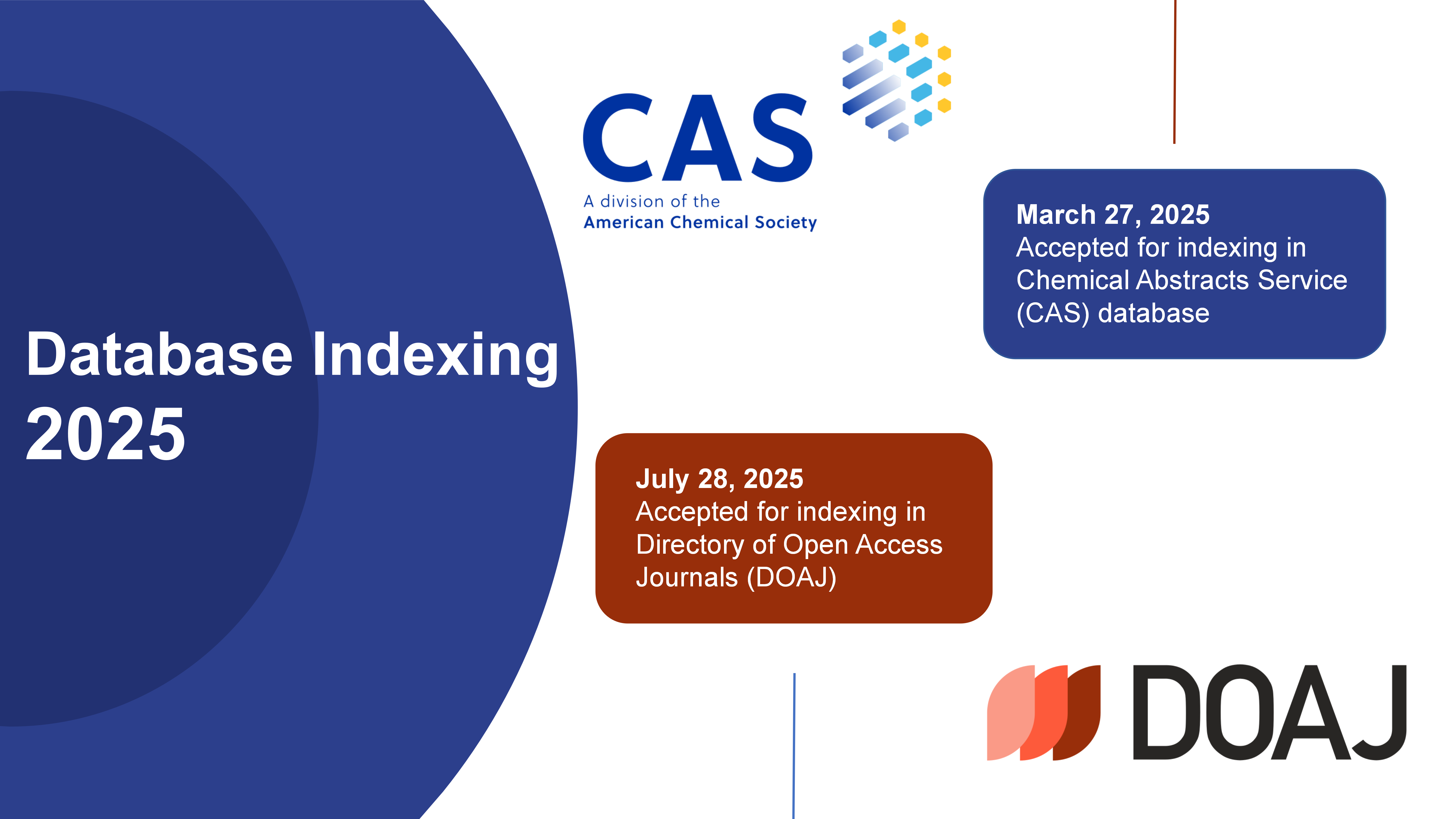
Figure 10. Database Indexing in 2025
Editorial Board
New Board Members
In 2025, 6 distinguished experts joined the Editorial Board, including 3 Associate Editors and 3 Editorial Board Members, with an average H-index of 32.66. The details are shown in Figure 11.
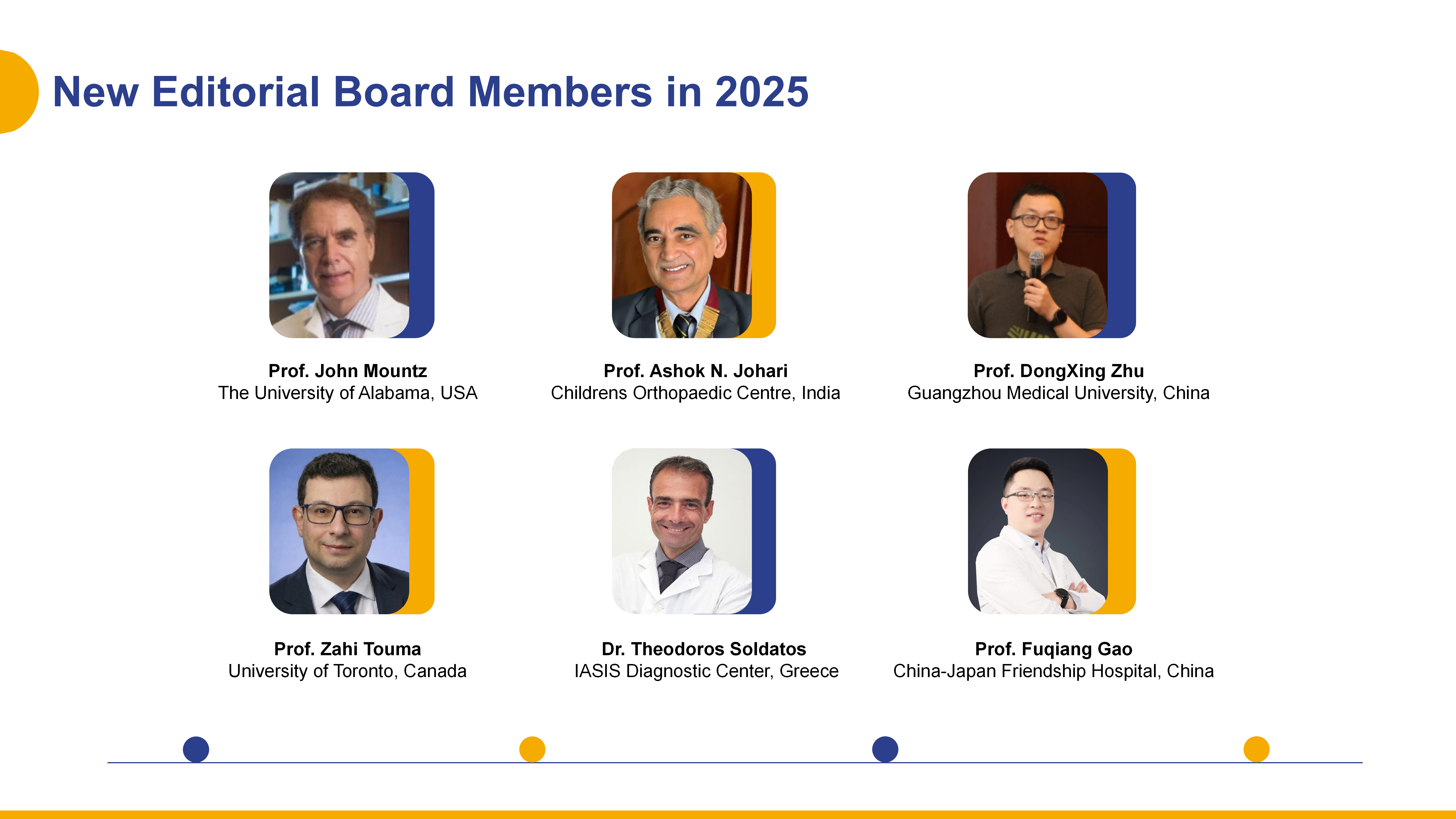
Figure 11. New Editorial Board Members in 2025
Current Editorial Board
As of the end of 2025, the Editorial Board comprises a total of 41 members, with an average H-index of 37.31. Board members represent 20 countries and regions. Over the past year, our board members have actively contributed to the journal’s development by submitting manuscripts, organizing Special Issues, participating in peer review, and providing valuable suggestions for the journal’s future development.
Conference Promotion
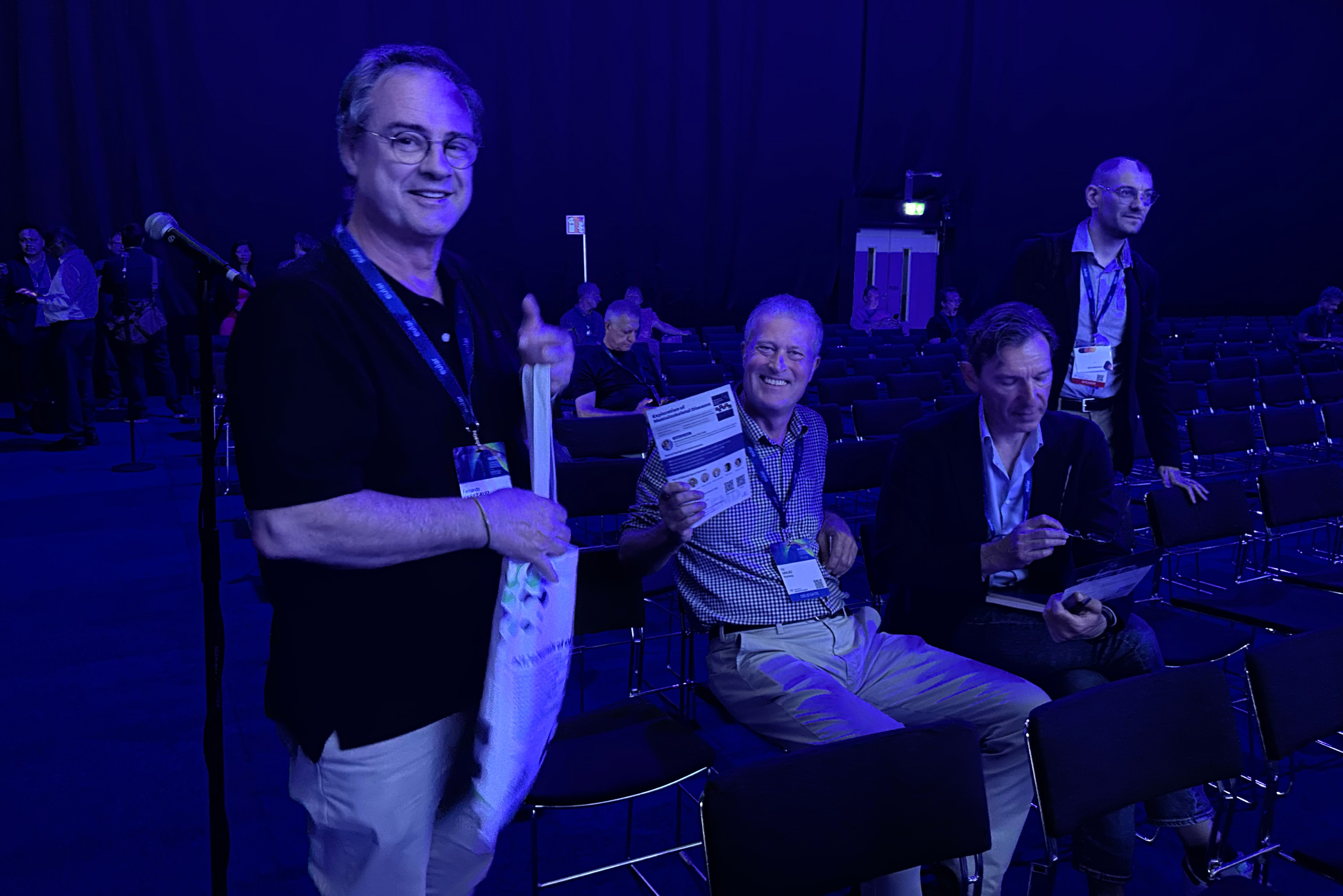
In 2025, EMD had the opportunity to be presented at EULAR 2025 Congress — the Annual European Congress of Rheumatology, held in Barcelona (Figure 12).
Our editor-in-chief, Prof. Fernando Pérez-Ruiz, attended the meeting and introduced EMD to participating experts and scholars through the distribution of journal flyers. In addition, the Editor-in-Chief also highlighted his original article, “The 'FebBenz' approach for severe difficult-to-treat gout” published in the journal in 2025 during his presentation. For more details, please refer to the news on our website: https://www.explorationpub.com/Journals/emd/News_Letter_Details/124.
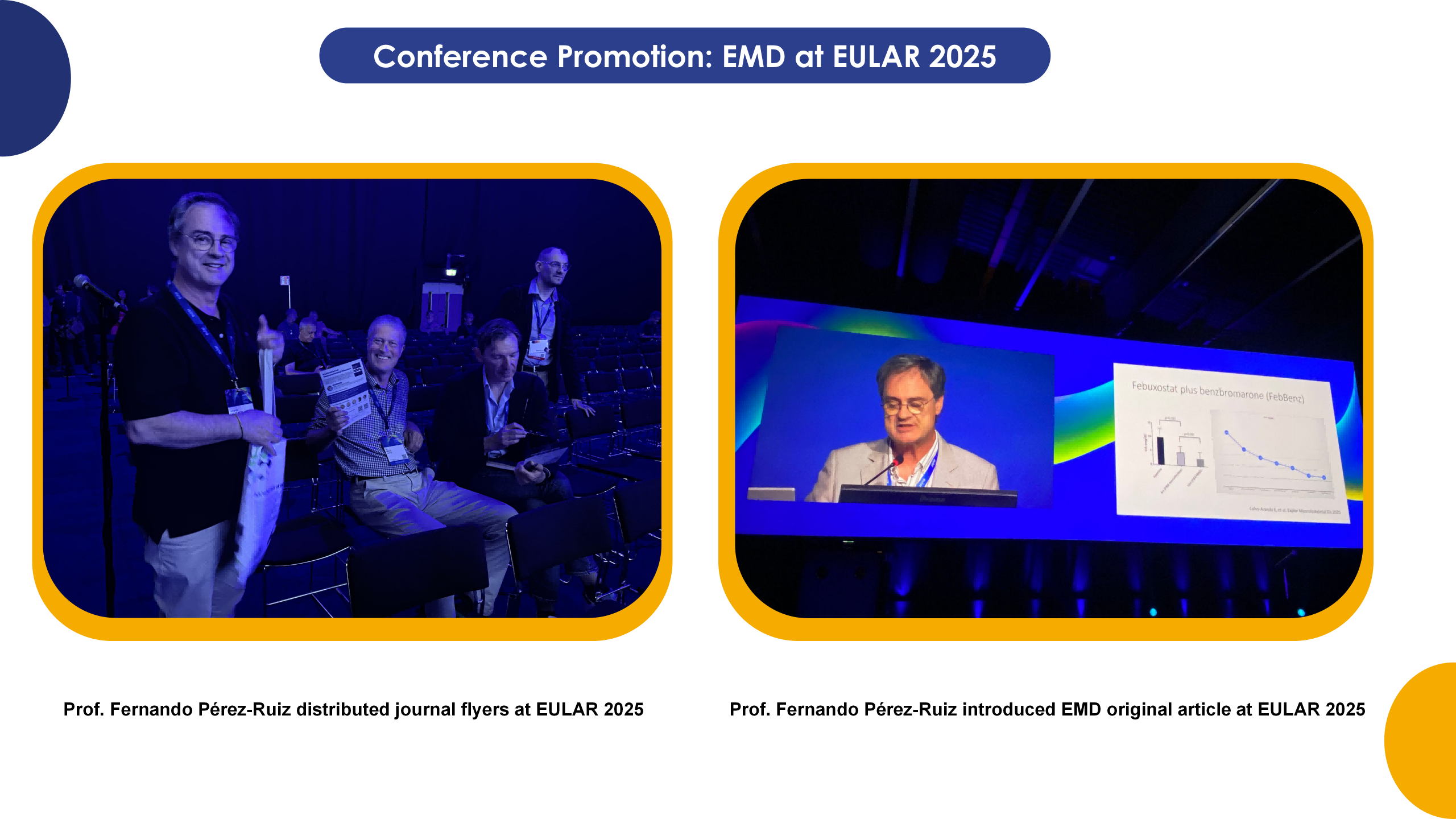
Figure 12. EMD at EULAR2025
Journal Development Plan for 2026
Building on the progress achieved in 2025, the journal will continue to focus on strengthening content quality, expanding its academic influence, and improving editorial efficiency in the new year. Particular emphasis will be placed on the launch of high-quality Special Issues and the attraction of strong original research and review articles, with the support of the Editorial Board and the broader research community.
Advancing the journal’s indexing strategy will be a central priority in 2026. Building on recent progress, the journal will focus on further strengthening editorial standards, publication quality, and citation performance, while actively preparing the application for inclusion in Scopus as a key milestone in its long-term development plan.
In support of this objective, the journal will continue to enhance its academic visibility and international presence. Targeted promotion through academic conferences, scholarly networks, and digital channels will be pursued to increase the reach, readership, and impact of published articles.
EMD Editorial Office
Contact Us: emdjournal@explorationpub.com
Website: https://www.explorationpub.com/Journals/emd
Submission Link: https://emd.aressystem.com/
 Exploration of Musculoskeletal Diseases--2025 Annual Report.pdf
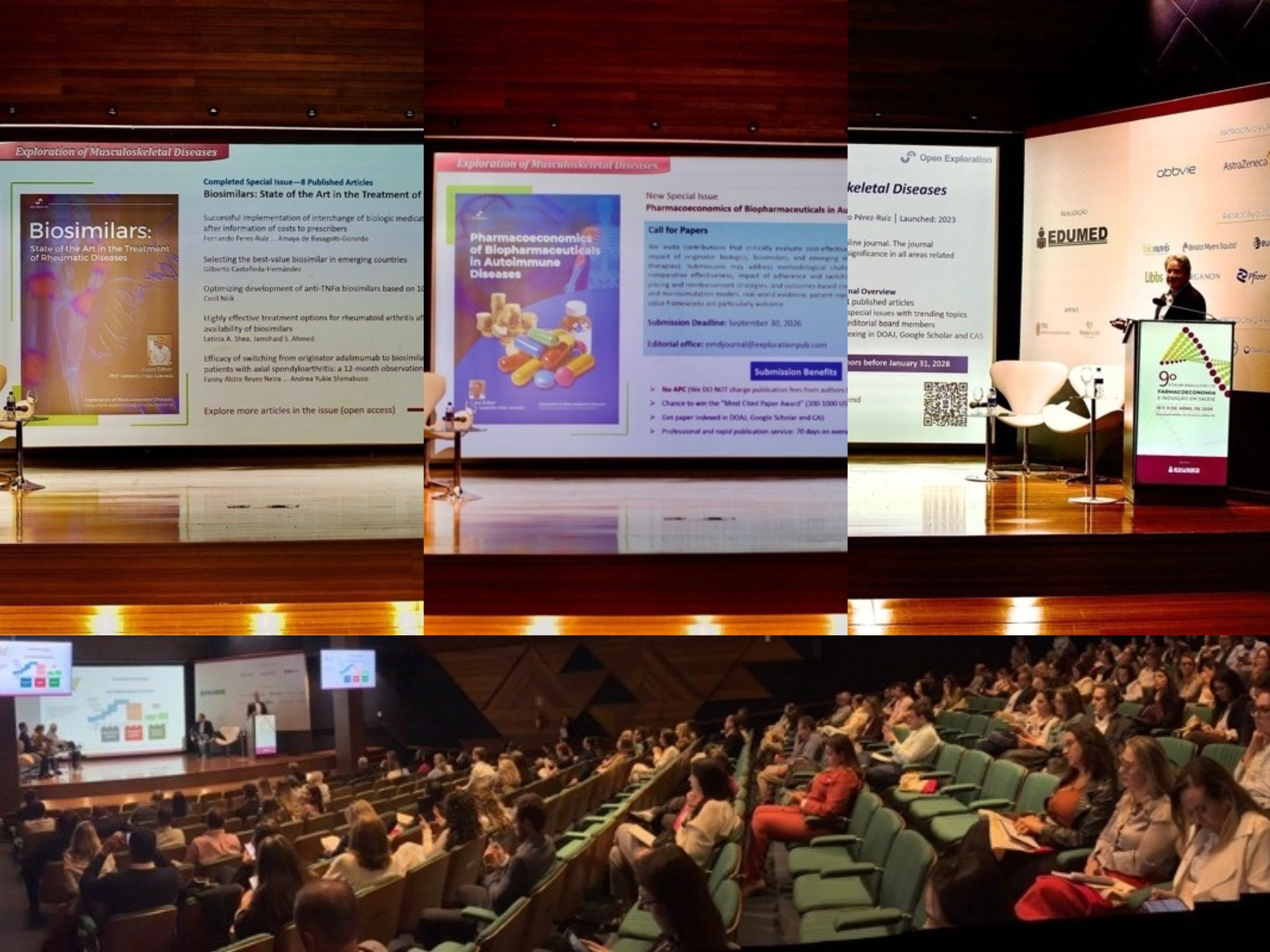
EMD and Its Popular Special Issues Showcased at the 9th Brazilian Forum on Pharmacoeconomics
Exploration of Musculoskeletal Diseases--2024 Annual Report
Exploration of Musculoskeletal Diseases Officially Indexed in DOAJ!
EMD at EULAR 2025: Showcasing the Journal at One of the World’s Leading Rheumatology Conferences