Exploration of Neuroprotective Therapy (ENT) is a peer-reviewed, open-access journal dedicated to publishing high-quality research on neurodegeneration, neuroprotection, neurorestoration, and therapeutic strategies for disorders of the central and peripheral nervous systems. Since its launch in August 2021, ENT has focused on advancing translational and clinical insights across multidisciplinary neuroscience research, providing an accessible platform for both fundamental and applied studies.
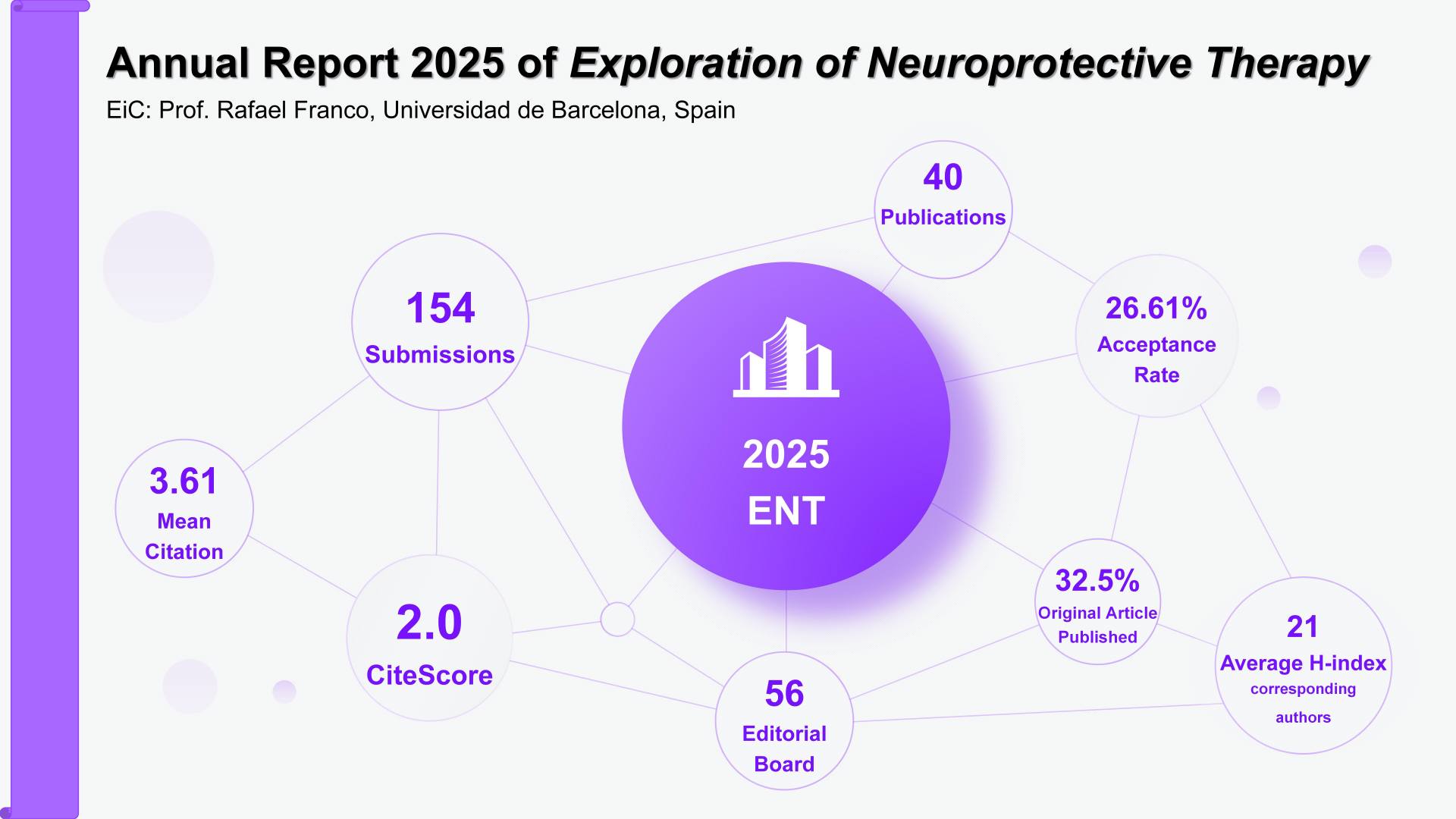
The journal has consistently worked to expand its academic visibility and international influence. ENT is currently indexed in Scopus, Google Scholar, DOAJ, and CAS, with further indexing applications under active evaluation. In June 2025, ENT received its first CiteScore of 2.0, which increased to 2.5 (CiteScoreTracker) by December 2025, reflecting steady growth in citation performance and scholarly recognition.
Throughout 2025, ENT demonstrated consistent growth across multiple core indicators, including manuscript submissions, published articles, international author participation, and article metrics such as views and downloads. These trends highlight the journal’s strengthening position within the neuroscience research community and its positive trajectory toward sustained academic impact.
KEY HIGHLIGHTS:
• Scopus CiteScore 2024: 2.0
• Mean Citation: 3.61
• Total Submissions: 154
• Articles Published: 40
• Rejection Rate: 73.39%
• Special Issues Launched: 6
• Editorial Board Members: 56
• Academic Meeting Promotions: 3
Submissions and Publications
Submissions
In 2025, ENT received 154 manuscript submissions, continuing a multi-year growth trajectory. Of these, 52 submissions were original articles, accounting for approximately 34% of total submissions. Following initial editorial review, 63 manuscripts advanced to peer review, corresponding to an overall initial review acceptance rate of 41.45%.
Compared with previous years, total submissions increased steadily from 89 in 2023 to 113 in 2024, reaching 154 in 2025, representing a year-on-year growth of 36.28% and sustaining a clear upward trend over the past three years. The growing submission volume, together with a strict initial review and a rising proportion of original article submissions, suggests enhanced visibility, broader international recognition, and gradual enhancement of submission quality.
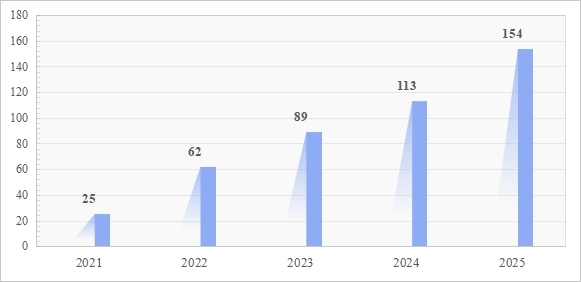
Figure 1 Annual Submission Volume in 2021-2025
With respect to manuscript types, submissions in 2025 continued to be dominated by Review and Original Article, consistent with trends observed in previous years. A total of 74 Review articles were submitted, accounting for 49% of all submissions, followed by 52 Original Articles for 34%. See Figure 2 below.
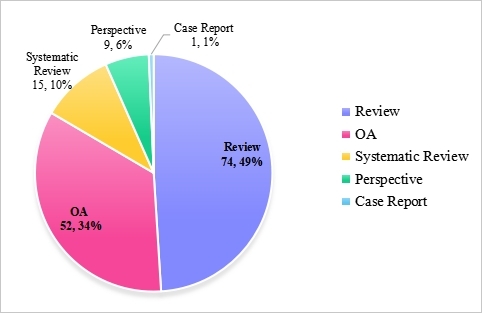
Figure 2 Type of Submissions
Submissions in 2025 originated from 39 countries, including India, the United States, Mexico, China,etc., demonstrating the journal’s broad international reach. Compared with previous years, the geographic diversity of contributing authors has continued to expand, reflecting a steady deepening of the journal’s internationalization and an increasingly diverse global author community. Notably, authors from regions with high levels of research activity contributed a substantial proportion of submissions, highlighting the journal’s strengthening visibility and recognition within established scientific communities (see Figure 3).
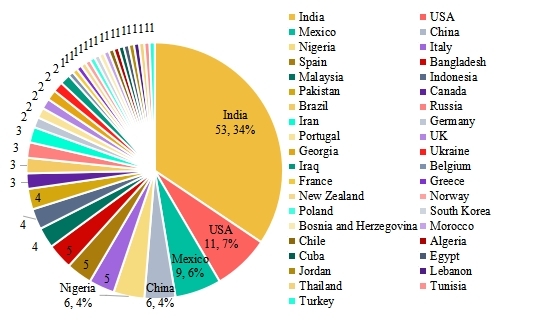
Figure 3 Country Distribution of ENT Submissions
Publications
In 2025, ENT adopted a continuous publication model, enabling more timely dissemination of accepted manuscripts. This strategic shift has enhanced the journal’s flexibility and efficiency in disseminating research. Under this new model, the journal successfully published 40 articles in 2025, representing a 37.93% increase compared with 2024. This growth reflects both improved editorial efficiency and a steady rise in high-quality submissions progressing through peer review.
All articles published in ENT are made immediately and permanently accessible through a Gold Open Access publishing model, ensuring unrestricted global availability of the journal’s content. Articles are published under the Creative Commons Attribution (CC BY) license, allowing broad dissemination and reuse with appropriate attribution. Under this model, authors retain copyright of their work while granting the journal the right to publish and disseminate the content, supporting wide visibility, long-term accessibility, and scholarly impact of published research.
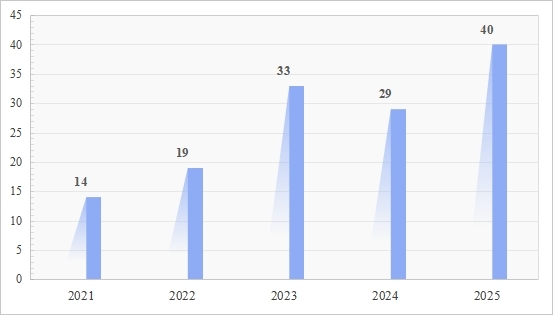
Figure 4 Annual Publication Volume
Published articles in 2025 spanned six article types, with Review and Original Article continuing to dominate the journal’s content. Specifically, 16 Review articles (40%) and 13 Original articles (32.5%) were published, followed by 6 Perspectives at 15%. A notable development was the marked increase in Original Articles published, which rose from 6.9% in 2024 to 32.5% in 2025. This reflects enhanced engagement from authors submitting original research and a gradual strengthening of the journal’s commitment to valuable original research.
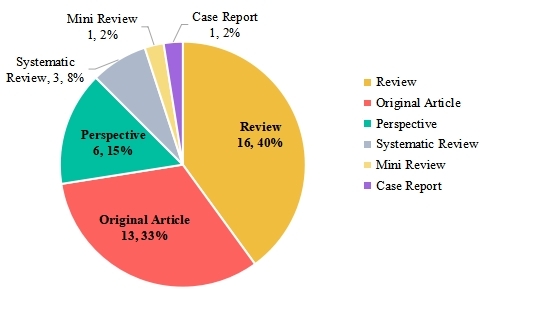
Figure 5 Type of Published Articles
Viewed over the past five years (2021–2025), ENT has demonstrated a relatively stable upward trend in annual publication volume. This growth trajectory highlights the journal’s progressive development, increasing visibility, and growing appeal within its academic field.
Authors
In 2025, the geographic distribution of corresponding authors became increasingly diverse, reflecting further enhancement in the journal’s global visibility and international influence. Published articles featured corresponding authors from 20 countries, including Mexico, India, Spain, the United States, Canada, and China, among others. This expanded geographic representation indicates a continued broadening international author base, with growing participation from scientifically active research regions. The average H-index of corresponding authors stood at 21. Notably, 30% of corresponding authors had an H-index above 30, and the author cohort included many internationally recognized senior experts, such as Prof. Susan R. George (University of Toronto, H-index of 75), Prof. Leonard A. Jason (DePaul University, H-index of 55), and Prof. Michael Linden (Charité University Medicine Berlin, H-index of 50), etc.
Article Metrics
Articles published in 2025 achieved strong reach and engagement. Average article views reached 2,879, representing an 85.62% year-on-year increase, while average downloads was approximately 31. Notably, 72.5% of articles exceeded 1,000 views, indicating a marked rise in reader attention and content visibility.
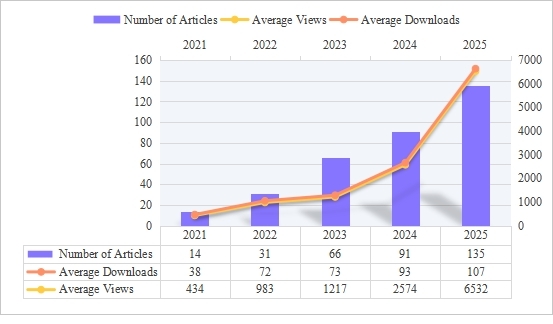
Figure 6 Publish Data of ENT Articles in 2021-2025
Table 1 Top 3 most viewed articles published in 2025
Article title | Corresponding author | View |
Moawiah M Naffaa | 17,429 | |
Michael Linden | 12,775 | |
Multilayered neuroprotection by cannabinoids in neurodegenerative diseases | Susan R. George | 7,453 |
Manuscript Processing
Editorial Processing and Peer Review
ENT maintained a stable and selective editorial review standard in 2025, with an overall rejection rate of approximately 73.39%, largely consistent with 2024. This stability reflects the Editor-in-Chief and review team’s continued commitment to rigorous initial review and detailed editorial assessment, ensuring that only manuscripts meeting the journal’s scientific and quality standards proceed to peer review and eventual publication. During this year, a total of 154 manuscripts were processed. The average time to initial review decision is approximately 12 days, while the average time from submission to acceptance was about 103 days. Ongoing efforts to streamline the review process are expected to further optimize processing times in the coming years.
A distinguished panel of reviewers upheld the strength and integrity of the peer review system. ENT applies a single-blind peer review process to ensure fairness, objectivity, and academic quality. All manuscripts are initially assessed by the editorial team and Editor-in-Chief for scope, originality, and scientific merit before being sent to independent expert reviewers. In 2025, a total of 115 experienced reviewers from 29 countries contributed their expertise and constructive comments, ensuring diverse and international perspectives in the review process and further improving the quality of submissions. On average, each manuscript received 2.8 substantive review reports, and the average H-index of reviewers reached 18.3. This geographically diverse, academically strong reviewer pool ensures rigorous evaluation, and lays a solid foundation for ensuring the high-quality publication of the journal, supporting the journal’s long-term development.
In the coming year, we will continue to expand the reviewer pool and refine the reviewer incentive mechanisms to maintain this efficiency and depth of review as submission volumes grow. The editorial team will also make every effort to coordinate communication and speed up manuscript processing, thus providing better and faster publishing services for authors.
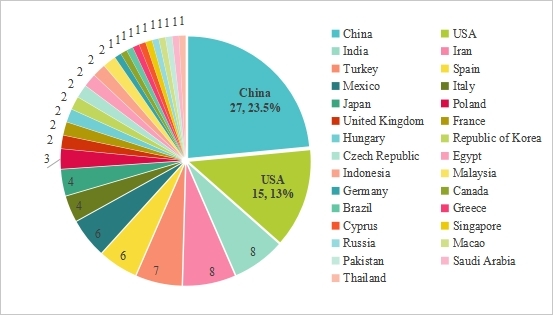
Figure 7 Country Distribution of ENT Reviewers in 2025
Publishing Ethics and Standards
ENT is committed to upholding internationally recognized standards of publication ethics and academic integrity. In 2025, the journal further strengthened its adherence to international guidelines and best practices, including those issued by the Committee on Publication Ethics (COPE) and other widely accepted standards in biomedical and neuroscience publishing. Ethical considerations are integrated throughout the manuscript handling and peer review process, supporting transparency, research integrity, and responsible scholarly communication. During the year, ENT also refined its article-type–specific editorial policies. In particular, the journal introduced detailed writing guidance and publication requirements for Case Reports, in alignment with the CARE guidelines. These guidelines align with internationally recognized reporting standards and aim to improve the clarity, completeness, clinical relevance, and ethical robustness of published case-based research, further enhancing the overall quality and credibility of the journal’s published content.
Editorial Board
As of the end of 2025, the Editorial Board of ENT comprised 56 internationally recognized experts from 19 countries, with strong representation from the United States, Italy, Spain, China, France, etc. This global composition helps build diverse scholarly perspectives aligns with the journal’s international authorship and readership. At the same time, the Editorial Board demonstrates a strong scholarly profile, with an average H-index of 52.57; 41.07% of Board members have an H-index exceeding 50. The presence of these experienced and influential scholars provides an authoritative foundation for the journal’s long-term stability and quality assurance.
During the year, 58.62% of Editorial Board members were actively engaged in the journal’s development, contributing through strategic recommendations, peer-review support, manuscript handling, and promotion of the journal & published research. They play a substantive role in maintaining editorial quality and supporting the journal’s operational growth.
Looking ahead, ENT plans to invite additional senior experts to join the Editorial Board, particularly in currently underrepresented but important areas. These efforts will aim to strengthen disciplinary coverage, sustain board vitality, and support the journal’s continued academic development.
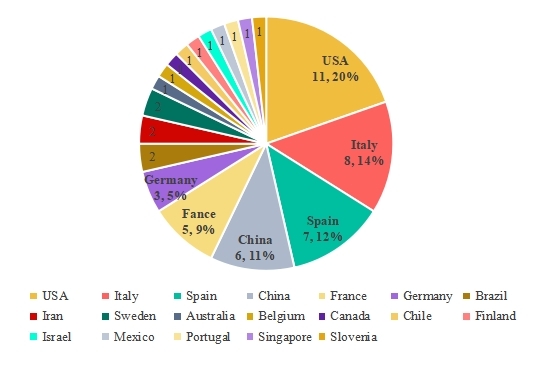
Figure 8 Country Distribution of ENT Editorial Board
Special Issue
In 2025, ENT launched six timely special issues, covering diverse emerging and interdisciplinary topics, including microbiome and neurological diseases, pediatric neurology, neuropsychology, biomarkers, and neurodevelopmental disorders. These special issues were led by internationally recognized experts worldwide, with an average H-index of 24, ensuring solid academic leadership and rigor. Additionally, ENT successfully completed two special issues in 2025, focusing on Alzheimer’s disease and neuroprotection, whose published articles collectively achieved over 43,000 views within the year, showing exceptional reach and impact. We extend our sincere gratitude to all Guest Editors and contributing authors whose dedication and expertise were instrumental in delivering these outstanding thematic collections.
Journal Impact
2025 marked a period of accelerated growth in the academic impact of ENT. By the end of 2025, ENT had published a total of 135 articles, which together generated 317 new citations within the year alone, with a year-on-year growth of approximately 162%. This surge brought the cumulative citation count to 525, and importantly, the citation increase is distributed across multiple publication years rather than being driven by a small number of highly cited outliers, pointing to a more balanced and sustainable citation profile. The journal’s average citations per article increased significantly from 2.1 to 3.61. And the journal’s current year citation rate is 20% in 2025, as the newer publications are being cited more frequently at an earlier stage in their lifecycle. These data demonstrate the rising influence and recognition of the journal’s published content within the scholarly community.
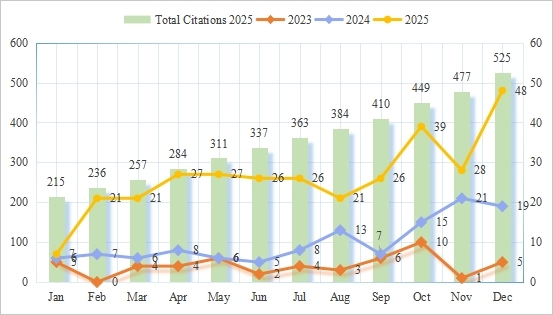
Figure 9 Citation Trends of ENT 2023-2025
Another major milestone was reached in June 2025 when ENT received its first official Scopus CiteScore of 2.0. This indicates a critical transition from early-stage indexing to measurable citation impact. This initial benchmark was followed by continued positive momentum, and by December 2025, the CiteScoreTracker had further increased to 2.5. (Scopus preview - Scopus - Exploration of Neuroprotective Therapy)
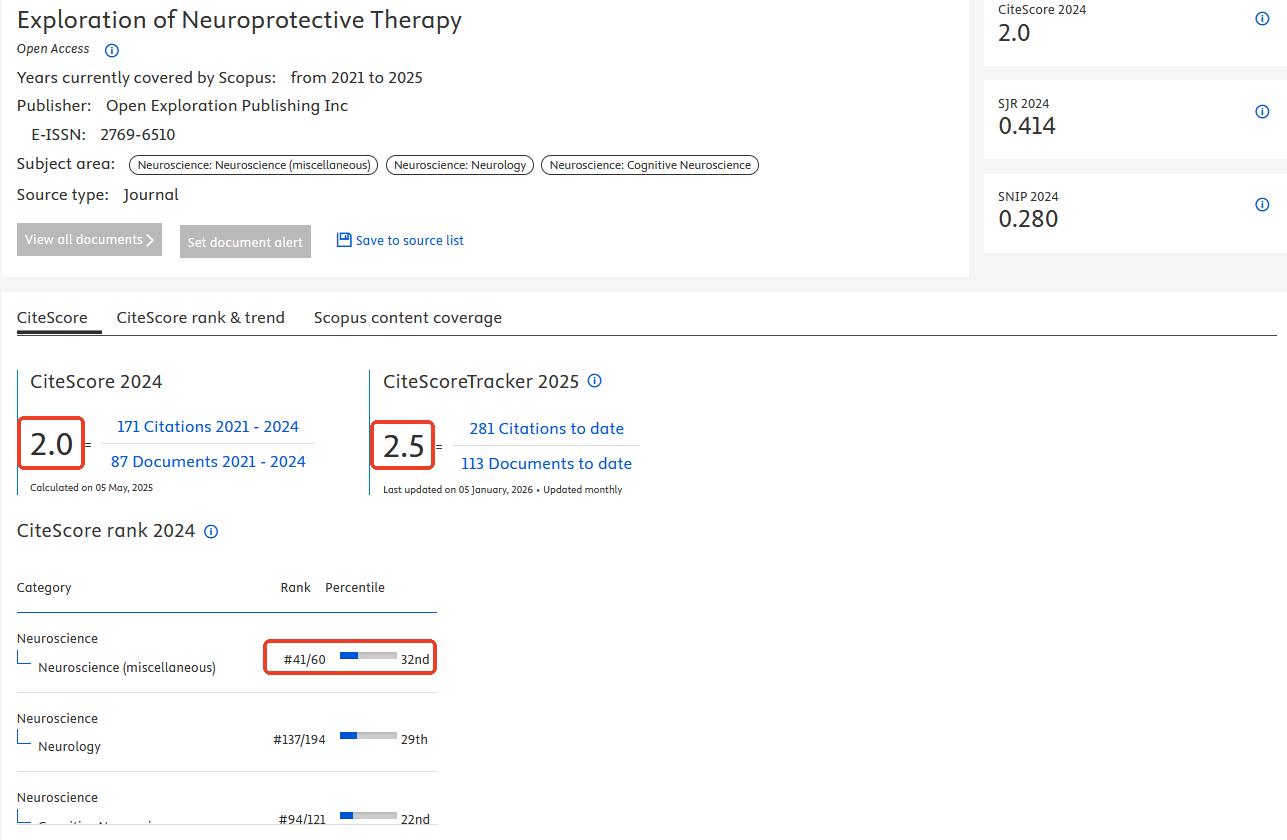
Figure 10 Scopus Page of ENT
Publicity & Promotion
In 2025, ENT continued to strengthen its visibility and outreach through a multi-channel promotion strategy combining social media engagement, conference-based dissemination, and targeted academic sharing, with the hope of building its brand as a reliable platform for neuroscience publishing. Among these channels, LinkedIn remained a particularly effective and more direct platform for audience growth and professional networking. Over the course of the year, through consistent, targeted content sharing, ENT gained an additional 2,597 followers, bringing its LinkedIn network to 8,206 professional connections and 2,461 followers in total, thus cultivating a growing and engaged professional network.
At the same time, ENT also made significant strides in conference promotion. With the strong support of our Associate Editor Dr Vijay K. Sharma and the guest editor Prof. Marco Cavallo, the journal was well-promoted at three international academic conferences in 2025. During these events, ENT was introduced directly to conference participants following scientific presentations, allowing the journal’s missions and publication advantages to be communicated within a highly relevant research context. These activities collectively position ENT as an active participant in the field, and help to attract more potential audience and expand the journal’s standing in the neuroscience community. We will explore more opportunities and events to deepen relationships with our global research audience and improve the journal’s visibility.


Figure 11 ENT promoted in academic conferences
Future Outlook
The year 2025 marked a pivotal phase of maturation for Exploration of Neuroprotective Therapy, as it gradually transitions from a period of early growth to one focused on consolidating academic impact and enhancing its profile in the field. The journal not only achieved sustained growth in manuscript volume and publication output, but also showed meaningful structural improvement, particularly through the marked increase in original research articles and broader engagement from authors and reviewers in scientifically active regions. Furthermore, it also gained its inaugural CiteScore (2.0).
Looking ahead, ENT will focus on consolidating this positive momentum by strengthening its identity as a premier platform for high-quality academic publishing, further optimizing editorial efficiency to accelerate publication cycles, and continuing to bolster efforts in attracting original research articles and promoting the journal. Through these efforts, ENT aims to steadily advance toward becoming a recognized and influential journal within the global neuroscience research community in the coming years.
The continued growth and success of ENT depend fundamentally on the vibrant community of scholars who contribute their expertise. ENT warmly invites more researchers, clinicians, reviewers, and potential guest editors worldwide to actively engage with the journal and contribute to its continued development. As the journal enters a new phase of growth, the participation of dedicated experts is essential to further strengthening editorial quality, expanding disciplinary coverage, and fostering rigorous and constructive peer review. We welcome high-quality submissions and innovative special issue proposals that reflect emerging trends and unmet needs in neuroprotection and neuroscience-related fields. Your engagement will directly contribute to advancing the field of neuroprotective therapy and share in shaping a leading international platform for high-impact neuroscience.
Best regards,
ENT Editorial Office
Contact us: entjournal@explorationpub.com
Journal Website: https://www.explorationpub.com/Journals/ent
Submission Link: https://ent.aressystem.com/

Major Breakthrough: ENT Accepted for Web of Science ESCI
Exploration of Neuroprotective Therapy Achieves Higher 2025 CiteScore of 2.6

Winner of Highly Cited Paper Award 2025

2024 Annual Report of Exploration of Neuroprotective Therapy