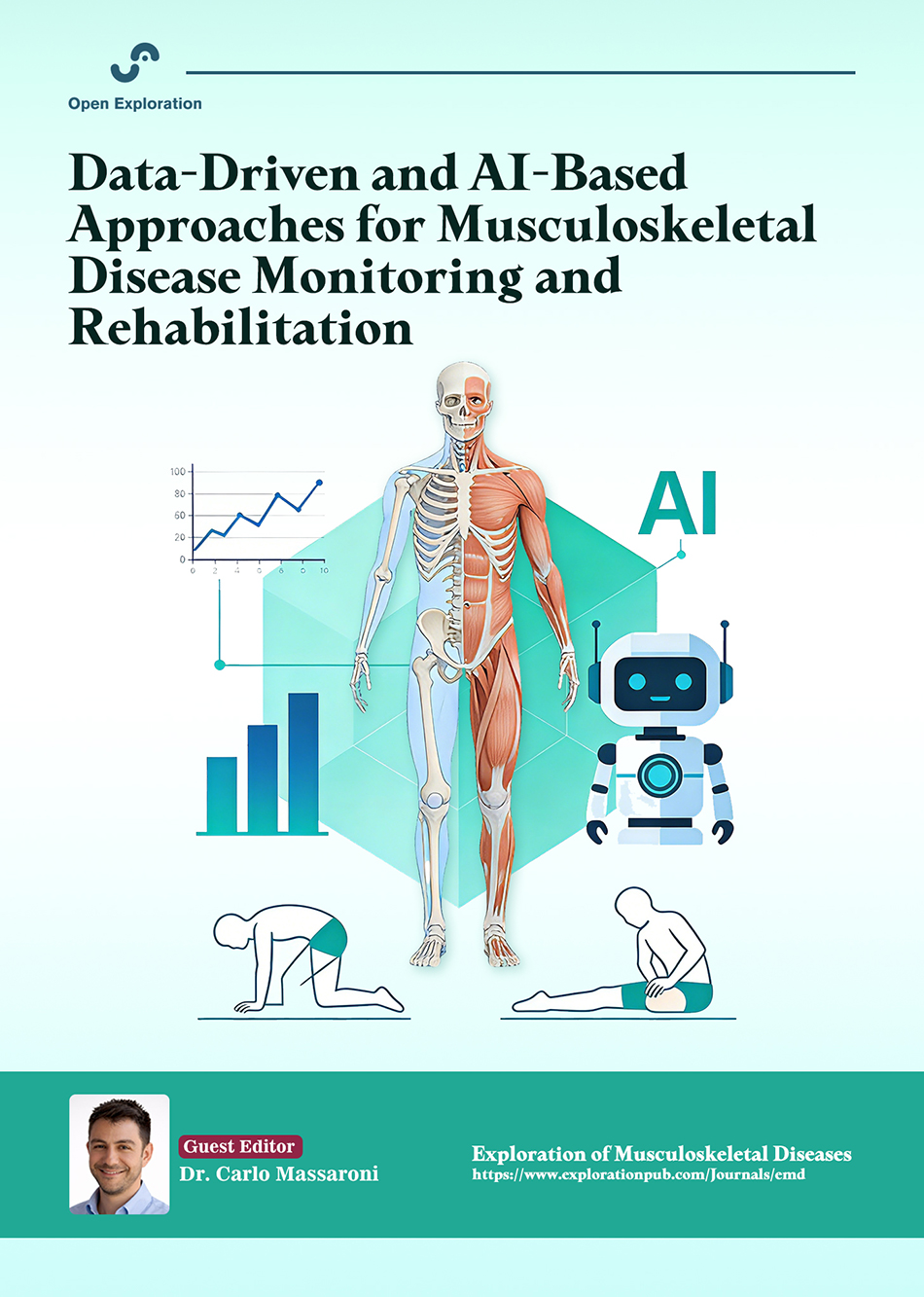
Data-Driven and AI-Based Approaches for Musculoskeletal Disease Monitoring and Rehabilitation
Guest Editor
Dr. Carlo Massaroni E-Mail
Università Campus Bio-Medico di Roma, Italy
Research Keywords: Biomedical instrumentation, unobtrusive sensing, wearable sensors, physiological monitoring, multimodal sensing, human activity monitoring
About the Special lssue
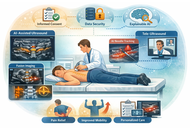
Musculoskeletal (MSK) disorders represent one of the leading causes of disability worldwide, with a growing impact on quality of life, healthcare systems, and socioeconomic sustainability. Effective monitoring and rehabilitation strategies are therefore essential, particularly considering aging populations and the increasing prevalence of chronic MSK conditions. In this context, recent advances in wearable sensing technologies, data-driven methodologies, and artificial intelligence (AI) offer unprecedented opportunities to move beyond episodic clinical assessments toward continuous, personalized, and real-world monitoring of musculoskeletal health.
The integration of wearable/nearable/contactless sensors with AI-based data analysis enables the extraction of meaningful digital biomarkers related to movement quality, muscle activity, joint function, and biomechanical load. These approaches support objective assessment of disease progression, rehabilitation outcomes, and functional recovery, while facilitating adaptive and patient-specific rehabilitation protocols. Furthermore, data-driven models allow the fusion of multimodal signals, such as kinematic, kinetic, and physiological data, enhancing robustness, sensitivity, and clinical relevance.
This Special Issue aims to collect high-quality contributions addressing data-driven and AI-based approaches for MSK disease monitoring and rehabilitation. Topics of interest include, but are not limited to, intelligent wearable/nearable/contactless systems, machine learning and deep learning techniques for biomechanical signal analysis, sensor fusion strategies, validation of digital biomarkers in real-world settings, and translational studies bridging engineering solutions with clinical practice. Emphasis is placed on experimentally validated methodologies, robust measurement frameworks, and solutions capable of operating outside controlled laboratory environments.
Keywords: Sensors, musculoskeletal monitoring, artificial intelligence, data-driven rehabilitation, digital biomarkers
Published Articles