


 Previous
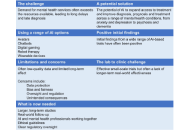
Mental healthcare in a range of countries faces challenges, including rapidly increasing demand at a time of restricted access to services, insufficient mental healthcare professionals and limited funding. This can result in long delays and late diagnosis. The use of artificial intelligence (AI) technology to help to address these shortcomings is therefore being explored in a range of countries, including the UK. The recent increase in reported studies provides an opportunity to review the potential, benefits and drawbacks of this technology. Studies have included AI-based chatbots for patients with depression and anxiety symptoms; AI-facilitated approaches, including virtual reality applications in anxiety disorders; avatar therapy for patients with psychosis; AI humanoid robot-enhanced therapy, for both children and the isolated elderly in care settings; AI animal-like robots to help patients with dementia; and digital game interventions for young people with mental health conditions. Overall, the studies showed positive effects and none reported any adverse side effects. However, the quality of the data was low, mainly due to a lack of studies, a high risk of bias and the heterogeneity of the studies. Importantly also, longer-term effects were often not evident. This suggests that translating small-scale, short-term trials into effective large-scale, longer-term real-world applications may be a particular challenge. While the use of AI in mental healthcare appears to have potential, its use also raises important ethical and privacy concerns, potential risk of bias, and the risk of unintended consequences such as over-diagnosis or unnecessary treatment of normal emotional experiences. More robust, longer-term research with larger patient populations, and clear regulatory frameworks and ethical guidelines to ensure that patients’ rights, privacy and well-being are protected, are therefore needed.
Mental healthcare in a range of countries faces challenges, including rapidly increasing demand at a time of restricted access to services, insufficient mental healthcare professionals and limited funding. This can result in long delays and late diagnosis. The use of artificial intelligence (AI) technology to help to address these shortcomings is therefore being explored in a range of countries, including the UK. The recent increase in reported studies provides an opportunity to review the potential, benefits and drawbacks of this technology. Studies have included AI-based chatbots for patients with depression and anxiety symptoms; AI-facilitated approaches, including virtual reality applications in anxiety disorders; avatar therapy for patients with psychosis; AI humanoid robot-enhanced therapy, for both children and the isolated elderly in care settings; AI animal-like robots to help patients with dementia; and digital game interventions for young people with mental health conditions. Overall, the studies showed positive effects and none reported any adverse side effects. However, the quality of the data was low, mainly due to a lack of studies, a high risk of bias and the heterogeneity of the studies. Importantly also, longer-term effects were often not evident. This suggests that translating small-scale, short-term trials into effective large-scale, longer-term real-world applications may be a particular challenge. While the use of AI in mental healthcare appears to have potential, its use also raises important ethical and privacy concerns, potential risk of bias, and the risk of unintended consequences such as over-diagnosis or unnecessary treatment of normal emotional experiences. More robust, longer-term research with larger patient populations, and clear regulatory frameworks and ethical guidelines to ensure that patients’ rights, privacy and well-being are protected, are therefore needed.
DOI: https://doi.org/10.37349/edht.2025.101143
This article belongs to the special issue Digital Health Innovations in the Battle Against Psychological Problems: Progress, Hurdles, and Prospects


Aim:
Genetic instability represents the hallmark of carcinogenesis. For cancer, the retinoblastoma (RB) gene defect allowing genetic instability was successfully exploited to eliminate cancer. Similarly, this study aims to assess the genetic instability of the severe acute respiratory syndrome coronavirus 2 (SARS-CoV-2) spike protein’s S1/S2 furin cleavage site in hopes of applying oligonucleotide-based therapeutics to suppress infectivity by exploiting hypermutability.
Methods:
The Basic Local Alignment Search Tool was used to search for homology. Protein or nucleotide sequences were obtained from the National Center for Biotechnology Information database. BioEdit was used for multiple sequence alignment. Python-enhanced molecular graphics program was used for molecular modeling.
Results:
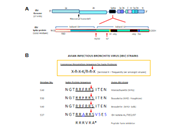
To assess feasibility, comparative sequence alignment was performed on S1/S2 site plus juxtaposing residues of SARS-CoV-2 and avian infectious bronchitis virus (IBV) isolate AL/7052/97 that belongs to distinct genus. IBV amino acids correlating to 678-TNSPRRARSVASQS of SARS-CoV-2 spike protein were deciphered (nine identical, two conserved, two displaced, and one unconserved). The encoding nucleotides exhibited 14 identities, three transitions (C>U or U>C, two; G>A or A>G, one), and 15 transversions (U>A or A>U, eight; C>G or G>C, six; G>U or U>G, one) with mostly complementary base (14/15) for transversion. Analysis of SARS-CoV-2 variants corroborates that S1/S2 site continues to evolve. The overall data portrays an evolutionarily dynamic nature of S1/S2 site. The potential role of intragenomic ‘microhomology-mediated template switching’ by RNA-dependent RNA polymerase is described.
Conclusions:
To apply virolytic pressure, peptide-guided oligonucleotides targeting S1/S2 site-encoding sequences may be deployed to trigger genomic RNA degradation. A potential consequence is that resistant variants (if emerge) may carry mutation(s) in S1/S2 site-encoding sequence to abrogate hybridization, which (by default) may encode defective substrate for furin. Thus, through ‘targeting oligonucleotides directed devolution’ of S1/S2 site, the infectivity of SARS-CoV-2 may be attenuated. An alternative strategy of oligonucleotide-based therapeutic editing by adenosine deaminases acting on RNA (ADAR) is mentioned.
DOI: https://doi.org/10.37349/edht.2025.101142
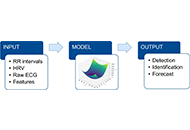
Atrial fibrillation (AF) is the most prevalent cardiac arrhythmia and can lead to severe complications such as stroke. Artificial intelligence (AI) has emerged as a vital tool in predicting and detecting AF, with machine learning (ML) models trained on electrocardiogram (ECG) data now capable of identifying high-risk patients or predicting the imminent onset of AF. Precision medicine aims to tailor medical interventions for specific sub-populations of patients who are most likely to benefit, utilizing large genomic datasets. Genetic studies have identified numerous loci associated with AF, yet translating this knowledge into clinical practice remains challenging. This paper explores the potential of AI in precision medicine for AF and examines its advantages, particularly when integrated with or compared to genomics. AI-driven ECG analysis provides a practical and cost-effective method for early detection and personalized treatment, complementing genomic approaches. AI-based diagnosis of AF allows for near-certain prediction, effectively relieving cardiologists of this task. In the context of preventive identification, AI enhances the accuracy of predictive models from 75% to 85% when ML is employed. In predicting the exact onset of AF—where human capability is virtually nonexistent—AI achieves a 74% accuracy rate, offering significant added value. The primary advantage of utilizing ECGs over genomic data lies in their ability to capture lifetime variations in a patient’s cardiac activity. AI-driven analysis of ECGs enables dynamic risk assessment and personalized adaptation of therapeutic strategies, optimizing patient outcomes. Genomics, on the other hand, enables the personalization of care for each patient. By integrating AI with ECG and genomic data, truly individualized care becomes achievable, surpassing the limitations of the “average patient” model.
Atrial fibrillation (AF) is the most prevalent cardiac arrhythmia and can lead to severe complications such as stroke. Artificial intelligence (AI) has emerged as a vital tool in predicting and detecting AF, with machine learning (ML) models trained on electrocardiogram (ECG) data now capable of identifying high-risk patients or predicting the imminent onset of AF. Precision medicine aims to tailor medical interventions for specific sub-populations of patients who are most likely to benefit, utilizing large genomic datasets. Genetic studies have identified numerous loci associated with AF, yet translating this knowledge into clinical practice remains challenging. This paper explores the potential of AI in precision medicine for AF and examines its advantages, particularly when integrated with or compared to genomics. AI-driven ECG analysis provides a practical and cost-effective method for early detection and personalized treatment, complementing genomic approaches. AI-based diagnosis of AF allows for near-certain prediction, effectively relieving cardiologists of this task. In the context of preventive identification, AI enhances the accuracy of predictive models from 75% to 85% when ML is employed. In predicting the exact onset of AF—where human capability is virtually nonexistent—AI achieves a 74% accuracy rate, offering significant added value. The primary advantage of utilizing ECGs over genomic data lies in their ability to capture lifetime variations in a patient’s cardiac activity. AI-driven analysis of ECGs enables dynamic risk assessment and personalized adaptation of therapeutic strategies, optimizing patient outcomes. Genomics, on the other hand, enables the personalization of care for each patient. By integrating AI with ECG and genomic data, truly individualized care becomes achievable, surpassing the limitations of the “average patient” model.
DOI: https://doi.org/10.37349/edht.2025.101141
This article belongs to the special issue Wearable Technologies and Application of Machine Learning in Healthcare
Cholera continues to pose a significant public health challenge in Nigeria, driven by poor sanitation, inadequate water quality, and climatic factors that create favorable conditions for outbreaks. Since the first epidemic in 1972, Nigeria has experienced recurrent outbreaks, with the most severe in 1991, resulting in over 7,000 deaths. Current surveillance systems and diagnostic methods are limited by infrastructural gaps, insufficient skilled personnel, and inadequate reporting, leading to delays in outbreak detection and response. These limitations exacerbate the public health burden, increasing mortality and the economic impact of cholera epidemics. This paper explores the potential of artificial intelligence (AI) and machine learning (ML) to address these challenges. AI technologies, including predictive modeling and ML algorithms such as random forests and convolutional neural networks (CNNs), can analyze diverse data sources—such as meteorological, environmental, and health records—to detect patterns and predict outbreaks. Case studies from other cholera-endemic regions, where AI achieved high predictive accuracy, demonstrate its transformative potential. By integrating AI into Nigeria’s public health infrastructure, early detection and response can be improved, resource allocation optimized, and disease transmission minimized. However, challenges such as data quality, standardization, and infrastructural deficits must be addressed. Multi-sectoral collaboration involving public health authorities, AI specialists, and policymakers is essential for the successful deployment of these technologies. This article concludes that AI-powered cholera surveillance systems have the potential to revolutionize public health outcomes, reducing cholera-related morbidity and mortality in resource-limited settings like Nigeria.
Cholera continues to pose a significant public health challenge in Nigeria, driven by poor sanitation, inadequate water quality, and climatic factors that create favorable conditions for outbreaks. Since the first epidemic in 1972, Nigeria has experienced recurrent outbreaks, with the most severe in 1991, resulting in over 7,000 deaths. Current surveillance systems and diagnostic methods are limited by infrastructural gaps, insufficient skilled personnel, and inadequate reporting, leading to delays in outbreak detection and response. These limitations exacerbate the public health burden, increasing mortality and the economic impact of cholera epidemics. This paper explores the potential of artificial intelligence (AI) and machine learning (ML) to address these challenges. AI technologies, including predictive modeling and ML algorithms such as random forests and convolutional neural networks (CNNs), can analyze diverse data sources—such as meteorological, environmental, and health records—to detect patterns and predict outbreaks. Case studies from other cholera-endemic regions, where AI achieved high predictive accuracy, demonstrate its transformative potential. By integrating AI into Nigeria’s public health infrastructure, early detection and response can be improved, resource allocation optimized, and disease transmission minimized. However, challenges such as data quality, standardization, and infrastructural deficits must be addressed. Multi-sectoral collaboration involving public health authorities, AI specialists, and policymakers is essential for the successful deployment of these technologies. This article concludes that AI-powered cholera surveillance systems have the potential to revolutionize public health outcomes, reducing cholera-related morbidity and mortality in resource-limited settings like Nigeria.
DOI: https://doi.org/10.37349/edht.2025.101140
This study aims to assess a new mobile application (app)’s efficacy in raising oral cancer awareness among older adults through educational videos and serious games. The app, named TEGO® (Tele-platform of Geriatric and Dental Specialties), with a video about oral cancer prevention, oral-self-examination, and serious gaming elements, like trivia and word search puzzles to reinforce the acquired knowledge was developed. Fifty-six patients, aged 60 to 80 years, were randomly selected from the Dental Clinic of the University of Chile and invited to use the app on their personal smartphones. Knowledge and attitudes were evaluated before two and four weeks after use. Oral self-examination practices were measured with a checkup guideline. The participation rate was 41.1%, mostly male (52.2%). Before using the app, 30.4% of the participants reported awareness of oral cancer, and none had performed oral self-examinations. Following two weeks after use, there was notable engagement, with 100% of participants utilizing it and responding that they had heard about oral cancer, and 56.5% having practiced an oral self-examination. This last outcome increased to 82.6% in the fourth week. The use of mHealth technologies has the potential as an effective educational tool for disseminating knowledge about oral cancer among older adults.
This study aims to assess a new mobile application (app)’s efficacy in raising oral cancer awareness among older adults through educational videos and serious games. The app, named TEGO® (Tele-platform of Geriatric and Dental Specialties), with a video about oral cancer prevention, oral-self-examination, and serious gaming elements, like trivia and word search puzzles to reinforce the acquired knowledge was developed. Fifty-six patients, aged 60 to 80 years, were randomly selected from the Dental Clinic of the University of Chile and invited to use the app on their personal smartphones. Knowledge and attitudes were evaluated before two and four weeks after use. Oral self-examination practices were measured with a checkup guideline. The participation rate was 41.1%, mostly male (52.2%). Before using the app, 30.4% of the participants reported awareness of oral cancer, and none had performed oral self-examinations. Following two weeks after use, there was notable engagement, with 100% of participants utilizing it and responding that they had heard about oral cancer, and 56.5% having practiced an oral self-examination. This last outcome increased to 82.6% in the fourth week. The use of mHealth technologies has the potential as an effective educational tool for disseminating knowledge about oral cancer among older adults.
DOI: https://doi.org/10.37349/edht.2025.101139
This article belongs to the special issue Digital Health Technologies for the Early Detection of Oral Cancer
Confocal laser endomicroscopy (CLE) enables real-time diagnosis of oral cancer and potentially malignant disorders by in vivo microscopic tissue examination. One impediment to the widespread clinical adoption of this technology is the need for operator expertise in image interpretation. Here we review the application of AI to automatic tissue classification of CLE images and discuss the opportunities for integrating this technology to advance the adoption of real-time digital pathology thus improving speed, precision and reproducibility.
Confocal laser endomicroscopy (CLE) enables real-time diagnosis of oral cancer and potentially malignant disorders by in vivo microscopic tissue examination. One impediment to the widespread clinical adoption of this technology is the need for operator expertise in image interpretation. Here we review the application of AI to automatic tissue classification of CLE images and discuss the opportunities for integrating this technology to advance the adoption of real-time digital pathology thus improving speed, precision and reproducibility.
DOI: https://doi.org/10.37349/edht.2025.101138
This article belongs to the special issue Digital Health Technologies for the Early Detection of Oral Cancer
Aim:
Physical activity of nursing home residents can be assessed with tools such as questionnaires and standardized fitness tests. For residents with dementia, however, those tools can be cognitively challenging and difficult to administer. Consumer wearables could potentially aid as an affordable tool for ubiquitous assessment.
Methods:
In this pilot study with 16 participants, we explored how measurements with an off-the-shelf wearable relate to structured observations of physical activity. We collected both processed and raw tri-axial accelerometer data from Samsung wrist-worn fitness trackers. To anchor those data in the free-living environment, we compared the measurements with the physical activity scale of the Medlo behavioral observation scheme.
Results:
We showed that consumer wearables are a valid tool for long-term data collection in this vulnerable patient population.
Conclusions:
Regarding the movement intensity, the data collected by fitness trackers is overall in accordance with the data collected with the observational tool. Regarding the type of movement, we concluded that the automatic activity classification on the wearables is not yet ready for use with a mostly sedentary patient population.
DOI: https://doi.org/10.37349/edht.2025.101137
This article belongs to the special issue Wearable Technologies and Application of Machine Learning in Healthcare
Aim:
The primary aim was to develop and test a telemedicine program for oral cancer screening by dentists in primary care. The secondary aim was to analyze the sensitivity of the provisional diagnosis compared to the definitive diagnosis.
Methods:
A retrospective observational study that used telemedicine for oral cancer case detection was conducted in Cordoba, Argentina from 2018 to 2023, oral medicine specialists provided in-person training for dentists on the clinical recognition and early diagnosis of oral squamous cell carcinoma (OSCC) and oral potentially malignant disorders (OPMD), and telemedicine use for the early detection of oral cancer. The trained professionals conducted opportunistic screenings in their workplaces. When encountering a suspicious lesion on the oral mucosa, they collected relevant patient data and clinical photographs of the lesion, sharing these with the reference center. The specialized center was based at the Oral Medicine unit at the Facultad de Odontología, Universidad Nacional de Córdoba, Argentina. The specialists suggested radiographic examinations and/or pre-surgical laboratory tests and, if necessary, expedited referral to the specialized center for in-person assessment and definitive diagnosis.
Results:
Cases with clinical suspicion of OSCC and OPMD were referred to the reference center. In all cases, the definitive diagnosis was obtained within less than 1 month. Eleven out of 12 cases of OSCC were diagnosed within 2 weeks, with only 1 case diagnosed at 1 month due to some patient delay. The concordance between the clinical suspicion at the time of teleconsultation and the definitive diagnosis of OSCC by the specialists was absolute (Kappa test, coefficient 1), with a sensitivity and specificity of 100%.
Conclusions:
Integrating telemedicine with other preventive strategies and timely referral to oral medicine specialists could potentially decrease diagnostic delays in OSCC and OPMD.
DOI: https://doi.org/10.37349/edht.2025.101136
This article belongs to the special issue Digital Health Technologies for the Early Detection of Oral Cancer
This research provided an in-depth analysis of endoscopic capsules as an innovative application of the Internet of Things (IoT) in healthcare. The study revealed the importance of these systems in advancing gastrointestinal diagnostics due to their non-invasive nature and ability to provide comprehensive internal imaging. The work systematically investigated the device’s technical design, power management strategies, communication protocols, and how it performs its secure and efficient operations. Findings from this analysis highlighted the transformative impact of these capsules despite current constraints, such as battery limitations and procedural costs. Ultimately, this wide review confirmed that endoscopic capsules redefine medical diagnostics, fusing patient comfort with innovative technology. Moreover, as developments continue, these devices have promising potential to shape the future of intelligent, interconnected healthcare solutions.
This research provided an in-depth analysis of endoscopic capsules as an innovative application of the Internet of Things (IoT) in healthcare. The study revealed the importance of these systems in advancing gastrointestinal diagnostics due to their non-invasive nature and ability to provide comprehensive internal imaging. The work systematically investigated the device’s technical design, power management strategies, communication protocols, and how it performs its secure and efficient operations. Findings from this analysis highlighted the transformative impact of these capsules despite current constraints, such as battery limitations and procedural costs. Ultimately, this wide review confirmed that endoscopic capsules redefine medical diagnostics, fusing patient comfort with innovative technology. Moreover, as developments continue, these devices have promising potential to shape the future of intelligent, interconnected healthcare solutions.
DOI: https://doi.org/10.37349/edht.2024.00033
This article belongs to the special issue Wearable Technologies and Application of Machine Learning in Healthcare
Somalia’s healthcare system faces significant challenges, including limited infrastructure, a shortage of healthcare professionals (2.5 physicians per 10,000 people), and geographic disparities in access to care, leading to only 35% of the population having access to basic health services. Despite these, Somalia is embracing digital health technologies to address these challenges and to improve healthcare delivery. Telehealth platforms such as Baano and SomDoctor provide remote consultations and specialized care to overcome geographical barriers. mHealth solutions, including Hello! Caafi, leverages Somalia’s expanding telecommunications network to deliver healthcare information and services. The development of an electronic immunization registry demonstrated the role of digital health records in streamlining health services and improving data accuracy. Despite the potential benefits, challenges persist, including limited and unreliable Internet access (27.6% penetration rate), and the need to ensure data privacy and security. Capacity building and digital literacy enhancement among healthcare providers and populations are crucial. Learning from successful digital health initiatives in African countries that have effectively used digital health technologies for medical supply delivery and for improved healthcare access is essential. The roadmap for Somalia emphasizes government leadership, public-private partnerships, context-specific solutions, and investment in digital infrastructure, capacity building, and data privacy measures. This perspective explores current digital health innovations in Somalia and their potential impact on healthcare access and quality, outlining a roadmap for establishing a sustainable digital health ecosystem.
Somalia’s healthcare system faces significant challenges, including limited infrastructure, a shortage of healthcare professionals (2.5 physicians per 10,000 people), and geographic disparities in access to care, leading to only 35% of the population having access to basic health services. Despite these, Somalia is embracing digital health technologies to address these challenges and to improve healthcare delivery. Telehealth platforms such as Baano and SomDoctor provide remote consultations and specialized care to overcome geographical barriers. mHealth solutions, including Hello! Caafi, leverages Somalia’s expanding telecommunications network to deliver healthcare information and services. The development of an electronic immunization registry demonstrated the role of digital health records in streamlining health services and improving data accuracy. Despite the potential benefits, challenges persist, including limited and unreliable Internet access (27.6% penetration rate), and the need to ensure data privacy and security. Capacity building and digital literacy enhancement among healthcare providers and populations are crucial. Learning from successful digital health initiatives in African countries that have effectively used digital health technologies for medical supply delivery and for improved healthcare access is essential. The roadmap for Somalia emphasizes government leadership, public-private partnerships, context-specific solutions, and investment in digital infrastructure, capacity building, and data privacy measures. This perspective explores current digital health innovations in Somalia and their potential impact on healthcare access and quality, outlining a roadmap for establishing a sustainable digital health ecosystem.
DOI: https://doi.org/10.37349/edht.2024.00034
The health sector in Yemen has experienced significant challenges due to prolonged conflict and suboptimal governance, making the development of digital health (DH) crucial. This study highlights the urgent need for the strategic implementation of health interventions in a country where fully functional healthcare facilities, low-income levels, damaged infrastructure, and suboptimal governance limit the effectiveness of traditional interventions. It discusses the prioritized step for advancing DH as a root issue that needs to be addressed first and highlights the importance of effective and efficient management of available resources. The development of telecommunication infrastructure is a fundamental pillar for advancing DH in the country. This comes along with consideration of effective management of the available resources and collaborative efforts among all parties, which are critically important to remove restrictions and constraints relevant to the administrative division and fragmentation of the healthcare system and objectively ensure universal coverage of telecommunications and healthcare services nationwide. By leveraging DH technologies (DHTs), Yemen can overcome these obstacles and revolutionize healthcare delivery. Implementing DHTs and related projects can ensure equitable access to high-quality healthcare services, particularly for impoverished individuals. However, the success of these initiatives relies on a well-established supportive policy and regulatory framework, improved public communication systems, targeted strategies, community engagement, and collaboration between medical service providers and community healthcare workers. Awareness campaigns, workshops, research collaborations, and engagement with international organizations are highly recommended to address challenges and foster the growth and development of DH in Yemen.
The health sector in Yemen has experienced significant challenges due to prolonged conflict and suboptimal governance, making the development of digital health (DH) crucial. This study highlights the urgent need for the strategic implementation of health interventions in a country where fully functional healthcare facilities, low-income levels, damaged infrastructure, and suboptimal governance limit the effectiveness of traditional interventions. It discusses the prioritized step for advancing DH as a root issue that needs to be addressed first and highlights the importance of effective and efficient management of available resources. The development of telecommunication infrastructure is a fundamental pillar for advancing DH in the country. This comes along with consideration of effective management of the available resources and collaborative efforts among all parties, which are critically important to remove restrictions and constraints relevant to the administrative division and fragmentation of the healthcare system and objectively ensure universal coverage of telecommunications and healthcare services nationwide. By leveraging DH technologies (DHTs), Yemen can overcome these obstacles and revolutionize healthcare delivery. Implementing DHTs and related projects can ensure equitable access to high-quality healthcare services, particularly for impoverished individuals. However, the success of these initiatives relies on a well-established supportive policy and regulatory framework, improved public communication systems, targeted strategies, community engagement, and collaboration between medical service providers and community healthcare workers. Awareness campaigns, workshops, research collaborations, and engagement with international organizations are highly recommended to address challenges and foster the growth and development of DH in Yemen.
DOI: https://doi.org/10.37349/edht.2024.00035
Aim:
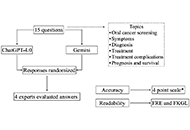
This study aims to evaluate the accuracy and readability of responses generated by two large language models (LLMs) (ChatGPT-4 and Gemini) to frequently asked questions by lay persons (the general public) about signs and symptoms, risk factors, screening, diagnosis, treatment, prevention, and survival in relation to oral cancer.
Methods:
The accuracy of each response given in the two LLMs was rated by four oral cancer experts, blinded to the source of the responses. The accuracy was rated as 1: complete, 2: correct but insufficient, 3: includes correct and incorrect/outdated information, and 4: completely incorrect. Frequency, mean scores for each question, and overall were calculated. Readability was analyzed using the Flesch Reading Ease and the Flesch-Kincaid Grade Level (FKGL) tests.
Results:
The mean accuracy scores for ChatGPT-4 responses ranged from 1.00 to 2.00, with an overall mean score of 1.50 (SD 0.36), indicating that responses were usually correct but sometimes insufficient. Gemini responses had mean scores ranging from 1.00 to 1.75, with an overall mean score of 1.20 (SD 0.27), suggesting more complete responses. The Mann-Whitney U test revealed a statistically significant difference between the models’ scores (p = 0.02), with Gemini outperforming ChatGPT-4 in terms of completeness and accuracy. ChatGPT generally produces content at a lower grade level (average FKGL: 10.3) compared to Gemini (average FKGL: 12.3) (p = 0.004).
Conclusions:
Gemini provides more complete and accurate responses to questions about oral cancer that lay people may seek answers to compared to ChatGPT-4, although its responses were less readable. Further improvements in model training and evaluation consistency are needed to enhance the reliability and utility of LLMs in healthcare settings.
DOI: https://doi.org/10.37349/edht.2024.00032
This article belongs to the special issue Digital Health Technologies for the Early Detection of Oral Cancer
Background:
Social media has become ubiquitous; its uses reach beyond connecting individuals or organizations. Many biomedical researchers have found social media to be a useful tool in recruiting patients for clinical studies, crowdsourcing for cross-sectional studies, and even as a method of intervention. Social media usefulness in biomedical research has largely been in population health and non-surgical specialties, however, its usefulness in surgical specialties should not be overlooked. Specifically in plastic surgery, social media use to understand patient perceptions, identify populations, and provide care has become an important part of clinical practice.
Methods:
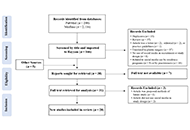
A scoping review was performed utilizing PubMed and Medline databases, and articles were screened for the use of social media as a method of recruitment to a clinical trial, as crowdsourcing (i.e., recruitment for a cross-sectional or survey-based study), or as a method of intervention.
Results:
A total of 28 studies were included, which focused on majority females between 18–34 years old. Despite the ability of the internet and social media to connect people worldwide, nearly all the studies focused on the researchers’ home countries. The studies largely focused on social media’s effect on self-esteem and acceptance of cosmetic surgery, but other notable trends were analyses of patient perceptions of a disease, or surgical outcomes as reported in social media posts.
Discussion:
Overall, social media can be a useful tool for plastic surgeons looking to recruit patients for a survey-based study or crowdsourcing of information.
DOI: https://doi.org/10.37349/edht.2024.00031
This article belongs to the special issue Social Media Applications in Biomedical Research
Aim:
In lung cancer research, AI has been trained to read chest radiographs, which has led to improved health outcomes. However, the use of AI in healthcare settings is not without its own set of drawbacks, with bias being primary among them. This study seeks to investigate AI bias in diagnosing and treating lung cancer patients. The research objectives of this study are threefold: 1) To determine which features of patient datasets are most susceptible to AI bias; 2) to then measure the extent of such bias; and 3) from the findings generated, offer recommendations for overcoming the pitfalls of AI in lung cancer therapy for the delivery of more accurate and equitable healthcare.
Methods:
We created a synthetic database consisting of 50 lung cancer patients using a large language model (LLM). We then used a logistic regression model to detect bias in AI-informed treatment plans.
Results:
The empirical results from our synthetic patient data illustrate AI bias along the lines of (1) patient demographics (specifically, age) and (2) disease classification/histology. As it concerns patient age, the model exhibited an accuracy rate of 82.7% for patients < 60 years compared to 85.7% for patients ≥ 60 years. Regarding disease type, the model was less adept in identifying treatment categories for adenocarcinoma (accuracy rate: 83.7%) than it was in predicting treatment categories for squamous cell carcinoma (accuracy rate: 92.3%).
Conclusions:
We address the implications of such results in terms of how they may exacerbate existing health disparities for certain patient populations. We conclude by outlining several strategies for addressing AI bias, including generating a more robust training dataset, developing software tools to detect bias, making the model’s code open access and soliciting user feedback, inviting oversight from an ethics review board, and augmenting patient datasets by synthesizing the underrepresented data.
DOI: https://doi.org/10.37349/edht.2024.00030
Teledentistry has emerged as a promising tool in bridging the gap in healthcare accessibility, particularly in regions like Latin America region, where resources for oral healthcare are often limited. Drawing upon a comprehensive review of literature, this overview assessed the applications and clinical outcomes of teledentistry in diagnosing oral potentially malignant disorders (OPMDs) and oral cancer, highlighting the challenges and opportunities specific to the Latin American context. Moreover, it examined the integration of artificial intelligence algorithms and teledentistry for enhancing diagnostic accuracy, thereby optimizing resource allocation and improving patient outcomes. By elucidating the current landscape and future prospects, this overview provided insights for policymakers, healthcare providers, and researchers, fostering advancements in oral healthcare delivery with the aim of reducing the burden of OPMDs and oral cancer in the Latin American region.
Teledentistry has emerged as a promising tool in bridging the gap in healthcare accessibility, particularly in regions like Latin America region, where resources for oral healthcare are often limited. Drawing upon a comprehensive review of literature, this overview assessed the applications and clinical outcomes of teledentistry in diagnosing oral potentially malignant disorders (OPMDs) and oral cancer, highlighting the challenges and opportunities specific to the Latin American context. Moreover, it examined the integration of artificial intelligence algorithms and teledentistry for enhancing diagnostic accuracy, thereby optimizing resource allocation and improving patient outcomes. By elucidating the current landscape and future prospects, this overview provided insights for policymakers, healthcare providers, and researchers, fostering advancements in oral healthcare delivery with the aim of reducing the burden of OPMDs and oral cancer in the Latin American region.
DOI: https://doi.org/10.37349/edht.2024.00029
This article belongs to the special issue Digital Health Technologies for the Early Detection of Oral Cancer
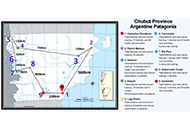
Geographic areas like Argentine Patagonia face significant barriers in the fight against oral cancer due to great distances, extreme weather conditions, and a shortage of specialists. These factors contribute to delayed diagnosis and treatment, adversely affecting patient outcomes. The aim of this study was to describe a pilot project to establish the telemedicine network of Chubut (Argentine Patagonia) for the early diagnosis of oral cancer. This perspective study also aimed to describe the advantages and disadvantages of using this tool in remote areas with limited access to healthcare services. Healthcare professionals, including nurses, dentists, doctors, and healthcare workers, were trained in the early diagnosis of oral cancer and high-risk oral lesions by five specialists in Oral Medicine, who traveled throughout Argentine Patagonia. Additionally, training was provided on the use of smartphones to obtain clinical images and data for remote consultations via telemedicine with a specialized center. Over 2,000 km were traveled, and more than 100 healthcare professionals were trained in six towns and localities in Patagonia, Argentina, encountering various limitations for the use of telemedicine in remote areas, such as connectivity issues. The first telemedicine network of Patagonia for the diagnosis of oral cancer was created and is now operational, receiving teleconsultations and referrals from the professionals trained during the journey. This study highlighted that telemedicine is an important tool to overcome geographical barriers and improve access to medical care, especially in remote areas. It promotes agility and speed in referrals and optimizes the available resources of the health system. Future studies should analyze the impact of telemedicine in decreasing the delay of oral cancer diagnosis in Southern Argentina.
Geographic areas like Argentine Patagonia face significant barriers in the fight against oral cancer due to great distances, extreme weather conditions, and a shortage of specialists. These factors contribute to delayed diagnosis and treatment, adversely affecting patient outcomes. The aim of this study was to describe a pilot project to establish the telemedicine network of Chubut (Argentine Patagonia) for the early diagnosis of oral cancer. This perspective study also aimed to describe the advantages and disadvantages of using this tool in remote areas with limited access to healthcare services. Healthcare professionals, including nurses, dentists, doctors, and healthcare workers, were trained in the early diagnosis of oral cancer and high-risk oral lesions by five specialists in Oral Medicine, who traveled throughout Argentine Patagonia. Additionally, training was provided on the use of smartphones to obtain clinical images and data for remote consultations via telemedicine with a specialized center. Over 2,000 km were traveled, and more than 100 healthcare professionals were trained in six towns and localities in Patagonia, Argentina, encountering various limitations for the use of telemedicine in remote areas, such as connectivity issues. The first telemedicine network of Patagonia for the diagnosis of oral cancer was created and is now operational, receiving teleconsultations and referrals from the professionals trained during the journey. This study highlighted that telemedicine is an important tool to overcome geographical barriers and improve access to medical care, especially in remote areas. It promotes agility and speed in referrals and optimizes the available resources of the health system. Future studies should analyze the impact of telemedicine in decreasing the delay of oral cancer diagnosis in Southern Argentina.
DOI: https://doi.org/10.37349/edht.2024.00028
This article belongs to the special issue Digital Health Technologies for the Early Detection of Oral Cancer
In the United Kingdom (UK), the current prevalence rates of oropharyngeal cancer linked to human papillomavirus (HPV) are 6.29% and 2.04% in men and women, respectively. Over the years, the burden of this disease has increased in the UK, and this is mainly due to the rising prevalence of HPV infection in the UK. Research evidence has shown that over 70% of oropharyngeal cancers in the UK are linked to HPV. Oral sex is the major route of transmission of HPV, and over 63% of UK young adults are found to have a positive history of oral sex practice. However, only a minority of the UK population are aware of HPV-associated oropharyngeal cancer; this therefore calls for more public health efforts to increase awareness and knowledge on HPV-associated oropharyngeal cancer in the UK. While the use of technology-based, clinic-based, and community-based interventions have been employed to improve public awareness and knowledge on the role of HPV-associated oropharyngeal cancer, mobile health (mhealth) interventions have not been seriously explored despite existing robust evidence on the effective roles of mhealth in improving awareness and knowledge in diverse diseases. This article therefore calls for the adoption and use of mhealth interventions in educating the UK’s population on HPV-associated oropharyngeal cancer. The use of mhealth interventions in this regard is highly viable as its implementation closely aligns with the country’s National Health Service (NHS) commitment towards the digital transformation of the UK’s healthcare system.
In the United Kingdom (UK), the current prevalence rates of oropharyngeal cancer linked to human papillomavirus (HPV) are 6.29% and 2.04% in men and women, respectively. Over the years, the burden of this disease has increased in the UK, and this is mainly due to the rising prevalence of HPV infection in the UK. Research evidence has shown that over 70% of oropharyngeal cancers in the UK are linked to HPV. Oral sex is the major route of transmission of HPV, and over 63% of UK young adults are found to have a positive history of oral sex practice. However, only a minority of the UK population are aware of HPV-associated oropharyngeal cancer; this therefore calls for more public health efforts to increase awareness and knowledge on HPV-associated oropharyngeal cancer in the UK. While the use of technology-based, clinic-based, and community-based interventions have been employed to improve public awareness and knowledge on the role of HPV-associated oropharyngeal cancer, mobile health (mhealth) interventions have not been seriously explored despite existing robust evidence on the effective roles of mhealth in improving awareness and knowledge in diverse diseases. This article therefore calls for the adoption and use of mhealth interventions in educating the UK’s population on HPV-associated oropharyngeal cancer. The use of mhealth interventions in this regard is highly viable as its implementation closely aligns with the country’s National Health Service (NHS) commitment towards the digital transformation of the UK’s healthcare system.
DOI: https://doi.org/10.37349/edht.2024.00027
This article belongs to the special issue Digital Health Technologies for the Early Detection of Oral Cancer
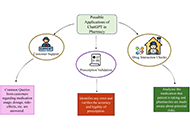
ChatGPT is one of the promising AI-based language models which has the potential to contribute to pharmacy settings in many aspects. This paper focuses on the possible aspects of pharmacy management where ChatGPT can contribute, the prevalence of its use in Saudi Arabia as a practical insight, case studies showing the potential of ChatGPT in answering health-related enquiries, its benefits, challenges, and future prospects of it. Helping clients, verifying medication, examining for potential reactions to drugs, identifying potential interaction between drugs, providing recommendation for suitable alternative medication therapies, assisting healthcare workers and supporting the search for novel medication are the biggest roles that are cited. The study highlights several benefits of using ChatGPT, including greater medical supervision, fewer drug errors, greater power over existing equipment, and support to study about the medicine sector. However, concerns about security, reliability, privacy, over-reliance on AI, and lack of natural judgement must be addressed by careful implementation under human review. The study also provided insight of practical application of ChatGPT in pharmacy education and possible ways of implementing ChatGPT in getting improved care and optimized operation. The future prospect of ChatGPT is promising but requires increased precision, integration of it into education programs, progressing of patient treatment and interaction, and facilitating novel research abilities. In general, the review suggests that ChatGPT has the potential to improve and modernize pharmacy processes but cautious implementation of this developing AI technology, combined with human knowledge is important to improve healthcare in the pharmaceutical field.
ChatGPT is one of the promising AI-based language models which has the potential to contribute to pharmacy settings in many aspects. This paper focuses on the possible aspects of pharmacy management where ChatGPT can contribute, the prevalence of its use in Saudi Arabia as a practical insight, case studies showing the potential of ChatGPT in answering health-related enquiries, its benefits, challenges, and future prospects of it. Helping clients, verifying medication, examining for potential reactions to drugs, identifying potential interaction between drugs, providing recommendation for suitable alternative medication therapies, assisting healthcare workers and supporting the search for novel medication are the biggest roles that are cited. The study highlights several benefits of using ChatGPT, including greater medical supervision, fewer drug errors, greater power over existing equipment, and support to study about the medicine sector. However, concerns about security, reliability, privacy, over-reliance on AI, and lack of natural judgement must be addressed by careful implementation under human review. The study also provided insight of practical application of ChatGPT in pharmacy education and possible ways of implementing ChatGPT in getting improved care and optimized operation. The future prospect of ChatGPT is promising but requires increased precision, integration of it into education programs, progressing of patient treatment and interaction, and facilitating novel research abilities. In general, the review suggests that ChatGPT has the potential to improve and modernize pharmacy processes but cautious implementation of this developing AI technology, combined with human knowledge is important to improve healthcare in the pharmaceutical field.
DOI: https://doi.org/10.37349/edht.2024.00026
Photographic images are an essential tool in oral medicine practice, even though their value is conditioned by their quality. Digital photography using smartphones (SPhs) has had many advances, nowadays allowing the acquisition of high-quality pictures. Compared to professional cameras, it has advantages and disadvantages. The latter comprise photographs out of focus, poorly framed, and lighting problems due to shadows, artifacts, and color alterations, among other problems mainly mediated by the operator. Such defects can limit the proper interpretation of the image representing the patient’s condition. This perspective aims to describe the basic concepts of photography and the functional features of SPhs. This will allow programming those devices properly for oral telemedicine (OTM), understanding their limitations, and correcting errors for the photographs to be used effectively. We also include empirical solutions and illustrations showing that photography with SPhs could be easily executable by any health professional and even by the patients themselves.
Photographic images are an essential tool in oral medicine practice, even though their value is conditioned by their quality. Digital photography using smartphones (SPhs) has had many advances, nowadays allowing the acquisition of high-quality pictures. Compared to professional cameras, it has advantages and disadvantages. The latter comprise photographs out of focus, poorly framed, and lighting problems due to shadows, artifacts, and color alterations, among other problems mainly mediated by the operator. Such defects can limit the proper interpretation of the image representing the patient’s condition. This perspective aims to describe the basic concepts of photography and the functional features of SPhs. This will allow programming those devices properly for oral telemedicine (OTM), understanding their limitations, and correcting errors for the photographs to be used effectively. We also include empirical solutions and illustrations showing that photography with SPhs could be easily executable by any health professional and even by the patients themselves.
DOI: https://doi.org/10.37349/edht.2024.00025
This article belongs to the special issue Digital Health Technologies for the Early Detection of Oral Cancer
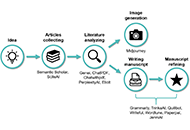
Artificial intelligence (AI) technology is advancing significantly, with many applications already in medicine, healthcare, and biomedical research. Among these fields, the area that AI is remarkably reshaping is biomedical scientific writing. Thousands of AI-based tools can be applied at every step of the writing process, improving time effectiveness, and streamlining authors’ workflow. Out of this variety, choosing the best software for a particular task may pose a challenge. While ChatGPT receives the necessary attention, other AI software should be addressed. In this review, we draw attention to a broad spectrum of AI tools to provide users with a perspective on which steps of their work can be improved. Several medical journals developed policies toward the usage of AI in writing. Even though they refer to the same technology, they differ, leaving a substantially gray area prone to abuse. To address this issue, we comprehensively discuss common ambiguities regarding AI in biomedical scientific writing, such as plagiarism, copyrights, and the obligation of reporting its implementation. In addition, this article aims to raise awareness about misconduct due to insufficient detection, lack of reporting, and unethical practices revolving around AI that might threaten unaware authors and medical society. We provide advice for authors who wish to implement AI in their daily work, emphasizing the need for transparency and the obligation together with the responsibility to maintain biomedical research credibility in the age of artificially enhanced science.
Artificial intelligence (AI) technology is advancing significantly, with many applications already in medicine, healthcare, and biomedical research. Among these fields, the area that AI is remarkably reshaping is biomedical scientific writing. Thousands of AI-based tools can be applied at every step of the writing process, improving time effectiveness, and streamlining authors’ workflow. Out of this variety, choosing the best software for a particular task may pose a challenge. While ChatGPT receives the necessary attention, other AI software should be addressed. In this review, we draw attention to a broad spectrum of AI tools to provide users with a perspective on which steps of their work can be improved. Several medical journals developed policies toward the usage of AI in writing. Even though they refer to the same technology, they differ, leaving a substantially gray area prone to abuse. To address this issue, we comprehensively discuss common ambiguities regarding AI in biomedical scientific writing, such as plagiarism, copyrights, and the obligation of reporting its implementation. In addition, this article aims to raise awareness about misconduct due to insufficient detection, lack of reporting, and unethical practices revolving around AI that might threaten unaware authors and medical society. We provide advice for authors who wish to implement AI in their daily work, emphasizing the need for transparency and the obligation together with the responsibility to maintain biomedical research credibility in the age of artificially enhanced science.
DOI: https://doi.org/10.37349/edht.2024.00024
