

 Previous
Aim:
Animal streptococci surviving thermization of raw milk prior to traditional Greek cheese processing may include both harmless and potentially harmful strains with multiple antibiotic resistances. Therefore, the aims of this study were to biotype and evaluate the antibiotic resistance and primary technological and safety properties of wild streptococci occurring in Greek sheep milk before and after mild thermization.
Methods:
Sixteen Streptococcus isolates previously isolated from two raw/thermized (65oC; 30 s) counterpart milks of native Epirus sheep breeds and identified by 16S ribosomal RNA (rRNA) gene sequencing were biochemically characterized using conventional methods (phenotypic tests, sugar fermentation patterns, API 20 STREP and API ZYM profiles) and assessed for susceptibility to eight antibiotics by the disk diffusion method, and for their milk acidification capacity, bacteriocin activity, enzymatic activity profiles, and biogenic amine (BA) formation in vitro.
Results:
Tetracycline-resistant (57% of the total 7 isolates) Streptococcus parauberis and ciprofloxacin-resistant Streptococcus gallolyticus subsp. pasteurianus (1 isolate) and Streptococcus lutetiensis (2 isolates) strains occurring in raw milk were not recovered post-thermally. Instead, thermization selected for a tetracycline-resistant (50% of the total 6 isolates) thermophilic group previously genotyped as Streptococcus equinus, herein biotyped as Streptococcus pneumoniae. None of the Streptococcus isolates was resistant to ampicillin, chloramphenicol, erythromycin, gentamycin, penicillin, or vancomycin, or β-hemolytic, or produced histamine and tyramine. The milk acidifying activity rate (final skimmed milk pH 4.79 to 5.47 after growth at 37oC for 6 h, gradually decreasing to 22oC for a total of 48 h) of the isolates was species-dependent and increased in the order S. equinus > S. gallolyticus > S. lutetiensis > S. parauberis.
Conclusions:
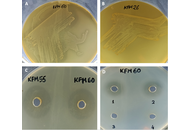
Except for the two bacteriocin-producing and α-galactosidase-positive S. lutetiensis antilisterial strains (KFM 55 and KFM 60), which show promise, all animal streptococci derived from Epirus sheep milk should be considered a priori unsafe for inclusion in complex natural cheese starter cultures because they belong to pathogenic, mastitis-causing species or subspecies. The two promising S. lutetiensis strains require further safety evaluations for streptococcal virulence and antibiotic resistance genes, mainly to ciprofloxacin, before their commercial use as natural cheese starters.
DOI: https://doi.org/10.37349/eff.2026.1010187


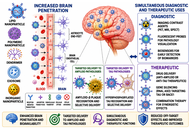
The neurodegenerative condition known as Alzheimer’s disease (AD) is defined chiefly by intraneuronal tangles, large-scale neuronal death, and dementia. Although much progress has been made in Alzheimer’s research, early diagnosis of the disease and effective treatment are difficult; conventional diagnostic tests fail to detect the pathology until there is significant neurodegeneration, and many treatments do not penetrate the blood-brain barrier and have poor target specificity. Nanotechnology has the ability to completely transform neurodegenerative disease diagnosis and treatment. Sensitive molecule detection, efficient drug targeting, and integration are possible through nanotechnology-based diagnostic tools, drug delivery mechanisms, and medicines. A great deal has been achieved in the last decade with respect to this, and favorable outcomes in the therapy of AD have been witnessed. The objective of this review is to critically assess the novel potential of nanobiomaterials for early detection and treatment of AD, highlighting their contributions to sensitive biomarker detection, targeted drug delivery, multimodal imaging, and the challenges of clinical translation.
The neurodegenerative condition known as Alzheimer’s disease (AD) is defined chiefly by intraneuronal tangles, large-scale neuronal death, and dementia. Although much progress has been made in Alzheimer’s research, early diagnosis of the disease and effective treatment are difficult; conventional diagnostic tests fail to detect the pathology until there is significant neurodegeneration, and many treatments do not penetrate the blood-brain barrier and have poor target specificity. Nanotechnology has the ability to completely transform neurodegenerative disease diagnosis and treatment. Sensitive molecule detection, efficient drug targeting, and integration are possible through nanotechnology-based diagnostic tools, drug delivery mechanisms, and medicines. A great deal has been achieved in the last decade with respect to this, and favorable outcomes in the therapy of AD have been witnessed. The objective of this review is to critically assess the novel potential of nanobiomaterials for early detection and treatment of AD, highlighting their contributions to sensitive biomarker detection, targeted drug delivery, multimodal imaging, and the challenges of clinical translation.
DOI: https://doi.org/10.37349/en.2026.1006147
This article belongs to the special issue Progress in Alzheimer's disease research: etiology, molecular mechanisms involved in disease progression, and advances in therapies aimed at slowing or reversing neurodegeneration
Aim:
Neuropathic pain (NP) is common in cancer patients, but its relationship with haematological inflammatory markers remains poorly understood. This study explored the association between NP and haematological parameters in Nigerian cancer patients.
Methods:
This cross-sectional study enrolled 90 patients with solid tumours from the University of Ilorin Teaching Hospital. Pain severity was assessed using the Numerical Rating Scale, while NP was evaluated with the painDETECT questionnaire. Complete blood count parameters were analysed, and derived inflammatory indices were calculated. Statistical analyses employed chi-square tests, Spearman’s correlation, and binary logistic regression.
Results:
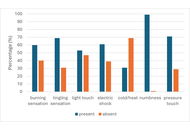
NP was present in 21.1% of patients. Significant associations with NP were observed for haemoglobin (p = 0.006), absolute lymphocyte count (p = 0.003), platelet-to-lymphocyte ratio (PLR, p = 0.015), haemoglobin-to-platelet ratio (HPR, p = 0.001), and systemic immune-inflammation index (SII, p < 0.001). Correlation analysis showed NP positively correlated with platelet count (ρ = 0.23, p = 0.029), absolute neutrophil count (ρ = 0.263, p = 0.012), neutrophil-to-lymphocyte ratio (NLR, ρ = 0.248, p = 0.019), SII (ρ = 0.215, p = 0.045), and neutrophil-platelet score (NPS, ρ = 0.248, p = 0.018), while correlating negatively with haemoglobin (ρ = –0.223, p = 0.034). Logistic regression identified haemoglobin, platelet count, absolute lymphocyte count, absolute neutrophil count, NLR, and HPR as independent predictors of NP.
Conclusions:
Haematological parameters reflecting systemic inflammation are significantly associated with NP in cancer patients. These readily available indices may serve as useful adjuncts for identifying at-risk patients, particularly in resource-limited settings. Prospective studies are warranted to validate these findings.
DOI: https://doi.org/10.37349/en.2026.1006146
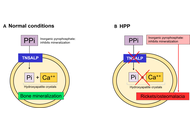
Hypophosphatasia (HPP) is a rare inherited metabolic disorder caused by deficient activity of tissue non-specific alkaline phosphatase (TNSALP). The resulting accumulation of its substrates, particularly inorganic pyrophosphate (PPi) and pyridoxal-5-phosphate (PLP), impairs skeletal and dental mineralization and disrupts vitamin B6 metabolism, contributing to multisystem manifestations. The clinical spectrum is highly heterogeneous, ranging from severe, life-threatening forms in the perinatal period to milder musculoskeletal and dental phenotypes presenting in adulthood. The rarity of HPP, together with the nonspecific nature of many symptoms, contributes to frequent diagnostic delay. However, recognition of characteristic biochemical abnormalities and clinical features can facilitate earlier identification and appropriate management. This review summarizes current evidence regarding the pathophysiology, clinical manifestations, diagnosis, and management of HPP, with particular emphasis on diagnostic challenges, biomarker interpretation, and recent advances in patient care.
Hypophosphatasia (HPP) is a rare inherited metabolic disorder caused by deficient activity of tissue non-specific alkaline phosphatase (TNSALP). The resulting accumulation of its substrates, particularly inorganic pyrophosphate (PPi) and pyridoxal-5-phosphate (PLP), impairs skeletal and dental mineralization and disrupts vitamin B6 metabolism, contributing to multisystem manifestations. The clinical spectrum is highly heterogeneous, ranging from severe, life-threatening forms in the perinatal period to milder musculoskeletal and dental phenotypes presenting in adulthood. The rarity of HPP, together with the nonspecific nature of many symptoms, contributes to frequent diagnostic delay. However, recognition of characteristic biochemical abnormalities and clinical features can facilitate earlier identification and appropriate management. This review summarizes current evidence regarding the pathophysiology, clinical manifestations, diagnosis, and management of HPP, with particular emphasis on diagnostic challenges, biomarker interpretation, and recent advances in patient care.
DOI: https://doi.org/10.37349/emd.2026.1007135
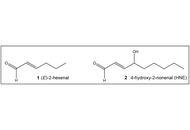
Plant metabolites are an invaluable source of bioactive molecules, and a high percentage of them can react covalently with their targets. Lipid-derived α,β-unsaturated systems (Michael acceptors), which are present in all plants, regulate signaling pathways in cells. In addition, they potentially represent novel molecular targets and mechanisms of action in drug development. The irreversible covalent binding of the majority of these electrophilic molecules to their corresponding molecular targets, combined with, in certain cases, unfavorable pharmacokinetic properties, i.e., absorption, distribution, metabolism, and excretion (ADME), has shifted their use predominantly to that of molecular probes for target identification. In this review, we present examples of structural modification of the original naturally occurring Michael acceptor-containing compounds, as well as examples of incorporating naturally occurring functionalities in the design of reversible covalent probes and drug candidates in order to improve ADME and increase target selectivity.
Plant metabolites are an invaluable source of bioactive molecules, and a high percentage of them can react covalently with their targets. Lipid-derived α,β-unsaturated systems (Michael acceptors), which are present in all plants, regulate signaling pathways in cells. In addition, they potentially represent novel molecular targets and mechanisms of action in drug development. The irreversible covalent binding of the majority of these electrophilic molecules to their corresponding molecular targets, combined with, in certain cases, unfavorable pharmacokinetic properties, i.e., absorption, distribution, metabolism, and excretion (ADME), has shifted their use predominantly to that of molecular probes for target identification. In this review, we present examples of structural modification of the original naturally occurring Michael acceptor-containing compounds, as well as examples of incorporating naturally occurring functionalities in the design of reversible covalent probes and drug candidates in order to improve ADME and increase target selectivity.
DOI: https://doi.org/10.37349/eds.2026.1008178
This article belongs to the special issue The Rise of Targeted Covalent Inhibitors in Drug Discovery
Biologic therapies have transformed care for people with severe asthma, yet treatment response has traditionally been assessed using clinician-derived measures, including lung function, exacerbation rates, and oral corticosteroid use. These metrics, while clinically important, frequently fail to capture what matters most to patients: their ability to participate in daily life, maintain relationships, and sustain work and social roles. The publication of the Core Outcome Measures Set for Severe Asthma (COMSA) and the subsequent CompOsite iNdexes For Response in asthMa (CONFiRM) composite score mark a shift towards patient-centred measurement of treatment response in severe asthma. Rheumatoid arthritis (RA) and inflammatory bowel disease (IBD) travelled this path decades earlier. Both conditions adopted composite scoring tools, such as the Disease Activity Score-28 (DAS28) and the Mayo Score, that incorporated Patient-Reported Outcome Measures (PROMs) alongside objective markers. Initiatives like Outcome Measures in Rheumatology (OMERACT) in RA and Selecting Therapeutic Targets in Inflammatory Bowel Disease (STRIDE) in IBD demonstrate that sustained, multidisciplinary collaboration between patients, clinicians, regulators, and industry can successfully embed PROMs into clinical trials and routine care. We argue that timely integration of health-related quality of life measures into clinical trials and practice requires electronic data collection, regulatory endorsement of PROMs as co-primary endpoints, and genuine patient partnership in research, beyond tokenism. By learning from parallel specialties, the asthma community can build a model of care that reflects what truly matters to those living with the disease.
Biologic therapies have transformed care for people with severe asthma, yet treatment response has traditionally been assessed using clinician-derived measures, including lung function, exacerbation rates, and oral corticosteroid use. These metrics, while clinically important, frequently fail to capture what matters most to patients: their ability to participate in daily life, maintain relationships, and sustain work and social roles. The publication of the Core Outcome Measures Set for Severe Asthma (COMSA) and the subsequent CompOsite iNdexes For Response in asthMa (CONFiRM) composite score mark a shift towards patient-centred measurement of treatment response in severe asthma. Rheumatoid arthritis (RA) and inflammatory bowel disease (IBD) travelled this path decades earlier. Both conditions adopted composite scoring tools, such as the Disease Activity Score-28 (DAS28) and the Mayo Score, that incorporated Patient-Reported Outcome Measures (PROMs) alongside objective markers. Initiatives like Outcome Measures in Rheumatology (OMERACT) in RA and Selecting Therapeutic Targets in Inflammatory Bowel Disease (STRIDE) in IBD demonstrate that sustained, multidisciplinary collaboration between patients, clinicians, regulators, and industry can successfully embed PROMs into clinical trials and routine care. We argue that timely integration of health-related quality of life measures into clinical trials and practice requires electronic data collection, regulatory endorsement of PROMs as co-primary endpoints, and genuine patient partnership in research, beyond tokenism. By learning from parallel specialties, the asthma community can build a model of care that reflects what truly matters to those living with the disease.
DOI: https://doi.org/10.37349/eaa.2026.1009132
This article belongs to the special issue Allergic Asthma - New Insights
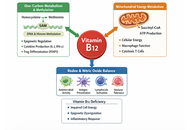
Vitamin B12 (cobalamin) is an essential water-soluble micronutrient serving as a cofactor for key enzymes in one-carbon metabolism and mitochondrial energy production. Beyond its classical roles in hematopoiesis and neurological function, emerging evidence demonstrates that vitamin B12 has emerging immunometabolic roles. Through its role in methionine synthase-dependent one-carbon metabolism, cobalamin contributes to DNA synthesis, methylation reactions, and redox homeostasis—processes critical for the proliferation, differentiation, and function of both innate and adaptive immune cells. Deficiency has been associated with impaired immune responses and may contribute to altered susceptibility to infections and inflammatory disorders. Conversely, adequate cobalamin status restores methylation potential, mitochondrial bioenergetics, and redox homeostasis, potentially supporting T and B cell function and regulatory immune pathways, and modulating pro- and anti-inflammatory cytokine networks. Most evidence derives from deficient or high-risk populations, whereas immunomodulatory effects in vitamin B12-replete individuals remain uncertain. This review provides a comprehensive synthesis of mechanistic and clinical evidence, emphasizing vitamin B12 as a critical immunometabolic regulator and exploring its potential therapeutic applications in immune-mediated and inflammatory disorders.
Vitamin B12 (cobalamin) is an essential water-soluble micronutrient serving as a cofactor for key enzymes in one-carbon metabolism and mitochondrial energy production. Beyond its classical roles in hematopoiesis and neurological function, emerging evidence demonstrates that vitamin B12 has emerging immunometabolic roles. Through its role in methionine synthase-dependent one-carbon metabolism, cobalamin contributes to DNA synthesis, methylation reactions, and redox homeostasis—processes critical for the proliferation, differentiation, and function of both innate and adaptive immune cells. Deficiency has been associated with impaired immune responses and may contribute to altered susceptibility to infections and inflammatory disorders. Conversely, adequate cobalamin status restores methylation potential, mitochondrial bioenergetics, and redox homeostasis, potentially supporting T and B cell function and regulatory immune pathways, and modulating pro- and anti-inflammatory cytokine networks. Most evidence derives from deficient or high-risk populations, whereas immunomodulatory effects in vitamin B12-replete individuals remain uncertain. This review provides a comprehensive synthesis of mechanistic and clinical evidence, emphasizing vitamin B12 as a critical immunometabolic regulator and exploring its potential therapeutic applications in immune-mediated and inflammatory disorders.
DOI: https://doi.org/10.37349/ei.2026.1003264
This article belongs to the special issue The Nutritional Influence on Immune Functionality
DOI: https://doi.org/10.37349/ei.2026.1003265
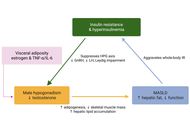
Metabolic dysfunction-associated steatotic liver disease (MASLD) is strongly associated with obesity, insulin resistance, and increased cardiovascular risk. Male hypogonadism has emerged as a potentially modifiable risk factor, and testosterone replacement therapy (TRT) has been proposed as a potential adjunctive treatment for MASLD and metabolic dysfunction-associated steatohepatitis (MASH) in hypogonadal men. Cross-sectional and longitudinal studies demonstrate a consistent inverse association between serum testosterone and MASLD prevalence and severity. Interventional evidence from randomized controlled trials (RCTs) and observational cohorts suggests TRT is associated with reductions in hepatic steatosis and improvements in liver-related biomarkers. In selected hypogonadal men, particularly those with metabolically active disease, TRT may contribute to MASH resolution and fibrosis improvement, although histological data remain limited. The most consistent response is observed in men with concurrent type 2 diabetes (T2D), obesity, or obstructive sleep apnea (OSA) and significant baseline steatosis. Preclinical data support convergent mechanisms involving the androgen receptor (AR), adenosine monophosphate-activated protein kinase (AMPK), and antifibrotic pathways. While recently approved therapies such as resmetirom and semaglutide represent significant advances in MASH treatment, their distinct mechanisms suggest that complementary roles alongside TRT are biologically plausible, though this remains entirely hypothetical in the absence of combination trial data. Taken together, TRT may represent a promising adjunctive therapy for reducing hepatic steatosis and improving the histopathological features of MASH in selected hypogonadal men with MASLD, particularly those with obesity or T2D and significant baseline steatosis; however, routine clinical use will require large, well-powered Phase 3 RCTs featuring standardized histological endpoints, extended follow-up, and rigorous cardiovascular and oncologic safety data.
Metabolic dysfunction-associated steatotic liver disease (MASLD) is strongly associated with obesity, insulin resistance, and increased cardiovascular risk. Male hypogonadism has emerged as a potentially modifiable risk factor, and testosterone replacement therapy (TRT) has been proposed as a potential adjunctive treatment for MASLD and metabolic dysfunction-associated steatohepatitis (MASH) in hypogonadal men. Cross-sectional and longitudinal studies demonstrate a consistent inverse association between serum testosterone and MASLD prevalence and severity. Interventional evidence from randomized controlled trials (RCTs) and observational cohorts suggests TRT is associated with reductions in hepatic steatosis and improvements in liver-related biomarkers. In selected hypogonadal men, particularly those with metabolically active disease, TRT may contribute to MASH resolution and fibrosis improvement, although histological data remain limited. The most consistent response is observed in men with concurrent type 2 diabetes (T2D), obesity, or obstructive sleep apnea (OSA) and significant baseline steatosis. Preclinical data support convergent mechanisms involving the androgen receptor (AR), adenosine monophosphate-activated protein kinase (AMPK), and antifibrotic pathways. While recently approved therapies such as resmetirom and semaglutide represent significant advances in MASH treatment, their distinct mechanisms suggest that complementary roles alongside TRT are biologically plausible, though this remains entirely hypothetical in the absence of combination trial data. Taken together, TRT may represent a promising adjunctive therapy for reducing hepatic steatosis and improving the histopathological features of MASH in selected hypogonadal men with MASLD, particularly those with obesity or T2D and significant baseline steatosis; however, routine clinical use will require large, well-powered Phase 3 RCTs featuring standardized histological endpoints, extended follow-up, and rigorous cardiovascular and oncologic safety data.
DOI: https://doi.org/10.37349/edd.2026.1005135
This article belongs to the special issue Fibrosis and Hepatobiliary Cancer
Background:
Perinatal depression (PD) and postpartum depression (PPD) are leading causes of morbidity in the United States (U.S.). Asian American women, the fastest-growing racial groups in U.S., are disproportionately affected by cultural stigma, language barriers, and limited access to culturally responsive healthcare. This review examines the current methods, evidence gaps, and opportunities to address perinatal and PPD through mobile health (mHealth) applications among Asian American women.
Methods:
A scoping review was conducted using PubMed, EBSCOhost, Google Scholar searches following the principles of systematic and rapid review methodology. Articles were included if they addressed Asian American women with PD or PPD, focused on mHealth or telehealth interventions, and peer-reviewed publications from last ten years. A total of 246 articles were identified, from which 25 studies were selected for inclusion. Data were synthesized thematically across six domains.
Results:
The sample included observational (24%), qualitative (16%), pilot (12%), RCTs (12%), reviews (24%), protocols (8%), and mixed (4%); Edinburgh Postnatal Depression Scale (EPDS) was most frequently used (68%). mHealth tools with hybrid approaches were widely used regardless of location and systemic barriers. Mindfulness and cognitive behavioral therapy (CBT)-based interventions were effective in reducing depressive symptoms, improving maternal self-efficacy, and enhancing psychosocial outcomes. However, engagement was lower among women with severe depressive symptoms, and mental illness stigmatization limited access to digital tools. Key motivators for uptake included connectivity, feasibility, and adaptability.
Discussion:
mHealth interventions demonstrate considerable potential to improve depressive symptoms during perinatal and postpartum periods. However, their implementation and evaluation among Asian American women remain limited. Future interventions should prioritize culturally and linguistically tailored digital platforms, integrate peer and professional support, and align with existing maternal healthcare systems to improve accessibility, engagement, and equity while addressing persistent disparities in maternal mental health.
DOI: https://doi.org/10.37349/edht.2026.1011103
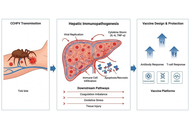
Crimean-Congo hemorrhagic fever virus (CCHFV) is a globally distributed, highconsequence zoonotic pathogen whose clinical spectrum extends far beyond hemorrhagic diathesis. Over recent years, mounting evidence has illuminated the central role of hepatic involvement in shaping both acute disease outcomes and potential postinfectious sequelae. The liver functions as a complex immunological organ, critically integrating viral replication dynamics with host innate and adaptive responses. This review synthesizes current knowledge on the hepatic immunopathogenesis of CCHFV, delineating the contributions of direct cytopathic effects and virusinduced inflammatory circuits orchestrated by hepatocytes, Kupffer cells, and liver sinusoidal endothelial cells. We further dissect how viral determinants, particularly genomic diversity within the nucleoprotein and other structural elements, modulate host sensing, immune evasion, and the intensity of liver injury. The potential for long-term hepatic consequences, including the hypothesis-driven risk of hepatocellular carcinoma (HCC), is examined through the lens of chronic inflammation, altered tissue remodeling, and emerging parallels with other viral hepatitides. Despite these advances, critical gaps persist in mapping cell-type-specific viral tropism, mechanistic genotype-phenotype correlations, and the interplay between acute hepatic injury and long-term liver health. We highlight future research priorities that include the application of single-cell and spatial omics, advanced humanized models, and integrated immunovirological surveillance, all poised to resolve outstanding questions and facilitate the rational design of vaccines and therapeutics that provide robust protection while averting immunopathological liver injury. Collectively, this review reframes CCHFV from an acute hemorrhagic threat to a major disruptor of hepatic immune homeostasis, underscoring the need for multidisciplinary approaches to mitigate both immediate and chronic consequences of infection.
Crimean-Congo hemorrhagic fever virus (CCHFV) is a globally distributed, highconsequence zoonotic pathogen whose clinical spectrum extends far beyond hemorrhagic diathesis. Over recent years, mounting evidence has illuminated the central role of hepatic involvement in shaping both acute disease outcomes and potential postinfectious sequelae. The liver functions as a complex immunological organ, critically integrating viral replication dynamics with host innate and adaptive responses. This review synthesizes current knowledge on the hepatic immunopathogenesis of CCHFV, delineating the contributions of direct cytopathic effects and virusinduced inflammatory circuits orchestrated by hepatocytes, Kupffer cells, and liver sinusoidal endothelial cells. We further dissect how viral determinants, particularly genomic diversity within the nucleoprotein and other structural elements, modulate host sensing, immune evasion, and the intensity of liver injury. The potential for long-term hepatic consequences, including the hypothesis-driven risk of hepatocellular carcinoma (HCC), is examined through the lens of chronic inflammation, altered tissue remodeling, and emerging parallels with other viral hepatitides. Despite these advances, critical gaps persist in mapping cell-type-specific viral tropism, mechanistic genotype-phenotype correlations, and the interplay between acute hepatic injury and long-term liver health. We highlight future research priorities that include the application of single-cell and spatial omics, advanced humanized models, and integrated immunovirological surveillance, all poised to resolve outstanding questions and facilitate the rational design of vaccines and therapeutics that provide robust protection while averting immunopathological liver injury. Collectively, this review reframes CCHFV from an acute hemorrhagic threat to a major disruptor of hepatic immune homeostasis, underscoring the need for multidisciplinary approaches to mitigate both immediate and chronic consequences of infection.
DOI: https://doi.org/10.37349/edd.2026.1005134
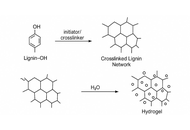
Lignin-based hydrogels are gaining recognition as promising biomaterials for medical applications, especially in drug delivery. This is due to their biocompatibility, biodegradability, and tunable properties. This review presents an analysis of the mechanisms and kinetics of drug release from lignin-based hydrogels, focusing on their synthesis, functional properties, and applications. It begins by detailing the composition and synthesis methods of lignin-based hydrogels, emphasizing their unique structural features that facilitate controlled drug release. The review also discusses the mechanisms of drug release, including diffusion, swelling, and degradation-controlled processes, and how these mechanisms impact release kinetics. Key factors influencing drug release, such as hydrogel composition, crosslinking density, and environmental conditions (e.g., pH, temperature, and bio-factors), are critically examined. Additionally, the review explores the use of mathematical models, such as the zero-order, first-order, Higuchi, and Korsmeyer-Peppas models, in predicting and optimizing drug release profiles. Summaries of experimental studies, both in vitro and in vivo, demonstrate the potential of lignin-based hydrogels in targeted and controlled drug delivery systems. Despite their potential, challenges such as limited clinical translation and scalability persist. The review concludes by identifying future research directions to address these challenges and further advance the application of lignin-based hydrogels in drug delivery. By integrating insights from recent studies, this review highlights the transformative potential of lignin-based hydrogels in enhancing therapeutic outcomes and advancing biomedical technologies.
Lignin-based hydrogels are gaining recognition as promising biomaterials for medical applications, especially in drug delivery. This is due to their biocompatibility, biodegradability, and tunable properties. This review presents an analysis of the mechanisms and kinetics of drug release from lignin-based hydrogels, focusing on their synthesis, functional properties, and applications. It begins by detailing the composition and synthesis methods of lignin-based hydrogels, emphasizing their unique structural features that facilitate controlled drug release. The review also discusses the mechanisms of drug release, including diffusion, swelling, and degradation-controlled processes, and how these mechanisms impact release kinetics. Key factors influencing drug release, such as hydrogel composition, crosslinking density, and environmental conditions (e.g., pH, temperature, and bio-factors), are critically examined. Additionally, the review explores the use of mathematical models, such as the zero-order, first-order, Higuchi, and Korsmeyer-Peppas models, in predicting and optimizing drug release profiles. Summaries of experimental studies, both in vitro and in vivo, demonstrate the potential of lignin-based hydrogels in targeted and controlled drug delivery systems. Despite their potential, challenges such as limited clinical translation and scalability persist. The review concludes by identifying future research directions to address these challenges and further advance the application of lignin-based hydrogels in drug delivery. By integrating insights from recent studies, this review highlights the transformative potential of lignin-based hydrogels in enhancing therapeutic outcomes and advancing biomedical technologies.
DOI: https://doi.org/10.37349/ebmx.2026.101372
This article belongs to the special issue Lignin-based Hydrogels for Energy, Sensing and Medical Applications
Background:
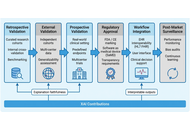
The convergence of multi-omics technologies and artificial intelligence (AI) has opened new frontiers in precision medicine; however, the complexity and opacity of advanced AI models remain a major barrier to clinical adoption. This systematic review aims to critically evaluate explainable AI (XAI) strategies for multi-omics integration and their role in bridging the translational gap between computational innovation and clinical utility.
Methods:
A systematic literature search was conducted across PubMed/MEDLINE, Scopus, and Web of Science databases for studies published between 2020 and 2025, following PRISMA 2020 guidelines. Studies addressing multi-omics integration using explainable or interpretable AI methods in precision medicine were included. Data extraction and narrative synthesis were performed due to methodological heterogeneity.
Results:
A total of 116 studies were included in the final analysis. Computational approaches ranged from classical machine learning and deep learning to graph-based and transformer architectures. XAI techniques, including SHAP (SHapley Additive exPlanations), attention mechanisms, and saliency maps, enabled interpretable predictions across gene, pathway, and network levels. Applications were most prominent in cancer subtyping, biomarker discovery, drug response prediction, and prognosis modeling. Despite promising performance, key challenges persist, including data heterogeneity, high dimensionality, batch effects, overfitting, limited reproducibility, and insufficient clinical validation.
Discussion:
XAI enhances transparency, trust, and biological interpretability in multi-omics models, facilitating their integration into clinical workflows. Emerging directions such as federated learning, causal AI, foundation models, digital twins, and human-in-the-loop systems offer potential solutions to current limitations. Standardized evaluation frameworks and robust clinical validation are essential to advance real-world implementation. This review provides a comprehensive roadmap for developing reliable and clinically actionable XAI-driven multi-omics systems in precision medicine.
DOI: https://doi.org/10.37349/edht.2026.1011102
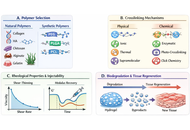
Biodegradable hydrogels are injected in situ to create scaffolds in complex tissue defects with a minimally invasive approach. The current narrative review critically discusses their design principles such as polymer type (natural, synthetic and hybrid systems), crosslinking processes (physical, chemical, and self-crosslinking strategies), and optimization of their rheological properties for clinical injectability. Various advanced biofunctionalization strategies such as cell encapsulation, spatiotemporal delivery of growth factors, extracellular matrix mimicry via fiber-reinforced composites, and active immunomodulation are assessed for their application in tissue-specific regeneration in cartilage, bone, cardiac, neural, skin, and dental applications. While there has been significant progress in preclinical work, there are significant translational challenges that remain: mechanical mismatch with load-bearing native tissues, natural polymer batch-to-batch variability, unpredictable degradation rates, and a complex regulatory pathway for combination products. We explore under-explored areas such as 4D bioprinting for dynamic shape morphing, the design of materials through artificial intelligence, and closed-loop theranostic platforms that combine real-time biosensing with on-demand therapeutic release. This review suggests that the interdisciplinary convergence of materials science, bioengineering, and regulatory science is necessary to tackle these challenges and make injectable hydrogels a standard-of-care regenerative therapeutic.
Biodegradable hydrogels are injected in situ to create scaffolds in complex tissue defects with a minimally invasive approach. The current narrative review critically discusses their design principles such as polymer type (natural, synthetic and hybrid systems), crosslinking processes (physical, chemical, and self-crosslinking strategies), and optimization of their rheological properties for clinical injectability. Various advanced biofunctionalization strategies such as cell encapsulation, spatiotemporal delivery of growth factors, extracellular matrix mimicry via fiber-reinforced composites, and active immunomodulation are assessed for their application in tissue-specific regeneration in cartilage, bone, cardiac, neural, skin, and dental applications. While there has been significant progress in preclinical work, there are significant translational challenges that remain: mechanical mismatch with load-bearing native tissues, natural polymer batch-to-batch variability, unpredictable degradation rates, and a complex regulatory pathway for combination products. We explore under-explored areas such as 4D bioprinting for dynamic shape morphing, the design of materials through artificial intelligence, and closed-loop theranostic platforms that combine real-time biosensing with on-demand therapeutic release. This review suggests that the interdisciplinary convergence of materials science, bioengineering, and regulatory science is necessary to tackle these challenges and make injectable hydrogels a standard-of-care regenerative therapeutic.
DOI: https://doi.org/10.37349/ebmx.2026.101371
Background:
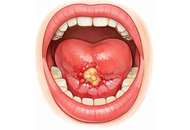
Ankyloglossia is a congenital condition characterized by restricted tongue mobility, which may influence oral functions such as speech, swallowing, and oral motor coordination. This systematic review aimed to evaluate oral functional outcomes following surgical and/or myofunctional interventions in individuals with lingual hypomobility. A secondary aim was to assess variability and consistency of functional improvements across different therapeutic approaches.
Methods:
This systematic review was conducted in accordance with PRISMA guidelines. PubMed, Scopus, and Web of Science were searched between 15 June 2025 and 10 August 2025. Eligible clinical studies (randomized controlled trials, cohort studies, and case series/reports) evaluated lingual frenotomy, frenulectomy, or frenuloplasty, alone or combined with orofacial myofunctional therapy, and reported oral functional outcomes, including tongue mobility, oral posture, swallowing-related tasks, neuromuscular measures, and patient-reported function. Risk of bias was assessed using validated tools (ROBINS-I and RoB 2). Due to heterogeneity in study design and outcome measures, a narrative synthesis was performed.
Results:
Ten studies involving more than 1,300 participants across pediatric, adolescent, and adult populations were included. The evidence comprised randomized controlled trials, observational studies, and case series. Surgical intervention alone was primarily associated with immediate anatomical and mobility-related improvements. In contrast, combined surgical and myofunctional approaches were more consistently associated with improvements in functional outcomes, including tongue mobility, resting posture, and swallowing-related functions. However, the consistency of these improvements varied across age groups, intervention protocols, and outcome assessment methods. Risk of bias was variable and frequently influenced by heterogeneous diagnostic criteria, nonstandardized interventions, and nonuniform outcome measures.
Discussion:
Combined surgical and myofunctional interventions appear to be associated with improvements in oral functional outcomes compared with stand-alone approaches. However, due to substantial methodological heterogeneity and limited high-quality evidence, these findings should be interpreted with caution and are primarily applicable to the specific functional domains evaluated.
DOI: https://doi.org/10.37349/emed.2026.1001425
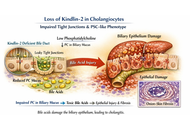
Primary sclerosing cholangitis (PSC) is a rare chronic cholangiopathy that is strongly associated with inflammatory bowel disease, particularly ulcerative colitis. It is characterized by multifocal biliary strictures, typically producing the classic “beads-on-a-string” appearance on magnetic resonance cholangiopancreatography, and by the histological finding of periductal concentric fibrosis (“onion-skin” fibrosis). Its pathogenesis is multifactorial and involves genetic susceptibility, immune dysregulation, environmental influences, and perturbations of the gut-liver axis. In this context, toxic bile acids and other luminal mediators originating from inflamed bowel mucosa may contribute to cholangiocyte injury. Phosphatidylcholine (PC) plays a central role in membrane integrity, cellular signaling, and inflammatory regulation, and its deficiency may predispose to hepatobiliary damage. Kindlin proteins are key modulators of integrin-mediated functions; notably, kindlin-2 contributes to the stabilization of intercellular junctions, and its loss impairs smooth muscle and intestinal development. Mice with biliary-specific deletion of kindlin-2 develop onion-skin fibrosis in the absence of overt cholestatic abnormalities, thereby supporting the concept of a gut-liver pathogenic axis. Nevertheless, further investigation is required to determine the extent to which this model reproduces human PSC, particularly regarding PC availability and cholangiocyte junctional integrity. Disruption of tight junctions may reduce PC delivery to the biliary mucosa, thereby promoting hepatic injury. Although these findings support the rationale for exploring PC supplementation as a potential therapeutic strategy in PSC, additional studies are required before translation to clinical trials can be justified.
Primary sclerosing cholangitis (PSC) is a rare chronic cholangiopathy that is strongly associated with inflammatory bowel disease, particularly ulcerative colitis. It is characterized by multifocal biliary strictures, typically producing the classic “beads-on-a-string” appearance on magnetic resonance cholangiopancreatography, and by the histological finding of periductal concentric fibrosis (“onion-skin” fibrosis). Its pathogenesis is multifactorial and involves genetic susceptibility, immune dysregulation, environmental influences, and perturbations of the gut-liver axis. In this context, toxic bile acids and other luminal mediators originating from inflamed bowel mucosa may contribute to cholangiocyte injury. Phosphatidylcholine (PC) plays a central role in membrane integrity, cellular signaling, and inflammatory regulation, and its deficiency may predispose to hepatobiliary damage. Kindlin proteins are key modulators of integrin-mediated functions; notably, kindlin-2 contributes to the stabilization of intercellular junctions, and its loss impairs smooth muscle and intestinal development. Mice with biliary-specific deletion of kindlin-2 develop onion-skin fibrosis in the absence of overt cholestatic abnormalities, thereby supporting the concept of a gut-liver pathogenic axis. Nevertheless, further investigation is required to determine the extent to which this model reproduces human PSC, particularly regarding PC availability and cholangiocyte junctional integrity. Disruption of tight junctions may reduce PC delivery to the biliary mucosa, thereby promoting hepatic injury. Although these findings support the rationale for exploring PC supplementation as a potential therapeutic strategy in PSC, additional studies are required before translation to clinical trials can be justified.
DOI: https://doi.org/10.37349/edd.2026.1005133
Aim:
This work focused on numerical modeling of thermal inactivation parameters of Escherichia coli O157:H7 in pretreated watermelon fruit juice as influenced by processing conditions. The work aimed to enhance microbiological safety and information of the product.
Methods:
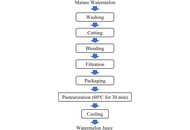
Mature and fresh watermelon fruits were sourced, graded, and processed into juice under hygienic conditions. The extracted juice was pasteurized and allowed to cool. Prior to thermal treatments, the juice was sterilized, cooled, and inoculated with Escherichia coli O157:H7. The inoculated samples were then subjected to different treatments. The effect of pH (4.5, 5.5, and 6.5) and temperature (70℃, 80℃, and 90℃) on thermobacteriological properties was investigated. Meanwhile, Design Expert 13 for Windows was used for experimental layout for interactive impact of pH and inactivation temperatures. All experiments were conducted in triplicate. Thermal inactivation curves of Escherichia coli O157:H7 in the juice samples were obtained by plotting the number of survivors (CFU/mL) against time, and the corresponding D-value was obtained. Other thermobacteriology parameters were subsequently calculated using appropriate equations. The data obtained were fitted into a model using Design Expert 13 for Windows.
Results:
Thermal inactivation data obtained showed that the thermal inactivation curve of Escherichia coli O157:H7 in pretreated watermelon juice had a linear interactive effect as temperature and pH varied. As temperature (70–90°C) and pH (4.5–6.5) varied, thermobacteriology parameters such as D-value, F-value, z-value and activation energy ranged from 11.8–23.4 min, 23.6–46.8 min, 8–9.6°C, 32.49–42.03 kJ/mol, respectively. The results showed that Escherichia coli O157:H7 in pretreated watermelon juice demonstrated significant inactivation at a higher temperature of 90℃ and a lower pH of 4.5.
Conclusions:
This study provided valuable data that could be employed as a guide for the potential food industry, scientists, and engineers in order to improve the consumption safety of the product.
DOI: https://doi.org/10.37349/eff.2026.1010185
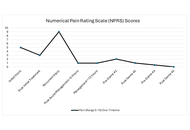
Exercise-associated muscle cramps (EAMC) remain a significant clinical challenge in elite athletics, often attributed to either electrolyte depletion or altered neuromuscular control. While traditional management focuses on stretching and rehydration, these methods may be insufficient for rapid return to play (RTP) in high-stakes settings with minimal downtime before the next competition. This case report explores the acute application of dry needling (DN) to resolve recurrent EAMC in a 23-year-old National Collegiate Athletic Association (NCAA) Division I basketball athlete. The athlete presented with a severe, involuntary spasm of the right adductor magnus (AM) following a single-leg landing. Initial sideline manual therapy and rehydration provided only transient relief; upon RTP, the athlete sustained a recurrence described as a tenfold increase in intensity, necessitating removal from competition. Within 5 hours of injury, trigger point dry needling (TrP-DN) was administered to the ischiocondylar portion of the AM to facilitate a neuromuscular reset. The intervention resulted in immediate resolution of symptoms and a rapid return to prior performance. The athlete successfully returned to competition the following day, participating in two subsequent games within 48 hours without recurrence or performance deficits. This case demonstrates that DN can serve as a safe and highly effective intervention for the acute management of EAMC, in conjunction with traditional interventions. These findings suggest that directly targeting the motor endplate via DN may more effectively downregulate the neuromuscular hyperexcitability compared to traditional manual stretching and rehydration alone.
Exercise-associated muscle cramps (EAMC) remain a significant clinical challenge in elite athletics, often attributed to either electrolyte depletion or altered neuromuscular control. While traditional management focuses on stretching and rehydration, these methods may be insufficient for rapid return to play (RTP) in high-stakes settings with minimal downtime before the next competition. This case report explores the acute application of dry needling (DN) to resolve recurrent EAMC in a 23-year-old National Collegiate Athletic Association (NCAA) Division I basketball athlete. The athlete presented with a severe, involuntary spasm of the right adductor magnus (AM) following a single-leg landing. Initial sideline manual therapy and rehydration provided only transient relief; upon RTP, the athlete sustained a recurrence described as a tenfold increase in intensity, necessitating removal from competition. Within 5 hours of injury, trigger point dry needling (TrP-DN) was administered to the ischiocondylar portion of the AM to facilitate a neuromuscular reset. The intervention resulted in immediate resolution of symptoms and a rapid return to prior performance. The athlete successfully returned to competition the following day, participating in two subsequent games within 48 hours without recurrence or performance deficits. This case demonstrates that DN can serve as a safe and highly effective intervention for the acute management of EAMC, in conjunction with traditional interventions. These findings suggest that directly targeting the motor endplate via DN may more effectively downregulate the neuromuscular hyperexcitability compared to traditional manual stretching and rehydration alone.
DOI: https://doi.org/10.37349/emd.2026.1007134
Aim:
This study investigated the habitual intake of ultra-processed foods (UPFs) and their association with blood pressure, anthropometric measures, and metabolic health risks among Filipinos aged 16–30 years residing in an urban area.
Methods:
A cross-sectional analytical study was conducted among 360 Filipinos aged 16–30 years residing in Intramuros, Manila. The study assessed UPF intake, systolic and diastolic blood pressure, and anthropometric measures, including body mass index (BMI), body fat percentage, waist-to-height ratio (WHtR), waist-to-hip ratio (WHR), and A Body Shape Index (ABSI). Unadjusted binary logistic regression was used to examine the odds of high UPF intake according to anthropometric and clinical categories. UPF intake status was specified as the dependent variable, with low-moderate intake as the reference category.
Results:
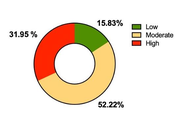
More than half (52.22%) of the Filipino youth had moderate UPF intake. In the unadjusted logistic regression analyses, adults classified as obese according to BMI had higher odds of high UPF intake than adults with normal BMI [odds ratio (OR) = 2.65, 95% confidence interval (CI): 1.13–6.20]. Participants classified as obese according to body fat percentage also had higher odds of high UPF intake than those with normal body fat percentage (OR = 2.45, 95% CI: 1.40–4.29), while participants with high ABSI had higher odds of high UPF intake than those with normal ABSI (OR = 1.65, 95% CI: 1.05–2.59). No significant associations were observed for blood pressure, adolescent BMI, or WHtR/WHR.
Conclusions:
High UPF intake was cross-sectionally associated with selected adiposity-related characteristics. Because the logistic regression models were unadjusted and the study was cross-sectional, the findings do not establish the direction, independence, or causality of these relationships.
DOI: https://doi.org/10.37349/eff.2026.1010184
This article belongs to the special issue Nutrition in Health and Disease
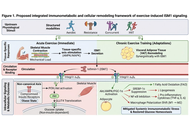
Obesity is a major global health challenge, now recognized as a complex metabolic and inflammatory disorder characterized by excess adiposity and chronic low-grade inflammation. Adipose tissue functions as an endocrine organ, secreting adipokines that regulate metabolism and immune responses. Among these, Isthmin-1 (ISM1) has recently emerged as a novel adipokine with important metabolic and anti-inflammatory roles. ISM1 is widely expressed in adult tissues and is associated with central adiposity and metabolic dysfunction. It enhances glucose uptake via an insulin-independent PI3K/Akt pathway through integrin αVβ5 activation, promoting GLUT4 translocation. ISM1 also regulates lipid metabolism by inhibiting lipogenesis and stimulating fatty acid oxidation. Additionally, it exerts anti-inflammatory effects by suppressing NF-κB signaling and promoting macrophage polarization toward an anti-inflammatory phenotype. Exercise is known to improve adipokine profiles, insulin sensitivity, and inflammation, but its effects on ISM1 remain unexplored. This represents a critical gap in the literature. Understanding how different exercise modalities influence ISM1 could reveal new mechanisms underlying exercise benefits and support its potential as a biomarker or therapeutic target in obesity and metabolic disorders.
Obesity is a major global health challenge, now recognized as a complex metabolic and inflammatory disorder characterized by excess adiposity and chronic low-grade inflammation. Adipose tissue functions as an endocrine organ, secreting adipokines that regulate metabolism and immune responses. Among these, Isthmin-1 (ISM1) has recently emerged as a novel adipokine with important metabolic and anti-inflammatory roles. ISM1 is widely expressed in adult tissues and is associated with central adiposity and metabolic dysfunction. It enhances glucose uptake via an insulin-independent PI3K/Akt pathway through integrin αVβ5 activation, promoting GLUT4 translocation. ISM1 also regulates lipid metabolism by inhibiting lipogenesis and stimulating fatty acid oxidation. Additionally, it exerts anti-inflammatory effects by suppressing NF-κB signaling and promoting macrophage polarization toward an anti-inflammatory phenotype. Exercise is known to improve adipokine profiles, insulin sensitivity, and inflammation, but its effects on ISM1 remain unexplored. This represents a critical gap in the literature. Understanding how different exercise modalities influence ISM1 could reveal new mechanisms underlying exercise benefits and support its potential as a biomarker or therapeutic target in obesity and metabolic disorders.
DOI: https://doi.org/10.37349/ei.2026.1003263
This article belongs to the special issue Physical Activity and Immune System in Chronic Diseases: Mechanisms and Insights
