 Previous
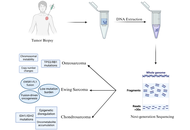
Primary bone sarcomas are rare and biologically heterogeneous malignancies for which therapeutic progress remains limited, particularly in metastatic and recurrent disease. Advances in genomic and molecular profiling have revealed substantial inter- and intratumoral heterogeneity across the major subtypes, including osteosarcoma, Ewing sarcoma and chondrosarcoma, challenging conventional histology-driven treatment strategies. Precision medicine approaches are being increasingly explored to better capture this biological complexity and guide individualized therapeutic decision-making. This review examines emerging precision oncology strategies in bone sarcomas, including molecular diagnostics, targeted therapeutic approaches, three-dimensional functional modeling systems, and liquid biopsy technologies for dynamic disease monitoring. Together, these platforms provide biologically informed frameworks for patient-specific treatment and longitudinal assessment of tumor evolution. However, clinical implementation remains limited by genomic complexity, small patient cohorts, and methodological variability across experimental platforms. The integration of multi-layered precision models combining genomic stratification, functional drug sensitivity testing and circulating biomarker monitoring may enable more adaptive and individualized management strategies. Such approaches have the potential to improve therapeutic selection and ultimately advance outcomes for patients with primary bone sarcomas.
Primary bone sarcomas are rare and biologically heterogeneous malignancies for which therapeutic progress remains limited, particularly in metastatic and recurrent disease. Advances in genomic and molecular profiling have revealed substantial inter- and intratumoral heterogeneity across the major subtypes, including osteosarcoma, Ewing sarcoma and chondrosarcoma, challenging conventional histology-driven treatment strategies. Precision medicine approaches are being increasingly explored to better capture this biological complexity and guide individualized therapeutic decision-making. This review examines emerging precision oncology strategies in bone sarcomas, including molecular diagnostics, targeted therapeutic approaches, three-dimensional functional modeling systems, and liquid biopsy technologies for dynamic disease monitoring. Together, these platforms provide biologically informed frameworks for patient-specific treatment and longitudinal assessment of tumor evolution. However, clinical implementation remains limited by genomic complexity, small patient cohorts, and methodological variability across experimental platforms. The integration of multi-layered precision models combining genomic stratification, functional drug sensitivity testing and circulating biomarker monitoring may enable more adaptive and individualized management strategies. Such approaches have the potential to improve therapeutic selection and ultimately advance outcomes for patients with primary bone sarcomas.
DOI: https://doi.org/10.37349/etat.2026.1002396
This article belongs to the special issue Precision Oncology: Molecular Classification, Efficacy Prediction, and Treatment Decision-Making


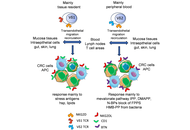
Human γδ T cells represent a minor subset of lymphocytes present in the peripheral blood. This lymphocyte subset is mainly localized within the mucosae of airways and gut. In the latter context, γδ T cells can represent a key immune cell subset involved both in regulating intestinal homeostasis and in responding to pathogens and colorectal carcinoma (CRC) growth. γδ T cell subsets such as the Vδ2+ respond to phosphate antigens produced by bacteria, while Vδ1+ cells can exert an immune response after mucosal stress stimuli. γδ T cells do not recognize as classical αβ+ T cells the peptide antigens in the context of major histocompatibility complex (MHC). γδ T cells may play a complementary role with αβ+ T cells in mucosal immunity at the gastrointestinal barrier. Colon γδ T cells can exhibit antitumor properties and regulatory functions. Indeed, human γδ T cell subsets present in the gut bear some activatory receptors, such as NKG2D and DNAX Accessory Molecule (DNAM)-1, leading to the elimination of CRC cells. By contrast, γδ T cells producing interleukin (IL)-17, transforming growth factor β, and amphiregulin show pro-tumor activity. This dual property of γδ T cells poses challenges for their use as an immunotherapeutic tool, while the MHC-independent recognition of antigens can support their use as off-the-shelf allogeneic cells.
Human γδ T cells represent a minor subset of lymphocytes present in the peripheral blood. This lymphocyte subset is mainly localized within the mucosae of airways and gut. In the latter context, γδ T cells can represent a key immune cell subset involved both in regulating intestinal homeostasis and in responding to pathogens and colorectal carcinoma (CRC) growth. γδ T cell subsets such as the Vδ2+ respond to phosphate antigens produced by bacteria, while Vδ1+ cells can exert an immune response after mucosal stress stimuli. γδ T cells do not recognize as classical αβ+ T cells the peptide antigens in the context of major histocompatibility complex (MHC). γδ T cells may play a complementary role with αβ+ T cells in mucosal immunity at the gastrointestinal barrier. Colon γδ T cells can exhibit antitumor properties and regulatory functions. Indeed, human γδ T cell subsets present in the gut bear some activatory receptors, such as NKG2D and DNAX Accessory Molecule (DNAM)-1, leading to the elimination of CRC cells. By contrast, γδ T cells producing interleukin (IL)-17, transforming growth factor β, and amphiregulin show pro-tumor activity. This dual property of γδ T cells poses challenges for their use as an immunotherapeutic tool, while the MHC-independent recognition of antigens can support their use as off-the-shelf allogeneic cells.
DOI: https://doi.org/10.37349/ei.2026.1003262
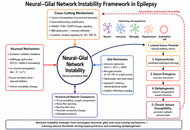
Epilepsy is traditionally defined by recurrent seizures arising from abnormal neuronal excitability, yet growing evidence indicates that this view is incomplete. This narrative review examines epilepsy through the framework of neural–glial network instability, an integrative perspective that places neuronal dysfunction within a broader system shaped by glial regulation, calcium dysregulation, neuroinflammatory signaling, and circuit remodeling. The review first reframes epilepsy as a disorder of progressive instability in which failures of excitation–inhibition balance, extracellular homeostasis, inflammatory restraint, and adaptive plasticity shift neural networks from compensated function toward seizure-prone states. It then synthesizes neuronal mechanisms, including excitation–inhibition imbalance, GABAergic dysfunction, and altered intrinsic excitability, together with glial mechanisms involving astrocytic regulation of ionic and neurotransmitter environments, microglial inflammatory and synaptic responses, and oligodendroglial contributions to conduction and network coordination. Calcium dysregulation is considered a cross-cutting mechanism linking excitability, intracellular stress, gliotransmission, inflammation, and long-term remodeling. The review further examines how neuroinflammation and chronic circuit reorganization help convert transient disturbances into persistent epileptic networks. Together, this framework offers a more integrated account of seizure emergence, epileptogenesis, and chronic seizure susceptibility and points toward mechanism-informed therapeutic strategies aimed at restoring durable network stability.
Epilepsy is traditionally defined by recurrent seizures arising from abnormal neuronal excitability, yet growing evidence indicates that this view is incomplete. This narrative review examines epilepsy through the framework of neural–glial network instability, an integrative perspective that places neuronal dysfunction within a broader system shaped by glial regulation, calcium dysregulation, neuroinflammatory signaling, and circuit remodeling. The review first reframes epilepsy as a disorder of progressive instability in which failures of excitation–inhibition balance, extracellular homeostasis, inflammatory restraint, and adaptive plasticity shift neural networks from compensated function toward seizure-prone states. It then synthesizes neuronal mechanisms, including excitation–inhibition imbalance, GABAergic dysfunction, and altered intrinsic excitability, together with glial mechanisms involving astrocytic regulation of ionic and neurotransmitter environments, microglial inflammatory and synaptic responses, and oligodendroglial contributions to conduction and network coordination. Calcium dysregulation is considered a cross-cutting mechanism linking excitability, intracellular stress, gliotransmission, inflammation, and long-term remodeling. The review further examines how neuroinflammation and chronic circuit reorganization help convert transient disturbances into persistent epileptic networks. Together, this framework offers a more integrated account of seizure emergence, epileptogenesis, and chronic seizure susceptibility and points toward mechanism-informed therapeutic strategies aimed at restoring durable network stability.
DOI: https://doi.org/10.37349/en.2026.1006144
This article belongs to the special issue Advances in Epilepsy Research
Aim:
The aim of our study was to evaluate the safety and efficacy of delivering systemic treatments concurrently with whole-brain radiotherapy (WBRT).
Methods:
A single-institution, prospective observational study was conducted in Athens, Greece, including 99 patients treated with WBRT for brain metastases from September 2017 until October 2019, and with a follow-up period extending to March 2025. The study endpoints included overall survival (OS) for all causes of death, time to intracranial progression (TTICP), and serious acute toxicities.
Results:
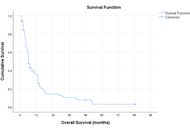
The median OS from all causes of death was 6 months [95% confidence interval (CI): 4.7–7.3]. Concomitant systemic therapy reduced the risk of death (p = 0.005), and the presence of systemic metastases (p = 0.009) increased the risk of death for patients with brain metastases treated with whole brain radiotherapy. The median TTICP was 10 months (95% CI: 3.3–16.6), with a more protracted fractionation and a larger number of brain metastases being prognostic of an increase in the TTICP. Acute severe toxicity was observed in 16.2% of patients, with no statistically significant difference between concurrent and no systemic therapy groups, and with no treatment interruptions in patients treated concurrently.
Conclusions:
This study showed that there is no serious toxicity from the combination of systemic therapy with WBRT, and that the OS and the TTICP are not compromised with their concurrent delivery.
DOI: https://doi.org/10.37349/etat.2026.1002395
Background:
Osteoarthritis (OA) is a degenerative joint disease marked by pain, stiffness, and functional impairment, with inflammation central to its progression. Polyphenol-rich dark fruits, abundant in anthocyanins, possess antioxidant and anti-inflammatory properties that may mitigate OA-related mechanisms. This meta-analysis synthesized evidence from randomized controlled trials (RCTs) evaluating the effects of dark fruit supplementation on clinical symptoms and inflammatory biomarkers in individuals with OA.
Methods:
PubMed, Scopus, Web of Science, and three trial registries (ClinicalTrials.gov, WHO ICTRP, ISRCTN) were searched to September 2025 for RCTs comparing dark fruit supplementation with placebo, usual care, or no intervention. Two reviewers independently screened studies, assessed bias using Cochrane RoB, and evaluated certainty via GRADE (Grades of Recommendation, Assessment, Development and Evaluation). Data were pooled using random-effects models, with Hedges’ g as the standardized mean difference.
Results:
Six RCTs (215 participants; 3–16 weeks) investigating knee OA met inclusion criteria. Pooled analyses showed significant improvements in overall symptom severity (Hedges’ g = –0.31; 95% CI –0.57 to –0.05; P = 0.02), physical function (g = –0.34; 95% CI –0.66 to –0.05; P = 0.02), and interleukin-6 (IL-6, g = –0.40; 95% CI –0.79 to –0.01; P = 0.047). Where reported, compliance was generally high, although adherence and adverse-event reporting were incomplete across trials. Evidence certainty was low, with moderate-to-high risk of bias.
Discussion:
In the available RCT evidence, which was restricted to knee OA, dark fruit supplementation was associated with small short-term improvements in selected OA symptoms and IL-6. However, findings are limited by low certainty of evidence, short intervention durations, incomplete adherence and adverse-event reporting, and the absence of long-term or structural outcomes; therefore, no conclusions can be drawn regarding disease-modifying effects or longer-term tolerability. Larger, high-quality trials are needed to determine whether polyphenol-rich fruits provide clinically meaningful benefits in OA management.
DOI: https://doi.org/10.37349/emd.2026.1007133
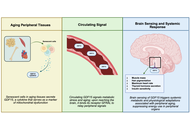
The link between brain energy consumption and neuronal aging has been explored at the cellular and molecular levels. The brain is described as a “selfish organ”, as previously indicated in recent publications, demanding energy from peripheral organs to avoid a reduction of its energy expenditure. Aging is the main risk factor for neurodegenerative disorders, like tauopathies, related to neuronal energy changes. Thus, preventing, delaying, or reversing those changes should be a suitable way to carry out neuroprotection. Finally, possible therapies using as targets neuronal proteins like folate receptor alpha, GDF15 receptor, or tau protein, which are related to mitochondrial function and dysfunction, are proposed.
The link between brain energy consumption and neuronal aging has been explored at the cellular and molecular levels. The brain is described as a “selfish organ”, as previously indicated in recent publications, demanding energy from peripheral organs to avoid a reduction of its energy expenditure. Aging is the main risk factor for neurodegenerative disorders, like tauopathies, related to neuronal energy changes. Thus, preventing, delaying, or reversing those changes should be a suitable way to carry out neuroprotection. Finally, possible therapies using as targets neuronal proteins like folate receptor alpha, GDF15 receptor, or tau protein, which are related to mitochondrial function and dysfunction, are proposed.
DOI: https://doi.org/10.37349/ent.2026.1004166
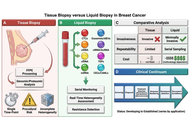
Breast cancer remains one of the leading causes of cancer-related mortality worldwide, and despite considerable advances in therapeutic strategies, the absence of reliable, minimally invasive diagnostic tools continues to limit early detection and real-time disease monitoring. Liquid biopsy has emerged as a transformative paradigm in oncology, offering the capacity to integrate tumor biology through the analysis of tumor-derived materials that circulate in peripheral blood and other biofluids. This review provides a comprehensive overview of the key analytes employed in liquid biopsy, including circulating tumor DNA (ctDNA), circulating tumor cells (CTCs), microRNAs (miRNAs), extracellular vesicles (EVs), and protein biomarkers with particular emphasis on their translational relevance in breast cancer. Drawing on landmark clinical trials and foundational molecular studies, we highlight how these biomarkers capture spatial and temporal tumor heterogeneity in ways that conventional tissue biopsy cannot. Finally, we address the technical, clinical, and ethical challenges that still impede widespread adoption of liquid biopsy, and we outline a forward-looking research agenda oriented toward multi-omics integration and point-of-care diagnostics. Taken together, this review underscores the potential of liquid biopsy to complement existing diagnostic standards and improve how we screen for, monitor, and treat breast cancer across disease stages.
Breast cancer remains one of the leading causes of cancer-related mortality worldwide, and despite considerable advances in therapeutic strategies, the absence of reliable, minimally invasive diagnostic tools continues to limit early detection and real-time disease monitoring. Liquid biopsy has emerged as a transformative paradigm in oncology, offering the capacity to integrate tumor biology through the analysis of tumor-derived materials that circulate in peripheral blood and other biofluids. This review provides a comprehensive overview of the key analytes employed in liquid biopsy, including circulating tumor DNA (ctDNA), circulating tumor cells (CTCs), microRNAs (miRNAs), extracellular vesicles (EVs), and protein biomarkers with particular emphasis on their translational relevance in breast cancer. Drawing on landmark clinical trials and foundational molecular studies, we highlight how these biomarkers capture spatial and temporal tumor heterogeneity in ways that conventional tissue biopsy cannot. Finally, we address the technical, clinical, and ethical challenges that still impede widespread adoption of liquid biopsy, and we outline a forward-looking research agenda oriented toward multi-omics integration and point-of-care diagnostics. Taken together, this review underscores the potential of liquid biopsy to complement existing diagnostic standards and improve how we screen for, monitor, and treat breast cancer across disease stages.
DOI: https://doi.org/10.37349/etat.2026.1002394
This article belongs to the special issue Breaking Boundaries in Breast Cancer Care: Emerging Controversies and Innovation in Surgical and Medical Approaches
Aim:
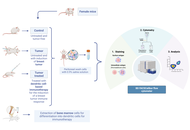
Breast cancer remains a major cause of cancer-related mortality in women, particularly in advanced stages where therapeutic options are limited. While immune checkpoint inhibitors (ICIs) have improved outcomes in a subset of patients, many do not respond, highlighting the need for alternative immunotherapeutic strategies. This study evaluated the effect of dendritic cell (DC)-based immunotherapy on tumor growth and on the inflammatory profile of peritoneal myeloid cells in a 4T1 murine breast cancer model.
Methods:
BALB/c mice bearing 4T1 breast tumors were treated with bone marrow-derived DC-based immunotherapy. Tumor volume was monitored over time, and CD14+ cells obtained from peritoneal lavage were analyzed by flow cytometry for the cytokines IL-12, IL-17, and TNF-α and the transcription factors RORγT and GATA3.
Results:
DC-based immunotherapy was associated with a non-significant trend toward reduced tumor volume and a marked suppression of key proinflammatory cytokines: IL-12 (P < 0.0005), IL-17 (P < 0.0001), and TNF-α (P < 0.0001). Expression of the transcription factors RORγT and GATA3, associated with Th17 and Th2 differentiation, was also downregulated (P < 0.0001). These immunological effects were observed in CD14+ myeloid cells from the peritoneal compartment.
Conclusions:
DC-based immunotherapy modulates the systemic/peritoneal inflammatory profile and attenuates tumor-promoting inflammation. This strategy may offer therapeutic benefit for patients with breast cancer who are unresponsive to conventional or ICI-based treatments and supports its further evaluation in translational studies.
DOI: https://doi.org/10.37349/etat.2026.1002393
Aim:
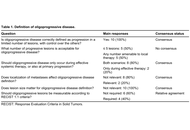
Oligoprogressive disease (OPD) has emerged as a clinically relevant and common scenario in oncology, reflecting progression in a limited number of metastatic sites while systemic therapy continues to control the majority of disease. Despite its increasing recognition, the definition, diagnostic approach, and management of OPD remain poorly standardized.
Methods:
A multidisciplinary expert panel from Kazakhstan and international faculty, including ten medical oncologists, radiation, and surgical oncologists, participated in a structured survey. The questionnaire consisted of 15 items divided into three domains: definition of OPD, diagnostic evaluation, and treatment strategies. Responses were analyzed, and consensus was defined as ≥ 70% agreement, relative agreement as 50–69%, and lack of consensus as < 50%.
Results:
Consensus was reached that OPD is defined as progression in a limited number of lesions while other sites remain controlled, regardless of lesion size or localization. No consensus was achieved regarding the maximum number of progressive lesions, with experts divided between “≤ 5 lesions” and “any number amenable to local therapy.” Imaging with CT or PET-CT was considered sufficient. Biopsy and molecular testing were recommended only in selected contexts. Systemic therapy continuation during OPD was endorsed if effective, with strong support for local therapy, particularly stereotactic ablative radiotherapy (SBRT/SABR). Divergence remained regarding the management of repeat OPD.
Conclusions:
This Kazakhstan Cancer Society consensus defines the fundamental clinical features of OPD and provides practical recommendations for diagnosis and treatment. Comparison with international guidelines reveals broad alignment on systemic continuation and local therapy, as well as persistent variation regarding lesion number, biopsy, and repeat OPD management.
DOI: https://doi.org/10.37349/etat.2026.1002392
Causal inference is grounded in contrasts between potential outcomes under alternative interventions. Randomized trials are the reference standard for estimating average causal effects because randomization renders treatment assignment independent of potential outcomes, eradicating confounding by design. However, many clinically important questions in rheumatology cannot feasibly be addressed through randomized experiments due to practical, ethical, or temporal constraints. In such settings, observational data can inform decisions. This paper argues that principles derived from randomized trials should continue to anchor causal reasoning and proposes the target trial framework as a structured approach to strengthen causal inference from observational data. By explicitly specifying the protocol of the hypothetical randomized trial that would answer the question and emulating it using real-world (observational) data, investigators can clarify eligibility criteria, treatment strategies, time zero, outcomes, causal contrasts, and identifying assumptions. By describing how each part of the target trial is emulated in observational data, they increase transparency, clarify the causal estimand, and make assumptions, limitations, and sources of bias explicit. This design-based perspective helps prevent common biases, including immortal time bias, selection of prevalent users, and inappropriate conditioning on post-treatment variables, and aligns reporting with clearly defined causal contrasts and effect measures. Ultimately, credibility of causal inference from observational data depends on whether the assignment mechanism is plausibly reconstructed, design choices are made without access to outcome data, and analyses target explicitly defined causal contrasts under stated assumptions, all of which are explicitly addressed within the target trial emulation framework.
Causal inference is grounded in contrasts between potential outcomes under alternative interventions. Randomized trials are the reference standard for estimating average causal effects because randomization renders treatment assignment independent of potential outcomes, eradicating confounding by design. However, many clinically important questions in rheumatology cannot feasibly be addressed through randomized experiments due to practical, ethical, or temporal constraints. In such settings, observational data can inform decisions. This paper argues that principles derived from randomized trials should continue to anchor causal reasoning and proposes the target trial framework as a structured approach to strengthen causal inference from observational data. By explicitly specifying the protocol of the hypothetical randomized trial that would answer the question and emulating it using real-world (observational) data, investigators can clarify eligibility criteria, treatment strategies, time zero, outcomes, causal contrasts, and identifying assumptions. By describing how each part of the target trial is emulated in observational data, they increase transparency, clarify the causal estimand, and make assumptions, limitations, and sources of bias explicit. This design-based perspective helps prevent common biases, including immortal time bias, selection of prevalent users, and inappropriate conditioning on post-treatment variables, and aligns reporting with clearly defined causal contrasts and effect measures. Ultimately, credibility of causal inference from observational data depends on whether the assignment mechanism is plausibly reconstructed, design choices are made without access to outcome data, and analyses target explicitly defined causal contrasts under stated assumptions, all of which are explicitly addressed within the target trial emulation framework.
DOI: https://doi.org/10.37349/emd.2026.1007132
Aim:
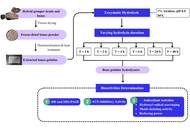
The fish filleting industry often generates substantial quantities of by-products such as fish bones, heads, scales, and viscera, which are frequently discarded or repurposed for low-value applications. Hydrolysate derived from fish processing wastes have demonstrated various beneficial bioactivities such as ACE-inhibitory, antioxidant, and antidiabetic activities, underscoring their potential as high value functional ingredients or foods. The potency of hydrolysate is determined by peptide composition, which is modulated by the degree of hydrolysis. This study aims to investigate the impact of hydrolysis duration on the ACE-inhibitory and antioxidant capacities of gelatine hydrolysate from hybrid grouper bones.
Methods:
Gelatine extracted from hybrid grouper fish heads and bones underwent hydrolysis with 1% Alcalase for varying duration (1 h, 2 h, 4 h, 6 h, 24 h, 48 h). The molecular distribution of the hydrolysates was monitored using sodium dodecyl sulfate-polyacrylamide gel electrophoresis (SDS-PAGE) electrophoresis. ACE-inhibitory and antioxidant capacities (hydroxyl radical scavenging, reducing power, metal chelating activities) of the resultant hydrolysates from different hydrolysis durations were evaluated.
Results:
SDS-PAGE analysis revealed that Alcalase hydrolysis of bones gelatine yielded peptides of lower molecular weight. A moderate negative correlation (r = –0.703) (p < 0.01) was reported between the degree of hydrolysis and ACE-inhibitory activity, suggesting that excessive hydrolysis diminishes ACE-inhibitory capacity. Conversely, antioxidant activity of the gelatine hydrolysates was unaffected by hydrolysis extent, as indicated by weak correlations.
Conclusions:
These findings indicate that optimising hydrolysis duration maximises the bioactivities of gelatine hydrolysate from hybrid grouper bones.
DOI: https://doi.org/10.37349/eff.2026.1010181
Aim:
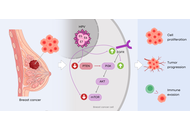
Breast cancer is the most prevalent malignant tumor among women. Human papillomavirus (HPV) has been detected in breast tumors since the 1990s, and beyond its oncogenic potential, therapy resistance driven by viral immune evasion in non-anogenital tumors, such as oropharyngeal cancers, highlights the need to investigate viral activity in breast tissues. Among high-risk HPV types, HPV16 is one of the most prevalent and exhibits the highest carcinogenic potential. Therefore, this study aimed to evaluate the expression of HPV16 oncogenes E5, E6, and E7 in breast tumors, as well as the modulation of the PI3K/AKT/mTOR signaling pathway associated with viral activity.
Methods:
A total of 92 breast cancer patients were included after Ethics Committee approval. Clinical data were obtained from medical records. RNA was extracted from formalin-fixed, paraffin-embedded tissues and reverse-transcribed into cDNA. Transcripts of HPV oncogenes (E5, E6, and E7), components of the PI3K/AKT/mTOR pathway, and regulatory genes (EGFR and PTEN) were quantified by RT-qPCR. Gene expression levels were calculated using the ΔCt method.
Results:
Forty-eight samples met RNA quality criteria and were included in the expression analysis. Among these, 77.08% showed expression of at least one viral oncogene, with E5 being the most frequently expressed. The PI3K/AKT/mTOR pathway was modulated in HPV-positive samples, with increased PI3K expression and decreased mTOR expression. Notably, the high expression of E5—associated with immune evasion—combined with reduced mTOR expression suggests that HPV16 status may influence therapeutic response in breast cancer patients.
Conclusions:
These findings reinforce the importance of further studies investigating HPV activity in breast tumors to better understand its biological and clinical impact.
DOI: https://doi.org/10.37349/etat.2026.1002391
This article belongs to the special issue Breaking Boundaries in Breast Cancer Care: Emerging Controversies and Innovation in Surgical and Medical Approaches
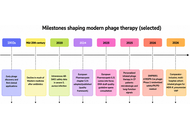
Antimicrobial resistance has intensified the search for alternatives to conventional antibiotics, particularly against multidrug-resistant bacterial pathogens that increasingly compromise treatment outcomes in hospitals and community settings. This narrative review examines bacteriophage therapy as an alternative for combating multidrug-resistant bacteria. Recent literature is discussed thematically, with emphasis on original studies, clinical datasets, translational experiments, and regulatory documents. The current evidence base consists predominantly of compassionate-use reports, small cohorts, and early-phase trials, including CRISPR-enhanced and inhaled phage platforms, which report safety observations, compartment-specific responses, and microbiome effects in individual studies. Mechanistic considerations discussed in the review include route-specific delivery, phage–host ecological interactions, resistance trade-offs, and phage–antibiotic synergy. While microbiological and clinical responses have been reported in individual studies, no confirmatory randomized trial has demonstrated clinical efficacy for any phage therapy indication. Manufacturing, standardization, and regulatory pathways for scaled deployment also remain unresolved. Regulatory developments in Europe, the United Kingdom, the United States, and Australia remain heterogeneous and predominantly access-based or compassionate-use-based rather than approval-based. Specific technical challenges include incomplete standardization of susceptibility testing and the need for robust monitoring of immune neutralization, endotoxin burden, and long-term ecological effects. Routine clinical adoption of phage therapy will ultimately depend on outcomes of adequately powered confirmatory trials, alongside resolution of manufacturing, regulatory, and standardization challenges.
Antimicrobial resistance has intensified the search for alternatives to conventional antibiotics, particularly against multidrug-resistant bacterial pathogens that increasingly compromise treatment outcomes in hospitals and community settings. This narrative review examines bacteriophage therapy as an alternative for combating multidrug-resistant bacteria. Recent literature is discussed thematically, with emphasis on original studies, clinical datasets, translational experiments, and regulatory documents. The current evidence base consists predominantly of compassionate-use reports, small cohorts, and early-phase trials, including CRISPR-enhanced and inhaled phage platforms, which report safety observations, compartment-specific responses, and microbiome effects in individual studies. Mechanistic considerations discussed in the review include route-specific delivery, phage–host ecological interactions, resistance trade-offs, and phage–antibiotic synergy. While microbiological and clinical responses have been reported in individual studies, no confirmatory randomized trial has demonstrated clinical efficacy for any phage therapy indication. Manufacturing, standardization, and regulatory pathways for scaled deployment also remain unresolved. Regulatory developments in Europe, the United Kingdom, the United States, and Australia remain heterogeneous and predominantly access-based or compassionate-use-based rather than approval-based. Specific technical challenges include incomplete standardization of susceptibility testing and the need for robust monitoring of immune neutralization, endotoxin burden, and long-term ecological effects. Routine clinical adoption of phage therapy will ultimately depend on outcomes of adequately powered confirmatory trials, alongside resolution of manufacturing, regulatory, and standardization challenges.
DOI: https://doi.org/10.37349/emed.2026.1001422
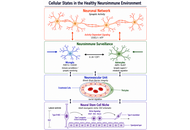
Neuroimmune disorders are increasingly understood not as the consequence of dysfunction in isolated cell types, but as dynamic diseases shaped by coordinated transitions across interacting neural and immune cell states. This narrative review synthesizes current evidence showing how microglia, astrocytes, neural stem cells, vascular elements, and infiltrating peripheral immune cells shift between homeostatic, inflammatory, reparative, and disease-associated states in response to injury, infection, degeneration, and metabolic stress. We highlight how cytokine signaling, damage-associated molecular patterns, oxidative and metabolic stress, and transcriptional and epigenetic reprogramming reshape neuroimmune behavior across these cellular populations, thereby influencing inflammation, synaptic remodeling, tissue repair, and disease progression. By framing neurological disorders as state transition networks rather than static cellular abnormalities, this review integrates emerging insights from single-cell and spatial profiling with systems-level neuroimmunology and identifies cellular plasticity as both a mechanistic principle and a therapeutic opportunity. This perspective provides a unifying conceptual framework for understanding neuroimmune pathology in disorders such as Alzheimer’s disease, multiple sclerosis, stroke, and traumatic brain injury, while also pointing toward next-generation strategies that selectively modulate maladaptive cellular programs and promote regenerative neuroimmune states.
Neuroimmune disorders are increasingly understood not as the consequence of dysfunction in isolated cell types, but as dynamic diseases shaped by coordinated transitions across interacting neural and immune cell states. This narrative review synthesizes current evidence showing how microglia, astrocytes, neural stem cells, vascular elements, and infiltrating peripheral immune cells shift between homeostatic, inflammatory, reparative, and disease-associated states in response to injury, infection, degeneration, and metabolic stress. We highlight how cytokine signaling, damage-associated molecular patterns, oxidative and metabolic stress, and transcriptional and epigenetic reprogramming reshape neuroimmune behavior across these cellular populations, thereby influencing inflammation, synaptic remodeling, tissue repair, and disease progression. By framing neurological disorders as state transition networks rather than static cellular abnormalities, this review integrates emerging insights from single-cell and spatial profiling with systems-level neuroimmunology and identifies cellular plasticity as both a mechanistic principle and a therapeutic opportunity. This perspective provides a unifying conceptual framework for understanding neuroimmune pathology in disorders such as Alzheimer’s disease, multiple sclerosis, stroke, and traumatic brain injury, while also pointing toward next-generation strategies that selectively modulate maladaptive cellular programs and promote regenerative neuroimmune states.
DOI: https://doi.org/10.37349/ei.2026.1003261
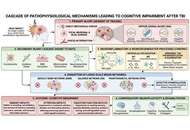
Traumatic brain injury (TBI) is a major cause of long-term neurological and psychiatric morbidity and is frequently associated with persistent cognitive impairment. Deficits in attention, memory, processing speed, and executive dysfunctions are among the most commonly reported cognitive sequelae and may significantly compromise everyday functioning, social integration, and quality of life. Importantly, cognitive dysfunction following TBI often co-occurs with a wide range of psychiatric manifestations, including depression, anxiety, irritability, emotional dysregulation, and post-traumatic stress symptoms, which may further exacerbate functional disability. These cognitive and psychiatric disturbances arise from complex pathophysiological processes, including diffuse axonal injury, which involves cytoskeletal disruption, axolemmal permeability changes, calcium influx, and Wallerian degeneration, and neuroinflammation, characterized by microglial M1/M2 polarization and reactive astrogliosis that alter synaptic plasticity and promote excitotoxicity. These cellular events collectively disrupt large-scale neural networks involved in cognitive control and emotional regulation, underpinning the observed deficits. This narrative review aims to provide an overview of the mechanisms underlying cognitive impairment after TBI, describe the most common clinical cognitive profiles and associated psychiatric manifestations, and discuss their implications for cognitive remediation and functional recovery. Particular attention is given to the role of cognitive rehabilitation strategies in addressing both cognitive dysfunction and functional outcomes. Emerging approaches integrating digital technologies and neuromodulation are also discussed as potential avenues to enhance rehabilitation and improve psychiatric and functional outcomes in individuals with TBI.
Traumatic brain injury (TBI) is a major cause of long-term neurological and psychiatric morbidity and is frequently associated with persistent cognitive impairment. Deficits in attention, memory, processing speed, and executive dysfunctions are among the most commonly reported cognitive sequelae and may significantly compromise everyday functioning, social integration, and quality of life. Importantly, cognitive dysfunction following TBI often co-occurs with a wide range of psychiatric manifestations, including depression, anxiety, irritability, emotional dysregulation, and post-traumatic stress symptoms, which may further exacerbate functional disability. These cognitive and psychiatric disturbances arise from complex pathophysiological processes, including diffuse axonal injury, which involves cytoskeletal disruption, axolemmal permeability changes, calcium influx, and Wallerian degeneration, and neuroinflammation, characterized by microglial M1/M2 polarization and reactive astrogliosis that alter synaptic plasticity and promote excitotoxicity. These cellular events collectively disrupt large-scale neural networks involved in cognitive control and emotional regulation, underpinning the observed deficits. This narrative review aims to provide an overview of the mechanisms underlying cognitive impairment after TBI, describe the most common clinical cognitive profiles and associated psychiatric manifestations, and discuss their implications for cognitive remediation and functional recovery. Particular attention is given to the role of cognitive rehabilitation strategies in addressing both cognitive dysfunction and functional outcomes. Emerging approaches integrating digital technologies and neuromodulation are also discussed as potential avenues to enhance rehabilitation and improve psychiatric and functional outcomes in individuals with TBI.
DOI: https://doi.org/10.37349/en.2026.1006143
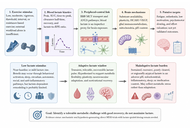
Exercise is an effective non-pharmacological intervention for depressive symptoms, but the biological mechanisms underlying its intensity-dependent and symptom-specific effects remain incompletely defined. This review proposes the “lactate window” hypothesis as a testable mechanistic model, not as an established clinical prescription strategy. Lactate is a plausible candidate link because it is tightly related to exercise intensity, functions as an oxidative substrate and signaling molecule, and participates in brain energy metabolism, astrocyte-neuron metabolic coupling, neuroplasticity, neurovascular signaling, and glial-immunometabolic regulation. Major depressive disorder (MDD) is associated with altered brain energy metabolism, mitochondrial dysfunction, pH abnormalities, and disrupted glial-neuronal support, which may be particularly relevant to fatigue, anhedonia, low motivation, psychomotor slowing, and impaired effort-based decision-making. However, lactate should not be interpreted as uniformly beneficial. Preclinical work suggests that acute L-lactate can produce antidepressant-like effects, whereas human neuroimaging findings indicate that regional lactate in motivation-related cortical circuits may be associated with reduced willingness to exert physical effort. We therefore distinguish three evidence levels: established physiological findings, plausible mechanistic pathways, and hypothesis-generating clinical applications. The proposed lactate window is operationally defined by dynamic features of the response, including blood lactate peak, area under the curve (AUC), time-to-peak, clearance, recovery kinetics, an exploratory lactate-to-rating of perceived exertion (RPE) index, affective response, next-day fatigue, sleep, and adherence. The clinical goal is not to maximize lactate, but to identify a tolerable, recoverable metabolic challenge that may support adaptive brain remodeling. Future trials should test whether lactate kinetics predict antidepressant response beyond conventional exercise dose and whether such effects are strongest for energy-, motivation-, and effort-related symptom dimensions. Because direct clinical evidence in MDD remains limited, lactate-informed exercise prescription should currently be framed as a research agenda requiring prospective validation.
Exercise is an effective non-pharmacological intervention for depressive symptoms, but the biological mechanisms underlying its intensity-dependent and symptom-specific effects remain incompletely defined. This review proposes the “lactate window” hypothesis as a testable mechanistic model, not as an established clinical prescription strategy. Lactate is a plausible candidate link because it is tightly related to exercise intensity, functions as an oxidative substrate and signaling molecule, and participates in brain energy metabolism, astrocyte-neuron metabolic coupling, neuroplasticity, neurovascular signaling, and glial-immunometabolic regulation. Major depressive disorder (MDD) is associated with altered brain energy metabolism, mitochondrial dysfunction, pH abnormalities, and disrupted glial-neuronal support, which may be particularly relevant to fatigue, anhedonia, low motivation, psychomotor slowing, and impaired effort-based decision-making. However, lactate should not be interpreted as uniformly beneficial. Preclinical work suggests that acute L-lactate can produce antidepressant-like effects, whereas human neuroimaging findings indicate that regional lactate in motivation-related cortical circuits may be associated with reduced willingness to exert physical effort. We therefore distinguish three evidence levels: established physiological findings, plausible mechanistic pathways, and hypothesis-generating clinical applications. The proposed lactate window is operationally defined by dynamic features of the response, including blood lactate peak, area under the curve (AUC), time-to-peak, clearance, recovery kinetics, an exploratory lactate-to-rating of perceived exertion (RPE) index, affective response, next-day fatigue, sleep, and adherence. The clinical goal is not to maximize lactate, but to identify a tolerable, recoverable metabolic challenge that may support adaptive brain remodeling. Future trials should test whether lactate kinetics predict antidepressant response beyond conventional exercise dose and whether such effects are strongest for energy-, motivation-, and effort-related symptom dimensions. Because direct clinical evidence in MDD remains limited, lactate-informed exercise prescription should currently be framed as a research agenda requiring prospective validation.
DOI: https://doi.org/10.37349/en.2026.1006142
This article belongs to the special issue Depression: From Pathophysiology to Treatment Innovation
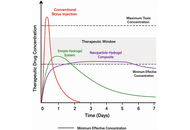
This study explores bioinspired anesthetic delivery systems as an emerging approach to integrate pain management with tissue regeneration. It highlights limitations of conventional anesthetics by short half-lives, narrow therapeutic windows, and the risk of systemic toxicity, highlighting the need for safer and longer-acting alternatives. Drawing inspiration from natural biological systems, including cell membrane-derived nanocarriers and self-assembling peptides, bioinspired platforms offer innovative approaches for controlled and targeted drug delivery. Significantly, growing evidence demonstrates that the nervous system actively participates in tissue repair processes, necessitating anesthetic strategies that alleviate pain without impairing regeneration. In this context, the development of dual-functional delivery systems, particularly hydrogel nanoparticle composites, represents a promising solution, enabling sustained analgesia while concurrently promoting tissue healing. The review further addresses key translational barriers, including manufacturing scalability, regulatory complexities associated with combination products, and technical challenges such as burst release. By outlining strategic pathways for clinical translation, this work underscores the transformative potential of multifunctional, bioinspired delivery platforms in advancing chronic pain therapy and regenerative medicine.
This study explores bioinspired anesthetic delivery systems as an emerging approach to integrate pain management with tissue regeneration. It highlights limitations of conventional anesthetics by short half-lives, narrow therapeutic windows, and the risk of systemic toxicity, highlighting the need for safer and longer-acting alternatives. Drawing inspiration from natural biological systems, including cell membrane-derived nanocarriers and self-assembling peptides, bioinspired platforms offer innovative approaches for controlled and targeted drug delivery. Significantly, growing evidence demonstrates that the nervous system actively participates in tissue repair processes, necessitating anesthetic strategies that alleviate pain without impairing regeneration. In this context, the development of dual-functional delivery systems, particularly hydrogel nanoparticle composites, represents a promising solution, enabling sustained analgesia while concurrently promoting tissue healing. The review further addresses key translational barriers, including manufacturing scalability, regulatory complexities associated with combination products, and technical challenges such as burst release. By outlining strategic pathways for clinical translation, this work underscores the transformative potential of multifunctional, bioinspired delivery platforms in advancing chronic pain therapy and regenerative medicine.
DOI: https://doi.org/10.37349/ebmx.2026.101370
This article belongs to the special issue Bioinspired Material for Regenerative Medicine
Background:
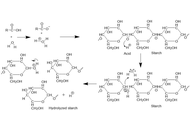
Acid-hydrolyzed nanocrystalline starch has attracted interest as a sustainable pharmaceutical excipient because of its crystallinity, compactibility, and potential suitability for direct compression tableting. However, the available evidence on its fabrication methods, material attributes, and performance as a direct compression tablet excipient remains scattered.
Methods:
A systematic review was conducted using MEDLINE, Scopus, PubMed, Embase®, and Google Scholar to identify studies published from 2000 to 2025. Search terms included starch nanocrystals, acid-modified starch, hydrolyzed starch, acid-hydrolyzed starch, nanostarch, and direct compression fillers. Forward and backward snowballing were also performed. Studies were screened using predefined eligibility criteria, excluding reviews, conference abstracts, non-pharmaceutical applications, low crystallinity products, and studies lacking adequate characterization, particularly X-ray diffraction.
Results:
The search identified 651 records; after removal of 3 duplicate records, 648 records were screened, 51 underwent full text assessment, and 34 were included in the review. Acid hydrolysis was the most widely reported method for preparing nanocrystalline starch, while pretreatment strategies such as enzymatic treatment, ultrasonication, ball milling, heat moisture treatment, organic acid treatment, and mixed acid hydrolysis were reported to reduce preparation time or improve yield and crystallinity. Across tablet related studies, acid modified nanocrystalline starch generally showed improved crystallinity, compactibility, and tablet hardness compared with native starch. Spray drying and agglomeration further improved flow and direct compression performance in several studies.
Discussion:
Acid modified nanocrystalline starch shows promise as a sustainable direct compression tablet excipient. However, broader pharmaceutical adoption remains limited by low or variable yield, long processing time, botanical source variability, inconsistent powder flow, limited standardization, and unclear scale up pathways. Future studies should connect preparation methods, material characterization, powder flow engineering, and tablet performance testing to support industrial development.
DOI: https://doi.org/10.37349/eds.2026.1008174
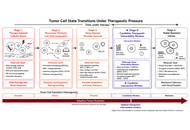
Tumor heterogeneity and cellular plasticity are major drivers of therapeutic failure across many cancer types. While precision oncology has largely focused on static genomic alterations, growing evidence indicates that tumors behave as dynamic biological systems that continuously adapt during treatment. Tumor cell populations can transition between distinct functional states under therapeutic pressure, including transient drug-tolerant phenotypes that may precede stabilization of genetically or epigenetically resistant clones. These transitions are shaped by mechanisms such as epigenetic reprogramming, stress-response signaling, metabolic rewiring, and microenvironmental interactions. This review synthesizes findings from tumor plasticity, drug-tolerant persister biology, therapy-induced vulnerabilities, clonal evolution, and adaptive therapy to examine how temporal tumor dynamics influence treatment response. Emerging evidence suggests that some tumors may pass through short-lived phases of cellular instability during therapy in which molecular dependencies, stress-response programs, or adaptive survival states are altered before resistance becomes genetically or epigenetically stabilized. However, such transition states should be considered therapeutically actionable only when linked to functional evidence of altered drug sensitivity, pathway dependence, immune susceptibility, or clinical response. Advances in single-cell transcriptomics, epigenomic profiling, serial circulating tumor deoxyribonucleic acid (ctDNA)/cfDNA analysis, multi-omics integration, and dynamic imaging are enabling longitudinal monitoring of tumor state transitions and may facilitate identification of transient biological states preceding stable resistance. Integrating temporal tumor biology with therapeutic sequencing strategies, adaptive treatment schedules, and biomarker-guided monitoring may therefore help test whether specific adaptive states can be therapeutically exploited and may refine precision oncology approaches.
Tumor heterogeneity and cellular plasticity are major drivers of therapeutic failure across many cancer types. While precision oncology has largely focused on static genomic alterations, growing evidence indicates that tumors behave as dynamic biological systems that continuously adapt during treatment. Tumor cell populations can transition between distinct functional states under therapeutic pressure, including transient drug-tolerant phenotypes that may precede stabilization of genetically or epigenetically resistant clones. These transitions are shaped by mechanisms such as epigenetic reprogramming, stress-response signaling, metabolic rewiring, and microenvironmental interactions. This review synthesizes findings from tumor plasticity, drug-tolerant persister biology, therapy-induced vulnerabilities, clonal evolution, and adaptive therapy to examine how temporal tumor dynamics influence treatment response. Emerging evidence suggests that some tumors may pass through short-lived phases of cellular instability during therapy in which molecular dependencies, stress-response programs, or adaptive survival states are altered before resistance becomes genetically or epigenetically stabilized. However, such transition states should be considered therapeutically actionable only when linked to functional evidence of altered drug sensitivity, pathway dependence, immune susceptibility, or clinical response. Advances in single-cell transcriptomics, epigenomic profiling, serial circulating tumor deoxyribonucleic acid (ctDNA)/cfDNA analysis, multi-omics integration, and dynamic imaging are enabling longitudinal monitoring of tumor state transitions and may facilitate identification of transient biological states preceding stable resistance. Integrating temporal tumor biology with therapeutic sequencing strategies, adaptive treatment schedules, and biomarker-guided monitoring may therefore help test whether specific adaptive states can be therapeutically exploited and may refine precision oncology approaches.
DOI: https://doi.org/10.37349/etat.2026.1002390
Aim:
Minimally invasive approaches for radical cystectomy (RC) have been increasingly adopted; however, comparative evidence regarding surgical quality and perioperative outcomes among open (ORC), laparoscopic (LRC), and robot-assisted RC (RARC) remains limited. This study evaluated these three modalities using standardized composite metrics, trifecta and pentafecta, and inverse probability of treatment weighting.
Methods:
We retrospectively analyzed 192 patients who underwent RC with ileal conduit or neobladder reconstruction between 2006 and 2023. Inverse probability of treatment weighting was applied using comprehensive clinicopathological covariates. Trifecta and pentafecta achievements, perioperative parameters, and postoperative complications were compared among the ORC (n = 110), LRC (n = 38), and RARC (n = 44) groups.
Results:
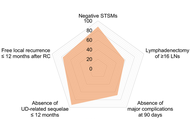
RARC achieved the most favorable perioperative and surgical outcomes. Specifically, RARC showed significantly higher rates of several trifecta and pentafecta components than ORC, including fewer positive soft tissue surgical margins (0.0% vs. 5.2%, P < 0.01), reduced major complication rates within 90 days (16.1% vs. 44%, P < 0.05), and fewer urinary diversion–related sequelae within 12 months (1.5% vs. 13.5%, P < 0.05). RARC was also associated with significantly lower blood loss than ORC (380 ± 513 mL vs. 2,913 ± 2,997 mL, P < 0.01), as well as lower rates of pelvic abscess, gastrointestinal anastomotic leakage, and obstructive ileus (all P < 0.01) than ORC. In contrast, LRC was not superior to ORC in terms of major complications or diversion-related outcomes. Local pelvic recurrence within 12 months did not differ significantly among the three modalities.
Conclusions:
RARC may be a favorable surgical option for reducing perioperative morbidity in patients with high-grade bladder cancer, with comparable 12-month local recurrence rates among surgical approaches.
DOI: https://doi.org/10.37349/etat.2026.1002389
