



 Previous
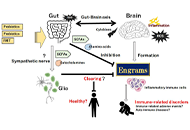
Among the malignant tumors in the central nervous system (CNS), glioma is the most challenging tumor to the public society, which accounts for the majority of intracranial malignant tumors with impaired brain function. In general, conventional therapies are still unable to provide an effective cure. However, novel immunotherapies have changed the treatment scene giving patients a greater potential to attain long term survival, improved quality of life. Having shown favorable results in solid tumors, those therapies are now at a cancer research hotspot, which could even shrink the growth of glioma cells without causing severe complications. However, it is important to recognize that the therapy may be occasionally associated with noteworthy adverse action called immune-related adverse events (IRAEs) which have emerged as a potential limitation of the therapy. Multiple classes of mediators have been developed to enhance the ability of immune system to target malignant tumors including glioma but may also be associated with the IRAEs. In addition, it is probable that it would take long time after the therapy to exhibit severe immune-related disorders. Gut microbiota could play an integral role in optimal immune development and/or appropriate function for the cancer therapy, which is a vital component of the multidirectional communication between immune system, brain, and gut, also known as gut-brain-immune axis. Here, we show the potential effects of the gut-brain-immune axis based on an “engram theory” for the innovative treatment of IRAEs.
Among the malignant tumors in the central nervous system (CNS), glioma is the most challenging tumor to the public society, which accounts for the majority of intracranial malignant tumors with impaired brain function. In general, conventional therapies are still unable to provide an effective cure. However, novel immunotherapies have changed the treatment scene giving patients a greater potential to attain long term survival, improved quality of life. Having shown favorable results in solid tumors, those therapies are now at a cancer research hotspot, which could even shrink the growth of glioma cells without causing severe complications. However, it is important to recognize that the therapy may be occasionally associated with noteworthy adverse action called immune-related adverse events (IRAEs) which have emerged as a potential limitation of the therapy. Multiple classes of mediators have been developed to enhance the ability of immune system to target malignant tumors including glioma but may also be associated with the IRAEs. In addition, it is probable that it would take long time after the therapy to exhibit severe immune-related disorders. Gut microbiota could play an integral role in optimal immune development and/or appropriate function for the cancer therapy, which is a vital component of the multidirectional communication between immune system, brain, and gut, also known as gut-brain-immune axis. Here, we show the potential effects of the gut-brain-immune axis based on an “engram theory” for the innovative treatment of IRAEs.
DOI: https://doi.org/10.37349/etat.2022.00114
This article belongs to the special issue Theranostic Frontiers in Neuro-Oncology


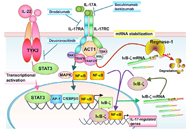
Psoriasis is a skin disease characterized by scaly erythema, parakeratosis, and epidermal hyperplasia. Application of imiquimod (IMQ), a ligand for Toll-like receptor 7, produces a mouse model for psoriasis. IMQ application induces scaling, erythema, and thickness in skin lesions, and the symptoms are milder in interleukin-23 p19 (Il23p19)-deficient and Il17a-deficient mice than in wild-type mice; this suggests that the interleukin-23 (IL-23)/T helper 17 (Th17) axis and Th17 cell-secreting cytokines play essential roles in the IMQ-induced psoriasis model. It is notable that a genome-wide association study identified the human tyrosine kinase 2 (TYK2) gene within the psoriasis susceptibility locus. After IMQ application, mice lacking Tyk2, a mouse homologue of the human TYK2 gene, exhibited significantly lower symptom scores of psoriasis and diminished inflammatory cell infiltration in the skin lesions. Tyk2-deficient mice also failed to increase CD4+IL-17+ or CD4+ interferon-γ+ (IFN-γ+) T cells in the draining lymph nodes or to produce Th17 cell-related cytokines after IMQ application. Furthermore, Tyk2 deficiency led to diminished skin inflammation induced by IL-23 and IL-22 injections. These results indicate that Tyk2-mediated signals in mice contribute to multiple steps of immune and inflammatory responses during the development of psoriasis; therefore, TYK2 targeting may be a promising strategy to treat patients with psoriasis. Recent clinical trials have shown that TYK2 inhibitors have a high overall response rate with good tolerability in the management of psoriasis. This review describes the fundamental mechanisms of Tyk2 inhibition in immune/inflammatory diseases.
Psoriasis is a skin disease characterized by scaly erythema, parakeratosis, and epidermal hyperplasia. Application of imiquimod (IMQ), a ligand for Toll-like receptor 7, produces a mouse model for psoriasis. IMQ application induces scaling, erythema, and thickness in skin lesions, and the symptoms are milder in interleukin-23 p19 (Il23p19)-deficient and Il17a-deficient mice than in wild-type mice; this suggests that the interleukin-23 (IL-23)/T helper 17 (Th17) axis and Th17 cell-secreting cytokines play essential roles in the IMQ-induced psoriasis model. It is notable that a genome-wide association study identified the human tyrosine kinase 2 (TYK2) gene within the psoriasis susceptibility locus. After IMQ application, mice lacking Tyk2, a mouse homologue of the human TYK2 gene, exhibited significantly lower symptom scores of psoriasis and diminished inflammatory cell infiltration in the skin lesions. Tyk2-deficient mice also failed to increase CD4+IL-17+ or CD4+ interferon-γ+ (IFN-γ+) T cells in the draining lymph nodes or to produce Th17 cell-related cytokines after IMQ application. Furthermore, Tyk2 deficiency led to diminished skin inflammation induced by IL-23 and IL-22 injections. These results indicate that Tyk2-mediated signals in mice contribute to multiple steps of immune and inflammatory responses during the development of psoriasis; therefore, TYK2 targeting may be a promising strategy to treat patients with psoriasis. Recent clinical trials have shown that TYK2 inhibitors have a high overall response rate with good tolerability in the management of psoriasis. This review describes the fundamental mechanisms of Tyk2 inhibition in immune/inflammatory diseases.
DOI: https://doi.org/10.37349/ei.2022.00081
This article belongs to the special issue Cytokines and Skin Diseases
Systemic lupus erythematosus (SLE) is a chronic, immune-mediated disease associated with significant morbidity and mortality. New evidence suggests that diet, gut microbiota, intestinal permeability, and endotoxemia may modulate chronic inflammation and disease activity in SLE. This review focus on what is known about the gut microbiota in lupus mouse models and SLE patients and the possible mechanisms that connect the gut microbiota with SLE. It included 29 studies (12 animal studies, 15 human studies, and 2 included data on both), with variable results regarding alpha and beta-diversity and gut microbiota composition between lupus-mouse models and SLE patients. Ruminococcus (R.) gnavus was significantly increased in lupus nephritis (LN) in one study, but this was not corroborated by others. Despite the different results, mechanistic lupus mouse model studies have shown that gut microbiota can modulate disease activity. Interestingly, pathobiont translocation in monocolonized and autoimmune-prone mice induced autoantibodies and caused mortality, which could be prevented by a vaccine targeting the pathobiont. Moreover, studies on fecal transplants and diet on different lupus mouse models showed an effect on disease activity. In SLE patients, a higher adherence to the Mediterranean diet was associated with lower disease activity, which may be explained by the connection between diet and gut microbiota. Although gut dysbiosis has been observed in SLE patients and lupus mouse models, it remains to clarify if it is a cause or a consequence of the disease or its treatments. Further studies with larger and well-characterized populations will undoubtedly contribute to deciphering the role of gut microbiota in SLE development, progression, and outcome.
Systemic lupus erythematosus (SLE) is a chronic, immune-mediated disease associated with significant morbidity and mortality. New evidence suggests that diet, gut microbiota, intestinal permeability, and endotoxemia may modulate chronic inflammation and disease activity in SLE. This review focus on what is known about the gut microbiota in lupus mouse models and SLE patients and the possible mechanisms that connect the gut microbiota with SLE. It included 29 studies (12 animal studies, 15 human studies, and 2 included data on both), with variable results regarding alpha and beta-diversity and gut microbiota composition between lupus-mouse models and SLE patients. Ruminococcus (R.) gnavus was significantly increased in lupus nephritis (LN) in one study, but this was not corroborated by others. Despite the different results, mechanistic lupus mouse model studies have shown that gut microbiota can modulate disease activity. Interestingly, pathobiont translocation in monocolonized and autoimmune-prone mice induced autoantibodies and caused mortality, which could be prevented by a vaccine targeting the pathobiont. Moreover, studies on fecal transplants and diet on different lupus mouse models showed an effect on disease activity. In SLE patients, a higher adherence to the Mediterranean diet was associated with lower disease activity, which may be explained by the connection between diet and gut microbiota. Although gut dysbiosis has been observed in SLE patients and lupus mouse models, it remains to clarify if it is a cause or a consequence of the disease or its treatments. Further studies with larger and well-characterized populations will undoubtedly contribute to deciphering the role of gut microbiota in SLE development, progression, and outcome.
DOI: https://doi.org/10.37349/emed.2022.00112
Antibody-drug conjugates (ADCs) are a recent, revolutionary approach for malignancies treatment, designed to provide superior efficacy and specific targeting of tumor cells, compared to systemic cytotoxic chemotherapy. Their structure combines highly potent anti-cancer drugs (payloads or warheads) and monoclonal antibodies (Abs), specific for a tumor-associated antigen, via a chemical linker. Because the sensitive targeting capabilities of monoclonal Abs allow the direct delivery of cytotoxic payloads to tumor cells, these agents leave healthy cells unharmed, reducing toxicity. Different ADCs have been approved by the US Food and Drug Administration (FDA) and the European Medicines Agency (EMA) for the treatment of a wide range of malignant conditions, both as monotherapy and in combination with chemotherapy, including for lymphoma patients. Over 100 ADCs are under preclinical and clinical investigation worldwide. This paper it provides an overview of approved and promising ADCs in clinical development for the treatment of lymphoma. Each component of the ADC design, their mechanism of action, and the highlights of their clinical development progress are discussed.
Antibody-drug conjugates (ADCs) are a recent, revolutionary approach for malignancies treatment, designed to provide superior efficacy and specific targeting of tumor cells, compared to systemic cytotoxic chemotherapy. Their structure combines highly potent anti-cancer drugs (payloads or warheads) and monoclonal antibodies (Abs), specific for a tumor-associated antigen, via a chemical linker. Because the sensitive targeting capabilities of monoclonal Abs allow the direct delivery of cytotoxic payloads to tumor cells, these agents leave healthy cells unharmed, reducing toxicity. Different ADCs have been approved by the US Food and Drug Administration (FDA) and the European Medicines Agency (EMA) for the treatment of a wide range of malignant conditions, both as monotherapy and in combination with chemotherapy, including for lymphoma patients. Over 100 ADCs are under preclinical and clinical investigation worldwide. This paper it provides an overview of approved and promising ADCs in clinical development for the treatment of lymphoma. Each component of the ADC design, their mechanism of action, and the highlights of their clinical development progress are discussed.
DOI: https://doi.org/10.37349/etat.2022.00112
This article belongs to the special issue Antibody-Drug Conjugates
The therapy of many neurological disorders has advanced markedly during recent decades. Not so for neurodegenerative disorders. Early detection, deep individual genotyping and phenotyping, and personalized therapies have been suggested as the way forward. However, we still do not know enough about the aetiology and molecular basics of these diseases. In fact, the term neurodegenerative disorder may be a misleading categorization that constitutes a major cognitive barrier against better characterization and understanding of these disorders. Therefore, we need to go back to the basics and employ novel, open-minded observational study protocols that combine very extensive and robust clinical, molecular and epidemiological data collection methods. Moreover, we need to reconsider our basic orientation towards these diseases to increase our chances of finding out what we are actually trying to care for and cure.
The therapy of many neurological disorders has advanced markedly during recent decades. Not so for neurodegenerative disorders. Early detection, deep individual genotyping and phenotyping, and personalized therapies have been suggested as the way forward. However, we still do not know enough about the aetiology and molecular basics of these diseases. In fact, the term neurodegenerative disorder may be a misleading categorization that constitutes a major cognitive barrier against better characterization and understanding of these disorders. Therefore, we need to go back to the basics and employ novel, open-minded observational study protocols that combine very extensive and robust clinical, molecular and epidemiological data collection methods. Moreover, we need to reconsider our basic orientation towards these diseases to increase our chances of finding out what we are actually trying to care for and cure.
DOI: https://doi.org/10.37349/en.2022.00006
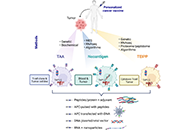
Major advances in cancer treatment have emerged with the introduction of immunotherapies using blocking antibodies that target T-cell inhibitory receptors, such as programmed death-1 (PD-1) and cytotoxic T-lymphocyte-associated antigen-4 (CTLA-4), known as immune checkpoints. However, most cancer patients do not respond to immune checkpoint blockade (ICB) therapies, suggesting the development of resistance mechanisms associated with either an insufficient number of preexisting tumor-specific T-cell precursors and/or inappropriate T-cell reactivation. To broaden clinical benefit, anti-PD-1/PD-1 ligand (PD-L1) neutralizing antibodies have been combined with therapeutic cancer vaccines based on non-mutant and/or mutant tumor antigens, to stimulate and expand tumor-specific T lymphocytes. Although these combination treatments achieve the expected goal in some patients, relapse linked to alterations in antigen presentation machinery (APM) of cancer cells often occurs leading to tumor escape from CD8 T-cell immunity. Remarkably, an alternative antigenic peptide repertoire, referred to as T-cell epitopes associated with impaired peptide processing (TEIPP), arises on these malignant cells with altered APM. TEIPP are derived from ubiquitous non-mutant self-proteins and represent a unique resource to target immune-edited tumors that have acquired resistance to cytotoxic T lymphocytes (CTLs) related to defects in transporter associated with antigen processing (TAP) and possibly also to ICB. The present review discusses tumor-associated antigens (TAAs) and mutant neoantigens and their use as targets in peptide- and RNA-based therapeutic cancer vaccines. Finally, this paper highlights TEIPP as a promising immunogenic non-mutant neoantigen candidates for active cancer immunotherapy and combination with TAA and mutant neoantigens. Combining these polyepitope cancer vaccines with ICB would broaden T-cell specificity and reinvigorate exhausted antitumor CTL, resulting in the eradication of all types of neoplastic cells, including immune-escaped subtypes.
Major advances in cancer treatment have emerged with the introduction of immunotherapies using blocking antibodies that target T-cell inhibitory receptors, such as programmed death-1 (PD-1) and cytotoxic T-lymphocyte-associated antigen-4 (CTLA-4), known as immune checkpoints. However, most cancer patients do not respond to immune checkpoint blockade (ICB) therapies, suggesting the development of resistance mechanisms associated with either an insufficient number of preexisting tumor-specific T-cell precursors and/or inappropriate T-cell reactivation. To broaden clinical benefit, anti-PD-1/PD-1 ligand (PD-L1) neutralizing antibodies have been combined with therapeutic cancer vaccines based on non-mutant and/or mutant tumor antigens, to stimulate and expand tumor-specific T lymphocytes. Although these combination treatments achieve the expected goal in some patients, relapse linked to alterations in antigen presentation machinery (APM) of cancer cells often occurs leading to tumor escape from CD8 T-cell immunity. Remarkably, an alternative antigenic peptide repertoire, referred to as T-cell epitopes associated with impaired peptide processing (TEIPP), arises on these malignant cells with altered APM. TEIPP are derived from ubiquitous non-mutant self-proteins and represent a unique resource to target immune-edited tumors that have acquired resistance to cytotoxic T lymphocytes (CTLs) related to defects in transporter associated with antigen processing (TAP) and possibly also to ICB. The present review discusses tumor-associated antigens (TAAs) and mutant neoantigens and their use as targets in peptide- and RNA-based therapeutic cancer vaccines. Finally, this paper highlights TEIPP as a promising immunogenic non-mutant neoantigen candidates for active cancer immunotherapy and combination with TAA and mutant neoantigens. Combining these polyepitope cancer vaccines with ICB would broaden T-cell specificity and reinvigorate exhausted antitumor CTL, resulting in the eradication of all types of neoplastic cells, including immune-escaped subtypes.
DOI: https://doi.org/10.37349/etat.2022.00111
This article belongs to the special issue Cancer Immunotherapy and Tumor Microenvironment
Aim:
Head and neck squamous cell cancer (HNSCC) is the ninth most common tumor worldwide. Neck lymph node (LN) status is the major indicator of prognosis in all head and neck cancers, and the early detection of LN involvement is crucial in terms of therapy and prognosis. Diffusion-weighted imaging (DWI) is a non- invasive imaging technique used in magnetic resonance imaging (MRI) to characterize tissues based on the displacement motion of water molecules. This review aims to provide an overview of the current literature concerning quantitative diffusion imaging for LN staging in patients with HNSCC.
Methods:
This systematic review performed a literature search on the PubMed database (https://pubmed.ncbi.nlm.nih.gov/) for all relevant, peer-reviewed literature on the subject following the preferred reporting items for systematic reviews and meta-analyses (PRISMA) criteria, using the keywords: DWI, MRI, head and neck, staging, lymph node.
Results:
After excluding reviews, meta-analyses, case reports, and bibliometric studies, 18 relevant papers out of the 567 retrieved were selected for analysis.
Conclusions:
DWI improves the diagnosis, treatment planning, treatment response evaluation, and overall management of patients affected by HNSCC. More robust data to clarify the role of apparent diffusion coefficient (ADC) and DWI parameters are needed to develop models for prognosis and prediction in HNSCC cancer using MRI.
DOI: https://doi.org/10.37349/etat.2022.00110
This article belongs to the special issue Artificial Intelligence for Precision Oncology
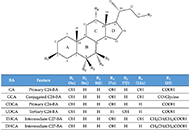
Several metabolic pathways are involved in the biotransformation of C27 neutral cholesterol to C24 primary bile acids (BAs), mainly cholic acid (CA) and chenodeoxycholic acid (CDCA), which are then conjugated with glycine or taurine. This process can start with the modification of the steroid ring or the shortening of the side chain and involves enzymes present in different subcellular compartments. Inborn errors affecting the biogenesis of organelles, such as peroxisomes, or the expression or function of specific enzymes of these convergent routes result in: i) the lack of mature C24-BAs, with the subsequent impairment in digestion and absorption of dietary fat and liposoluble vitamins, such as vitamin K, which may account for a deficient hepatic synthesis of several coagulation factors; ii) the accumulation of intermediate metabolites, which may affect hepatocyte physiology, causing cholestasis as a commonly shared alteration besides other deleterious hepatic events; and iii) extrahepatic clinical manifestations due to accumulation of toxic metabolites in other territories, such as the nervous system, causing neurological disorders. In general, diseases whose primary alteration is a genetic defect in BA synthesis are diagnosed in children or young individuals with a very low incidence. The symptomatology can markedly vary among individuals, ranging from mild to severe conditions. Oral therapy, based on the enrichment of the BA pool with natural C24-BAs, such as CA, CDCA, glyco-CA, or ursodeoxycholic acid (UDCA), depending on the exact deficiency causing the disease, may be beneficial in preventing life-threatening situations. In contrast, in other cases, a liver transplant is the only option for these patients. This review describes the updated information on the genetic and molecular bases of these diseases and the current approaches to achieve a selective diagnosis and specific treatment.
Several metabolic pathways are involved in the biotransformation of C27 neutral cholesterol to C24 primary bile acids (BAs), mainly cholic acid (CA) and chenodeoxycholic acid (CDCA), which are then conjugated with glycine or taurine. This process can start with the modification of the steroid ring or the shortening of the side chain and involves enzymes present in different subcellular compartments. Inborn errors affecting the biogenesis of organelles, such as peroxisomes, or the expression or function of specific enzymes of these convergent routes result in: i) the lack of mature C24-BAs, with the subsequent impairment in digestion and absorption of dietary fat and liposoluble vitamins, such as vitamin K, which may account for a deficient hepatic synthesis of several coagulation factors; ii) the accumulation of intermediate metabolites, which may affect hepatocyte physiology, causing cholestasis as a commonly shared alteration besides other deleterious hepatic events; and iii) extrahepatic clinical manifestations due to accumulation of toxic metabolites in other territories, such as the nervous system, causing neurological disorders. In general, diseases whose primary alteration is a genetic defect in BA synthesis are diagnosed in children or young individuals with a very low incidence. The symptomatology can markedly vary among individuals, ranging from mild to severe conditions. Oral therapy, based on the enrichment of the BA pool with natural C24-BAs, such as CA, CDCA, glyco-CA, or ursodeoxycholic acid (UDCA), depending on the exact deficiency causing the disease, may be beneficial in preventing life-threatening situations. In contrast, in other cases, a liver transplant is the only option for these patients. This review describes the updated information on the genetic and molecular bases of these diseases and the current approaches to achieve a selective diagnosis and specific treatment.
DOI: https://doi.org/10.37349/edd.2022.00010
This article belongs to the special issue CHOLESTASIS
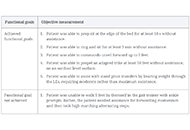
The patient was a 6-year-old child with spastic quadriplegic cerebral palsy (CP) categorized with the gross motor function classification system (GMFCS) as a level IV and a Modified Modified Ashworth Scale (MMAS) of 2 for the bilateral hamstring and hip adductor muscles, and 3 for the bilateral gastrocnemius muscles. This patient’s limited range of motion significantly affected the caregiver’s ability to perform activities of daily living (ADLs). Dry needling (DN) is considered a standard treatment (TX) when treating adults with poor range of motion. This article aims to place intramuscular electrical stimulation (IMES), the delivery of an electrical current through a monofilament needle into targeted trigger points (TrPs) within the context of treating children with spastic CP. Following IMES TXs over 32 months that totaled 12 left hamstring TXs, 13 right hamstring TXs, 13 hip adductor TXs, 21 left gastrocnemius TXs, and 18 right gastrocnemius TXs, the patient demonstrated an increase in passive range of motion (PROM) of the hamstring, hip adductors, and gastrocnemius muscles. These gains equated to ease in ADLs. Both the Pediatric Evaluation of Disability Inventory (PEDI, PEDI-Caregiver Assistance Scale) and the Goal Attainment Scale (GAS) demonstrated decreased caregiver burden. The child’s GMFCS level and the MMAS did not change. Further data collection related to treating children with spasticity using IMES is indicated to validate this type of TX with this patient population.
The patient was a 6-year-old child with spastic quadriplegic cerebral palsy (CP) categorized with the gross motor function classification system (GMFCS) as a level IV and a Modified Modified Ashworth Scale (MMAS) of 2 for the bilateral hamstring and hip adductor muscles, and 3 for the bilateral gastrocnemius muscles. This patient’s limited range of motion significantly affected the caregiver’s ability to perform activities of daily living (ADLs). Dry needling (DN) is considered a standard treatment (TX) when treating adults with poor range of motion. This article aims to place intramuscular electrical stimulation (IMES), the delivery of an electrical current through a monofilament needle into targeted trigger points (TrPs) within the context of treating children with spastic CP. Following IMES TXs over 32 months that totaled 12 left hamstring TXs, 13 right hamstring TXs, 13 hip adductor TXs, 21 left gastrocnemius TXs, and 18 right gastrocnemius TXs, the patient demonstrated an increase in passive range of motion (PROM) of the hamstring, hip adductors, and gastrocnemius muscles. These gains equated to ease in ADLs. Both the Pediatric Evaluation of Disability Inventory (PEDI, PEDI-Caregiver Assistance Scale) and the Goal Attainment Scale (GAS) demonstrated decreased caregiver burden. The child’s GMFCS level and the MMAS did not change. Further data collection related to treating children with spasticity using IMES is indicated to validate this type of TX with this patient population.
DOI: https://doi.org/10.37349/ent.2022.00031
This article belongs to the special issue Dry Needling for Neurological Disorders
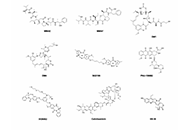
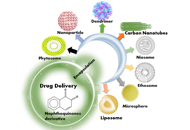
Fernandoa adenophylla (FA, Heterophragma adenophyllum) is a plant, cultivated throughout Africa and Southeast Asia. It contains potent phytochemicals such as novel naphthoquinones, their derivatives (peshwaraquinone, dilapachone, adenophyllone, indadone, and lapachol), and triterpenoids [ursolic acid (UA), β-sitosterol (BS), α-amyrin, and oleanolic acid (OA)] that have been assessed and reported to show potential pharmacological activities. The crude extract obtained from the plant has been investigated for certain pharmacological activities such as antibacterial, antifungal, anti-tubercular (TB), antihypertensive, and leishmanicidal activity. A novel drug delivery systems (NDDS) is the latest technique that combines innovative development, formulations, new technology, and methodologies for the safe delivery of pharmaceutical substances in the body. The present study reports the possible treatment opportunities of FA and recent possible novel drug delivery approaches for the natural medicinal phytochemicals.
Fernandoa adenophylla (FA, Heterophragma adenophyllum) is a plant, cultivated throughout Africa and Southeast Asia. It contains potent phytochemicals such as novel naphthoquinones, their derivatives (peshwaraquinone, dilapachone, adenophyllone, indadone, and lapachol), and triterpenoids [ursolic acid (UA), β-sitosterol (BS), α-amyrin, and oleanolic acid (OA)] that have been assessed and reported to show potential pharmacological activities. The crude extract obtained from the plant has been investigated for certain pharmacological activities such as antibacterial, antifungal, anti-tubercular (TB), antihypertensive, and leishmanicidal activity. A novel drug delivery systems (NDDS) is the latest technique that combines innovative development, formulations, new technology, and methodologies for the safe delivery of pharmaceutical substances in the body. The present study reports the possible treatment opportunities of FA and recent possible novel drug delivery approaches for the natural medicinal phytochemicals.
DOI: https://doi.org/10.37349/emed.2022.00111
This article belongs to the special issue Techniques in Repurposing and Targeted Delivery: Bringing a New Life to Shelved Drugs
Aim:
Human leukocyte antigen (HLA) population genetics has been a historical field centralizing data resource. HLA genetics databases typically facilitate access to frequencies of allele, haplotype, and genotype format information. Among many resources, the Allele Frequency Net Database (AFND) is a typical centralized repository that allows users to research and analyze immune gene frequencies in different populations around the world. With the massive increase in medical data and the strengthening of data governance laws, the proposal for a new distributed and secure model for the historical centralization method in population genetics has become important. In this paper, a new model of HLA population genetic resources, an alternative distributed version of HLA databases has been developed. It allows users to perform the same research and analysis with other remote sites without sharing their original data and monitoring data access.
Methods:
This new version uses the Master/Worker distributed model and offers distributed algorithms for the calculation of allelic frequencies, haplotypic frequencies and for individual genotypic calculations. The new model was evaluated on a distributed testbed for experiment-driven research Grid’5000 and has obtained good results of accuracy and execution time compared to the original centralized scheme used by researchers.
Results:
The results show that distributed algorithm applied to HLA population genetics resources enables usage control and enables enforcing the security framework of the data-owning institution. It gives the same results for all counting methods in population immunogenetics. With the same frequencies’ estimations, it yields a much quicker computation time in many cases, in particular for large samples.
Conclusions:
Distributing previously centralized resources is an interesting perspective enhancing better control of data sharing.
DOI: https://doi.org/10.37349/ei.2022.00080
Aim:
Probiotic bacteria consumption for improving human health and for disease prevention is still controversial. There is a need to develop functional probiotic bacteria with proven efficacy for the human gastrointestinal (GI) system. The novel bacteria will lower the steady state of constant Ethanol production may lead to gut microbiota dysbiosis and liver injuries.
Methods:
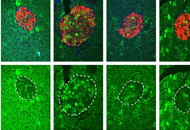
Herein engineered probiotic bacterium B. subtilis to enhance the secretion of human alcohol dehydrogenase-4 (ADH4) by fusion of signal peptides (SPs) was constructed. As a result, higher ADH4 secretion and Ethanol removal rates were observed in phoB SP transformant SP-64, compared to other transformants. The engineered ADH4 expressing probiotic B. subtilis was delivered as spores to evaluate various physiological, biochemical, and immuno-histochemical parameters of mice under a high-fat diet (HFD)-induced obesity and metabolic impairment.
Results:
The treatment ameliorated significantly weight gain, improved glucose utilization, and prevented HFD-induced pancreatic damage. Lastly, SP-64 inoculation altered the gut microbiota, and increased the Firmicutes/Bacteroides ratio, supporting better fitness under HFD.
Conclusions:
SP-64 emerged as a potential probiotic that opens a new avenue for interventions against over-nutrition-induced metabolic disorders.
DOI: https://doi.org/10.37349/edd.2022.00009
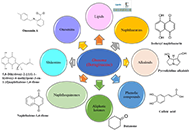
Onosma (O.) is a genus of perennial flowering plants in the family Boraginaceae with approximately 250 species widely dispersed in temperate, tropical, and subtropical areas. It is traditionally used to treat rheumatism, fever, asthma, stomach irritation, and inflammatory ailments. The bioactive constituents present in the genus O. include benzoquinones, naphthazarins, alkaloids, phenolic, naphthoquinones, and flavonoids whereas shikonins and onosmins are the most significant. The review compiled contemporary research on O. L., including its distribution, morphology, traditional applications, phytochemistry, ethnopharmacology, and toxicology. This review also highlights a few critical challenges and possible future directions for O. L. research. Modern research has demonstrated a wide range of pharmacological effects of different species of O. L., including anti-diabetic, anticancer, anti-inflammatory, and cardiovascular protective. However, the studies on the O. genus are still not fully explored, therefore, researchers need to discover novel products with their toxicity studies, molecular mechanism, and associated side effects. Future exploration of potent constituents from this genus and clinical trials are required to explore its pharmacological importance.
Onosma (O.) is a genus of perennial flowering plants in the family Boraginaceae with approximately 250 species widely dispersed in temperate, tropical, and subtropical areas. It is traditionally used to treat rheumatism, fever, asthma, stomach irritation, and inflammatory ailments. The bioactive constituents present in the genus O. include benzoquinones, naphthazarins, alkaloids, phenolic, naphthoquinones, and flavonoids whereas shikonins and onosmins are the most significant. The review compiled contemporary research on O. L., including its distribution, morphology, traditional applications, phytochemistry, ethnopharmacology, and toxicology. This review also highlights a few critical challenges and possible future directions for O. L. research. Modern research has demonstrated a wide range of pharmacological effects of different species of O. L., including anti-diabetic, anticancer, anti-inflammatory, and cardiovascular protective. However, the studies on the O. genus are still not fully explored, therefore, researchers need to discover novel products with their toxicity studies, molecular mechanism, and associated side effects. Future exploration of potent constituents from this genus and clinical trials are required to explore its pharmacological importance.
DOI: https://doi.org/10.37349/etat.2022.00109
This article belongs to the special issue Plant Extracts as an Infinite Resource for New Anticancer Agents
Myasthenia gravis (MG) is a rare auto-immune neuromuscular junction (NMJ) disorder which is caused by formation of autoantibodies and destruction of NMJ components. The MG diagnosis is based on the symptoms, autoantibodies detection and paraclinical tests. Given that MG patients have so many differential diagnosis and various medication responses, choosing an accurate diagnosis and the therapy plan in MG is challenging. According to the studies, there are the immunologic, genetic, microRNAs, gut microbiome, and other established or newly proposed biomarkers for diagnosis and prognosis of MG. More studies are needed to provide better collection of biomarkers in MG patients and evaluate their role in MG pathology.
Myasthenia gravis (MG) is a rare auto-immune neuromuscular junction (NMJ) disorder which is caused by formation of autoantibodies and destruction of NMJ components. The MG diagnosis is based on the symptoms, autoantibodies detection and paraclinical tests. Given that MG patients have so many differential diagnosis and various medication responses, choosing an accurate diagnosis and the therapy plan in MG is challenging. According to the studies, there are the immunologic, genetic, microRNAs, gut microbiome, and other established or newly proposed biomarkers for diagnosis and prognosis of MG. More studies are needed to provide better collection of biomarkers in MG patients and evaluate their role in MG pathology.
DOI: https://doi.org/10.37349/ent.2022.00029
This article belongs to the special issue The Future of Biomarkers in CNS Diseases
Mitochondria are important organelles for high energy synthesis, reactive oxygen species balancing, antiapoptotic molecule production, membrane stability, intracellular calcium buffering, neuroplasticity and neurotransmission. Dysfunction in mitochondria is considered to be involved in the pathophysiology of mental problems. It has been observed that several drug types used to treat brain illnesses can harm mitochondria by altering the oxidative phosphorylation system and the gene expression of mitochondria-related proteins. In some studies, it has been observed that mitochondrial biogenesis shows a therapeutic effect in the management of mitochondrial disorders. Many therapeutic compounds are effective in the activation of mitochondrial biogenesis. The comorbidity of mental problems observed in those with mitochondrial dysfunction and the change in the efficacy of the cellular respiratory system have attracted researchers to understand the pathways and possible therapeutic strategies in neurological disorders. This article has attempted to understand the impact of mitochondrial function and mitochondrial dysfunction in the pathogenesis of brain disorders to develop potential therapeutic drugs.
Mitochondria are important organelles for high energy synthesis, reactive oxygen species balancing, antiapoptotic molecule production, membrane stability, intracellular calcium buffering, neuroplasticity and neurotransmission. Dysfunction in mitochondria is considered to be involved in the pathophysiology of mental problems. It has been observed that several drug types used to treat brain illnesses can harm mitochondria by altering the oxidative phosphorylation system and the gene expression of mitochondria-related proteins. In some studies, it has been observed that mitochondrial biogenesis shows a therapeutic effect in the management of mitochondrial disorders. Many therapeutic compounds are effective in the activation of mitochondrial biogenesis. The comorbidity of mental problems observed in those with mitochondrial dysfunction and the change in the efficacy of the cellular respiratory system have attracted researchers to understand the pathways and possible therapeutic strategies in neurological disorders. This article has attempted to understand the impact of mitochondrial function and mitochondrial dysfunction in the pathogenesis of brain disorders to develop potential therapeutic drugs.
DOI: https://doi.org/10.37349/emed.2022.00110
This article belongs to the special issue Techniques in Repurposing and Targeted Delivery: Bringing a New Life to Shelved Drugs
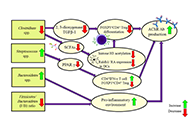
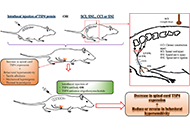
Neuropathic pain (NP), which is difficult to treat, remains a heavy burden for both individuals and society. The efficacy of current treatments is insufficient. The pathophysiology of NP is still not fully elucidated, and there is a need to explore new therapeutic targets to develop more effective treatment strategies. Recent studies showed that thrombospondin 4 (TSP4) protein expression is increased in the spinal cord following nervous system injury and that blocking or inhibiting this increase improves NP. In this review, it has been aimed to present the evidence for the role of TSP4 in the mechanisms of NP development and to evaluate the therapeutic potential of TSP4 blockade in the treatment of NP.
The relationship between TSP4 protein level in the spinal cord and behavioral hypersensitivity in rodents. This illustration has been created to collectively reflect the results of experimental animal studies investigating the relationship between the TSP4 levels in the spinal cord and NP. For more detailed information on related studies, please see the “
DOI: https://doi.org/10.37349/ent.2022.00030
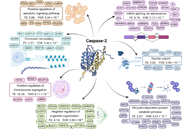
Caspases are key factors in the regulation of the apoptotic and/or inflammatory responses, both crucial in the pathogenesis of diverse diseases. Caspase-2 is the most evolutionary conserved albeit functionally poorly defined member of the caspase family. The precise role of caspase-2 as an initiator or effector caspase is still unknown, but it has been involved in a wide variety of functions, from apoptosis to genomic stability, oxidative stress, metabolism, and cancer. However, many conflicting results render the exact function of this protease still unresolved. Although caspase-2 has several hundred substrates, the activation, processing, and activity on specific substrates remain poorly described. Recent evidence indicates that caspase-2 has a role in metabolic homeostasis and is required for lipotoxicity-induced apoptosis in hepatocytes, contributing to non-alcoholic steatohepatitis (NASH) progression towards hepatocellular carcinoma (HCC). Caspase-2 protein expression strongly localizes to injured/ballooned hepatocytes, correlating with NASH severity. Also, mice lacking caspase-2 showed protection from western diet-induced obesity, dyslipidemia, and insulin resistance. Although there are no effective therapies for NASH and HCC, the evaluation of a pan-caspase inhibitor has reached a phase I/II in clinical trials for advanced liver disease. Nevertheless, a better understanding of caspase functions with the identification of specific proteolytic substrates is essential for future therapeutic developments. Bearing in mind the pressing need to identify new targets for NASH-HCC and its metabolic-related comorbidities, and the favorable effect of caspase-2 genetic inhibition in animal models, pharmacological caspase-2 inhibition arises as a promising strategy that should be further investigated.
Caspases are key factors in the regulation of the apoptotic and/or inflammatory responses, both crucial in the pathogenesis of diverse diseases. Caspase-2 is the most evolutionary conserved albeit functionally poorly defined member of the caspase family. The precise role of caspase-2 as an initiator or effector caspase is still unknown, but it has been involved in a wide variety of functions, from apoptosis to genomic stability, oxidative stress, metabolism, and cancer. However, many conflicting results render the exact function of this protease still unresolved. Although caspase-2 has several hundred substrates, the activation, processing, and activity on specific substrates remain poorly described. Recent evidence indicates that caspase-2 has a role in metabolic homeostasis and is required for lipotoxicity-induced apoptosis in hepatocytes, contributing to non-alcoholic steatohepatitis (NASH) progression towards hepatocellular carcinoma (HCC). Caspase-2 protein expression strongly localizes to injured/ballooned hepatocytes, correlating with NASH severity. Also, mice lacking caspase-2 showed protection from western diet-induced obesity, dyslipidemia, and insulin resistance. Although there are no effective therapies for NASH and HCC, the evaluation of a pan-caspase inhibitor has reached a phase I/II in clinical trials for advanced liver disease. Nevertheless, a better understanding of caspase functions with the identification of specific proteolytic substrates is essential for future therapeutic developments. Bearing in mind the pressing need to identify new targets for NASH-HCC and its metabolic-related comorbidities, and the favorable effect of caspase-2 genetic inhibition in animal models, pharmacological caspase-2 inhibition arises as a promising strategy that should be further investigated.
DOI: https://doi.org/10.37349/edd.2022.00007
Microbiome research has enormous potential in cancer research and the use of formalin-fixed paraffin-embedded (FFPE) tissues could offer many advantages. The tumor microenvironment represents a suitable niche for specific microbes and evidence proves the presence of an endogenous tumor microbiota, here referred to as oncobiota. Awareness of the oncobiota role in tumorigenesis could have a large influence on cancer care, in terms of diagnosis, prevention, and treatment. Moreover, understanding the microbial-related tumor microenvironment, and its influence on tumor immune response and cancer cells will help define important pathogenetic mechanisms in cancer starting or progression. Routine collection of histopathological FFPE samples provides a large availability of specimens essential for affordable and impactful retrospective analyses and for getting robust statistical results. The FFPE tissues are common in the analysis of tumor biopsies including the tumor microbiota characterization which has an important role in the modulation of our immune system and consequently of tumor cells. However, the microbiota analysis starting from FFPE tissues presents methodological pitfalls and limits that may negatively affect the oncobiota research. After examining the methodological and analytical difficulties of this approach, this work seeks to offer workable solutions to promote that research area.
Microbiome research has enormous potential in cancer research and the use of formalin-fixed paraffin-embedded (FFPE) tissues could offer many advantages. The tumor microenvironment represents a suitable niche for specific microbes and evidence proves the presence of an endogenous tumor microbiota, here referred to as oncobiota. Awareness of the oncobiota role in tumorigenesis could have a large influence on cancer care, in terms of diagnosis, prevention, and treatment. Moreover, understanding the microbial-related tumor microenvironment, and its influence on tumor immune response and cancer cells will help define important pathogenetic mechanisms in cancer starting or progression. Routine collection of histopathological FFPE samples provides a large availability of specimens essential for affordable and impactful retrospective analyses and for getting robust statistical results. The FFPE tissues are common in the analysis of tumor biopsies including the tumor microbiota characterization which has an important role in the modulation of our immune system and consequently of tumor cells. However, the microbiota analysis starting from FFPE tissues presents methodological pitfalls and limits that may negatively affect the oncobiota research. After examining the methodological and analytical difficulties of this approach, this work seeks to offer workable solutions to promote that research area.
DOI: https://doi.org/10.37349/ei.2022.00078
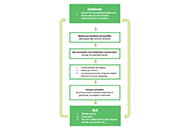
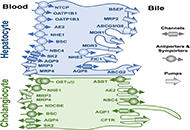
Normal hepatobiliary function depends on an adequate bile flow from the liver through the biliary tree to the gallbladder, where bile is stored and concentrated, and from the gallbladder to the duodenum when it is required for the digestive process. Interruption of this secretory function results in partial or complete cholestasis, which is accompanied by important repercussions due to the lack of bile acids in the intestine and their regurgitation from hepatocytes to blood together with potentially toxic compounds that are normally eliminated in bile. The presence of active and selective transporter proteins located at both poles of the plasma membrane of hepatocytes, cholangiocytes, and epithelial cells of the ileal mucosa, together with the ability of hepatocytes to synthesize bile acids from cholesterol, enables the so-called bile acid enterohepatic circulation, which is essential in liver and gastrointestinal tract physiology. The presence in the ducts of the biliary tree of agents reducing their luminal diameter by external compression or space-occupying obstacles, either in the duct wall or its lumen, can result in total or partial obstructive cholestasis. The clinical impact and management of cholestasis are different depending on the intrahepatic or extrahepatic location of the obstacle. Thus, surgical interventions can often be helpful in removing extrahepatic obstructions and restoring normal bile flow to the duodenum. In contrast, hepatocyte or cholangiocyte damage, either global, restricted to subcellular compartments, or more specifically affecting the elements of the canalicular secretory machinery, may result in hepatocellular cholestasis or cholangiopathies. In these cases, bile flow interruption is usually partial and, except for extremely severe cases when liver transplantation is required, these patients often treated with pharmacological agents, such as ursodeoxycholic acid (UDCA) and rifampicin. The present review gathers updated information on the etiopathogenesis and pathophysiological aspects of different types of cholestasis.
Normal hepatobiliary function depends on an adequate bile flow from the liver through the biliary tree to the gallbladder, where bile is stored and concentrated, and from the gallbladder to the duodenum when it is required for the digestive process. Interruption of this secretory function results in partial or complete cholestasis, which is accompanied by important repercussions due to the lack of bile acids in the intestine and their regurgitation from hepatocytes to blood together with potentially toxic compounds that are normally eliminated in bile. The presence of active and selective transporter proteins located at both poles of the plasma membrane of hepatocytes, cholangiocytes, and epithelial cells of the ileal mucosa, together with the ability of hepatocytes to synthesize bile acids from cholesterol, enables the so-called bile acid enterohepatic circulation, which is essential in liver and gastrointestinal tract physiology. The presence in the ducts of the biliary tree of agents reducing their luminal diameter by external compression or space-occupying obstacles, either in the duct wall or its lumen, can result in total or partial obstructive cholestasis. The clinical impact and management of cholestasis are different depending on the intrahepatic or extrahepatic location of the obstacle. Thus, surgical interventions can often be helpful in removing extrahepatic obstructions and restoring normal bile flow to the duodenum. In contrast, hepatocyte or cholangiocyte damage, either global, restricted to subcellular compartments, or more specifically affecting the elements of the canalicular secretory machinery, may result in hepatocellular cholestasis or cholangiopathies. In these cases, bile flow interruption is usually partial and, except for extremely severe cases when liver transplantation is required, these patients often treated with pharmacological agents, such as ursodeoxycholic acid (UDCA) and rifampicin. The present review gathers updated information on the etiopathogenesis and pathophysiological aspects of different types of cholestasis.
DOI: https://doi.org/10.37349/edd.2022.00008
This article belongs to the special issue CHOLESTASIS
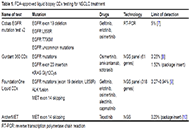
Recently, technological advances in the detection and biological characterization of circulating tumor DNA (ctDNA) have enabled the implementation of liquid biopsy testing into clinical practice. Methods for analysis of liquid biopsies have rapidly evolved over the past few years and have continued to advance, thus providing details about tumor biological characteristics such as tumor progression, metastasis, tumor heterogeneity, genomic mutation profile, clonal evolution, etc. In tandem with technological advances, the implementation of liquid biopsy in routine clinical settings has proceeded. In 2016, the Food and Drug Administration (FDA) approved the first ctDNA liquid biopsy test to detect epidermal growth factor receptor (EGFR) gene mutations in patients with non-small-cell lung cancer (NSCLC) as a companion diagnostic for molecular targeted drug of EGFR-tyrosine kinase inhibitor (TKI, EGFR-TKI). More recently, multigene panel assays of liquid biopsy have been approved as companion diagnostics and have been used in routine clinical settings. The estimation of blood tumor mutation burden (bTMB) to predict the efficacy of immune checkpoint inhibitor (ICI) treatment can be one of the promising approaches to liquid biopsy. The next stage of implementation of liquid biopsy for routine clinical settings is for monitoring of ctDNA after surgical treatment to predict prognosis and to detect disease relapse earlier than conventional imaging diagnosis. Its clinical utility is under assessment in several clinical trials. This review introduces recent advances in liquid biopsy methodology, the development of biomarkers, and its clinical utility in the treatment of NSCLC patients.
Recently, technological advances in the detection and biological characterization of circulating tumor DNA (ctDNA) have enabled the implementation of liquid biopsy testing into clinical practice. Methods for analysis of liquid biopsies have rapidly evolved over the past few years and have continued to advance, thus providing details about tumor biological characteristics such as tumor progression, metastasis, tumor heterogeneity, genomic mutation profile, clonal evolution, etc. In tandem with technological advances, the implementation of liquid biopsy in routine clinical settings has proceeded. In 2016, the Food and Drug Administration (FDA) approved the first ctDNA liquid biopsy test to detect epidermal growth factor receptor (EGFR) gene mutations in patients with non-small-cell lung cancer (NSCLC) as a companion diagnostic for molecular targeted drug of EGFR-tyrosine kinase inhibitor (TKI, EGFR-TKI). More recently, multigene panel assays of liquid biopsy have been approved as companion diagnostics and have been used in routine clinical settings. The estimation of blood tumor mutation burden (bTMB) to predict the efficacy of immune checkpoint inhibitor (ICI) treatment can be one of the promising approaches to liquid biopsy. The next stage of implementation of liquid biopsy for routine clinical settings is for monitoring of ctDNA after surgical treatment to predict prognosis and to detect disease relapse earlier than conventional imaging diagnosis. Its clinical utility is under assessment in several clinical trials. This review introduces recent advances in liquid biopsy methodology, the development of biomarkers, and its clinical utility in the treatment of NSCLC patients.
DOI: https://doi.org/10.37349/etat.2022.00104
This article belongs to the special issue The Implementation of Liquid Biopsy in Clinical Practice for Different Solid Tumor
